Typical Scenarios
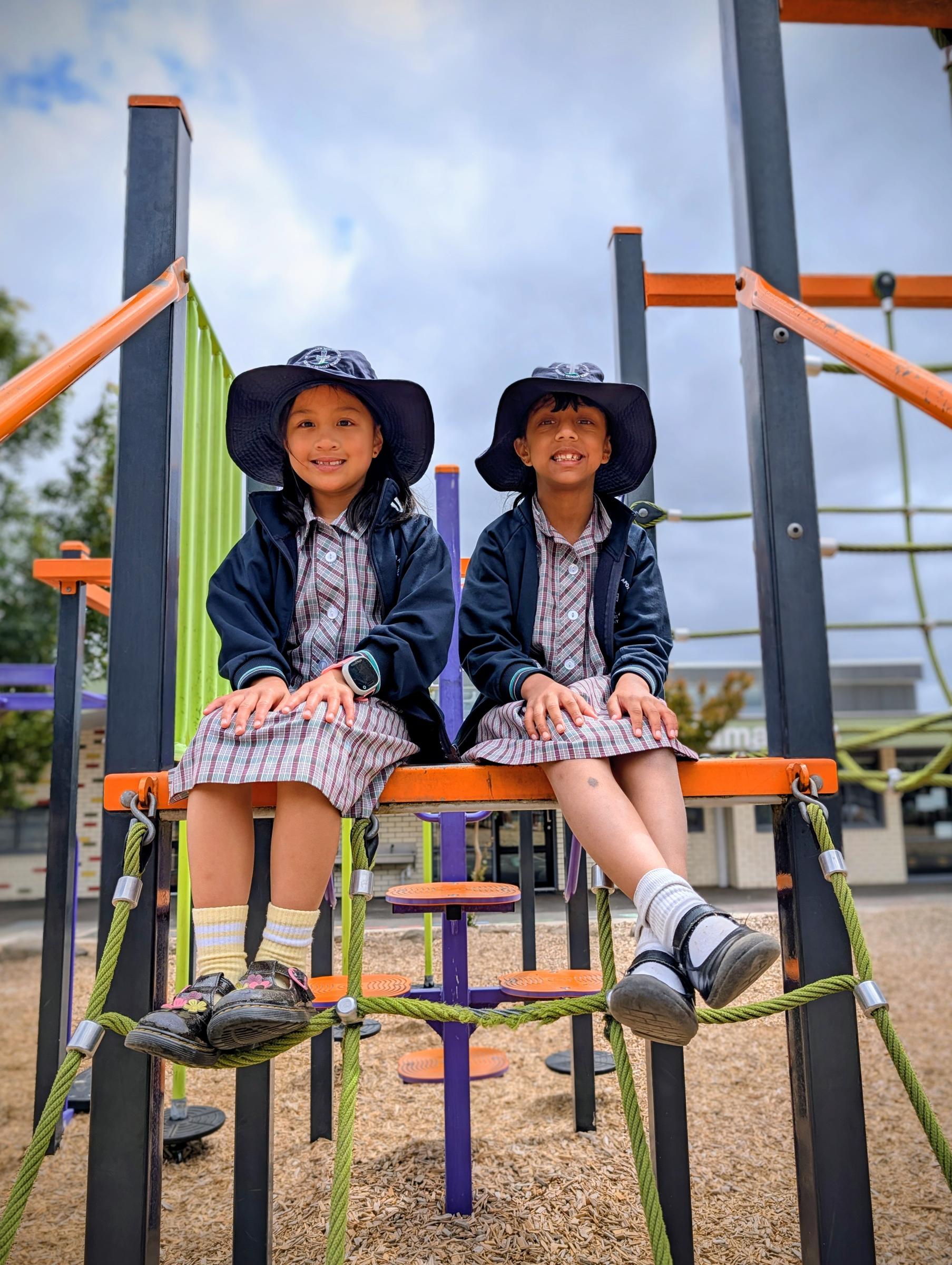
Making Friends: Scenarios, Reflections, and When to Ask for Help
Mini Scenario 1: Asking to Join a Game
A group of children is building with blocks. Another child walks over and says, "Hi, can I help build with you?" The children building smile and say, "Sure! Let’s make a tower together!" But sometimes the answer might be, "We already have enough people."
In that case, the teacher can help the child find another game or try again later.
Mini Scenario 2: Wanting the Same Toy
Two children reach for the same toy truck. One says, "I was using that truck." The other replies, "But I want a turn!" The first child says, "You can have it when I’m done. Let’s use a timer."
A teacher can step in to help both children share and take turns kindly.
Mini Scenario 3: Feeling Left Out
A child is standing near a group playing tag but doesn’t know how to join. A teacher notices and asks, "Would you like to ask to play?" The child nods and says, "Can I play tag too?" The children reply, "Yes! You can be the runner!". If someone says no or the child feels unsure, the teacher can help them find a new game or talk with the group.
When to Ask a Teacher for Help
Sometimes, children need help from an adult to solve a problem with a friend. They should tell a teacher if someone is hurt, if someone is saying unkind or unsafe things, or if they feel left out and don’t know what to do. If they try to solve the problem with kind words but it doesn’t stop, it’s okay to ask for help. If they feel scared or worried, they should always tell a teacher right away.
What Children Can Say to a Teacher
" I tried to fix it, but I need help."
" Someone isn’t being kind."
"I feel left out."
"Can you help us take turns?"
"He or she won’t let me play and I don’t know what to do."
These simple scenarios, reflections, and prompts help children build the confidence to make friends, solve small problems, and know when to turn to a trusted adult.