Languages / International News
End Of Term 2
How to use the term break effectively
1. Reflection and Consolidation
- Review feedback: Go over recent exam papers or assignment feedback to identify recurring problem areas and skill gaps.
- Catch up on notes: Finalise any incomplete notes from the previous term so you have a solid foundation for upcoming modules.
- Complete holiday homework: Finish any set assignments to reduce stress before classes resume.
- Practice active recall: Solve practice questions or utilise flashcards instead of passively rereading textbooks.
2. Planning and Scheduling
- Plot key dates: Map out due dates, major exams, and events on a wall planner or digital calendar so there are no surprises.
- Look ahead: Do light reading or review the syllabus for next term's topics so you know what to expect.
- Set goals: Write down 3 to 5 specific academic and personal goals you want to achieve in the upcoming term.
3. Organization and Admin
- Tidy your workspace: Clean and reorganise your study area, and dispose of unnecessary clutter from the previous term.
- Tech check: Update software on your laptop or tablet, clear out old files, and organize your digital folders.
- Restock supplies: Check your stationery and restock essential items like pens, notebooks, or printer ink.
4. Rest and Reset
- Disconnect: Take a few completely "switch off" days to focus on hobbies, family, or socializing.
- Reset your sleep schedule: Gradually shift your wake-up and bedtime routines a few days before the start date to avoid first-day shock.
- Review your routines: Evaluate which study or lifestyle habits didn't work well last term and brainstorm ways to improve them.

Kalouda Pelitidis
International Student Coordinator
Greek Faculty
Year 10 Modern Greek – Excursion to the Hellenic Museum, Melbourne.
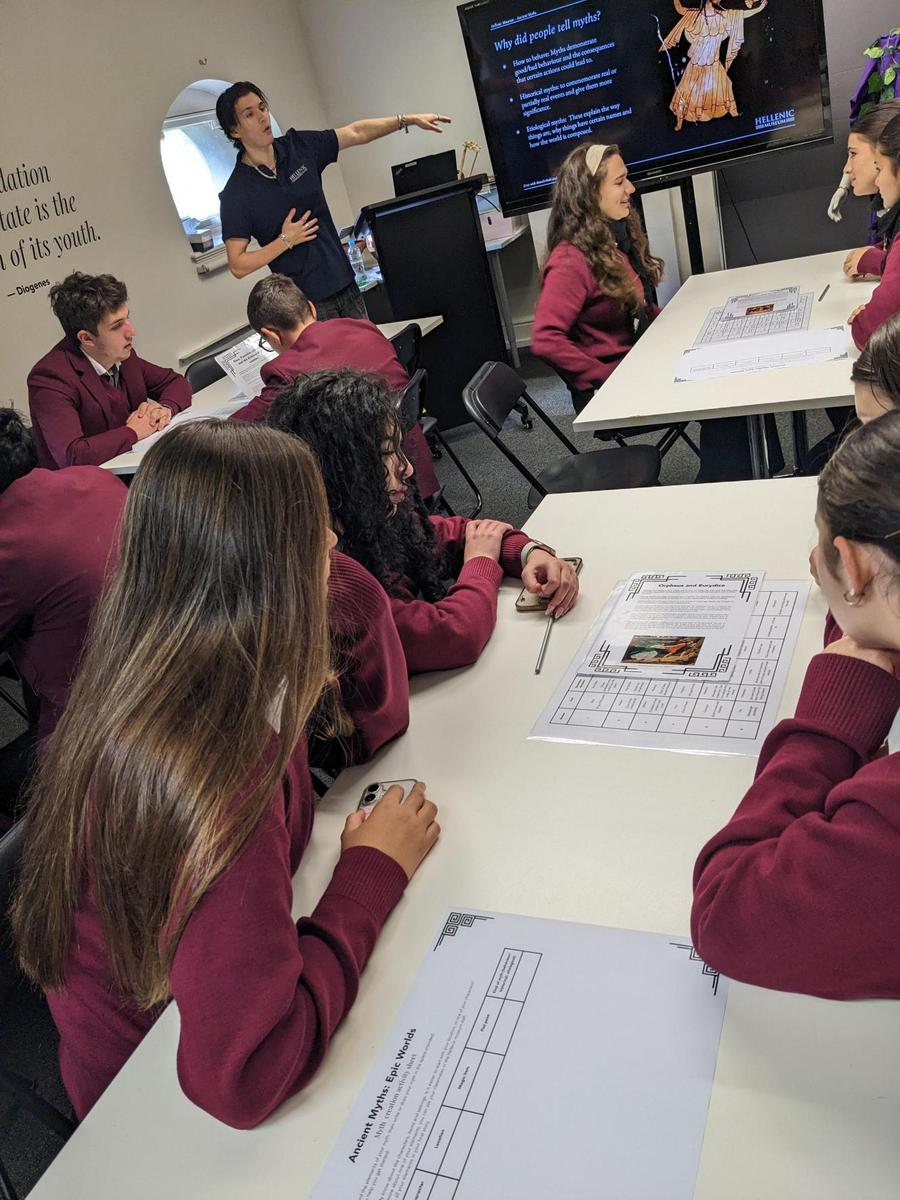
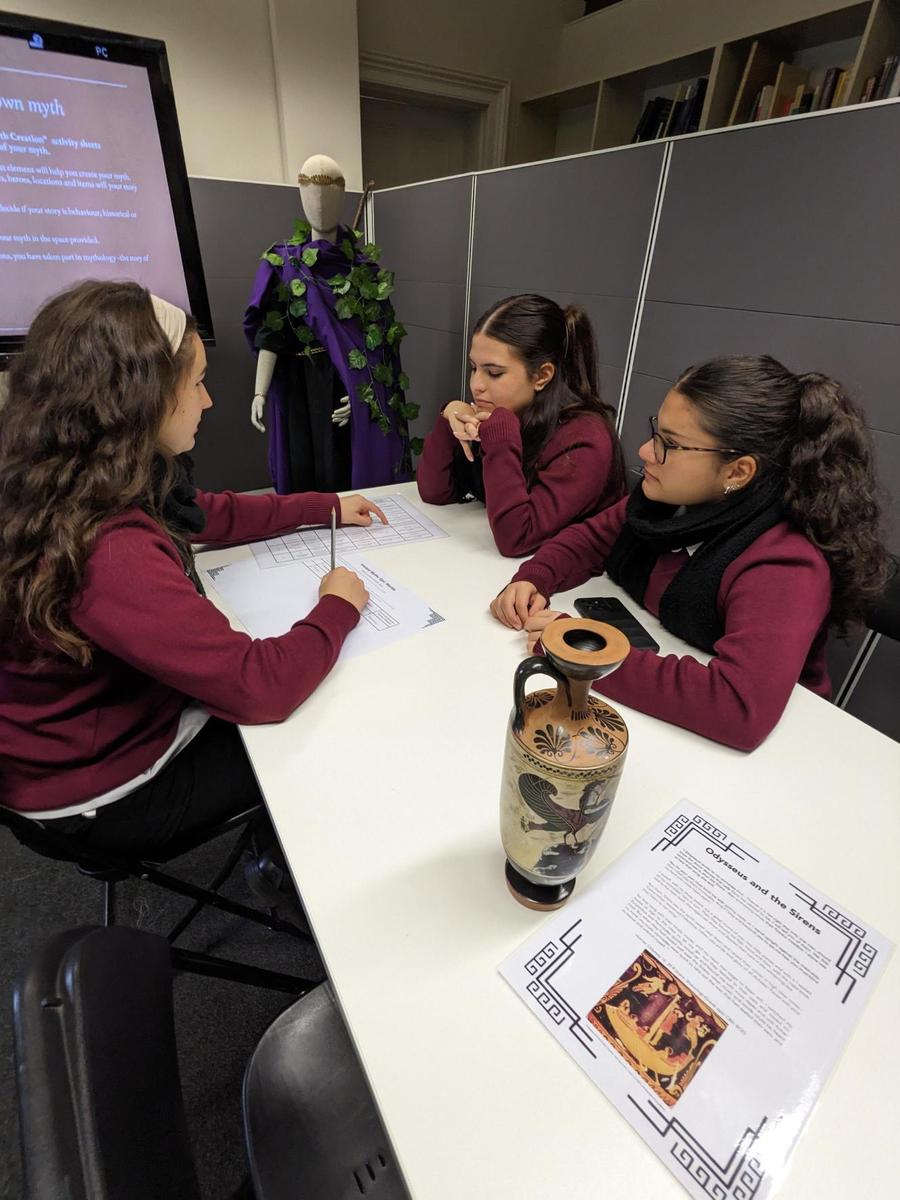
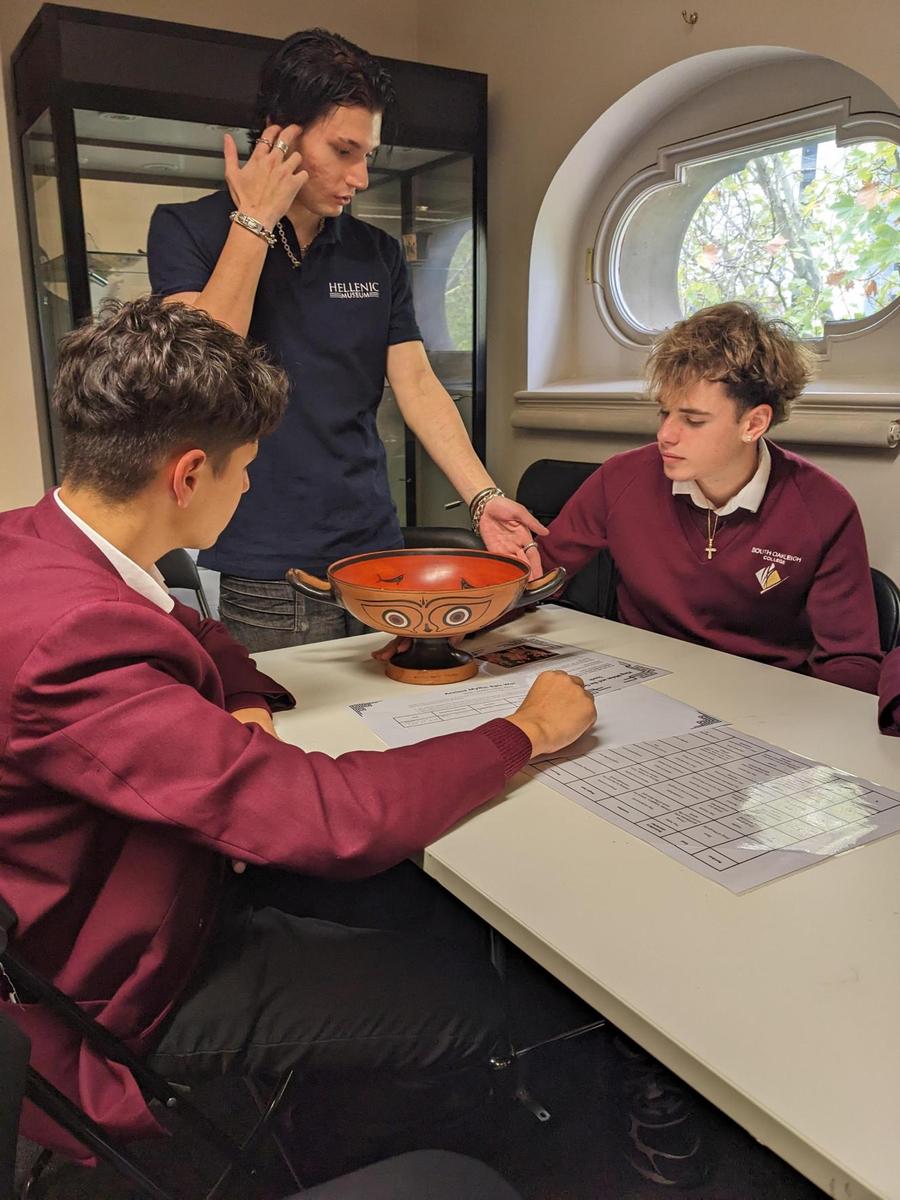
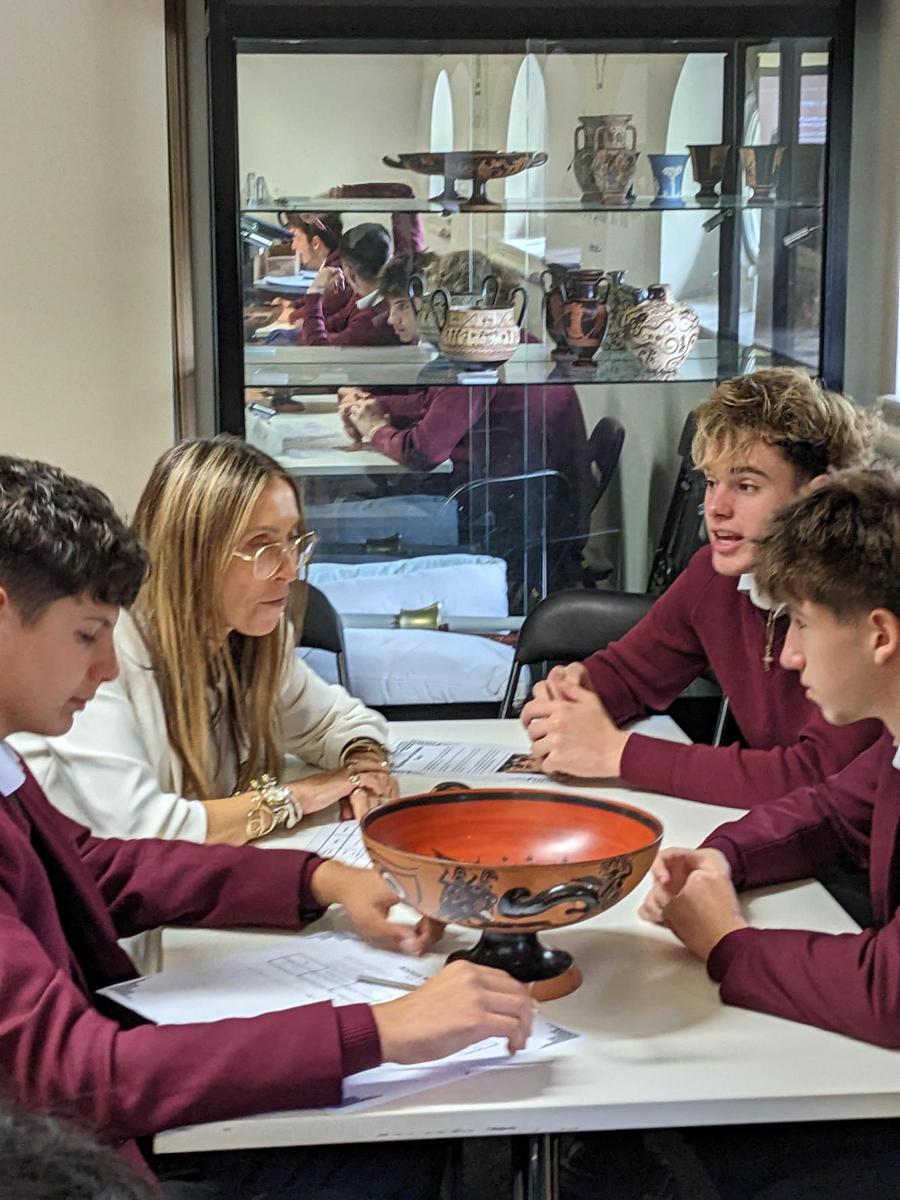
Our Year 10 Greek students recently enjoyed a wonderful excursion to the Hellenic Museum, where they participated in the engaging Ancient Myths: Epic Worlds workshop. As part of our Year 10 Greek course, the excursion provided students with opportunities to interpret cultural texts and deepen their understanding of the lasting influence of Greek history, mythology, and traditions.
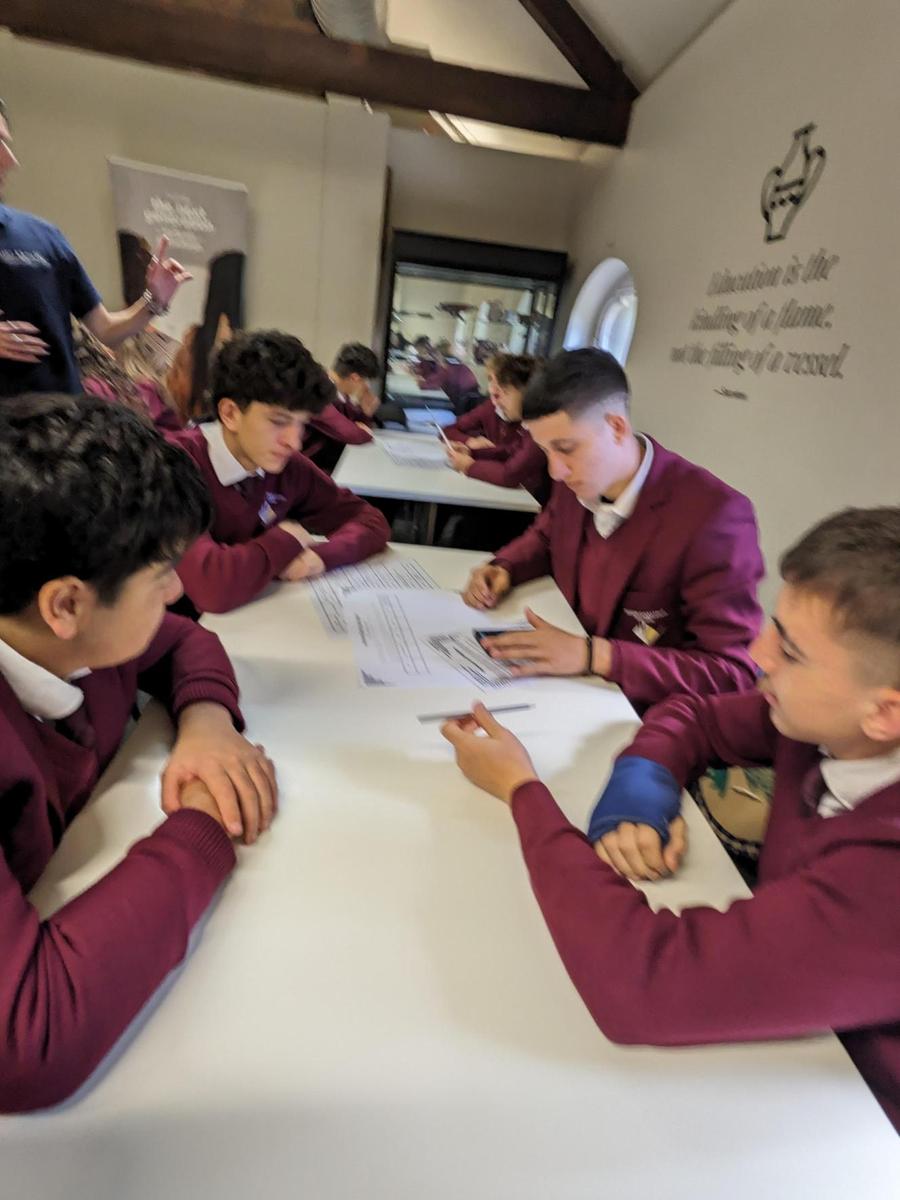
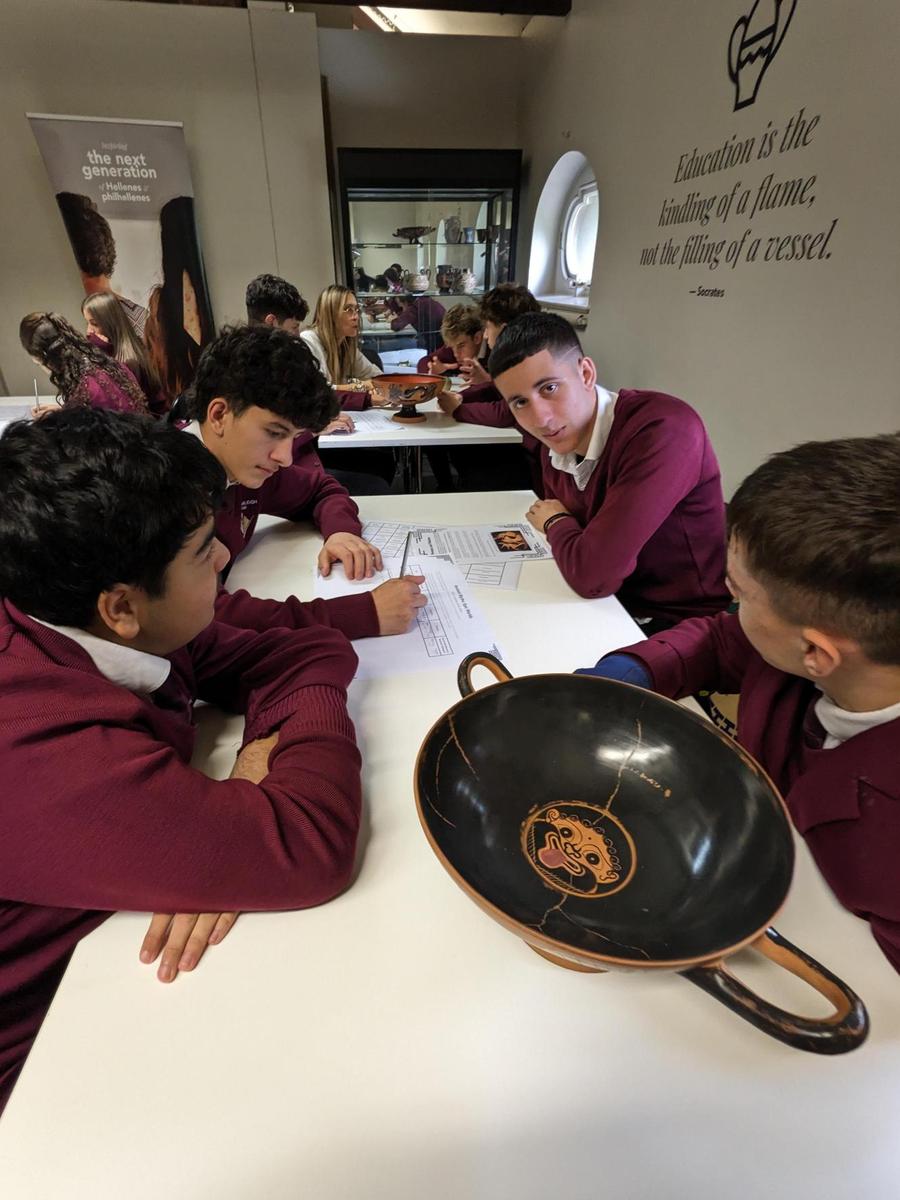
Throughout the visit, students explored the fascinating world of ancient Greek myths, discovering how these stories explained the natural world, taught moral lessons, and played an important role in ancient Greek society. They examined authentic artefacts, investigated how myths were represented through ancient artworks, and even created their own original myths, bringing these timeless stories to life.
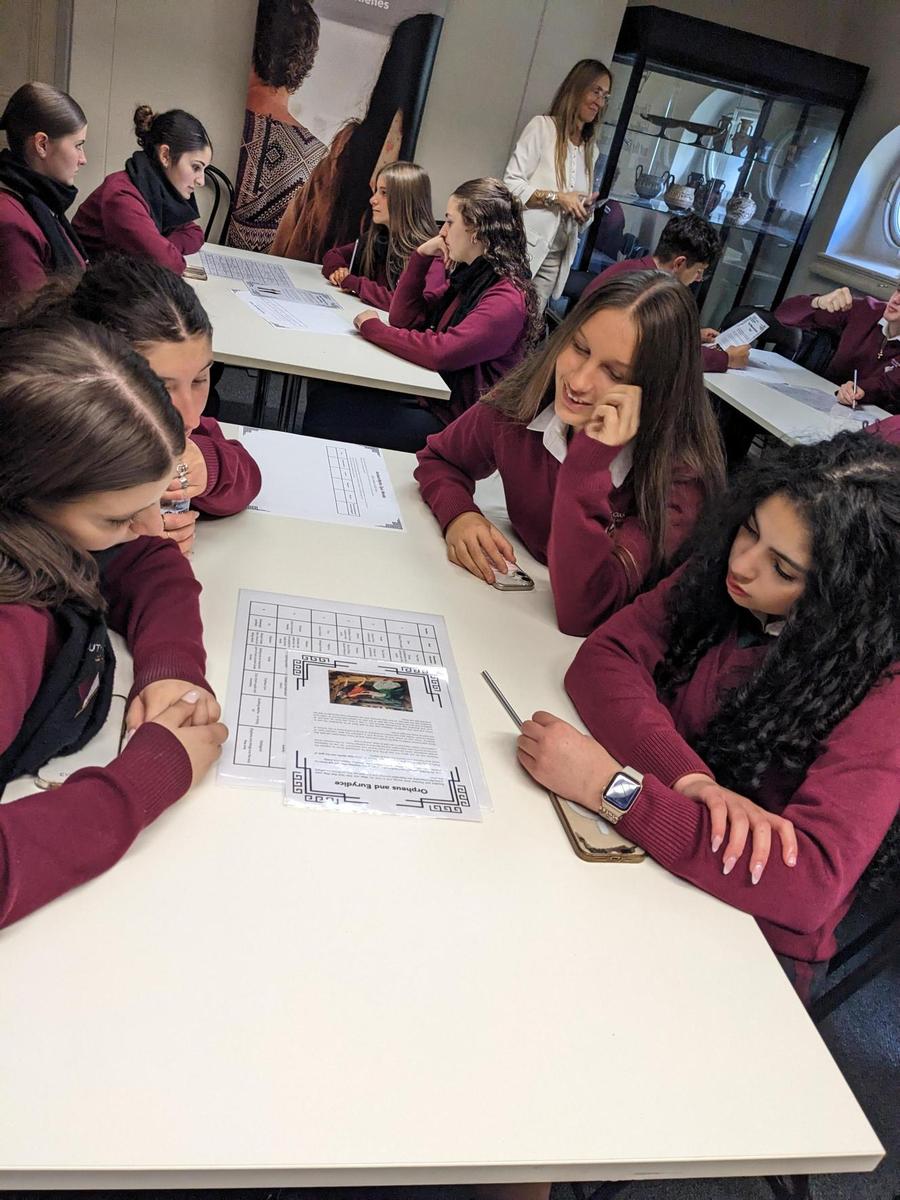
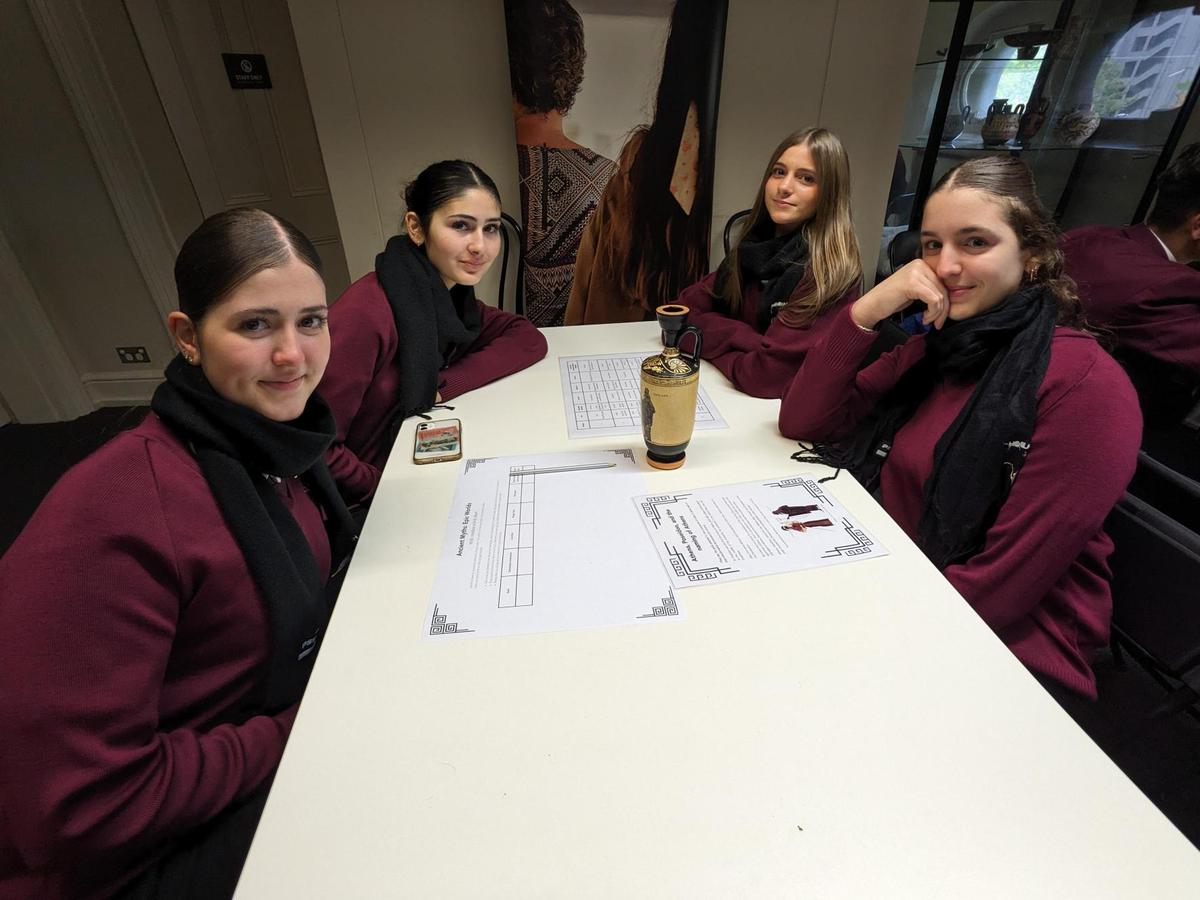
Students also had the opportunity to explore the legend of the Oracle of Delphi, learning about its significance in the ancient Greek world and how people sought guidance from the famous priestess of Apollo.
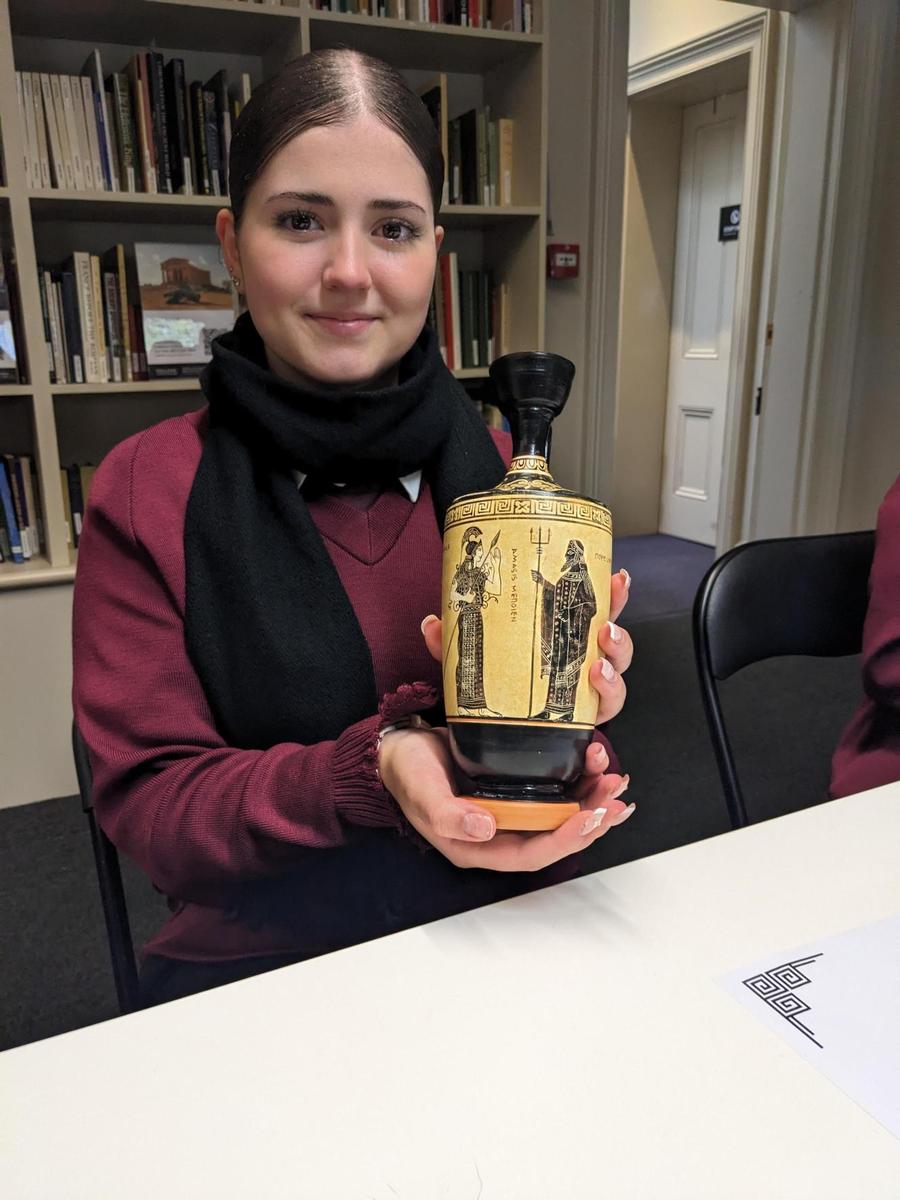
The excursion was a wonderful experience that enriched students' understanding of Greek language, history, and culture through engaging, hands-on learning. We thank the Hellenic Museum for providing such an inspiring and memorable educational experience.

Maria Balalas
Language (Greek)
Japanese
The end of Term 2 was celebrated with the Year 7 Intermediate Japanese class the past two weeks.
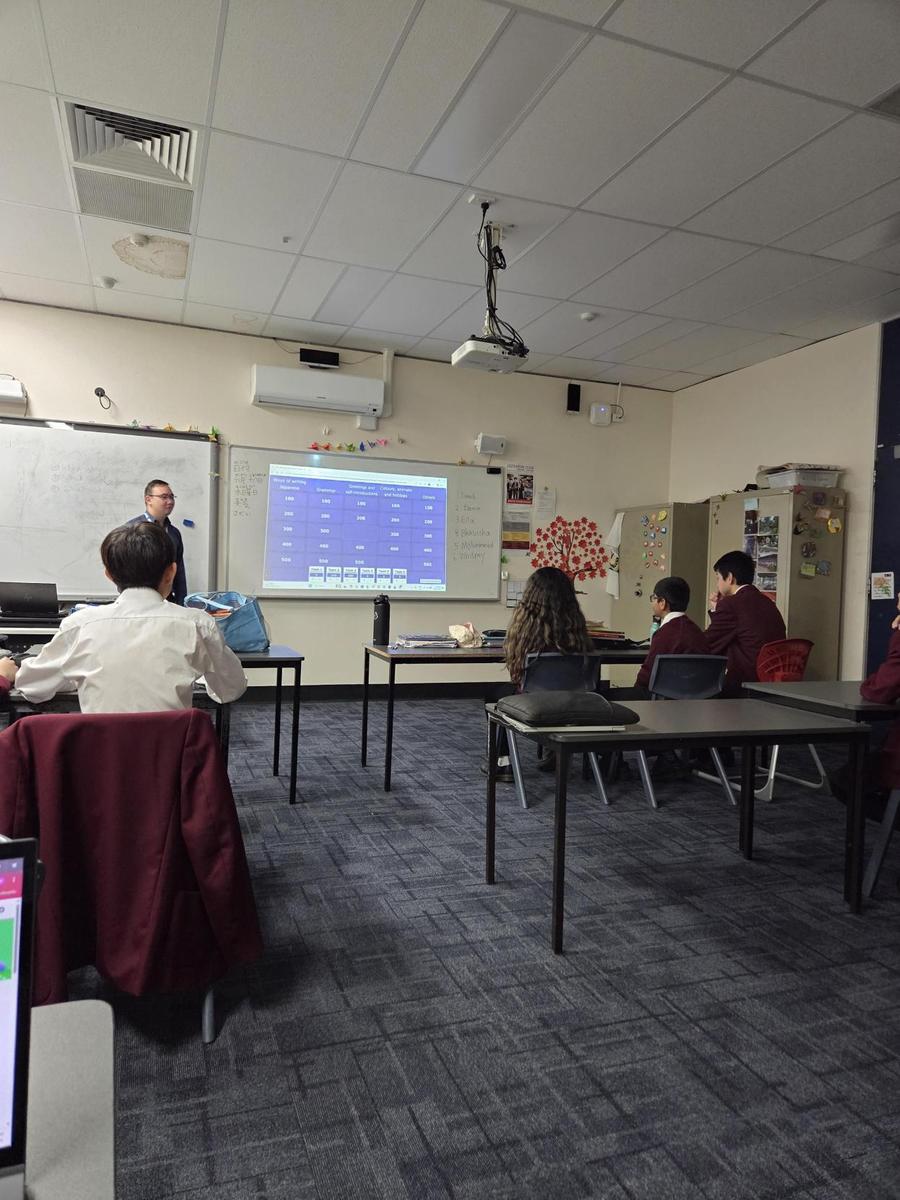
Ms Tynan’s student-teacher, Mr Liu, facilitated with the class last week a game of Jeopardy. Students reviewed the contents covered in Semester 1 by testing their knowledge and demonstrating their teamworking skills.
In the final lessons, students in the same class were the first to start celebrations of 七夕 (Tanabata/the ‘Star Festival’) -a yearly tradition at South Oakleigh College. They learnt about the Chinese legend behind the festival, and how the festival is seen as an auspicious time for granting wishes and ensuring that goals are achieved.
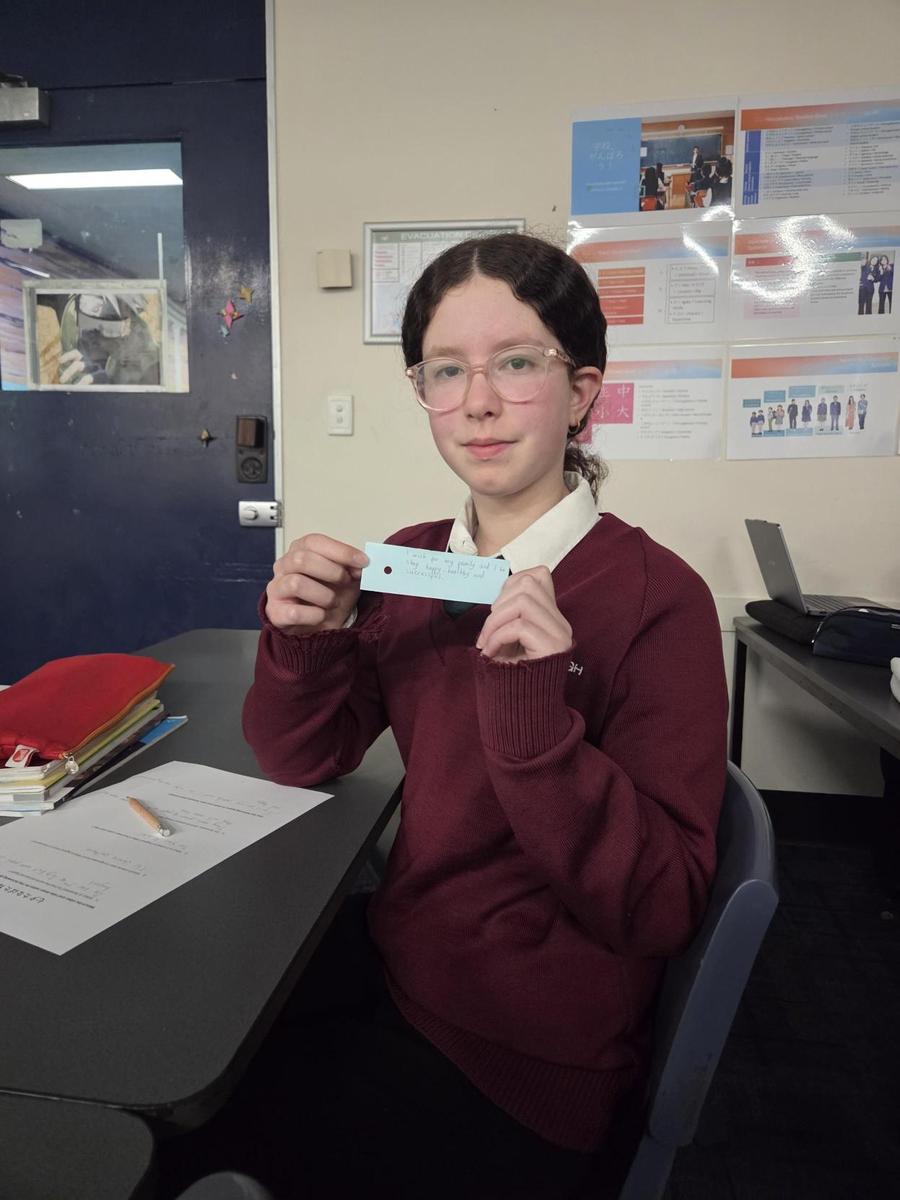
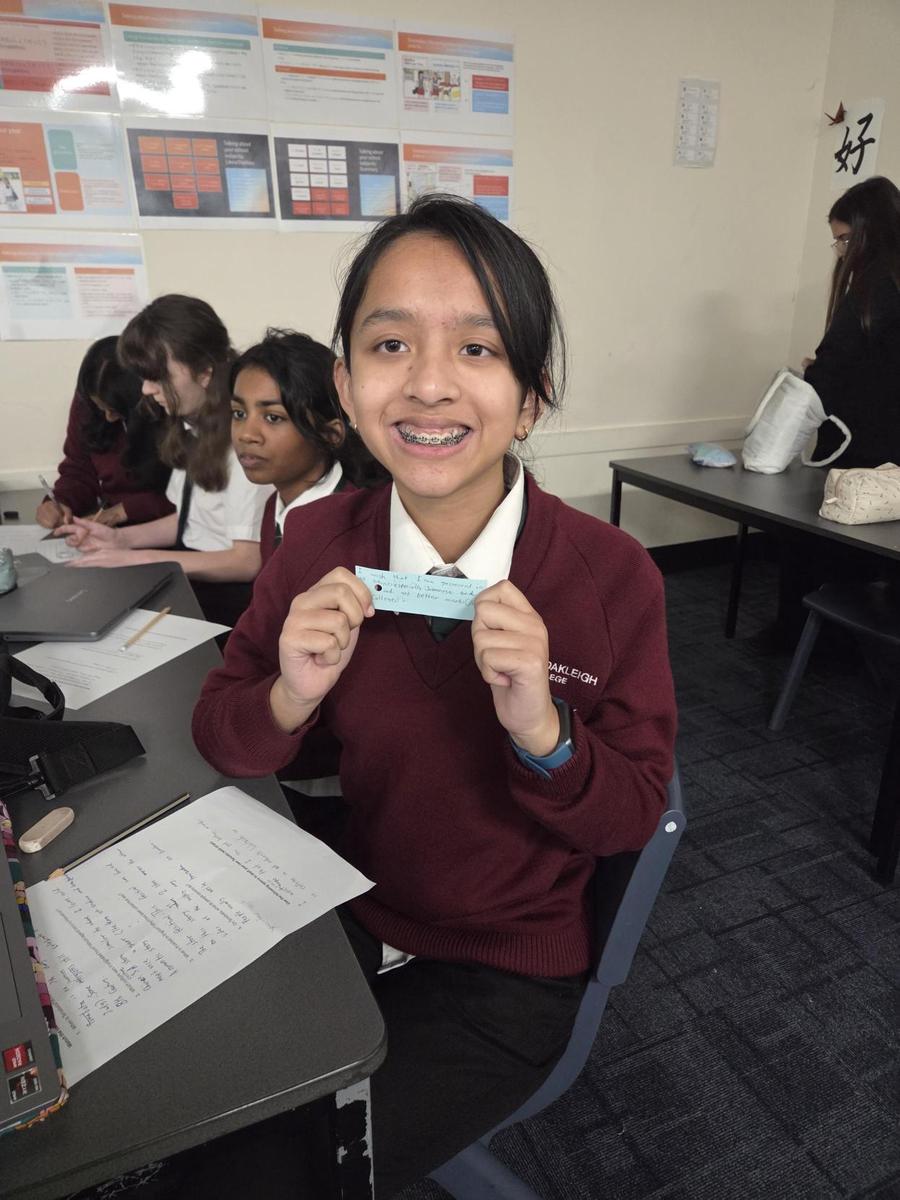
Students also created 短冊 (tanzaku/’wish stripes’), writing either their wishes or goals as part of acknowledgement of this event. These 短冊 will be tied to our bamboo tree and will be displayed at the reception by the time Term 3 commences.

Bonnie Tynan
Classroom Teacher (Japanese)