1/2 News
STEM
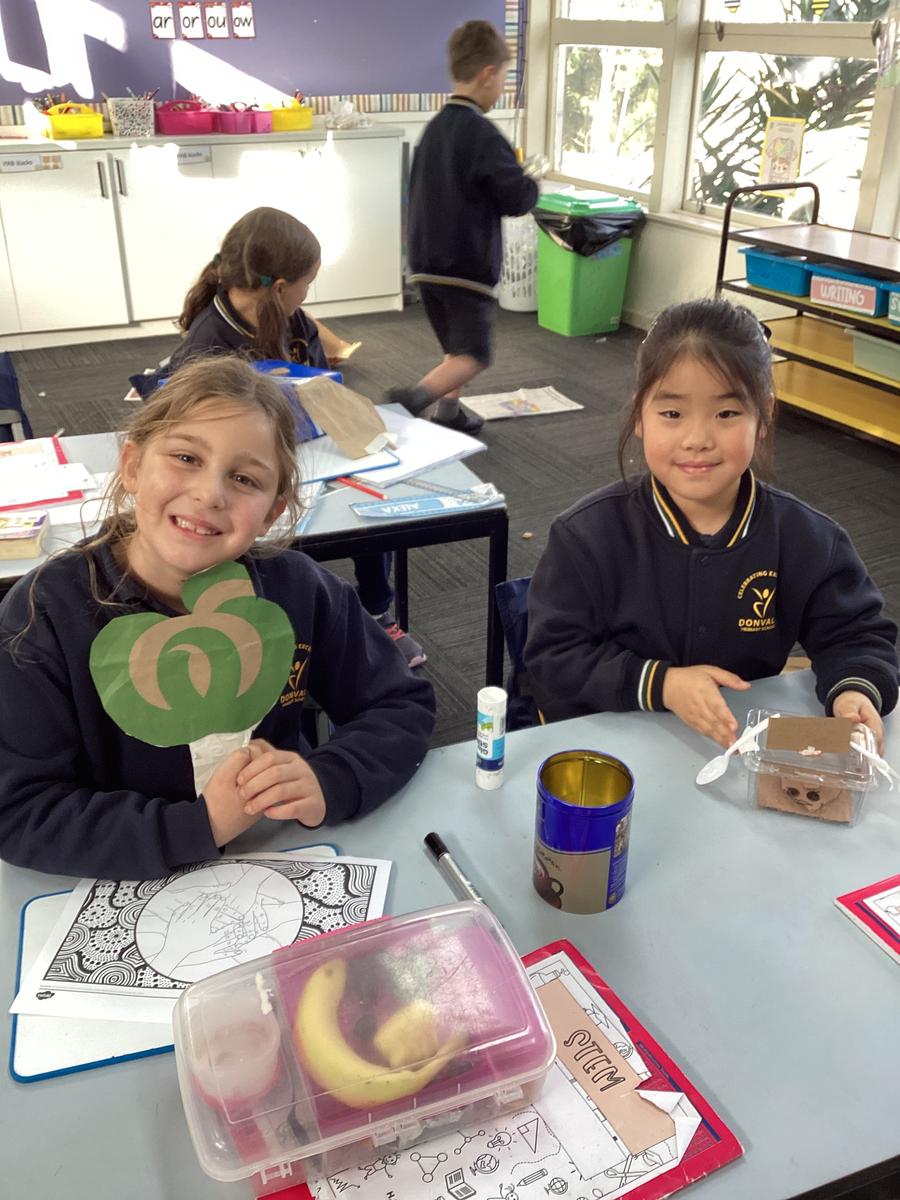
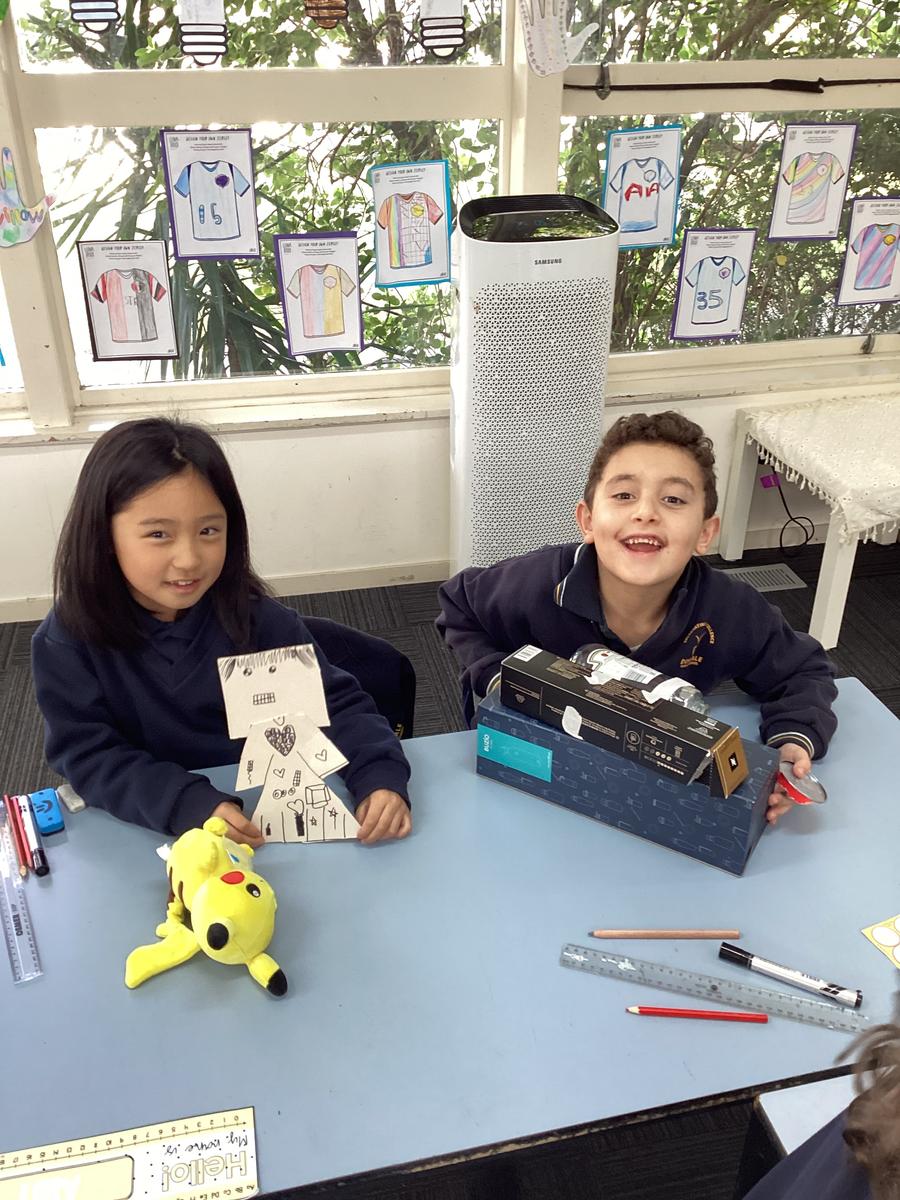
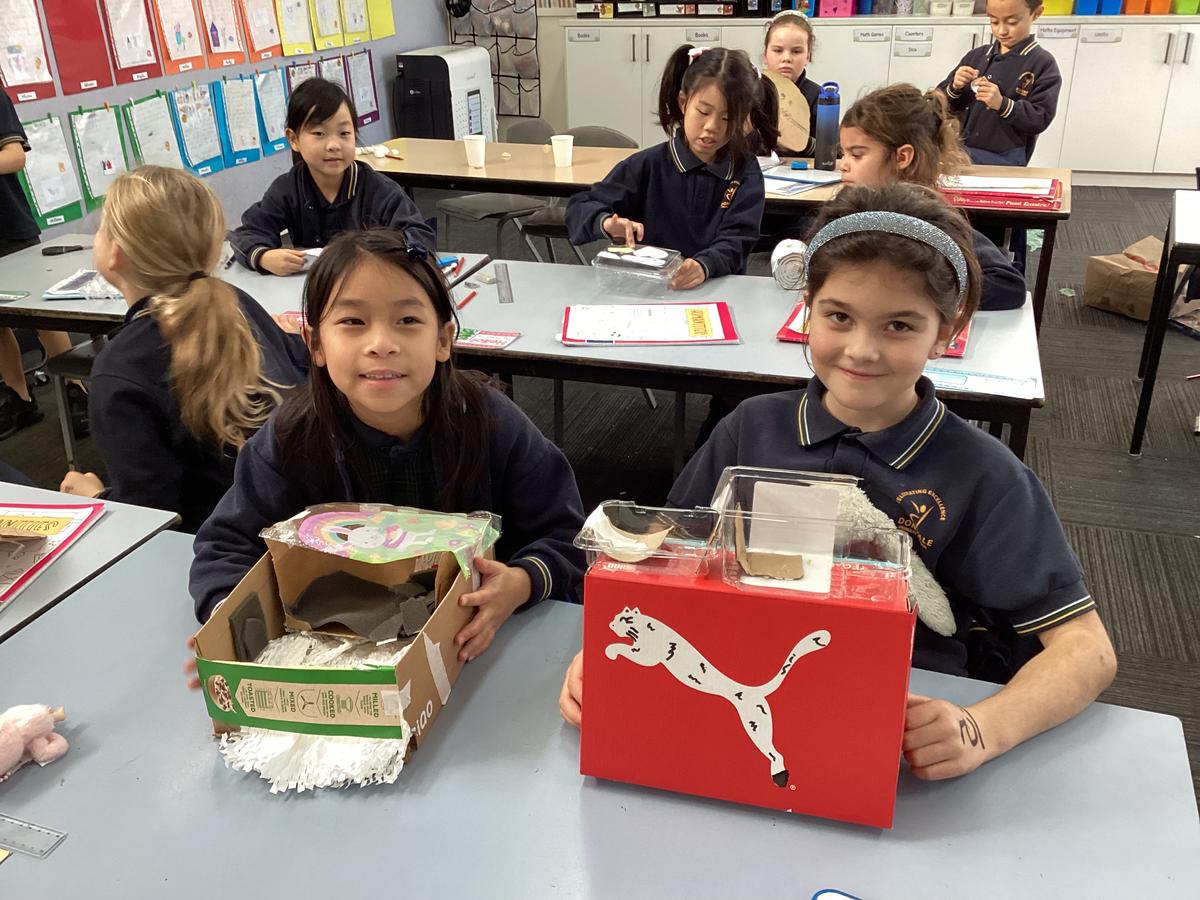
For the past few weeks, students have been enthusiastically engaging in the design process as they worked to identify real-world problems and develop innovative solutions. They began by brainstorming challenges they encounter in their daily lives before planning, designing, building and testing their own prototypes. It has been wonderful to see students think creatively and apply their problem-solving skills to a range of unique ideas. Some of the imaginative inventions included a classroom caddy with separate compartments to reduce disagreements over shared supplies, a device that automatically cleans dogs when they come inside wet, a room designed to deflect missiles, and sporting equipment such as soccer shoes and rollerblades designed to help users move faster. Throughout the project, students have demonstrated perseverance and resilience by evaluating their designs, seeking feedback and making improvements to enhance their creations. We have been incredibly impressed by their creativity, innovation and willingness to think outside the box.
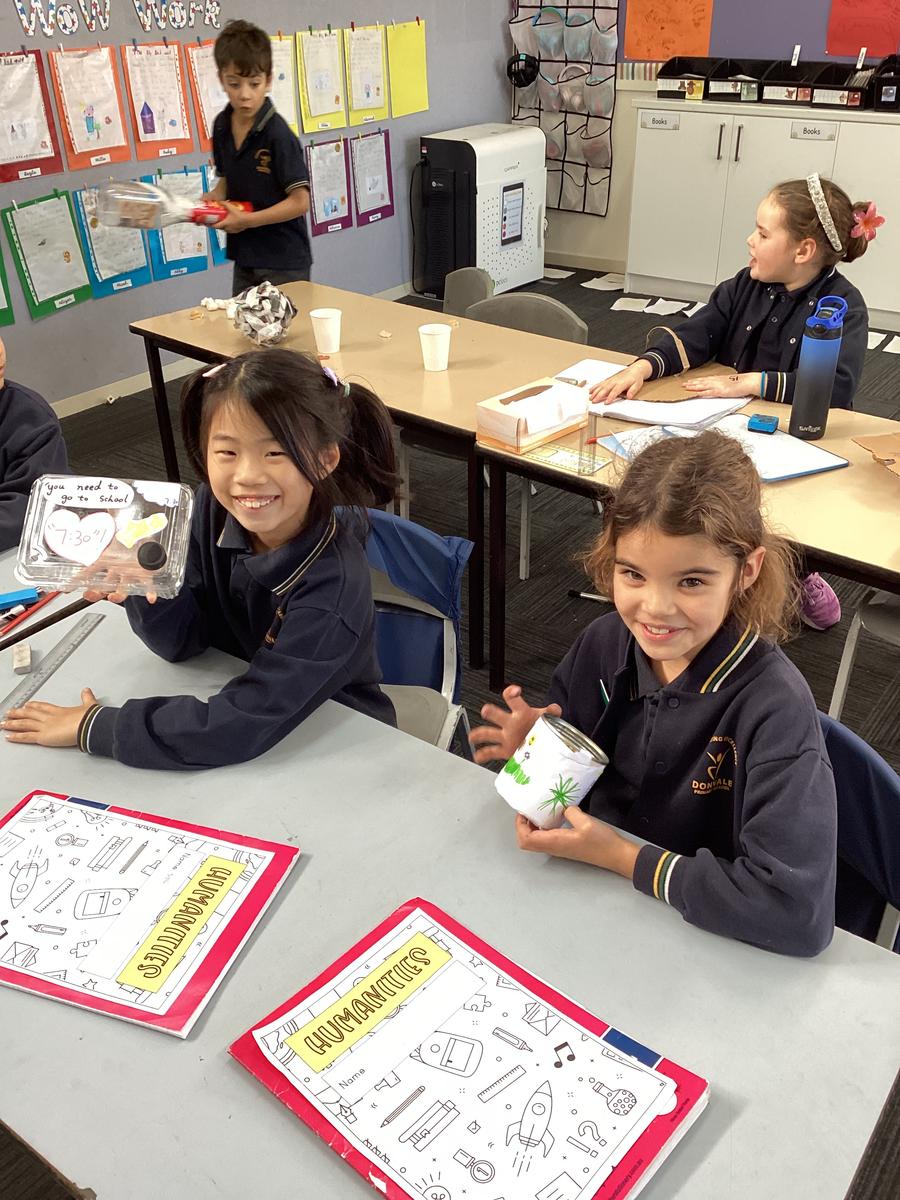
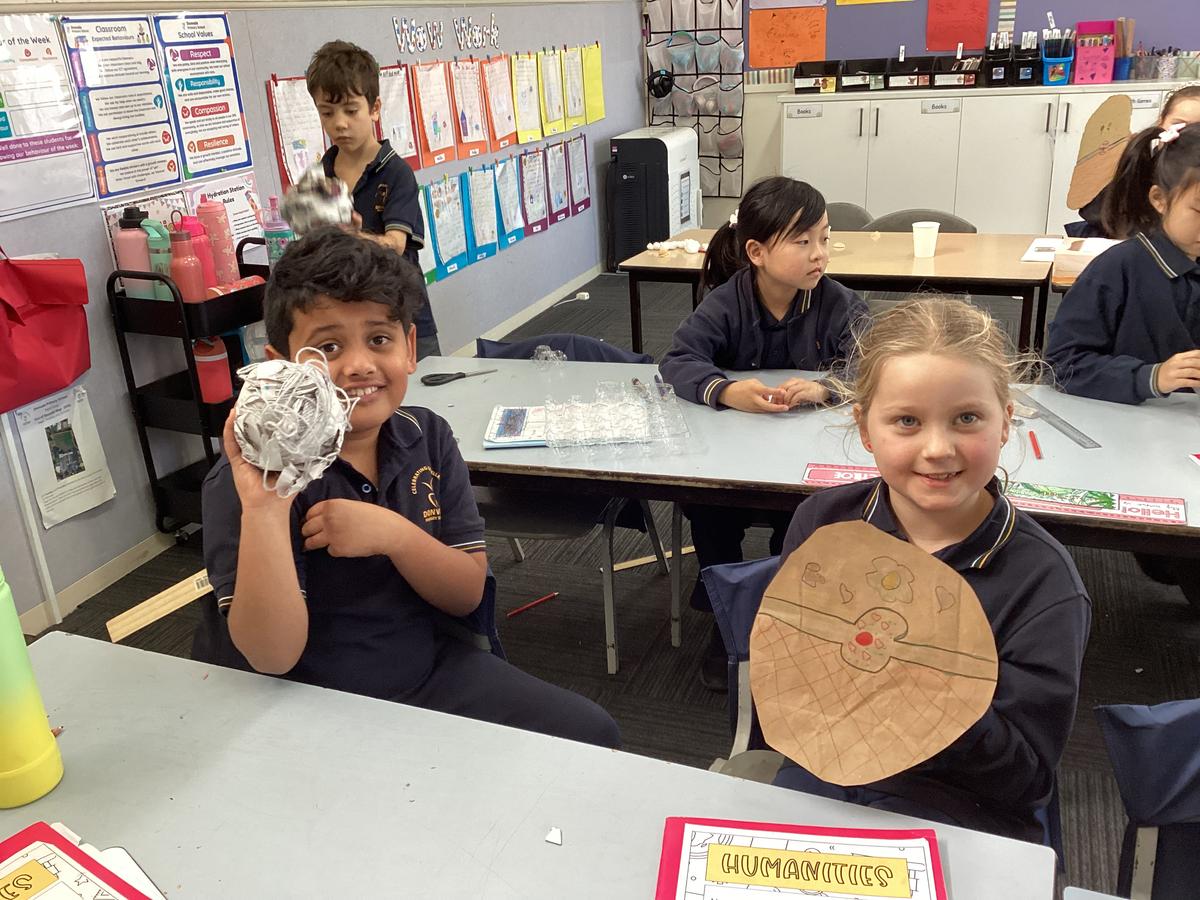
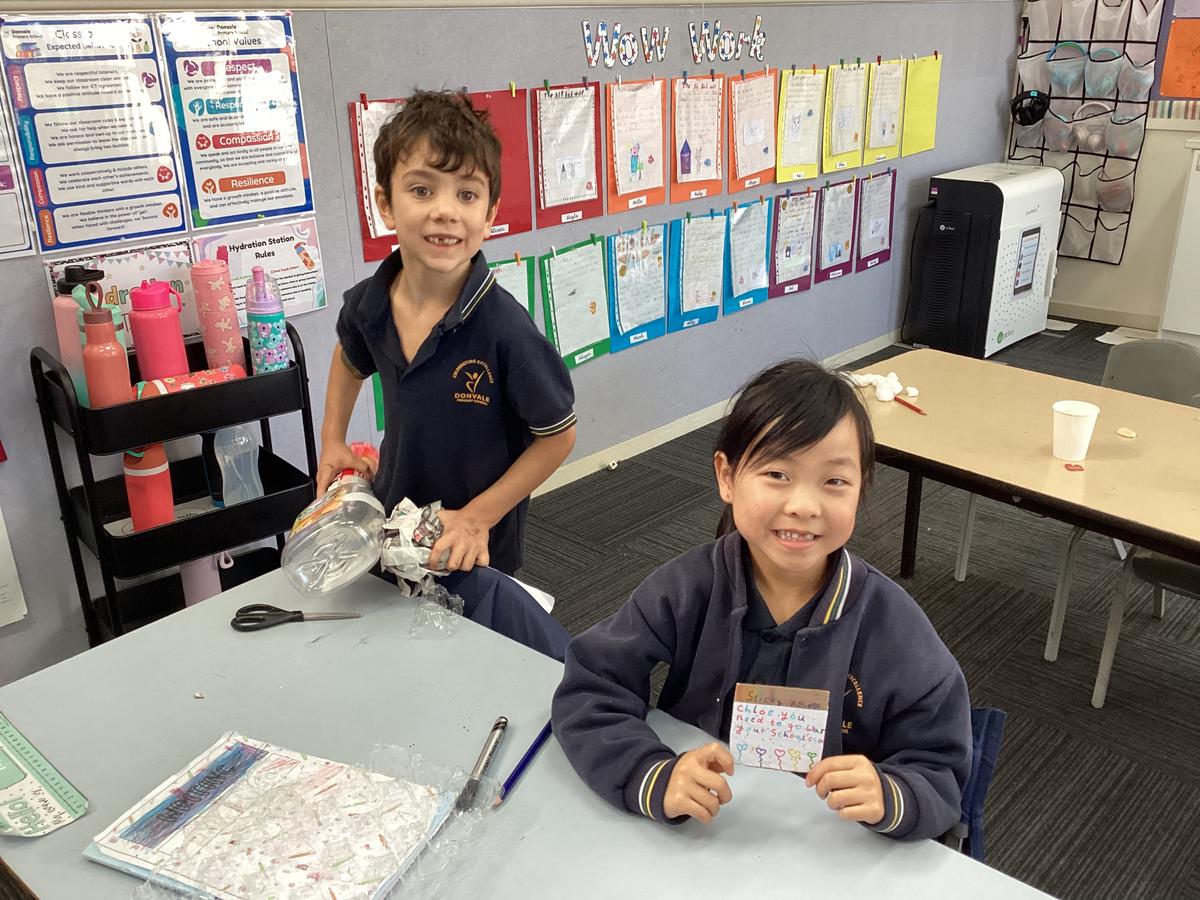
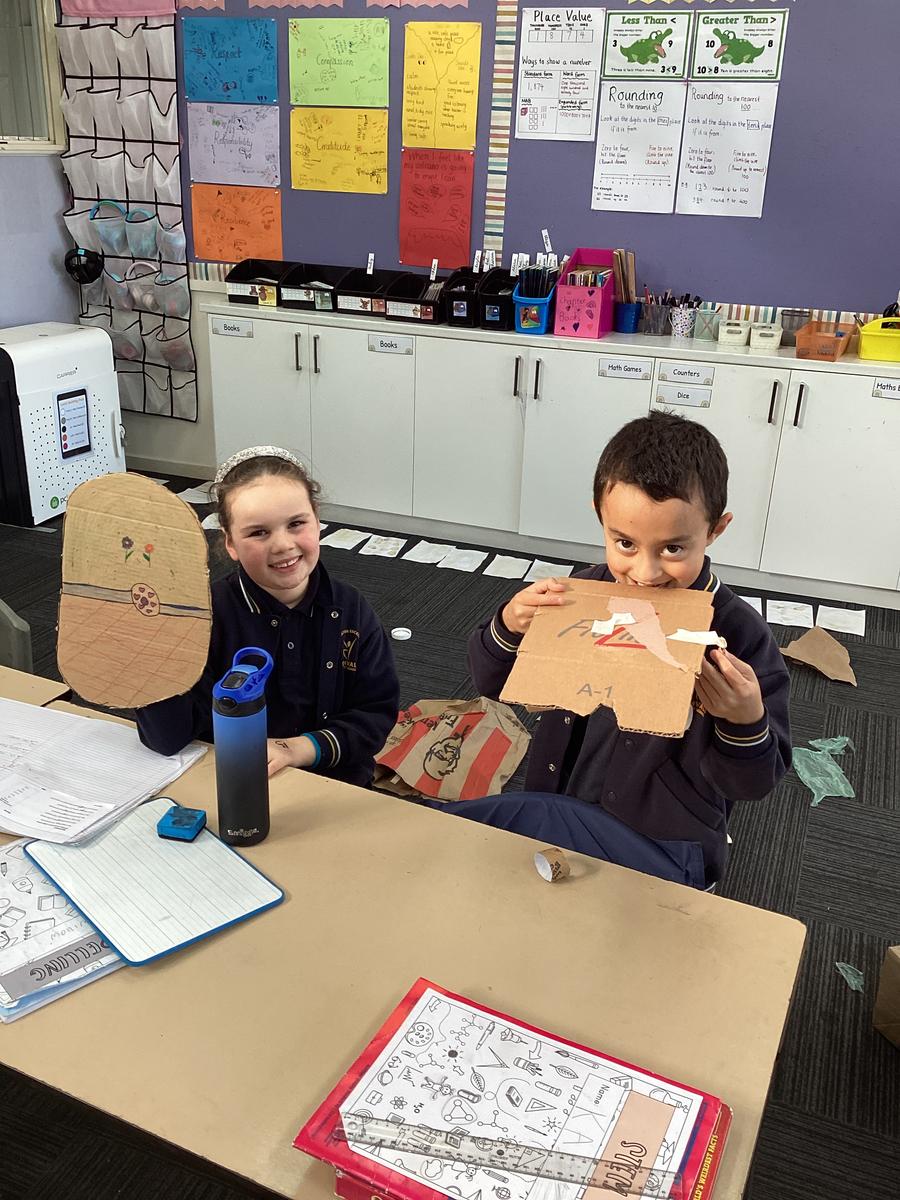
Humanities – Ancient China
In Humanities, students have continued their fascinating journey into the world of Ancient China, with a particular focus on the Chinese writing system. Through class discussions and activities, students explored why learning to write Chinese can be more challenging than learning to write English, discovering that Chinese writing relies on thousands of unique characters rather than the 26 letters of the English alphabet. Students also learned about Emperor Qin's decision to establish one standard style of writing across China and examined how this important change helped improve communication and unite the empire. To bring their learning to life, students practised drawing Chinese characters using traditional strokes and created their own Chinese scrolls. They enjoyed sharing their scrolls with classmates and attempting to identify the meanings of different characters. This hands-on experience helped students develop a deeper appreciation of the complexity, history and cultural significance of written language in Ancient China.