Performing Arts and Languages News
Mr Michael Power, Learning Leader of Performing Arts and Languages
Performing Arts and Languages News
Mr Michael Power, Learning Leader of Performing Arts and Languages
Bloom festival
Congratulations to our Performing Arts and Languages students who contributed so much to the success of our inaugural festival, Bloom, celebrating creativity and sustainability with the families and broader community of our College.
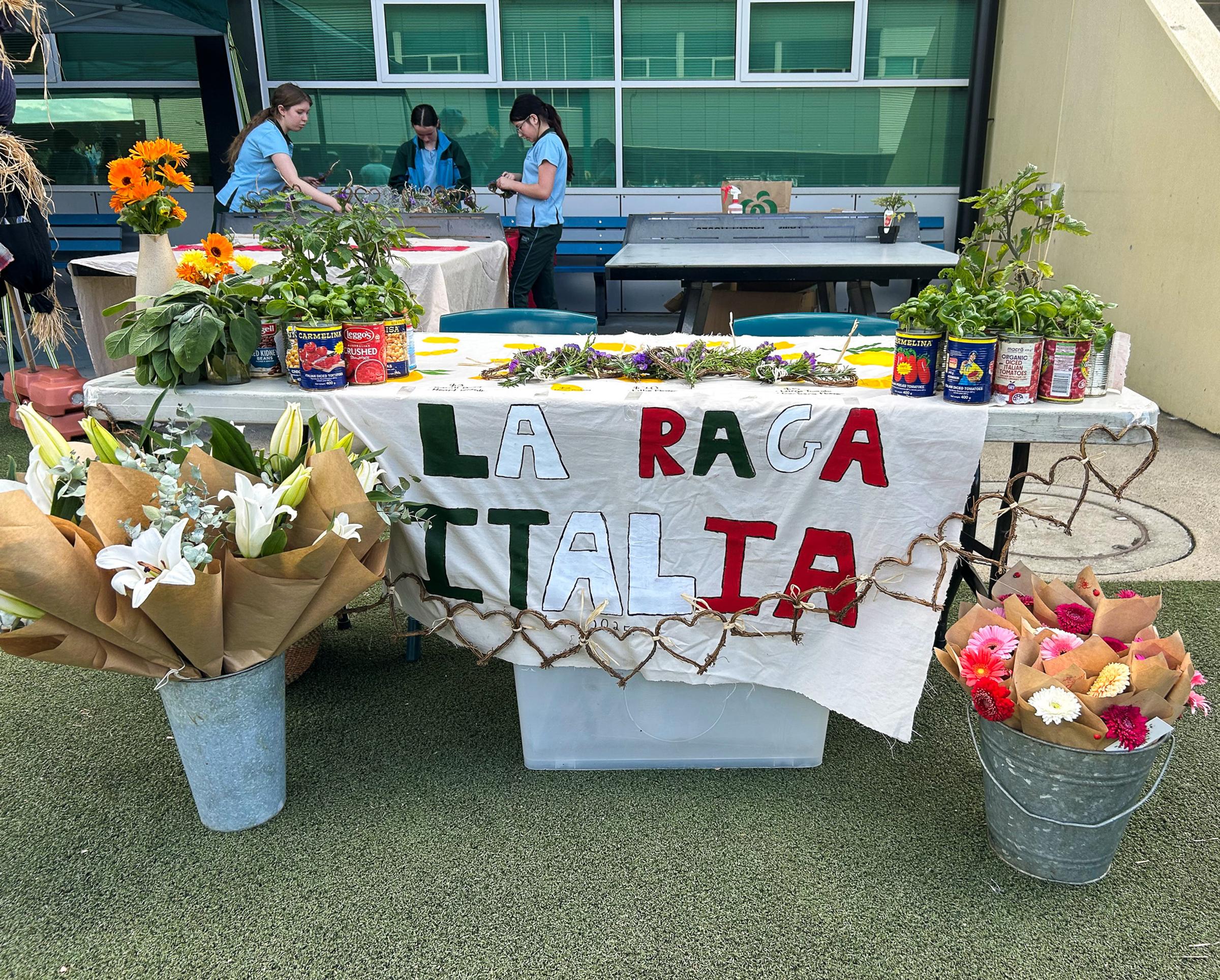
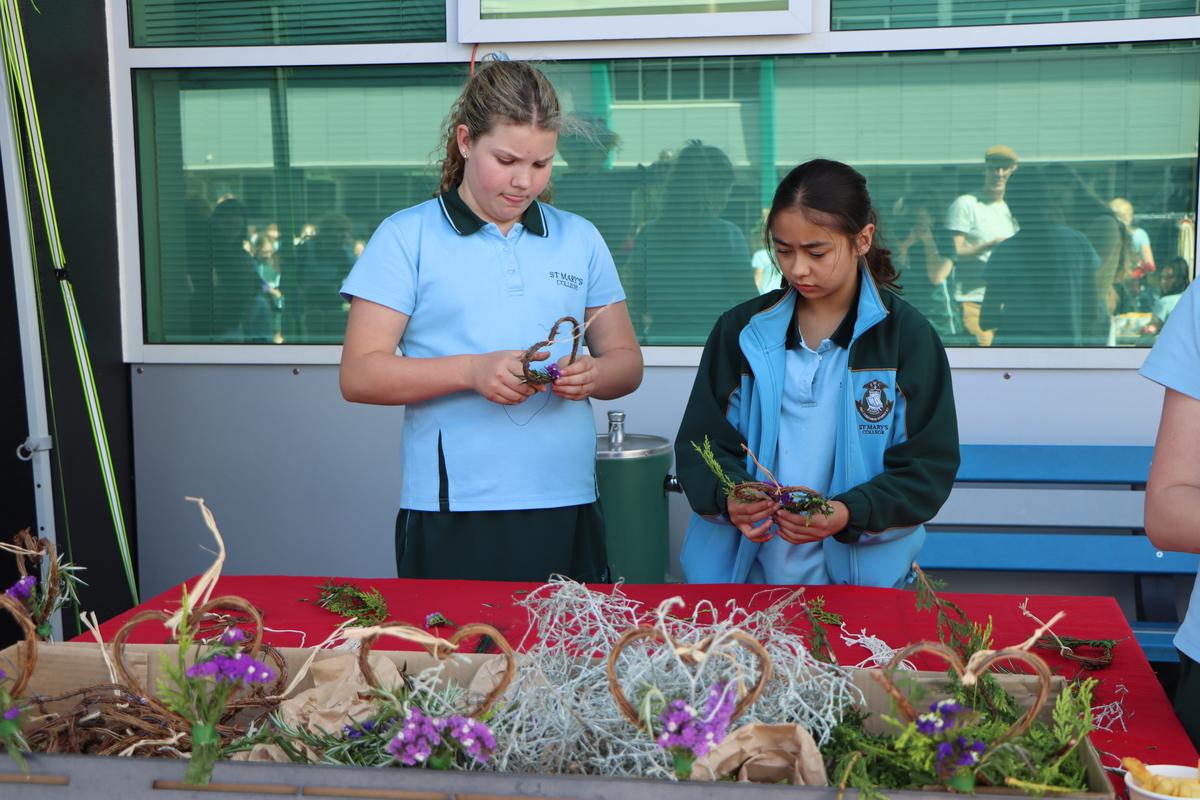
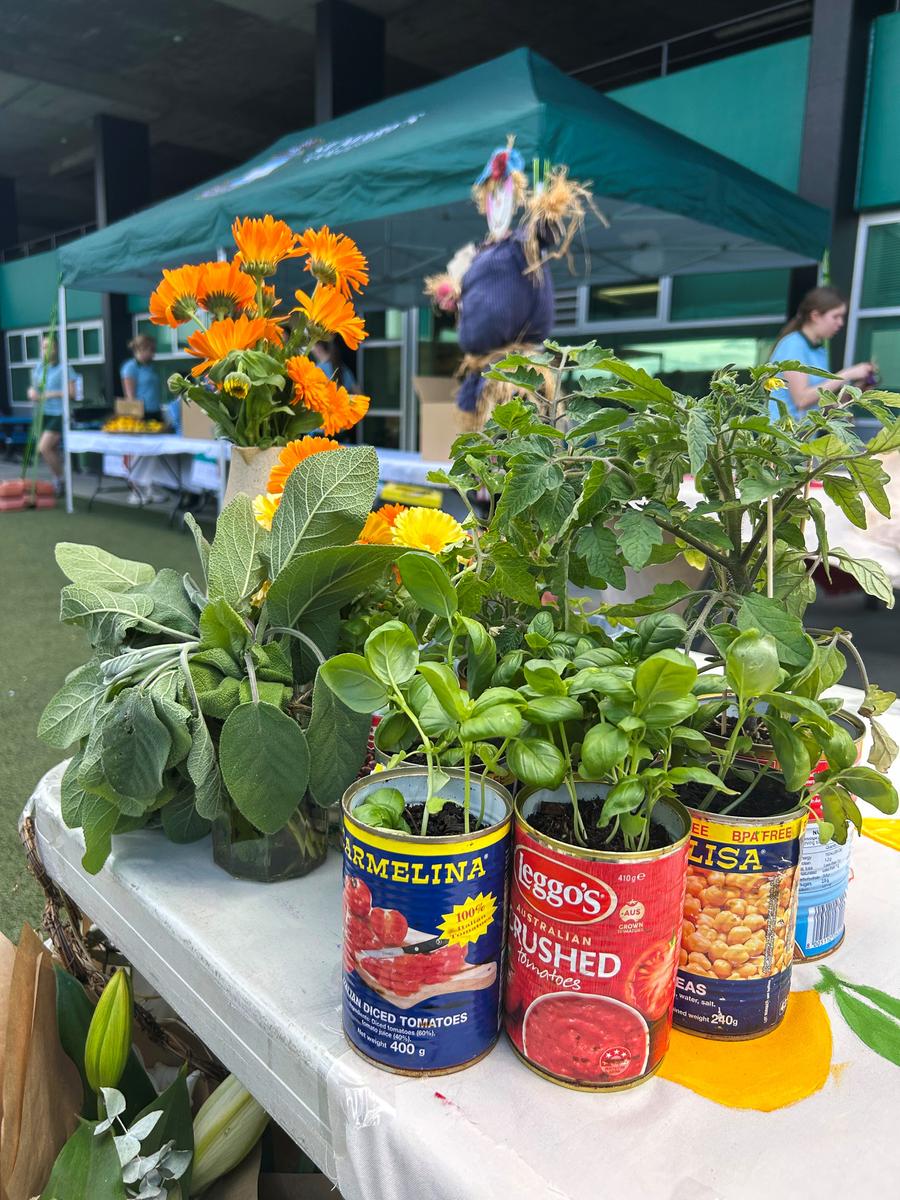
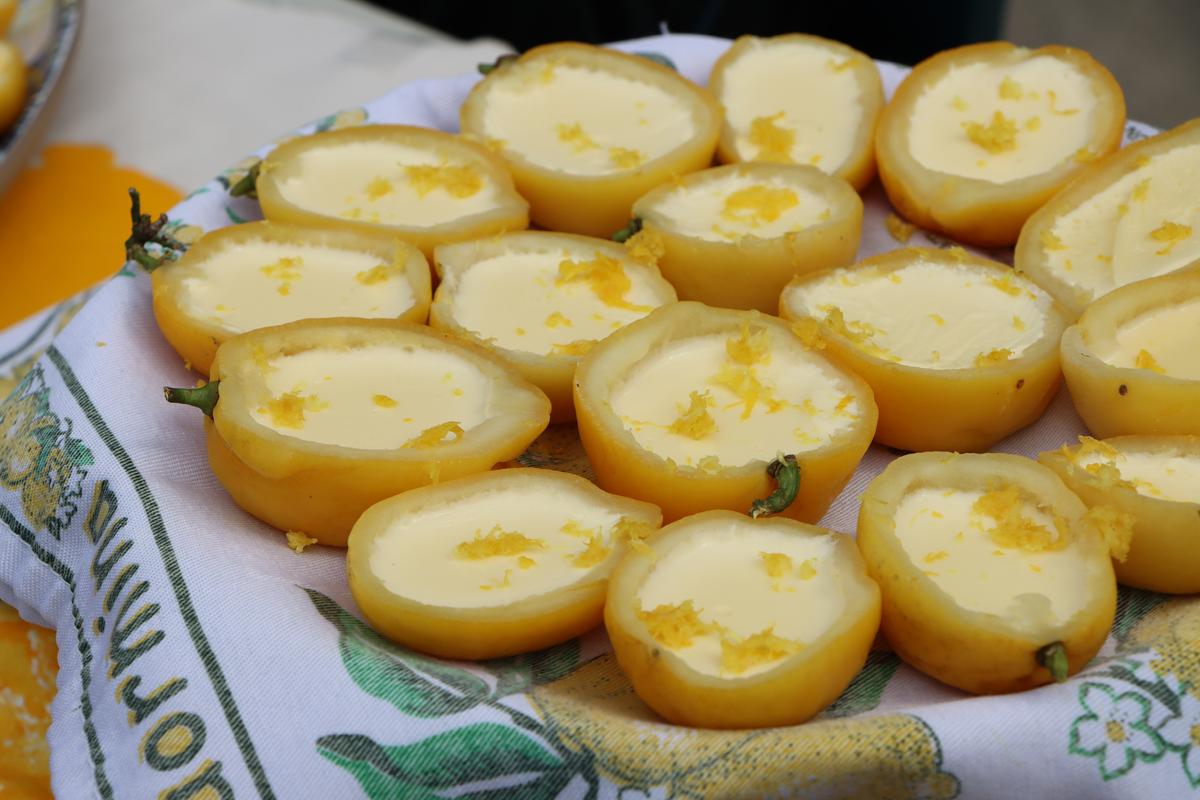
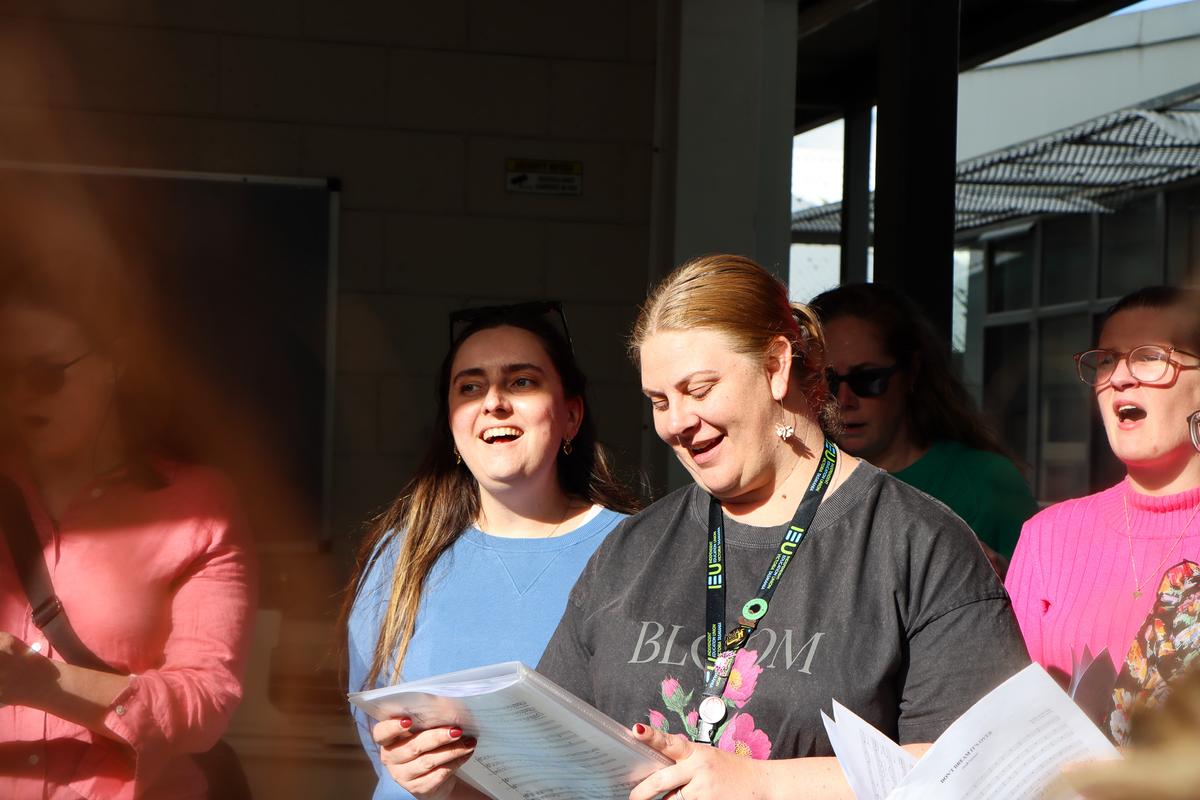
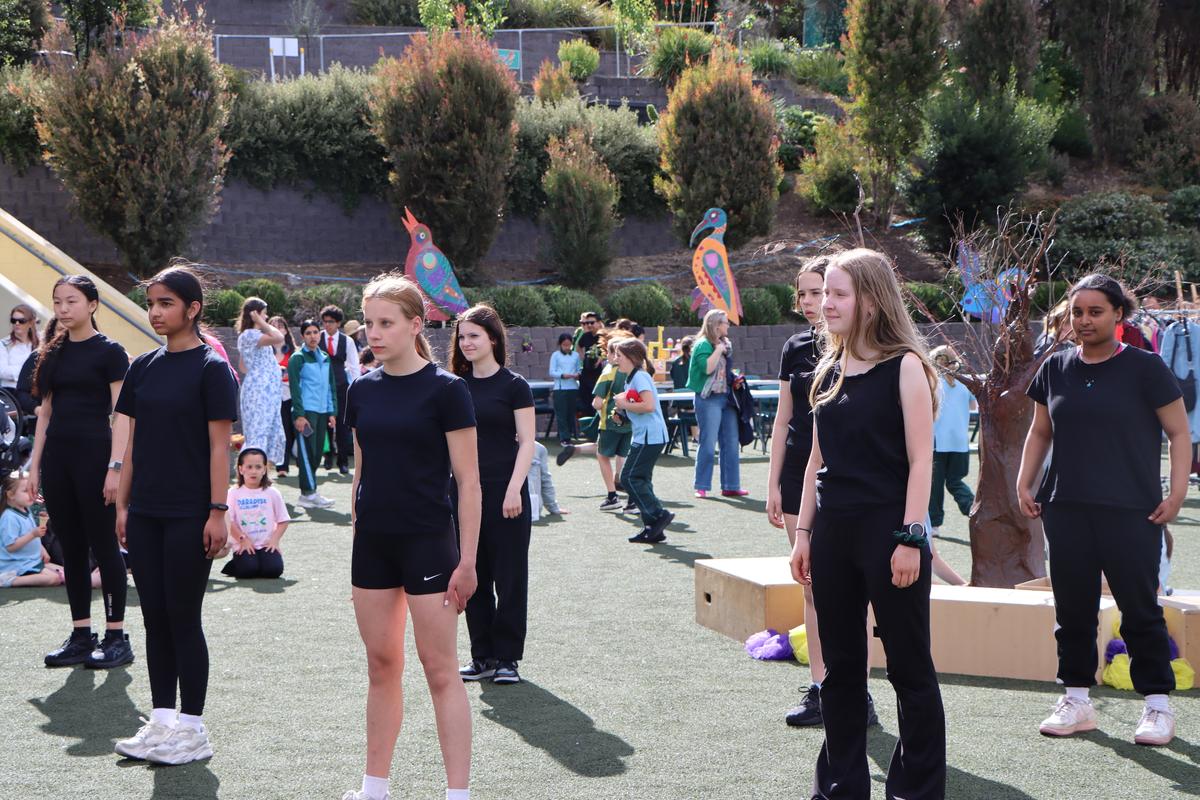
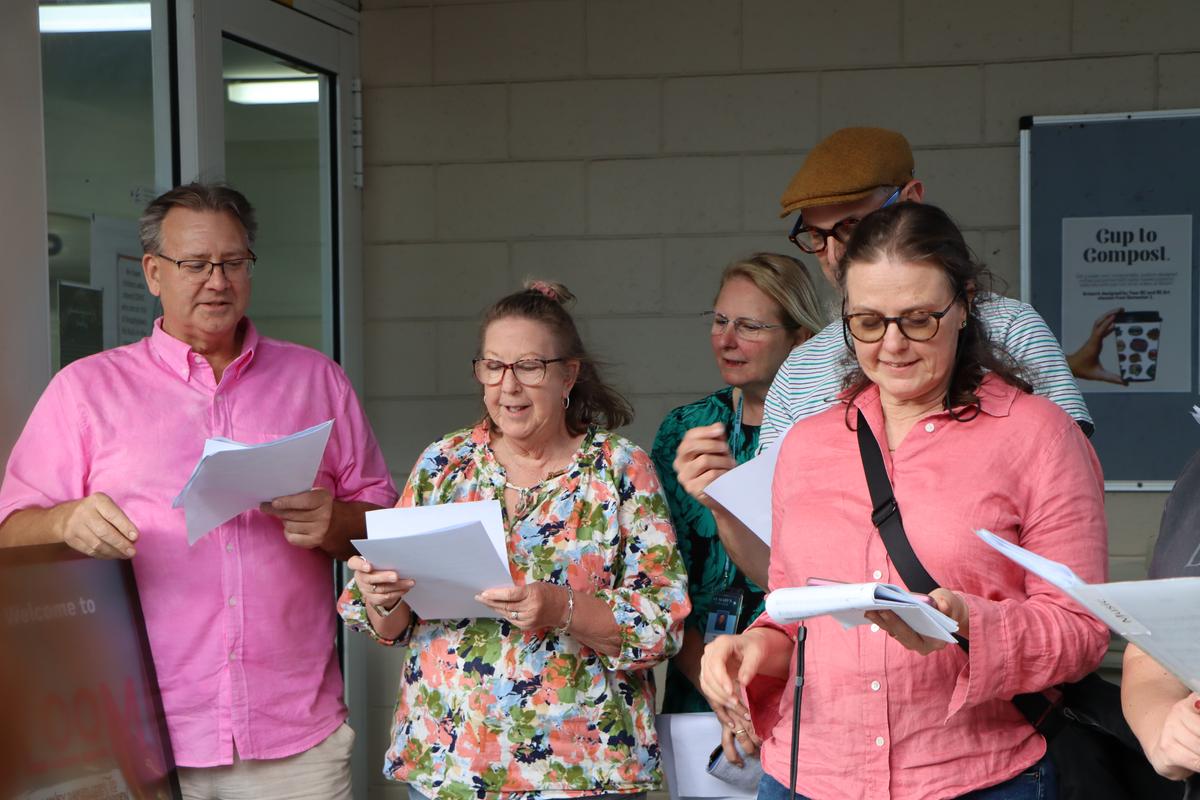
Our Year 5 and 6 Choir performed two beautiful works with Mr Scott Weston and Mrs Mary Heferen-Faulkner. Year 8 danced their way through a powerful message of sustainability and climate change, led by dance practitioner Leo Canales. The Staff Choir made their debut performance around our newly installed public piano, while the Year 9 Italian students showcased their ingenuity by making lemon cups, recycling tins into basil pot plants, compiling an Italian cookbook and enjoying a wreath-making workshop thanks to Mae Williams and Farmgate Flowers New Town.
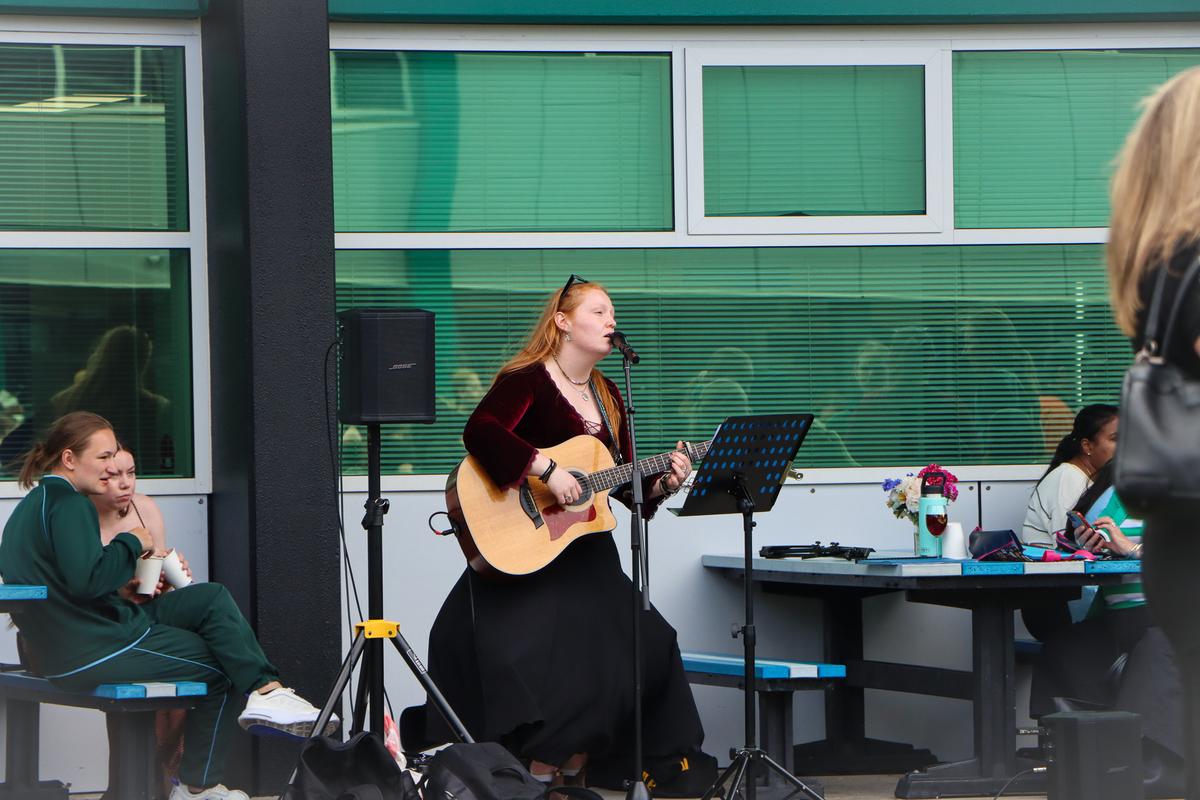
In addition, St Mary’s College alumna Estella Edwards (Class of 2023) entertained us with her singing and guitar playing. It was wonderful to see students from such a wide range of ages and subject areas collaborate to share the joy and message of sustainable living at our College.
As the year comes to an end, we take this opportunity to thank all our students and their families, along with our teachers, musicians, artists, leaders and the wider school community, for contributing to the events and programs that make our College so rich in the arts and languages. We are proud of the joy and the inclusive approach with which these programs are supported.
Songwriting for young people
Australian musician Monique Brumby is offering a Songwriting and Music Production program, in partnership with Salamanca Arts, for girls aged 15–19 in Tasmania. This is a wonderful opportunity for young people to learn from a creative, award-winning female composer right here in Tasmania. Applications close this week, with submissions sent to mbmasterclassseries@gmail.com
Benvenuto in Italia!
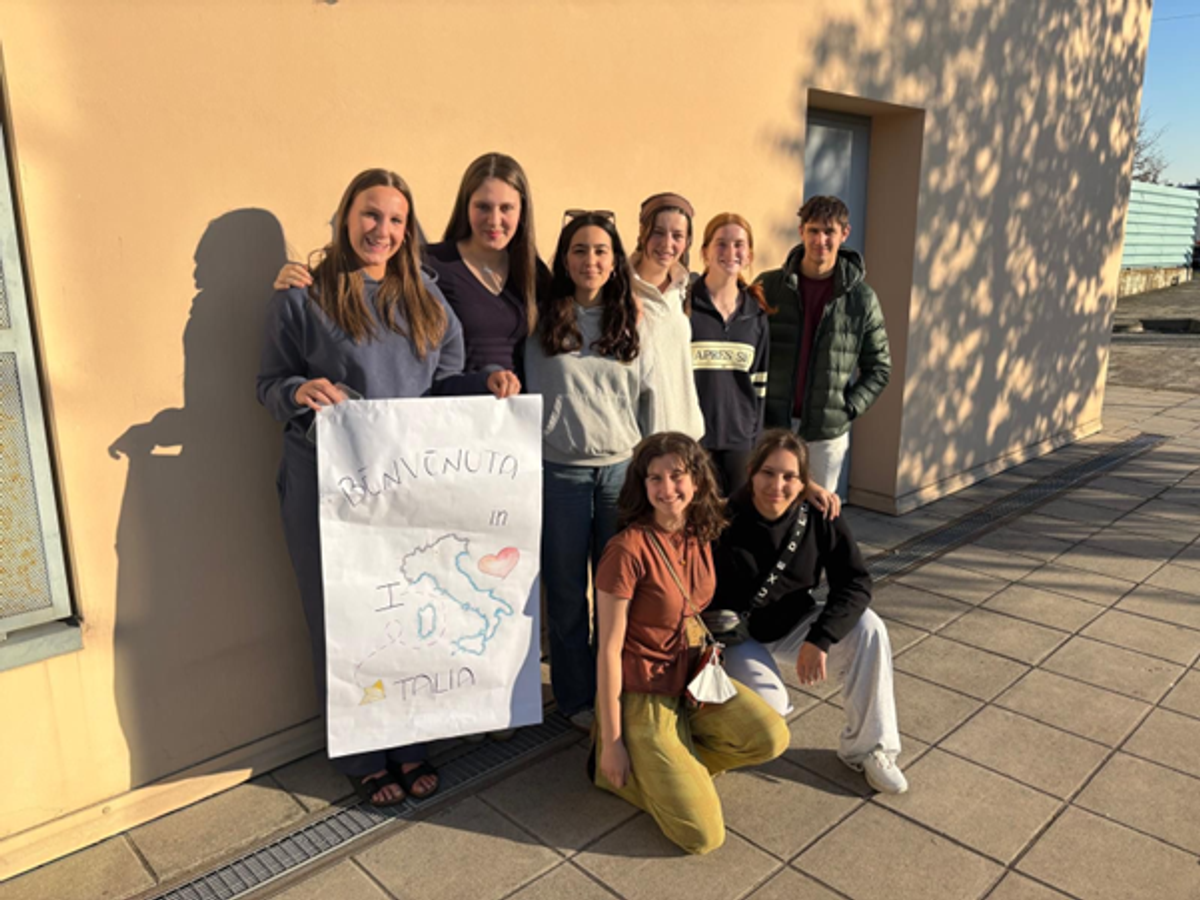
Five St Mary’s College students, Talia Wighton, Lucinda Washington, Lucy Pinelli, Elsa Clennett and Charlotte Hordern, have arrived in Riva Del Garda this week as they begin the first leg of their six-week Italian exchange program!
This reciprocal program is offered to St Mary’s College students in Year 10 and above who study Italian. Participants host an Italian exchange student from Riva Del Garda for six weeks in early Term 3 and then stay with their host family in December for six weeks.
The program is facilitated internally by the two schools, with students fully participating in both family and school life during their stay. Our students travel together, unaccompanied, and are met by their host families at the airport.
This is a unique opportunity that we are proud to offer. If you are interested and able to take part, please contact Prof. Paola Keller, Italian Language Teacher, at St Mary’s College.
Music in Motion
Ms Mary Heferen-Faulkner
This year in Music, our Kinder to Year 6 students have consolidated their skills, learned new ones, deepened their understanding of musical concepts and gained confidence in singing and playing instruments.
Participation in music activities directly supports our school goals. Students focus on specific tasks using both new and prior knowledge, skills and understanding. They transfer this learning to other areas of the curriculum.
Students build resilience when learning something new, whether in Music or general classwork, and come to appreciate that practice and revision are essential for developing the skills they need to succeed.
Teamwork activities, such as playing together in a band, participating in beat-and-rhythm games, collaborating on soundscapes, and singing as a class, help students build relationships and foster respect for each other and themselves. Meanwhile, looking after instruments, packing up the music room, sharing ideas, listening in class and working together show a sen, reasoning,se of responsibility that transfers to other parts of school life.
Every music lesson begins with beat, rhythm, body percussion and singing. This acts as a wake up for the brain, signalling that we are ready to learn.
Musical activities are complex cognitive tasks. They help strengthen executive function skills such as focus, problem-solving and auditory processing. All of this happens while students learn new skills, which is why music is so important. Research shows that simple music activities can support literacy and language development.
Music is not a subject learned in isolation. Our young people will increasingly encounter artificial intelligence, which may complete many tasks for them, but in Music, students must explore the work themselves. In primary classes, music is practical work: reading symbols, playing instruments, creating body percussion patterns, keeping the beat, reading rhythms, improvising and singing, all while developing cognitive, language and memory skills.
Why does this happen?
What can be done at home?
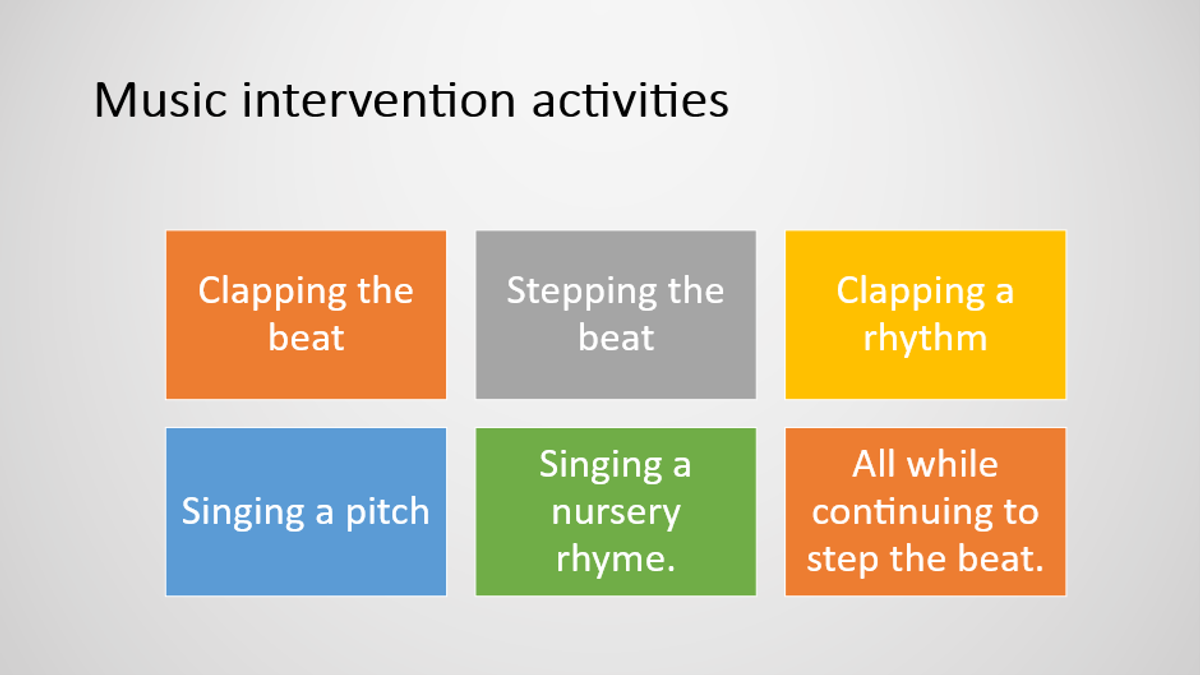
During the holidays, parents and carers may like to keep the momentum going by continuing the music intervention activities. I am sure your child will be eager to demonstrate them!
Consistency is key to strengthening all the skills mentioned above, and when this is supported both at home and at school, everyone benefits.