DISABILITY INCLUSION


Common Types of Learning Need: Autism Spectrum Disorder (ASD)
Greetings from the Disability Inclusion Team!
In this issue of our series on common learning needs at Oberon, we’re focusing on Autism Spectrum Disorder (ASD). ASD is a neurodevelopmental difference that impacts how a young person communicates, interacts, processes information and responds to their environment. No two autistic students are the same—each has their own strengths, challenges and support needs.
This time of year can be tricky for folks with ASD as there are many transitions and sensory challenges.
What ASD can look like:
The presentation of autism varies widely from student to student. Some common features include:
• Communication differences: Students may find it easier to understand literal language than figurative language, or they may need extra time to process instructions. Some may communicate more comfortably through writing, visuals, or supported communication.
• Social interaction differences: Students may prefer predictable routines, smaller social circles, or structured social settings. They may also interpret tone, facial expressions or body language differently.
• Sensory processing differences: Noise, light, textures, smells or crowded spaces can cause sensory overload. Conversely, some students seek sensory input (e.g., movement, touch, or pressure) to stay regulated.
• Focused interests and strengths: Many autistic students show deep knowledge in specific topics, strong attention to detail, creativity, pattern recognition, and innovative problem-solving.
What helps:
Supporting autistic students involves reducing barriers and providing predictable, regulated learning environments. Helpful strategies include:
• Clear, explicit instructions: breaking tasks into smaller steps, using visuals, and checking understanding after instructions.
• Predictable routines: providing schedules, giving advanced notice of changes, and maintaining consistent expectations.
• Sensory supports: access to noise-reduction headphones, calm or low-stimulation spaces, movement breaks, or sensory tools.
• Flexible communication options: allowing students to clarify questions in writing, use processing time, or access visual prompts.
• Strength-based approaches: incorporating interests into learning where appropriate and recognising what students do well, not just where they need support.
• Allied health support: Speech therapists can support communication and social understanding; occupational therapists can assist with sensory regulation, organisation and motor-based skills.
We offer a variety of support programs at Oberon, including ICAN, MAT, social skills, and Social Groups, lunch clubs and numerous sensory tools such as weighted blankets, sensory beanbags and chairs, sensory wall, and various fidgets.
VCE exams and coursework:
Students with ASD may be eligible for class-based adjustments and Special Examination Arrangements through VCAA when appropriate documentation is provided. These adjustments ensure students can demonstrate their knowledge without sensory, processing, or communication barriers getting in the way.
More information is available on the VCAA website.
If you have concerns:
If you believe your child may be on the autism spectrum, please consult your GP or paediatrician for referrals to a developmental paediatrician or psychologist who specialises in autism assessments. Schools cannot diagnose but can provide observations to support the assessment process.
January School Holiday Programs
Interest-based groups for autistic/neurodivergent young people (aged 7–22).
Our January Online Programs are back with brand new groups, three-day adventures and plenty of opportunities for young people to connect around the interests they love. All sessions are led by trained autistic mentors who set the tone, celebrate strengths and create a space where no one ever has to mask or apologise for who they are.
Minecraft Server - 3 Day Programs
Minecraft Creative (ages 7-22) Dates: Mon 12th - Wed 14th Jan Time: 11:00am–1:00pm
Minecraft Survival Server (ages 12–22) Dates: Mon 12th - Wed 14th Jan Time: 5:30pm–7:30pm
Dungeons & Dragons - 3 Day Programs
Beginners Campaign (ages 7-22) Dates: Wed 14th - Fri 16th Jan Time: 11:00am–1:00pm
Intermediate Campaign (ages 7-22) Dates: Wed 14th - Fri 16th Jan Time: 5:30–7:30pm
Special Interest Groups - 5 Day Programs
Pets & Animals (ages 7-22) Pop Music & Pop Stars (ages 7-22) Dinosaurs (ages 7-22) Dates: Mon 19th - Fri 23rd Jan Time: 5:00pm - 6:00pm
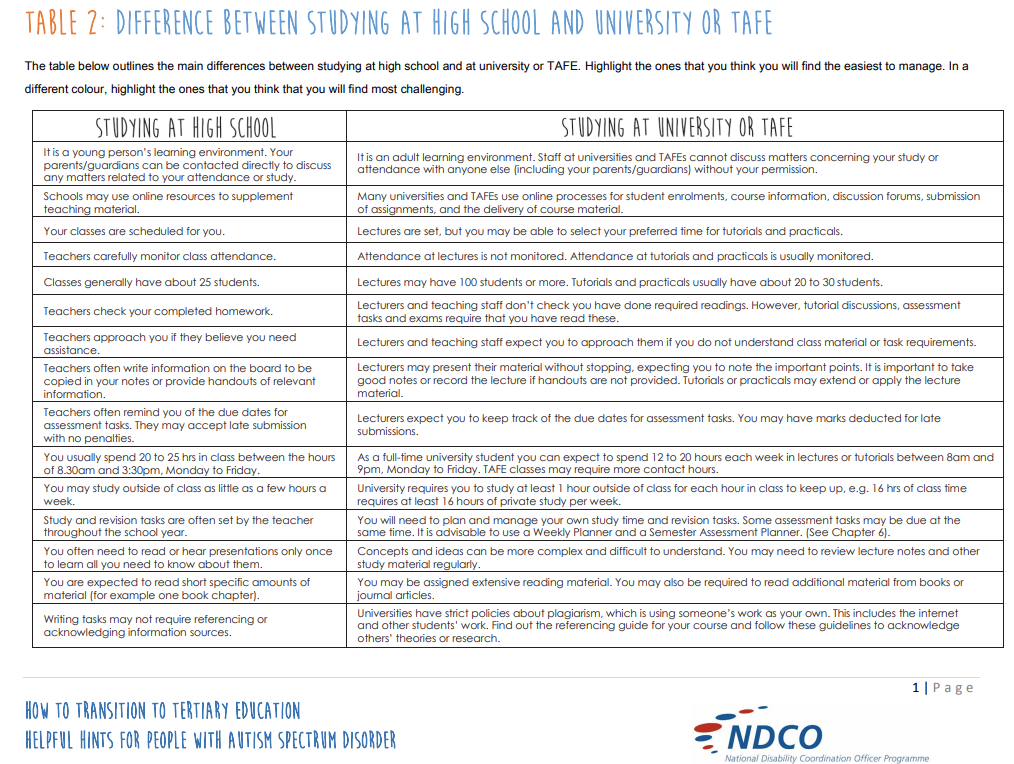
Transition to High School (ages 11-13) Transition to Higher Education (ages 17-22) Five Nights at Freddy’s (ages 12–22) Basketball (ages 7–22) YouTube (ages 12–22) Dates: Mon 19th - Fri 23rd Jan Time: 6:30pm - 7:30pm
Ready to join in, explore an interest and make new connections? https://shorturl.at/6ei9c |