
Careers News
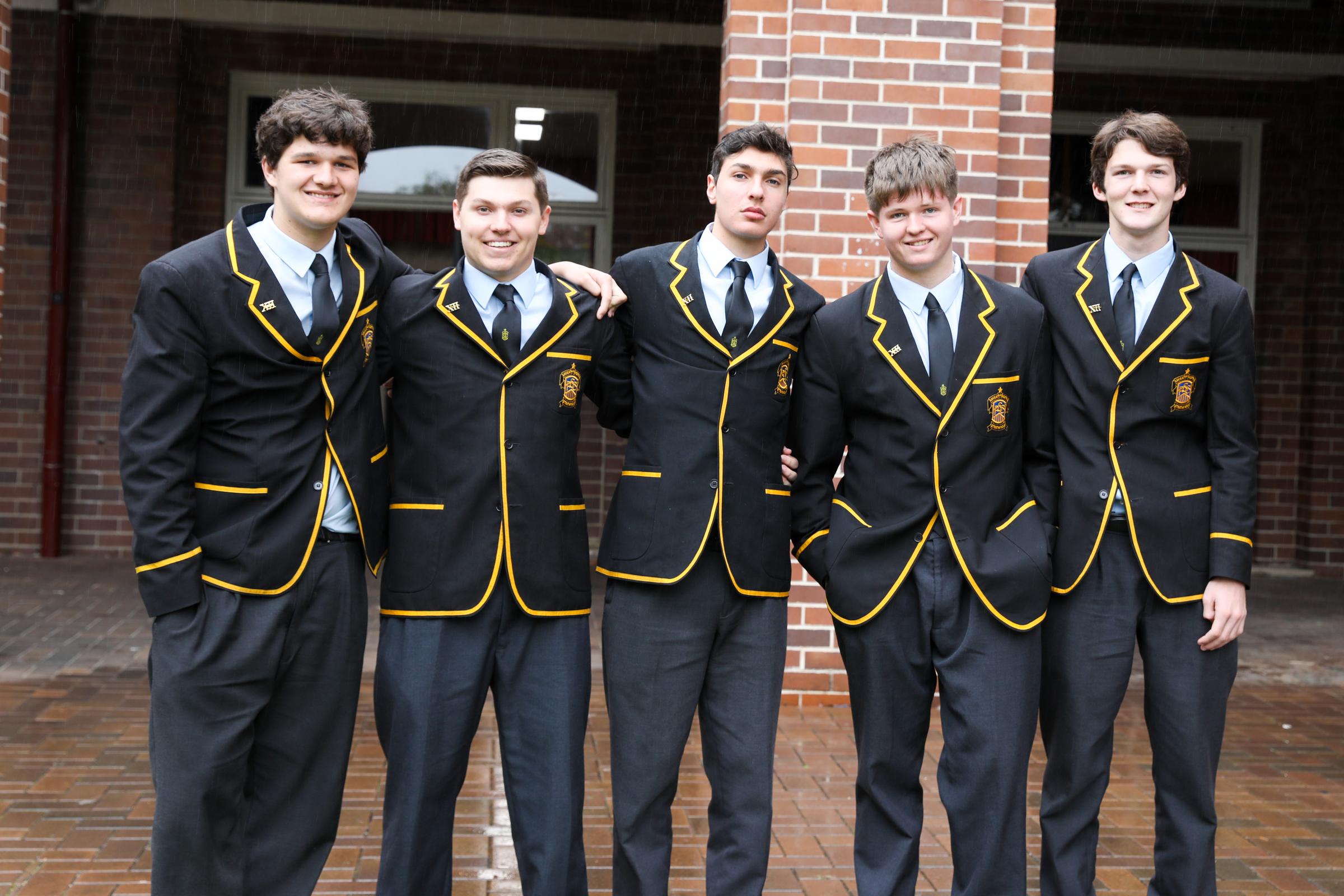
My Passion is to help you find your passion!
Welcome to another school year at St Patrick’s College, Strathfield. This year, I look forward to working closely with our Year 10, 11 and 12 students as they make important academic choices and begin planning their futures beyond school. Each year brings a new cohort with unique strengths and ambitions, and my role is to help students translate these into well-planned pathways beyond school.
As we reflect on the achievements of the 2025 HSC cohort, several consistent themes emerged that played a significant role in their success. While every student’s journey was unique, there were clear habits, attitudes and decisions that helped many of our students access university courses, TAFE pathways, apprenticeships and other post-school opportunities aligned with their goals.
From school to future pathways: Key lessons from the 2025 Year 12 cohort
Below are the strategies that proved effective for last year’s Year 12 cohort.
1. Setting clear pathway goals guides the journey, but results determine the range of pathway opportunities
“Success is where preparation and opportunity meet.” — Bobby Unser
Many students in the 2025 cohort entered Year 12 with a clear course or career goal in mind. This direction gave purpose to their studies and helped them stay focused during demanding periods. Clear goals gave meaning to their hard work and made the effort feel worthwhile.
That said, most students did not have a fixed plan, which is completely normal. For those still exploring options, focusing on maximising academic performance and their ATAR was the most effective way to keep future pathways open. Strong results provide flexibility, choice and a wider range of post-school opportunities. They open more doors, create more options, and allow students the freedom to pivot as interests evolve.
For example, one Year 12 student was initially unsure of his future pathway and was weighing up between Engineering (with an ATAR requirement of 93 at UNSW) and Actuarial Studies (with an ATAR requirement of 98 at UNSW). His priority was therefore to maximise his ATAR to keep his options open, setting himself a clear goal of achieving an ATAR of 98. He met this goal and ultimately chose to pursue Actuarial Studies at UNSW.
2. Learning from those who have walked the path before you
“Experience is the teacher of all things.” — Julius Caesar
A key careers initiative is to bring Old Boys back to St Patrick’s to speak with current students. Hearing firsthand experiences from past students now studying at university, completing apprenticeships or working in industry has been incredibly powerful and motivating for our boys.
For the 2025 cohort, these conversations helped bring clarity to post-school pathways. Old Boys shared honest insights about course expectations, workload, setbacks and growth, reinforcing the idea that success comes from persistence. Many students found reassurance and motivation in seeing where a St Patrick’s education can lead.
Two highly impactful careers events for students were the Old Boys Careers Information Evening and the Careers Expo. Both events featured Old Boys from a diverse range of careers who shared insights into their career journeys. In addition, Old Boys currently studying at various universities were on hand to offer firsthand perspectives on their tertiary courses and university life. James Kazzi (‘24) spoke with students interested in Medicine, offering practical advice and insights into his pathway to a medical degree at the University of New South Wales. Similarly, Angus Reen (‘23) shared his experience of securing the highly competitive UNSW Co-op Scholarship, providing valuable guidance on the application process and pathway. The willingness of these Old Boys to give their time and pass on their experiences played a significant role in supporting students’ pathway planning. We will continue to foster these connections to ensure students benefit from informed guidance and real-world perspective.
3. Choose subjects you can excel in and not subjects you think will “scale better”
“When you focus on your strengths, you build confidence, competence and motivation.” — Marcus Buckingham
One of the most important and consistent findings from HSC data is that student performance matters more than subject scaling. The 2025 cohort once again reinforced this reality.
Students who selected subjects they genuinely enjoyed, understood and felt confident in were more engaged, more motivated and ultimately achieved stronger results. Chasing subjects based solely on perceived scaling advantages often leads to disengagement and underperformance.
The most successful students chose a subject combination that aligned with their interests and strengths and backed themselves to do well.
4. Back yourself and aim high
“Believe you can and you’re halfway there.” — Theodore Roosevelt
Perhaps the most encouraging feature of the 2025 cohort was the number of students who believed they were capable of achieving ambitious goals. Many set their sights on highly competitive courses, scholarships and pathways and committed themselves fully to the process.
Striving high does not guarantee a specific outcome, but it does shape mindset, work ethic and self-belief. Students who aimed high were more likely to seek feedback, ask questions, use available support from their teachers and take ownership of their learning.
Students who back themselves are more inclined to persist when faced with challenges, adapt their strategies in response to setbacks and maintain motivation across demanding periods. This confidence fosters independence, resilience and a growth-oriented mindset, enabling students to push beyond perceived limitations and fully realise their academic potential.
I am always available to meet with students and parents to discuss subject selection, pathway planning and goal setting. Early conversations and informed decisions play an important role in developing positive outcomes.
Please feel free to contact me via email at joanne.cupac@spc.nsw.edu.au or on
8705 9255. I look forward to working closely with our students and supporting them as they shape their futures.
Joanne Cupac
Head of Careers