
Wellbeing

Welcome to the beginning of a new school year! As we move into 2026, our Wellbeing Team looks forward to continuing our partnership with students and families to promote positive mental health, connection, and wellbeing across our school community. Supporting students’ social and emotional development remains a key priority, helping children build confidence, resilience, and the skills they need to thrive at school and beyond.
Our Wellbeing Team is made up of five dedicated members who work collaboratively to support both students and staff.
Jordan Wheatcroft is our school Counsellor, providing support to students and guiding the team with his expertise.
Billie Jo Cook is our Chaplain, with a key focus on staff wellbeing and fostering a positive and supportive workplace culture.
Brett Middleton and Carol Harry work directly with students, delivering wellbeing programs, providing day-to-day support, and working closely with Jordan to ensure students receive consistent and effective care.
Our Principal, Andrew Edmondson, is the fifth member of the team and plays an important role in supporting and guiding the overall wellbeing vision of the school.
Throughout the year, students will engage in wellbeing programs such as Friendology and Zones of Regulation. These programs support students to develop healthy friendships, understand and manage their emotions, and respond positively to challenges. By embedding these skills into everyday learning, we aim to maintain a safe, inclusive, and supportive school environment for all students.
We are pleased to continue our partnership with The Fathering Project in 2026. The Fathering Project Dads Portal offers a wide range of practical parenting resources, including articles, videos, and strategies that support fathers and father figures in navigating everyday parenting challenges. These resources focus on building strong relationships, supporting children’s emotional wellbeing, and fostering positive communication at home. Families are encouraged to sign up and access the Dads Portal using the QR code below:

Lola, our much-loved wellbeing dog, will once again play a special role in supporting students throughout the year. Lola provides comfort and calm, helping students feel safe, supported, and relaxed, particularly during times of heightened emotion or stress.
Families are reminded that Wellbeing Support Request Forms are available if you have any concerns about your child’s wellbeing. These forms provide a direct way to connect with our Wellbeing Team and request support when needed. The link to the Wellbeing Support Request Form can be found on the Compass app under School Favourites, or on the Wellbeing page of the school website under the Learning section.
Our Wellbeing Team looks forward to working closely with families in 2026 as we continue to build a caring, respectful, and emotionally supportive school community where every child feels valued, safe, and empowered to succeed.
Brett Middleton
Wellbeing Coordinator
Resilience First Aid Starter Training
At the start of this term, all Pilgrim staff participated in the Resilience First Aid Starter Training (RFAST). This involved a two‑hour professional learning session focused on building positive mental health habits and improving our collective awareness of early wellbeing needs. Though brief, the session offered meaningful insights into how we can better support both one another and our students through a preventative, strengths‑based approach to wellbeing.
RFAST introduces the idea that resilience is not simply an individual trait but something shaped by connection, environment, and supportive relationships. The training emphasises that early awareness and proactive conversations can make a significant difference in wellbeing outcomes. Staff explored how mental health support is shifting toward prevention, and how paying attention to subtle indicators of stress or fatigue can help us step in early, well before challenges escalate.
The program also introduced the Predictive 6 Factor Resilience Model (PR6), a research‑based framework that describes six key domains that influence personal resilience: Vision, Composure, Reasoning, Health, Tenacity, and Collaboration. Exploring these domains encouraged staff to recognise their own strengths as well as opportunities for growth. Understanding these areas gives us language and structure to talk about resilience more clearly with students and colleagues.
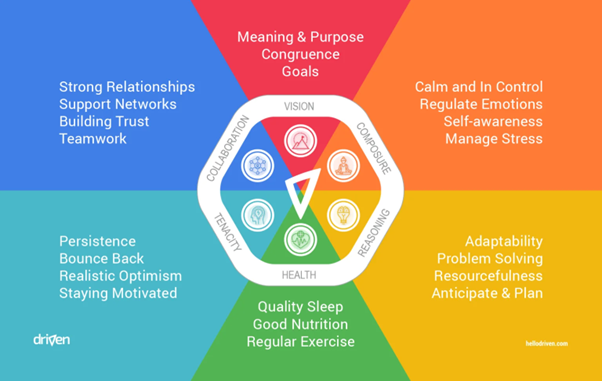
One of the most practical aspects of the training was the chance to create an individual Resilience Action Plan. Staff reflected on personal strengths, identified areas that might need some attention, and considered small steps that could help maintain wellbeing across the school year. I found this very interesting and made a plot to represent the areas I was strongest in, and areas needing the most improvement.
Overall, the RFAST session reinforced the idea that resilience is something we build together. In conjunction with this training and planning for the year, I believe this was helpful input and I look forward to revisiting it in the future.
Jordan Wheatcroft
Wellbeing Team