
Year 3 Spotlight
Numeracy
Students started this term by learning about the different ways multiplication problems can be represented using arrays, equal groups, and repeated addition. Students learned the different language associated with multiplication problems such as ‘product, groups of, multiplied by, etc’. We have explored different strategies to learn 2s, 3s, 4s, 5s and 10s times tables. Students then worked on fact families, exploring the relationship between multiplication and division. For example, they know that because 2 X 10 = 20, 20 divided by 10 is 2!
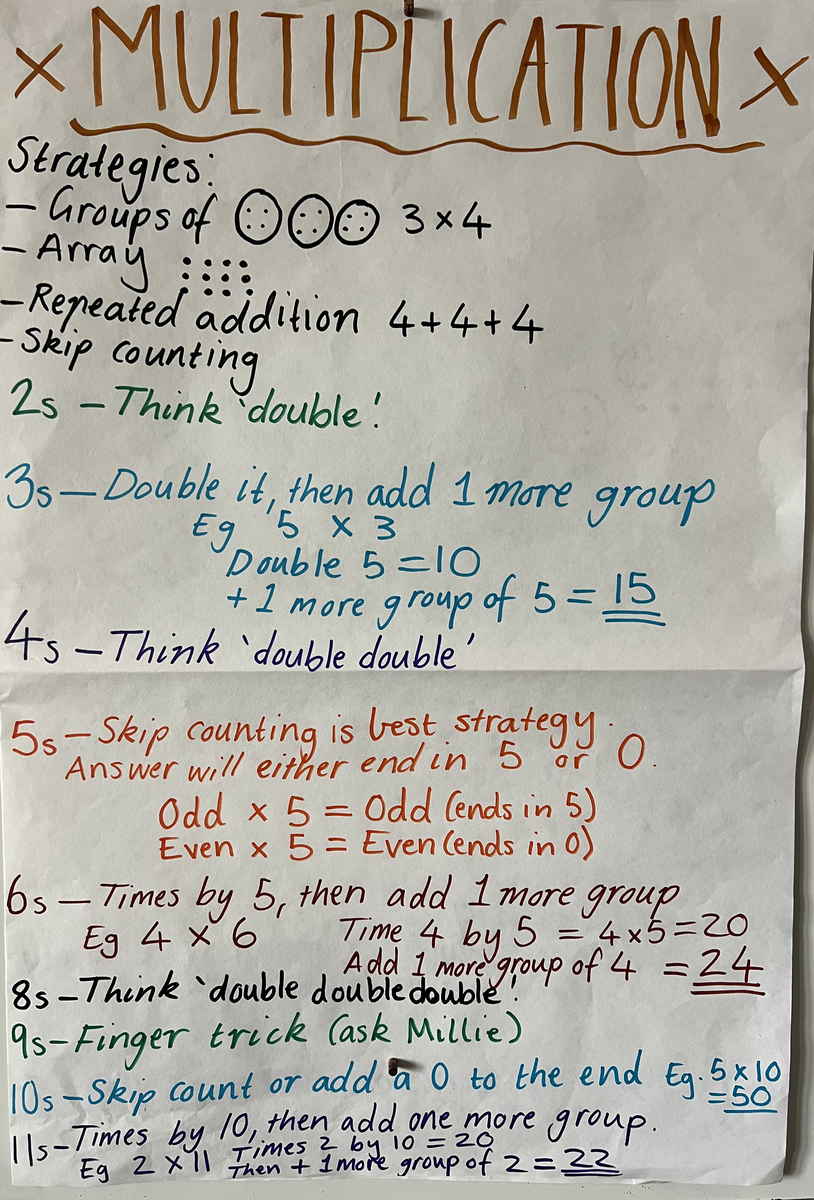
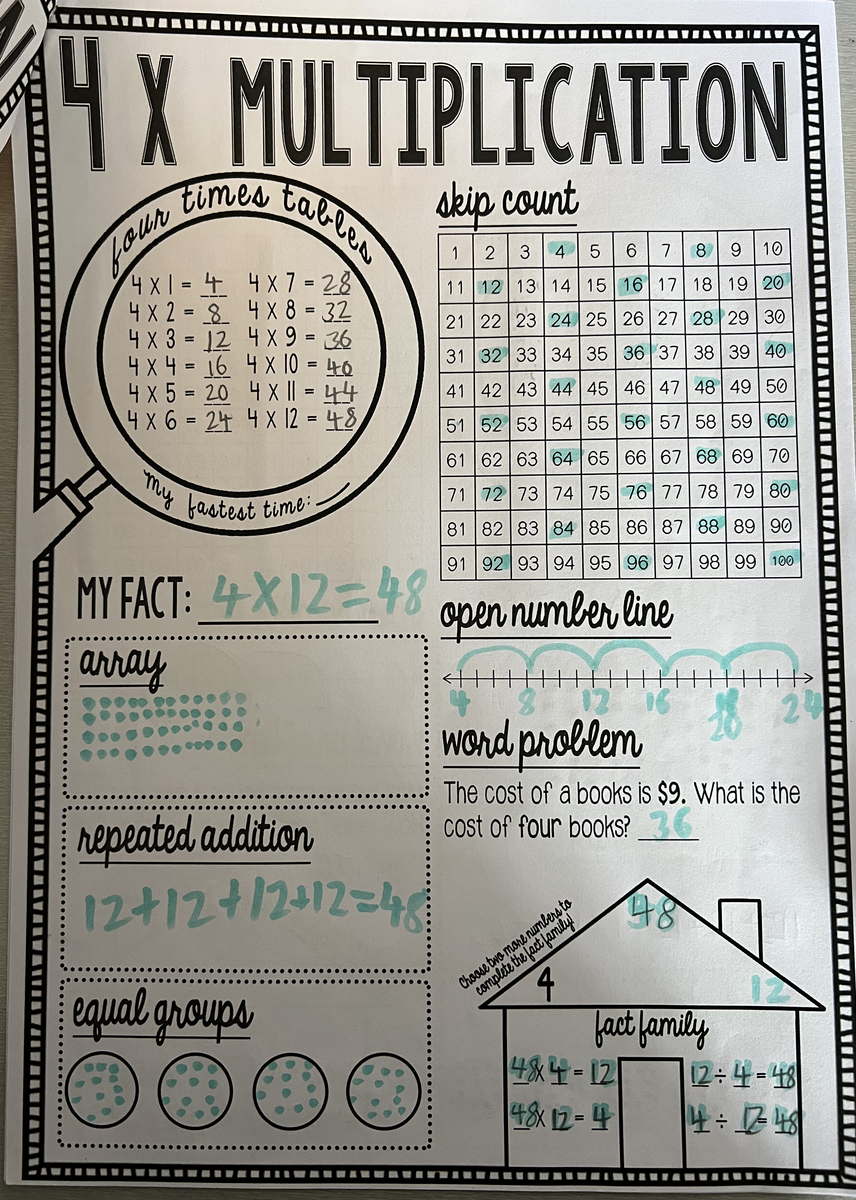
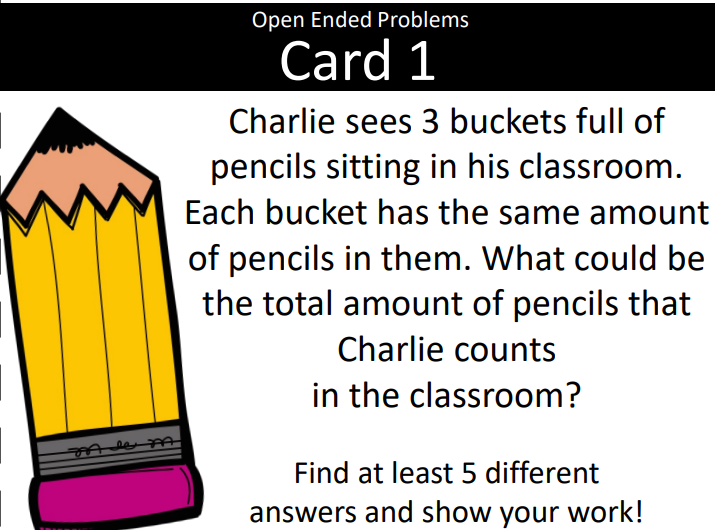
These strategies, along with finger counting, drawing arrays to match equations, skip counting and 10s facts knowledge have helped students be able to solve a range of equations. Students have been challenged with worded problems to show their understanding on how to break down and solve multiplication and division questions. We have then used our understanding to solve broader open-ended problems during our Launch, Explore, Summarise lessons. In class, students have also been making flash cards for their 2s, 3s, 4s, 5s and 10s multiplications, so that they can practise answering with increased speed and recall.
Students have enjoyed learning how to play maths games like Land Grab and Multo. We have attached the instructions in case you would like to play at home! Next week, we will be moving onto algebra, exploring the connection between multiplying and dividing further, and then space and probability.
Writing
This term, students have analysed information reports on fascinating topics, such as Sharks. Grade 3 students have spent time taking an in depth look at all the features of a great information report.
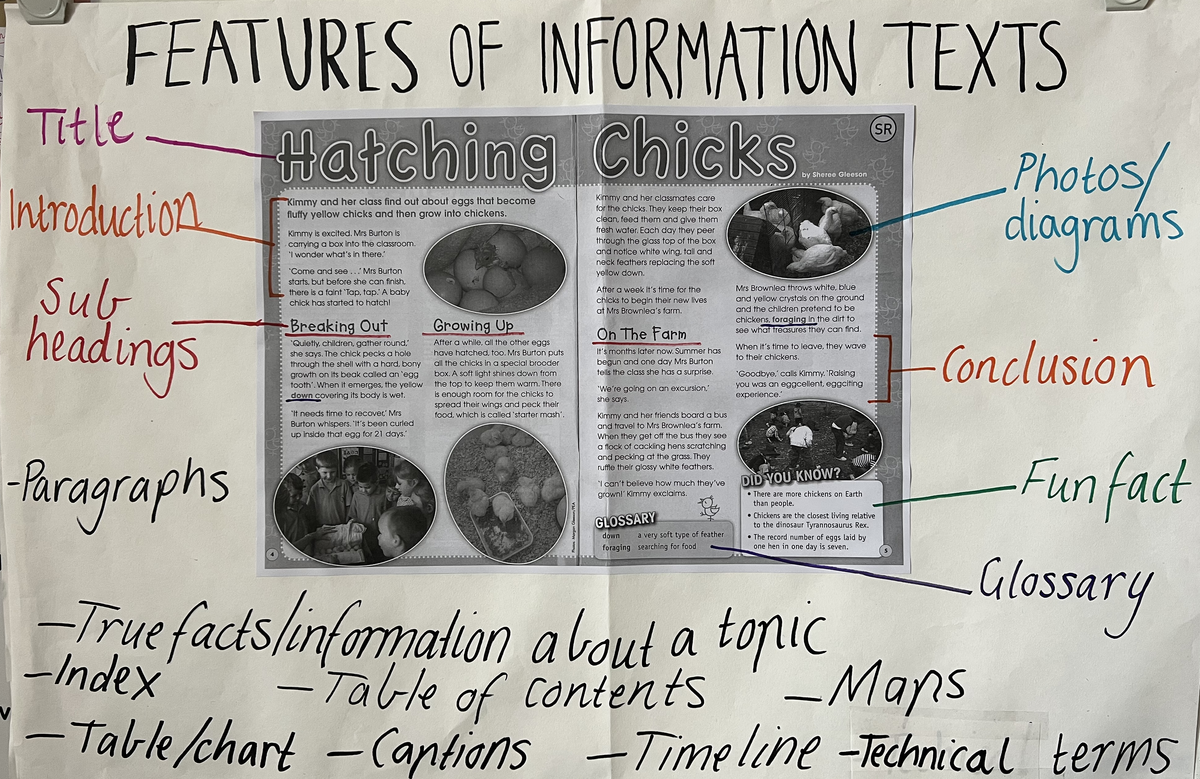
This includes a title, introduction (sizzling start), glossary, subheading with appropriate information, images and a conclusion. We did a scavenger hunt to find all these features across a wide range of non-fiction books. Students had the opportunity to see a myriad of reports and styles of presentation during this task.
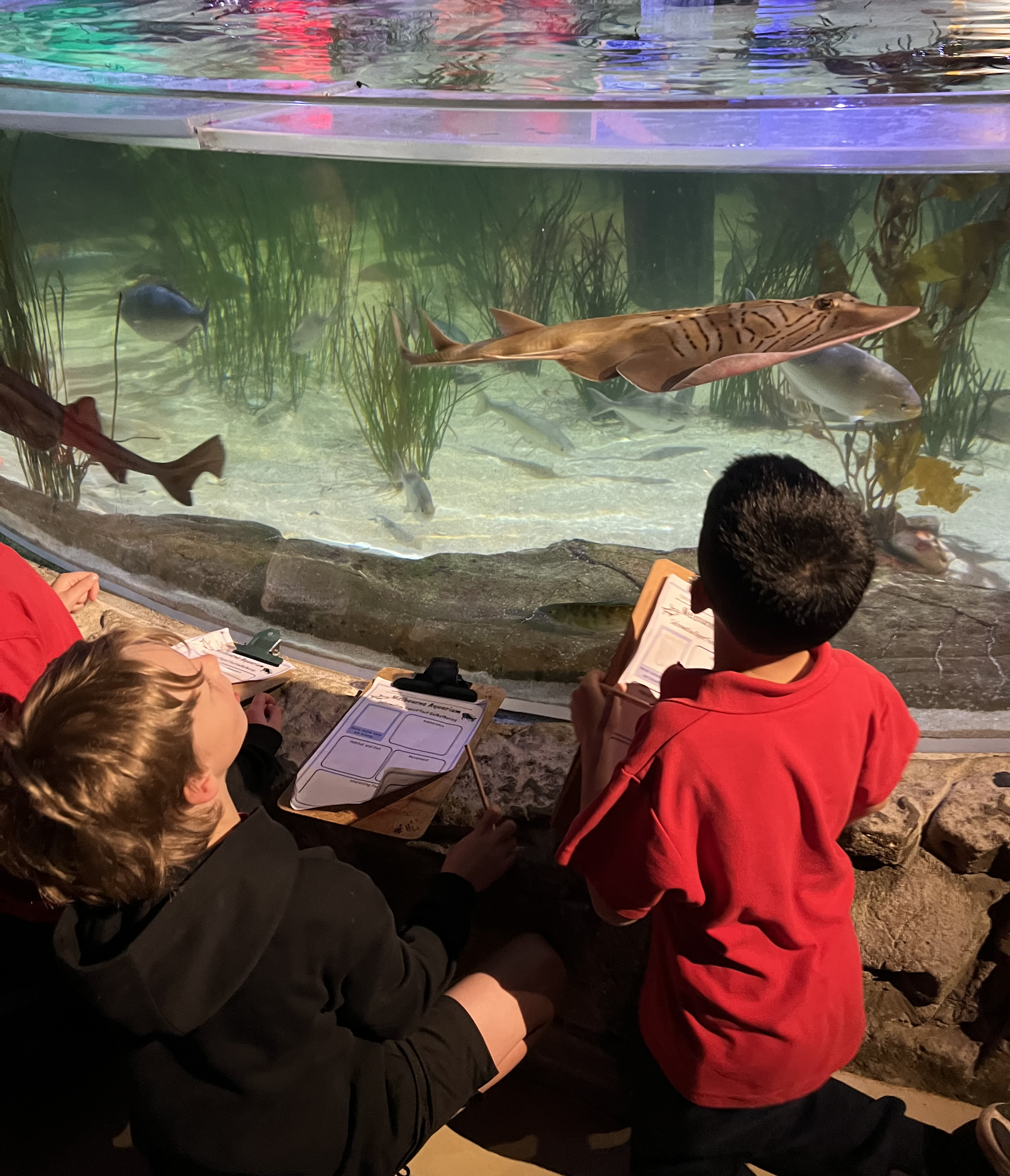
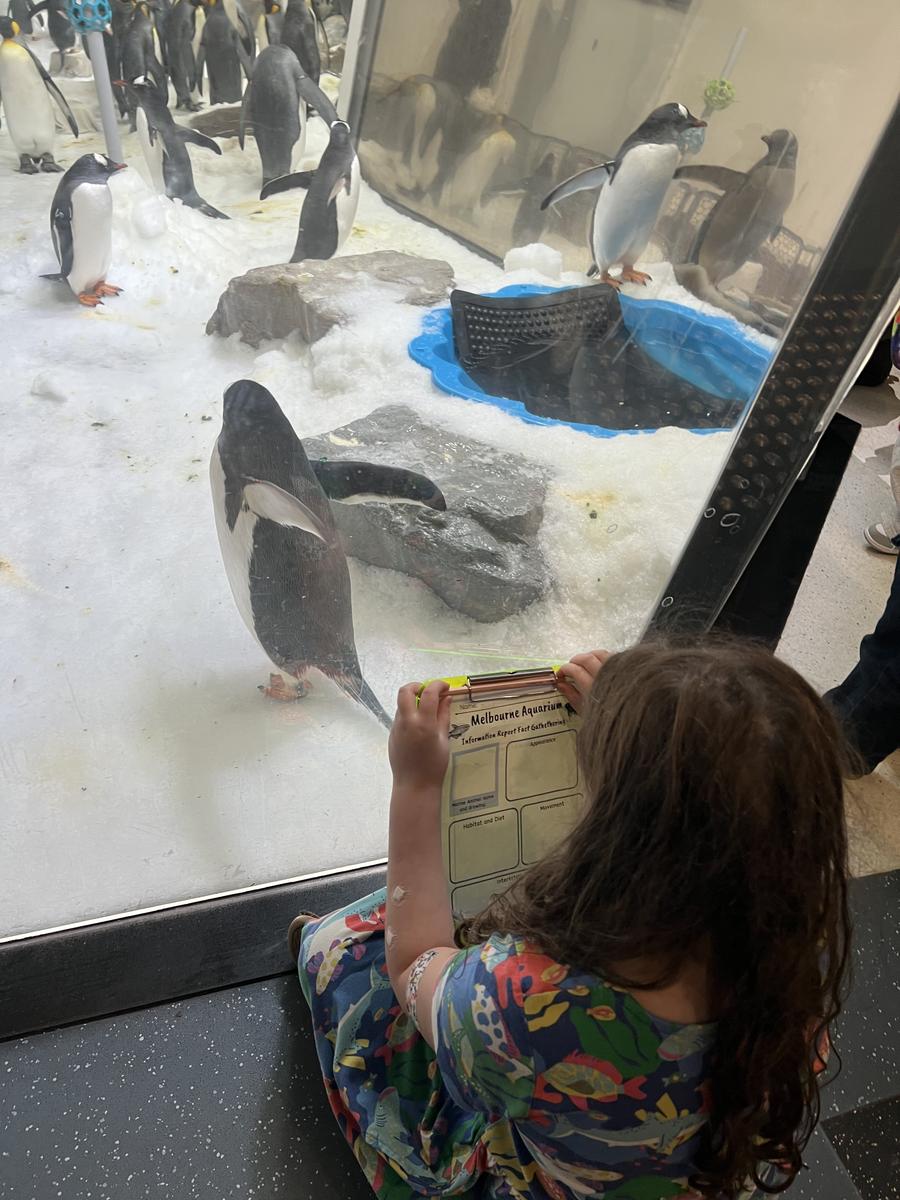
Our excursion to the aquarium gave students lots of valuable information on specific marine animals to inspire some thinking and questions for their own report. Students have now asked topic-specific questions, conducted research, and begun planning the structure of their writing for the next few weeks. We look forward to seeing how they decide to present their final copy!
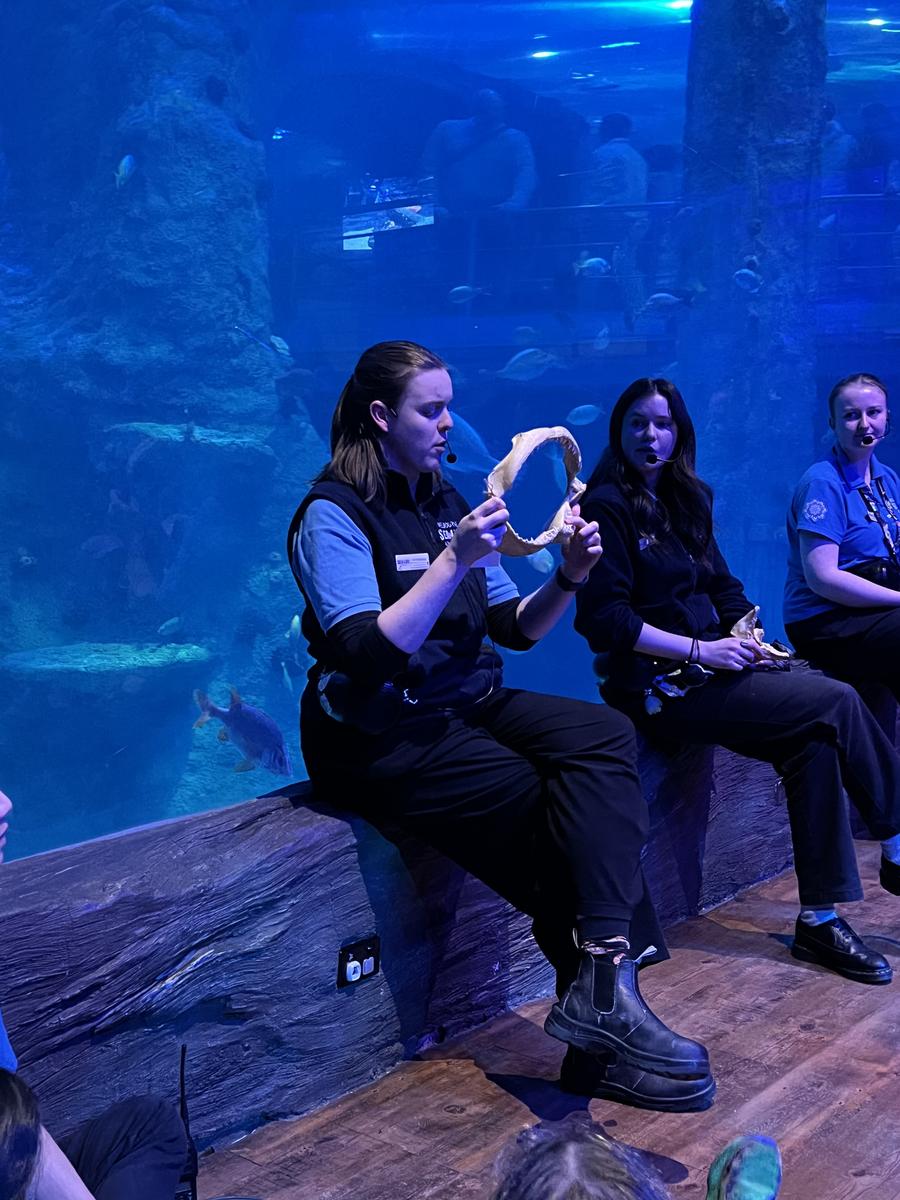
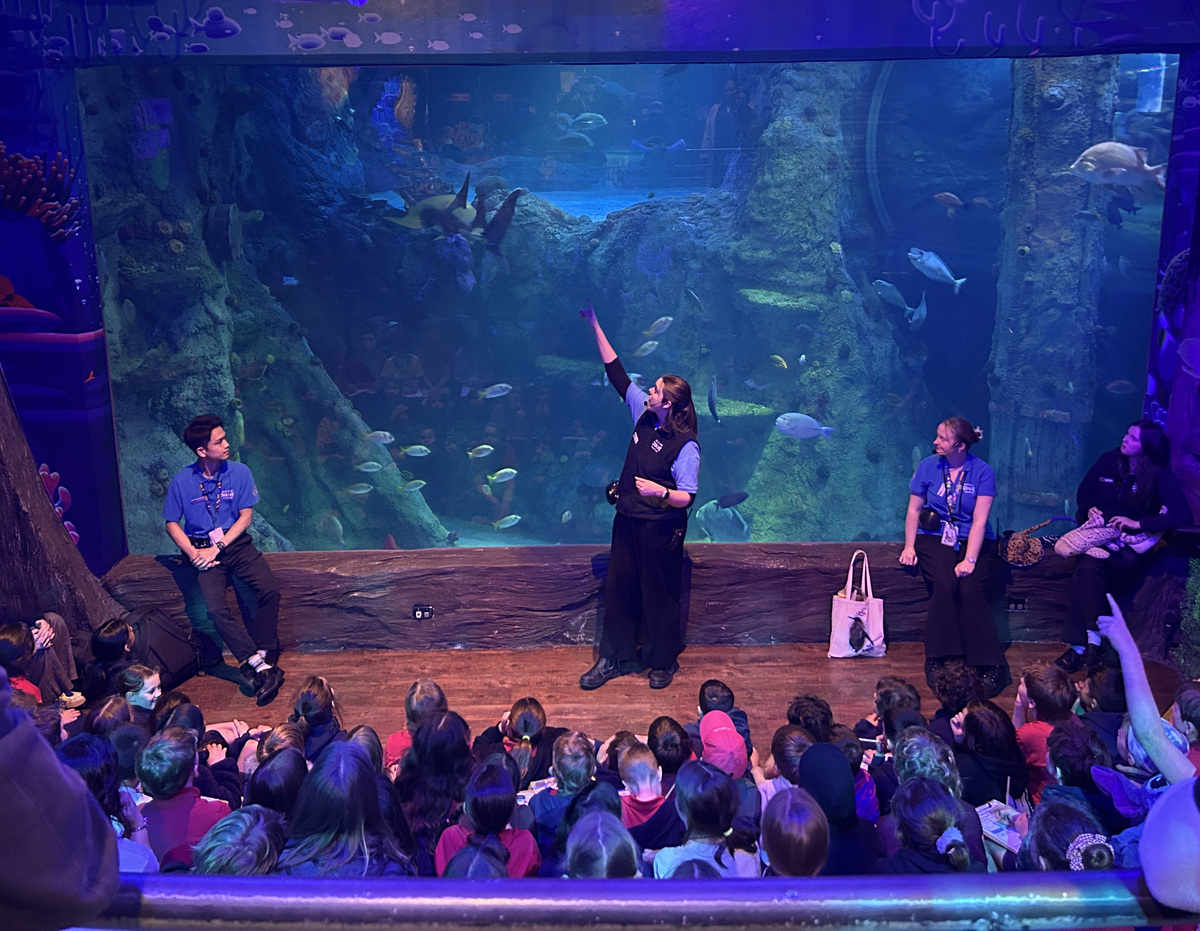
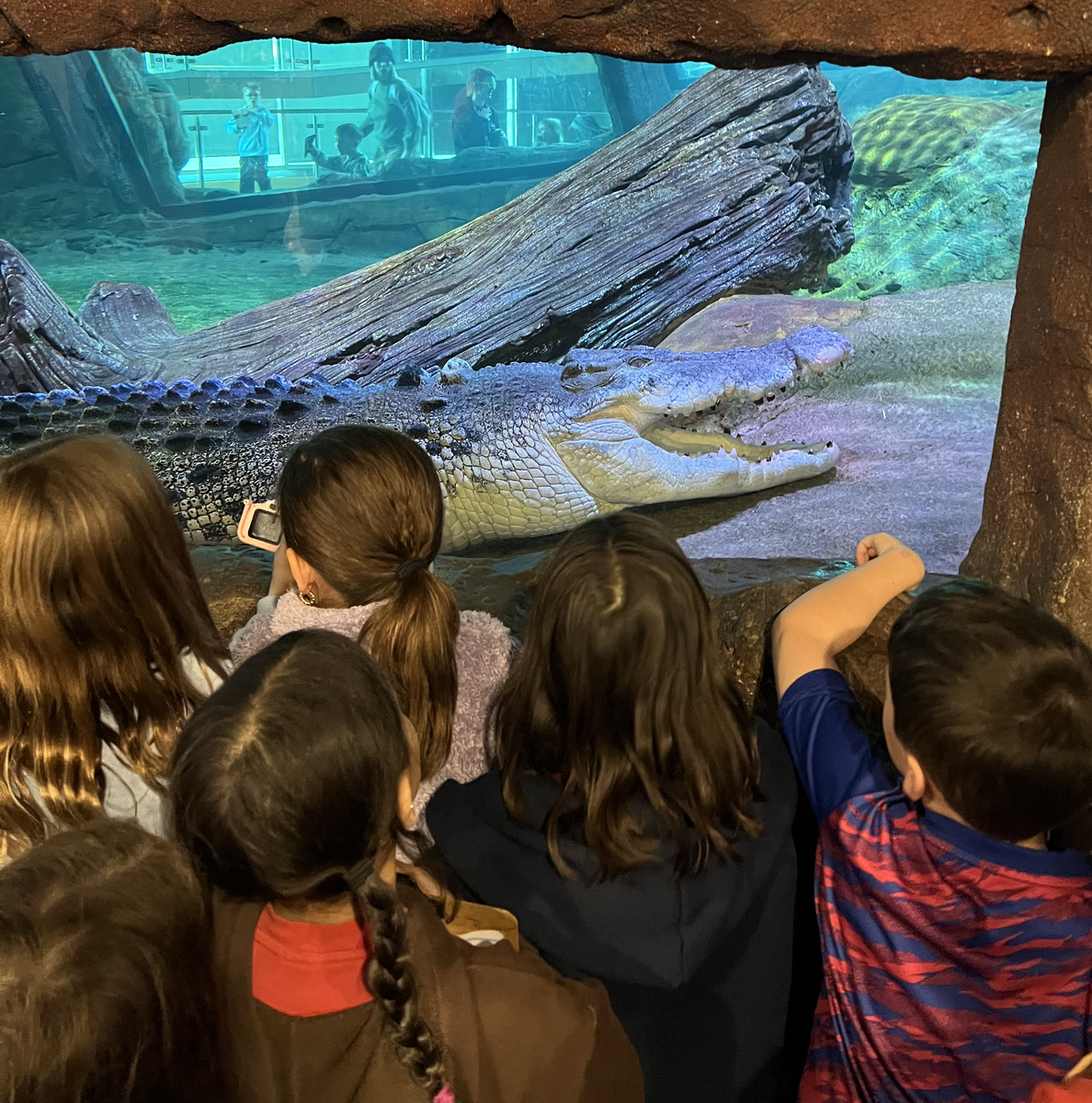
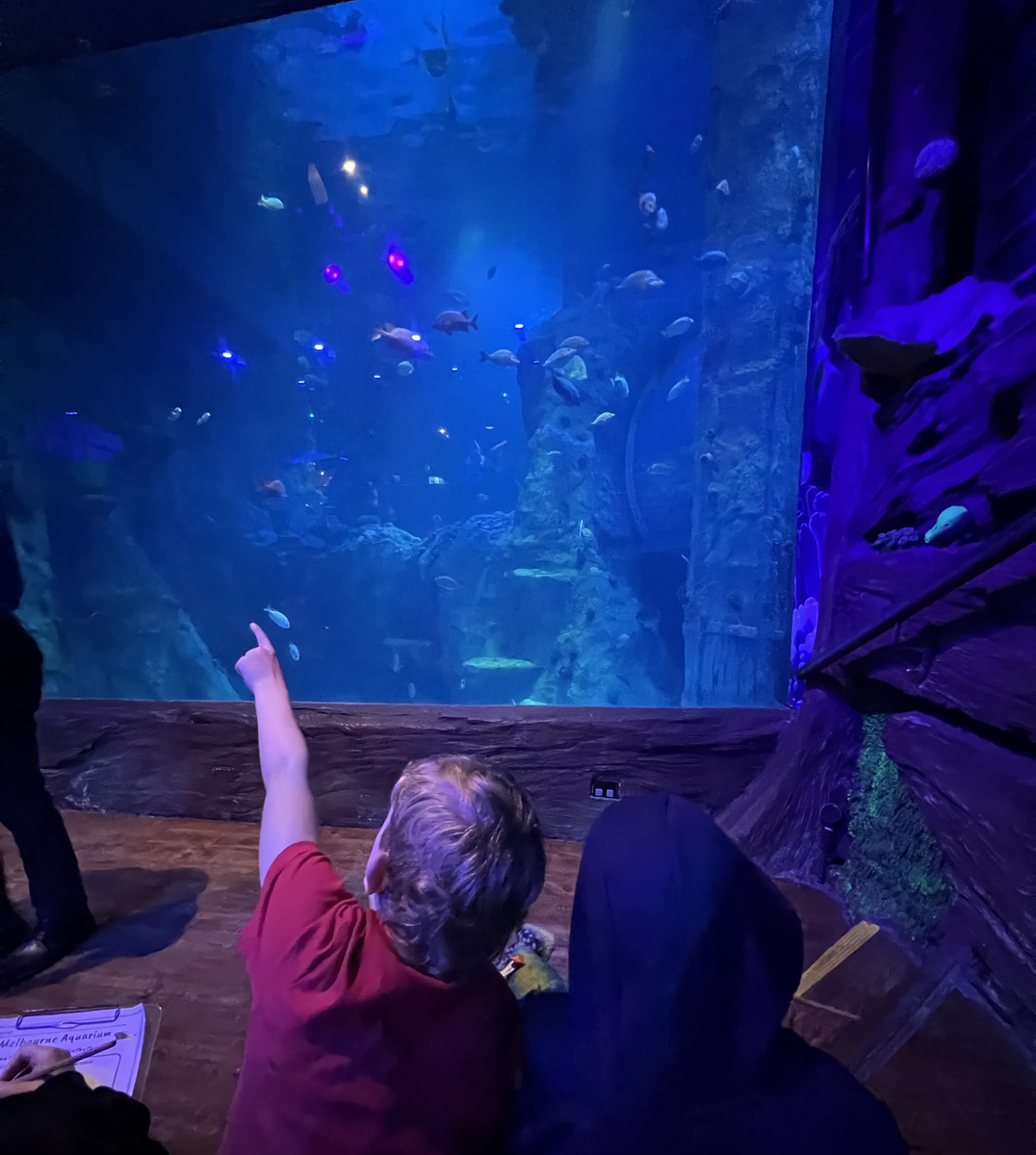
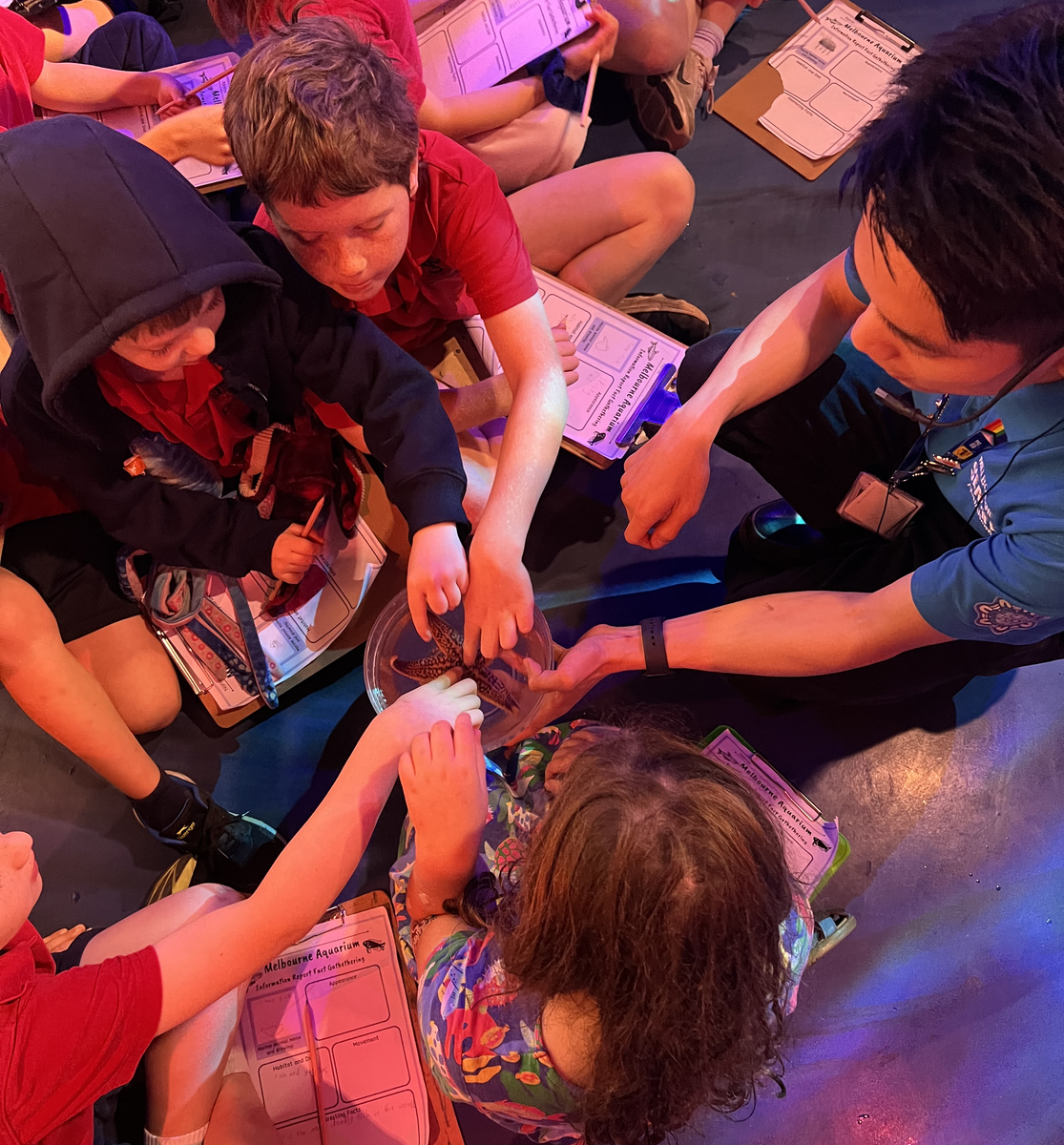
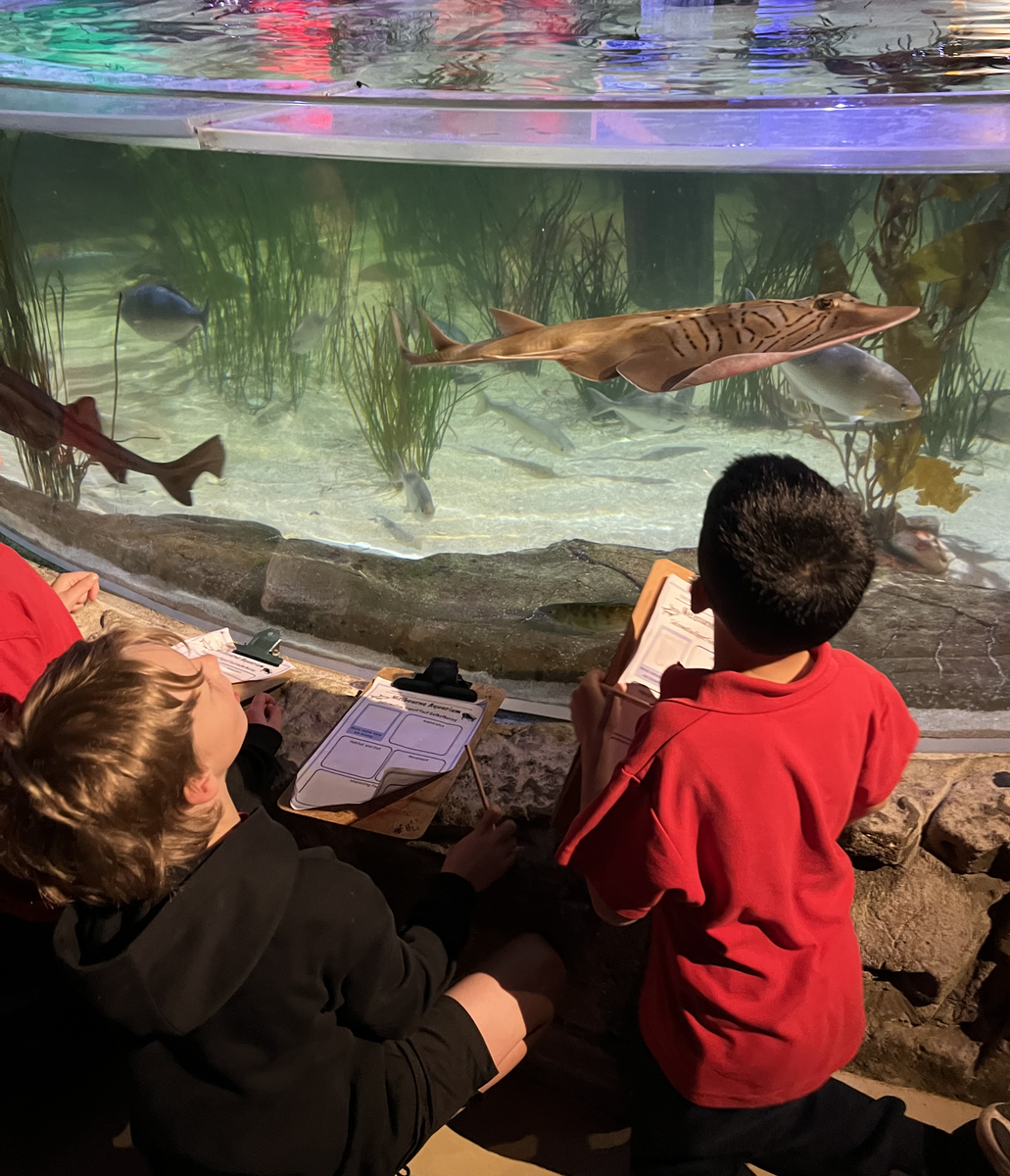
I liked the guide teaching us about all the different animals. We got to see almost all the animals. ~ Arlo M, 3D
I liked seeing all the animals and writing information about our chosen animal. ~ Freya, 3D
I learnt that Leopard Sharks and Port Jackson Sharks lay different types of eggs. The Port Jackson Sharks have a spiral shaped egg that they screw into gaps in the coral. We got to touch one! ~ Sam, 3A
Mary River turtles breathe out of their butt! ~ Alexis, 3A
I learnt that when penguins eat krill their feet get bright orange! ~ Ruby, 3C
At our trip to Sea Life I enjoyed exploring the spaces between the animals. Seeing how the fish adapted to being in the glass was interesting. ~ Max, 3C
I loved the whole experience, but my favourite part was the seahorses. ~ Ariana, 3B
My favourite part was the oceanarium. I really enjoyed seeing the larger sea creatures. ~ Francis, 3B
We have continued our work targeting boundary punctuation, particularly how to correctly use full-stops, question marks, exclamation points and capital letters. We have also been exploring the different uses for apostrophes and the difference between common and proper nouns. As part of our syntax studies, students have been editing sentences, paragraphs and completing a dictation each week.
Literacy Blocks
This term, classes will continue to read Wylah, The Koorie Warrior (book 1 or 2) as their class novel. Wylah the Koorie Warrior is an illustrated chapter book; a fantasy adventure set 40,000 years ago on the lands of the Peek Whurrong in south-west Victoria. Wylah must connect to her matriarchal ancestral knowledge and powers in order to find the strength to fight for her Peek Whurrong people, who have been captured. The story is set among Warrnambool's natural landmarks, like the Hopkins River and Moyjil (Point Ritchie), where geographically-specific megafauna roam. This ties in beautifully with our Inquiry unit and provides a whole class mentor text with which students can improve their reading comprehension skills.
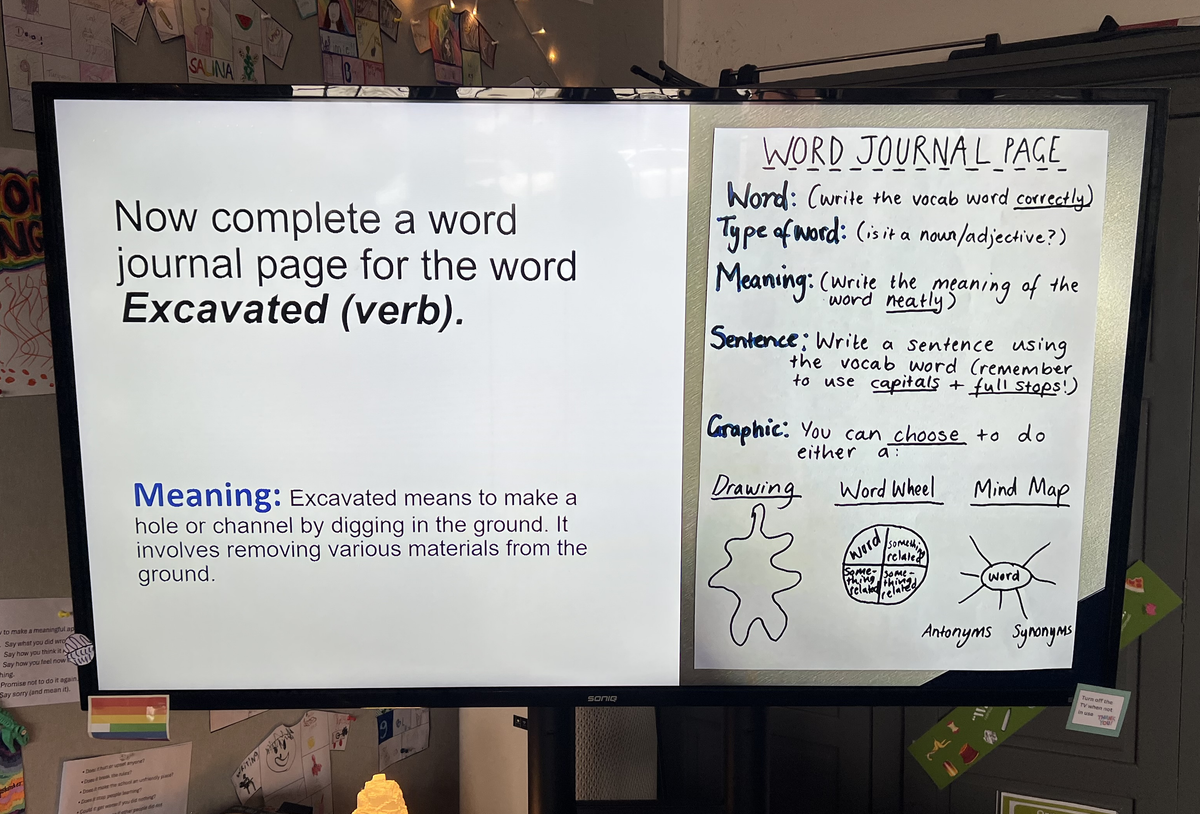
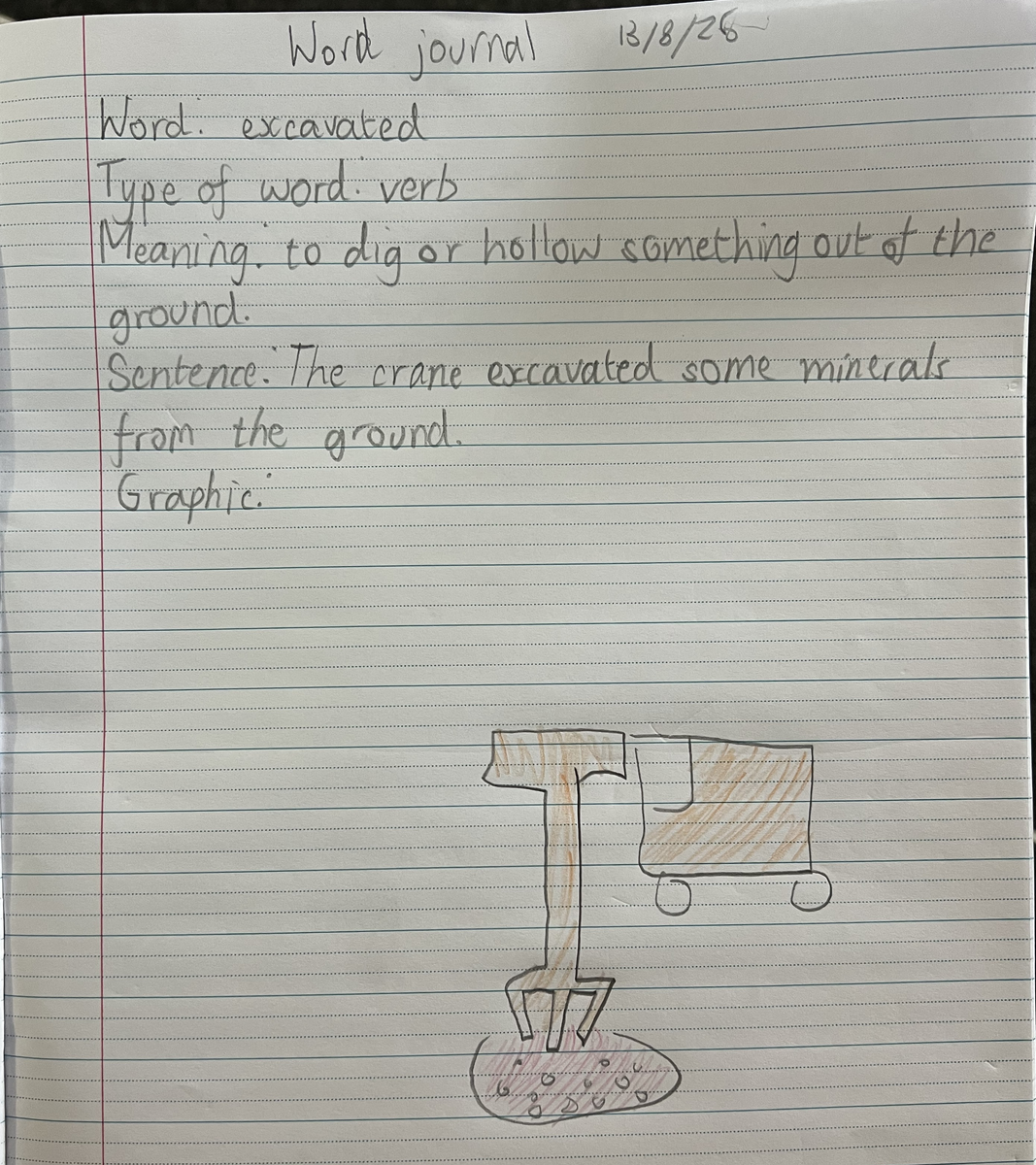
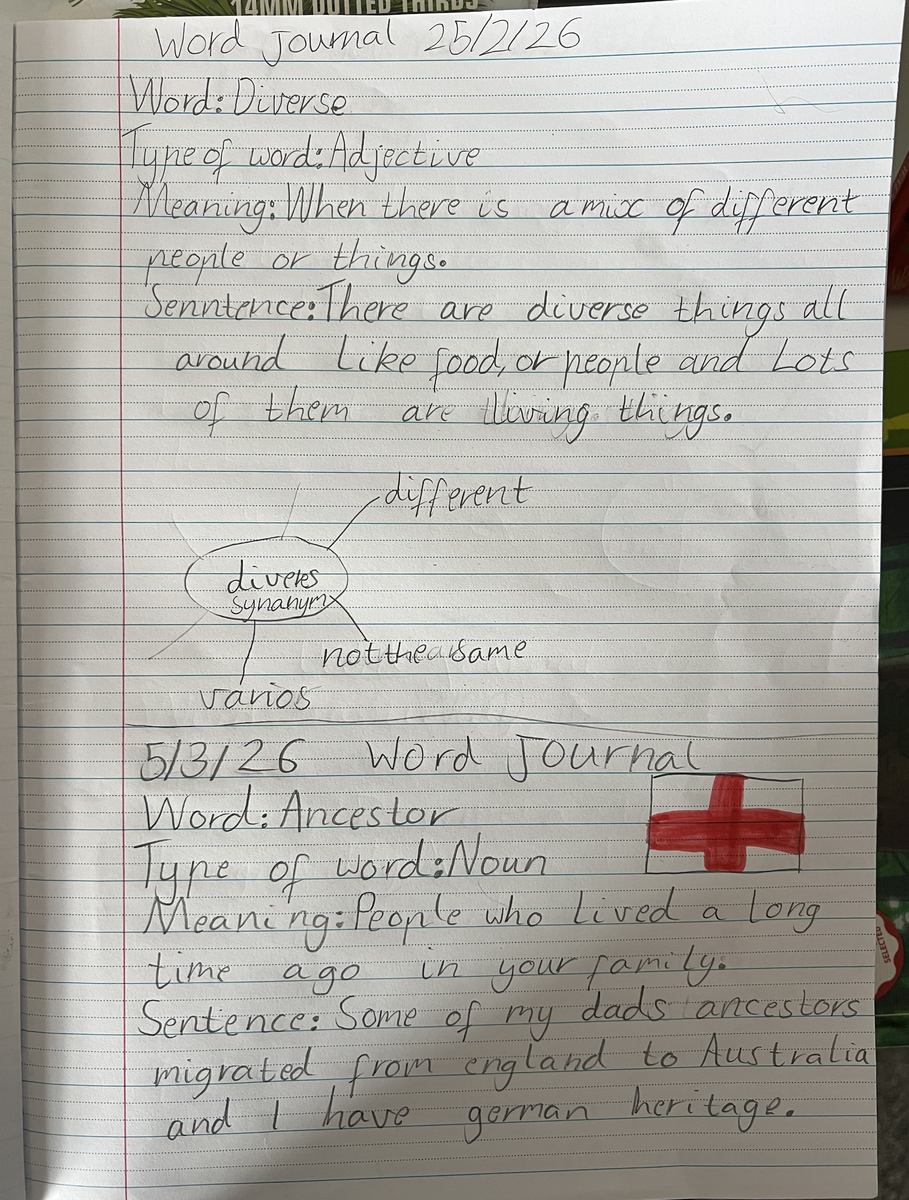
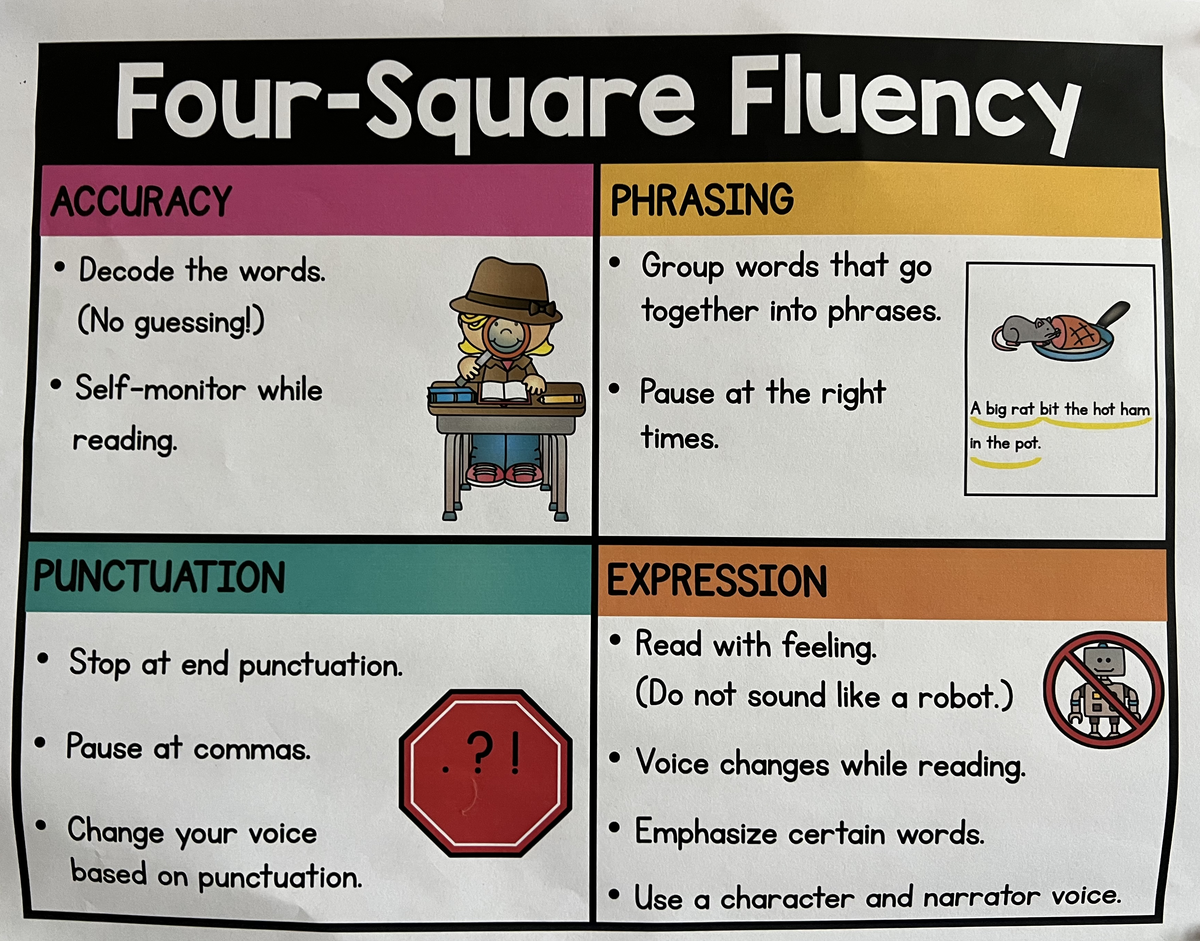
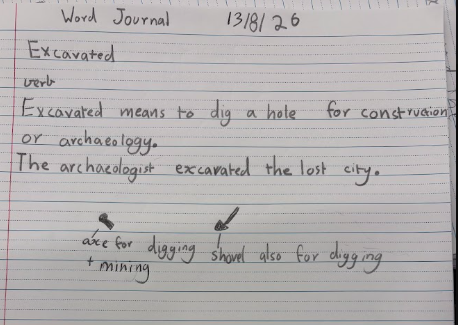
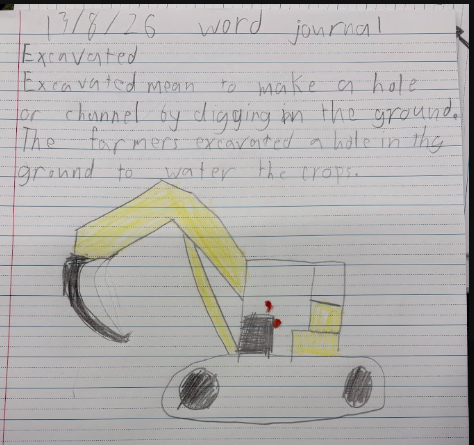
Students are continuing to engage in daily Literacy Blocks, exploring a vast range of mentor texts, participating in fluency partner reading, explicitly learning phonics, punctuation and grammar skills, and expanding their word journals with weekly vocabulary words. This term, we are focussing on improving the use of capital letters at the start of sentences and for proper nouns, and boundary punctuation in our writing. This will be targeted through the use of explicit teaching, and monitored through weekly Rocket Writes and dictation.
Later this term, students will showcase their fluency skills when participating in Reader’s Theatre. Students will have time to learn and rehearse a short script, which will be performed to the class in small groups.
History
This term’s Inquiry unit is all about being a good historian and exploring Australian history. This involves exploring good research skills, understanding the different sources of information, identifying types of artifacts and learning about differences in culture and over time. This will be explored through a First Nations lens, comparing and contrasting the perspectives, ways of life, experiences and cultures of Indigenous people and European settlers at the time of first contact. Part of this research has included learning about the difference between primary and secondary sources of historical information, examining and questioning artifacts and ecofacts, and learning about the importance of archeology in understanding history.
To supplement this learning, Grade 3 have been exploring the text and series “My Place” which depicts the changes that occur over time in a singular location (centred around a big fig tree!), spanning from pre-European contact to modern times. This has been a fantastic Australian resource to help us explore the lifestyles, key events and perspectives throughout parts of this country’s history. It has allowed students to gain insight into what life was like for children their age and has allowed for some meaningful and interesting conversations in class. This is available on ABC iview if you want to watch some at home!
At the end of the term, students will be using their new found skills as historians to find reliable sources of information and research a celebration, folktale or dreamtime story to present as a stop-motion film. Grade 3 will begin their stop-motion projects very soon, taking a deep dive into a specific historical story of their choice.
Year 3 Teachers (Millie, Jack, James, Sophie & Jess) and Students