
Supporting & Challenging Learners
Numeracy Update
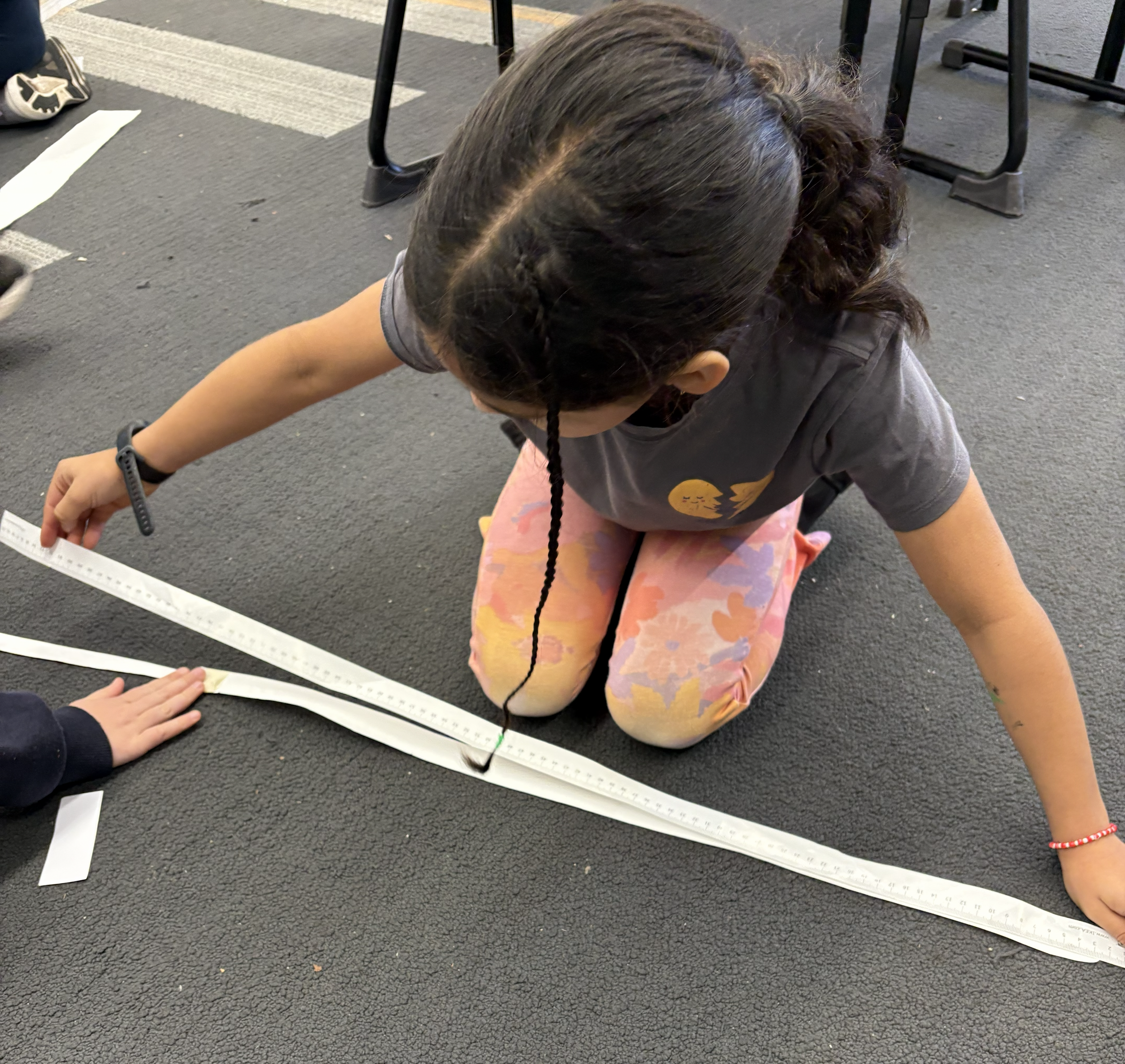
Supporting & Challenging Learners
Numeracy Update
Parents often ask how we support students who need additional assistance in mathematics while also providing appropriate challenges for those who are ready to extend their thinking and learning. At Fairfield Primary School, we believe every child can be successful in mathematics, and our goal is for all students to feel appropriately challenged, well supported, and capable of achieving their personal best.
To achieve this, we continually invest in high-quality teaching and learning. Our teachers engage in ongoing professional learning, collaborate through peer observations and feedback, and regularly seek student feedback to ensure our mathematics program meets the needs of every learner. We also invest in quality teaching resources that support engaging and effective mathematics instruction.
Students participate in daily mathematics lessons, with at least five hours of mathematics learning each week. Our teaching approach combines explicit instruction with opportunities for problem-solving, investigation and mathematical inquiry.
Teachers use a range of instructional models, including:
This balanced approach helps students build strong mathematical knowledge, develop confidence, and become effective problem-solvers.
No two students learn in exactly the same way or at the same pace. Our teachers carefully monitor student progress and adjust learning experiences to provide support or challenge at each student's point of need.
Students who require additional support may:
Students who are ready for additional challenges are encouraged to deepen their mathematical thinking rather than simply move ahead to new content. Teachers provide opportunities for students to:
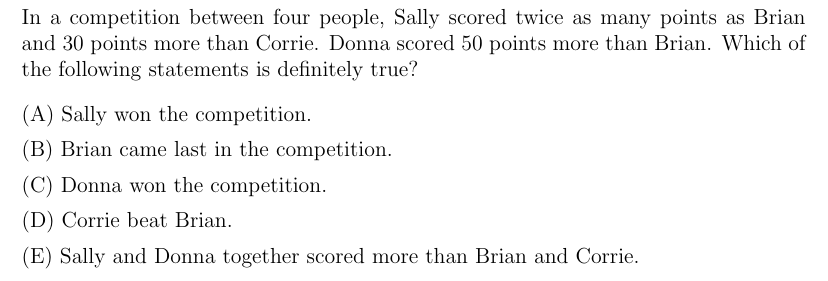
Here are some examples of the types of problems students in Years 3 – 4 and 5 – 6 grappled with during the competition.
Year 3 – 4 Problem
A number is palindromic if it reads the same forwards as backwards. For example, 686 is palindromic.
How many numbers from 100 to 300 are palindromic?
Year 5 – 6 Problem
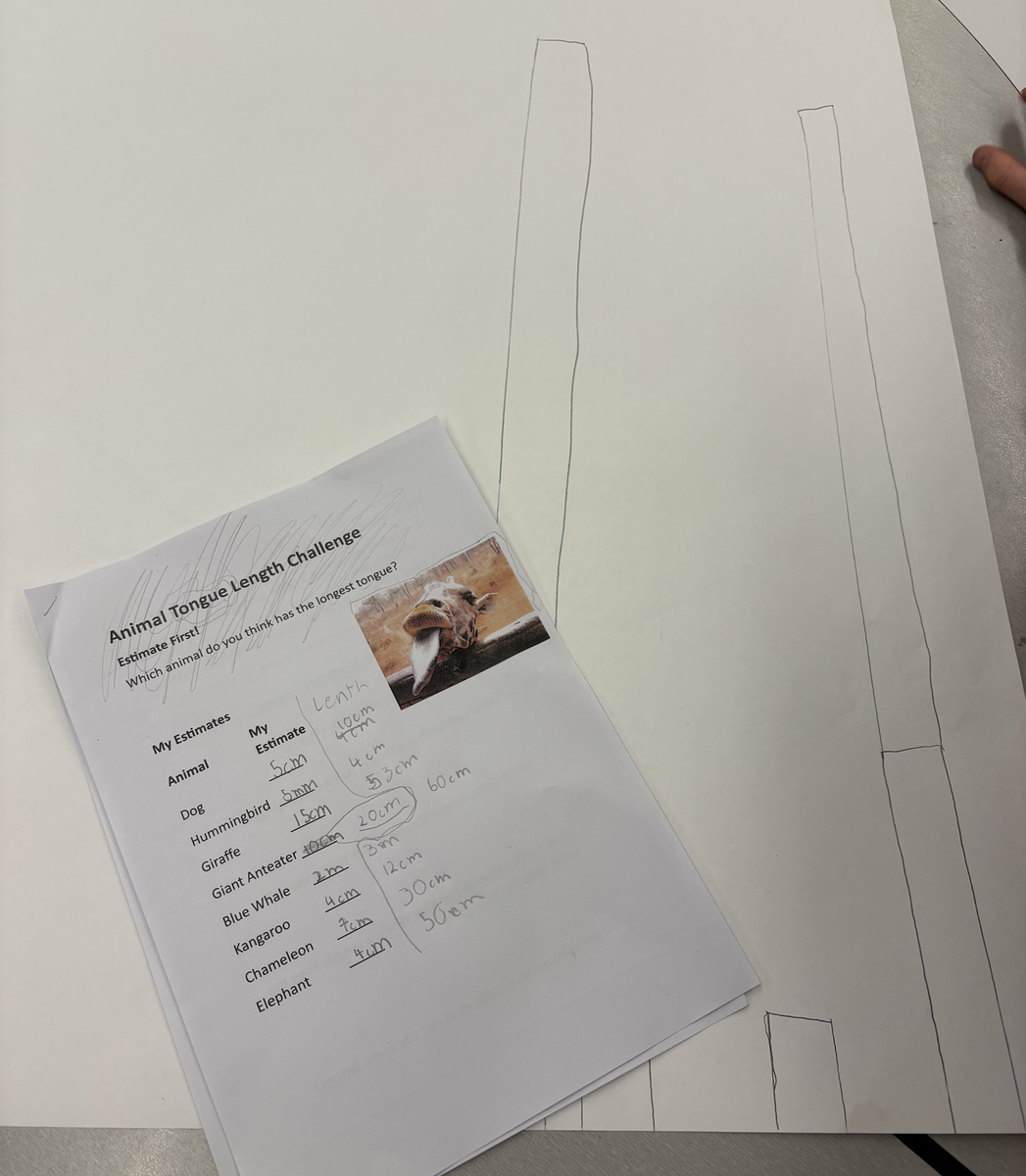
Some examples
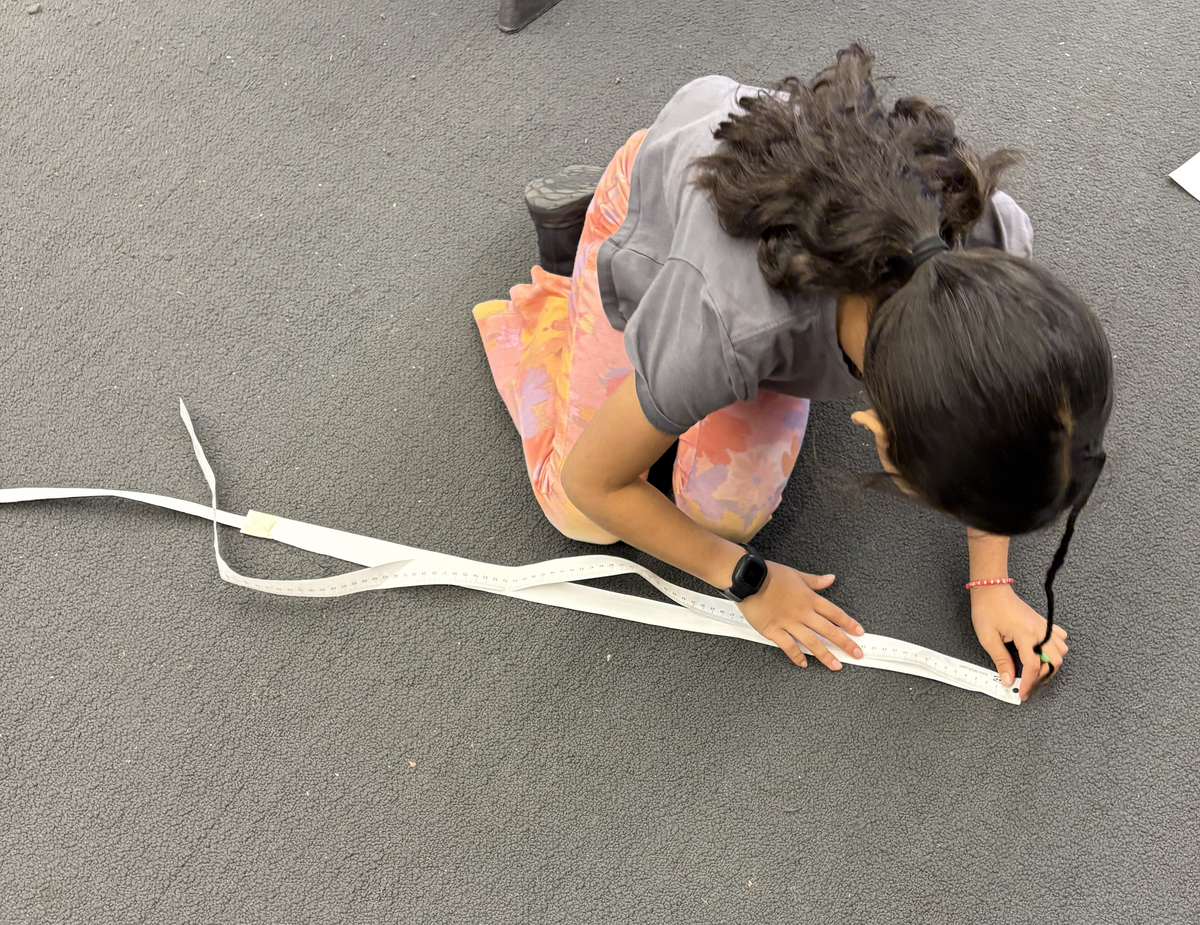
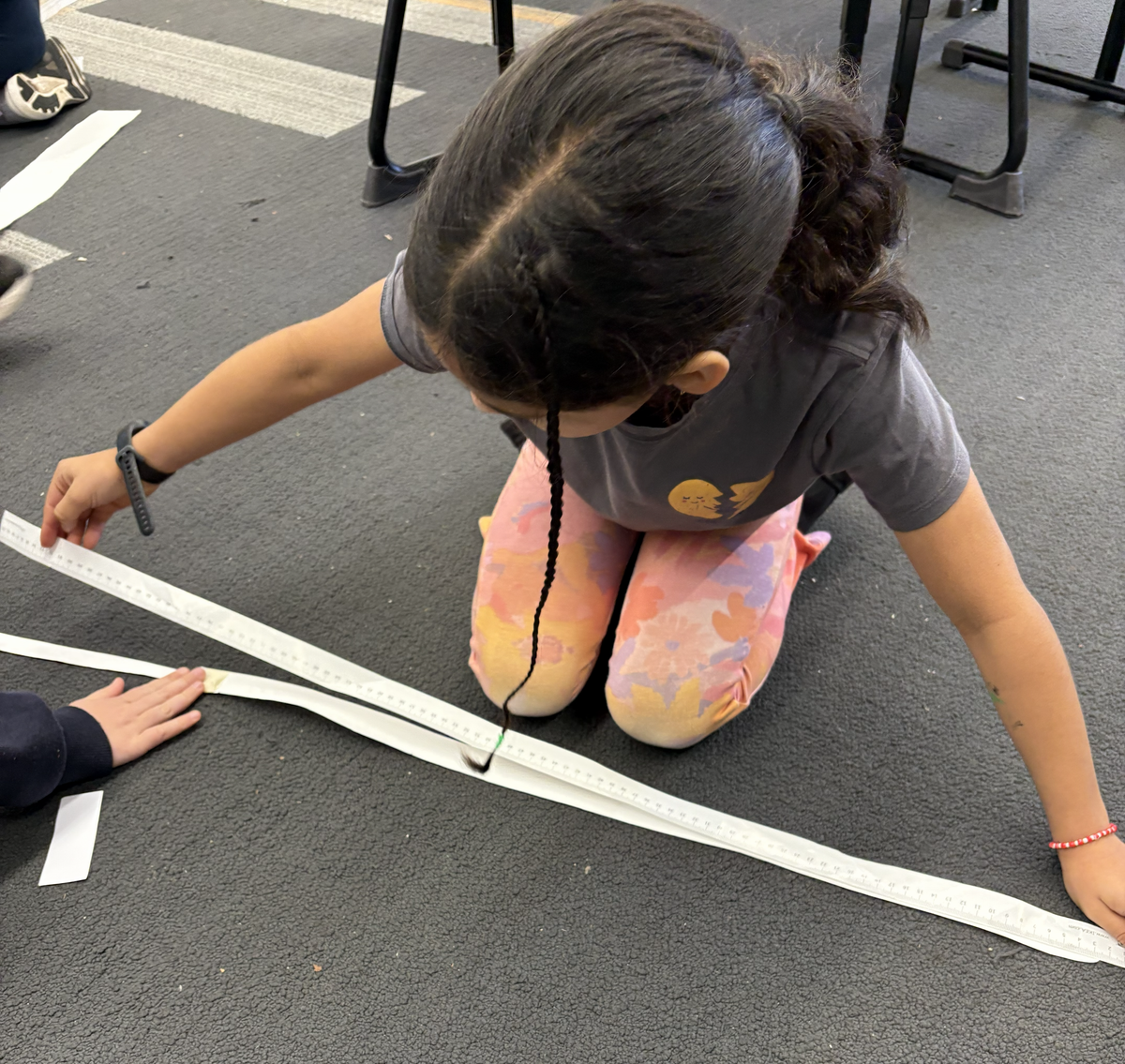
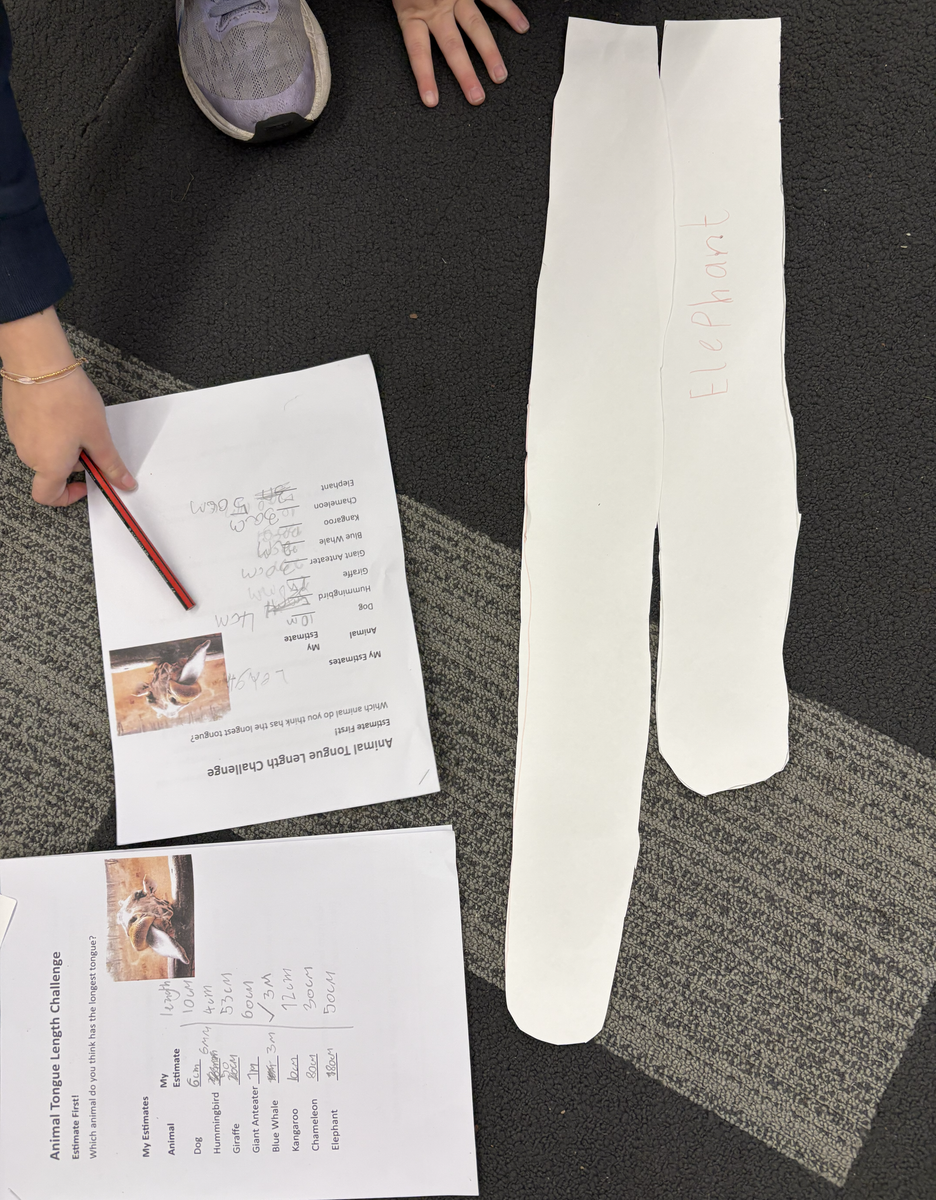
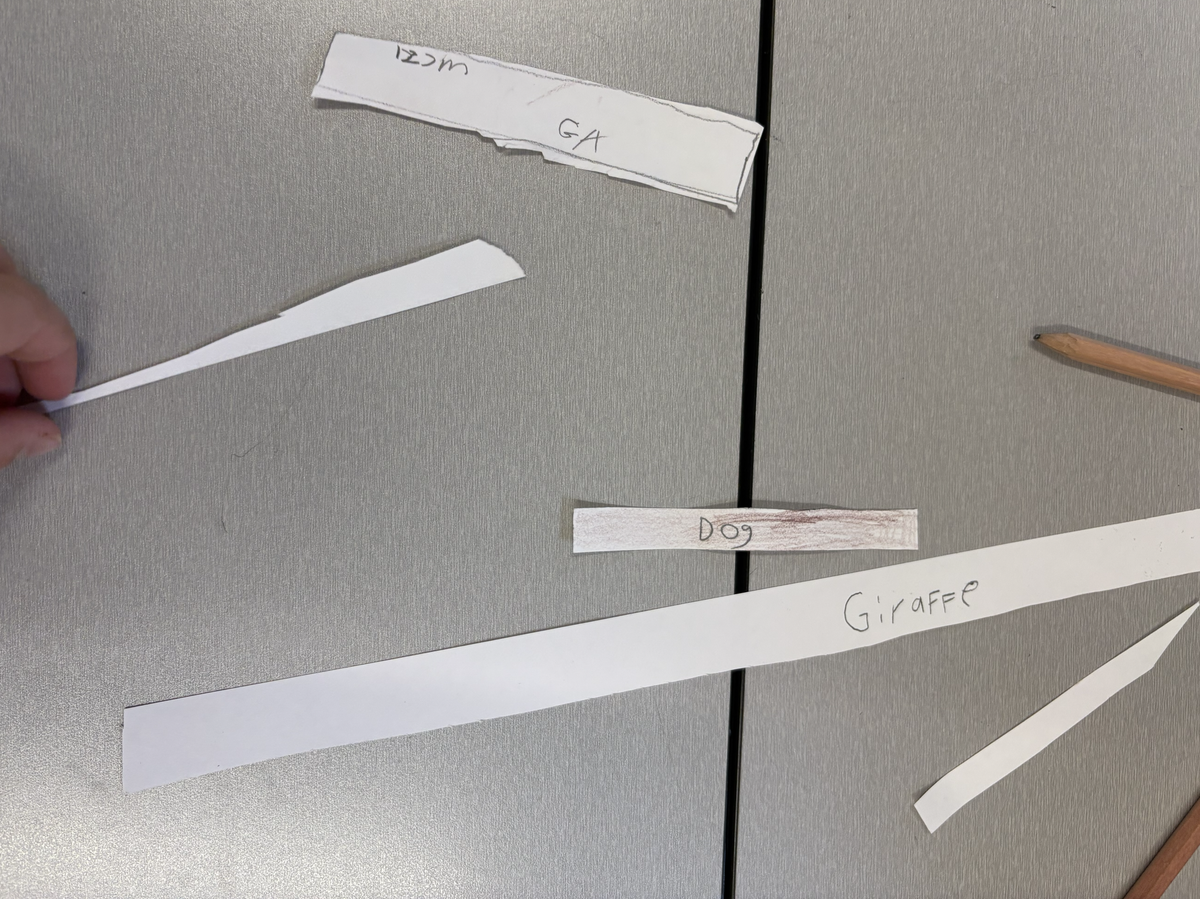
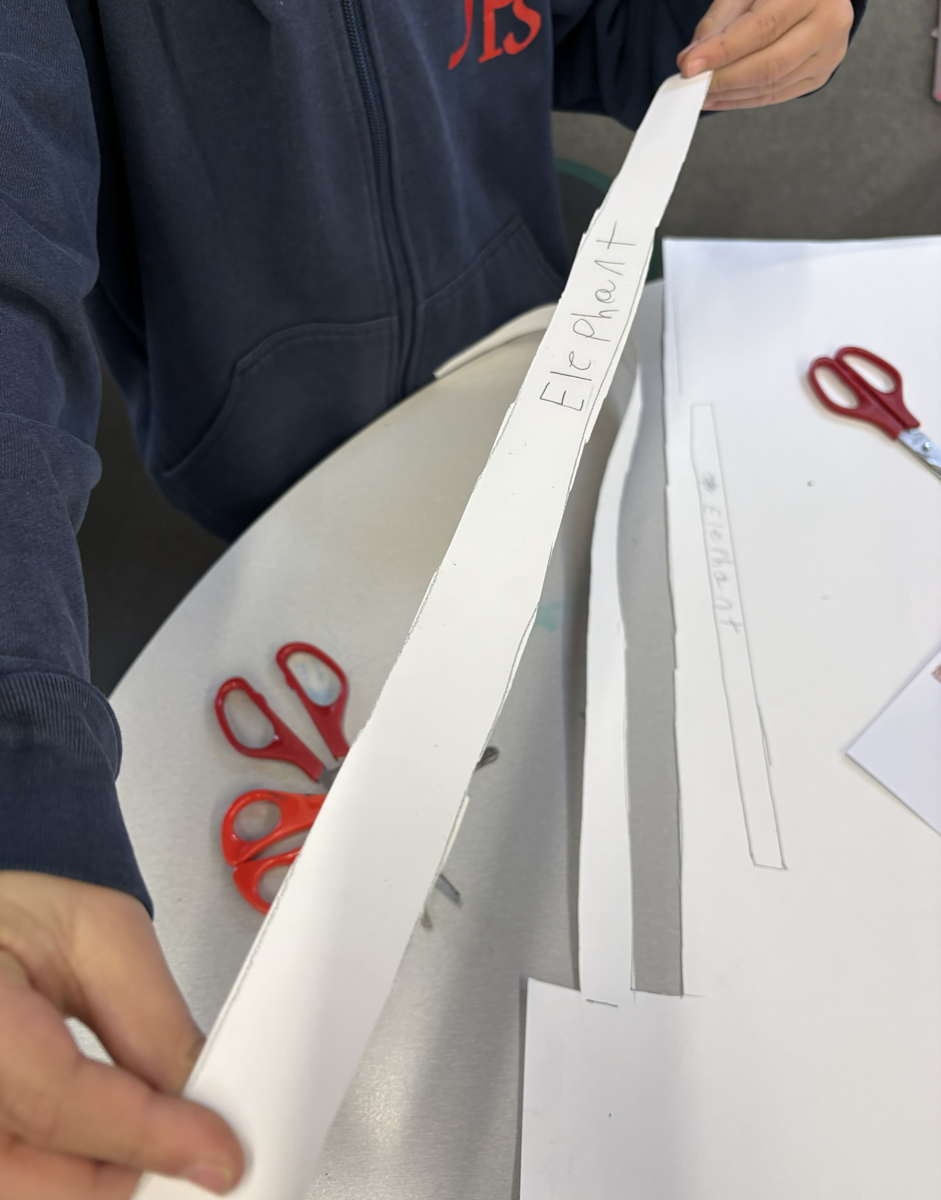
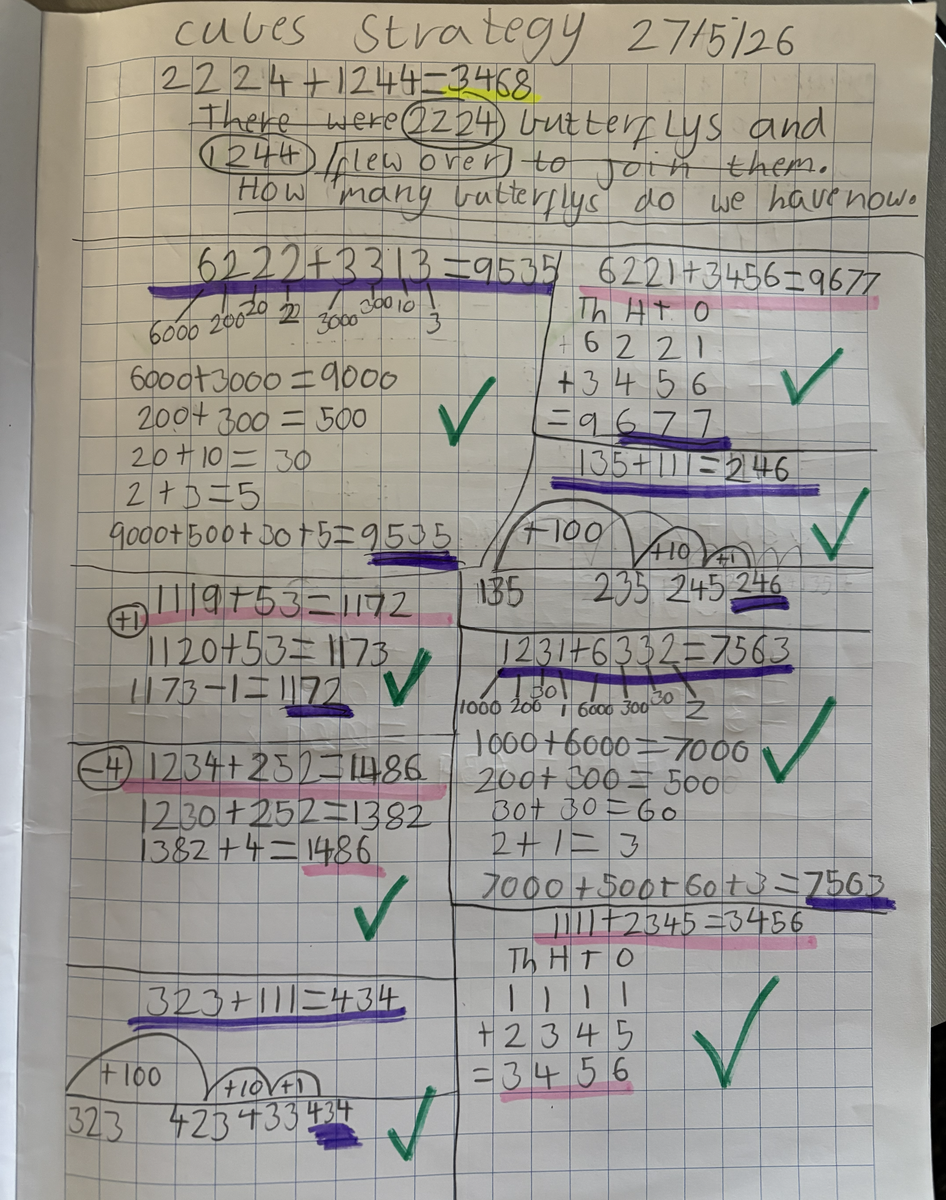
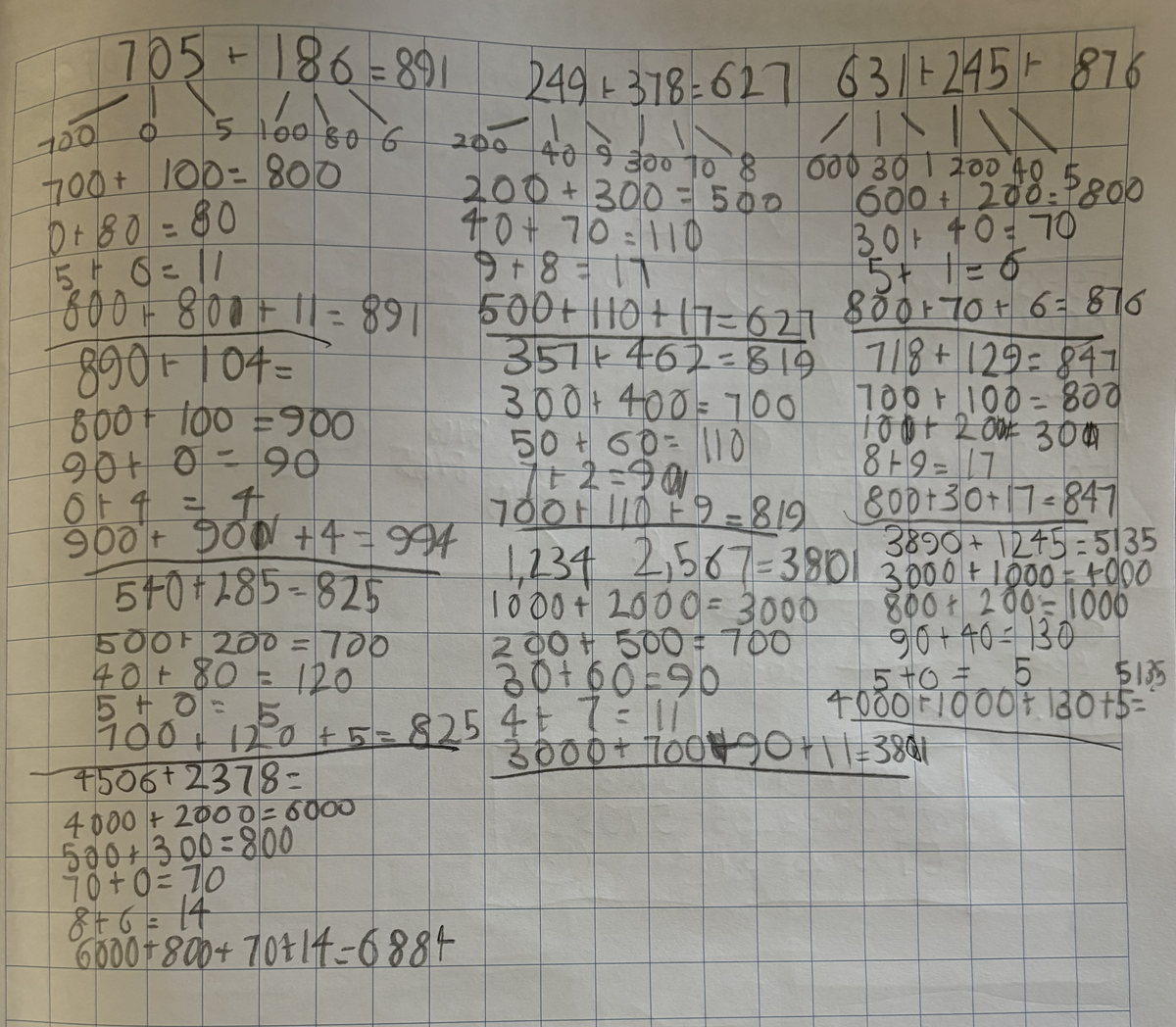
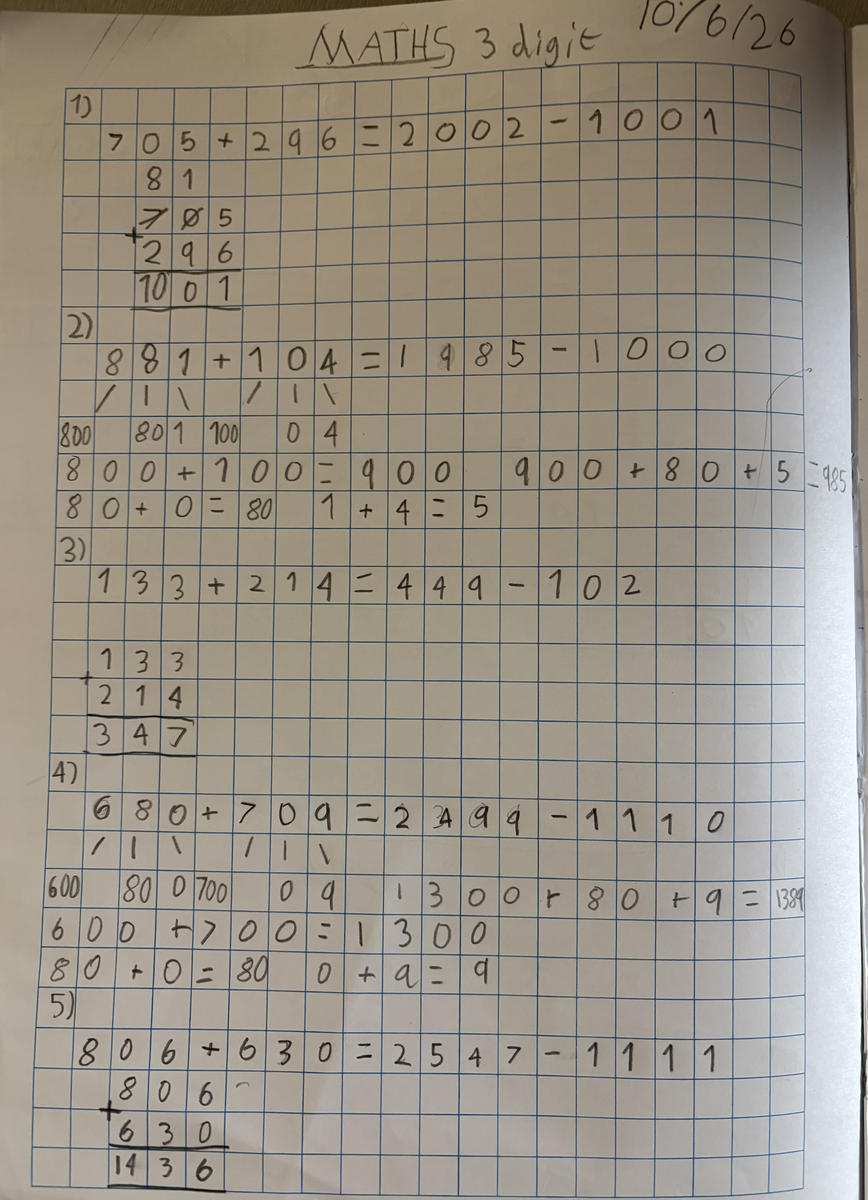
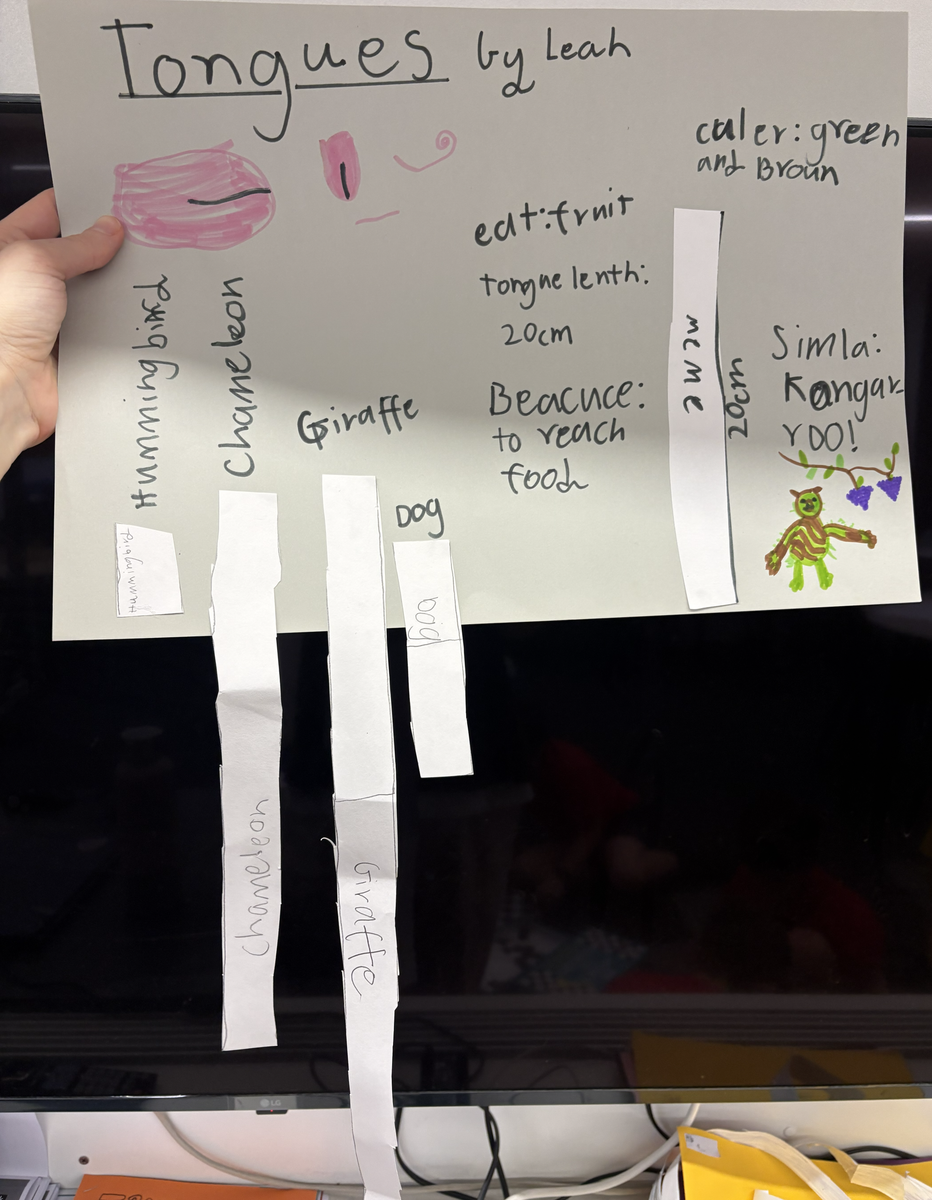
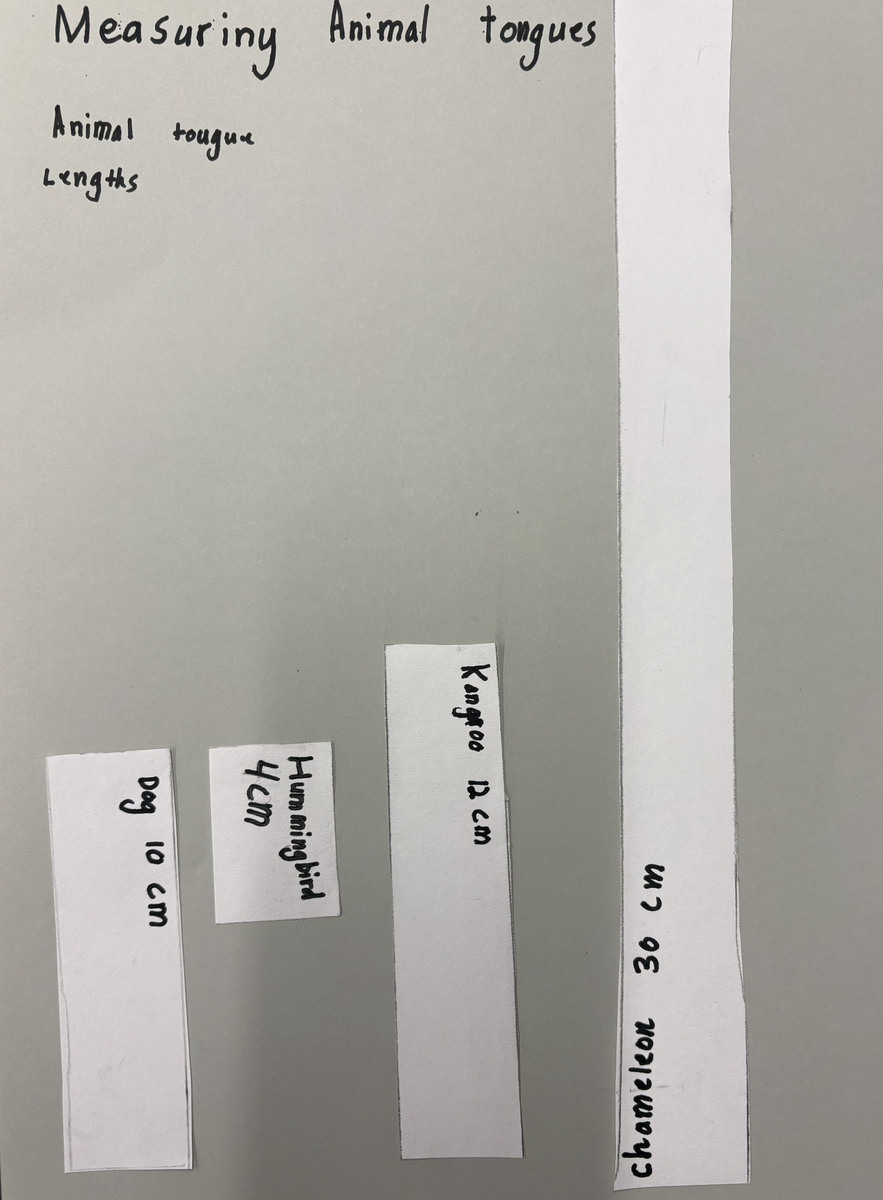
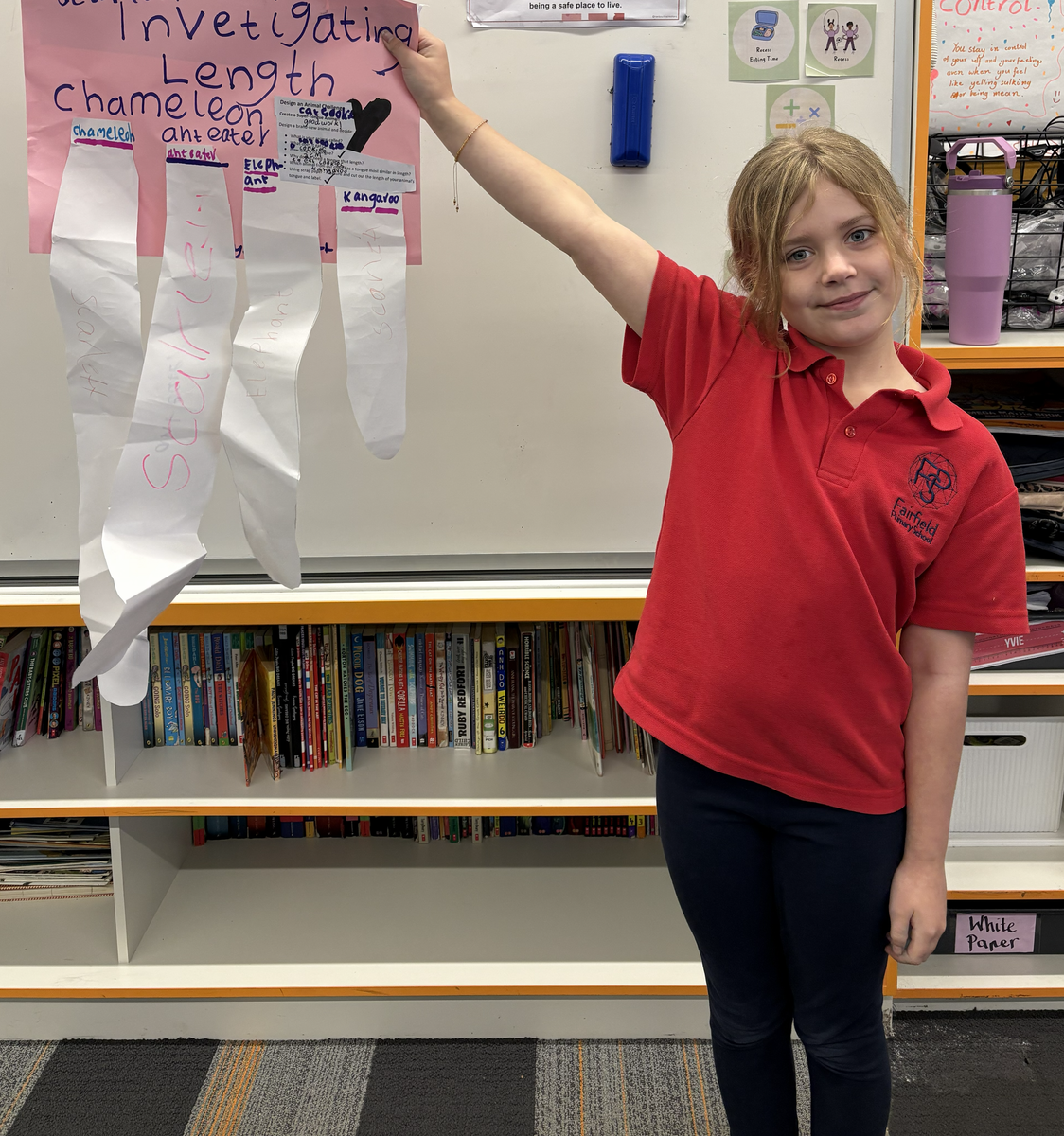
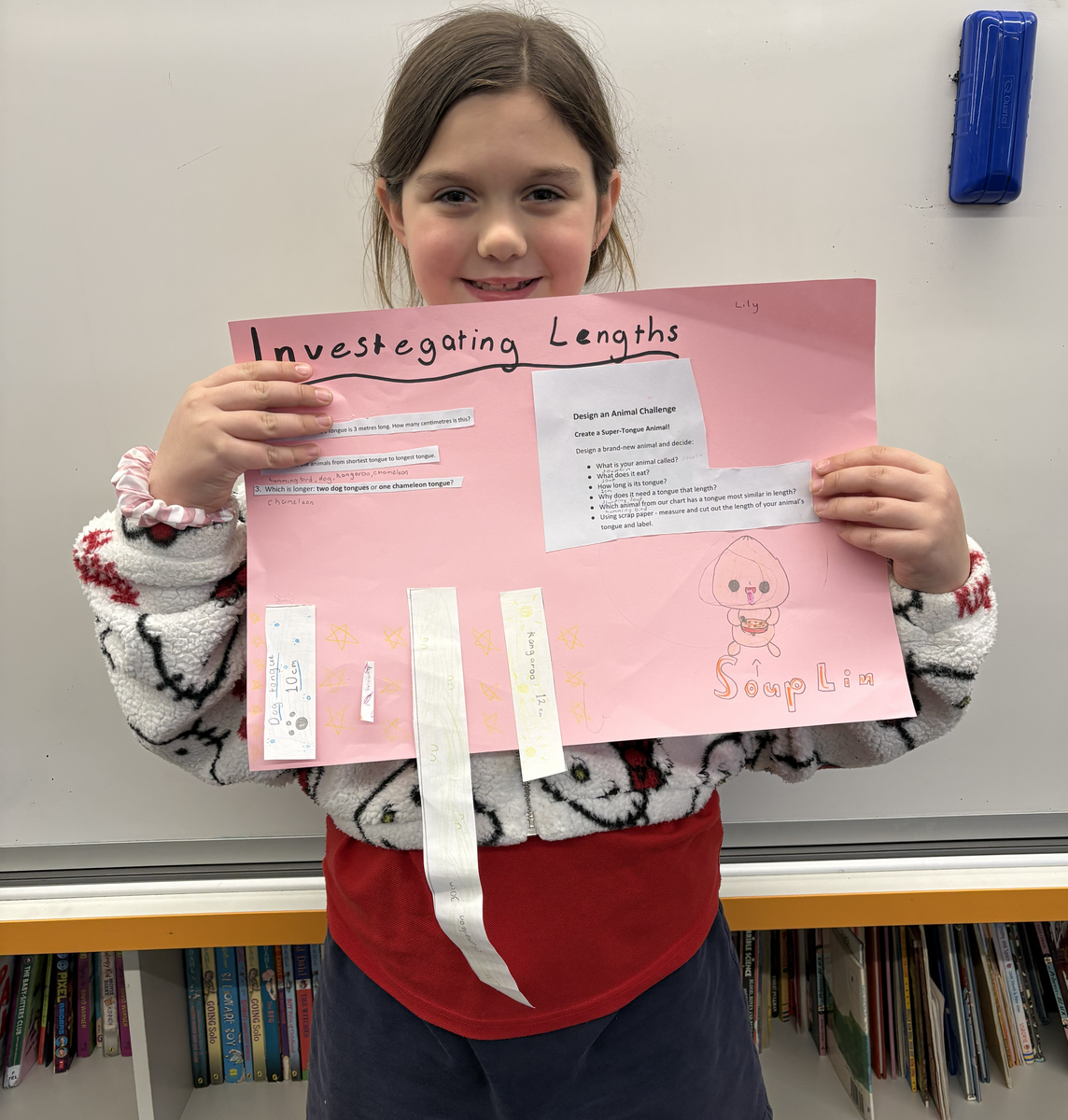
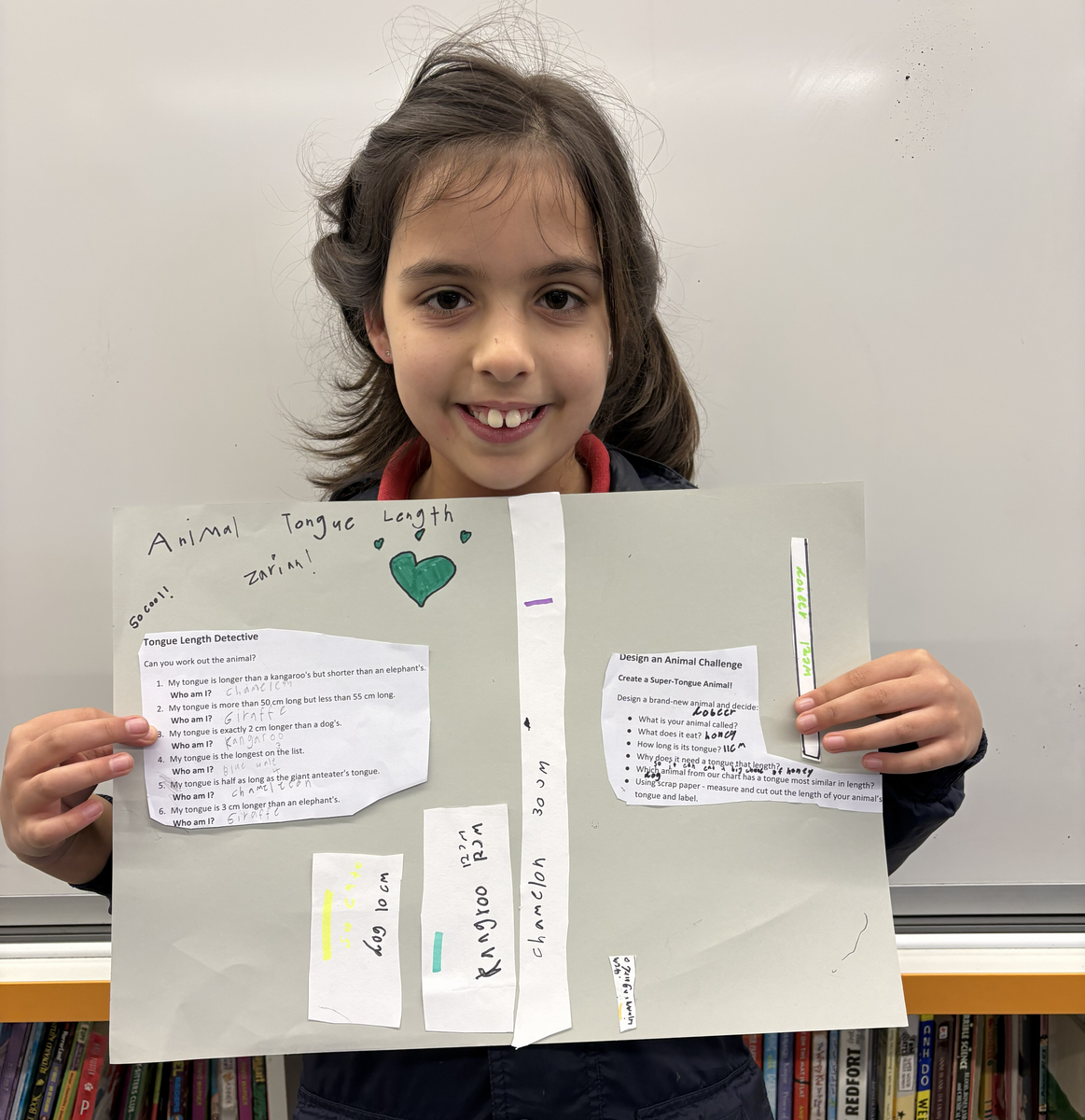
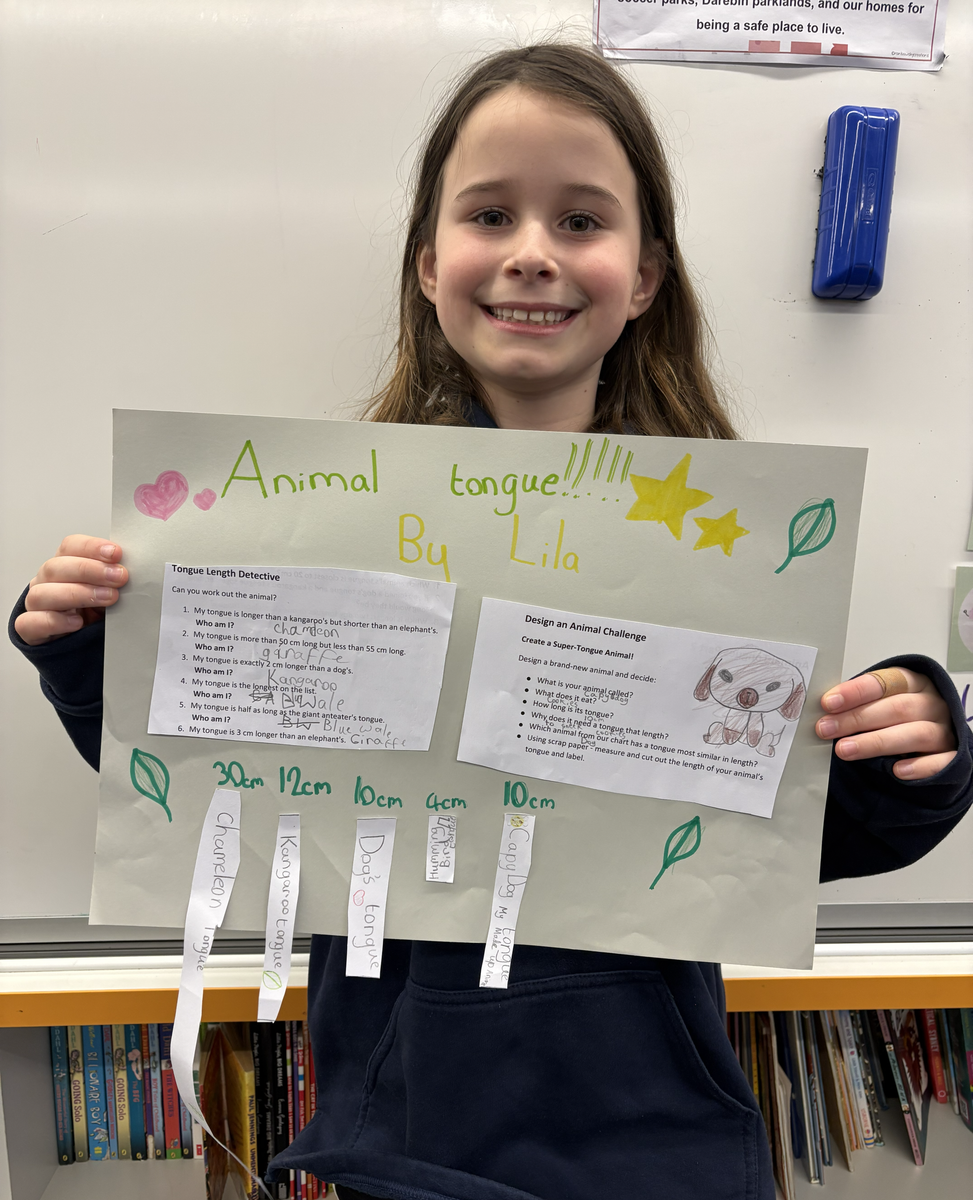
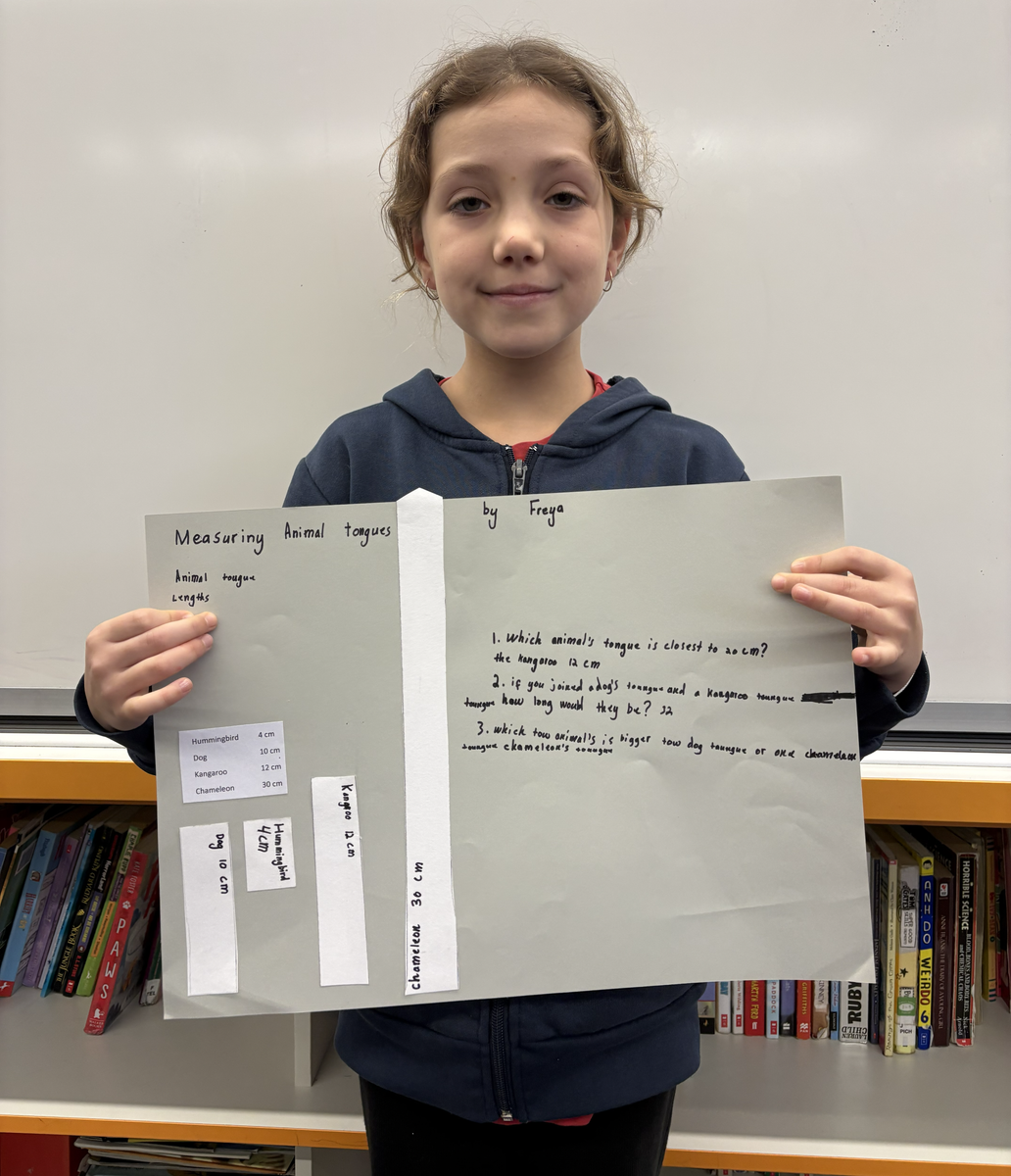
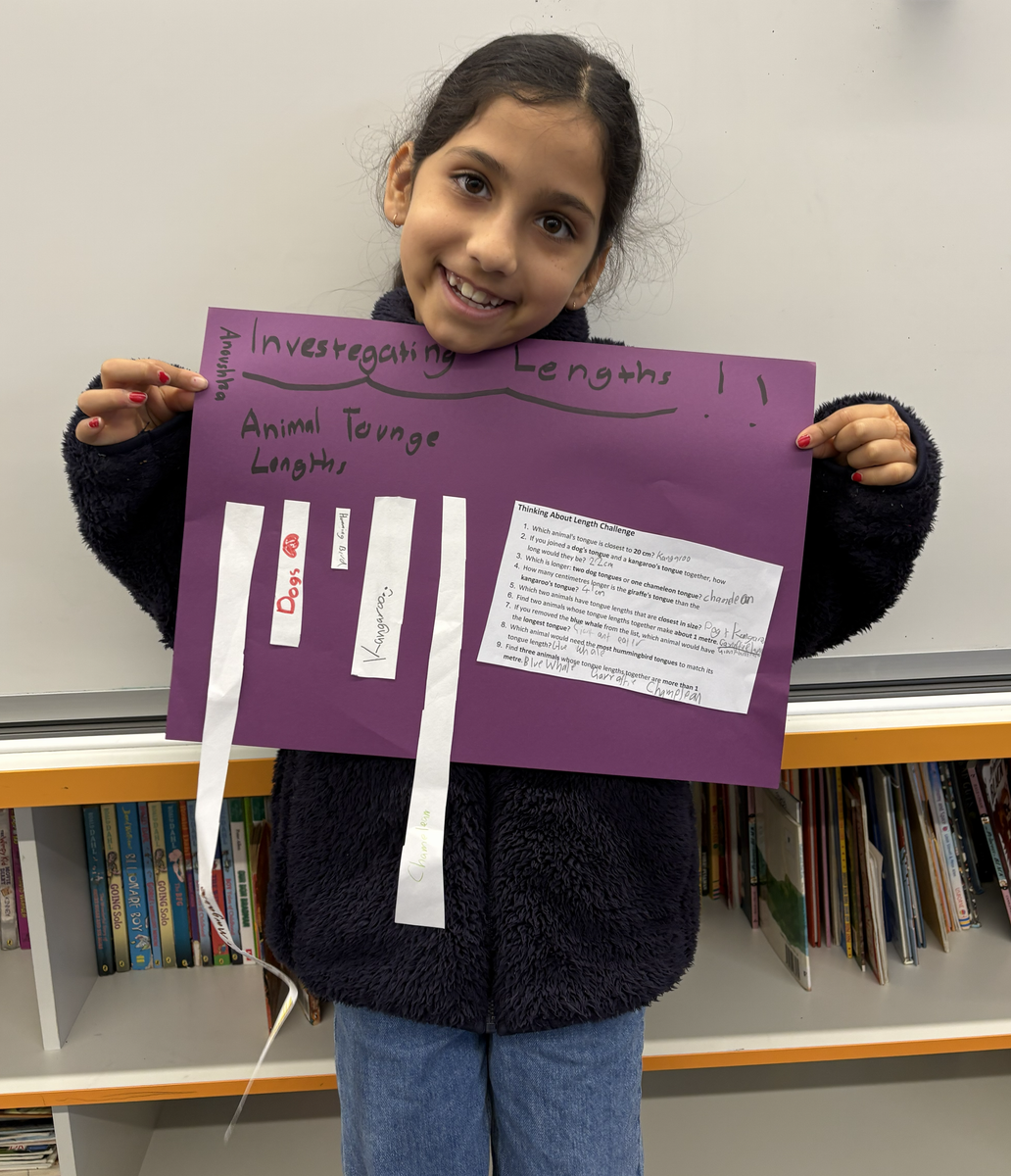
Below are examples of different methods teachers might use to provide different levels of challenge or support for students within the same Numeracy lesson.
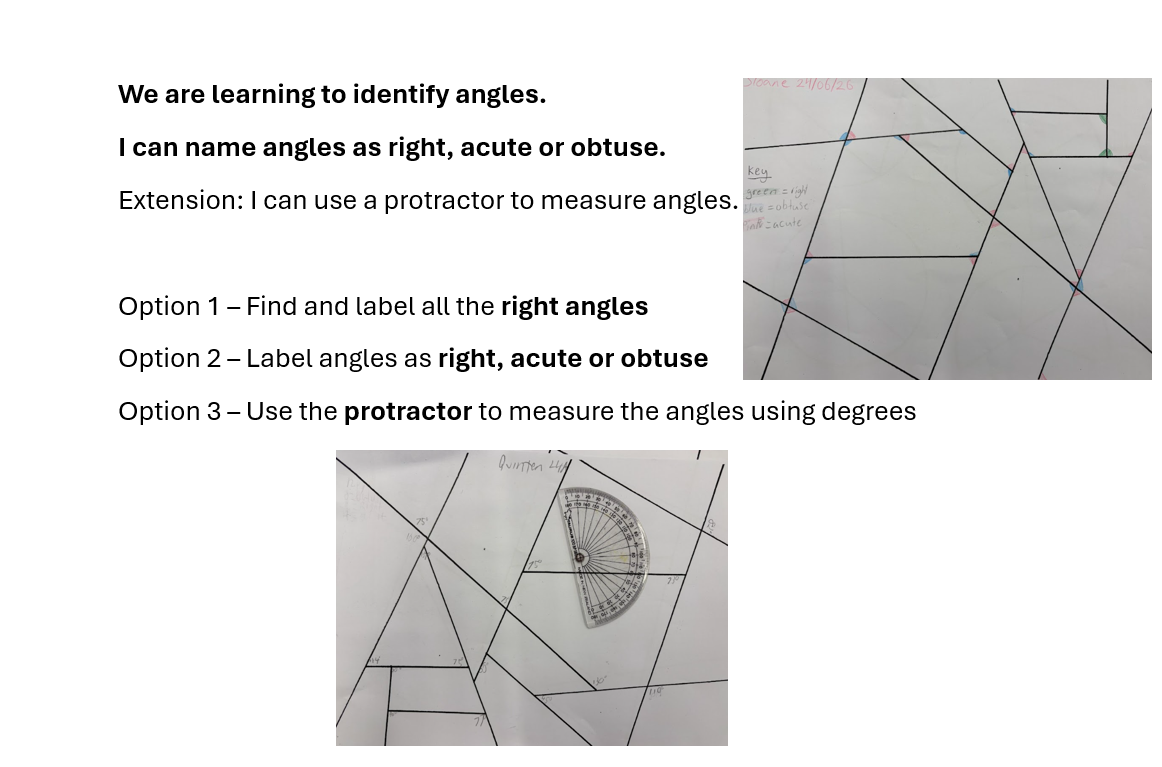
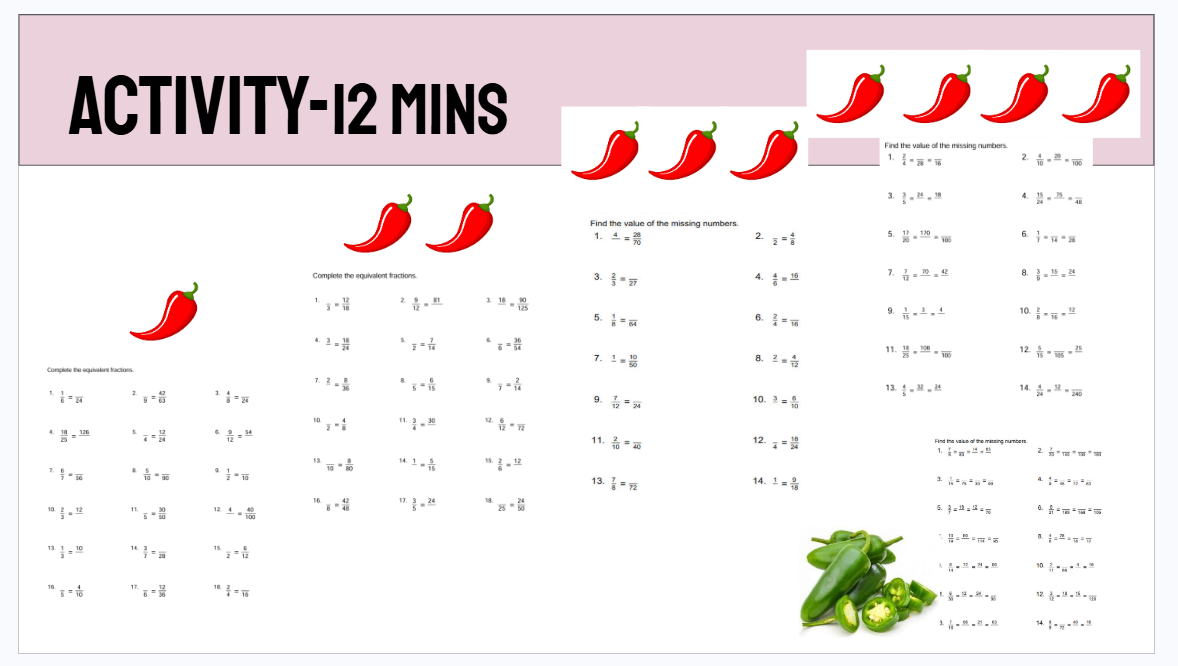
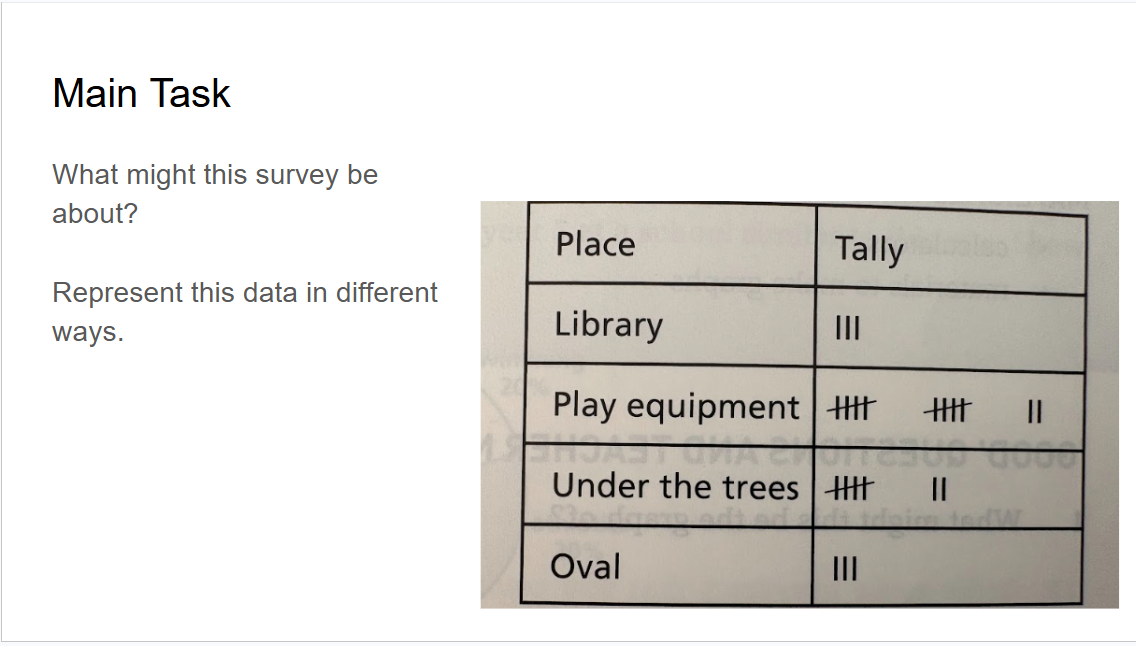
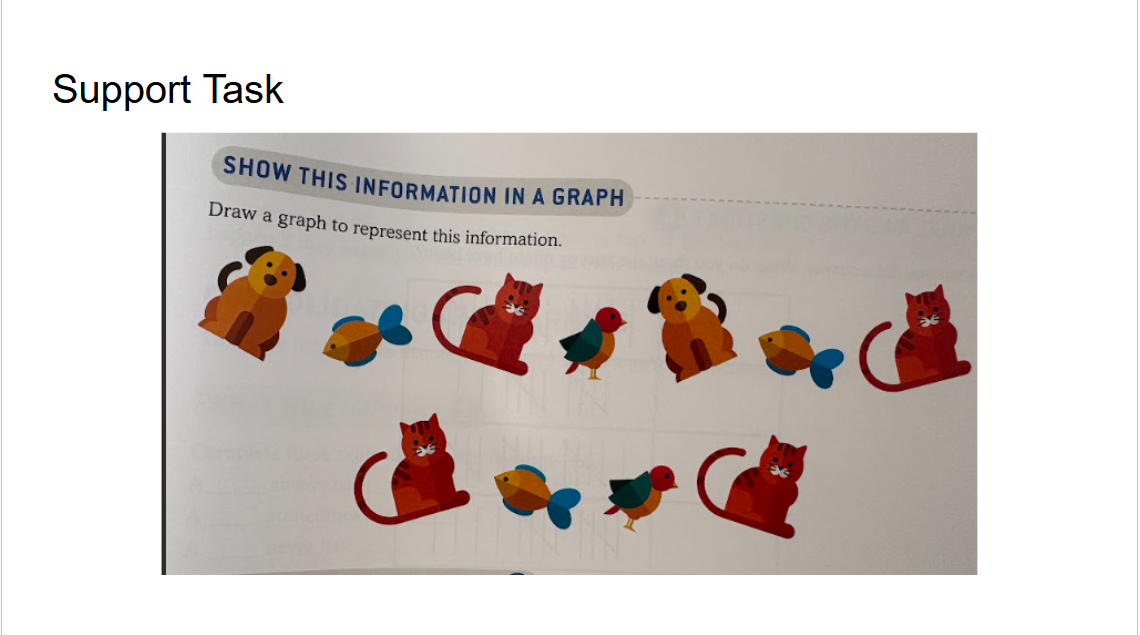
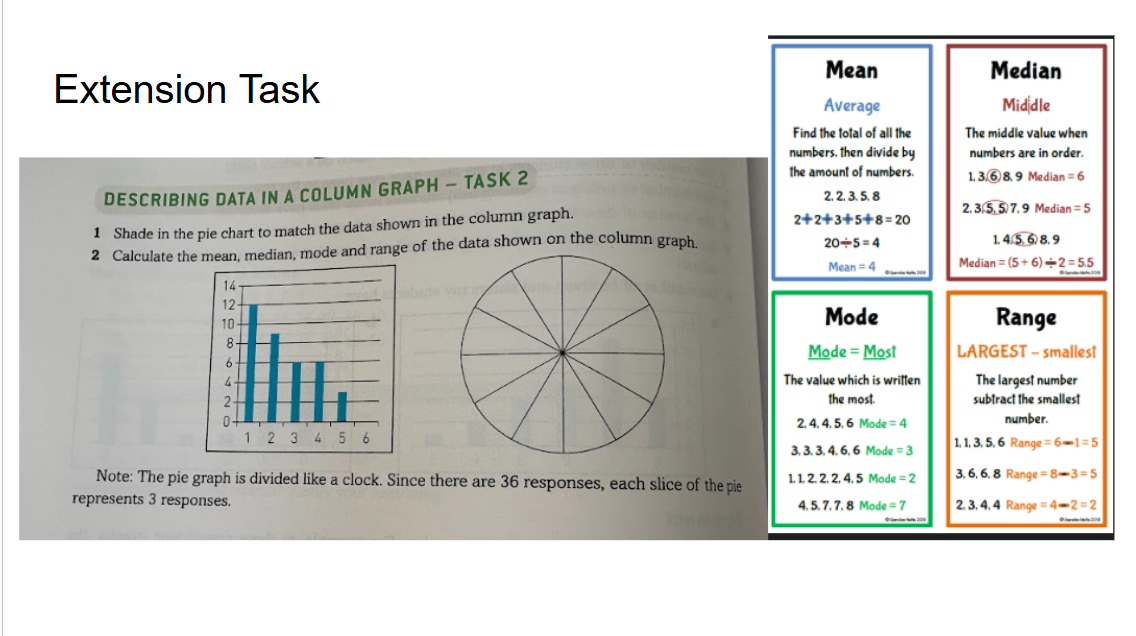
By providing the right level of support and challenge for every student, we aim to develop confident, capable and curious mathematicians who can solve problems, think critically, communicate their reasoning and apply their learning both in and beyond the classroom.
Sophie Ratcliffe
Numeracy Learning Specialist