
STEM


Prep - This term, students will be focusing on physical sciences and learning about how different things move. In lesson three, students investigated how different objects rolled by comparing two objects at a time. They used 'hefting' to identify which object was heavier and which was lighter. They then rolled both objects down a ramp at the same time to see which was faster and which went further. You can investigate how different objects roll at home by making a ramp from a flat, smooth, hard board resting on books or a tub.
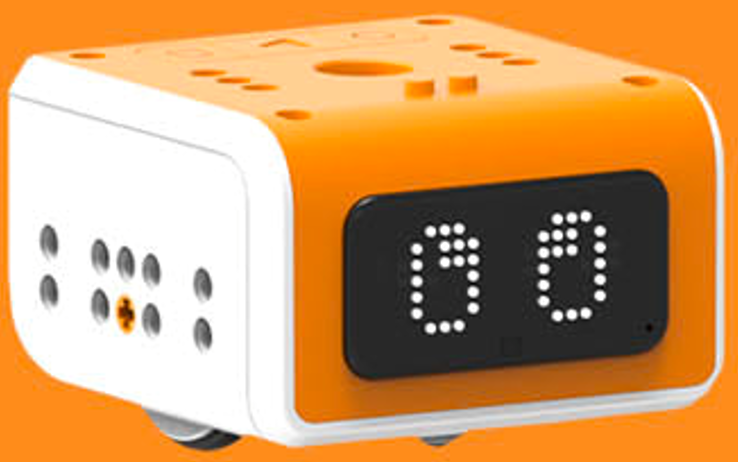
Grades 1 - This term, students will be focusing on digital technologies and learning to program the Tale-Bot Pro robot. In lesson three, students continued working on their first coding activities involving a visit to the Zoo. Students were tasked with coding the Tale-Bot Pro to move to different animals on a Zoo mat. When successful, students were required to write down the code they used. Code from last lesson was checked and students were tasked with identifying and fixing any errors in their code (debugging).
Grades 2 - This term, students will be focusing on digital technologies and learning to program the Tale-Bot Pro robot. In lesson three, students continued working on planning and testing codes for the Tale-Bot Pro robot to visit multiple locations in one program. Code from last lesson was checked and students were tasked with identifying and fixing any errors in their code (debugging). We discussed the importance of ensuring that we document our code correctly so that someone else is able to follow the instructions and get the same result.
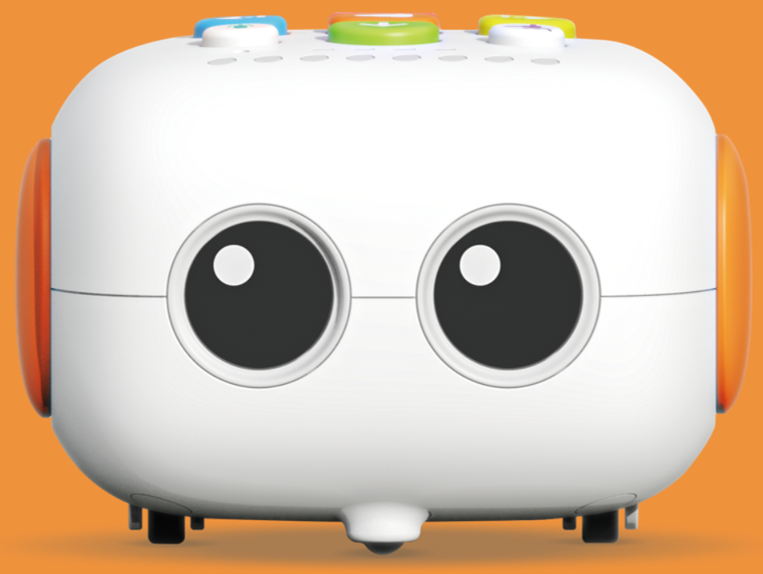
Grades 3 - This term, students will be focusing on digital technologies and learning to program the VinciBot robot. In lesson three, students learned how to program the VinciBot to perform different Effects (dances, emotions and actions). They were required to build a code on their computer to follow a set path and perform different Effects at specific locations along the path. Students are learning to be resilient and persistent when their code does not work the first time.
Grades 4 - This term, students will be focusing on digital technologies and learning to program the VinciBot robot. In lesson three, students continued working on their own coding challenge. They first planned a path for the robot to follow, as well as actions for the robot to do along the way. After planning, students used the VinciBot software to write a code that would direct the robot to follow the plan. It has been really rewarding to see the students achieving success with designing and coding their own program from start to finish. Resilience and persistence have been key, and I have been really impressed with how the students have been able to overcome errors in their code and keep trying without giving up.
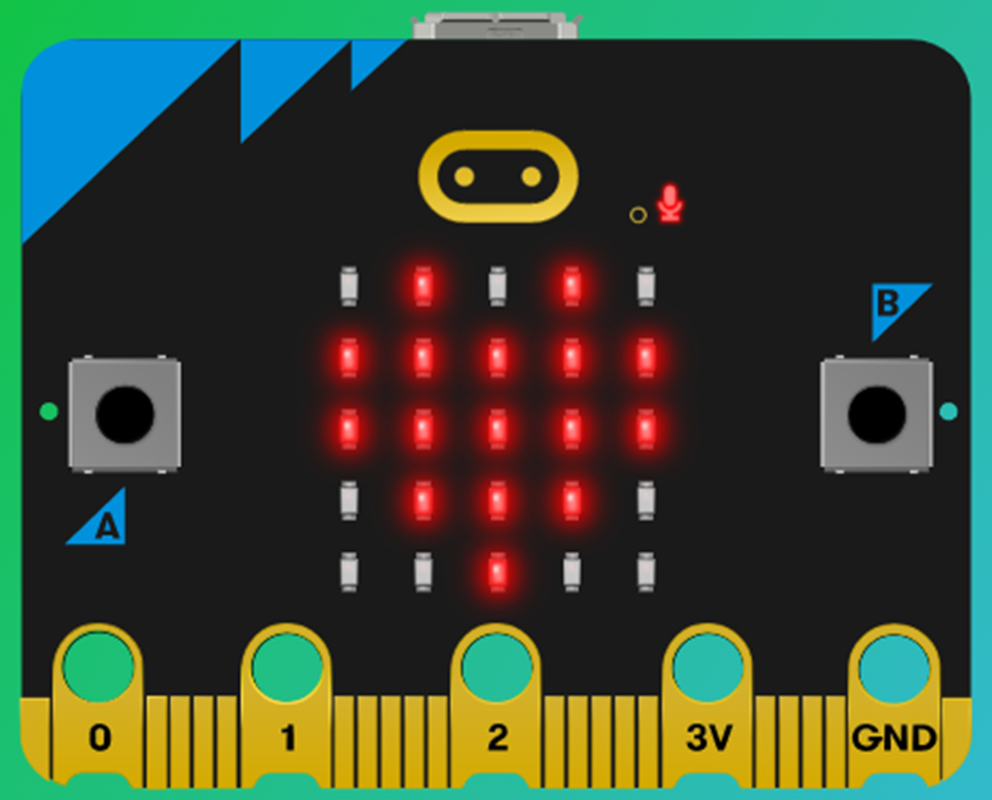
Grades 5 - This term, students will be focusing on digital technologies and learning to program a micro:bit. In lesson three, students learned about variables in coding (pieces of data that they can create and apply functions to). To practise using variables, they completed a tutorial to have the micro:bit play rock, paper, scissors. Students were also introduced to the turtle blocks in the micro:bit software that allow you to control and program the LEDs on the micro:bit.
Grades 6 - This term, students will be focusing on digital technologies and learning to program a micro:bit. In lesson three, students attached positional (180 degree) motors to their micro:bit. These motors can be used to make something move to a specific position. Students were tasked with making these motors move back and forth to specific positions and to try and connect two motors at the same time.

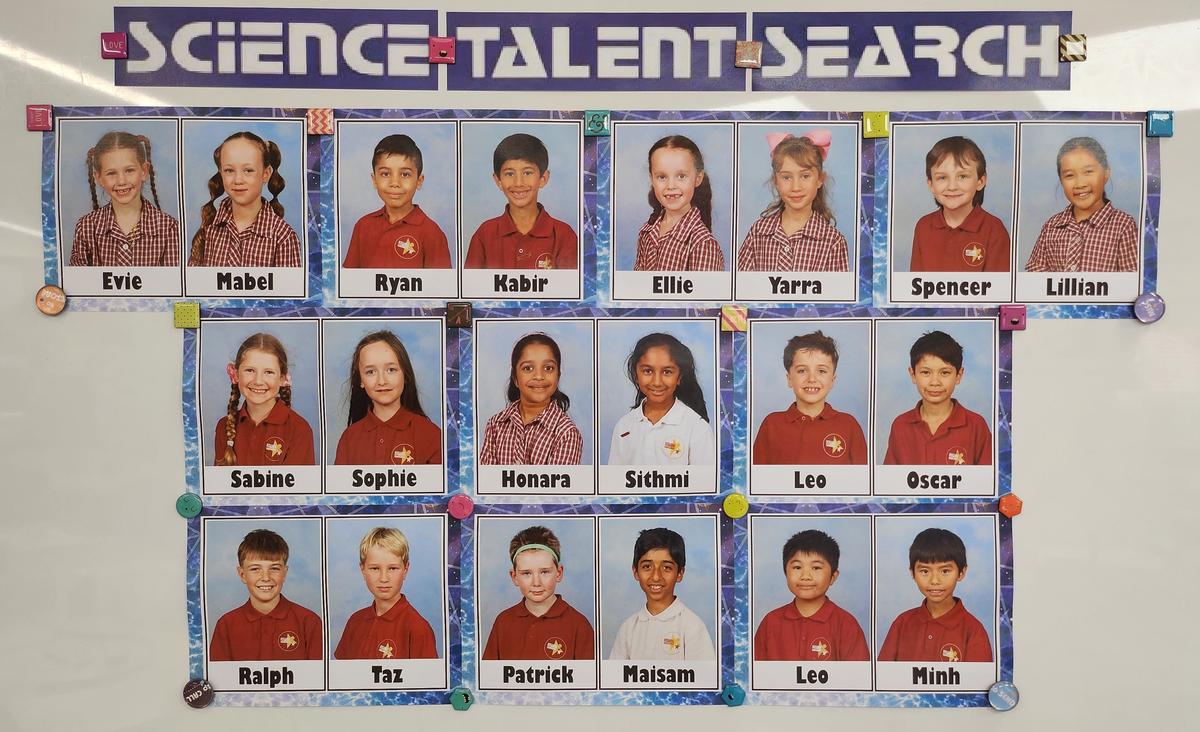
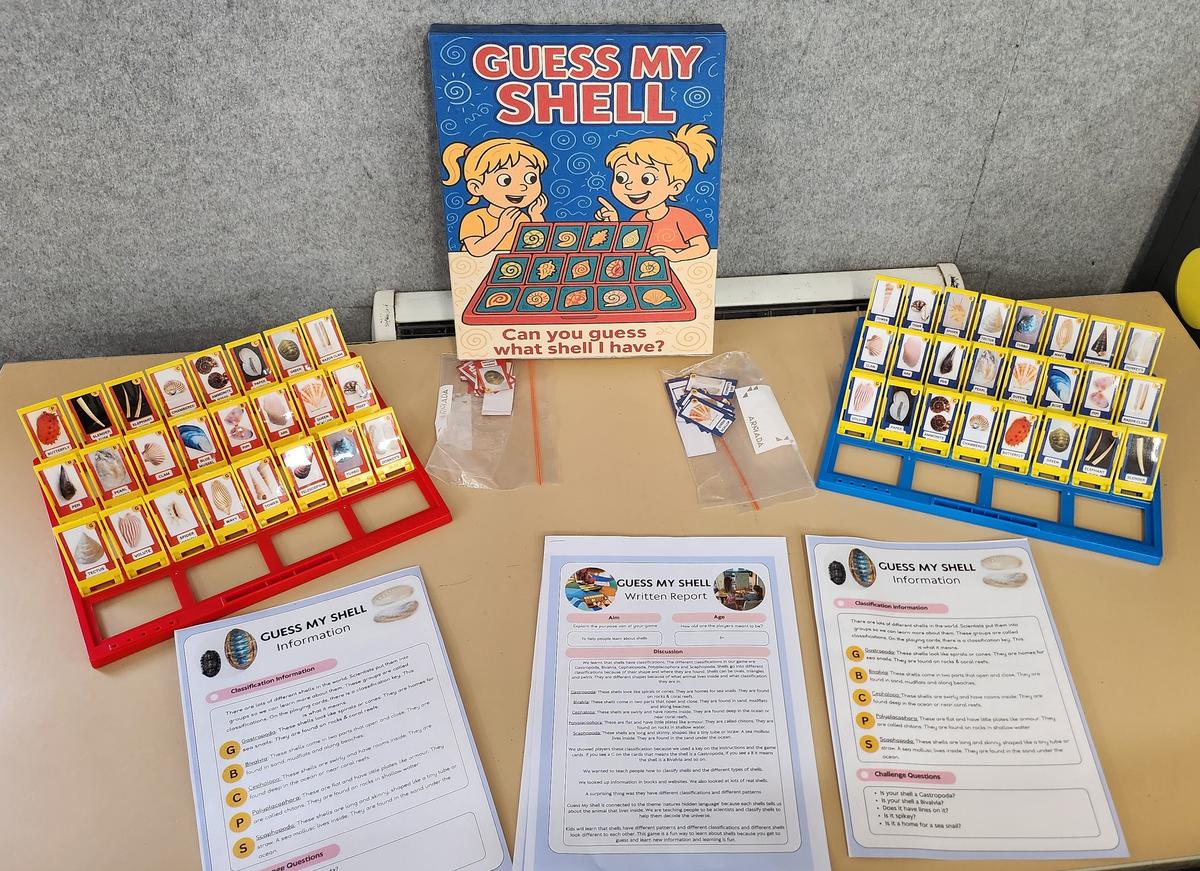
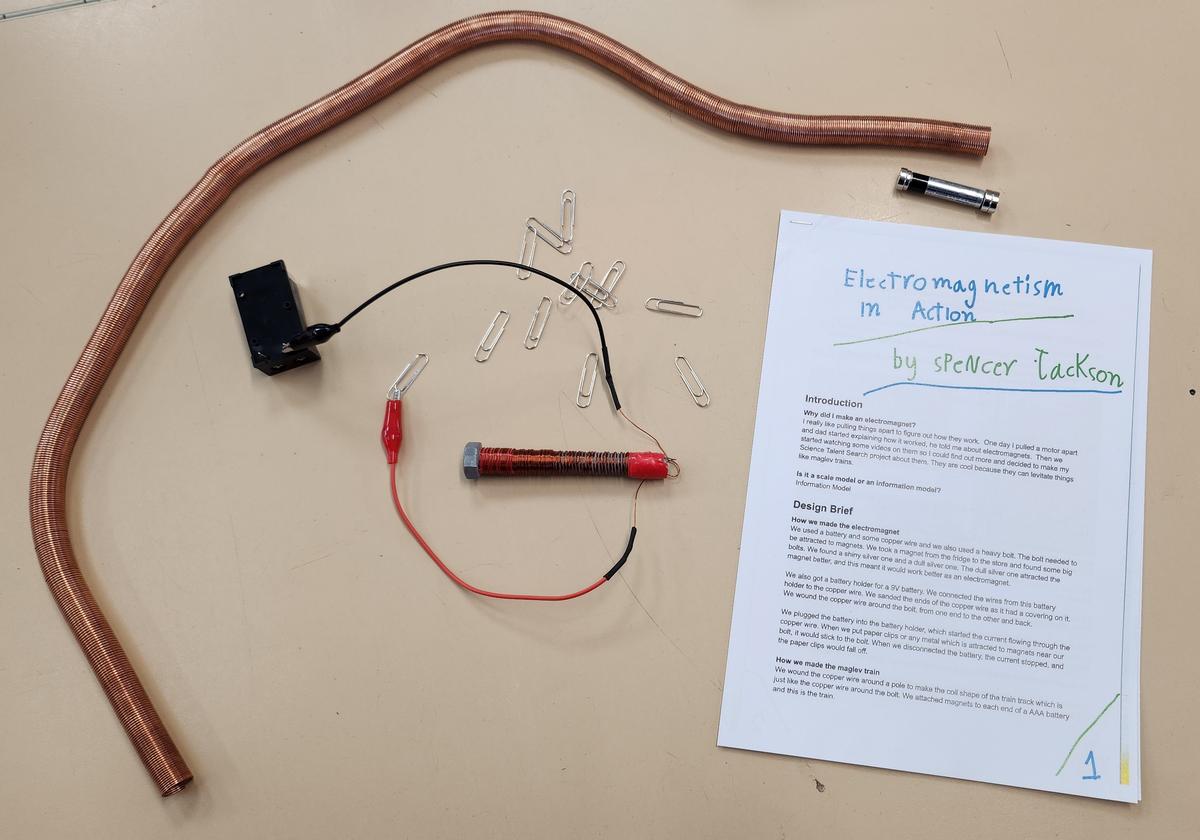
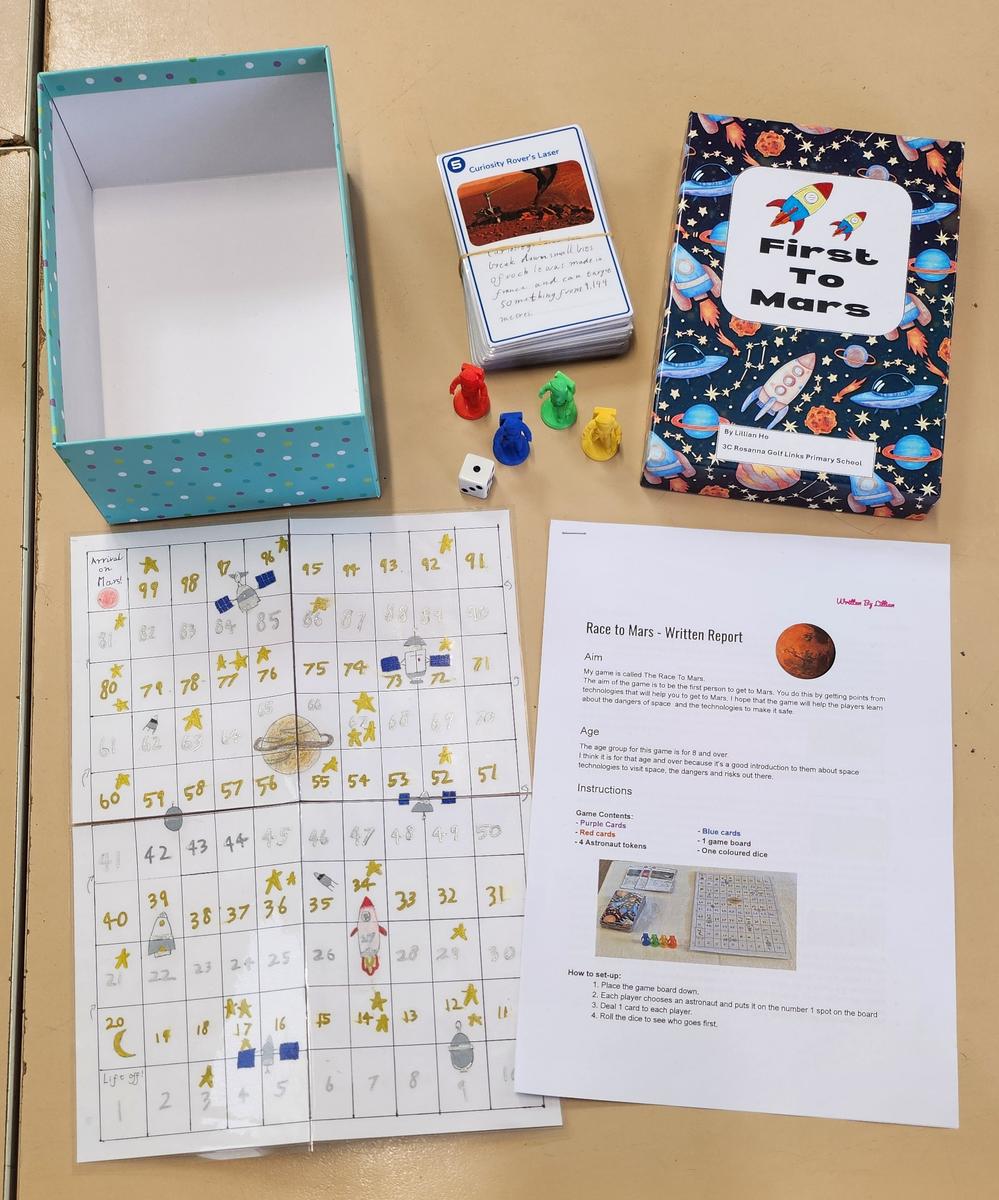
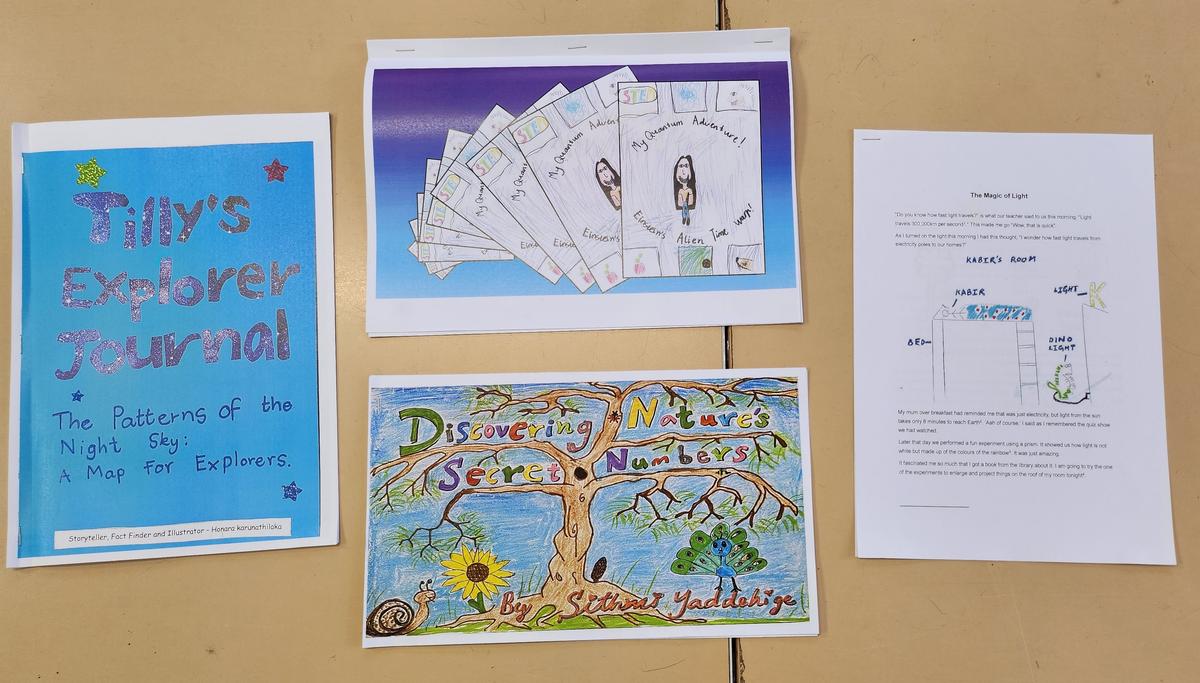
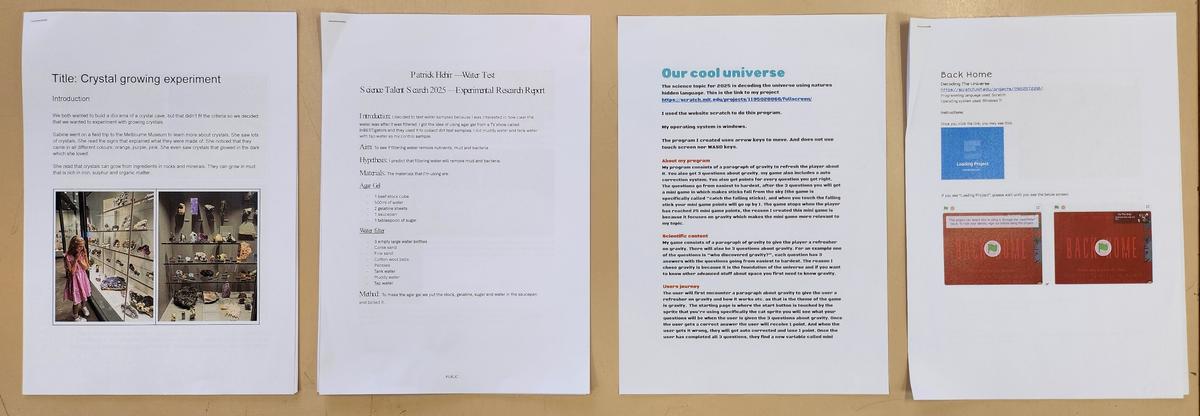
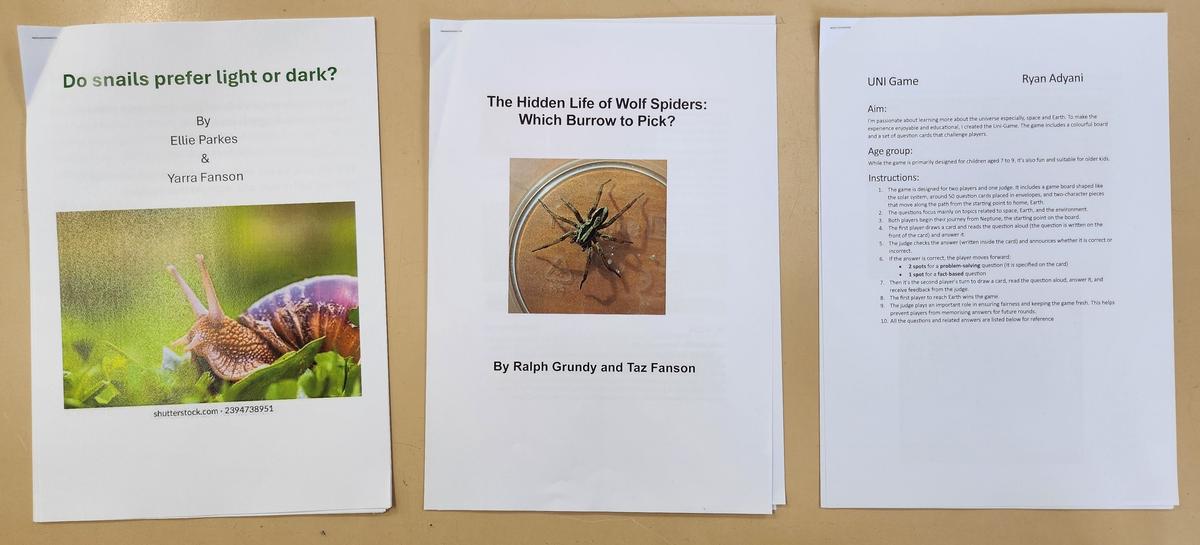
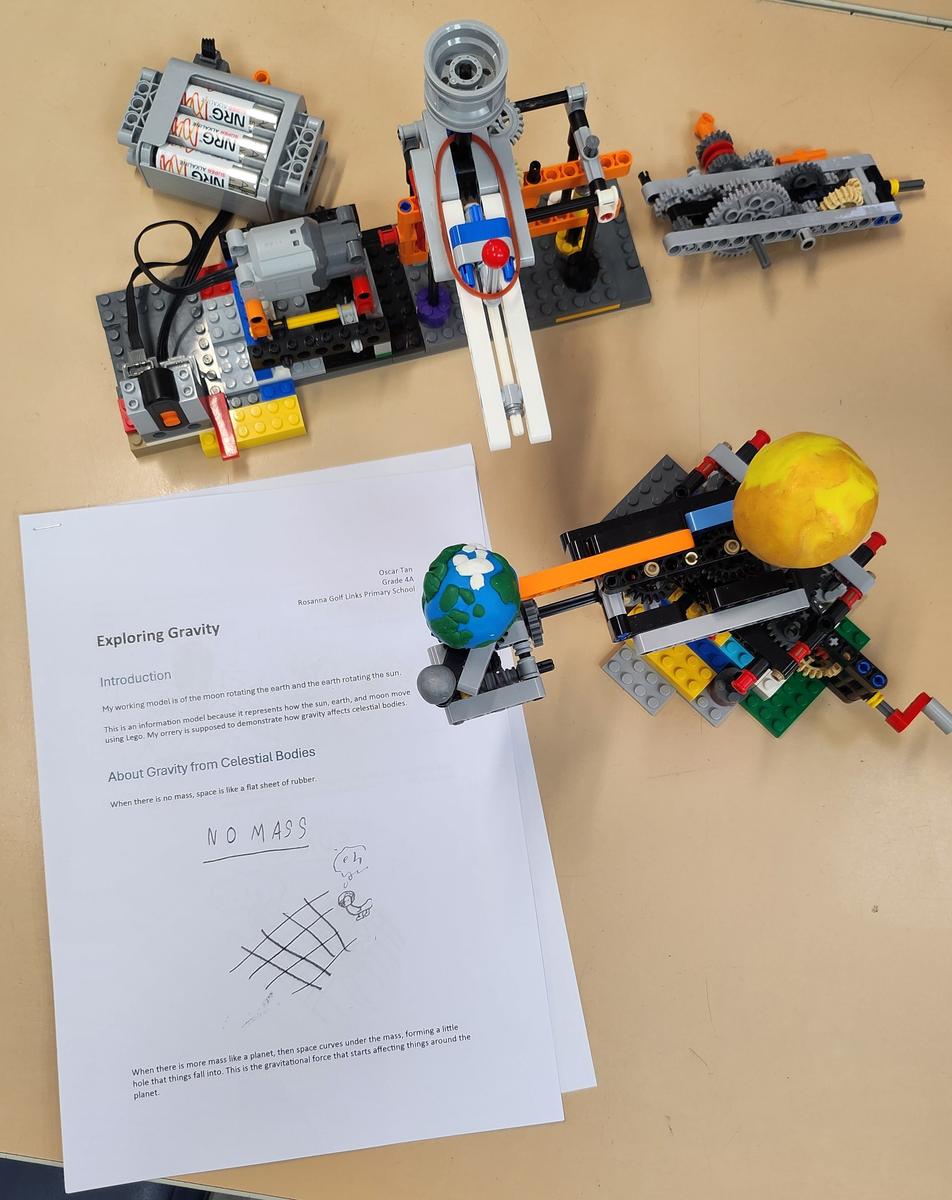
This week was National Science Week. We recognised the hard work of our 20 students who participated in the Science Talent Search by opening the STEM room during the week and having their projects on display for others to see.
Sandy Brewerton
STEM Teacher