
Wellbeing
Amanda Wilson | Assistant Principal
Wellbeing
Amanda Wilson | Assistant Principal
At Hampton Primary School, we begin each year by setting strong foundations for both learning and wellbeing. We hold high expectations for teaching and learning while ensuring classrooms are safe, calm and supportive places where students can thrive. Guided by evidence-informed practices and our core values of Collaboration, Aspiration, Integrity and Resilience, we focus on developing confident, capable learners who are well prepared for future learning.
A key part of this approach is our use of Positive Classroom Management Strategies (PCMS), which emphasise clear routines and consistent expectations across the school. Research shows that predictable routines help students feel safe, stay engaged and focus their energy on learning rather than on transitions or classroom procedures. This year, staff are working together to embed a small number of shared daily routines—such as entering and exiting classrooms, lining up after breaks, and consistent acknowledgement systems—so that students experience the same clear expectations throughout the school. These consistent practices support student wellbeing, reduce anxiety and help every child focus on learning and doing their best each day.
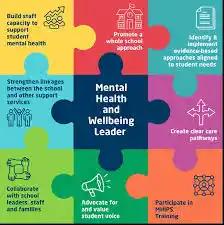
This year we are welcoming a new role as part of our approach to fostering Wellbeing here at Hampton Primary School. We are excited to gradually commence exploring what this role could look like as members of our Wellbeing Team partake in the training delivered by The Faculty of Education at Melbourne University.
We are excited to share that Madeleine Paslis will be undertaking this role four days a week. Below you can read about the scope of this role to gather a deeper understanding of what is to come as this role evolves.
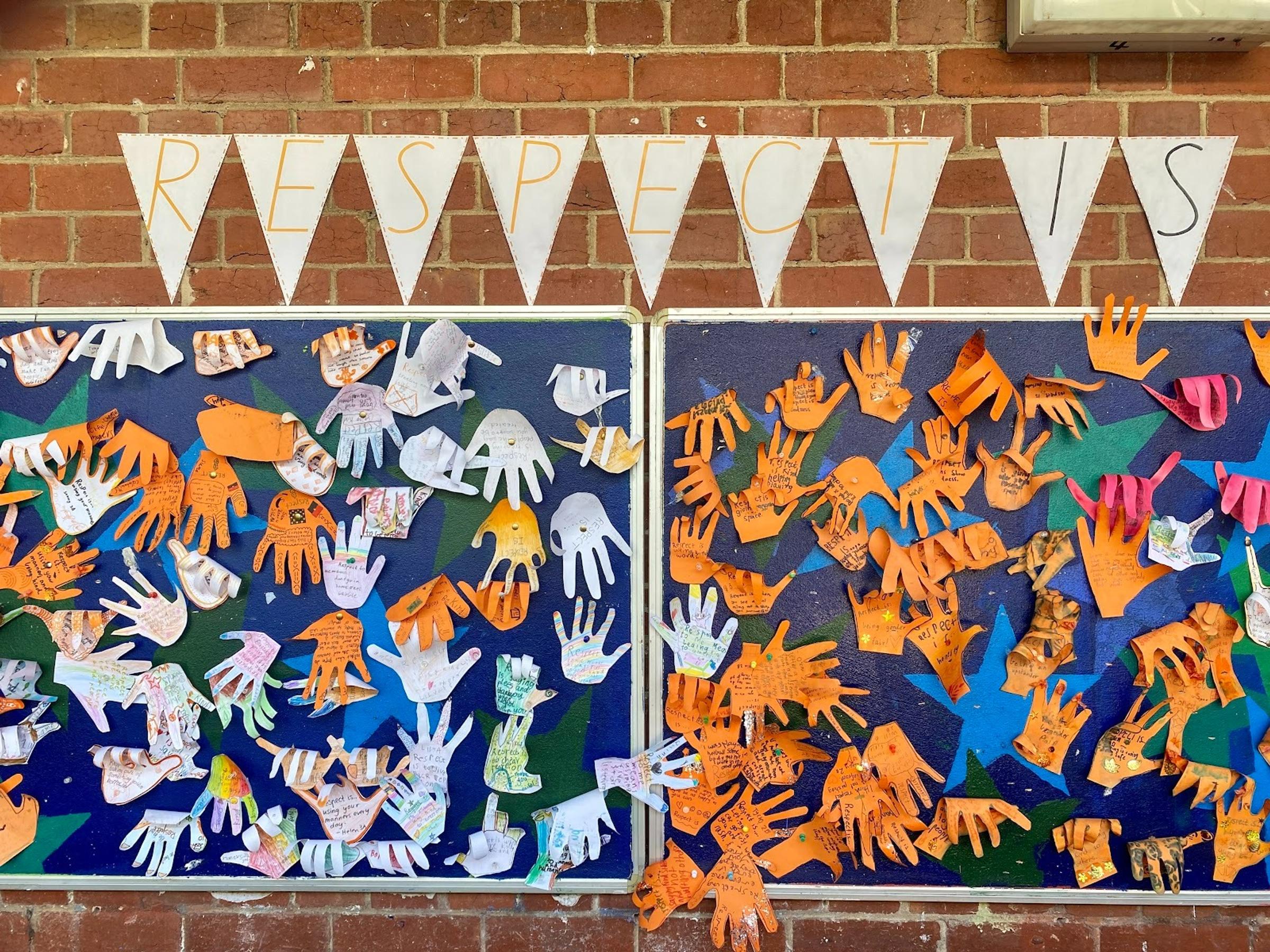
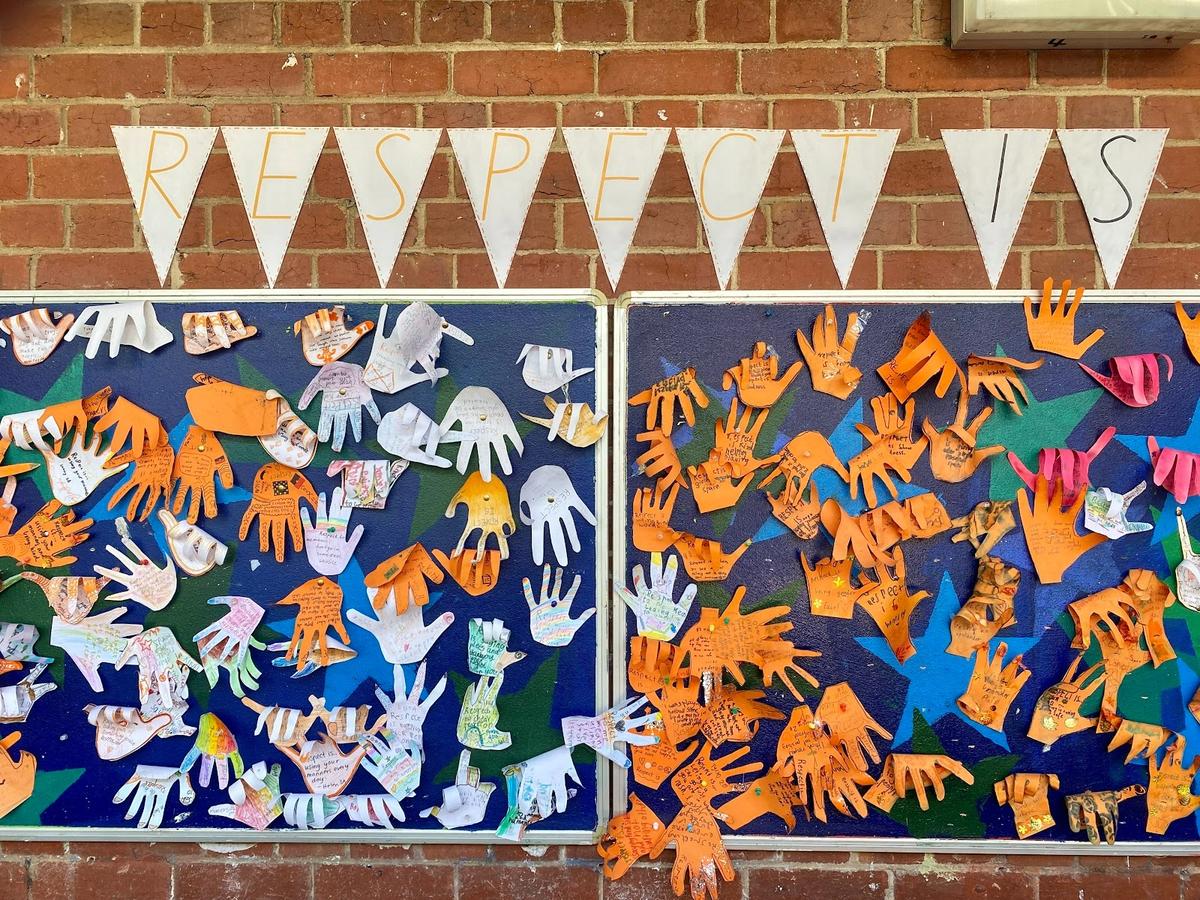
As part of our whole school approach to Wellbeing at Hampton Primary School, we have worked hard to integrate our community and actively engage in partnerships. Late last year we acknowledged the 16 Days of Activism and our students were able to learn more deeply about ‘Respect’ in their classrooms.
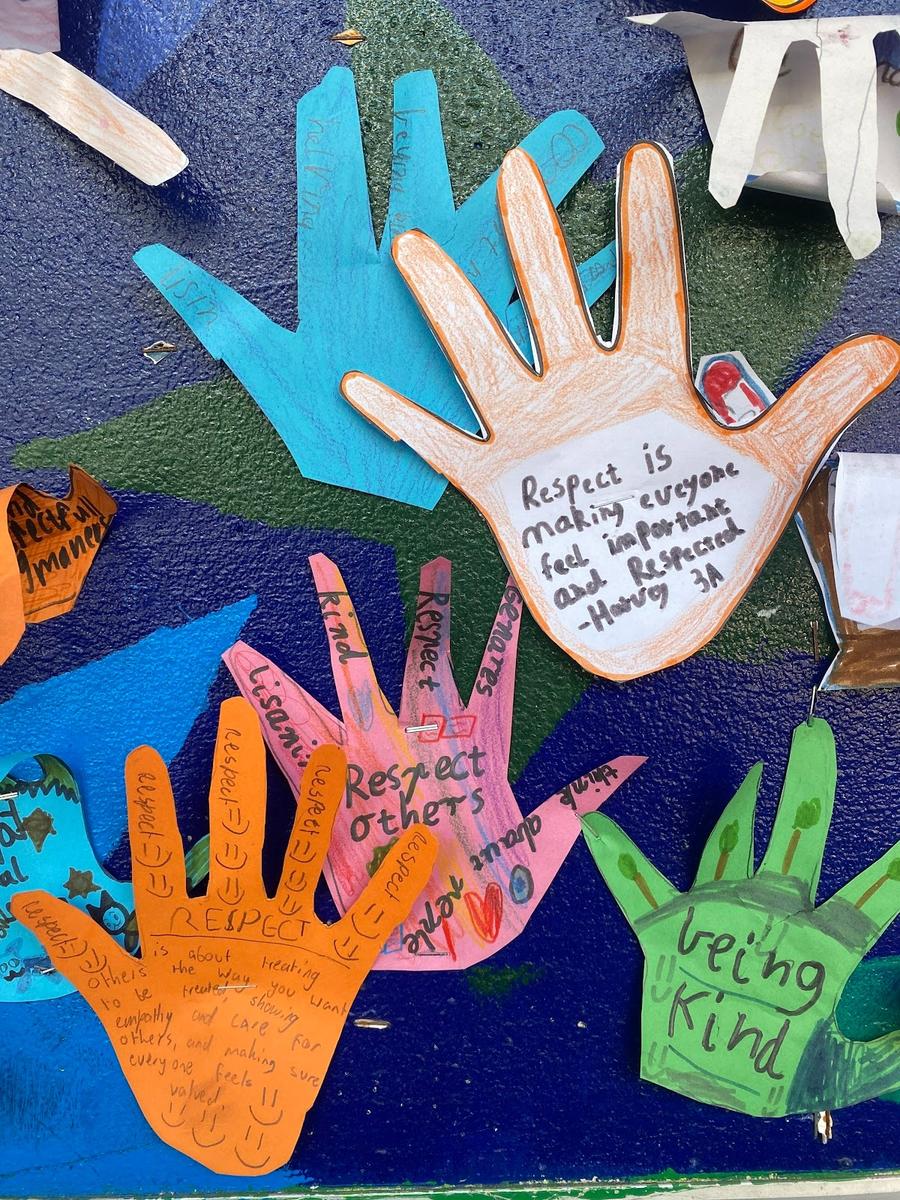
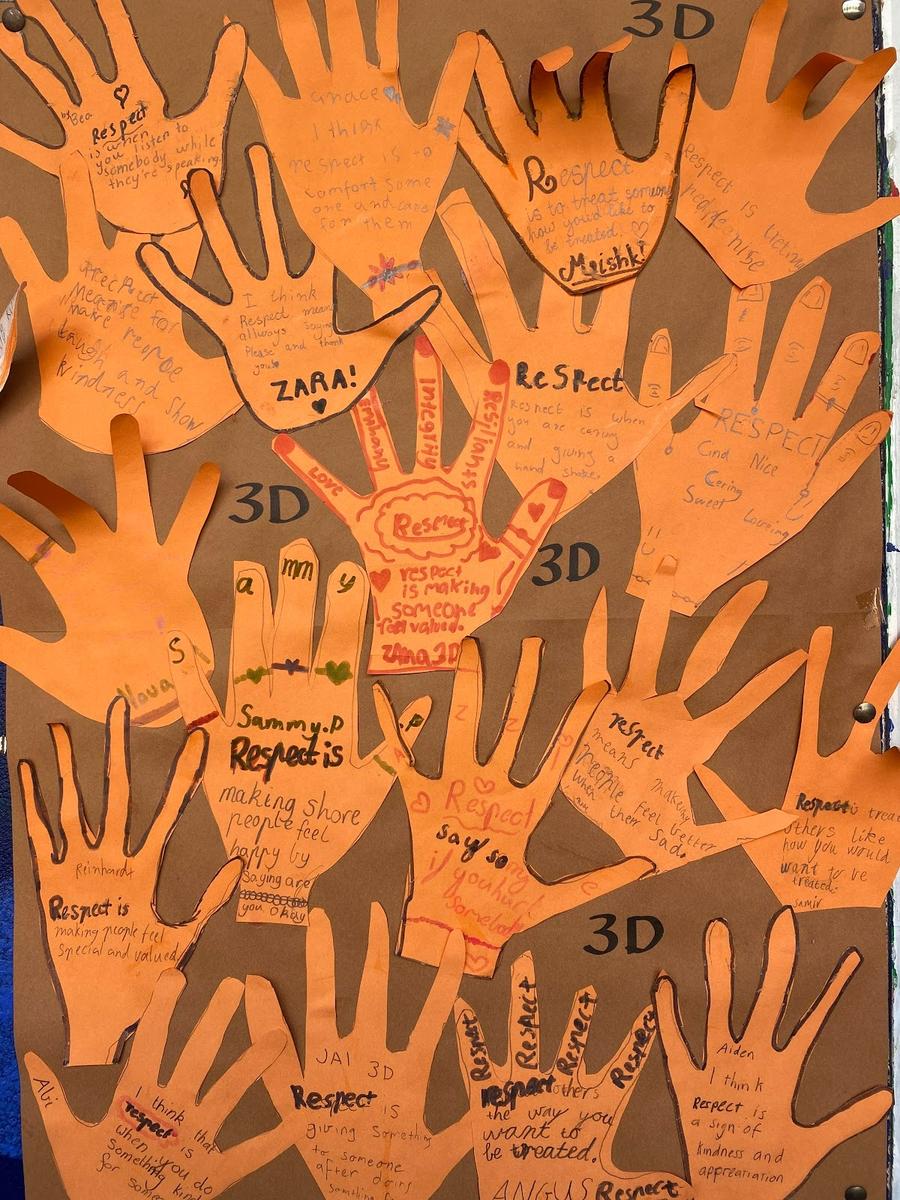
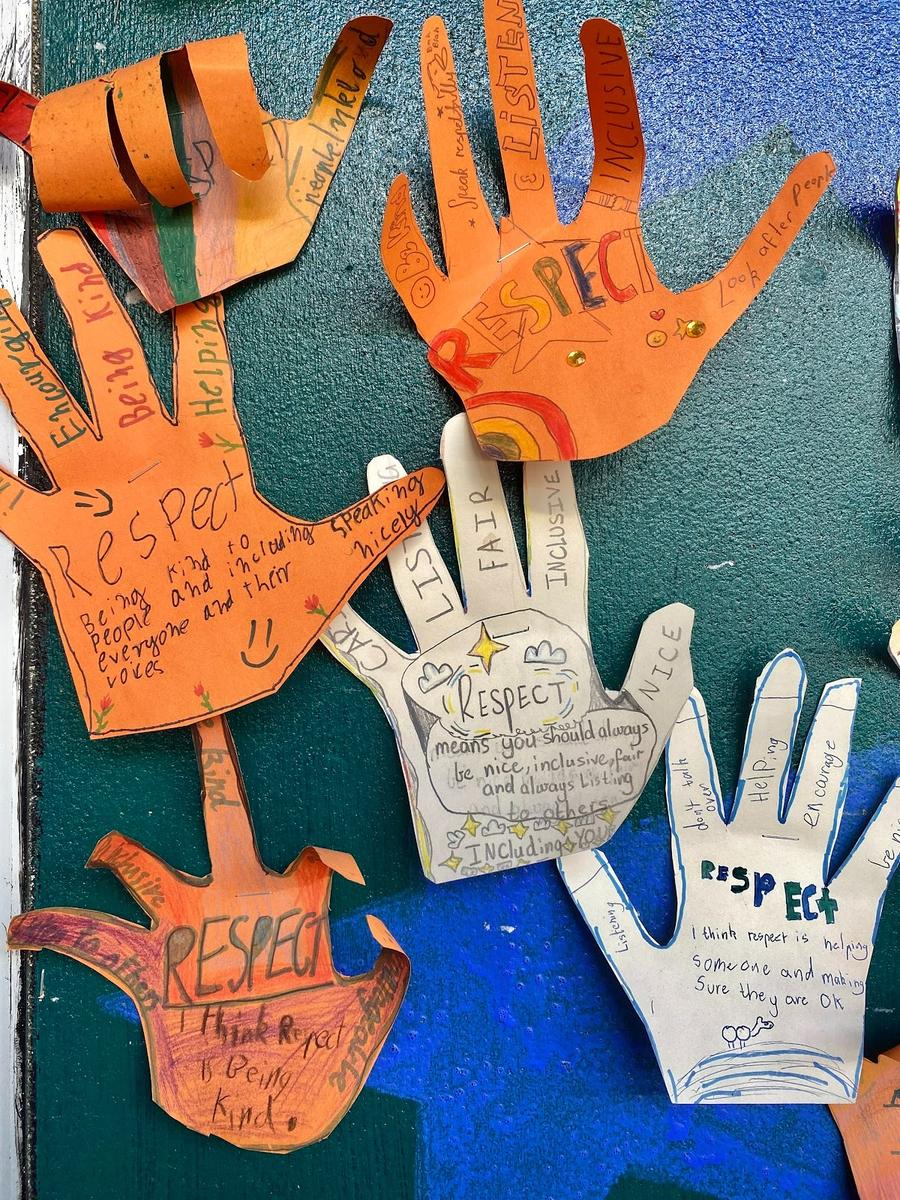
Below you can see some of our students' hands who contributed to our collaborative wall. As we commence a new year we wish to reinforce an important message which underpins our ethos to our Wellbeing approach.
Respect is being kind… Respect is making everyone feel important… Respect is being a listener…
The start of a new school year is full of emotion.
There’s excitement. Nervous energy. Hope that this year will be better than the last one. And underneath it all, a quiet question:
Will my child be okay at school this year?
One of the biggest influences on how a school year unfolds isn’t the classroom, the curriculum, or the teacher. It’s the relationship between parents and teachers.
Why the Parent–Teacher Relationship Matters So Much
Teachers don’t just teach content. They manage classrooms, behaviours, emotions, learning needs, and expectations — often for 25–30+ children at a time.
One of the biggest sources of stress for teachers isn’t student behaviour alone, but parent interactions. Many teachers report being yelled at, sworn at, or verbally abused by parents. A significant number consider leaving the profession because of it.
That’s confronting — especially when most parents are simply trying to advocate for their child.
But when we stop being adversaries and parents and teachers work with each other, children benefit: academically, socially, and emotionally.
Here’s how to build a strong, respectful relationship between school and home.
1. Look for Ways to Contribute
If there’s an opportunity to volunteer — reading groups, excursions, classroom help, library work — even occasionally, it makes a difference. When you can, showing up as someone who contributes (not just someone who needs something) changes the dynamic.
Teachers are more likely to connect with parents they’ve seen helping, supporting, and engaging with the school community.
2. Lead With Gratitude (Without Expecting Anything Back)
Everyone likes to feel appreciated — and teachers are no exception.
A simple note at the start of the year, a small coffee voucher, or even a message saying “We’re really grateful you’re teaching our child this year” can mean a lot.
Better still, when your child comes home sharing something positive that happened at school, pass that feedback on to the teacher. Let them know what they’re doing well and how it’s landing at home.
Gratitude isn’t bribery. It’s recognition. And recognition builds goodwill that carries you through harder conversations later.
3. Don’t Believe Everything You Hear
Children tell their stories from their perspective — which is valid, but incomplete.
When your child says, “My teacher is the worst,” slow down. Get curious. Consider the teacher’s point of view. The same goes for playground gossip or other parents’ opinions. A teacher with a tough reputation might turn out to be exactly the right fit for your child.
Be slow to judge. Quick to understand. And open to nuance.
4. Assume Positive Intent
Most teachers want your child to win. They want their students to feel safe, supported, and capable.
And teachers are also human. They have full classrooms, tight schedules, and limited time. Mistakes occur. Miscommunication happens.
When issues arise, approaching the conversation with calm, respect, and the assumption of positive intent makes a huge difference — for you, the teacher, and most importantly, your child.
What Parents Can Do This Year
If you want a practical starting point, try this:
You don’t need to do all of this perfectly.
But when parents and teachers stand on the same side, children feel it — and school becomes a safer, more supportive place to grow.
Dr Justin Coulson - Happy Families
Parent Teacher Interviews:
Schools, teache and parents: building strong partnerships: