Wellbeing
Fiona Dandie & Robert Pain
Wellbeing
Fiona Dandie & Robert Pain
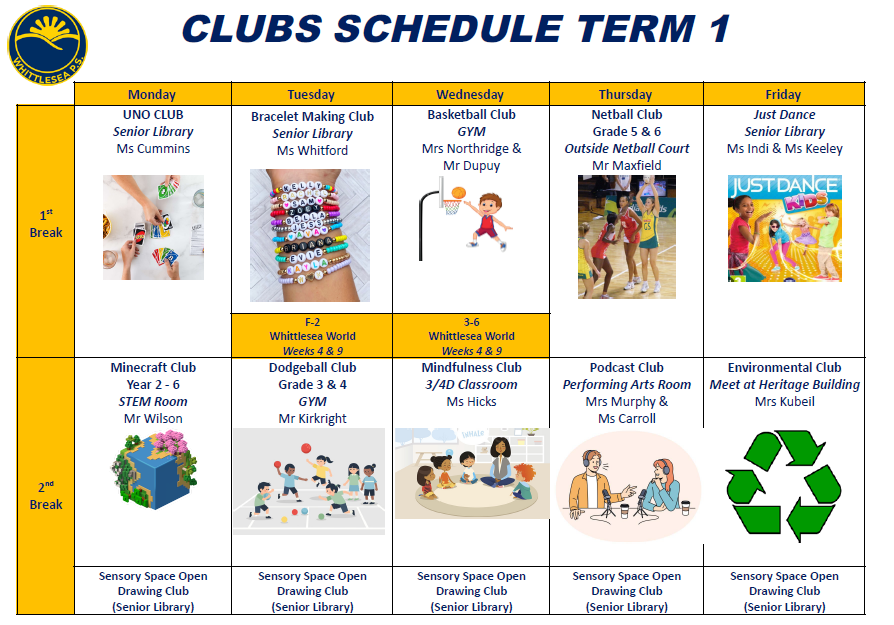
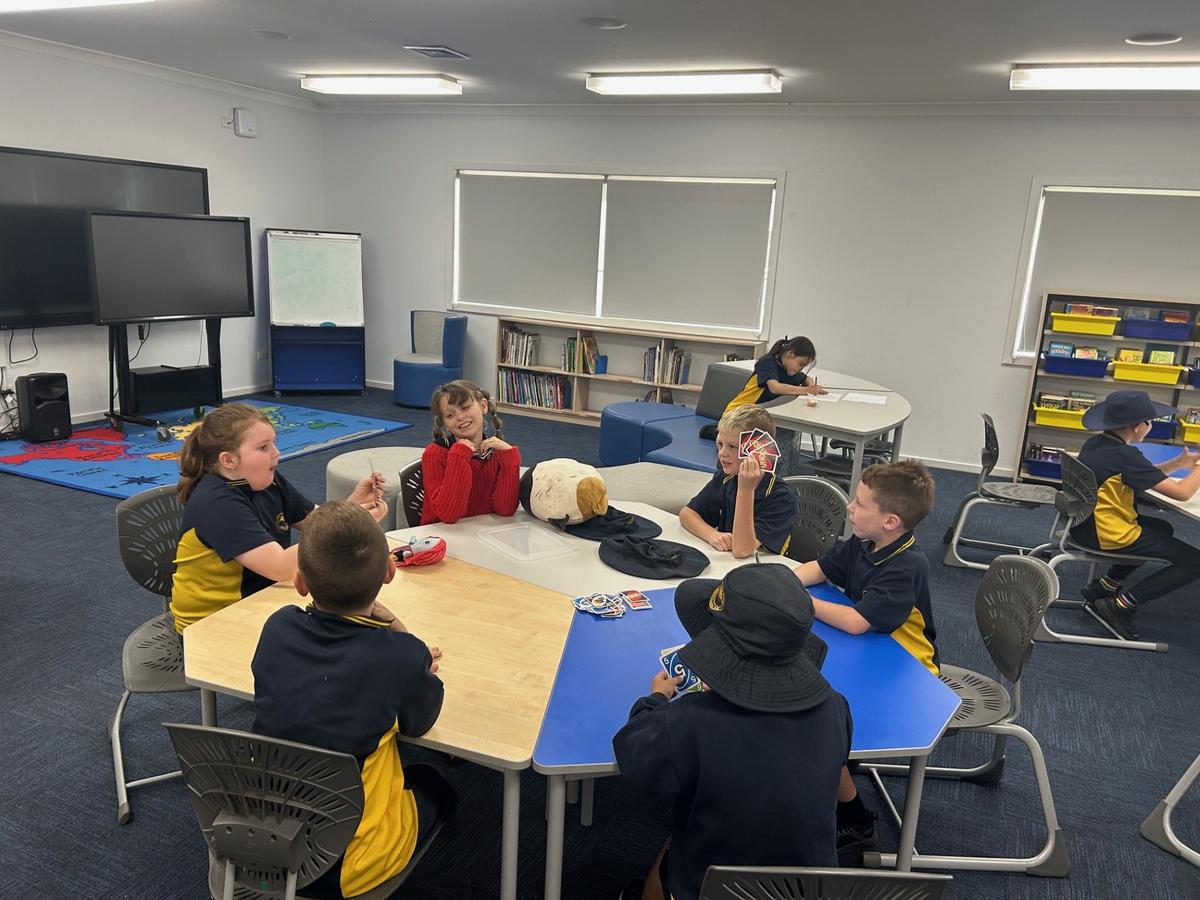
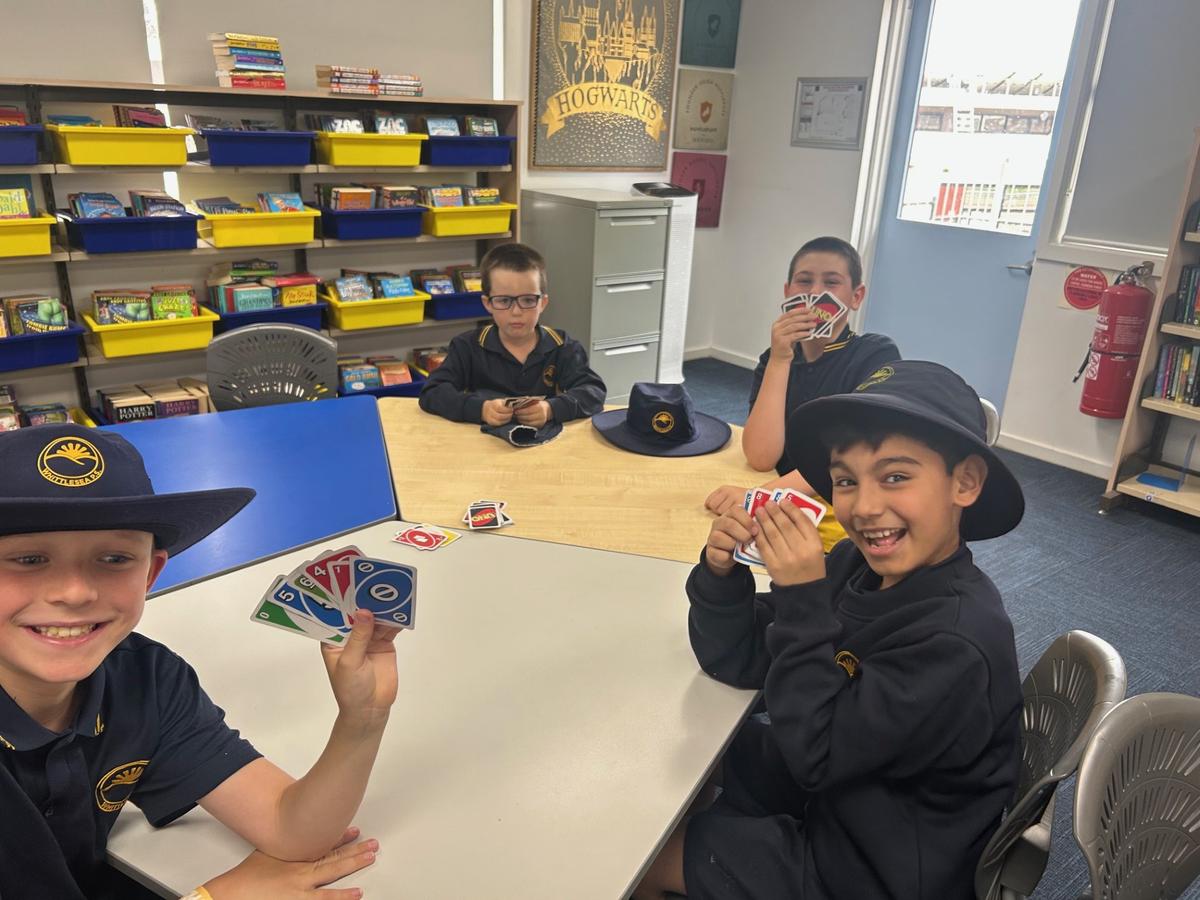
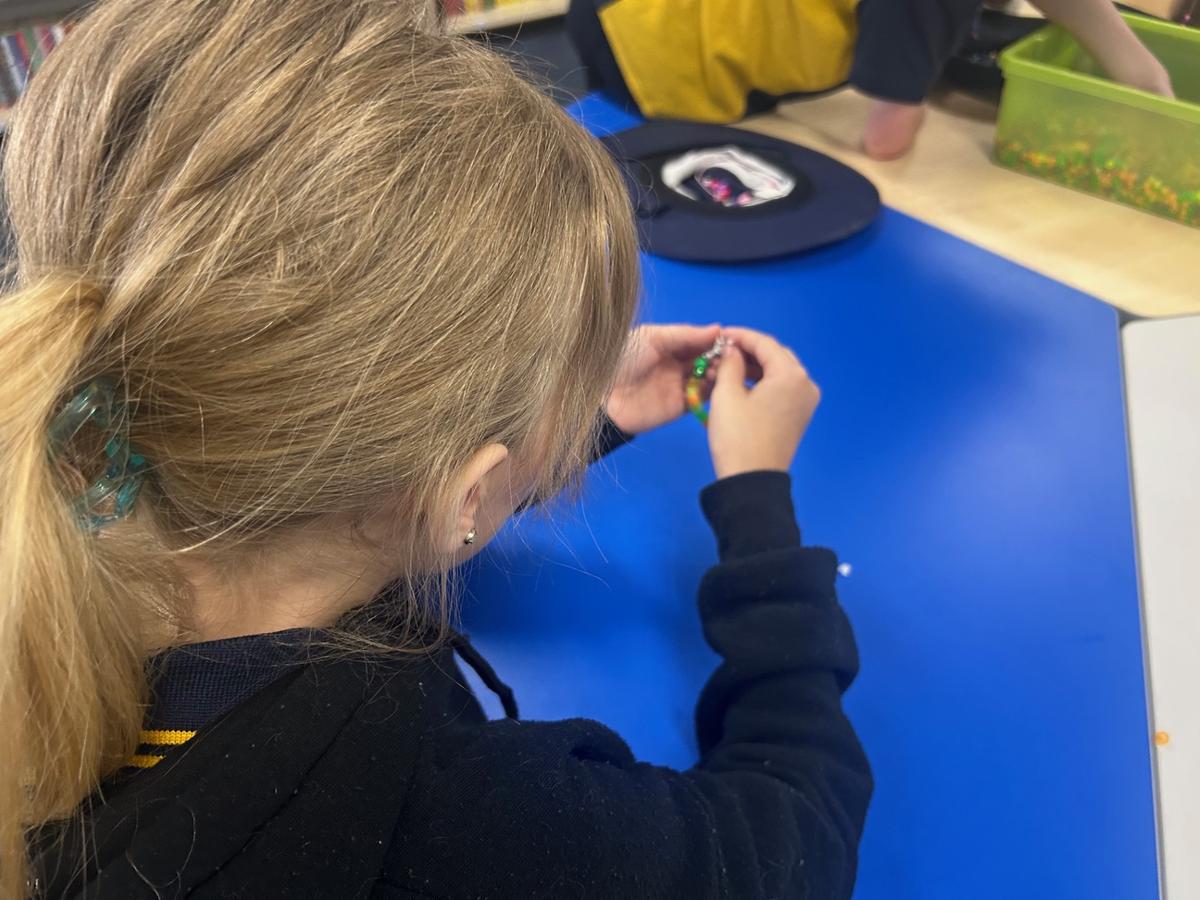
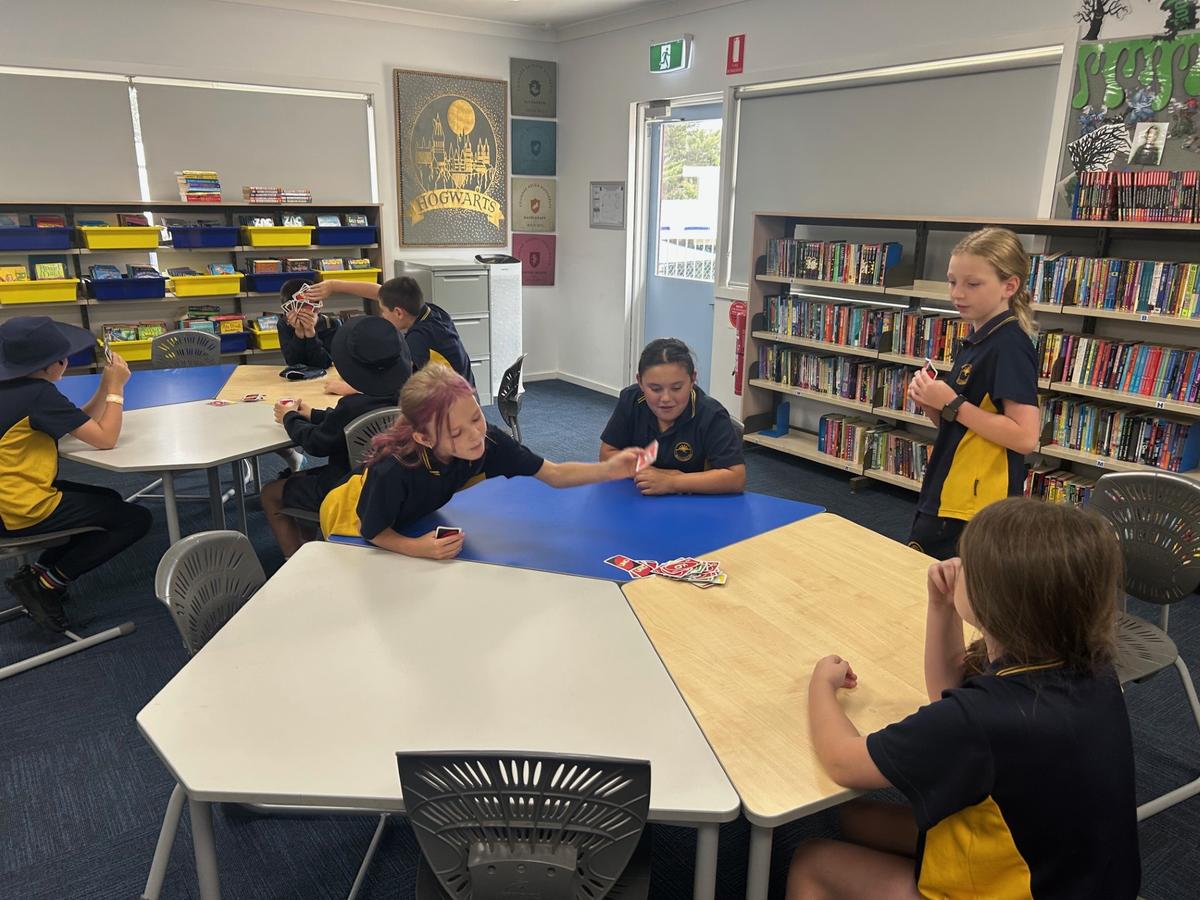
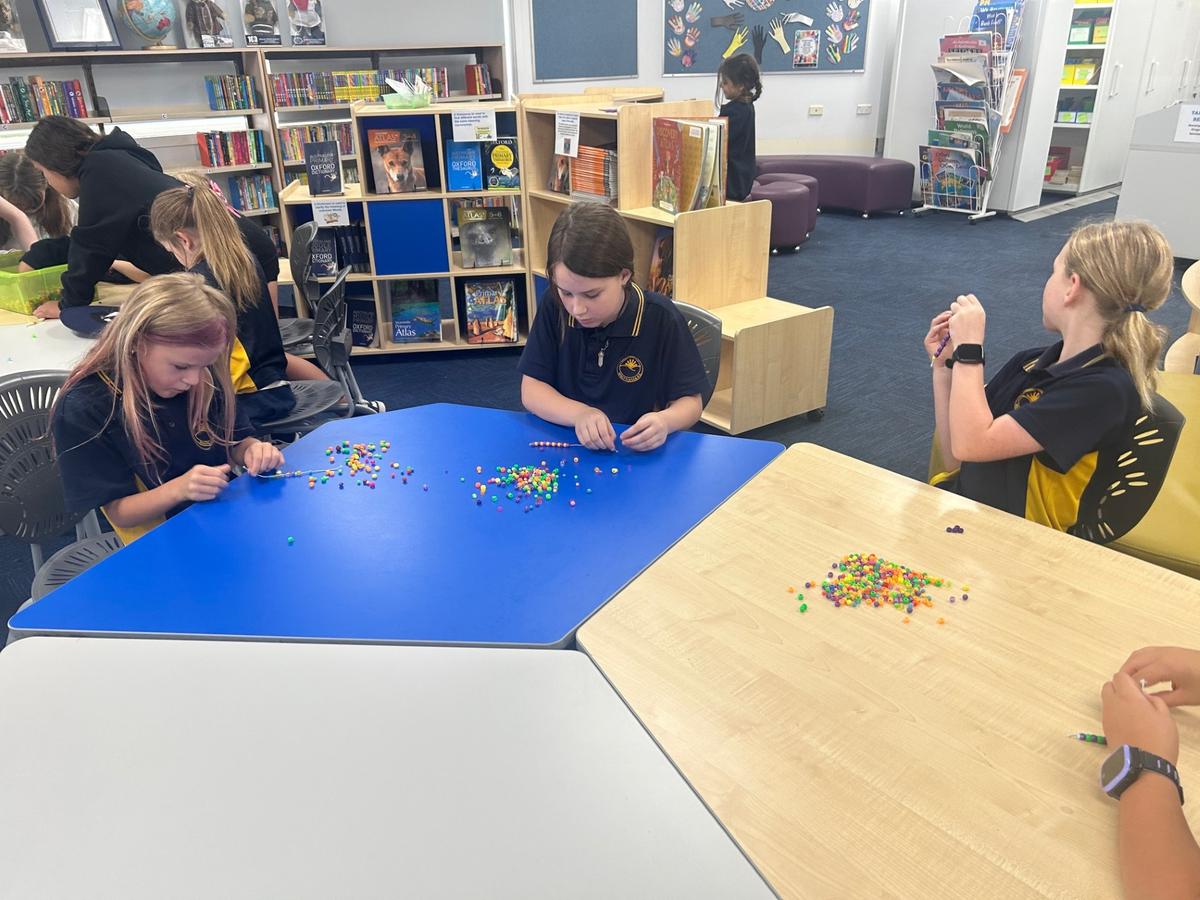
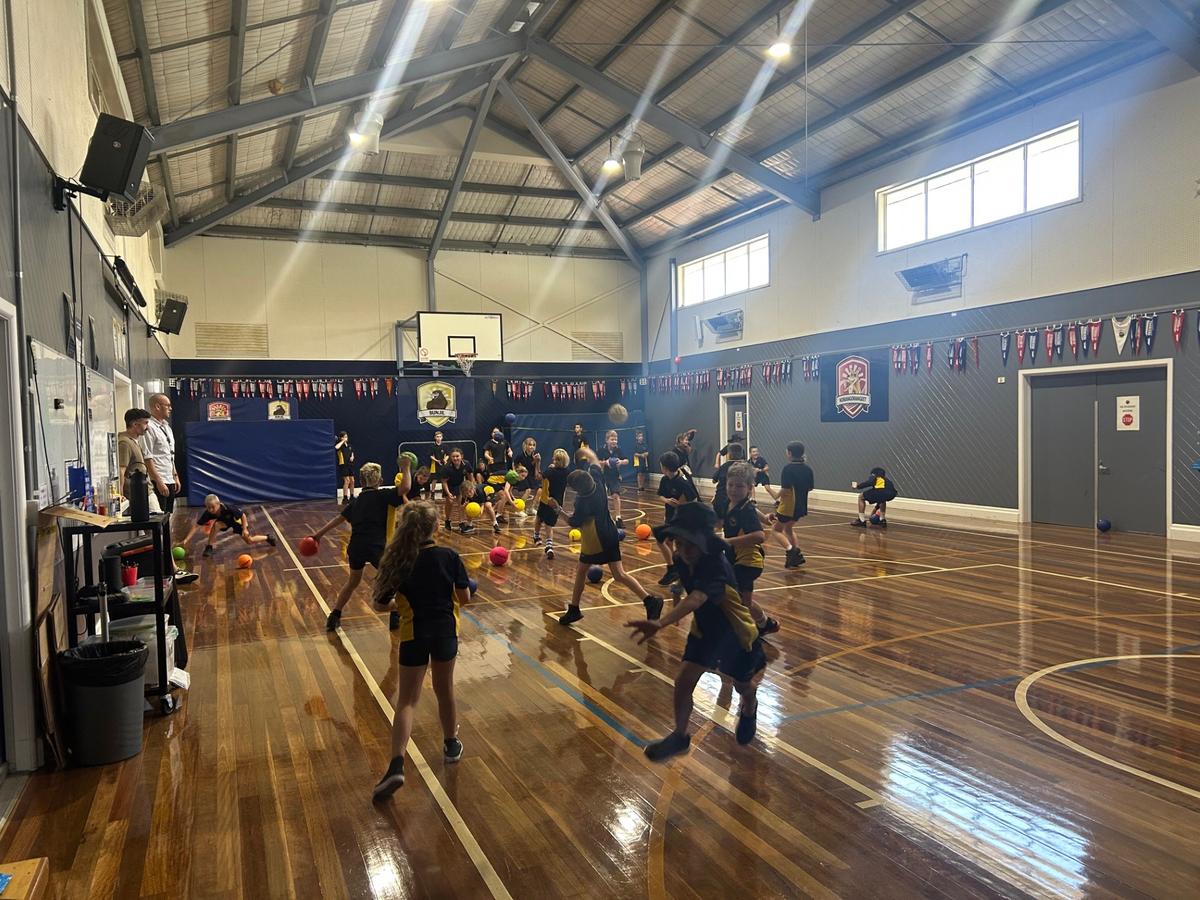
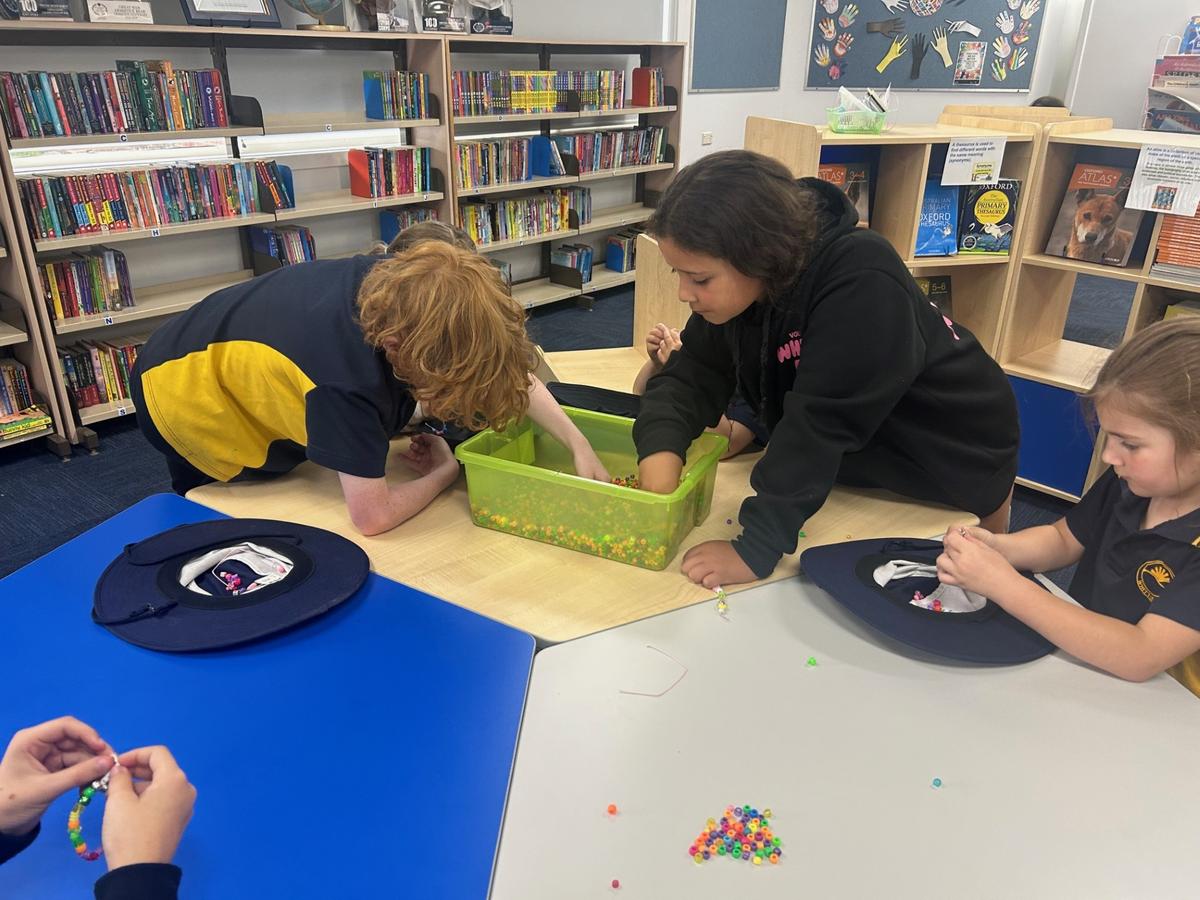
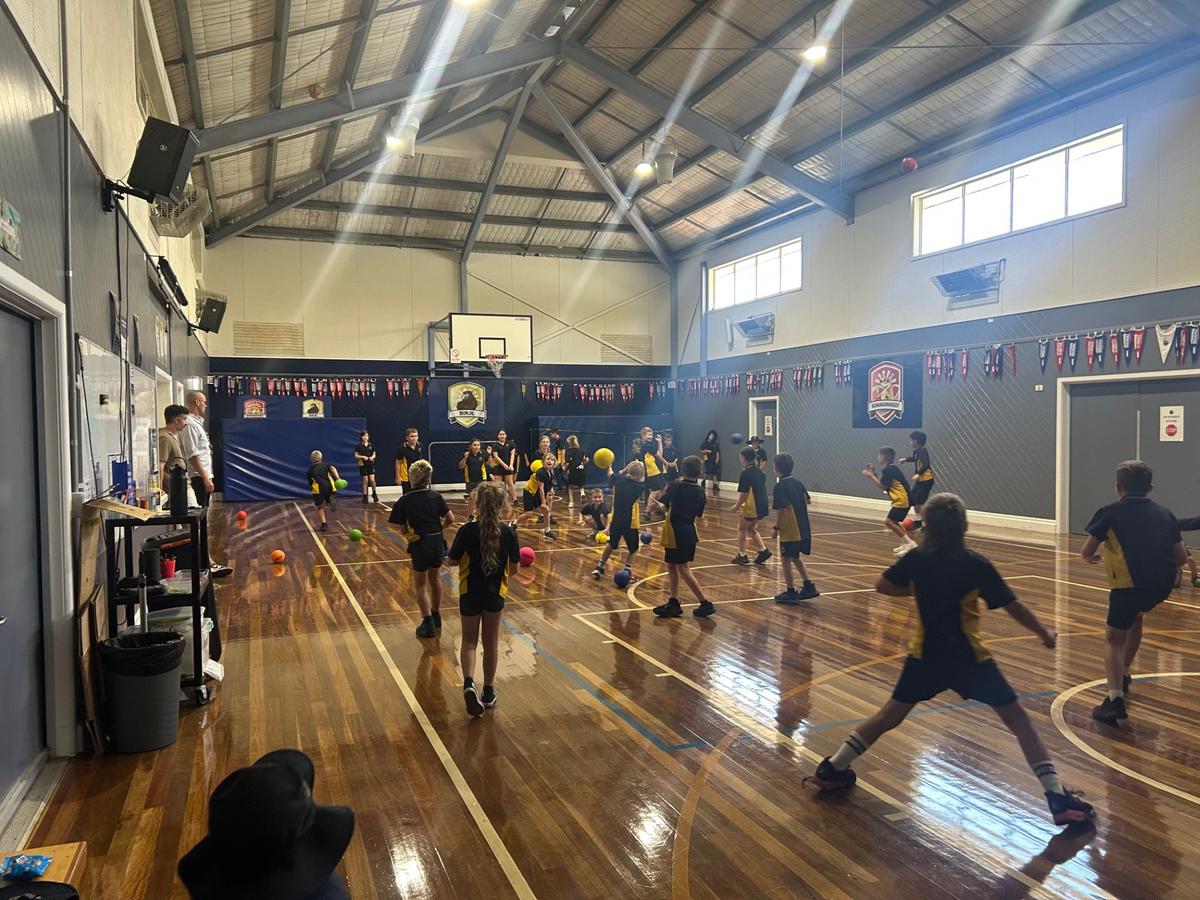
Lunchtime clubs help build student engagement, social skills and inclusion for all students. They support students who may struggle with a lack of structure in the school playground or need an outlet from the traditional playtime setting.
Lunchtime clubs can have benefits for students and the whole school community, including:
reduction in playground behaviour incidents.
Below is our Term 1 Lunchtime club schedule. These have already commenced this week. We are fortunate to have staff members volunteer their time to run a club, as we know the students of WPS love to engage with them.
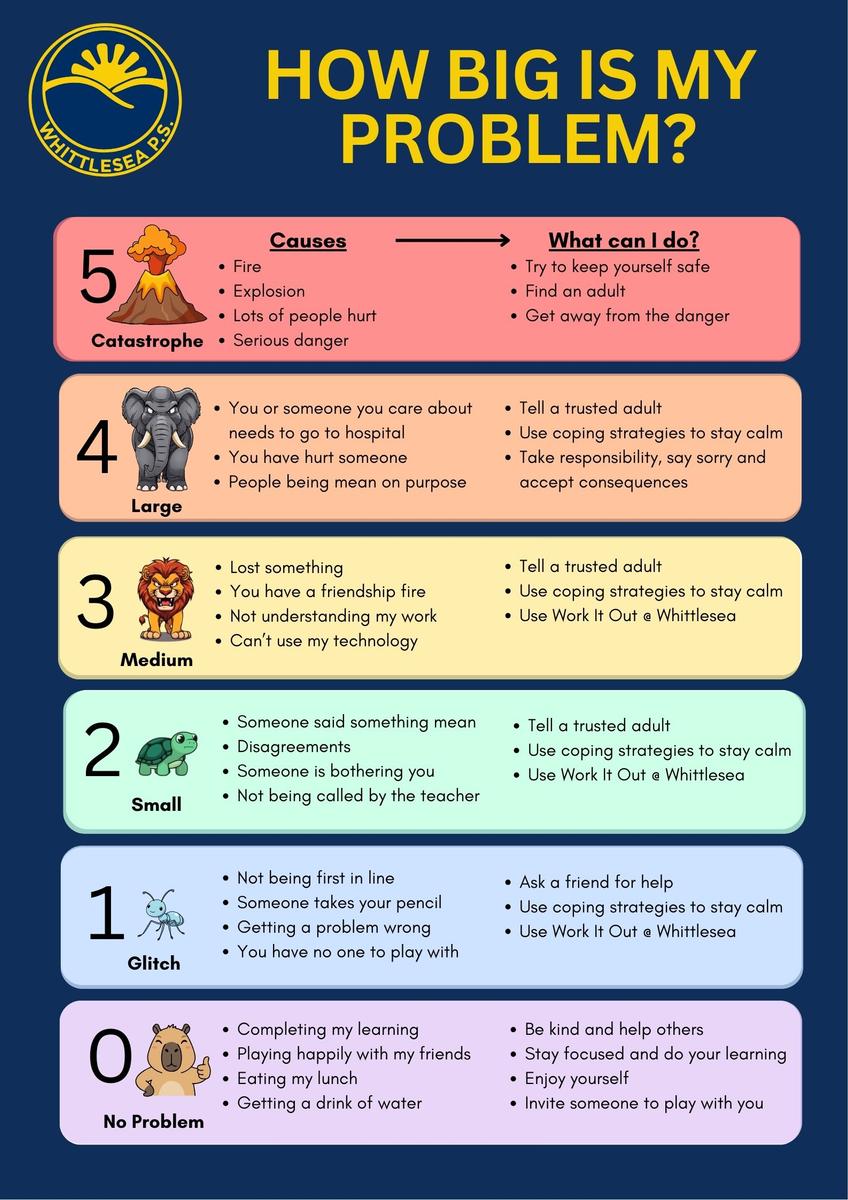
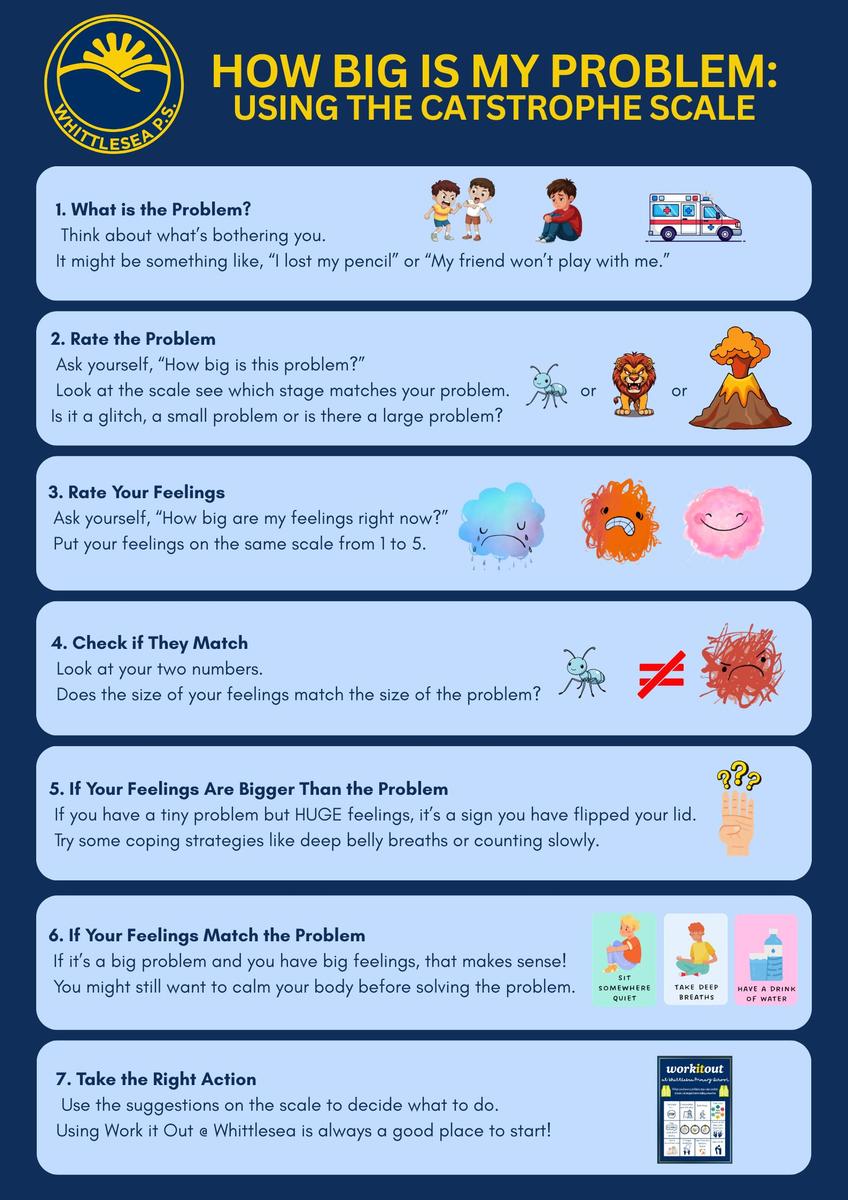
As part of our new Social-Emotional Learning curriculum, we have introduced new 'anchor charts' and coping strategies to help students navigate relationships and emotions. One of the documents is our catastrophe scale.
You may have heard your child talk about a “Catastrophe Scale” at school. It’s a simple tool that helps children work out how big a problem really is, and choose a response that matches. For primary school children, feelings can feel very big.
A small problem, like someone not sitting next to them, losing a turn, or making a mistake, can sometimes feel like the worst thing ever. That doesn’t mean children are being dramatic. It means they are still learning how to manage big emotions.
The Catastrophe Scale helps children pause and think:
Over time, this helps children stay calmer and make better choices.
Using a Catastrophe Scale helps children learn to:
It also builds independence. Instead of adults fixing everything, children learn that they have tools they can use themselves.
When children learn to judge the “size” of a problem, they begin to understand:
These are lifelong skills. They support friendships, learning and confidence.
You might hear your child say:
This shared language helps children feel safe and supported, while also encouraging responsibility.
You might try:
Most importantly, we always start by recognising feelings:
“I can see that feels really large right now.”
We are not trying to minimise children’s feelings. We are teaching them how to manage them. When children can match their reaction to the size of the problem, they:
And that creates calmer classrooms, stronger friendships and confident learners.
Feel free to use the link to download and use the poster at home, too!