Wellbeing and Inclusion Update


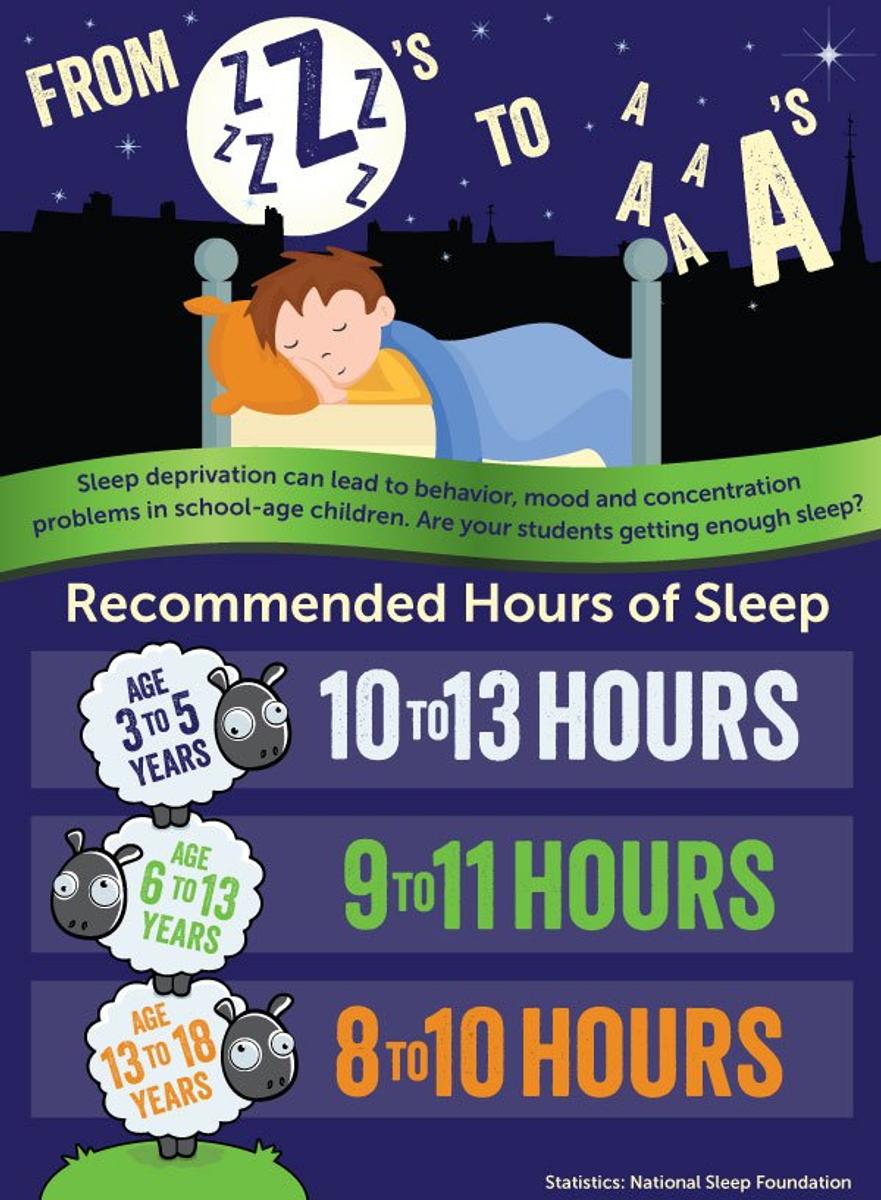
Sleep is one of the most important foundations for learning and wellbeing in primary school–aged children. During sleep, the brain is busy processing the day’s experiences—organising memories, strengthening new skills, and building the neural pathways needed for problem-solving, attention, and emotional regulation. When children get enough quality sleep, they are better able to concentrate in the classroom, follow instructions, retain information, and stay engaged in their learning.
Good sleep also plays a major role in children’s physical and emotional wellbeing. A well-rested child is more resilient, better able to manage big feelings, and less likely to experience mood swings or frustration. Sleep supports healthy growth, strengthens the immune system, and provides the energy needed for play, learning, and positive social interactions.
Establishing a consistent bedtime routine is key to helping children get the sleep they need. Predictable patterns—such as quiet time before bed, reduced screen use, and going to sleep and waking up at the same time each day—help children’s bodies recognise when it’s time to wind down. These routines provide a sense of security and help regulate the body’s internal clock, making it easier for children to fall asleep and stay asleep. By building strong sleep habits early, families can support better behaviour, stronger learning, and overall wellbeing.