Whole School Activities
Whole School Assembly - Photo Reel
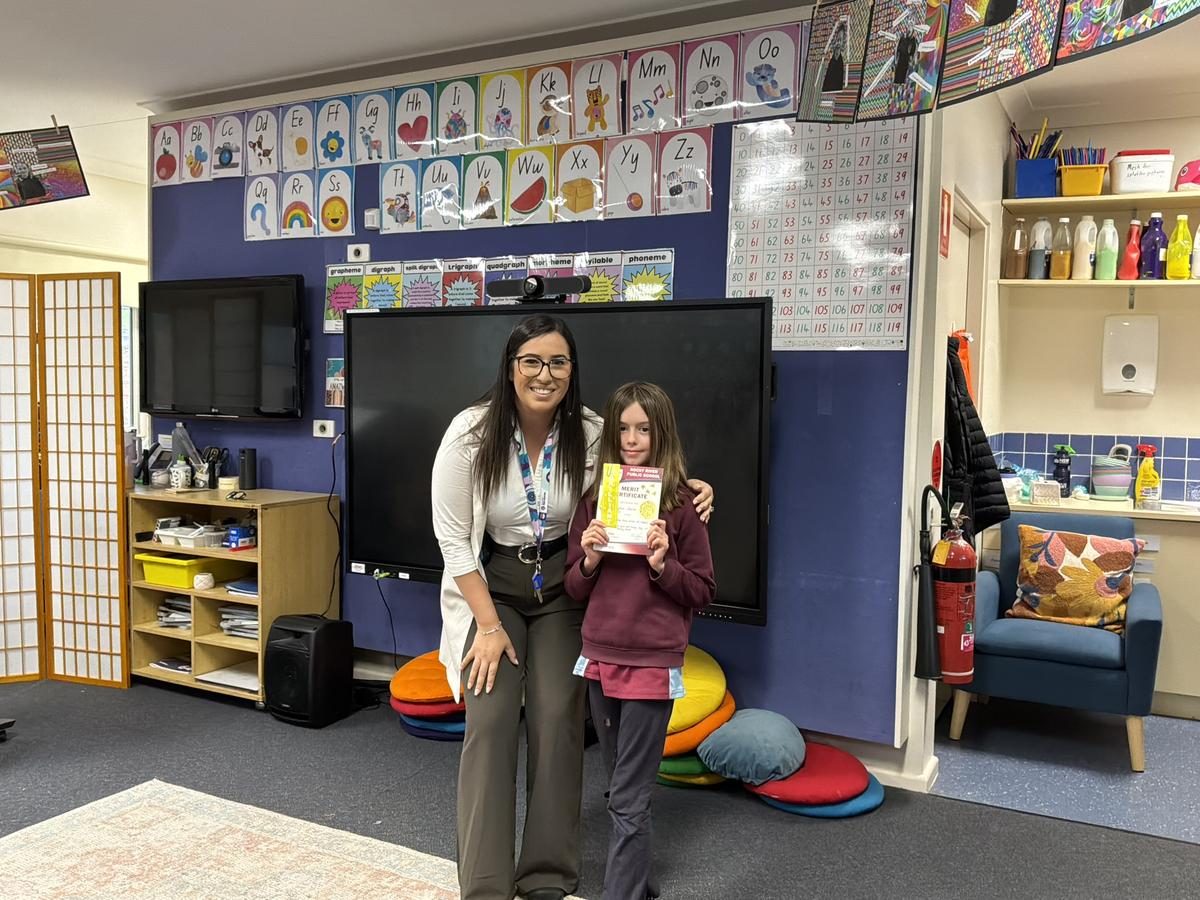
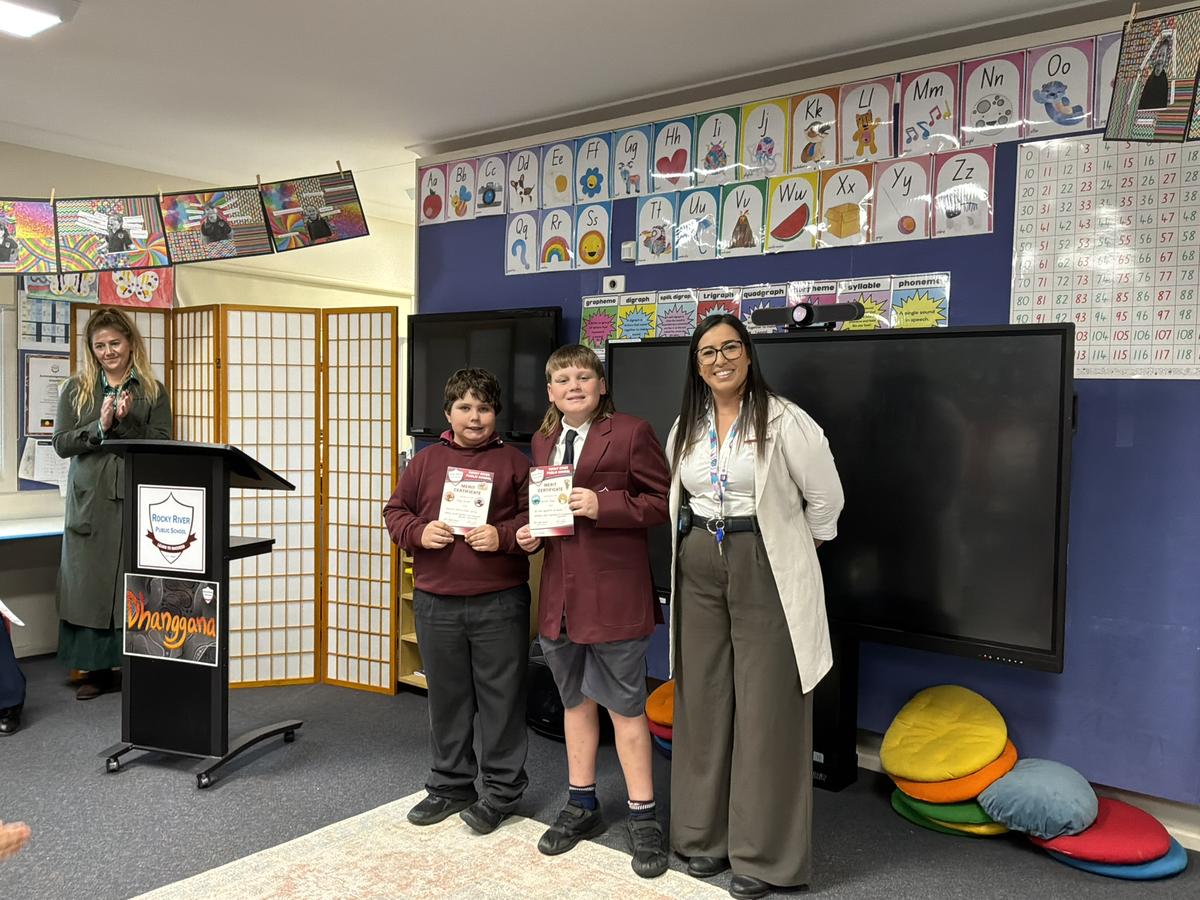
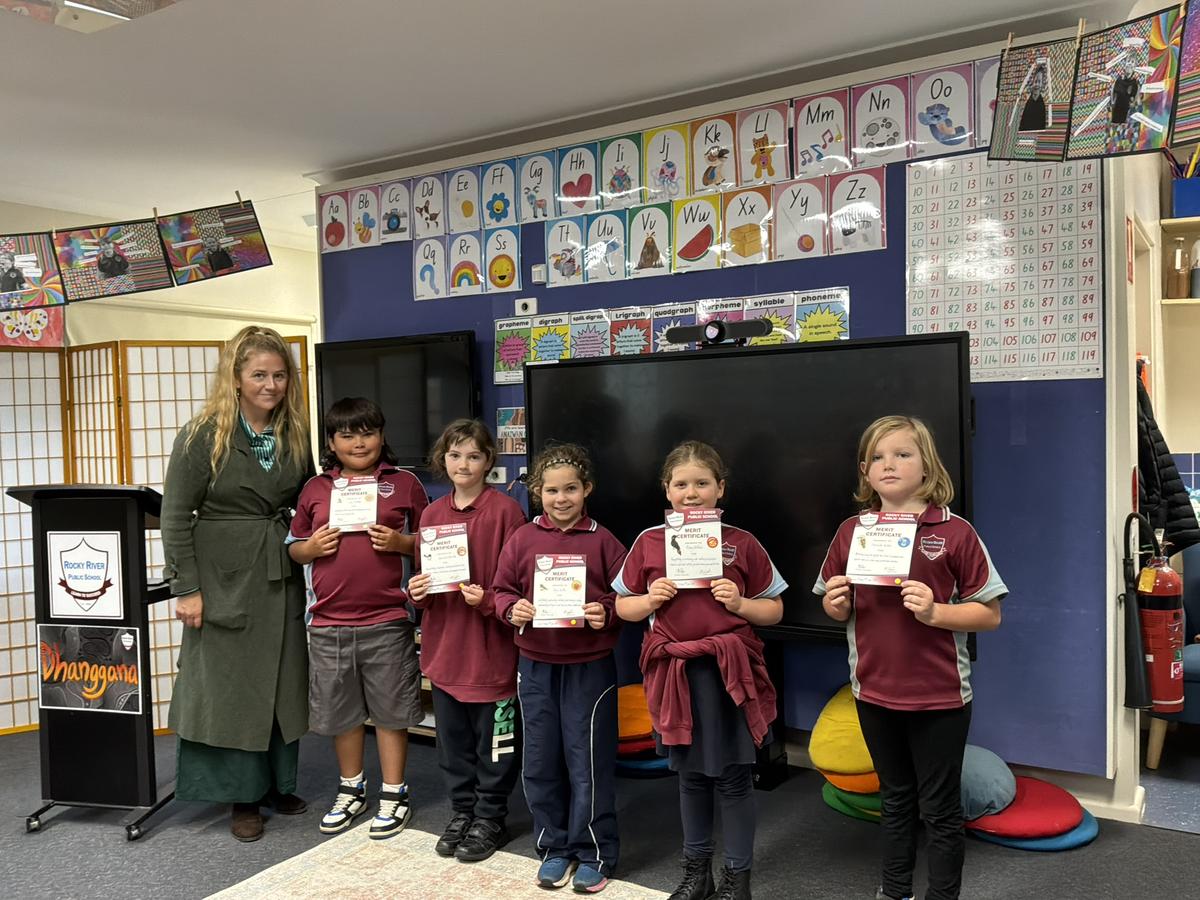
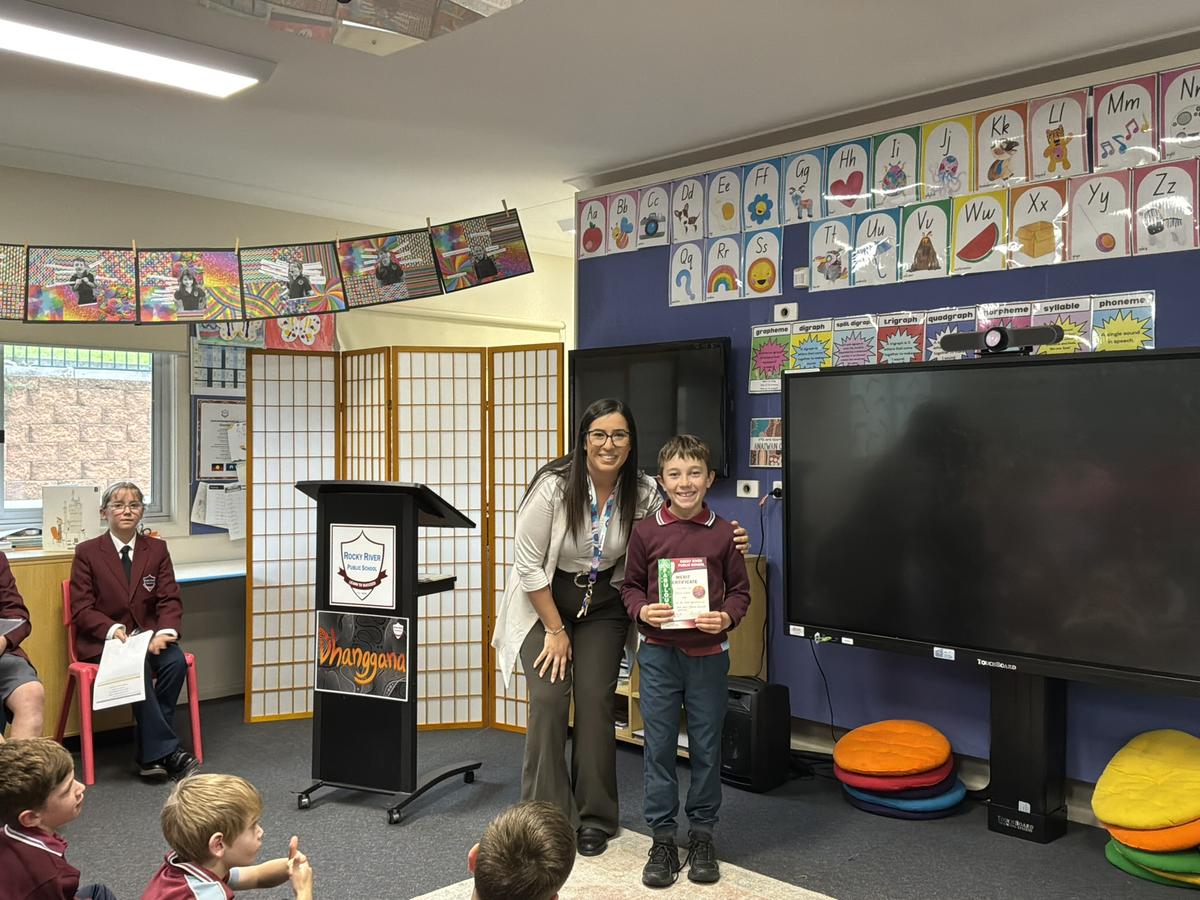
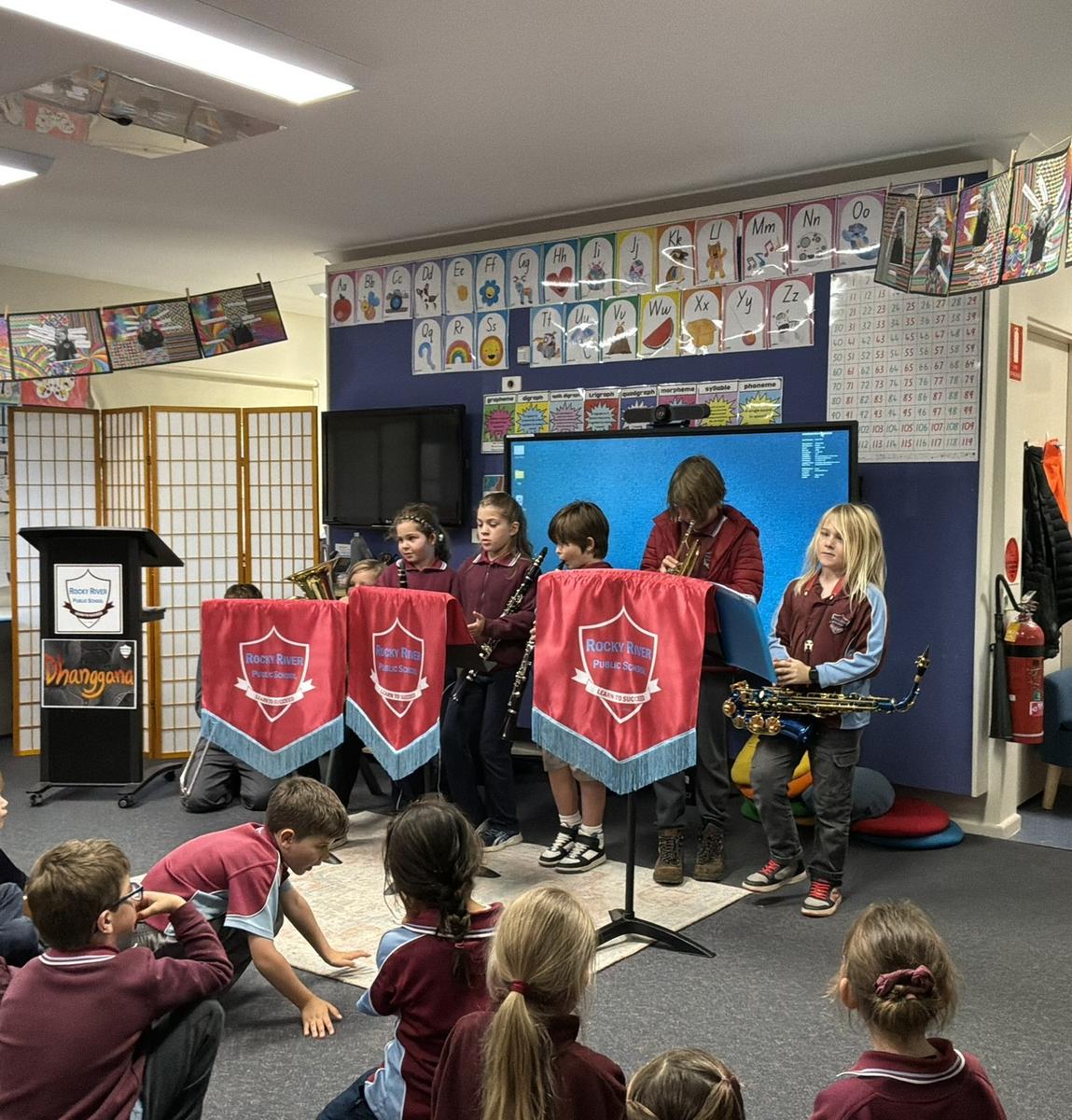
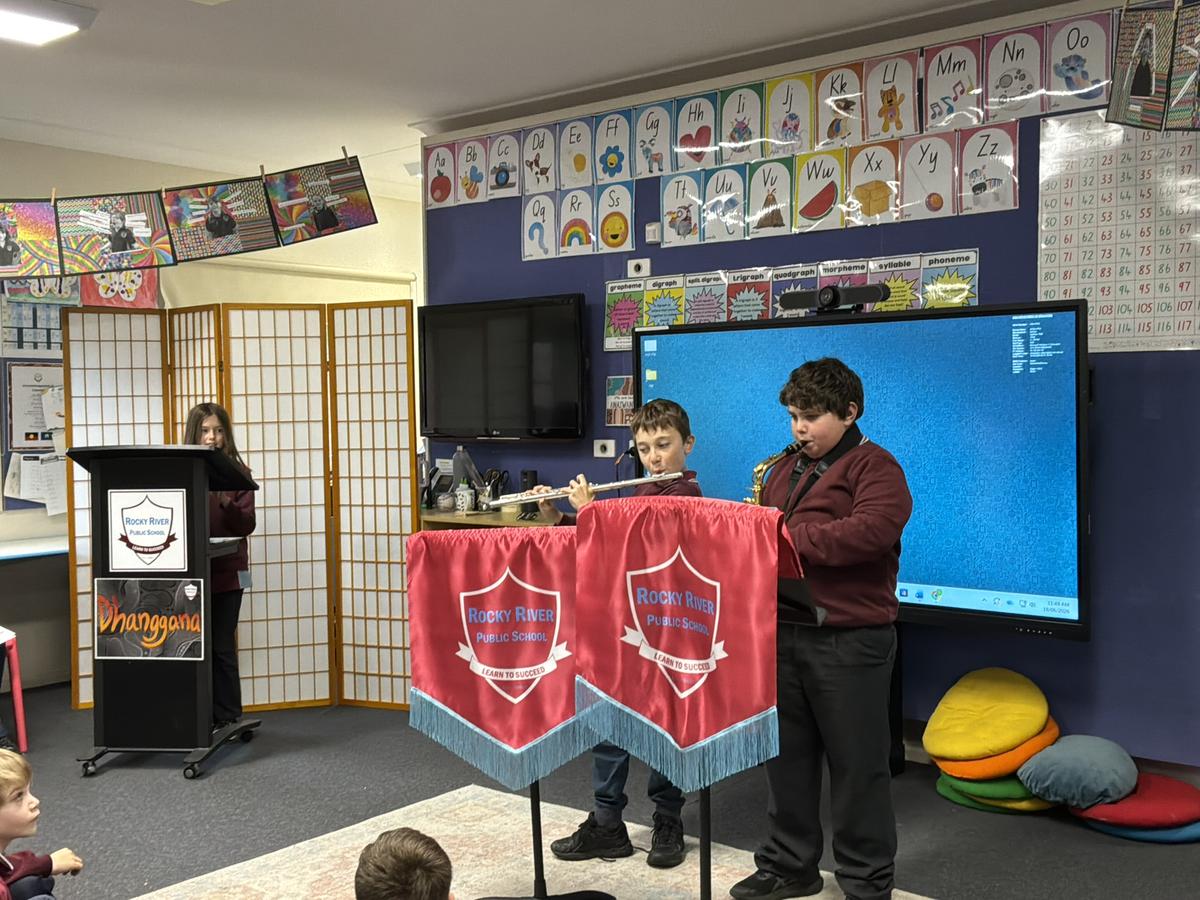
Congratulations to all of the merit certificate recipients at our recent assembly! Thank you to the parents and family members who made the time to attend and celebrate the learning and achievements of our students.
Lower Division Mathematics
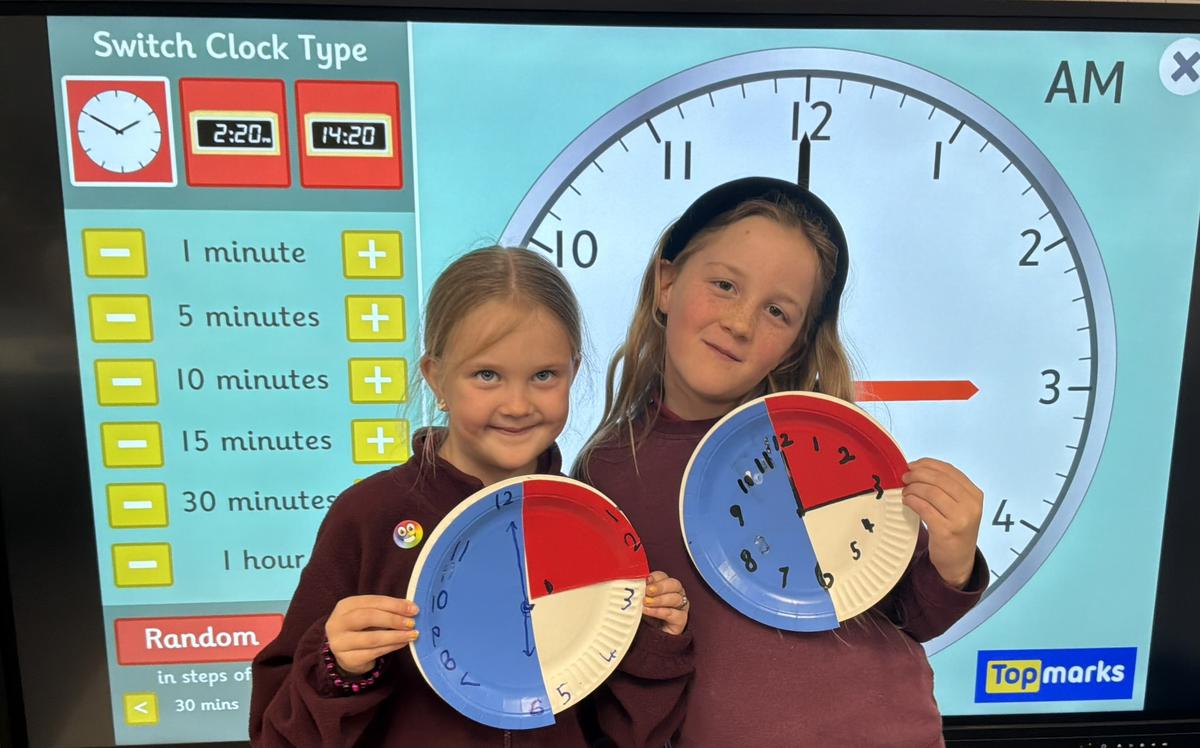
Lower Division have been learning how to tell the time on analog and digital clocks. We started by looking at different parts of an analog clock, like the hour hand and the minute hand. Students learned that the hands move in a circle (clockwise) and talked about why clocks don’t run backwards (counter-clockwise).
We practised telling the time in three ways:
- On the hour, like 3 o’clock
- On the half hour, like 3:30
- On the quarter hour, like 3:15 or 3:45
Students discovered that every time the minute hand moves, it shows a different amount of time. For example, a quarter turn is 15 minutes and a half turn is 30 minutes.
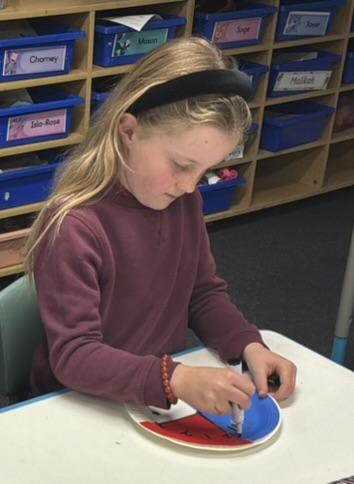
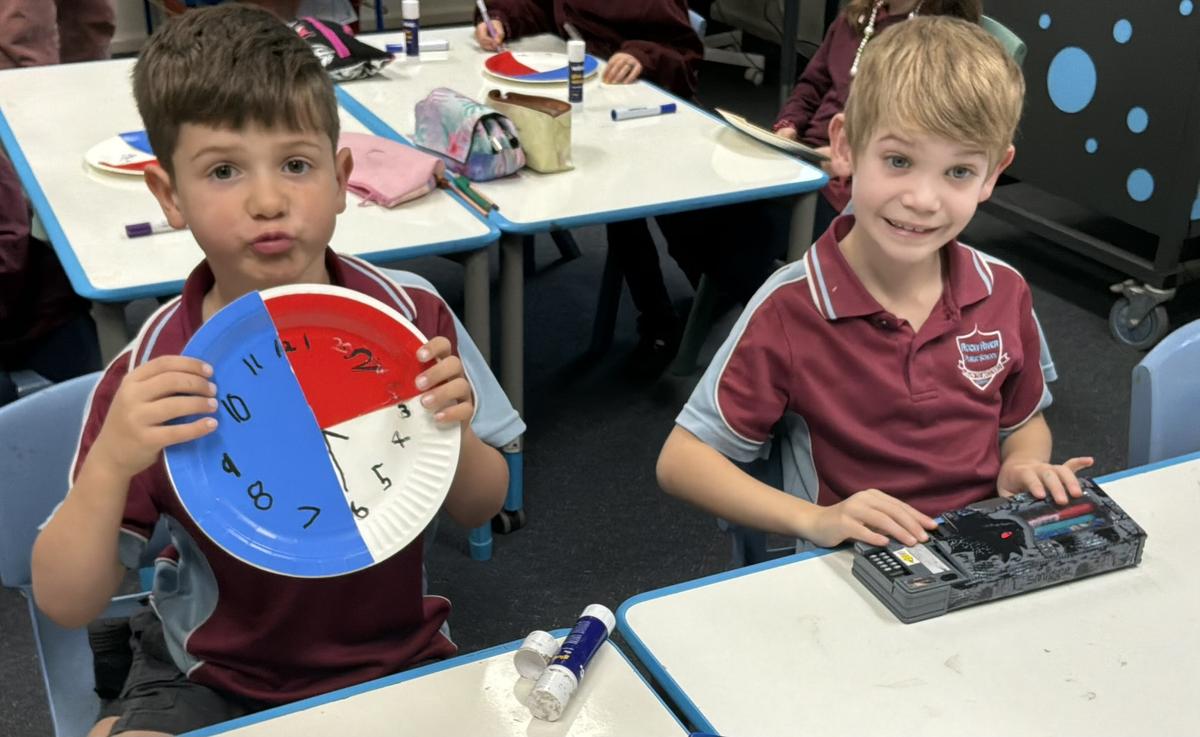
To help us understand, each student made their own clock using a paper plate. They wrote the numbers, made moving hour and minute hands, and marked where the half hour and quarter hour are. Making these clocks helped everyone practise and see how the hands move.
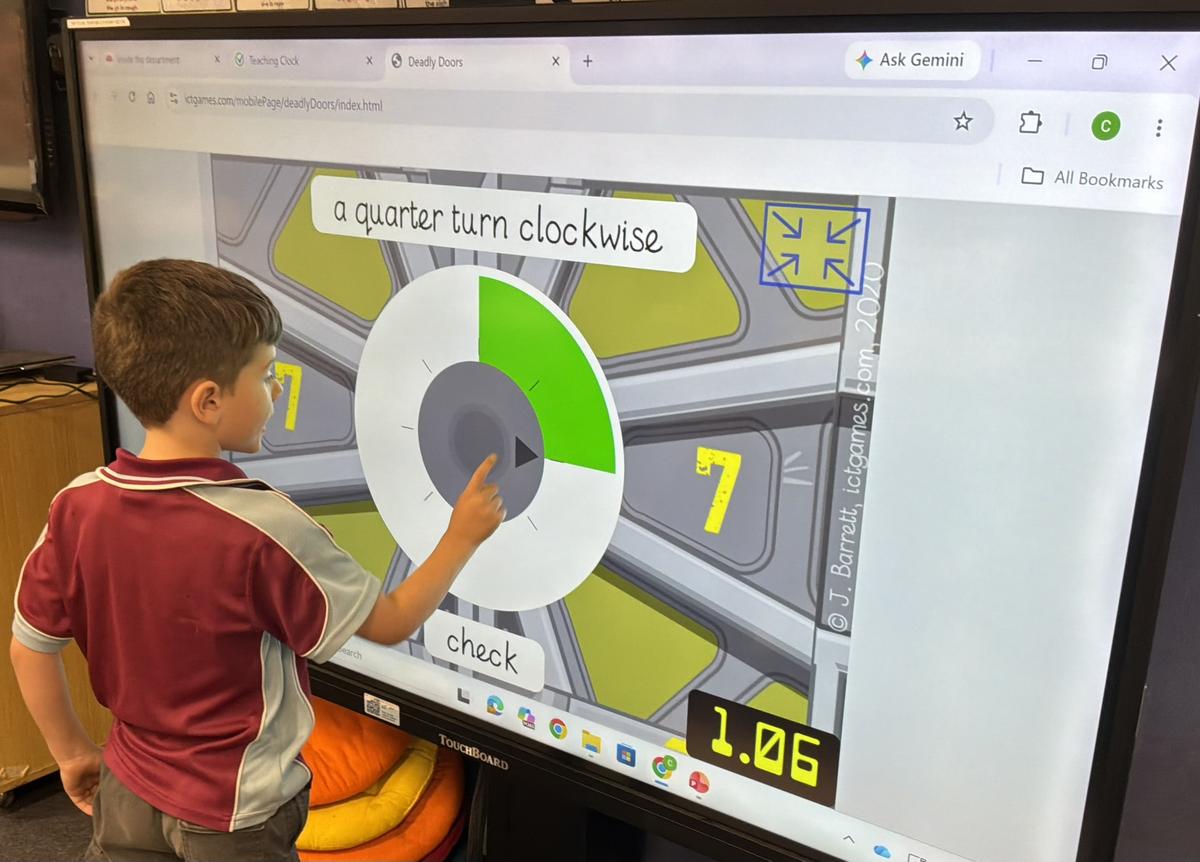
We also used our interactive whiteboard in class to play games and quizzes about telling the time. Students moved digital clock hands to match times, worked together to answer questions, and showed what they’d learnt. This is a lot to learn all at once, so we will revisit this learning again in our studies of mathematics.
Lower Division English
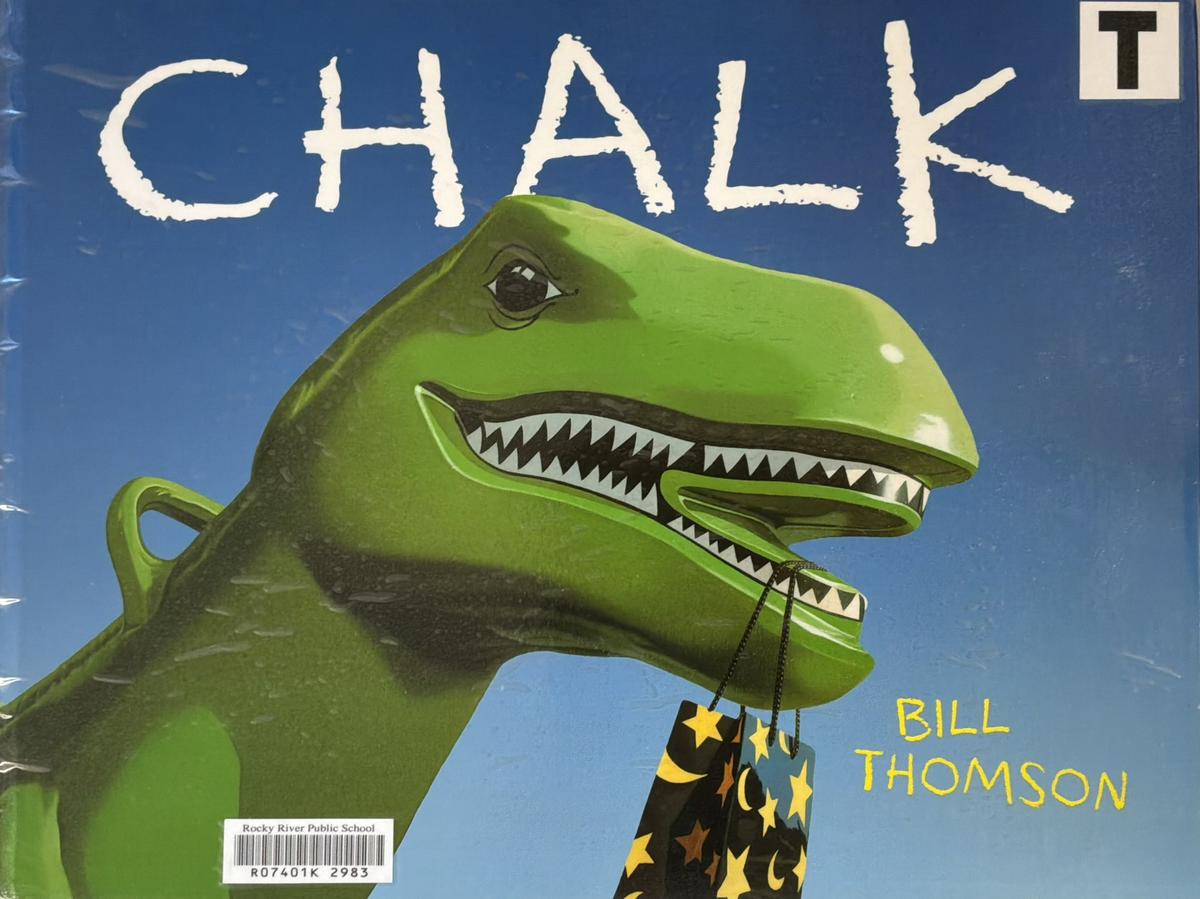
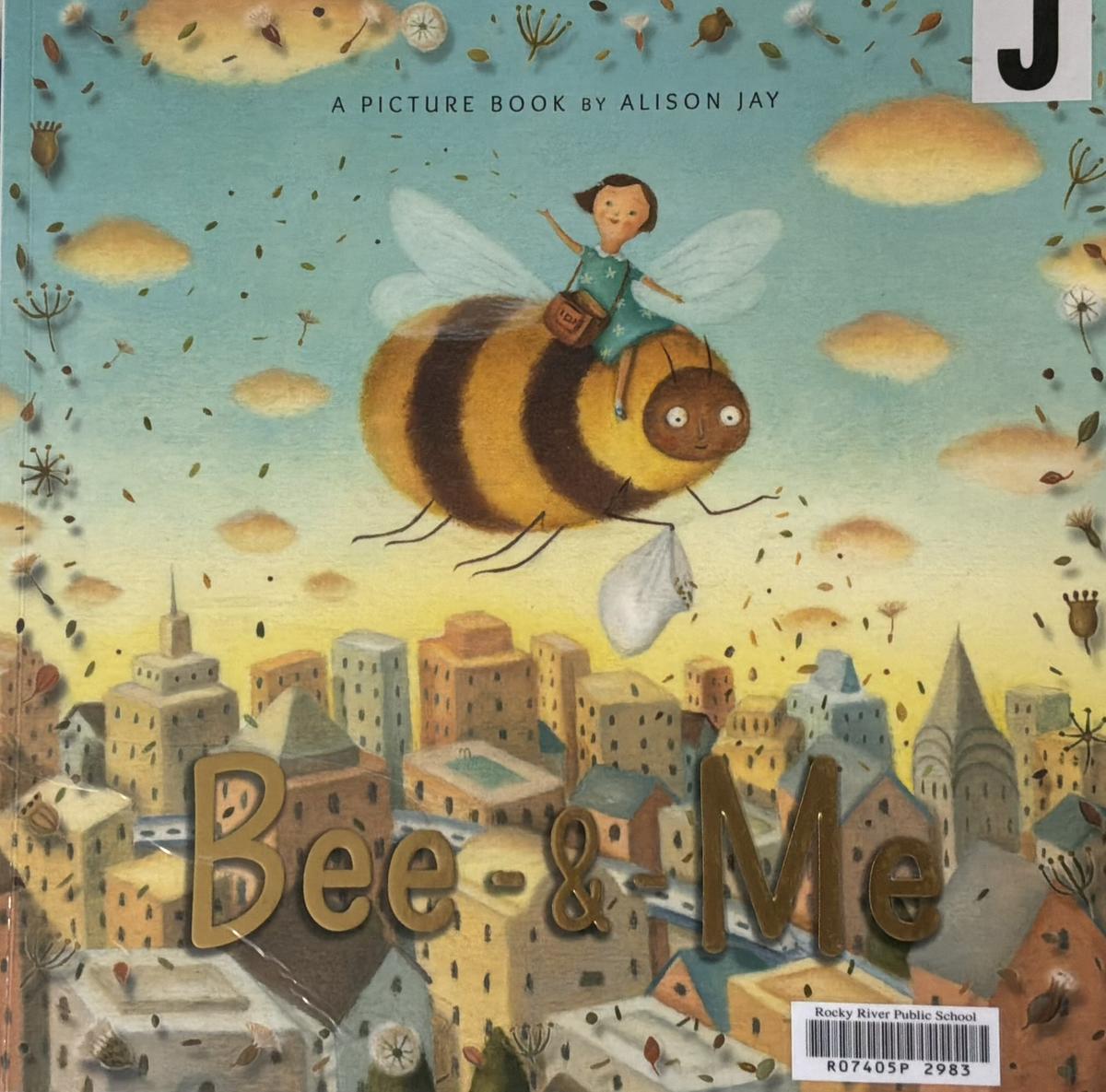
In our most recent unit, Lower Division students have been learning about Imagery, Symbolism, and Connotation by exploring two wonderful wordless books: Chalk and Bee and Me. These stories use pictures instead of words, encouraging readers to use their imagination to understand the story.
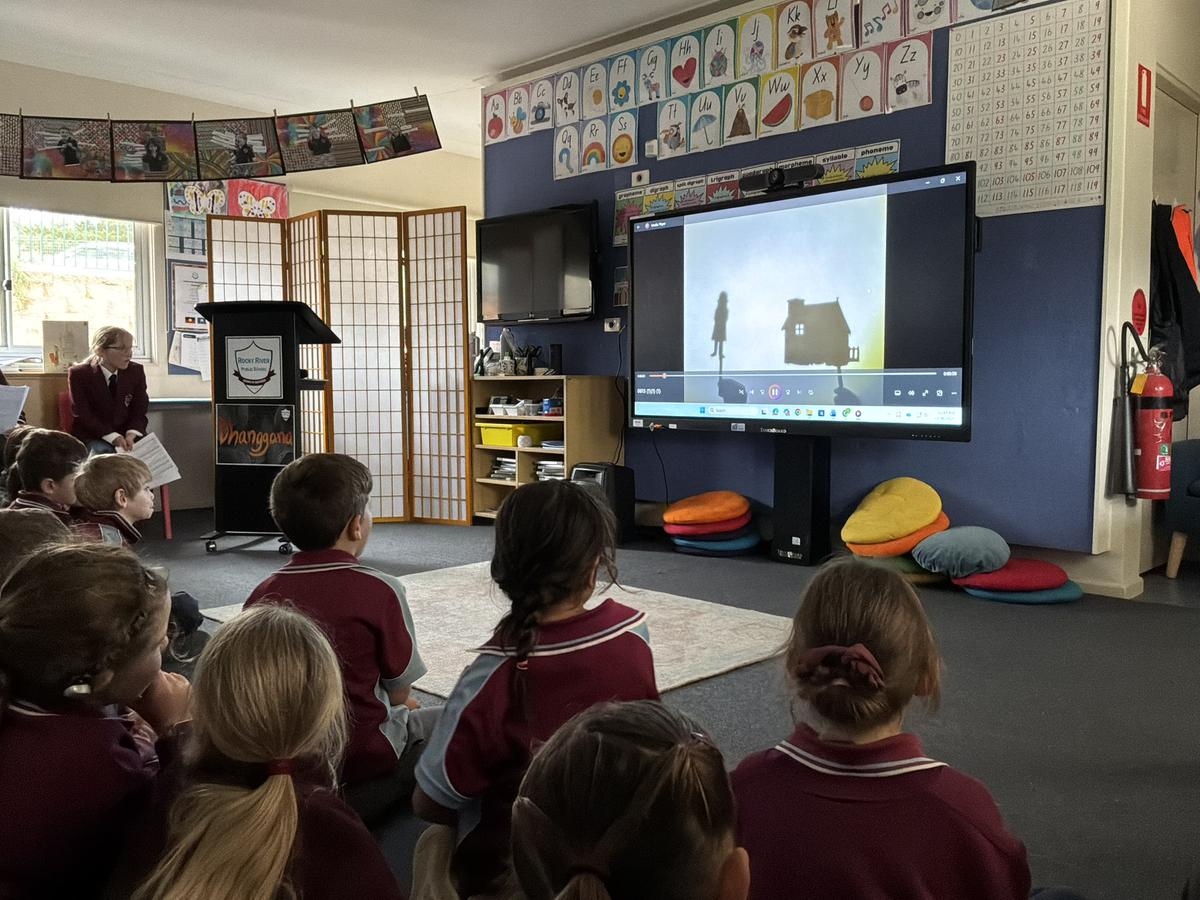
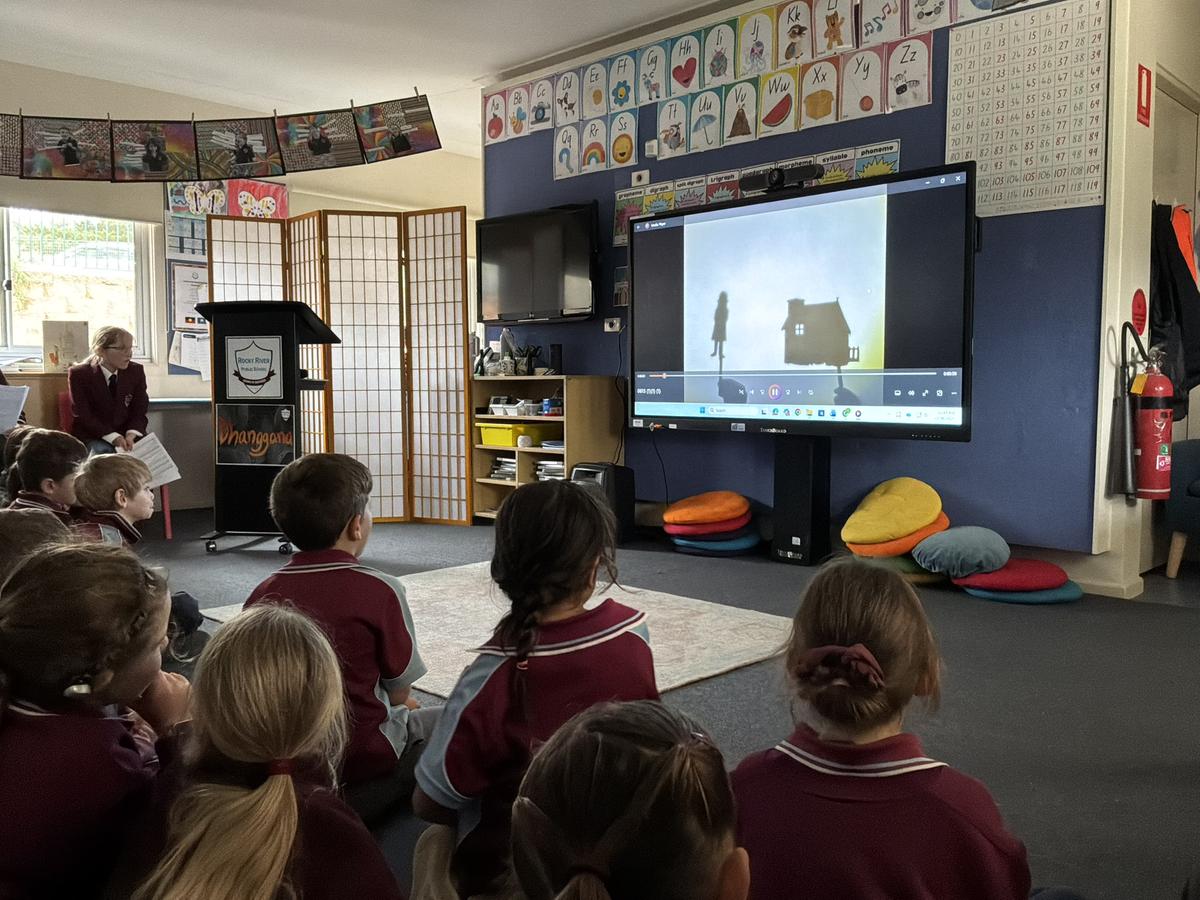
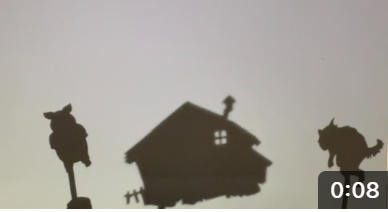
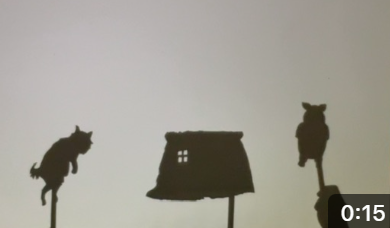
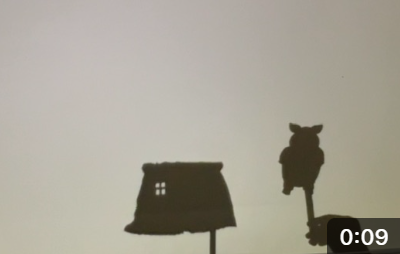
Our class really enjoyed reading these books and decided to create our own wordless stories. We chose classic tales—The Three Little Pigs and Goldilocks and the Three Bears—and brought them to life using shadow puppets. We recorded our puppet plays and proudly presented them at our recent school assembly.
It was a lot of fun for the students, and we were thrilled that everyone in the audience could easily identify the stories just by watching the shadow performances!
Stage 2 English | Kokeshi Dolls (Sadako)
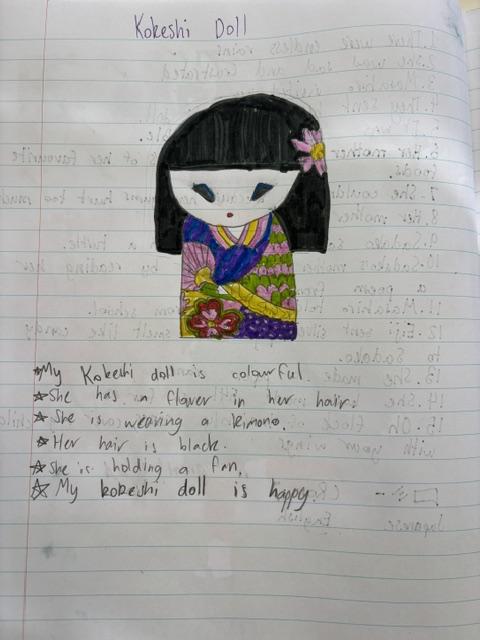
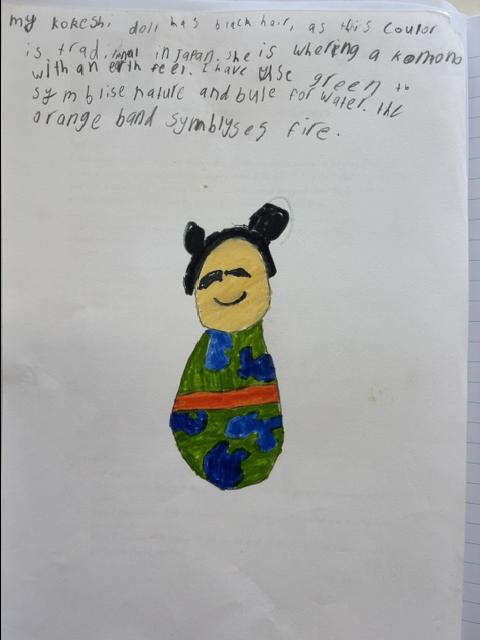
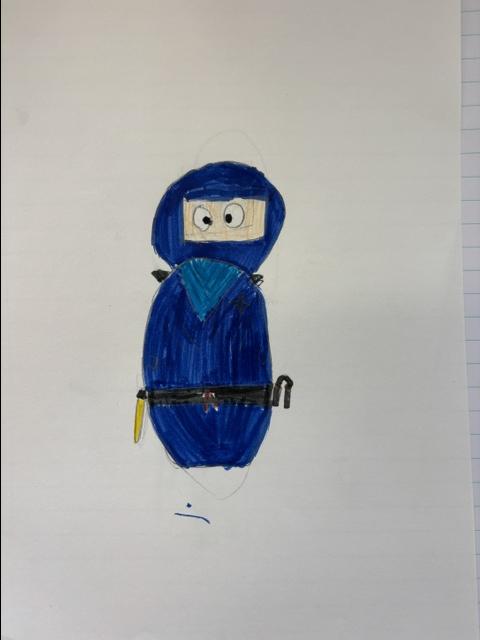
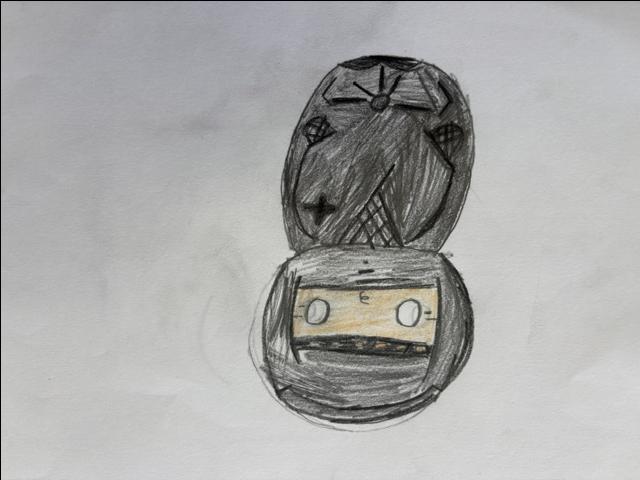
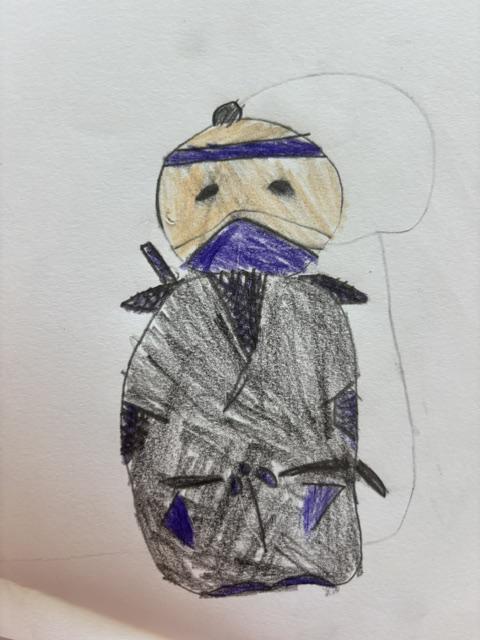
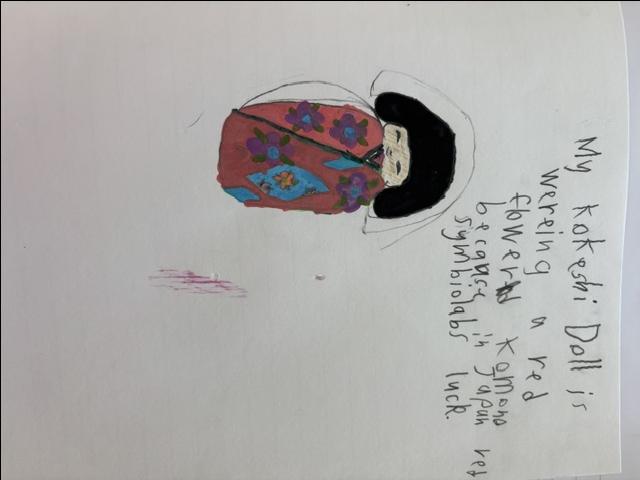
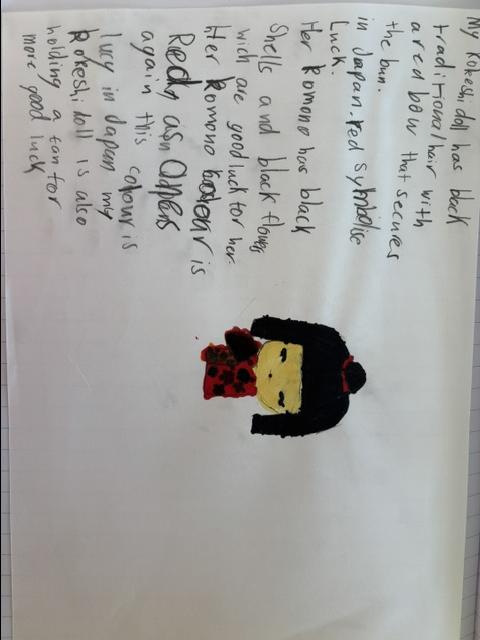
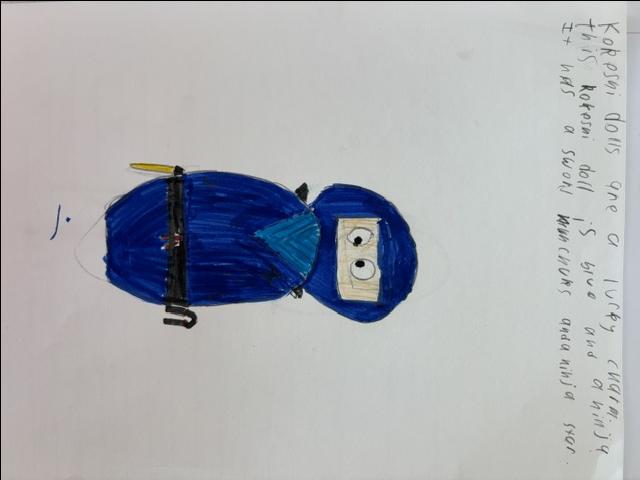
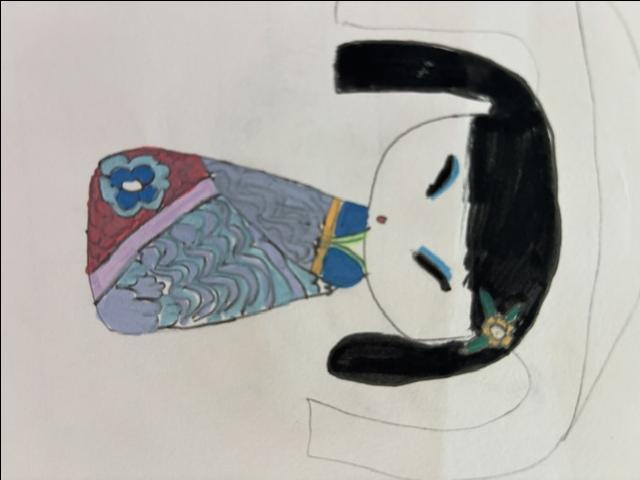
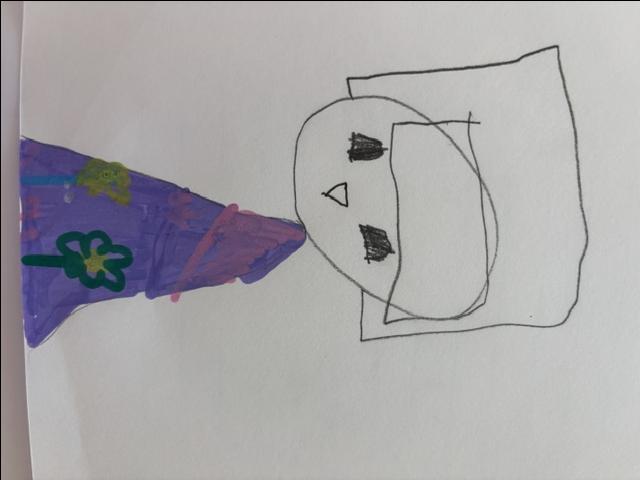
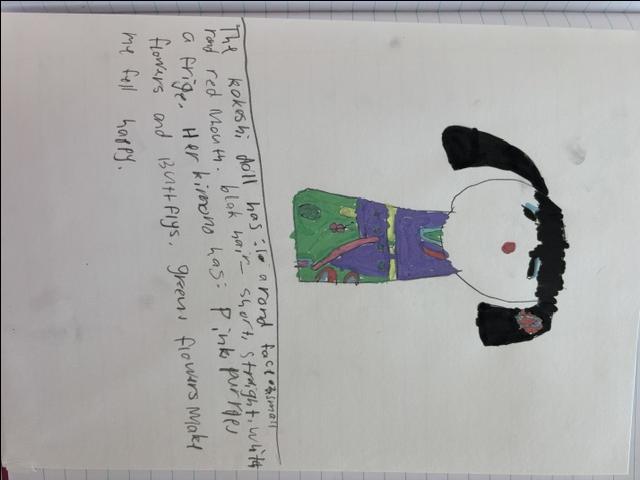
Recently, students engaged in a thoughtful art and writing activity inspired by Sadako and her Kokeshi doll. They began by carefully observing pictures of traditional Japanese Kokeshi dolls, noticing their distinct shapes and vivid colours. Then, each student sketched their own Kokeshi doll, incorporating symbols or colours that brought them luck and held personal meaning. After colouring their drawings neatly, students wrote descriptive paragraphs about their dolls, explaining their chosen colours, designs, and the feelings or significance behind them. This creative and reflective activity helped students practise observation, description, and writing skills while expressing themselves through art.
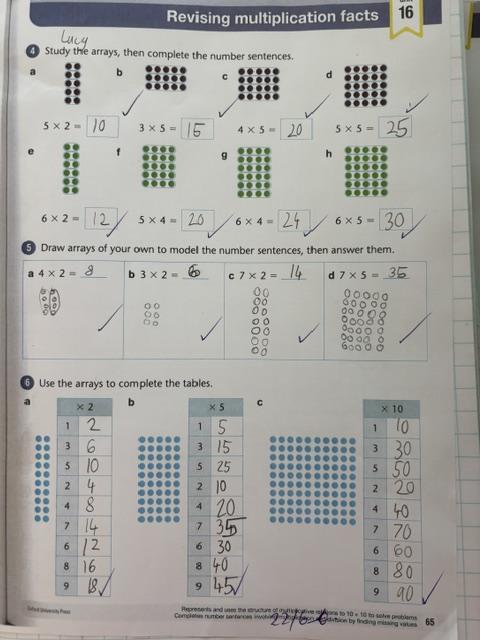
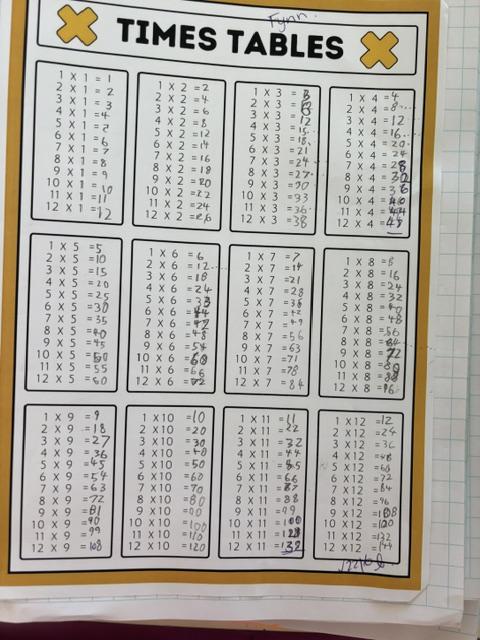
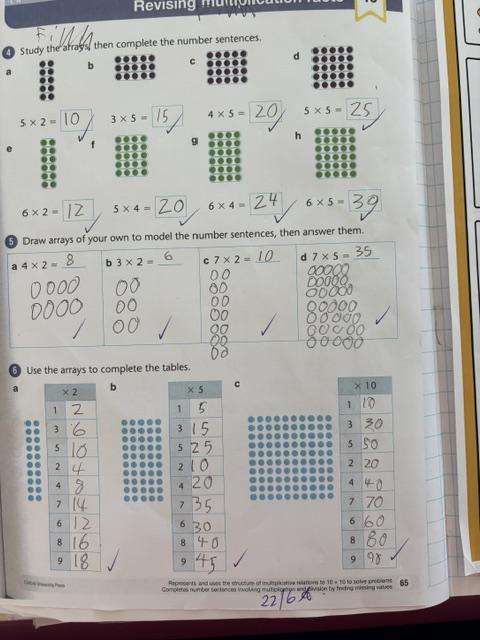
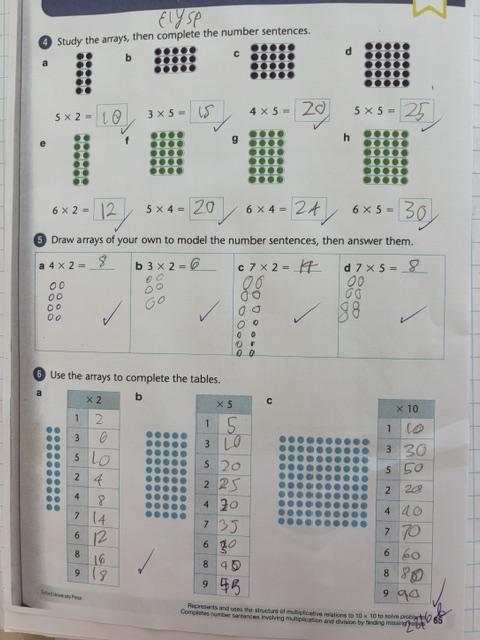
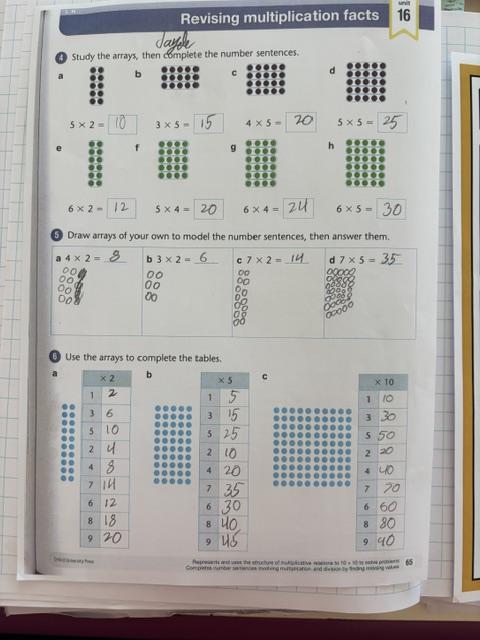
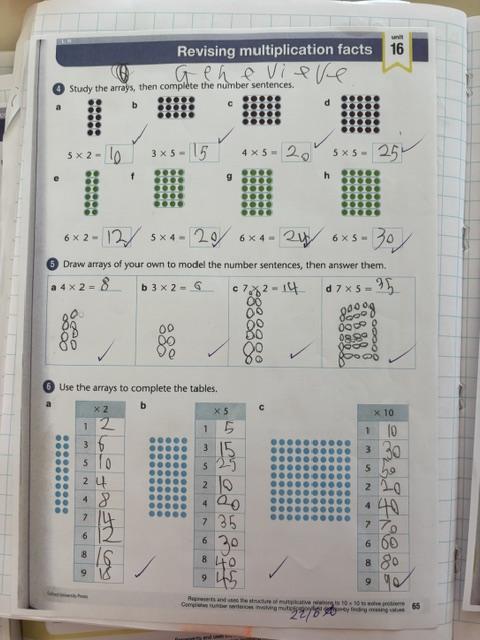
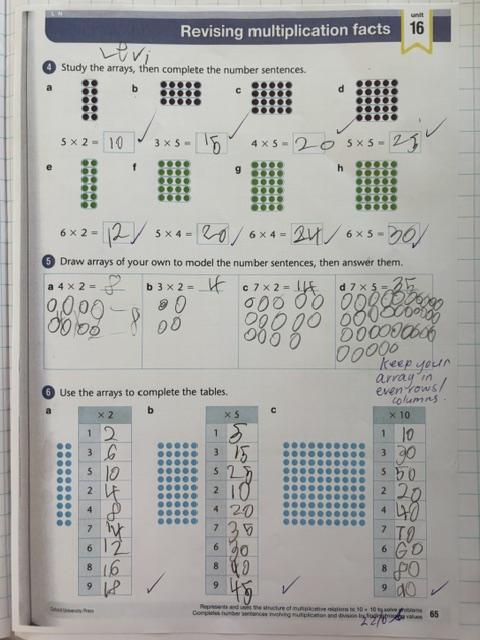
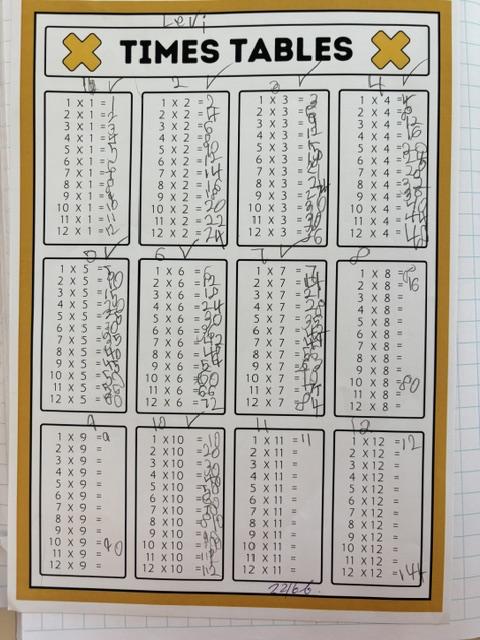
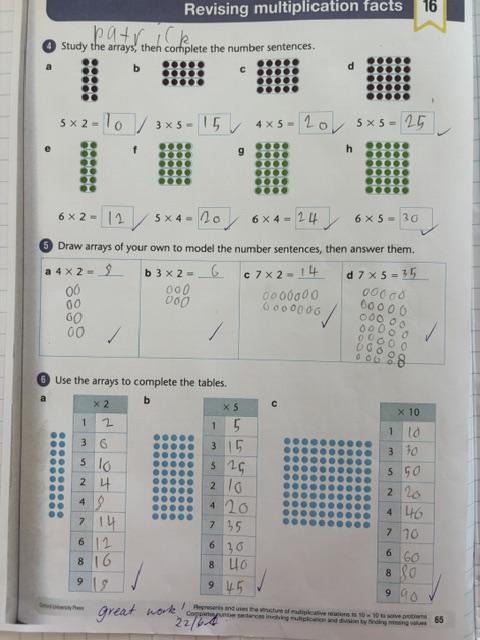
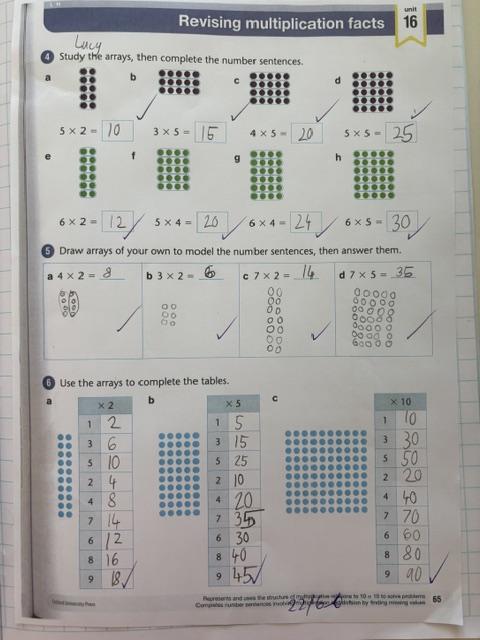
Stage 2 Mathematics | Multiplication and Division
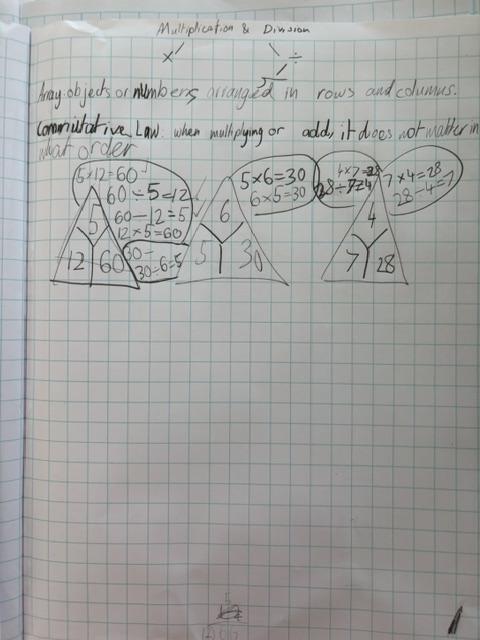
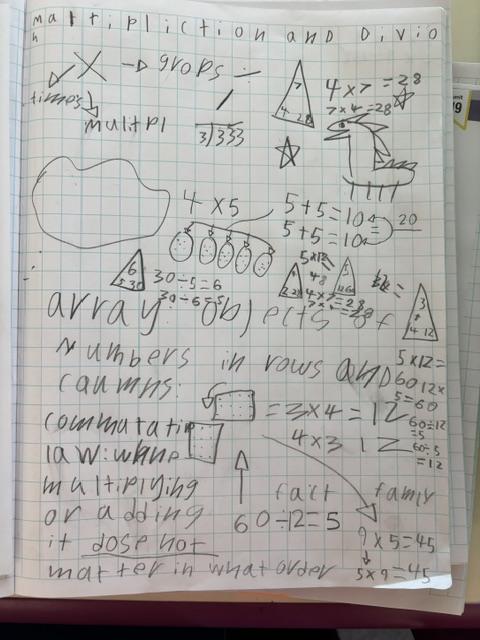
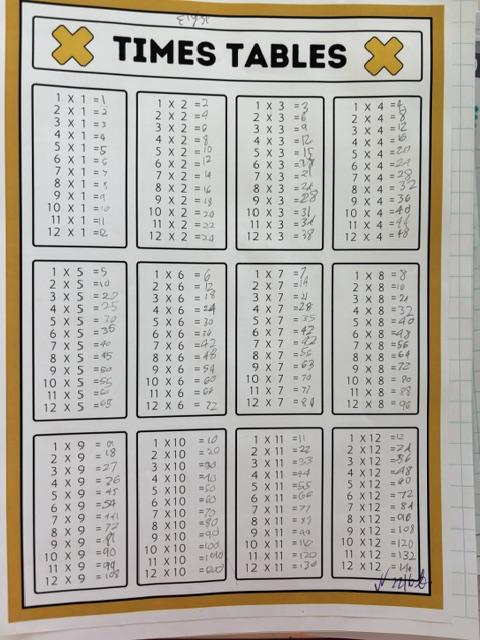
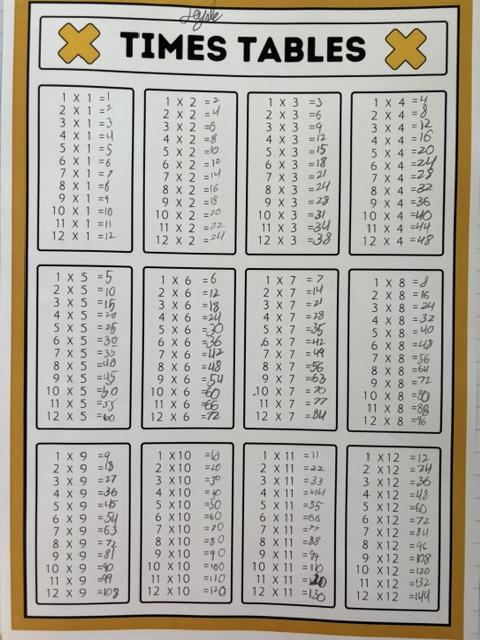
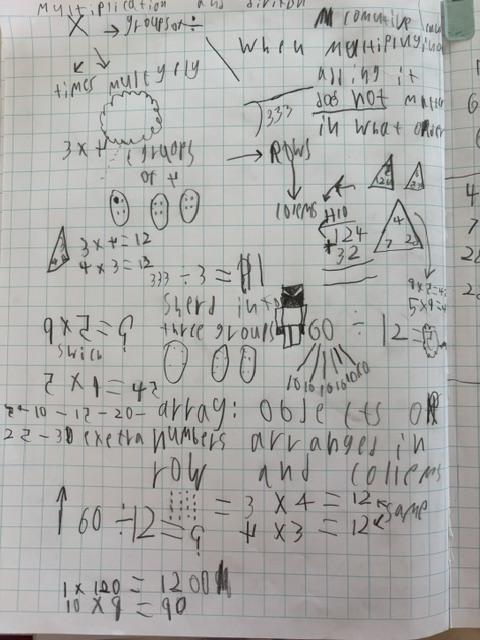
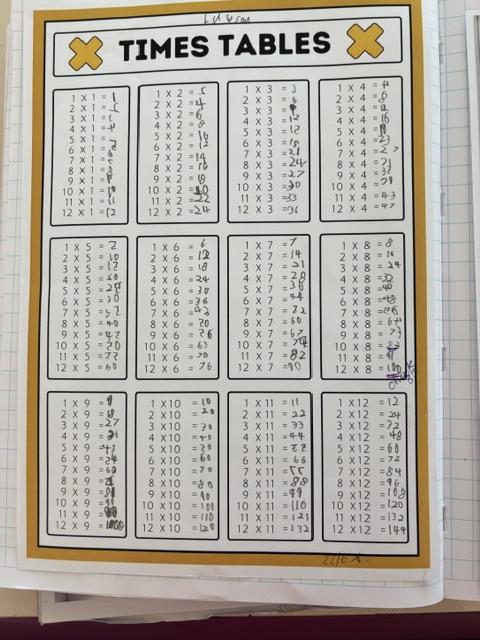
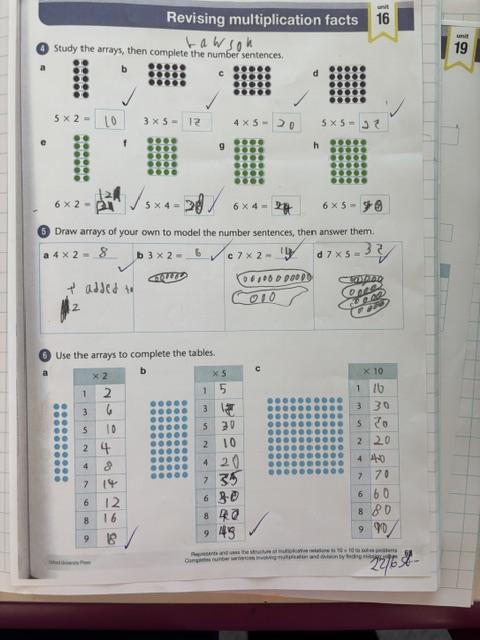
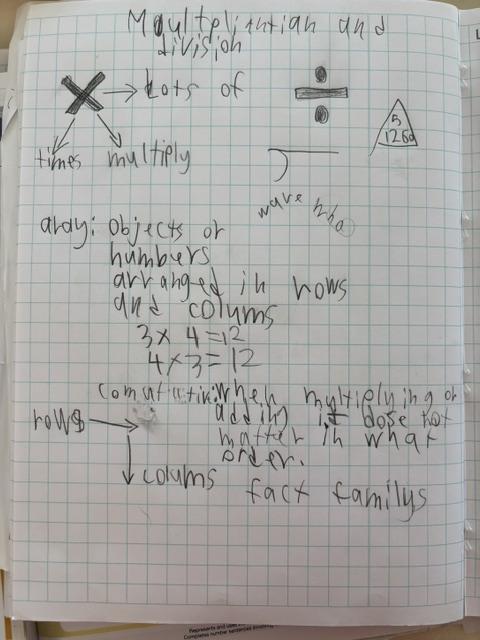
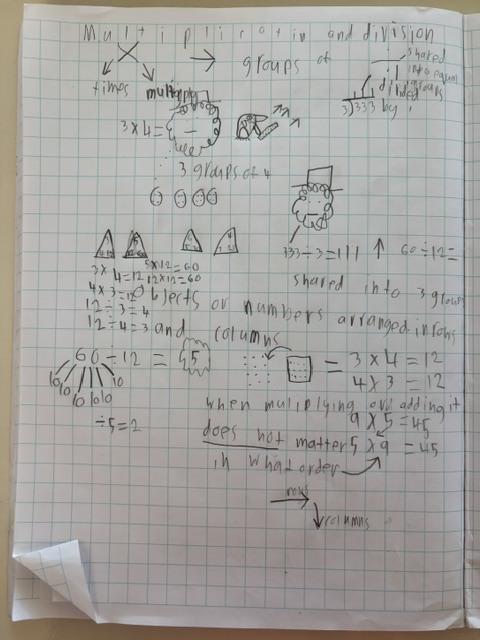
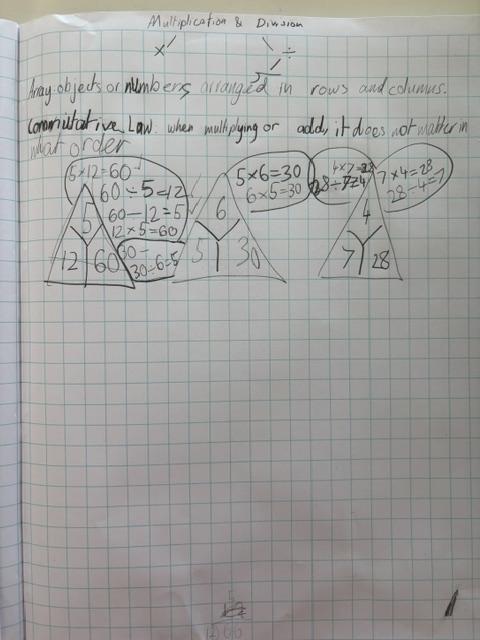
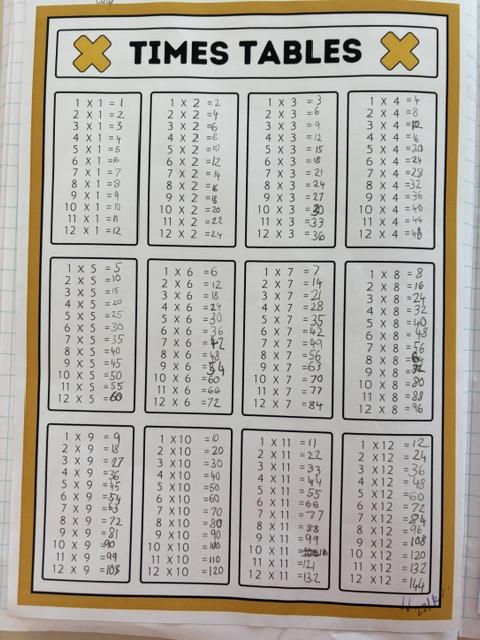
This week, students explored the topic of multiplication and division through an engaging and hands-on learning session. We started by identifying and defining key vocabulary; such as commutative property, array, product, multiple, and fact families. Together, we brainstormed synonyms and built clear definitions for both multiplication (repeated addition) and division (sharing into equal groups).
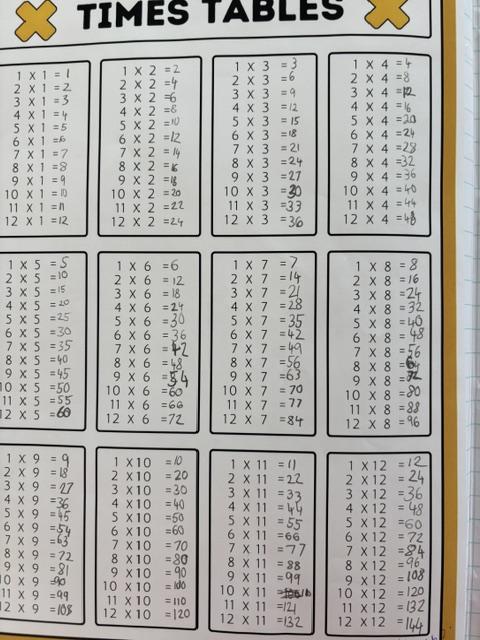
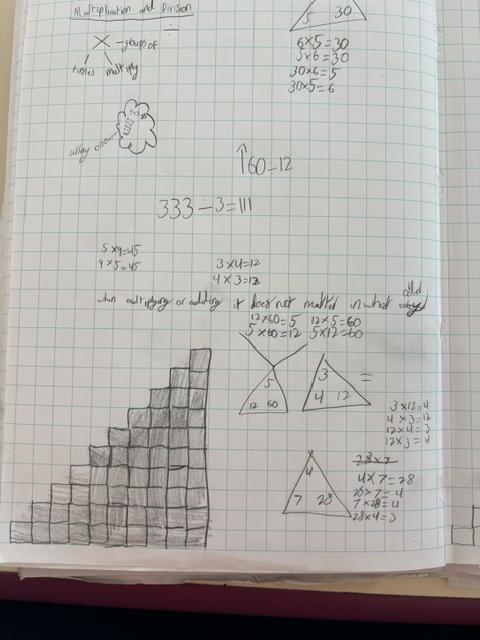
Students learned useful hints and tricks for working with times tables, including adding a zero when multiplying by 10, repeating the digit when multiplying by 11, and spotting interesting patterns in the 9 times table (for example, 5 x 9 = 45 and 6 x 9 = 54). We also discussed how swapping numbers shows the commutative property—multiplication can be done in any order, but division cannot. To help with the 9 times tables, students practised the “finger trick," placing a finger down to see the tens and ones to the left and right of the finger, helping visualise the answer.
We further expanded our understanding by exploring fact families. Using multiplication triangles, students created sets of four related facts, such as:
- 3 x 4 = 12
- 4 x 3 = 12
- 12 ÷ 3 = 4
- 12 ÷ 4 = 3
This activity demonstrated how numbers are connected and how flexible our thinking can be with multiplication and division. Through discussion, hands-on activities, and explicit vocabulary work, students built strong foundations and deepened their mathematical reasoning. Our focus was not just on getting answers, but truly understanding the relationships and the construction of learning in Mathematics.
Upper Division - We Love Reading!
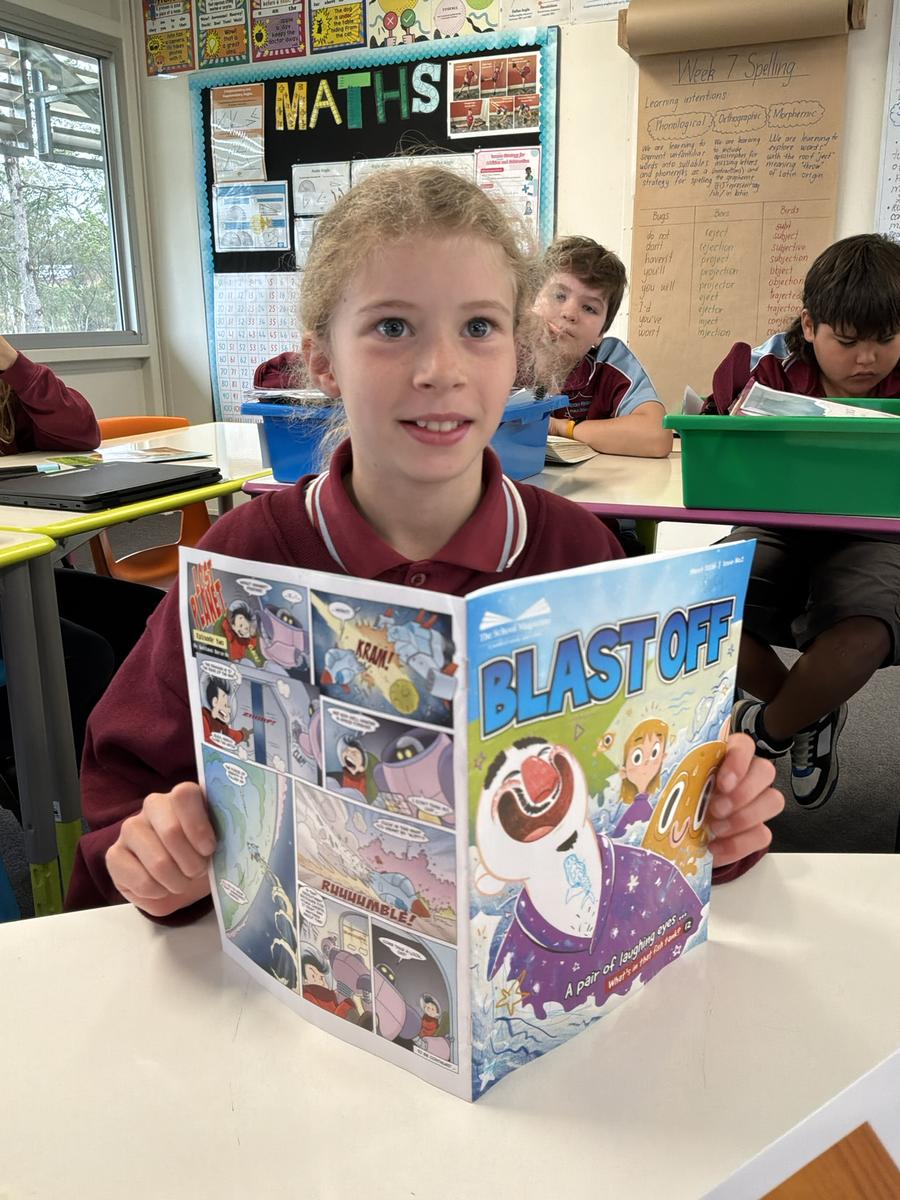
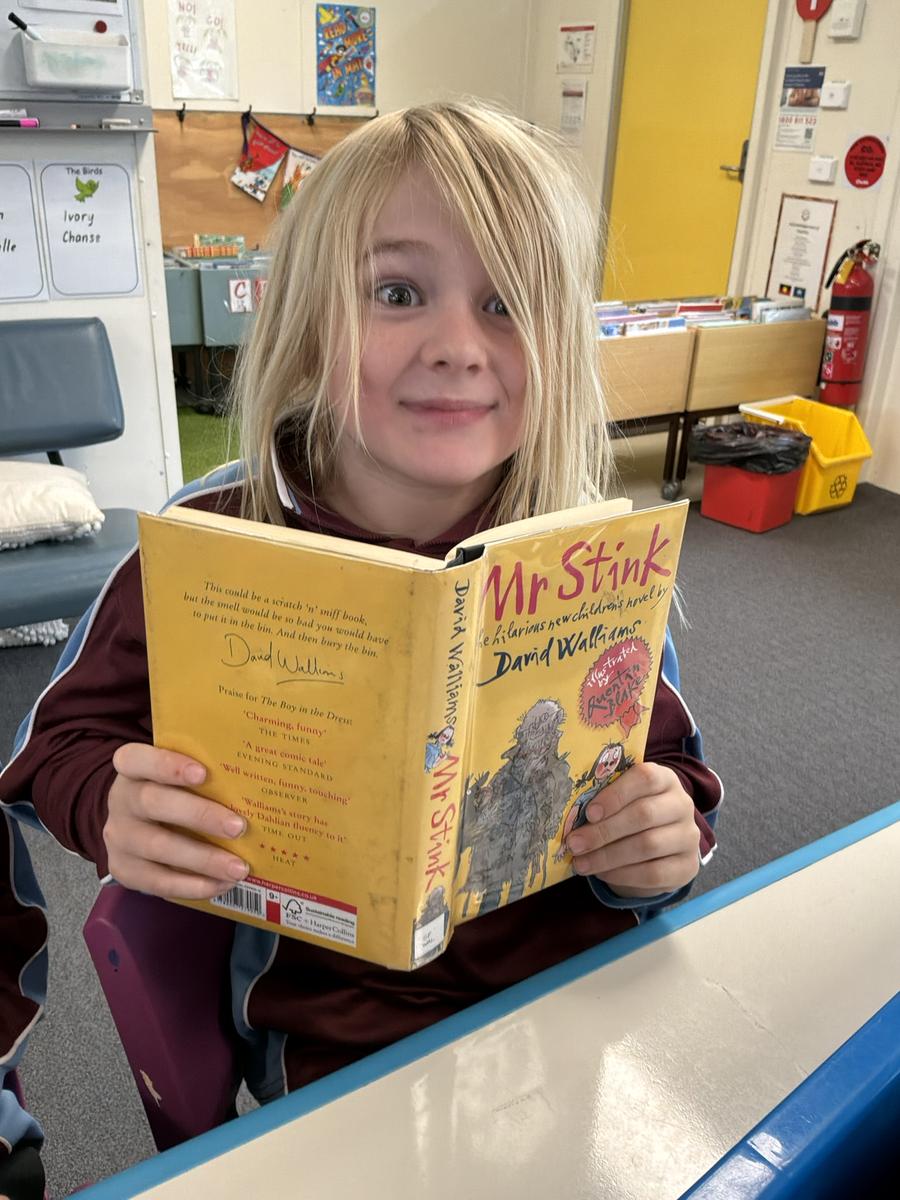
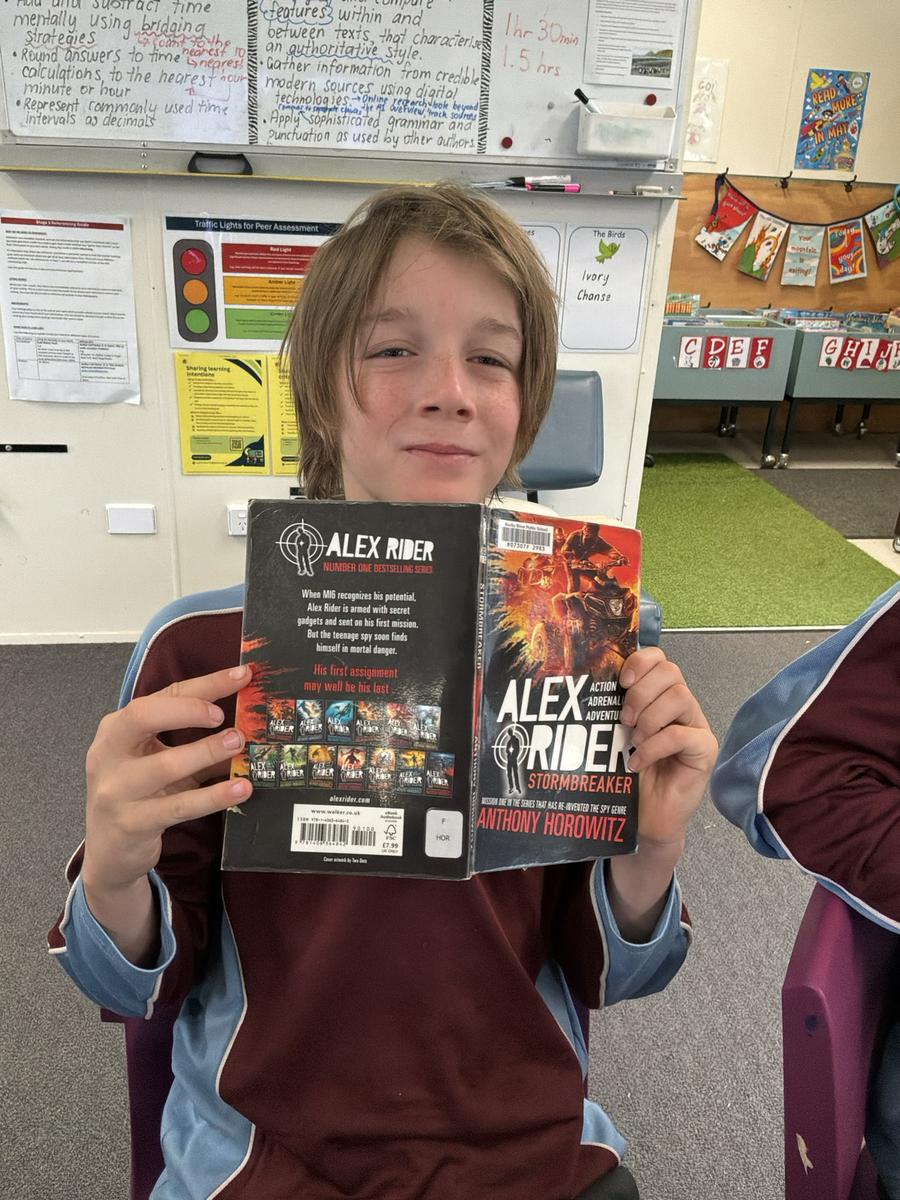
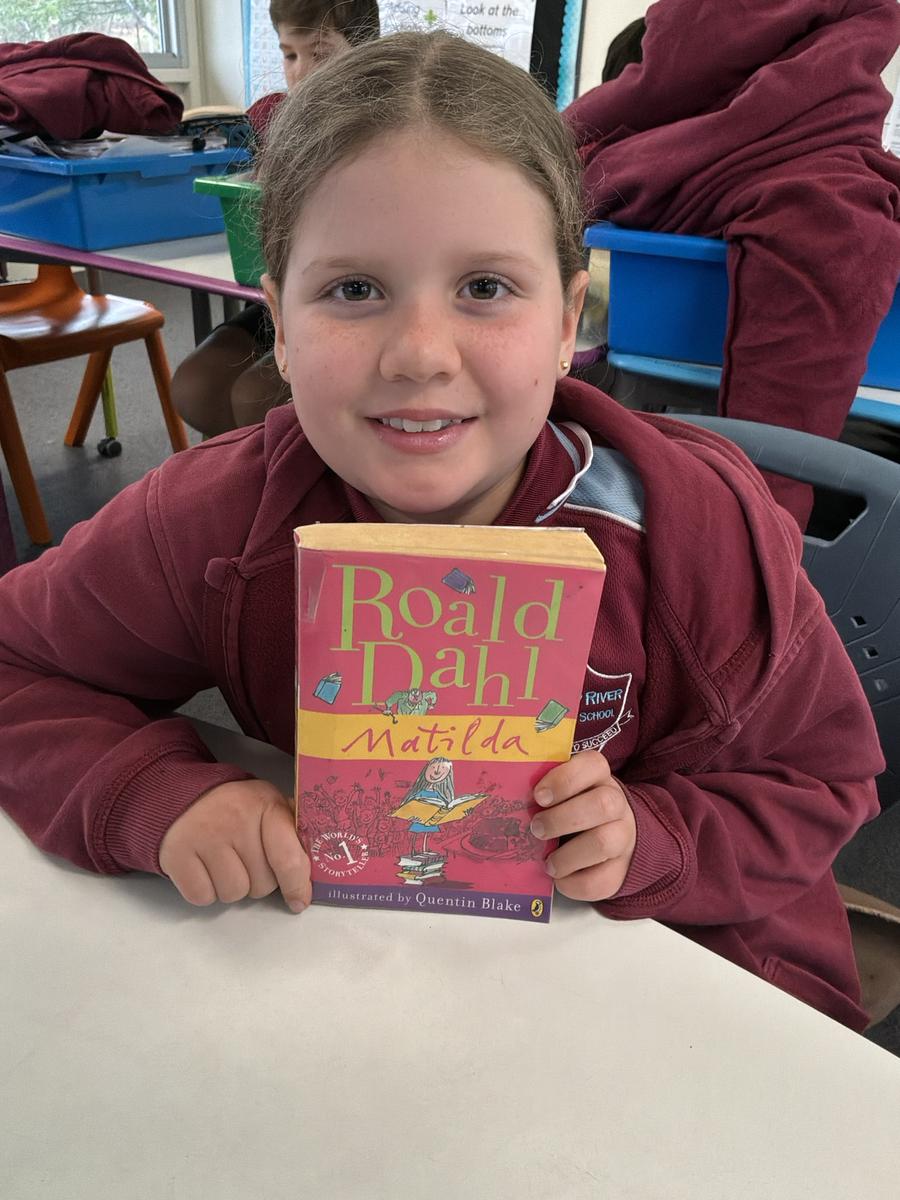
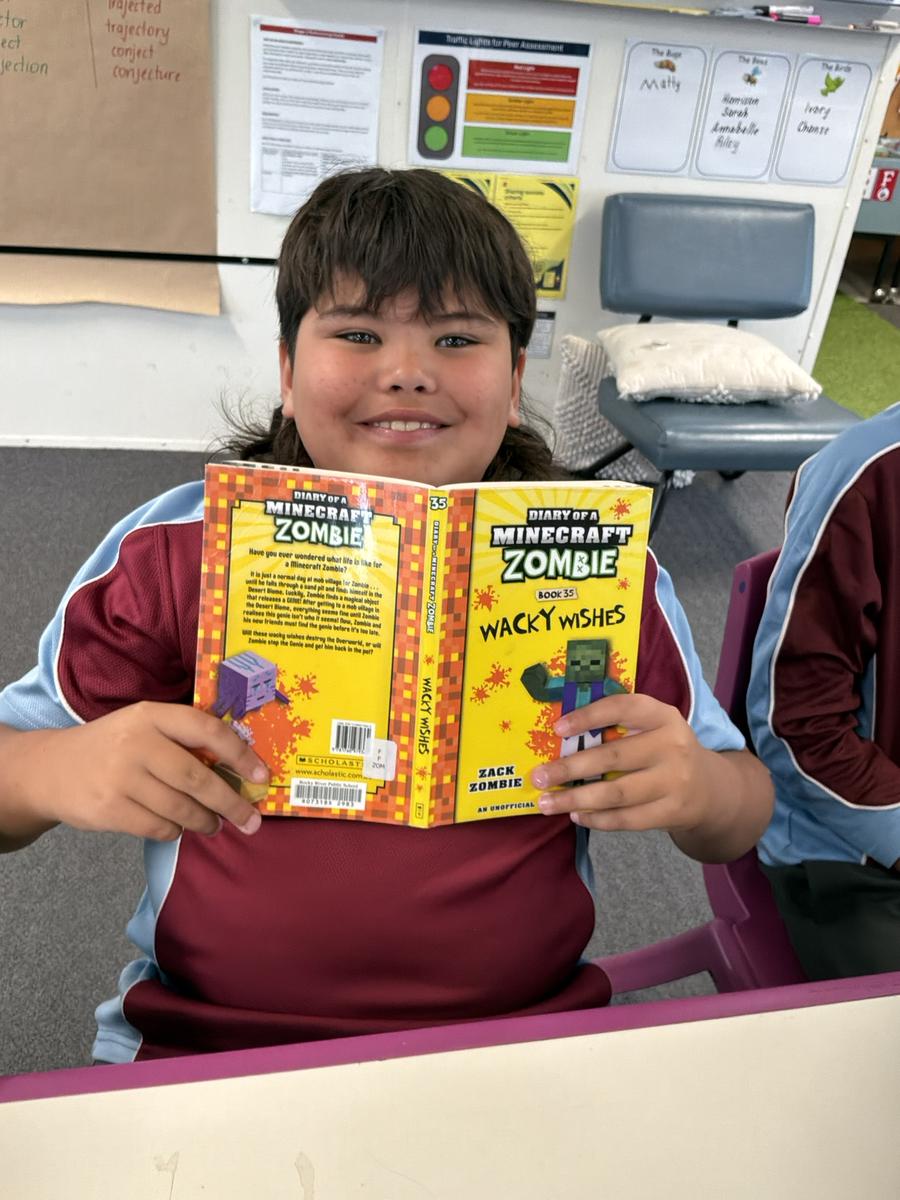
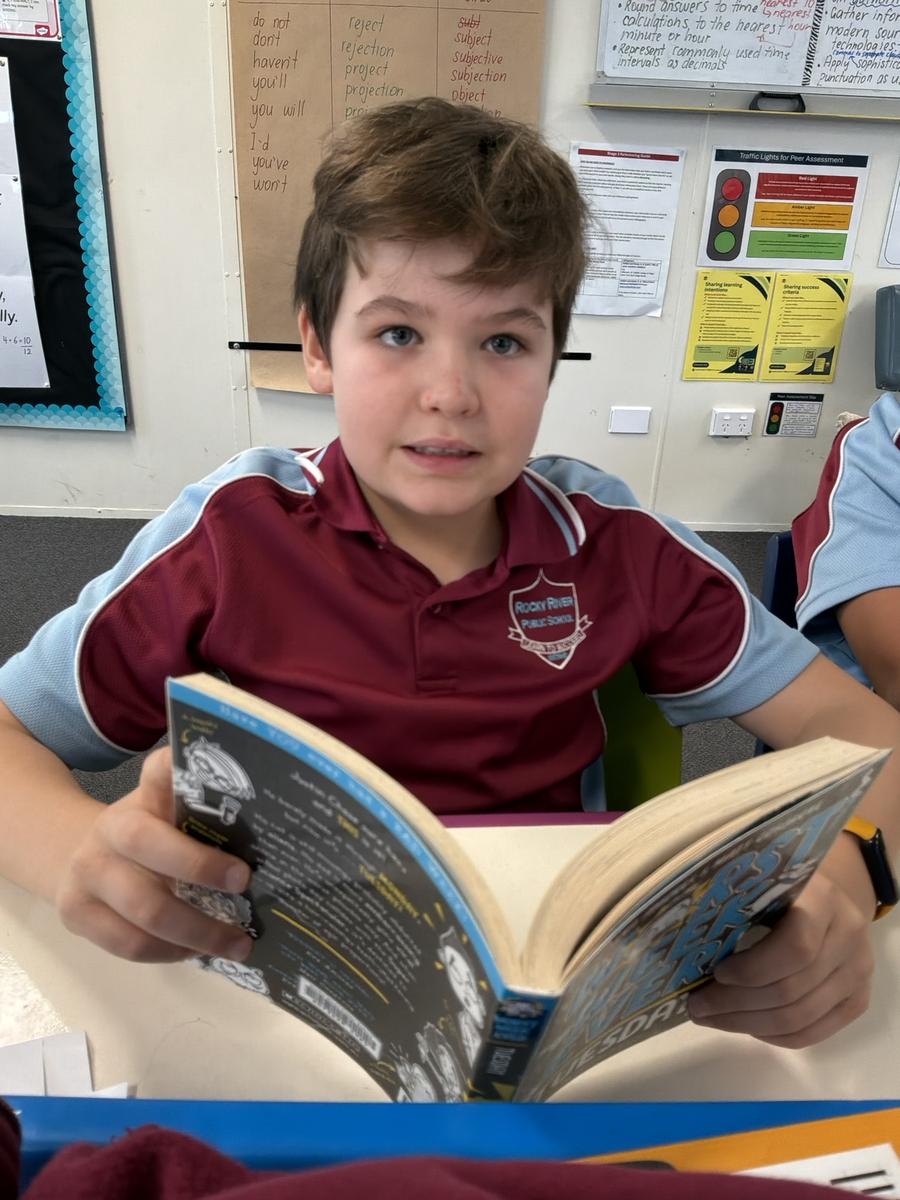
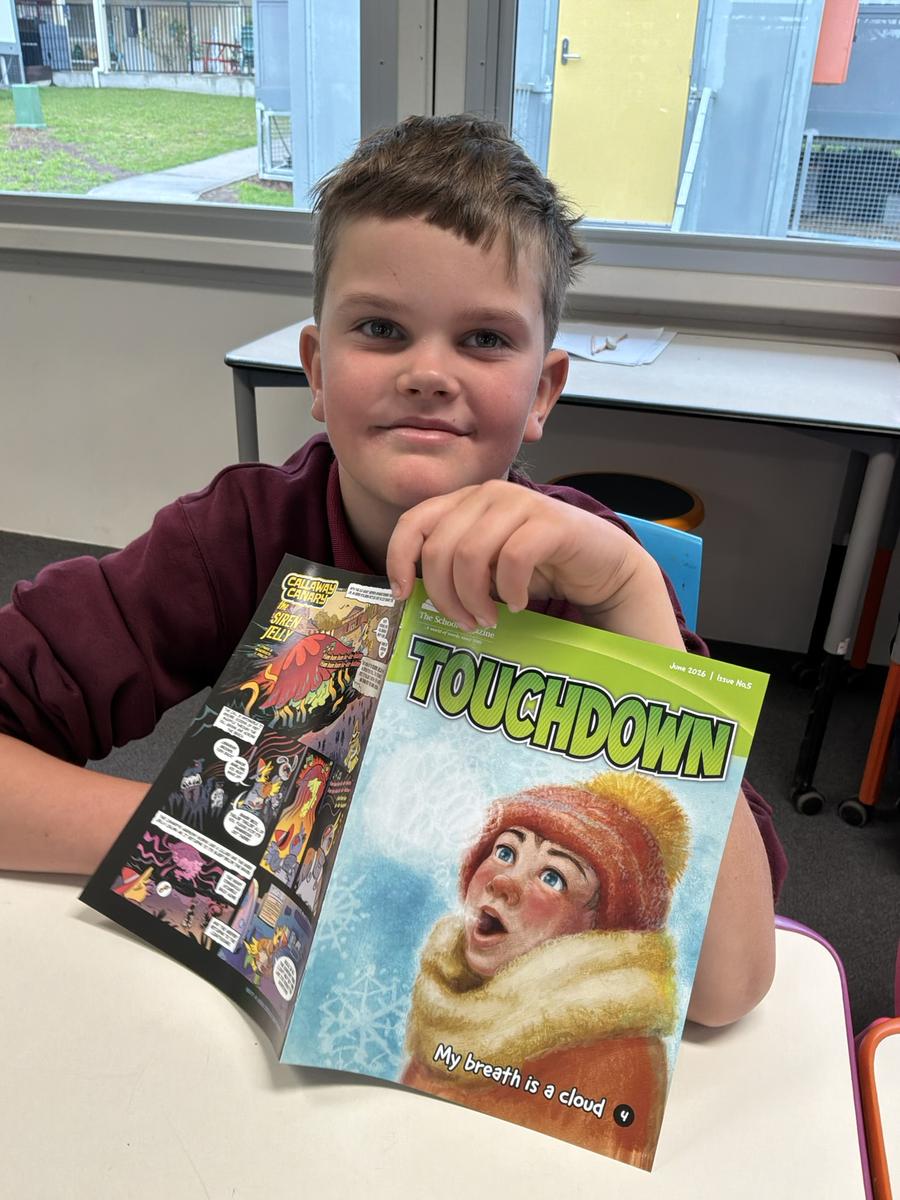
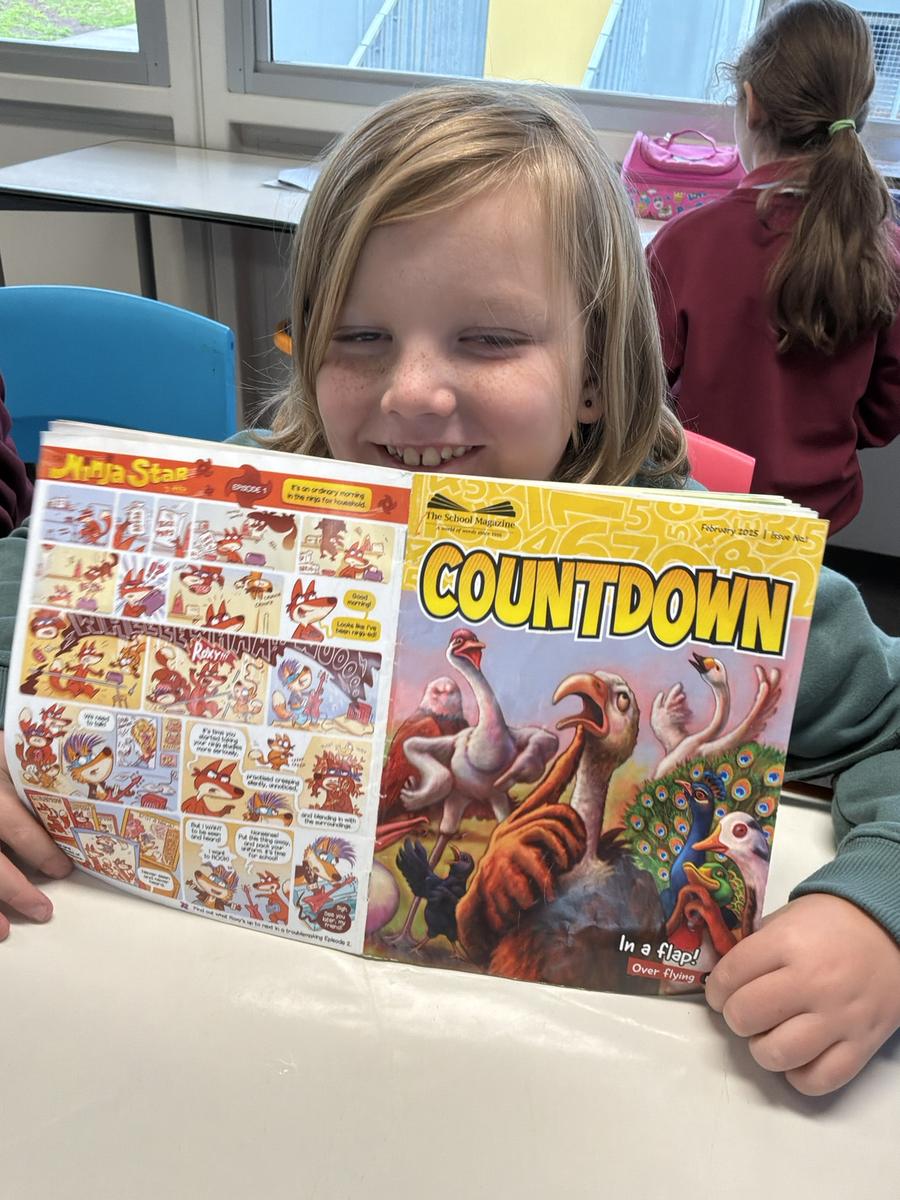
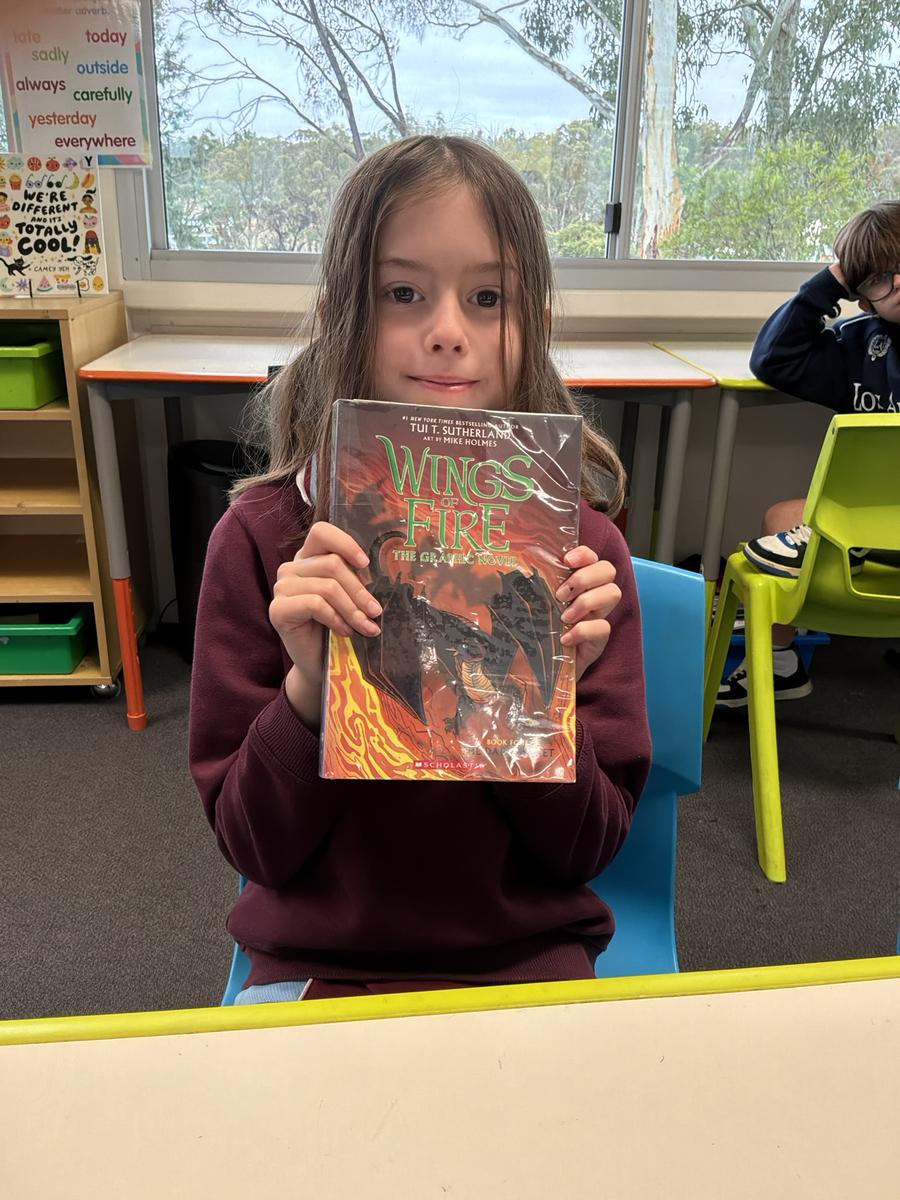
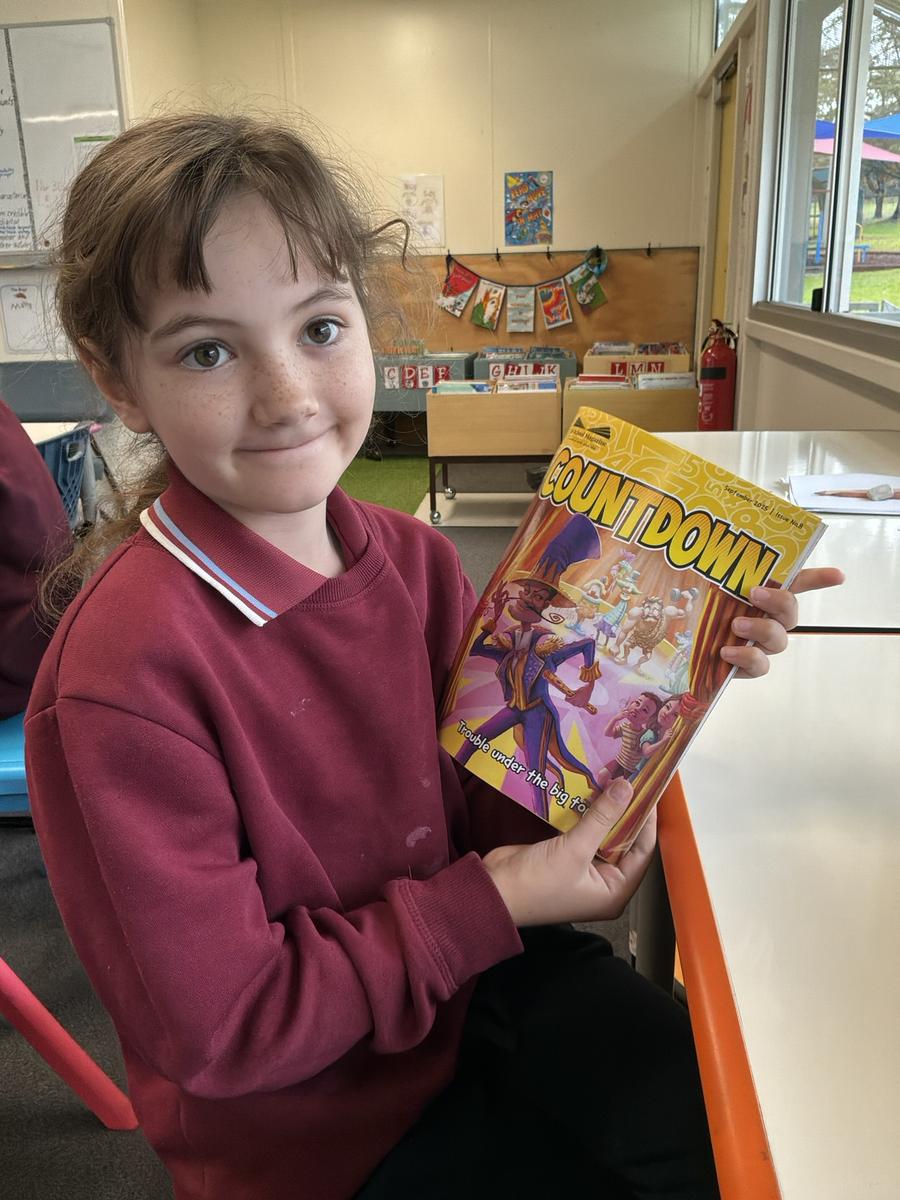
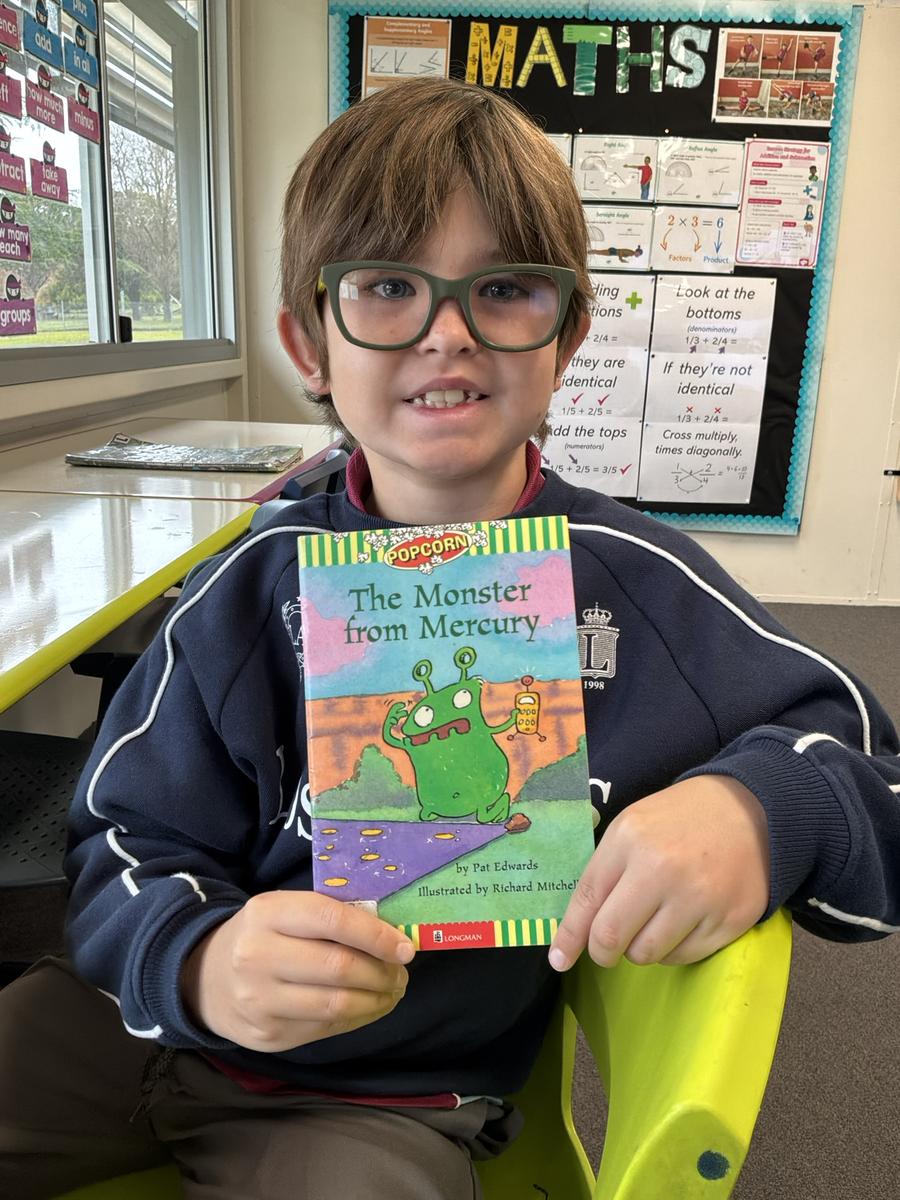
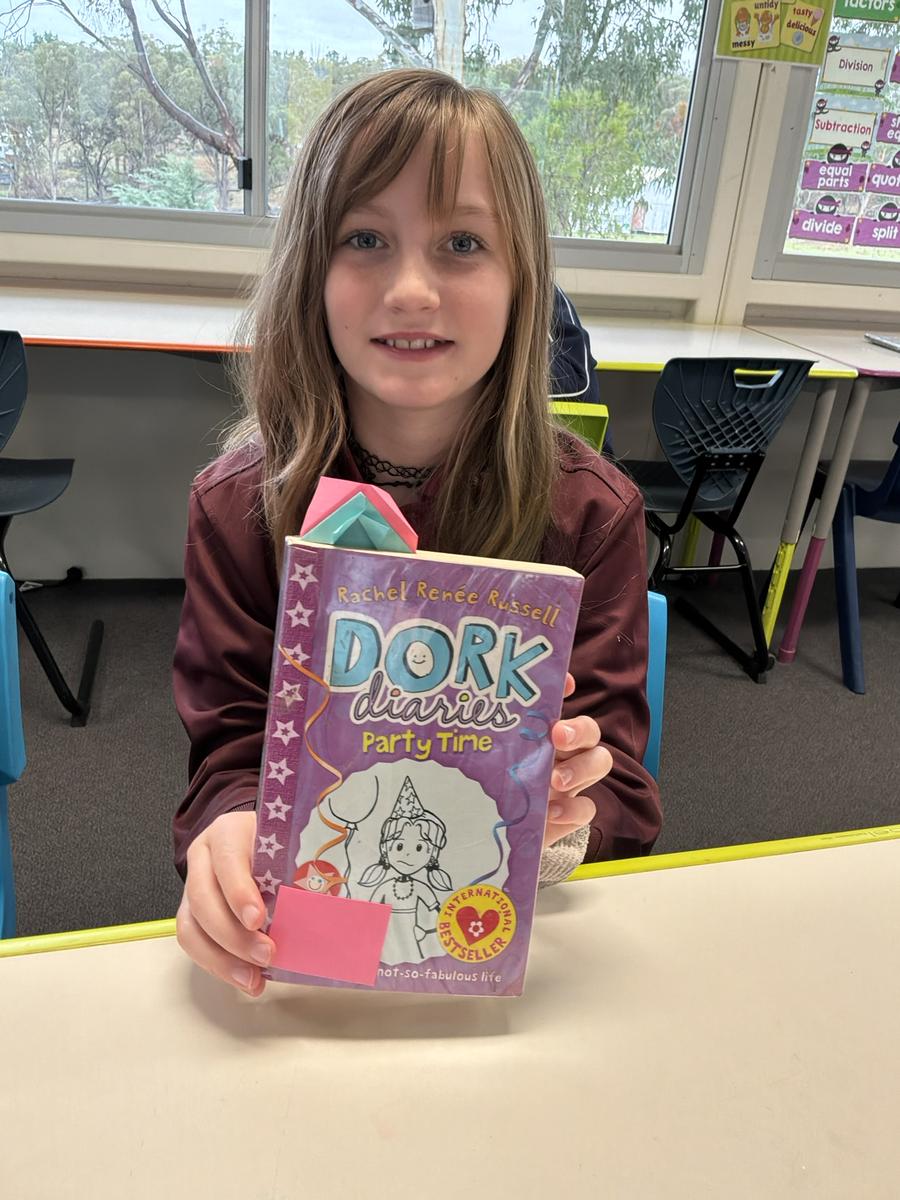
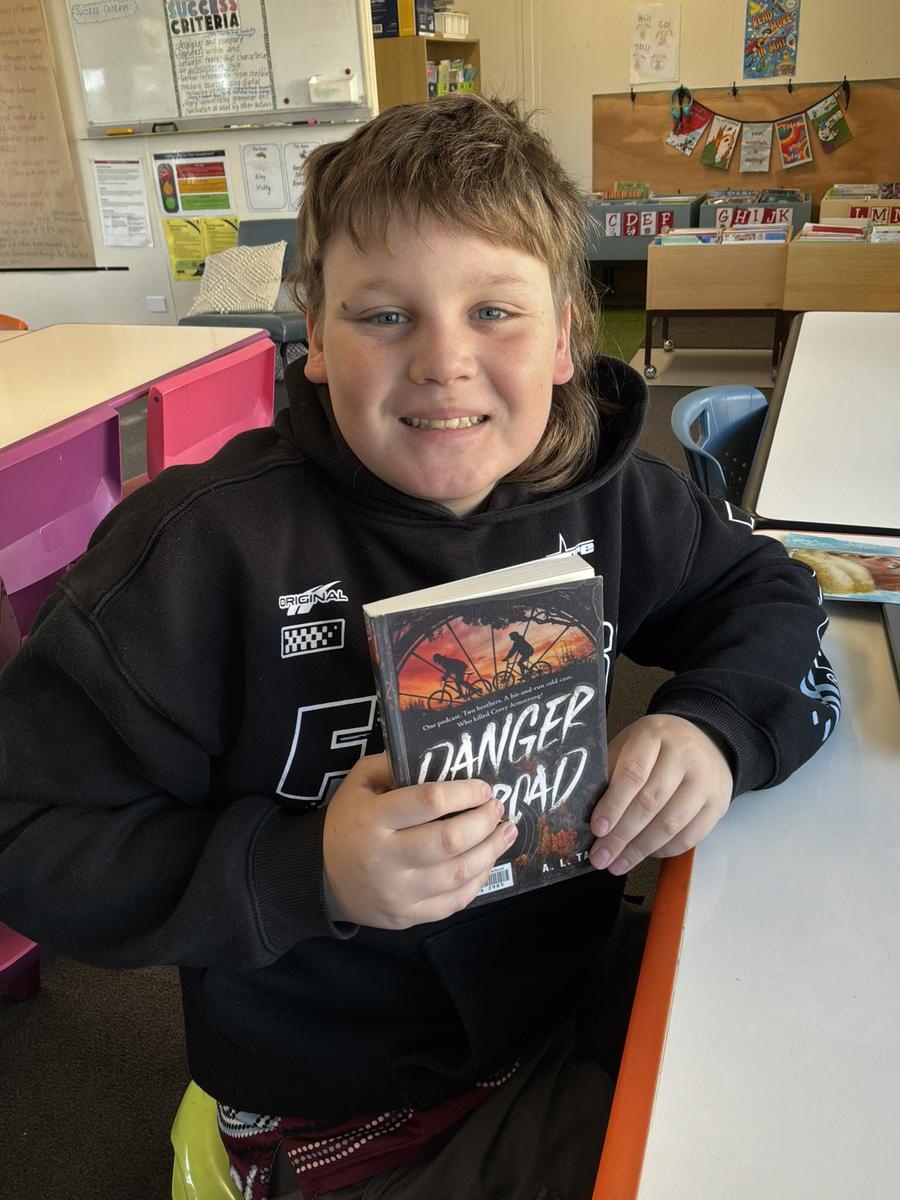
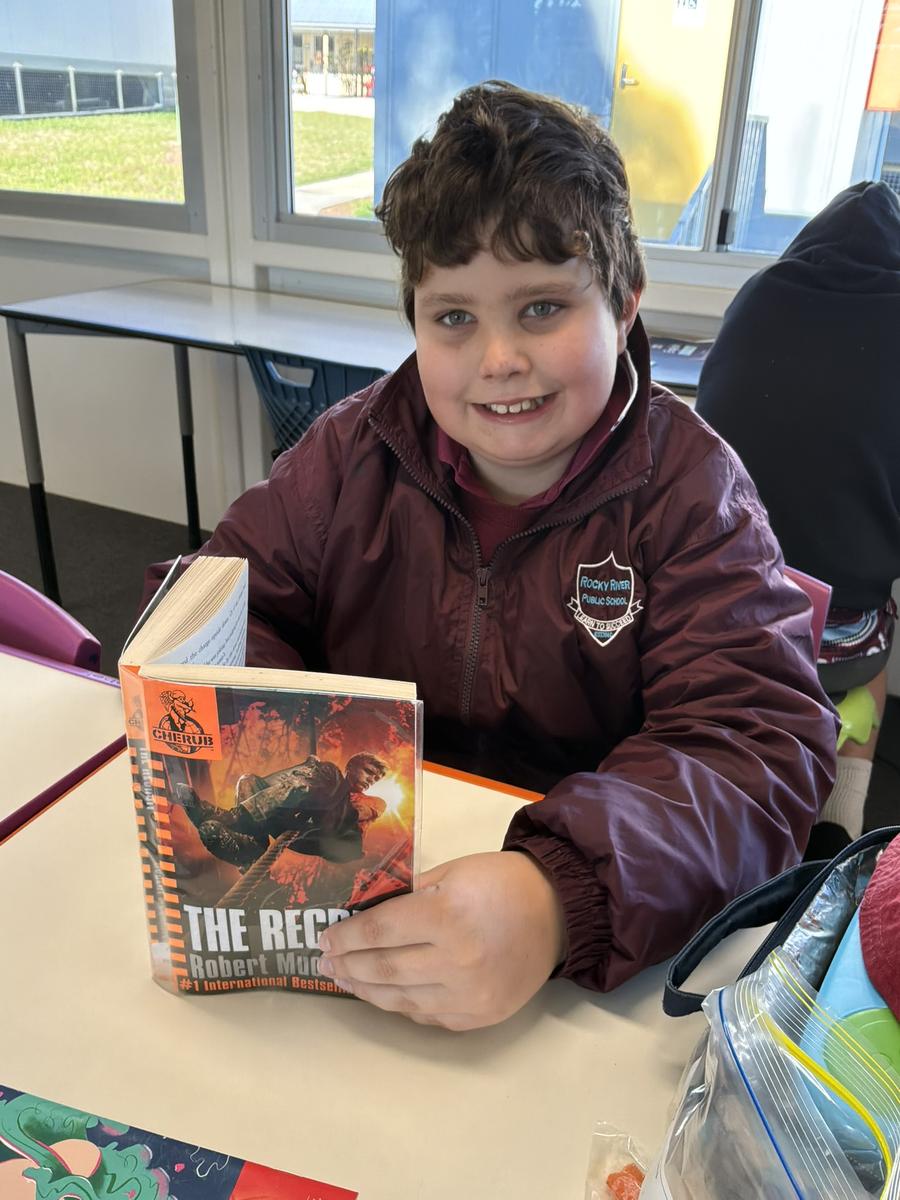
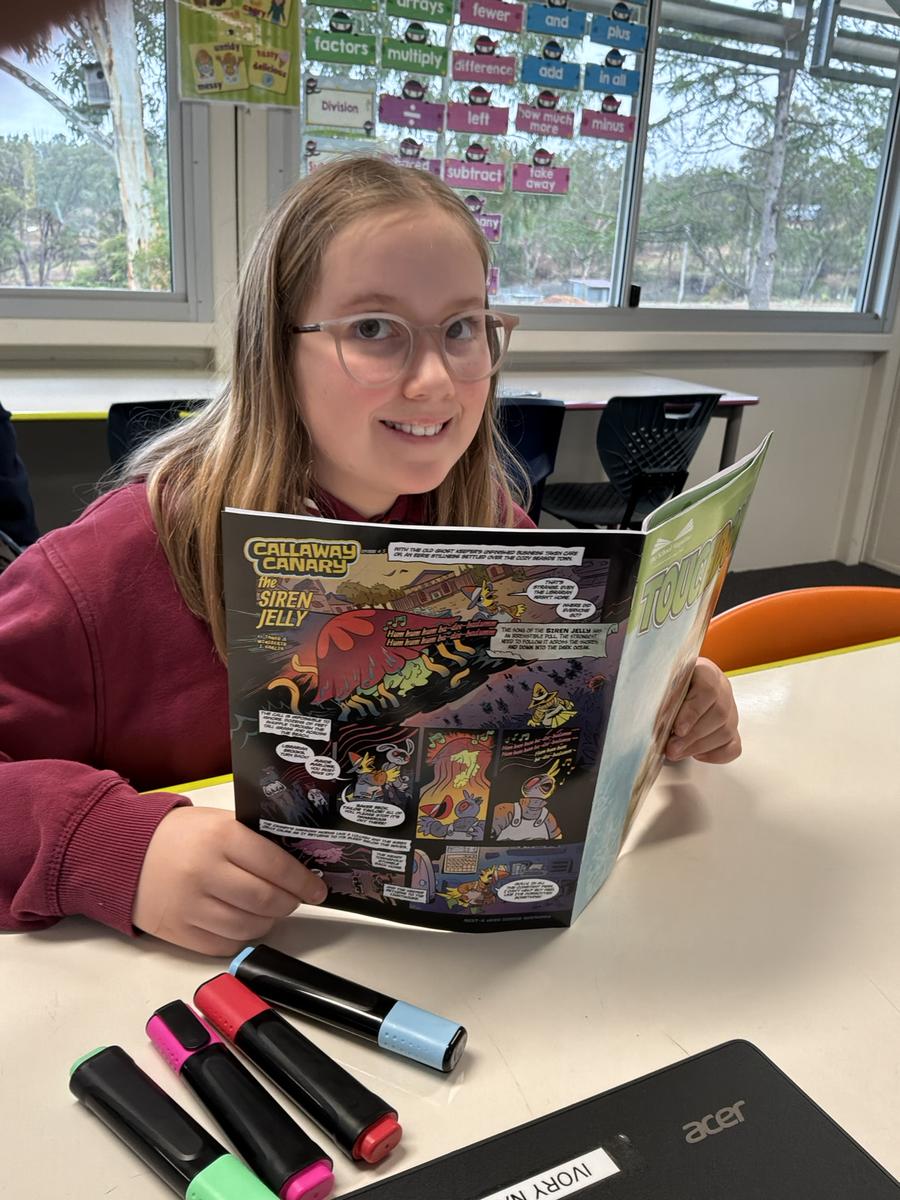
Encouraging our Years 3–6 students to read every day helps foster a lifelong love of learning, strengthens literacy skills, and expands their imagination. Daily reading not only boosts their comprehension and vocabulary, but also supports their academic growth across all subjects. We invite families to ask their children about the books they are currently enjoying; exploring these titles together is a wonderful way to share in their reading journey and celebrate their progress.
Stage 3 English
News Report Video - Macquarie Island
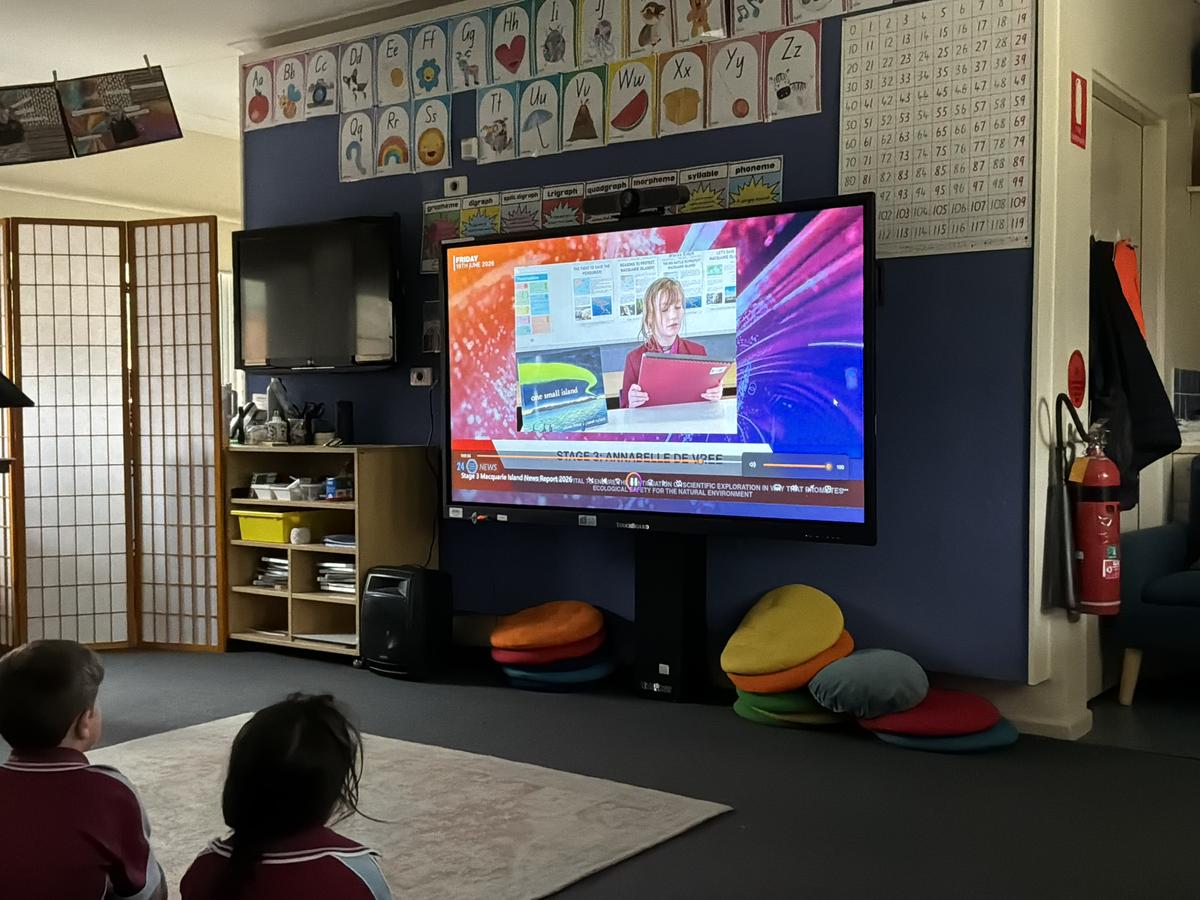
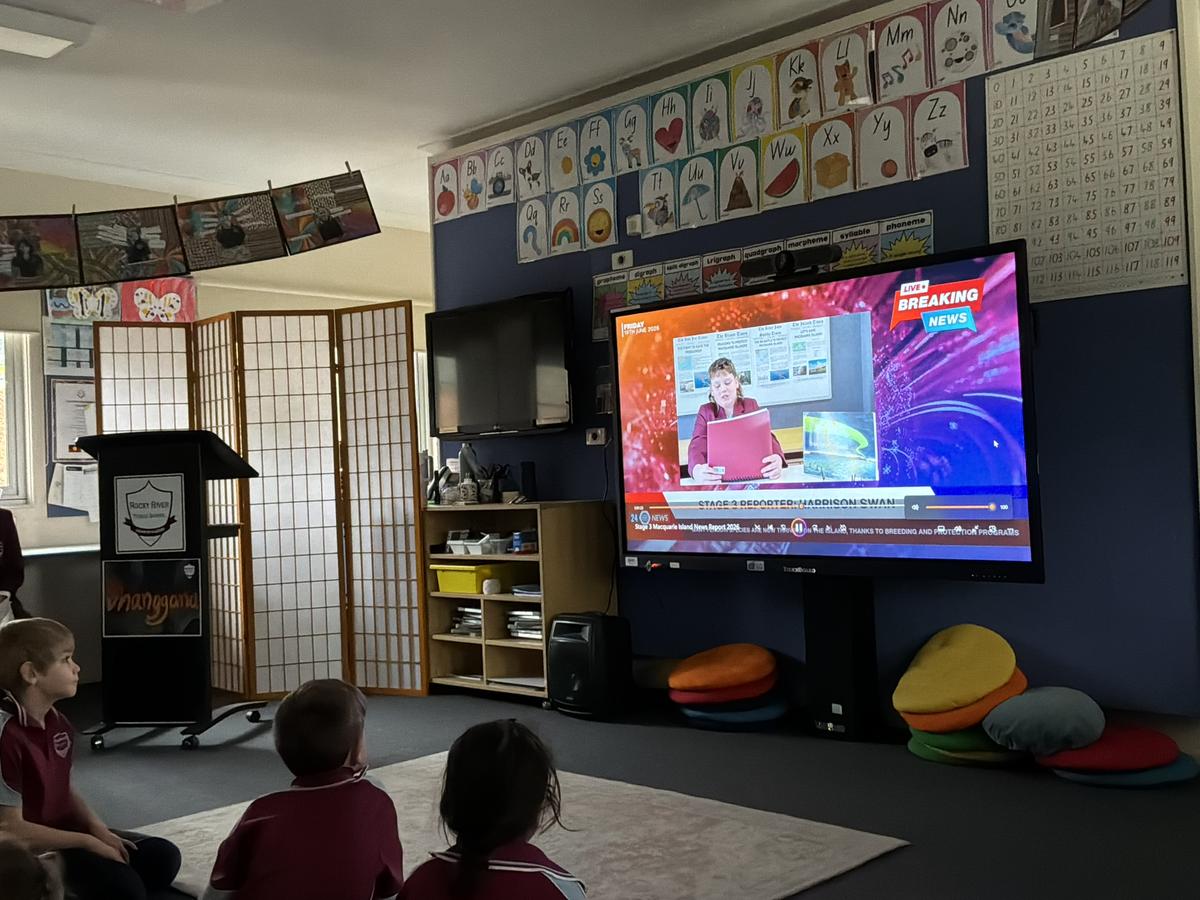
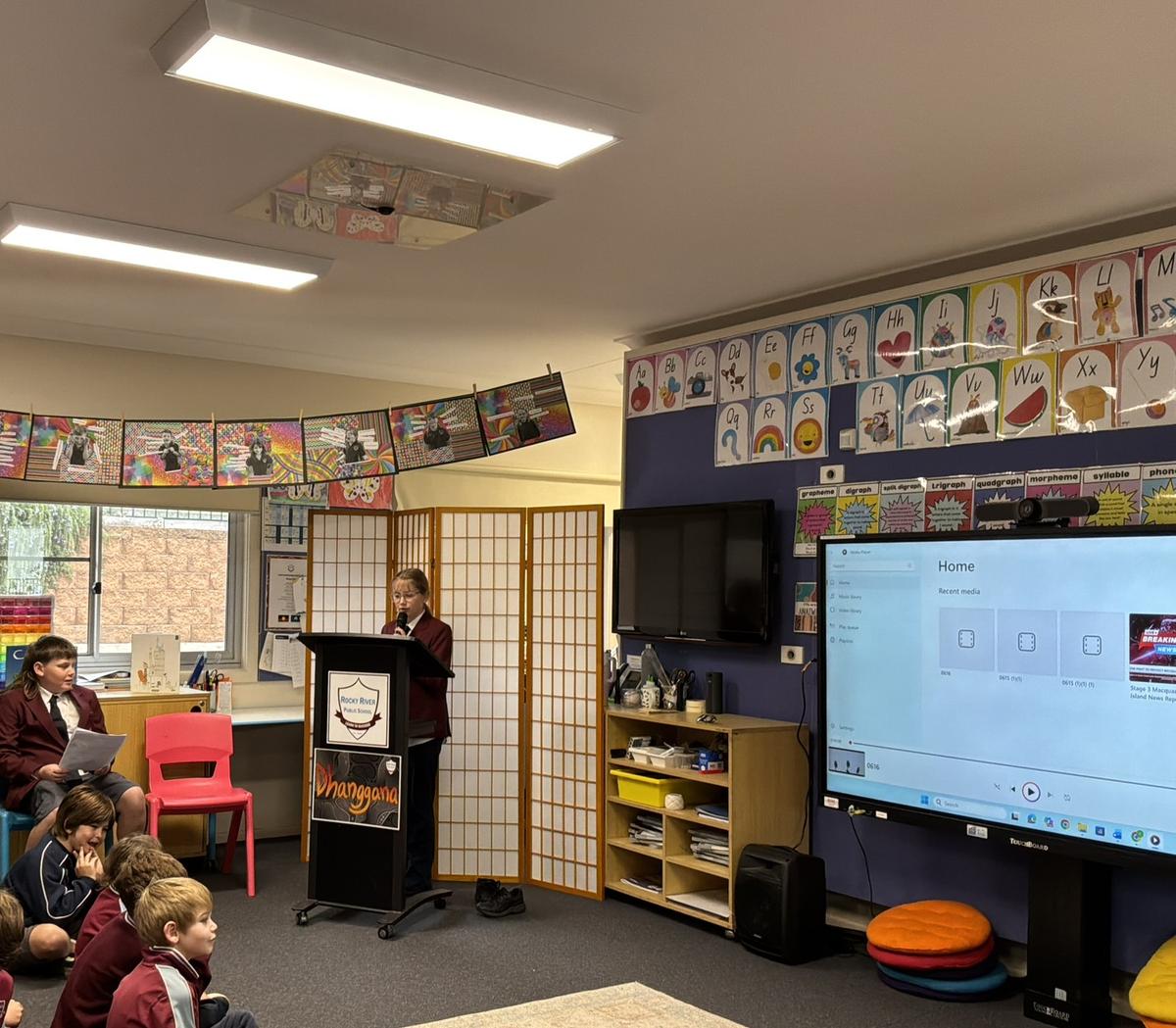
Stage 3 students have wrapped up their major English unit for the term, exploring argument and authority through the creation of a hybrid (informative and persuasive) newspaper article about the importance of conservation of Macquarie Island. Students selected sections of their articles to feature in a recording of a breaking news report, which we showcased at our recent assembly. Lots of thought went into the template and additional facts on the video screen, which supported the delivery of this news report - we hope everyone enjoys it!
Slam Poetry inspired by Solli Raphael
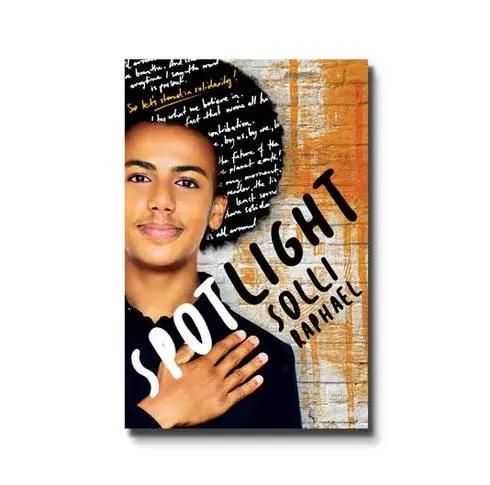
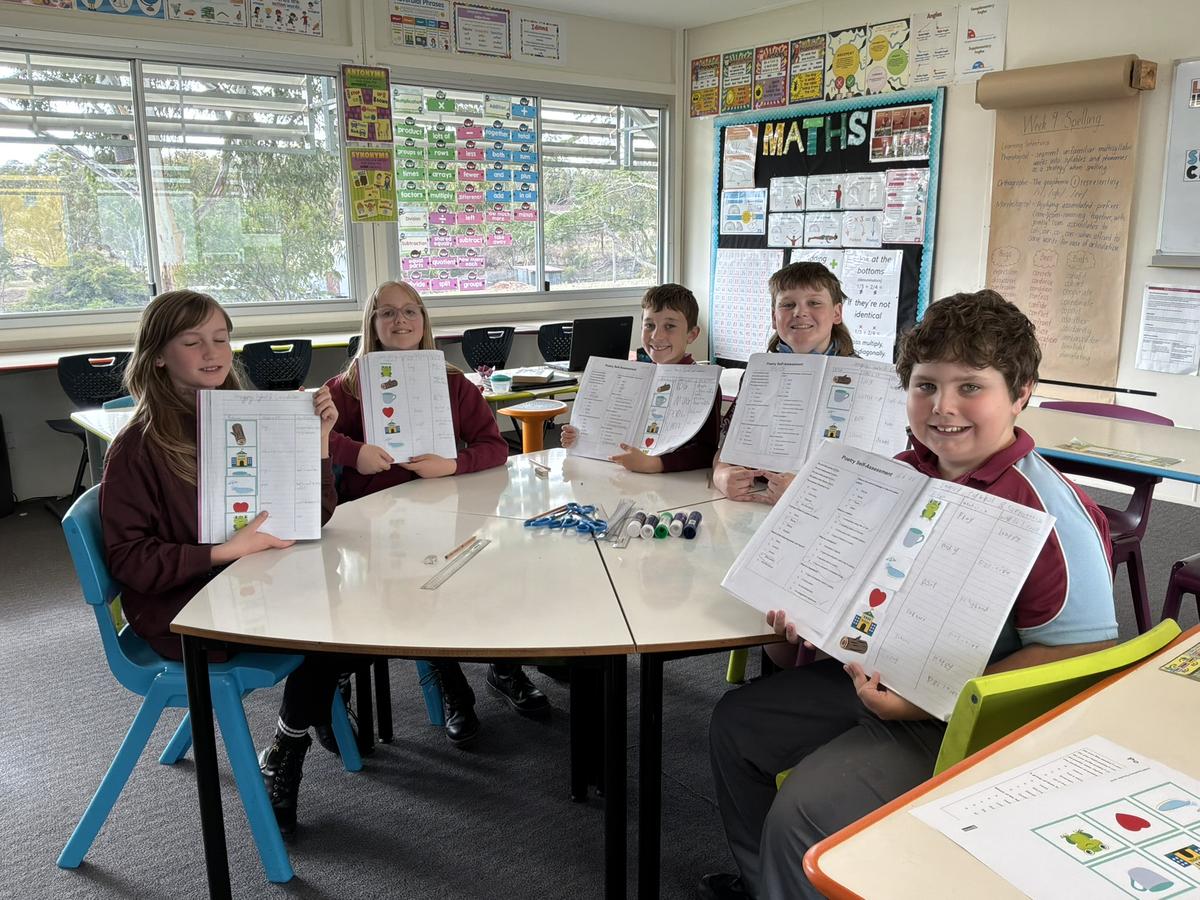
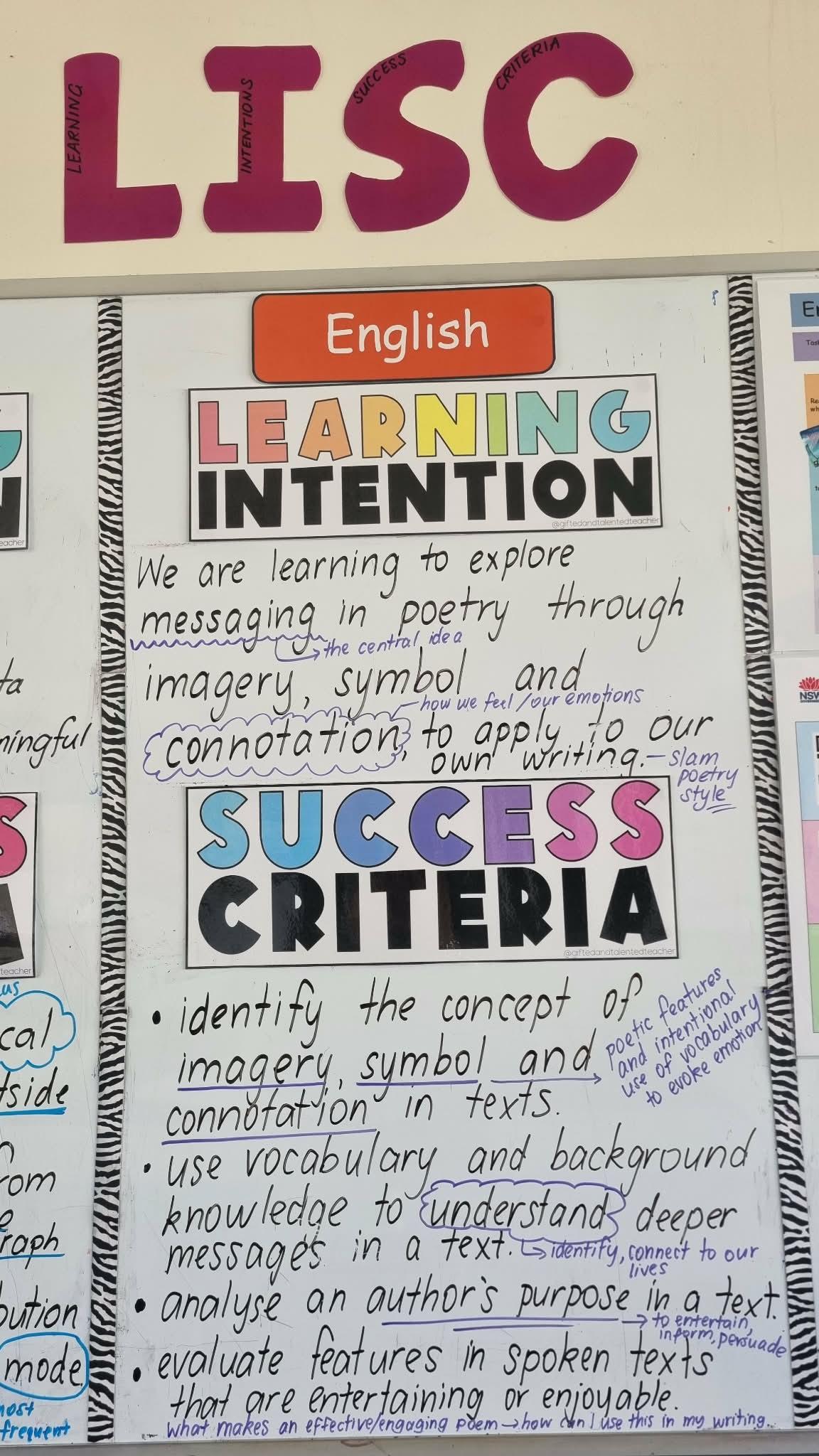
To finish our term, students are exploring a short and exciting unit of work on Imagery, Symbol and Connotation through the avenue of 'slam poetry'. We have explored the features and purposes of poetry, slam poetry in particular, as a form of self expression which can be used as a platform to spread your opinions on areas of interest or passion throughout our communities. We are reading Solli Raphael's book, 'Spotlight' and are crafting individual poems on environmental issues of interest. Stage 3 students are preparing to present their poems to the class next week - we look forward to sharing these with families!
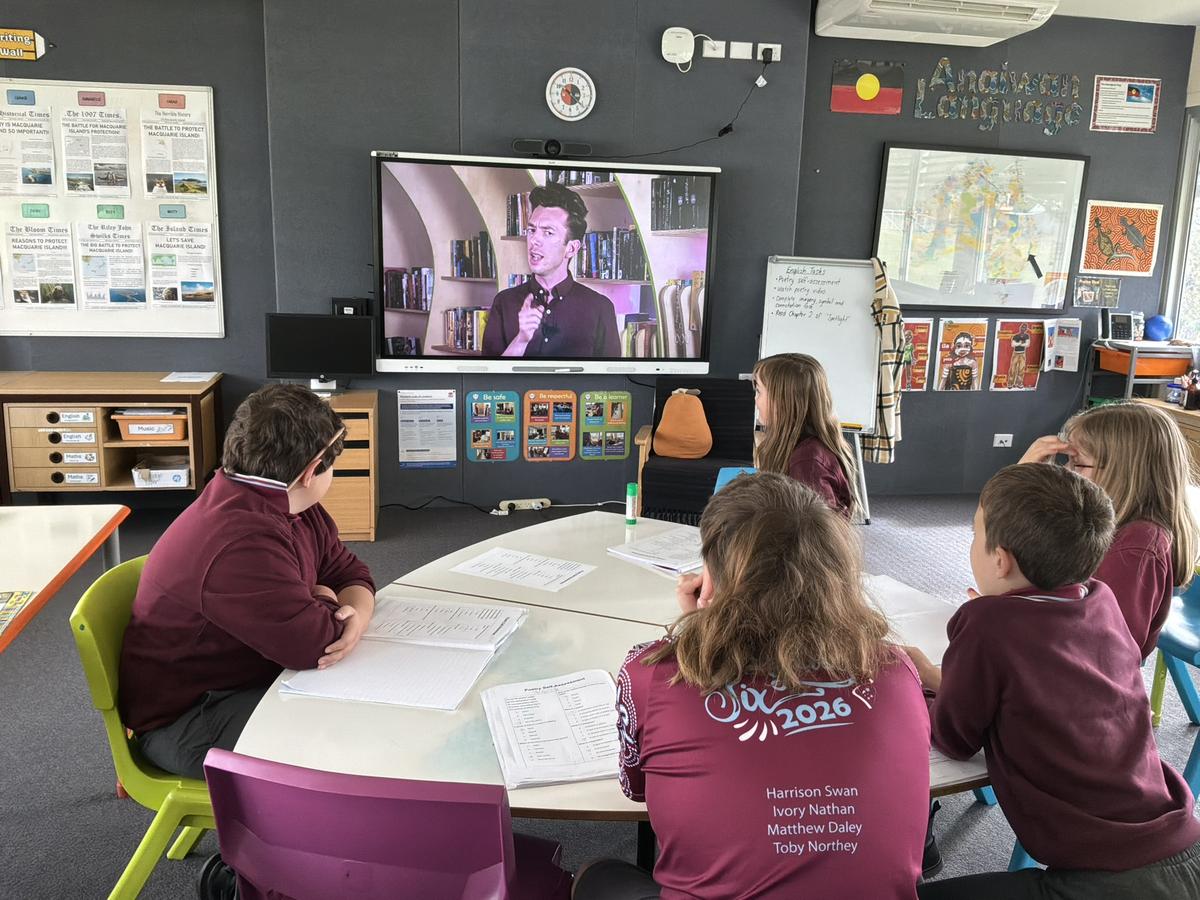
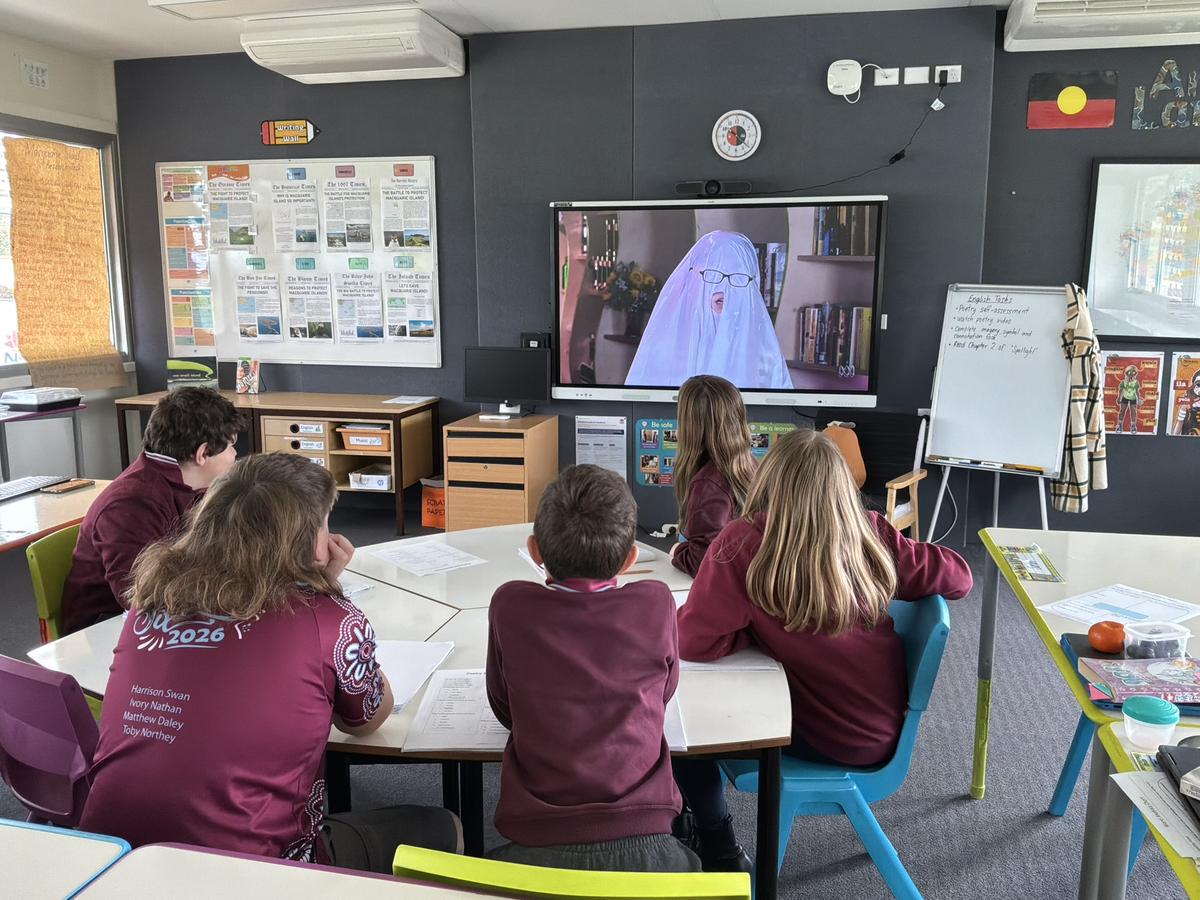
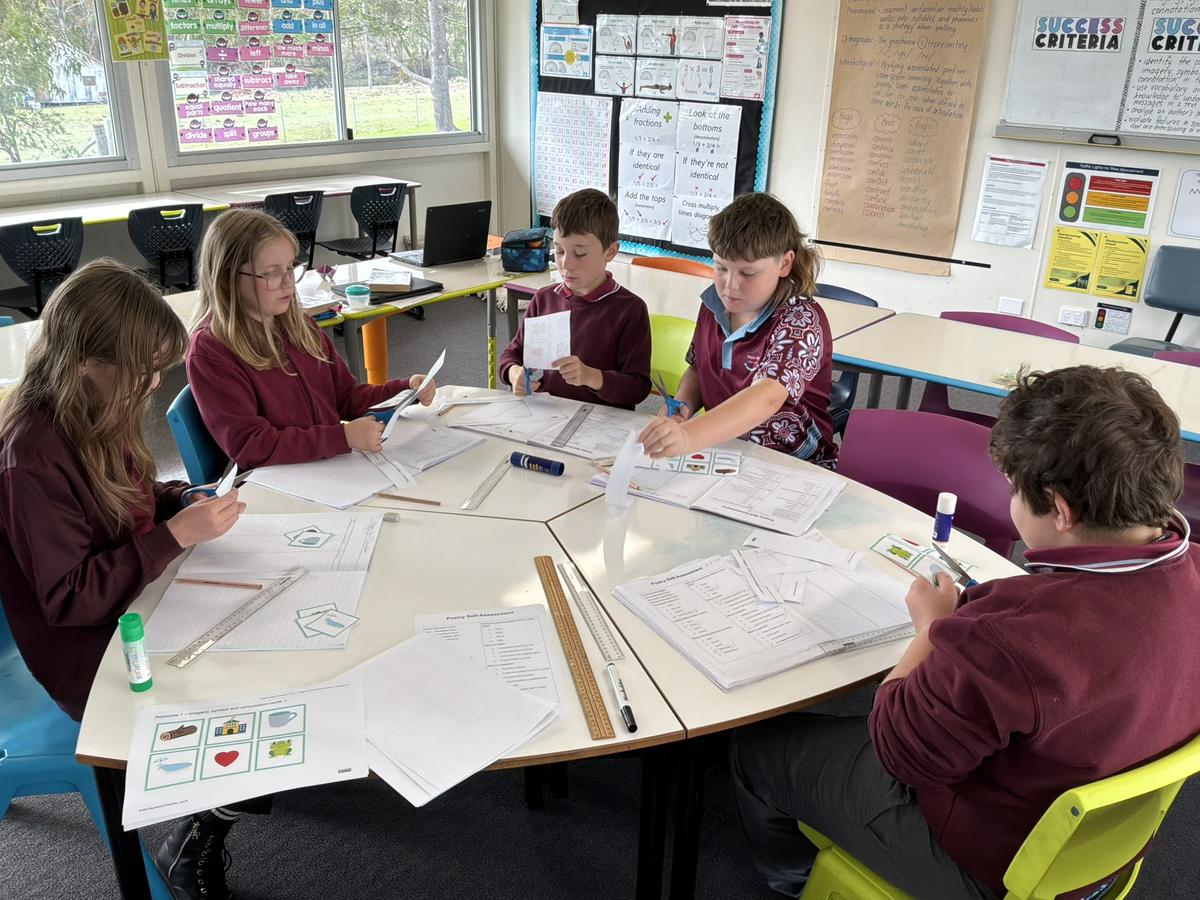
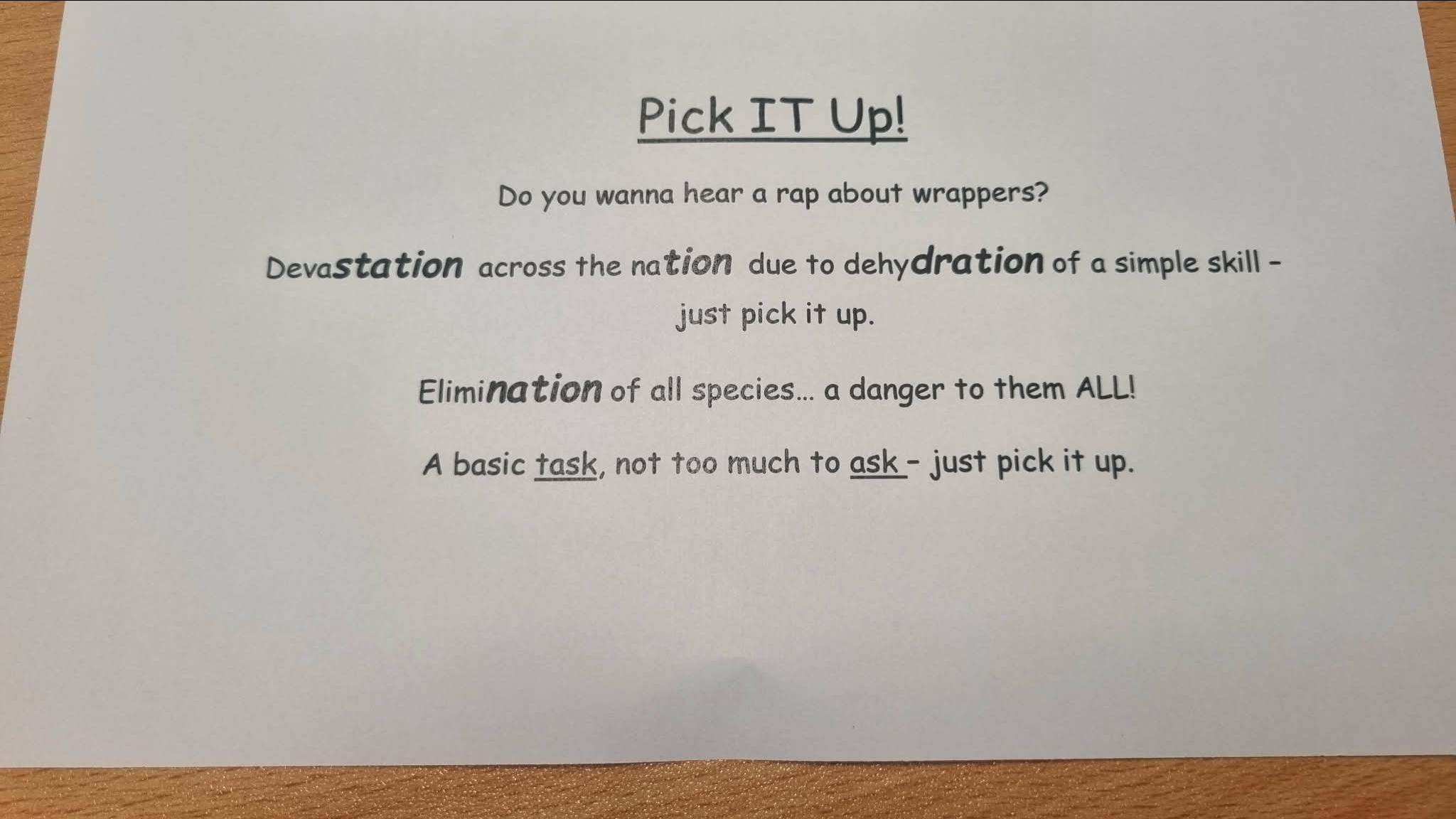
Here's our first attempt at slam poetry as a class - Stage 3 jointly constructed this piece using our structure as a guide, and the issue of garbage and litter left in our broader envrionment as inspiration:
Stage 3 Mathematics - Data!
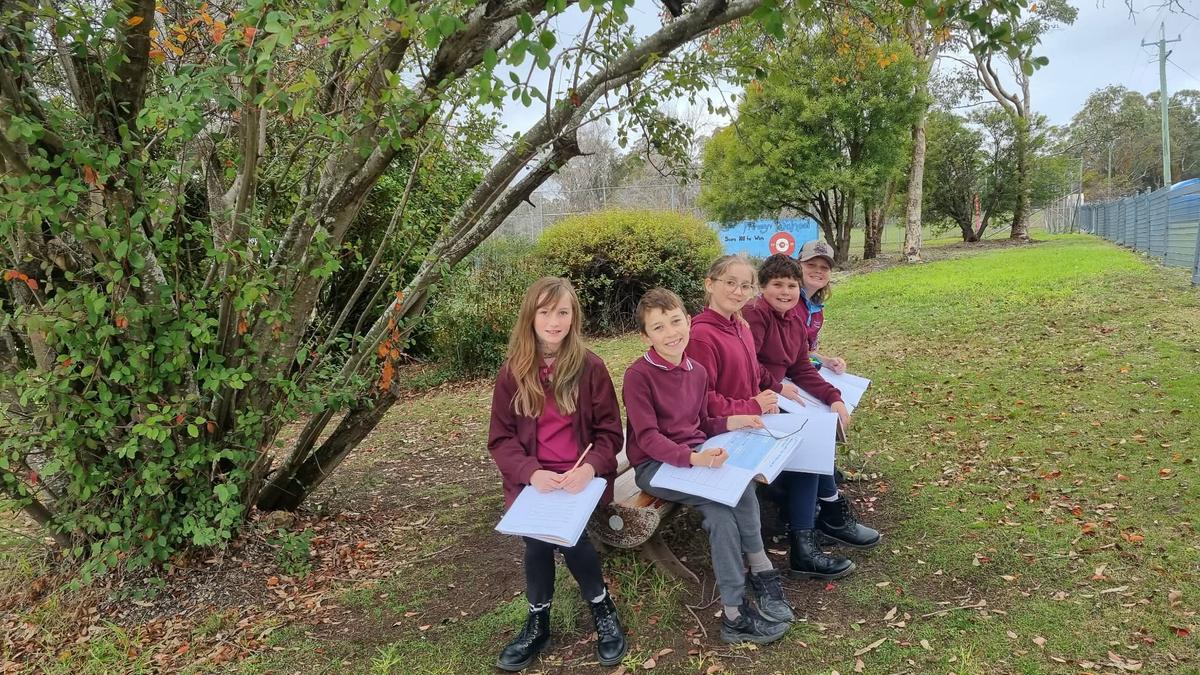
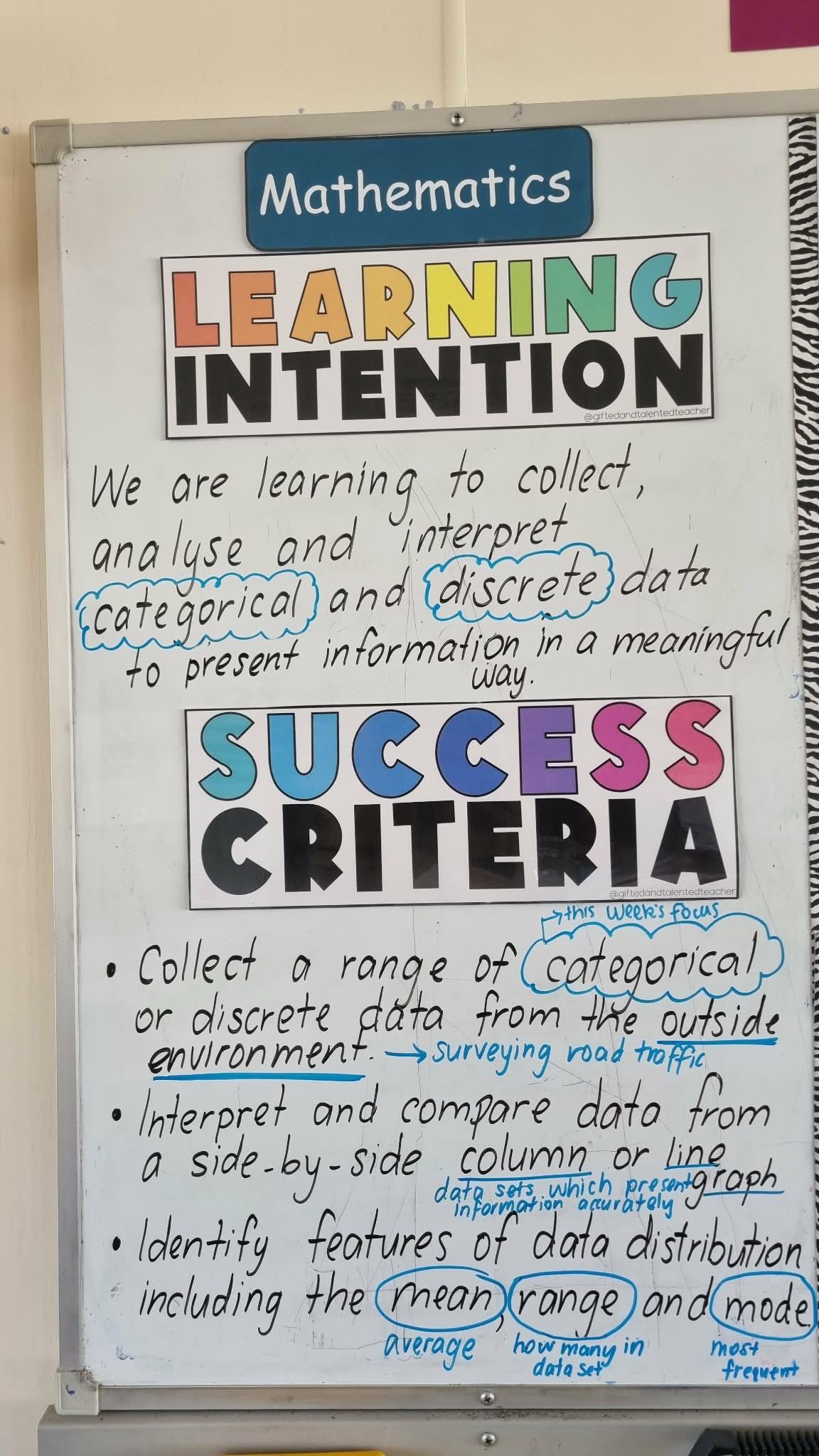
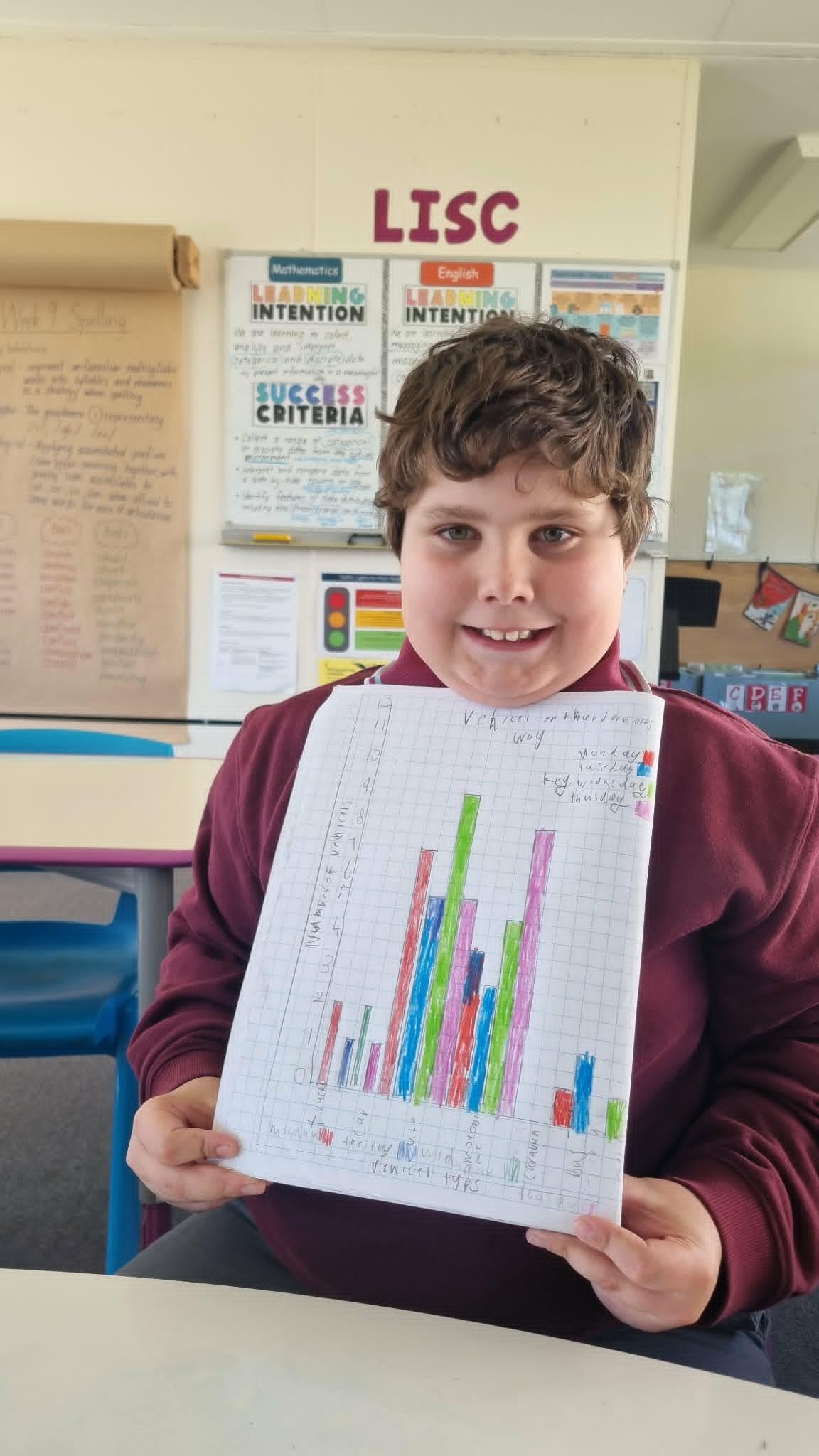
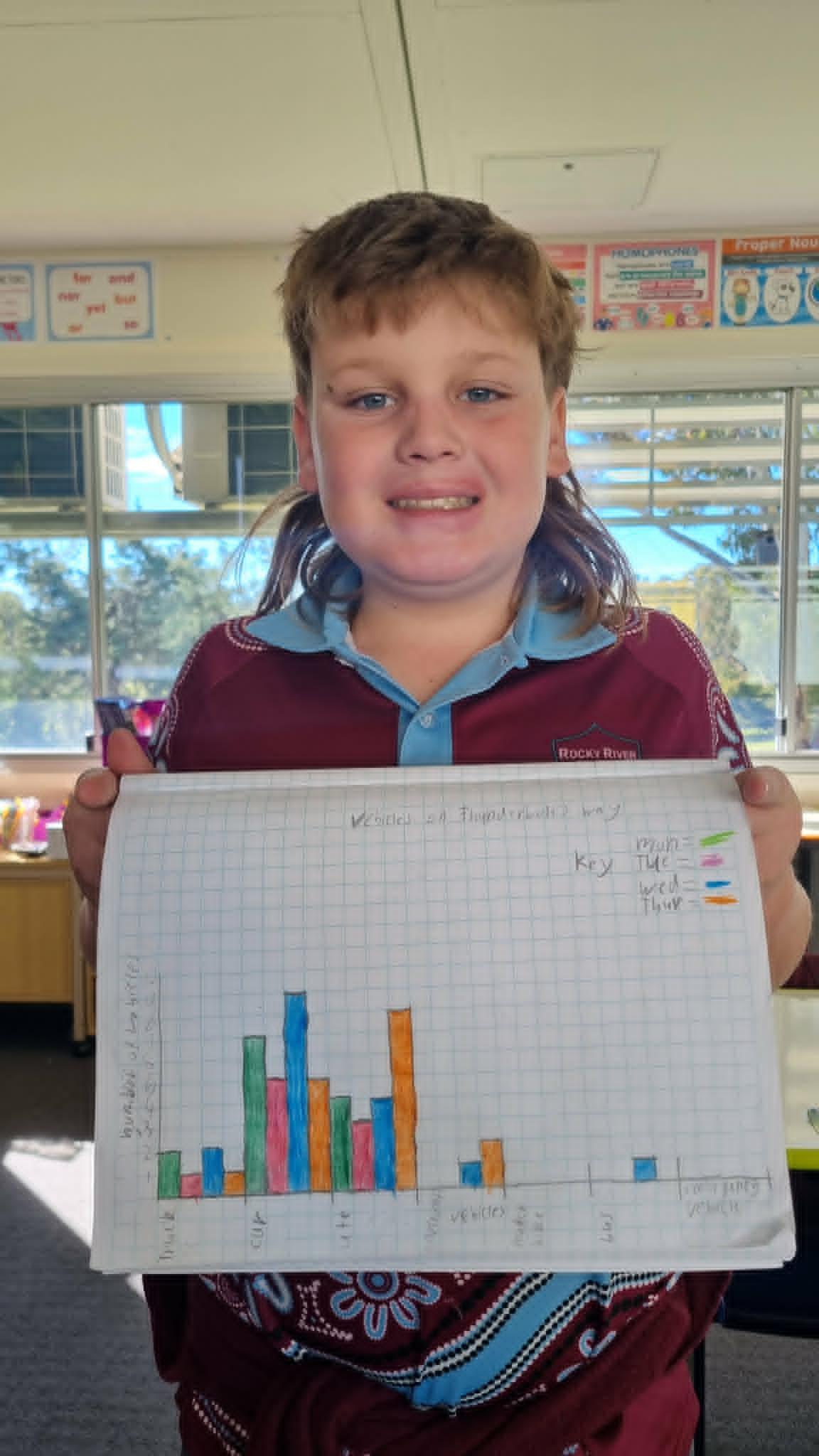
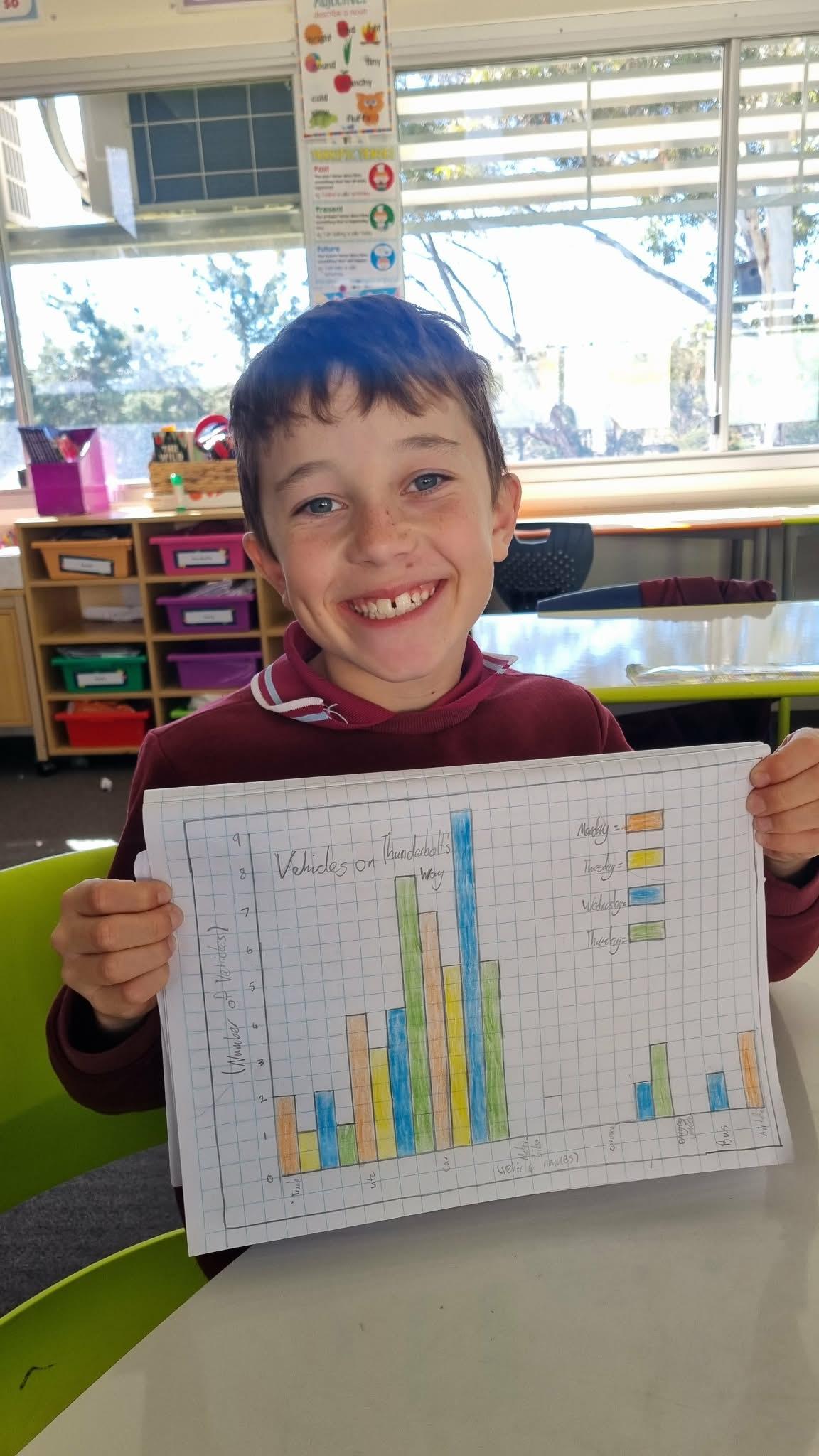
Recently, our Stage 3 students engaged in an exciting data unit that involved real-life data collection focused on the flow of incoming construction vehicles for our school rebuild, as well as regular passing traffic on Thunderbolt's Way. Over the course of a week, students collected data for 15 minutes each day, compiling daily data sets that they analysed to identify trends and patterns. This hands-on experience allowed students to apply their skills in organising, representing, and interpreting data, as outlined in the Stage 3 Mathematics Syllabus Content Strand B: Data. Through collaborative discussions, students learned how to draw reliable conclusions based on their data, deepening their understanding of data analysis in practical contexts. The project was not only educational but also highly engaging, providing students with meaningful opportunities to connect mathematics to the world around them.