Wellbeing

Self Regulation
(https://raisingchildren.net.au)
What is self-regulation?
Self-regulation is the ability to understand and manage your behaviour, reactions to your own emotions and reactions to what’s happening around you.
Self-regulation includes 3 broad areas:
Cognitive self-regulation – this is being able to plan tasks, focus on tasks, pay attention and solve problems.
Behavioural self-regulation – this is being aware of your actions and impulses and managing them so you can act in positive ways and match your behaviour to situations.
Emotional self-regulation – this is tuning in to your emotions and managing them so you can react appropriately to how you’re feeling and what’s happening around you.
How does self-regulation develop?
Children develop self-regulation through warm and responsive relationships. They also develop it by watching the adults around them. Self-regulation starts when children are babies. It develops most in the toddler and preschooler years, but it also keeps developing right into adulthood.
Self-regulation strategies for children and teenagers
Practical ways you can help your child learn and practise self-regulation:
Cognitive self-regulation strategies
-Show your child how to plan. For example, ‘I’d better stop gardening now, so I can get you to soccer on time’.
-Help your child set goals and work towards them. For example, help your child plan how to complete a school assignment.
-Involve pre-teens and teenagers in problem-solving. For example, ‘I’m working all weekend, and I know it’ll be boring for you. Let’s work out how you can make the most of the time’.
Behavioural self-regulation strategies
-Plan for challenging situations that might make it hard for your child to behave in positive ways. For example, ‘The shop we’re going to has a lot of things that can break. It’s OK to look, but please don’t touch’. Give your child a gentle reminder as you enter the shop, as well as something to do with their hands.
-Play games like musical statues or duck, duck, goose, which can help your child learn to control their impulses.
-Encourage your child to save money for something they want.
Emotional self-regulation strategies
-Work on your child’s skills for understanding and managing emotions.
-Use calming down strategies for toddlers, calming down steps for preschoolers and school-age children and calming down steps for pre-teens and teenagers.
-Label your emotions. For example, ‘I’m feeling frustrated so I’m going to stop this job now. I’ll come back to it in a few minutes when I’m feeling calmer’.
*Praise your child when they show self-regulation and manage a tricky situation. For example, ‘You were great at waiting for your turn’ or ‘I liked the way that you shared with Sam when he asked’.
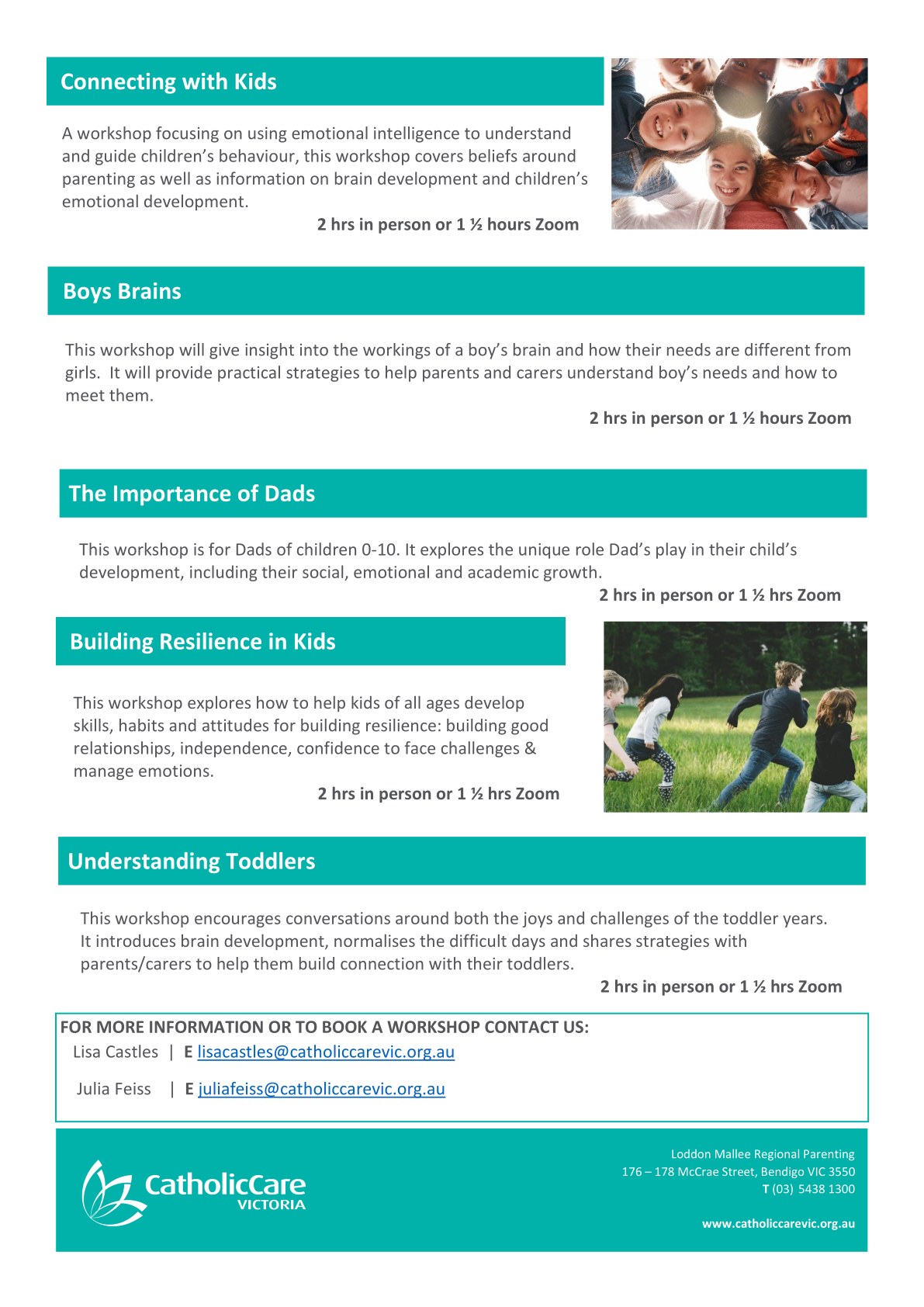
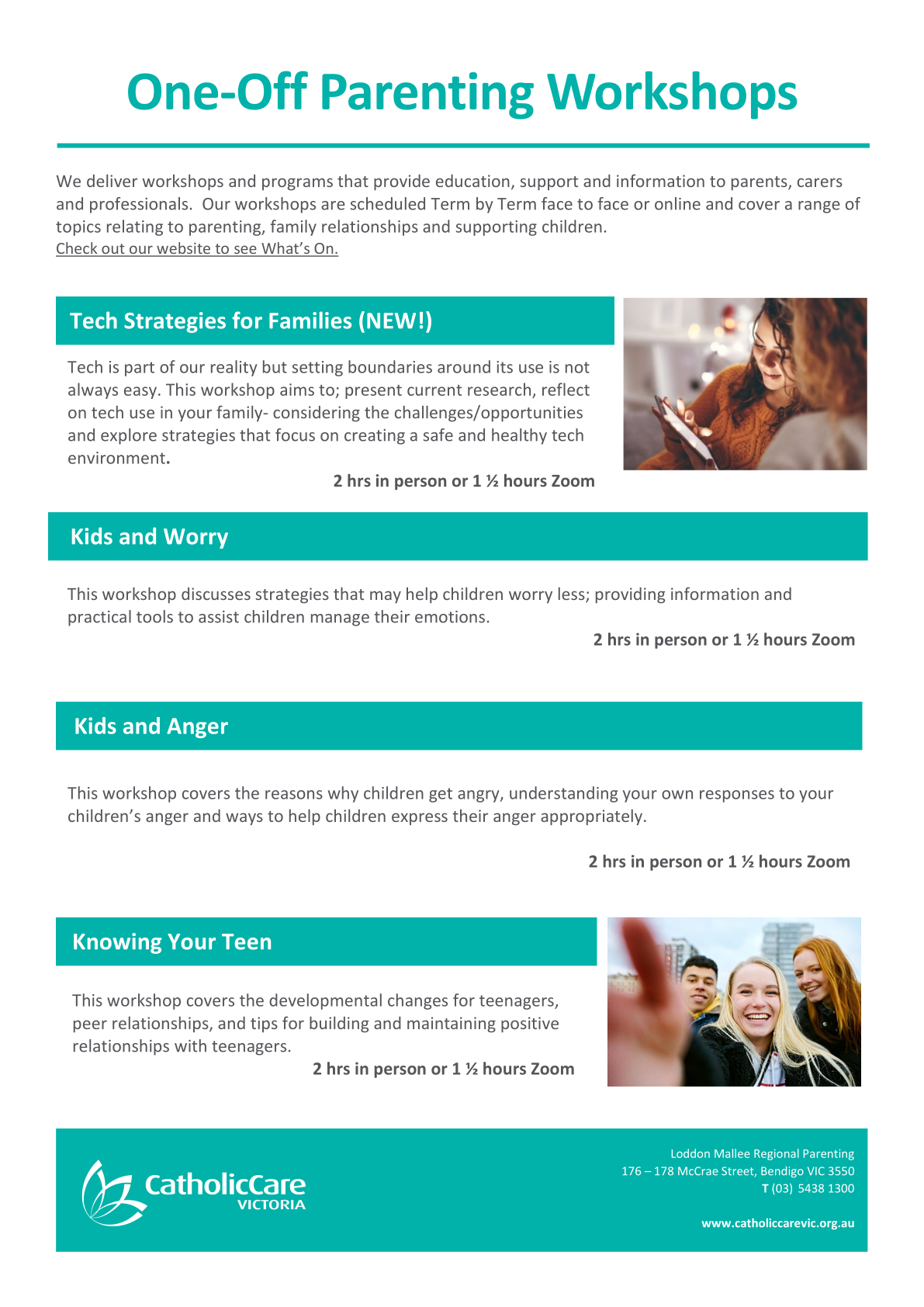
Some further resources you may wish to check out:
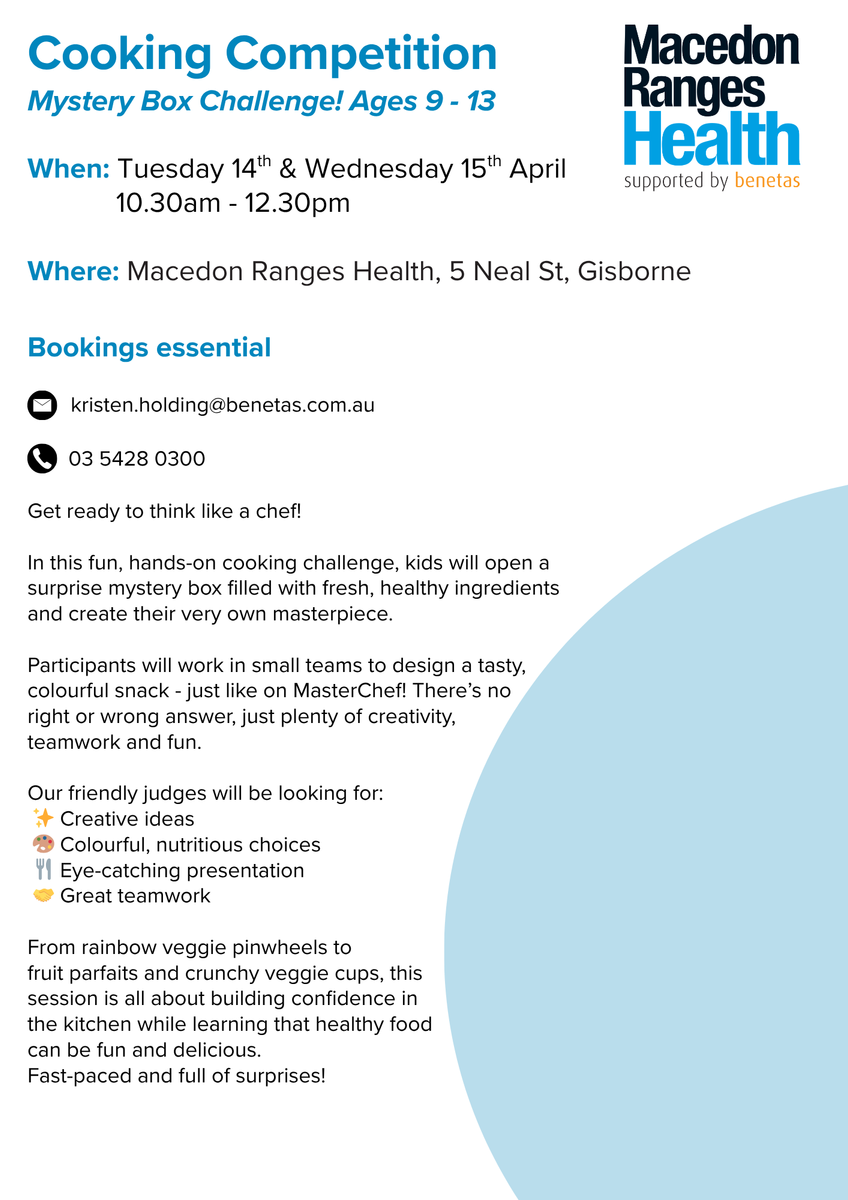
Macedon Ranges Health
Please see the following information for opportunities brought to us by Macedon Ranges Health.
Out and About at LPS...