
Garden Club
Mr Jorgen Choong

Garden Club
Mr Jorgen Choong
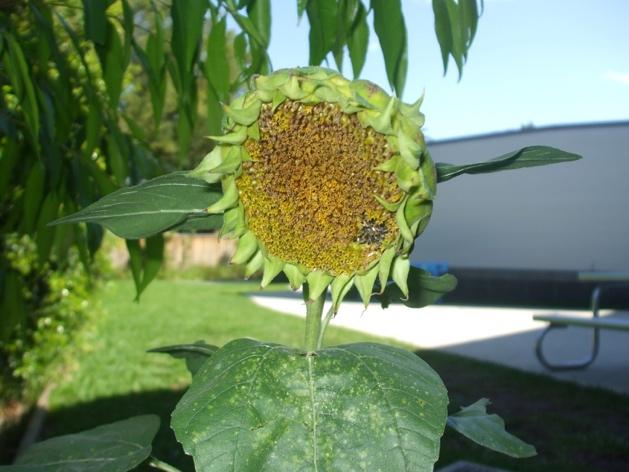
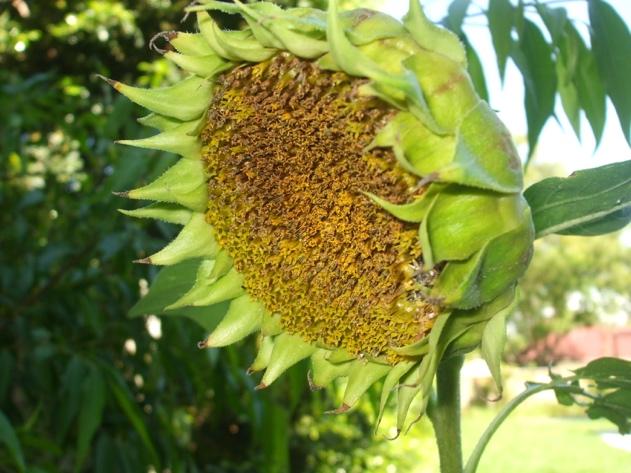
Did you know a sunflower isn't just one flower? It’s actually a bustling city of tiny flowers working perfectly together!
The Flashy Billboard & The Factory
Those big, beautiful yellow petals around the edge are called ray florets. Believe it or not, they don't make seeds at all; they’re just the flashy billboard shouting, "Hey bees, over here!" The real magic happens in the fuzzy, dark center. That center is packed with hundreds sometimes thousands of tiny discflorets. Each one is a complete mini-flower just waiting to grow up.
The Bee Delivery Service
When a bee lands to sip some sweet nectar, it gets totally dusted with yellow pollen. As it shimmies and dances across the flower head, it drops pollen onto the sticky tops (stigmas) of the other little florets.
From Floret to Seed
Once pollinated, the floret gets down to business! The pollen travels down into the ovary at the base. Over a few weeks, the tiny yellow fuzz on top falls away, and that ovary swells and hardens into the beautiful striped seeds we recognize. As the seeds plump up, the flower head gets super heavy and gives a sleepy droop, ready to drop its seeds to the earth to grow next year's giant sunflowers!
Grab your explorer hat and dust off that compass (or just open the app on your phone)! When it comes to setting up a new veggie or herb patch, finding the perfect spot is all about direction.
Stand in your yard and spin around until your compass points North. Found it? That’s your yard's VIP lounge! Because we live down under, a North-facing patch captures the maximum amount of glorious, all-day sunshine. Most veggies and herbs are sun-worshippers that need 6 to 8 hours of light to thrive.
Here is your quick garden compass cheat sheet:
Bright Bonus Tip: These same rules apply to powering your home! If you are ever looking to install solar panels, a North-facing roof is your absolute best bet for soaking up the most rays and generating maximum energy.
So, before you start digging (or installing!), check your compass. Your plants—and your power bill will thank you!
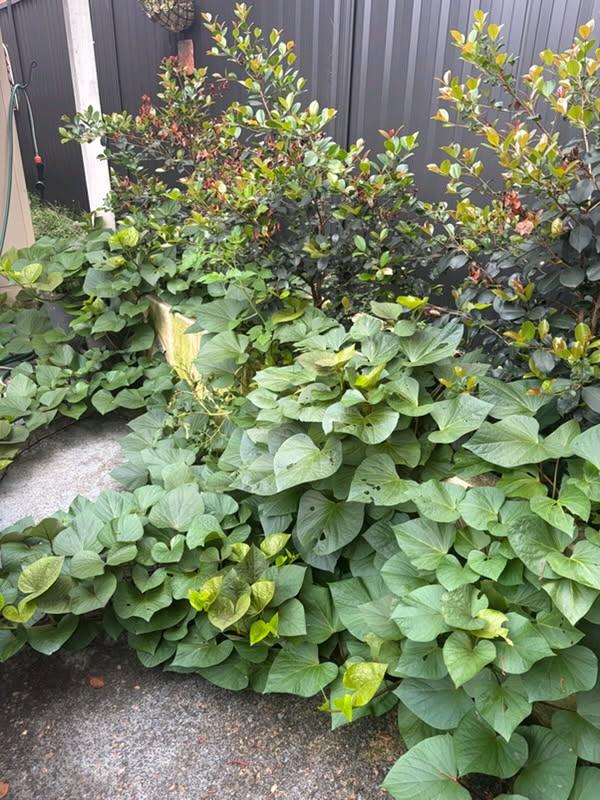
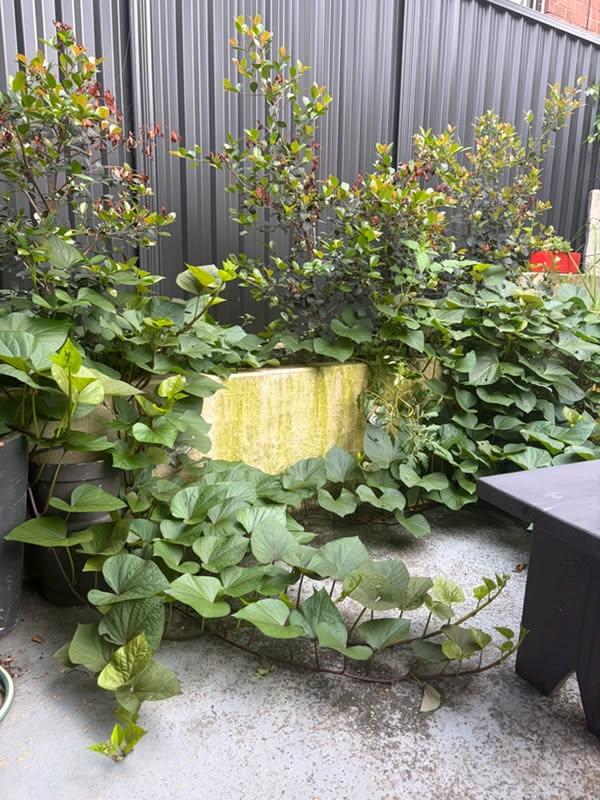
This a photo from Nicolle (from the Parish Office), she took home one of our Japanese Sweet Potato vines and it’s grown so much during the heat and humidity.
Before we dig into anything else, we want to give a massive shoutout to one of our wonderful parents, George M, for generously donating a stunning Helichrysum petiolare ‘Icicles’ to the club!
Also known as the Licorice Plant, this quirky beauty doesn’t actually grow the candy, but if you gently crush its fuzzy leaves, you’ll catch a faint, sweet licorice scent!
What makes the ‘Icicles’ variety so special? Instead of typical round leaves, it boasts long, silvery-grey foliage that looks completely frosted. It adds incredible texture and a cool pop of silver contrast to any garden bed or pot.
How to care for our new frosty friend:
Thank you again, George, for bringing a touch of silver magic to our garden!
We are so excited to announce our newest garden mission: transforming the neglected garden bed at the front of the Parish Office! Our plant of choice for this extreme-makeover revamp? The delicious, purple-skinned Japanese Sweet Potato.
These vigorous vines are famous for being incredibly tough, but since this spot has a wild mix of challenging conditions, let’s look at what we can actually expect from our new leafy recruits.
The Good News: Heat and Humidity If there’s one thing Japanese Sweet Potatoes absolutely love, it’s a sweltering, humid summer! While other plants wilt, sweet potatoes thrive in the heat. They make a fantastic, sprawling ground cover that can quickly bring a patch of bare dirt back to life.
The Reality Check: Very Little Direct Light & Winter Chills Now, here is where we need to put on our master gardener hats and adjust our expectations.
Our Strategy Instead of expecting a massive winter harvest in the deep shade, we are going to treat this as a beautiful, warm-weather groundcover experiment! We’ll enjoy their gorgeous, trailing foliage through the hot months as a way to bring lush green life back to a dark, neglected corner of the Parish Office. It’s a fun, low-stakes way to brighten up the space!
Garden Club happens on Tuesday and Thursday mornings, right after the gates open. We meet at the bubblers on the Churchill Avenue side of the school.
Garden Club is completely FREE to join! It's a great opportunity to learn to be a lateral thinker with limited resources, get first pick after a harvest, and see some fascinating creatures.
The information shared here is based on our experiences and knowledge, but we are not gardening experts. Think of it as friendly advice from one garden lover to another. Please remember that all gardening activities should be done with adult supervision and that you're responsible for your own safety and decisions.