
Deputy Principal News
Teaching and Learning Snapshot
Term One is well and truly in full swing, and it has been wonderful to see the learning that continues to take place across each year level.
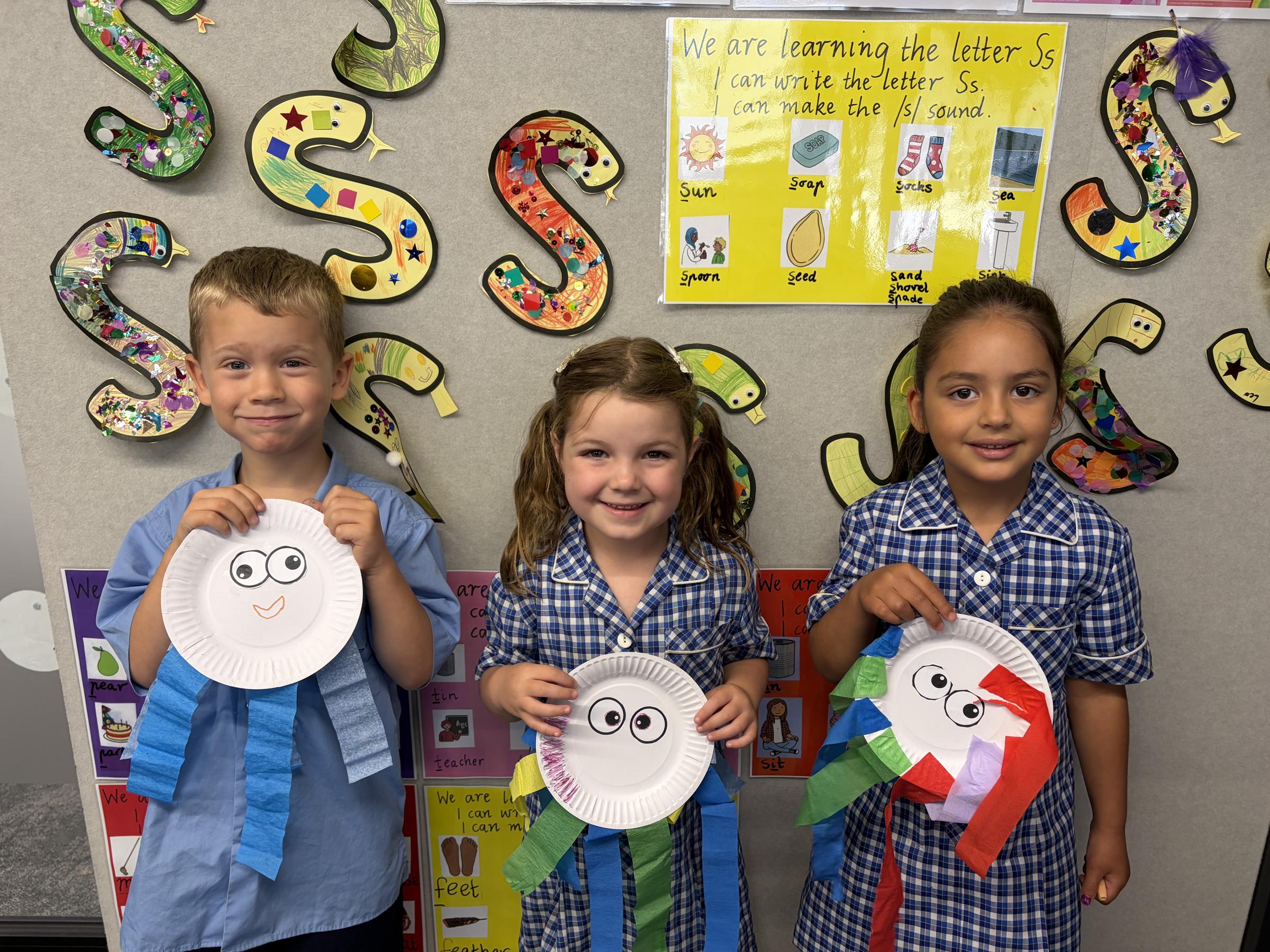
Our Prep students continue to amaze us with their curiosity and enthusiasm. Their classrooms are deeply engaged in building early phonics knowledge, exploring letter and sound relationships, and making meaningful connections with numbers and collections to ten.
Year 1 and 2 students have focused on developing reading fluency and extending their vocabulary through rich texts and shared discussions. In SEL lessons, students have been identifying and classifying emotions, drawing on the Zones of Regulation as a helpful tool to support their learning and self‑awareness.
Year 3 and 4 enjoyed an engaging incursion linked to their topic of local government this week, deepening their understanding of the role that voting and laws play in decision making for citizens. Students have begun targeted and differentiated spelling instruction through Spelling Mastery, and in Mathematics, learning continues to progress as students make connections between place value, addition, subtraction and multiplication.
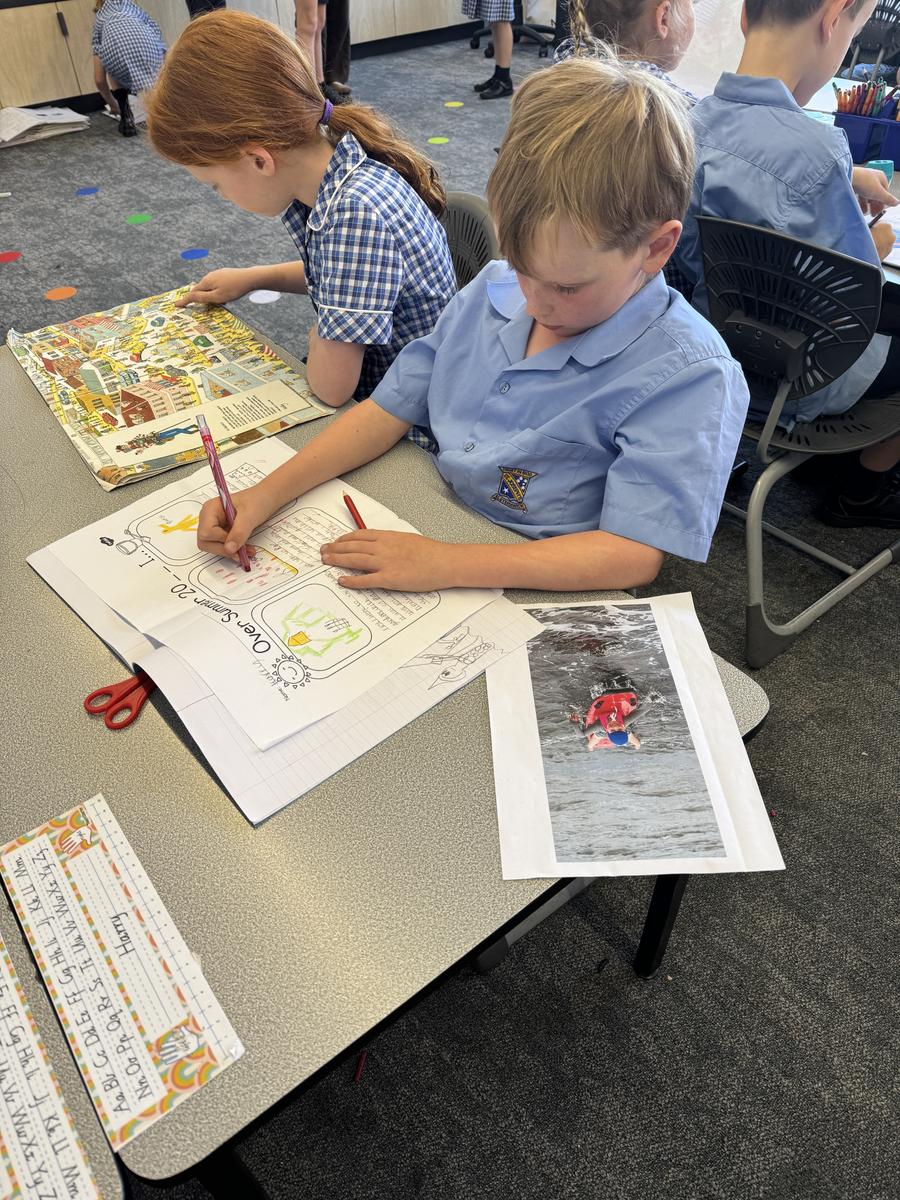
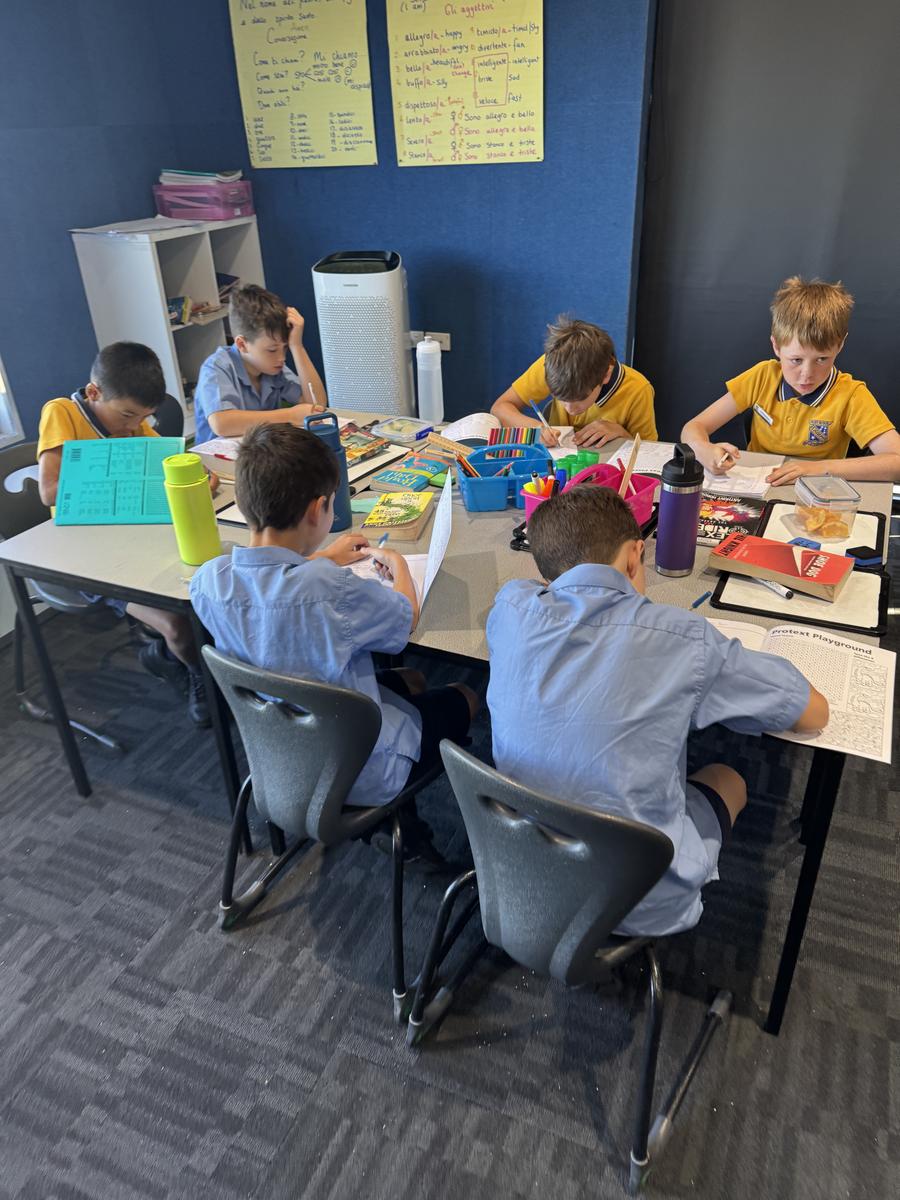
Year 5 and 6 have continued to build independence in their daily classroom routines, focusing on deepening their understanding of the texts they read and responding to them in written form. With our Year 6 students away on camp, it has been a pleasure to see Year 5 students stepping confidently into additional leadership opportunities.
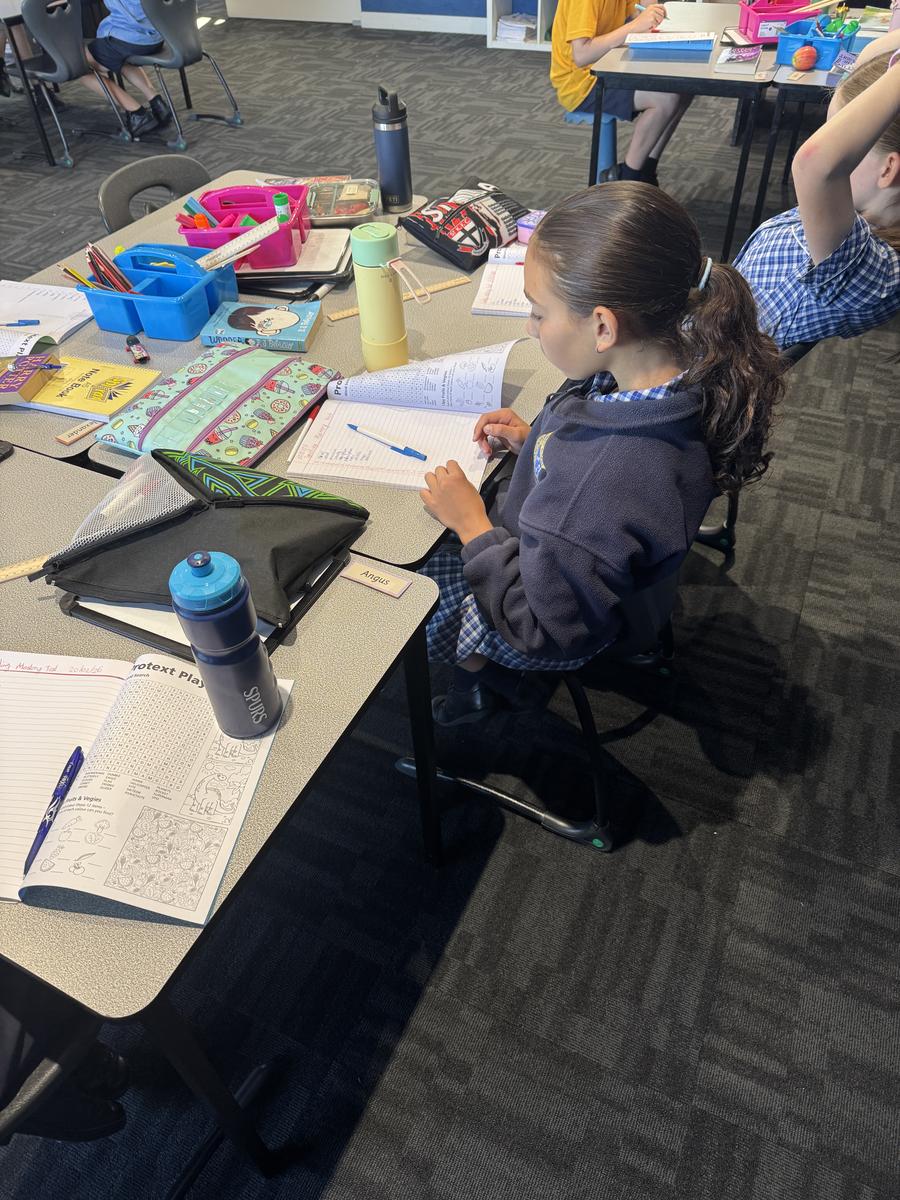
Supporting Learning at Home
Often at the beginning of each school year, parents ponder what they can do to best support their child’s learning from home. As shared at our Parent Information Evenings, evidence consistently highlights the powerful role that reading plays in building strong foundations for success across all areas of learning. One of the most effective ways families can help is by establishing strong and consistent reading routines at home. This includes a balance of reading to self, reading aloud to an adult, and being read to. Each mode strengthens different aspects of literacy, such as building reading stamina, supporting fluency and decoding skills, and modelling vocabulary that children may not yet be able to access independently. As we edge towards the halfway point of the term, we encourage parents to support their child in building these reading routines. If students need guidance selecting age appropriate or engaging texts, families are encouraged to speak with their child’s teacher, who can provide appropriate recommendations.
Alongside reading, students in Years 2 to 6 benefit greatly from regular revision of their times tables and number facts. Quick and accurate recall frees up working memory for more complex mathematical thinking, and consistent practice makes a noticeable difference in the classroom. Students have been provided with login details for MathsFact Lab, an online program designed to support this practice in a structured and engaging way. More traditional methods of times table recall and making connections between number facts are also valuable tools that parents can support at home.
To support families in understanding what students are expected to know at each stage of their learning, I have outlined the end‑of‑year curriculum expectations for number facts below:
- Year 1: Skip count by 2, 5 and 10
- Year 2: Automatically and efficiently recall multiplication and related division facts for 0, 1, 2, 5 and 10
- Year 3: Automatically and efficiently recall multiplication and related division facts for 0, 1, 2, 3, 4, 5 and 10
- Year 4: Automatically and efficiently recall multiplication and related division facts for 0–9
- Year 5 & 6: Automatically and efficiently recall all multiplication and related division facts to 12 × 12
Finally, homework at St Joseph’s is designed to help students build responsibility and develop simple time management skills. Tasks are carefully planned as consolidation activities, allowing students to review content introduced in their classrooms. Parents can support their children by helping them create a timetable or schedule for their weekly tasks, checking and signing their student diary, and encouraging them to complete small amounts of work consistently rather than all at once. These routines, while simple, make a significant difference to student confidence and learning across the year.
Mr Luke Daffy
Deputy Principal
ldaffy@sjelst.catholic.edu.au