Prep
Ms Melanie & Ms Georgia
Prep
Ms Melanie & Ms Georgia
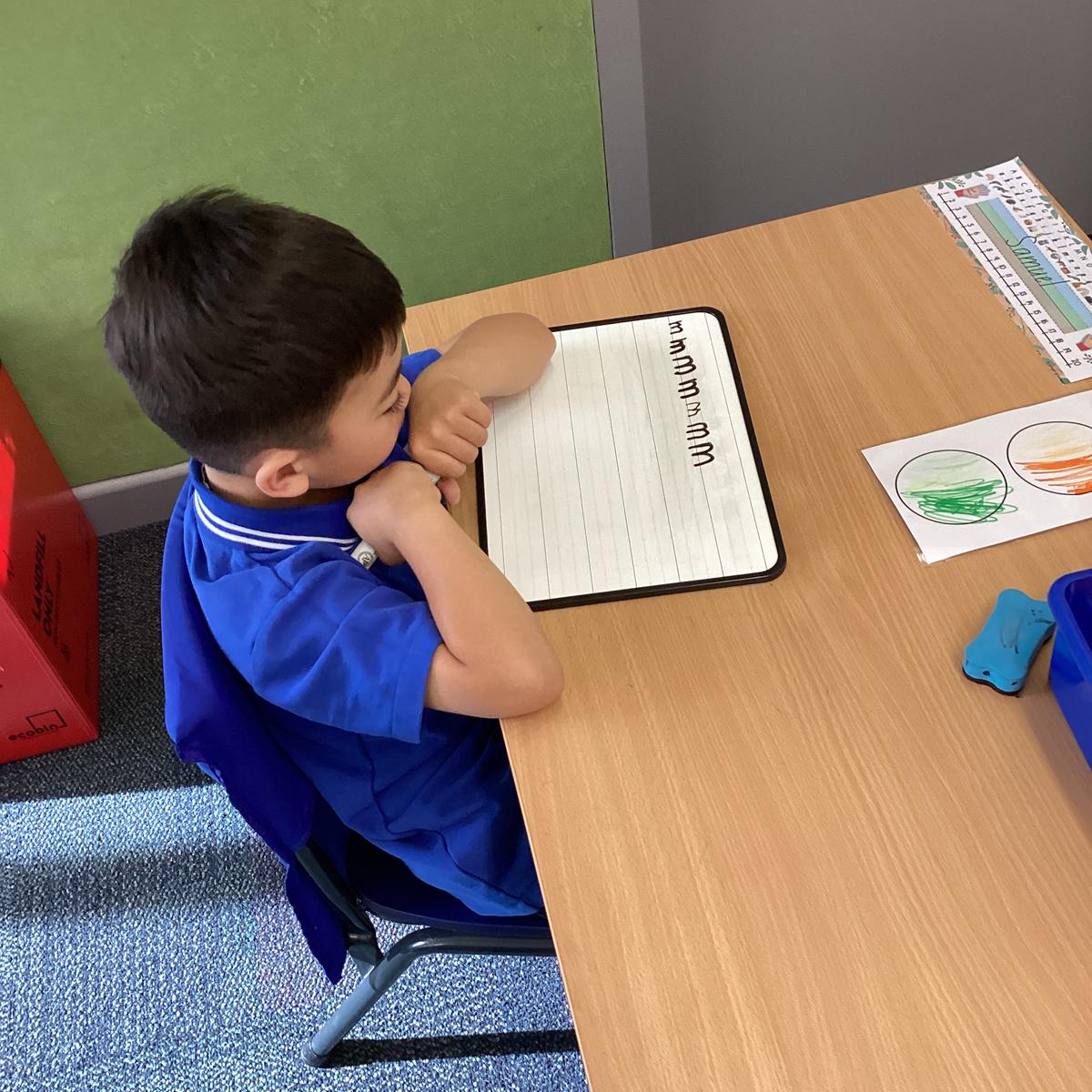
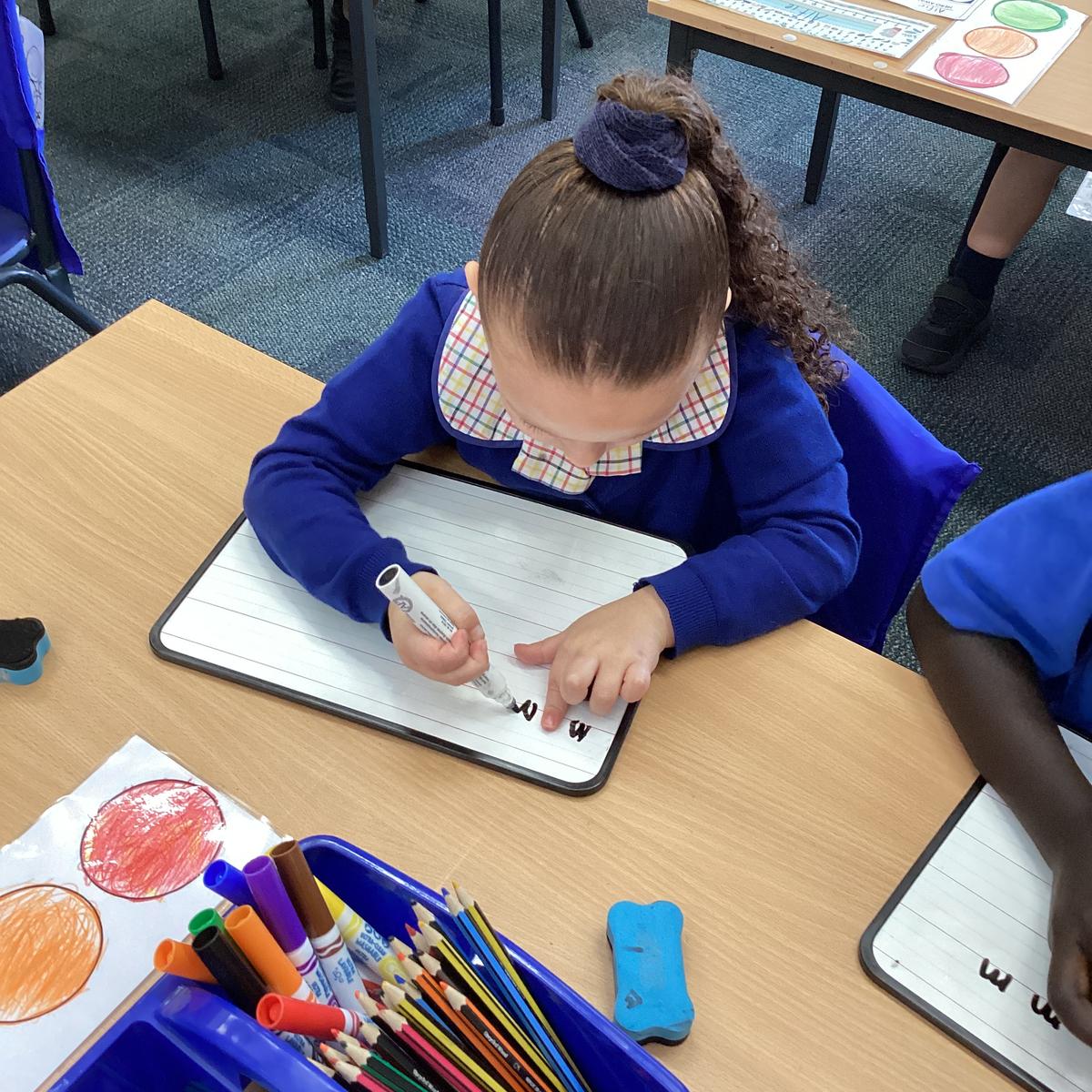
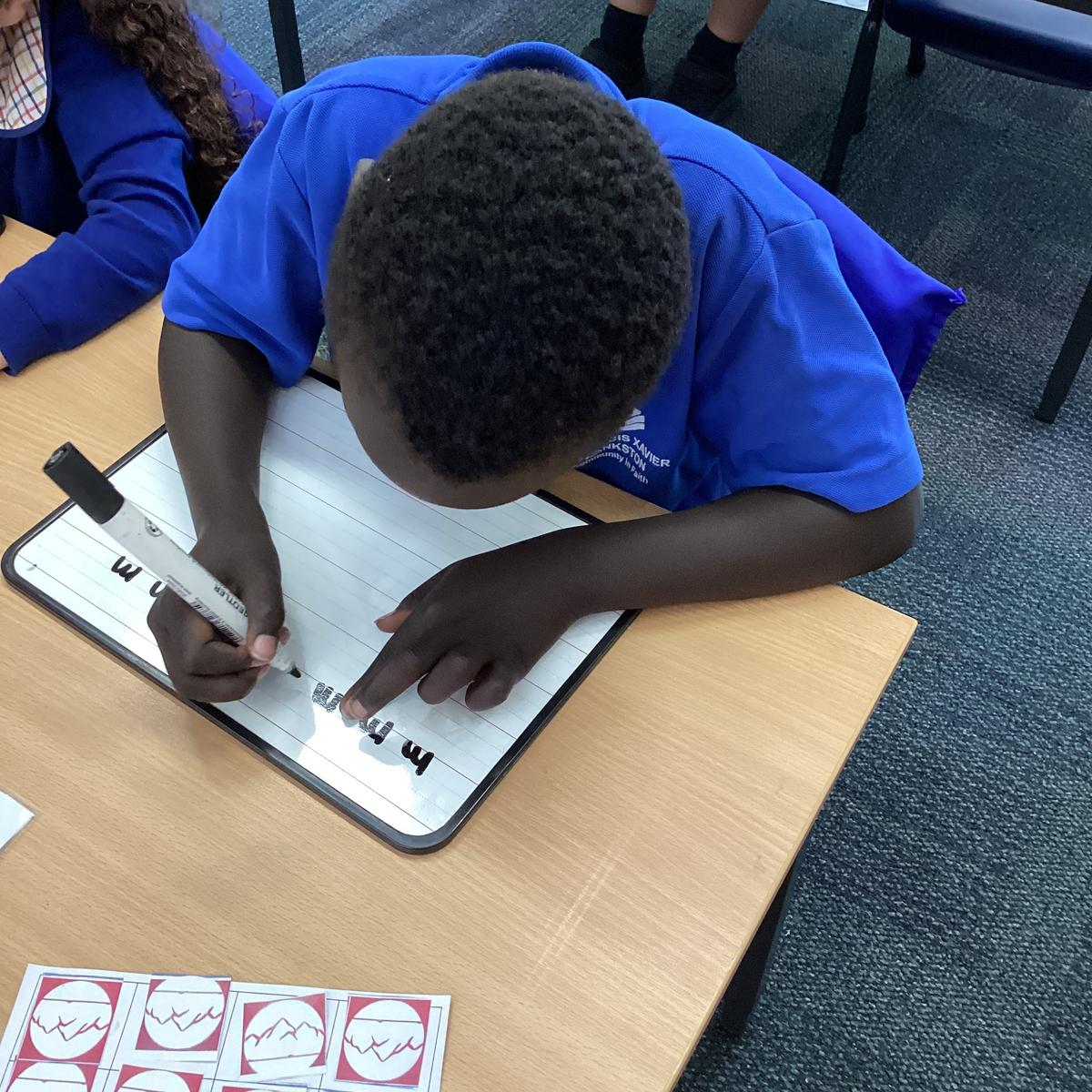
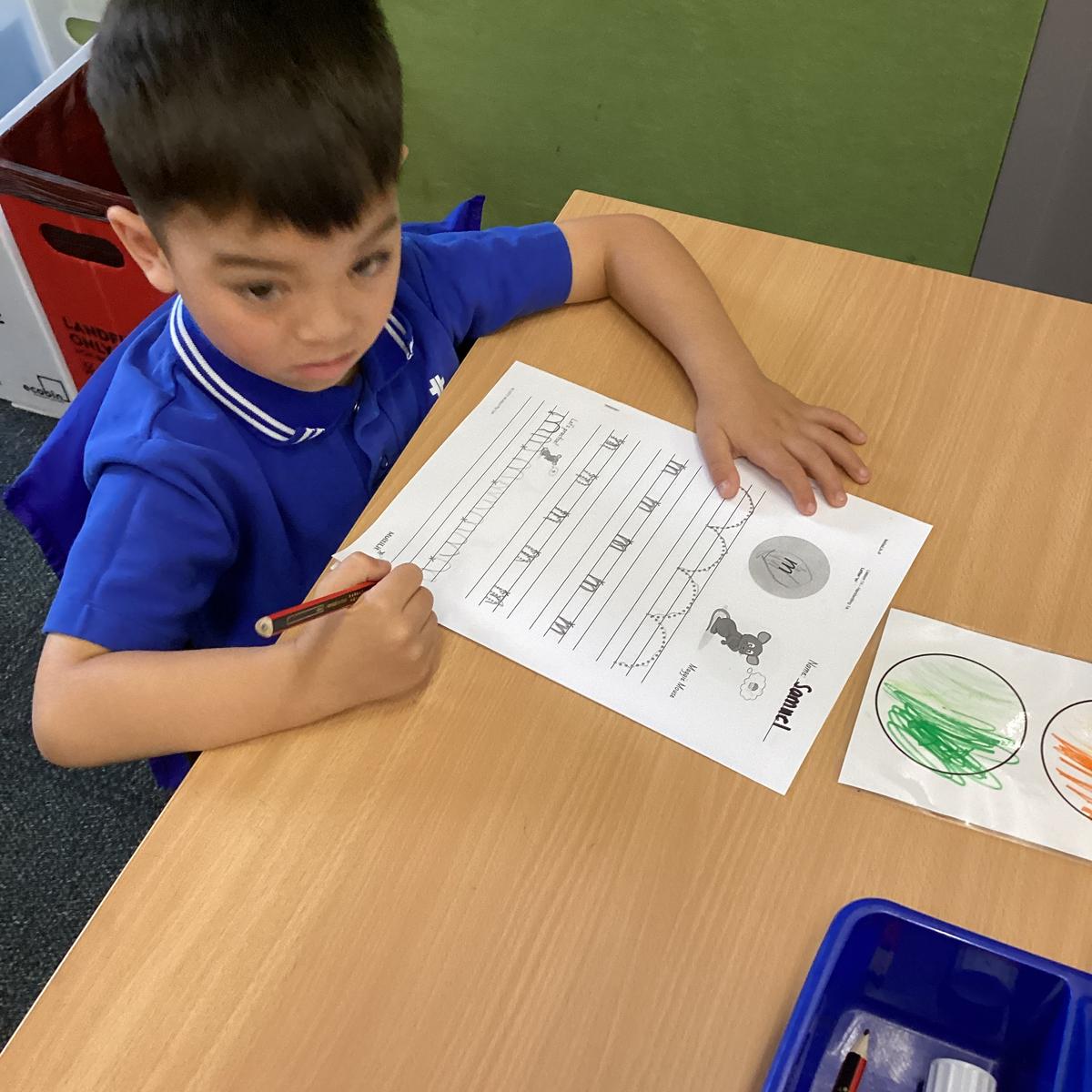
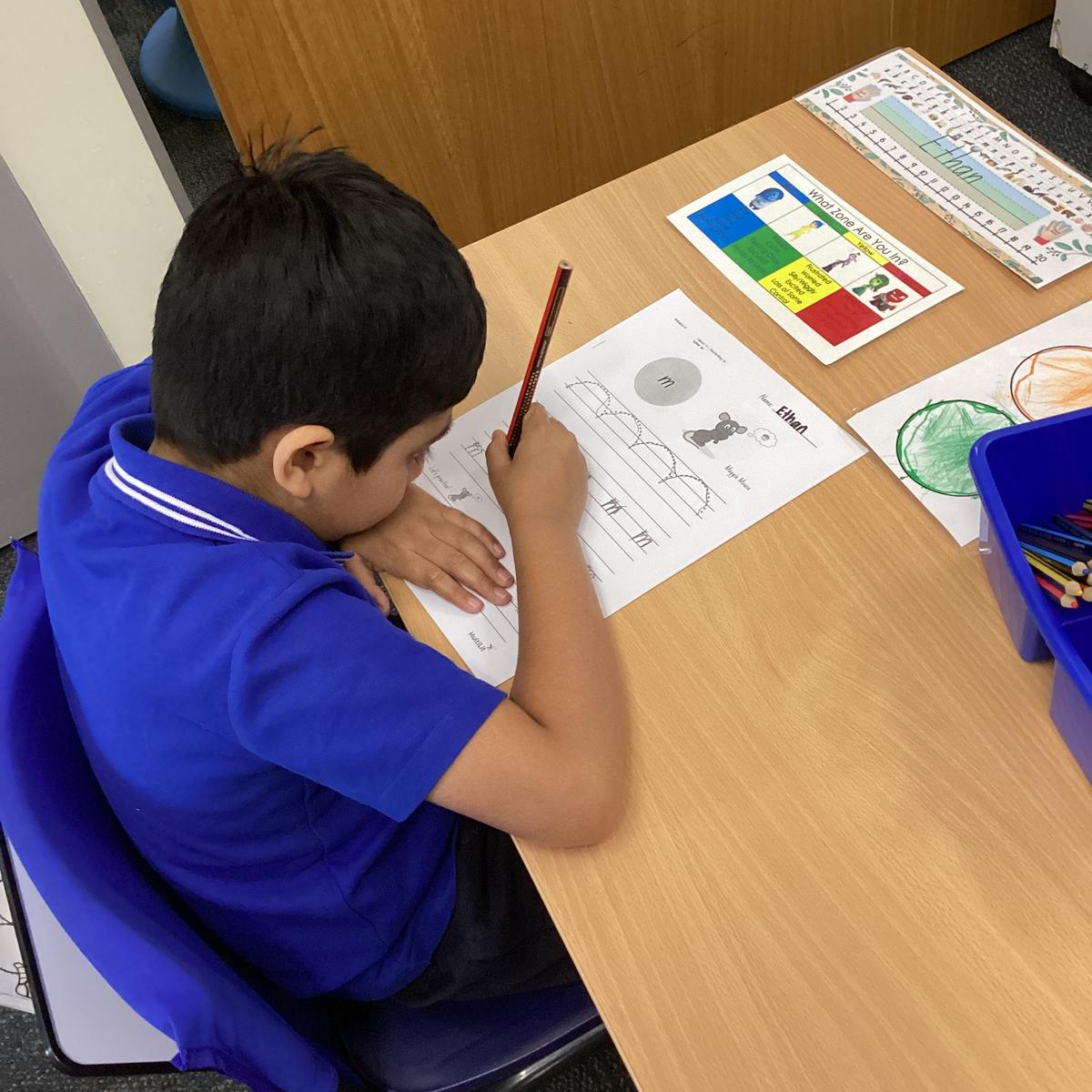
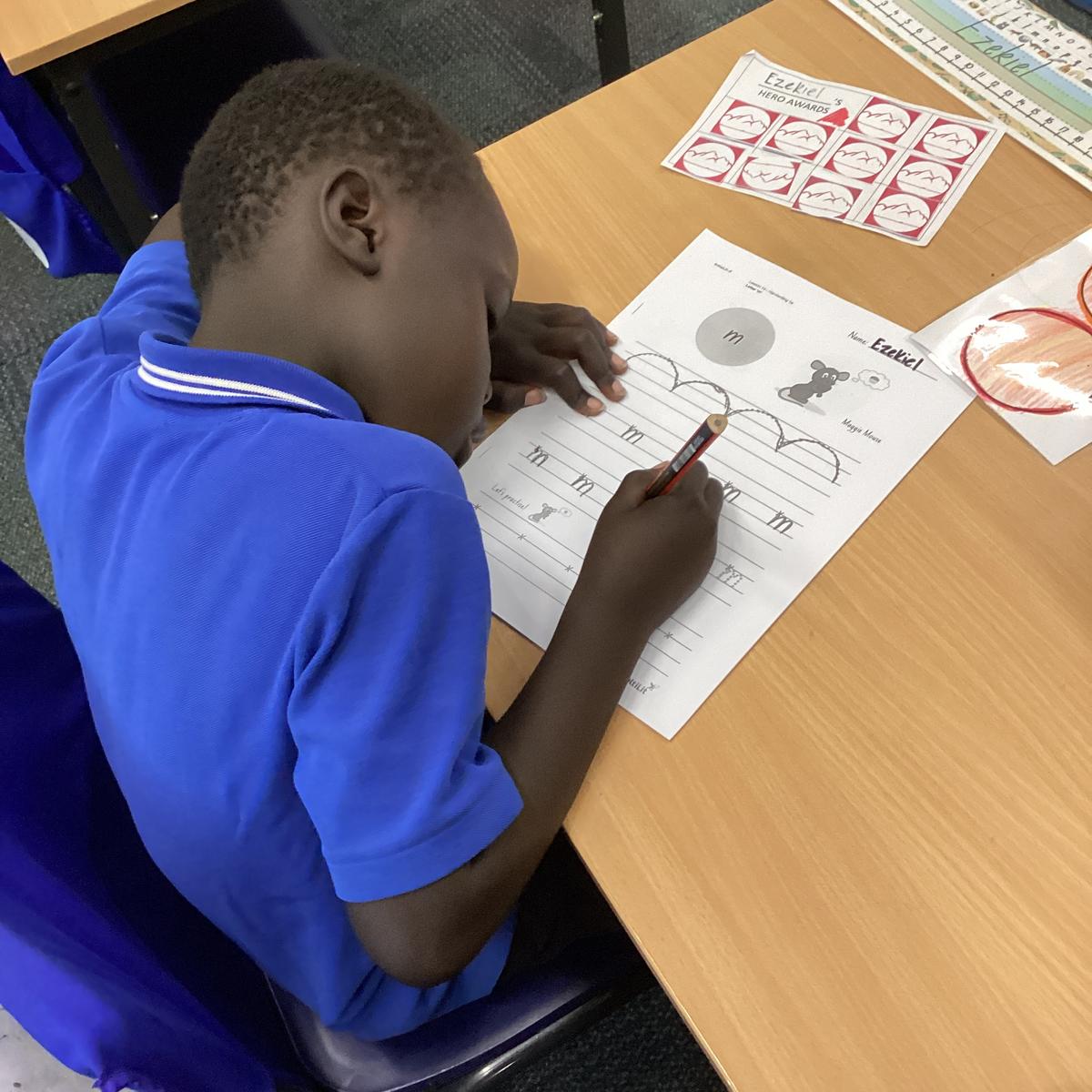
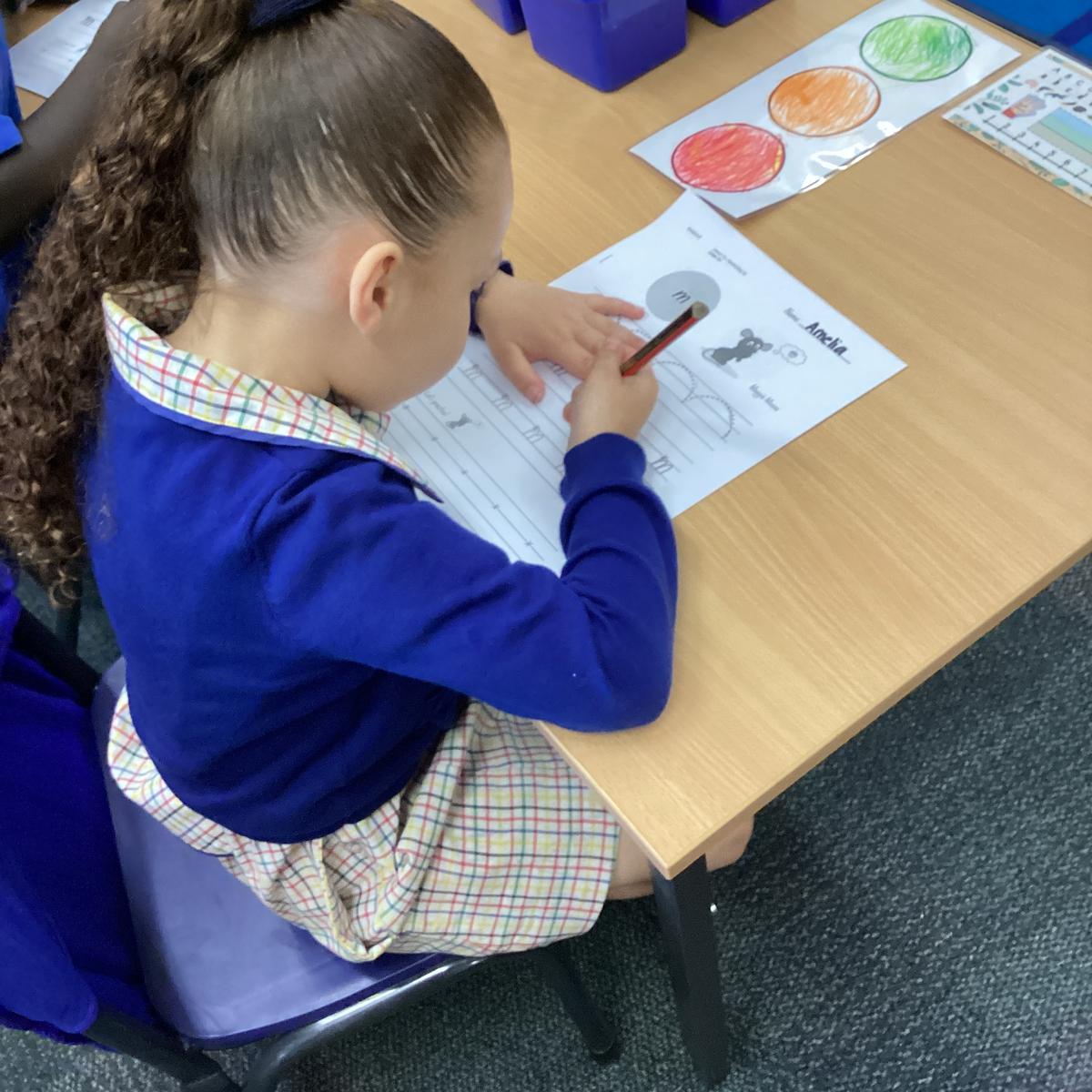
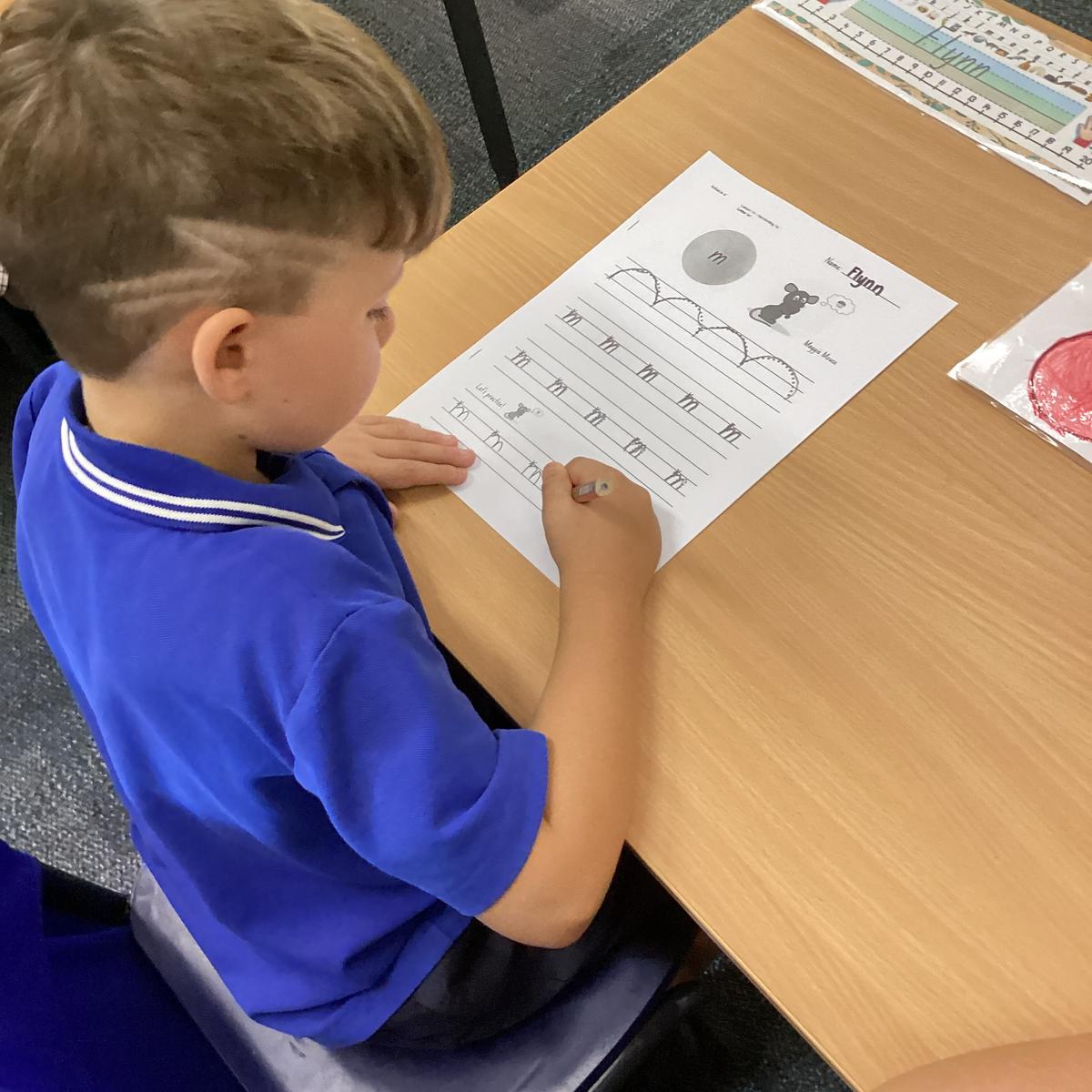
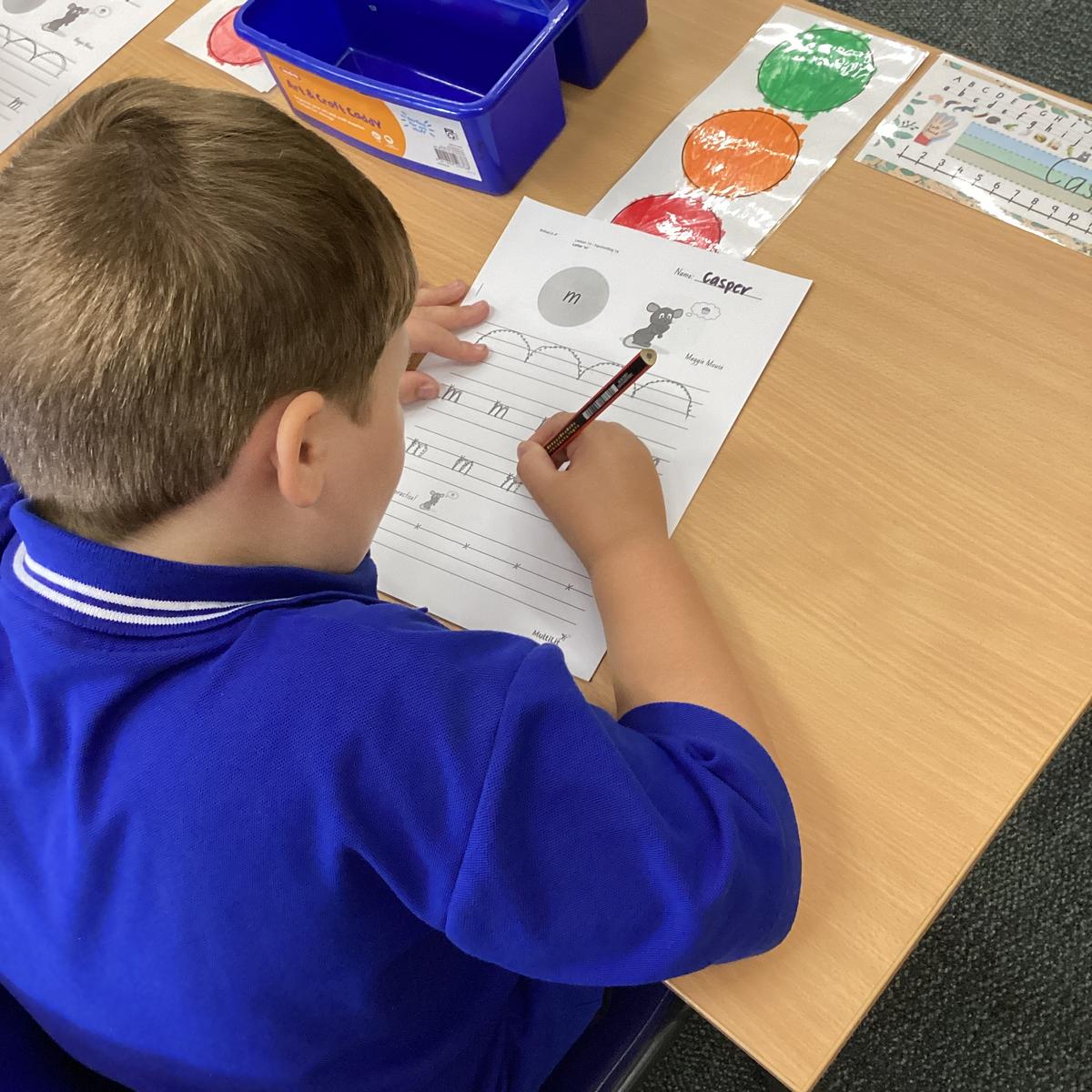
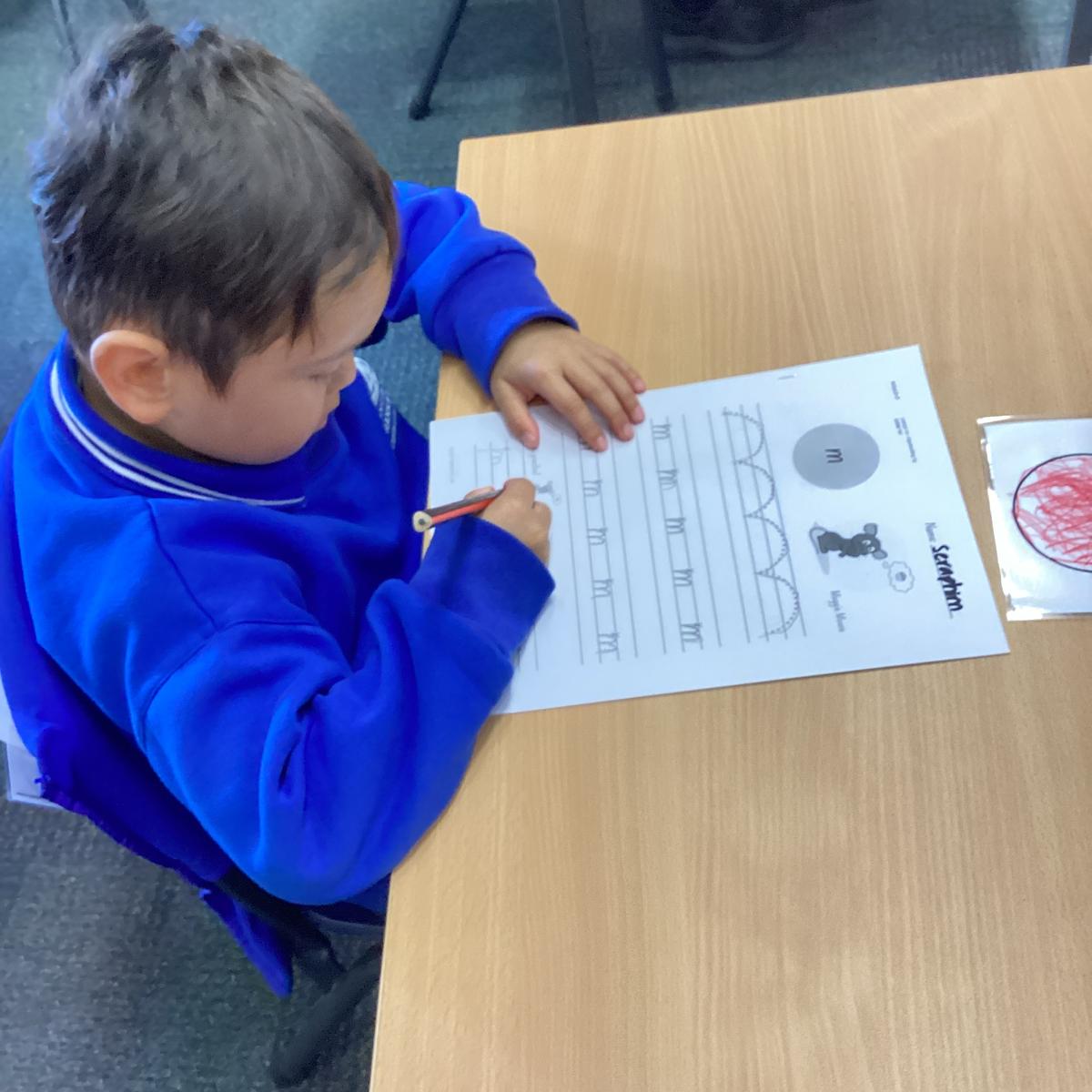
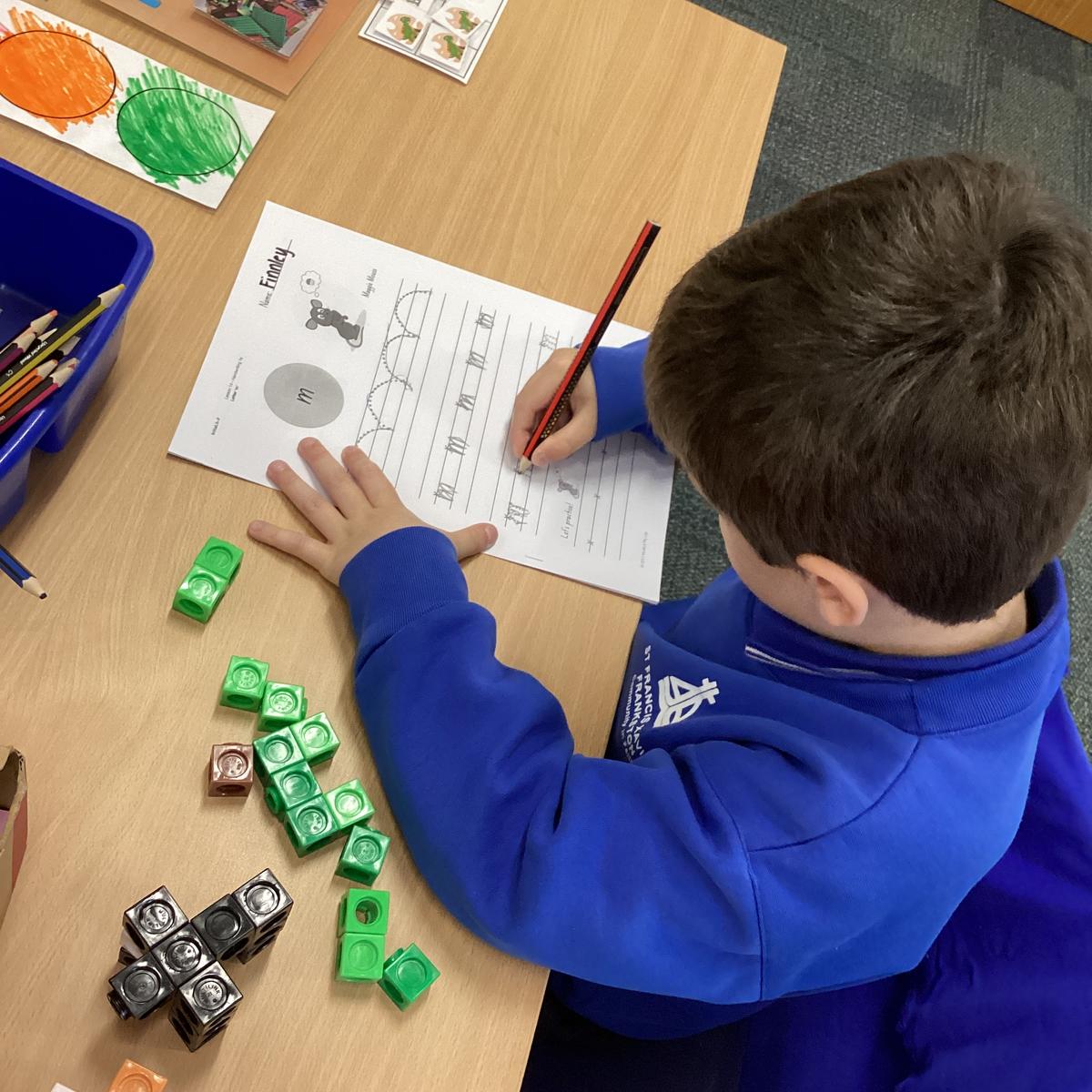
Over the past few weeks, the students have been participating in different literacy activities. They are learning the sounds /m/, /s/ and /t/. The students are also identifying these sounds at the beginning and end of words. They are writing the matching letter for each sound in preparation for writing.
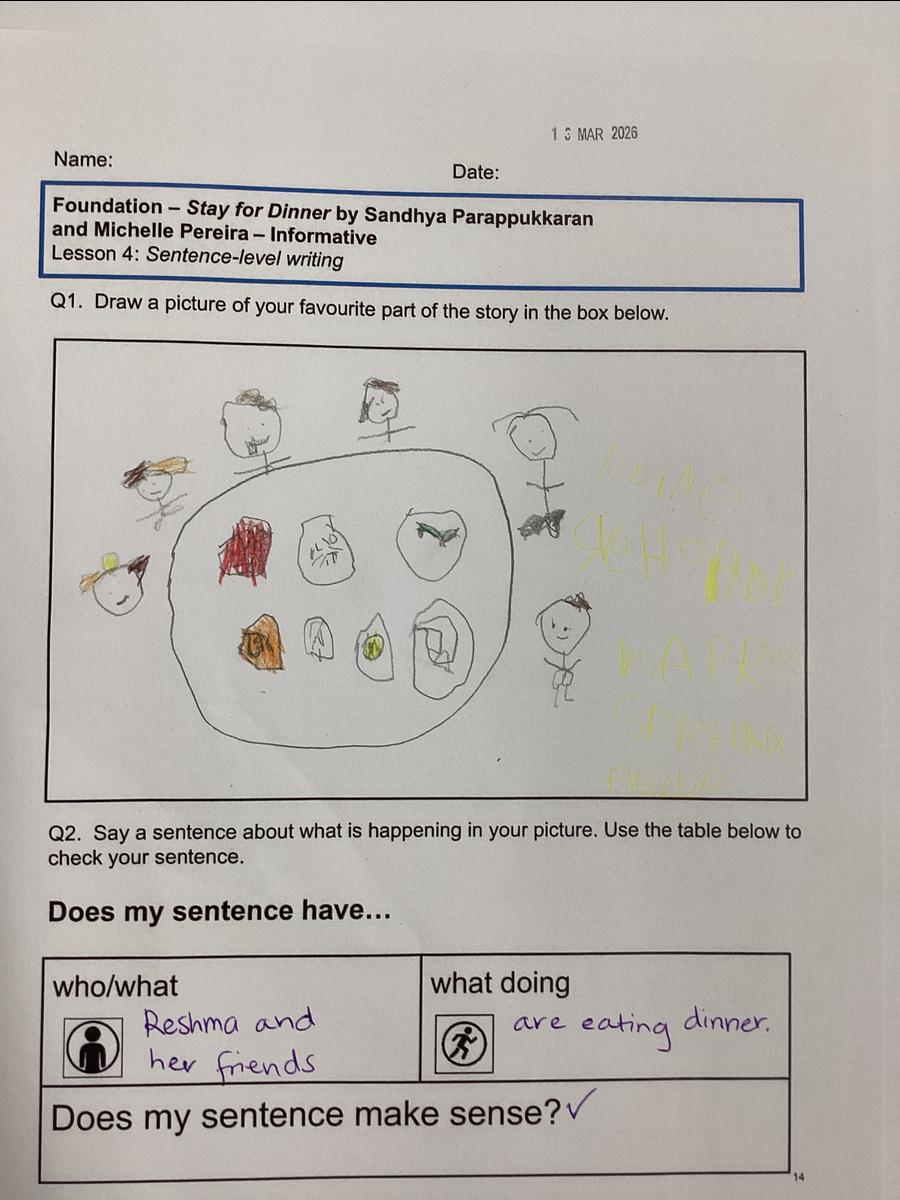
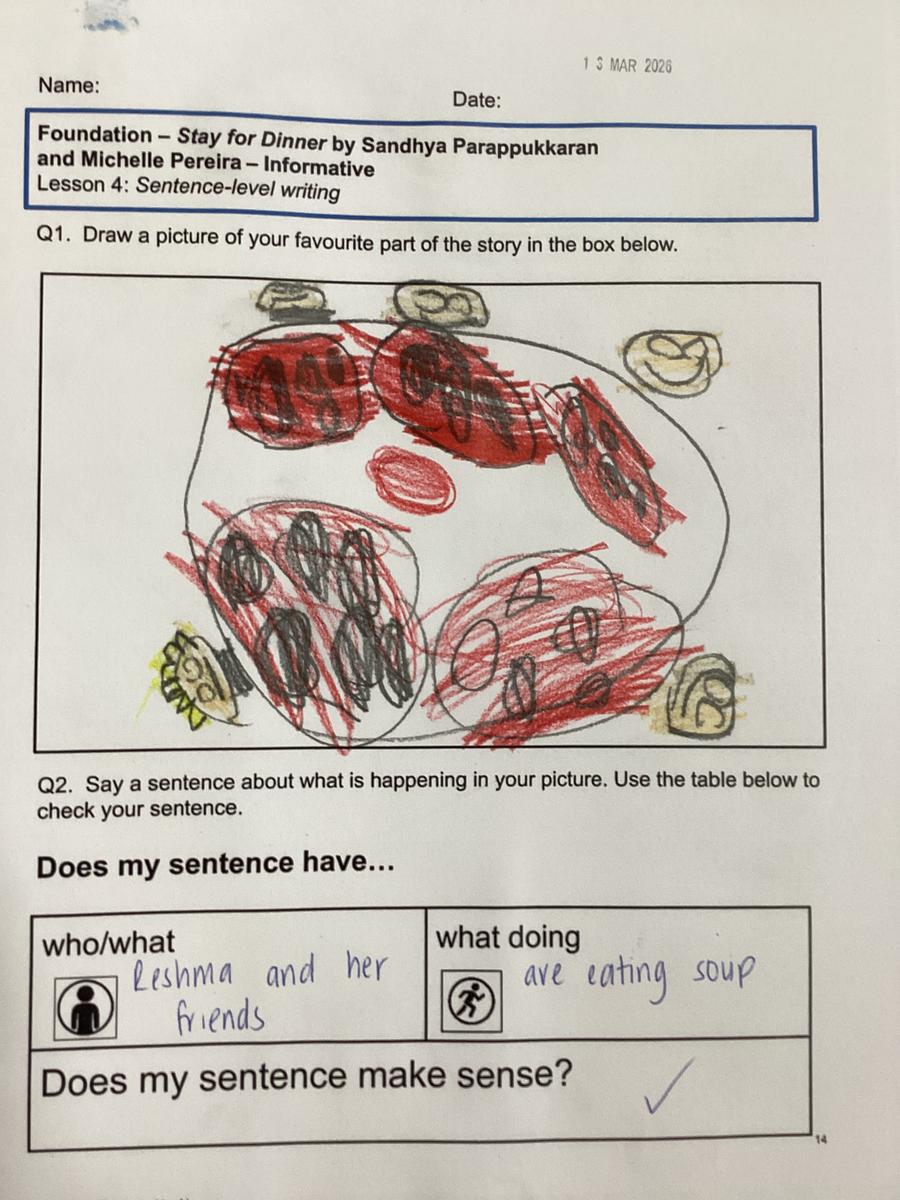
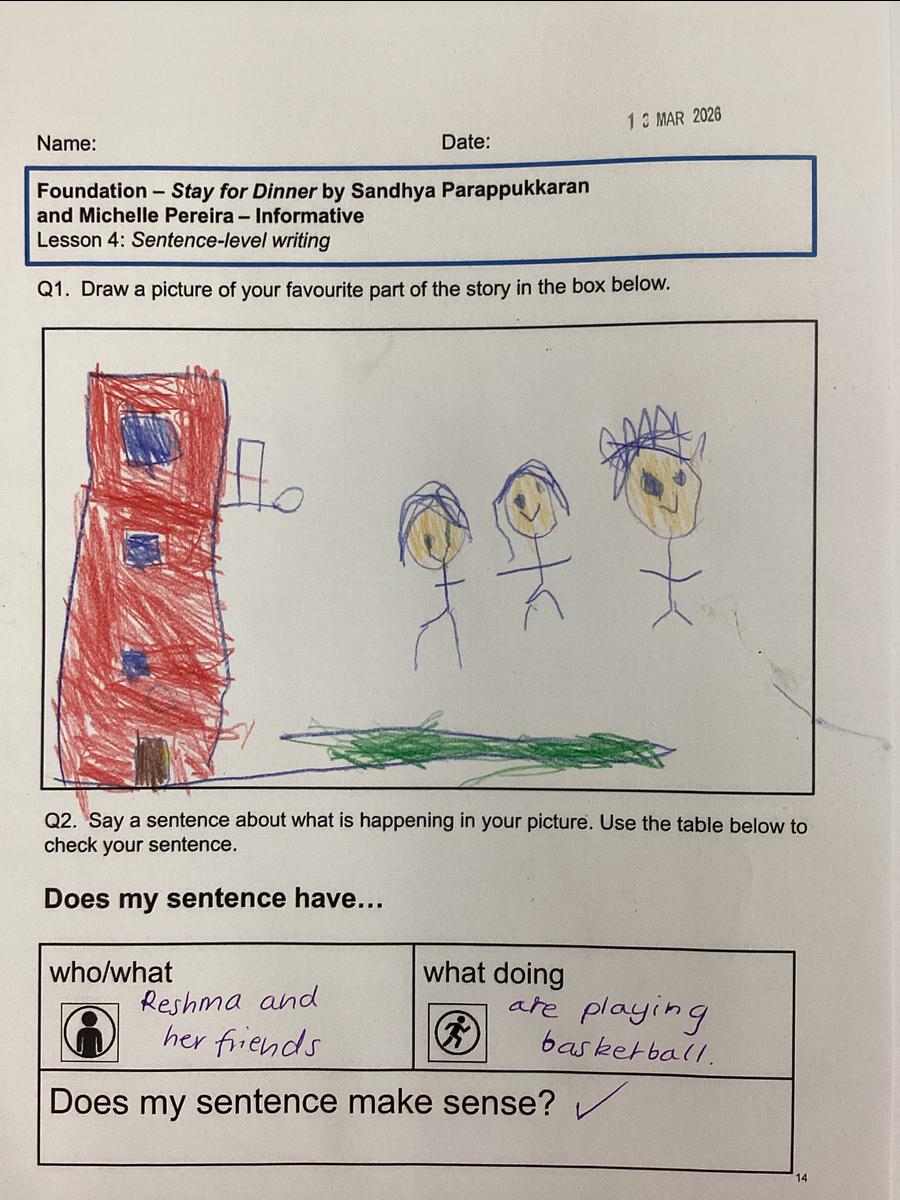
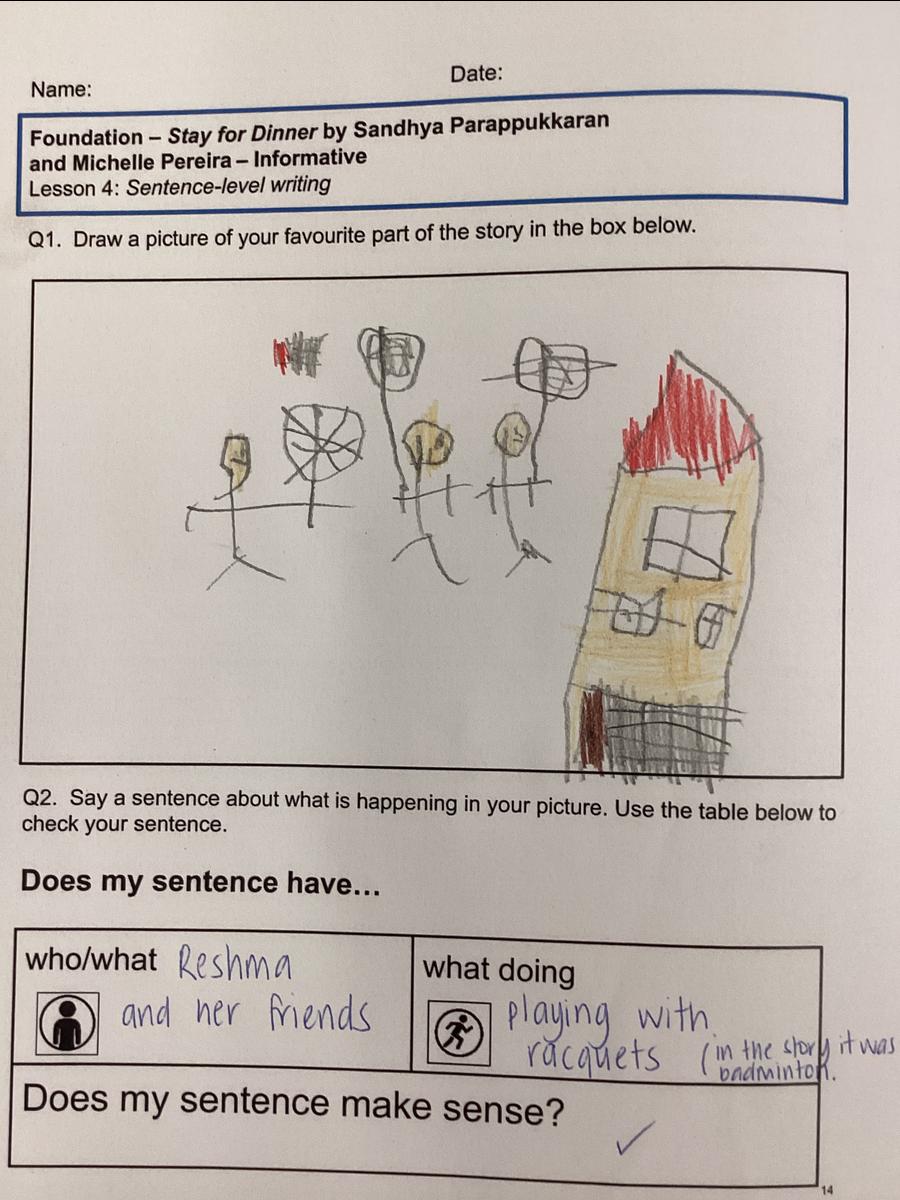
Over the past few weeks, we’ve been diving into our latest mentor text, Stay for Dinner. The students are becoming "story detectives" as we track the book's beginning, middle, and end. We’ve had a fantastic time identifying the characters, the setting, and the problem the characters face.
One of the highlights has been our classroom discussions about food! Students have been sharing their favourite meals from home and comparing them to the dishes we see in the story. It’s been a wonderful way to celebrate our diverse traditions.
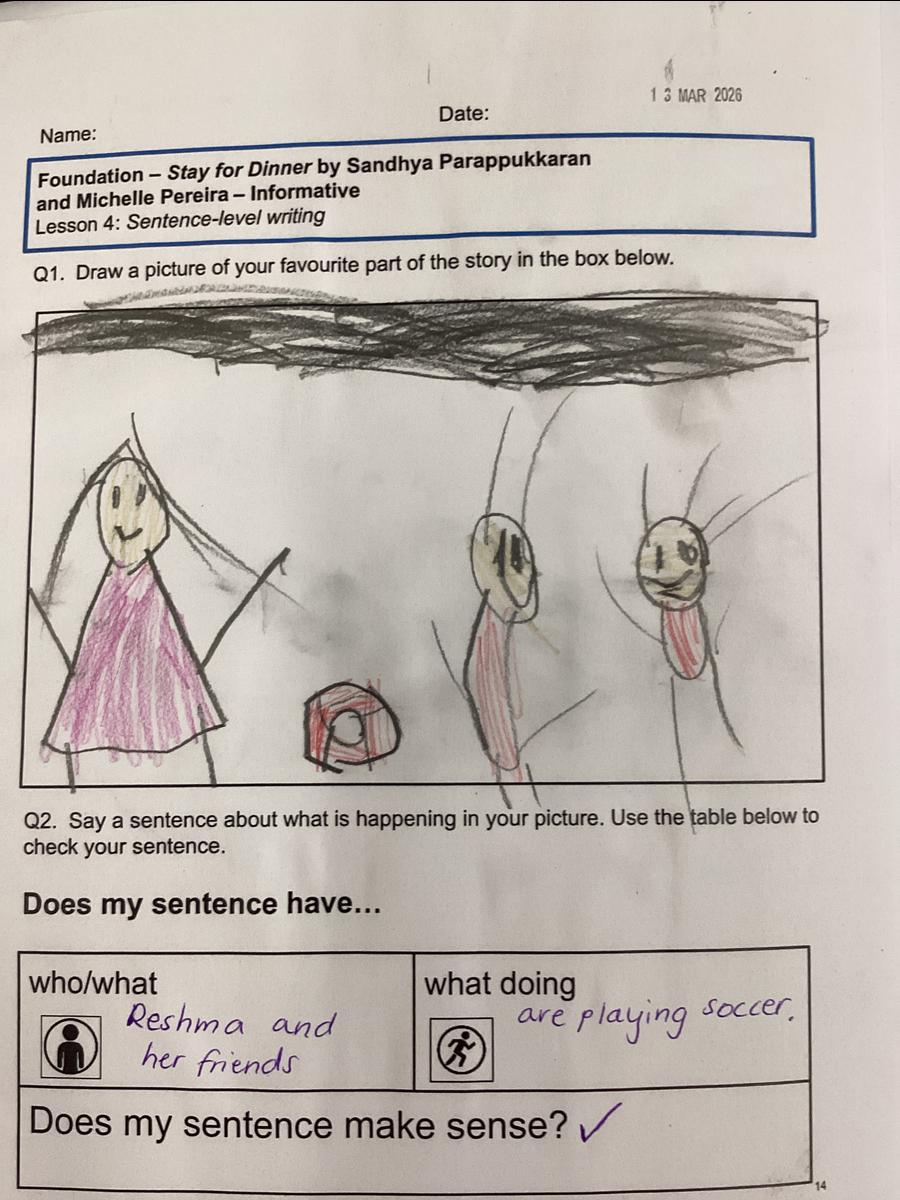
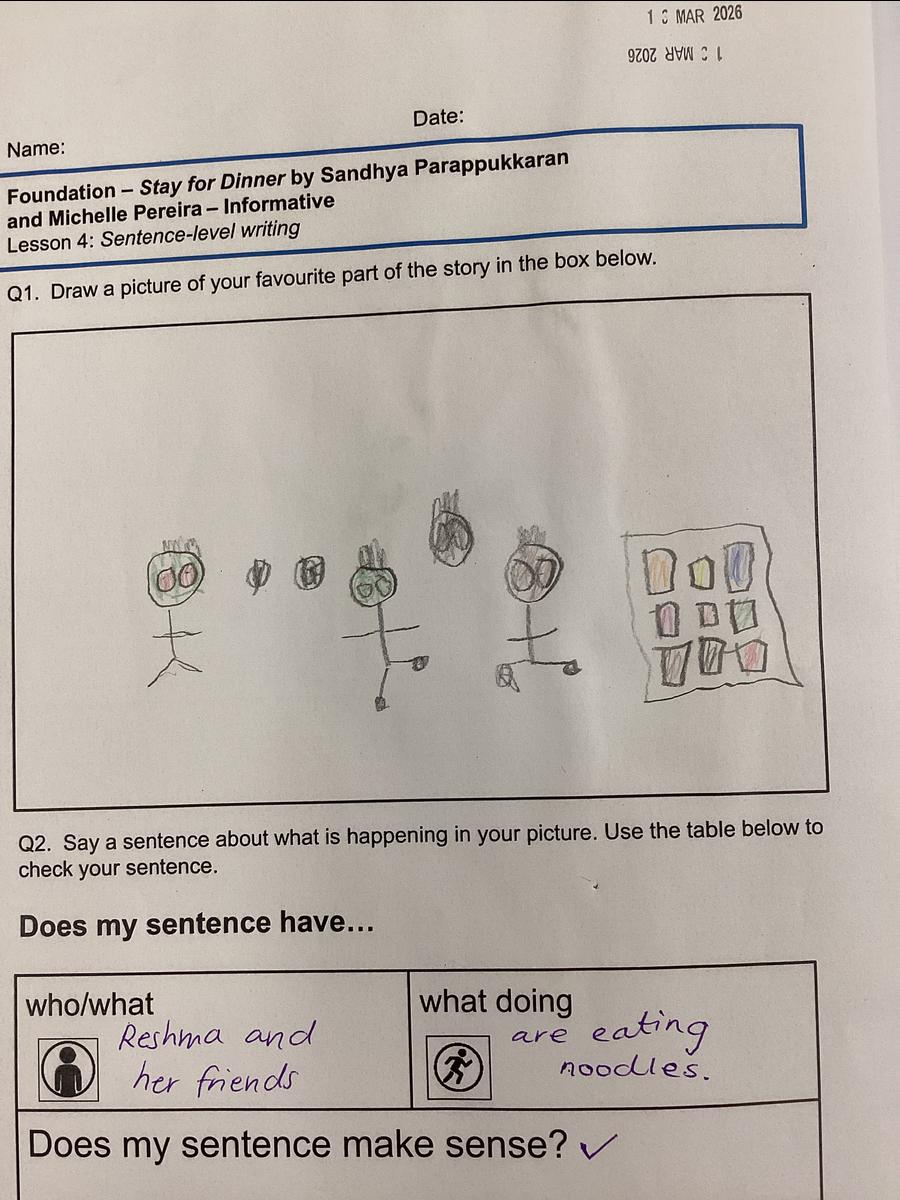
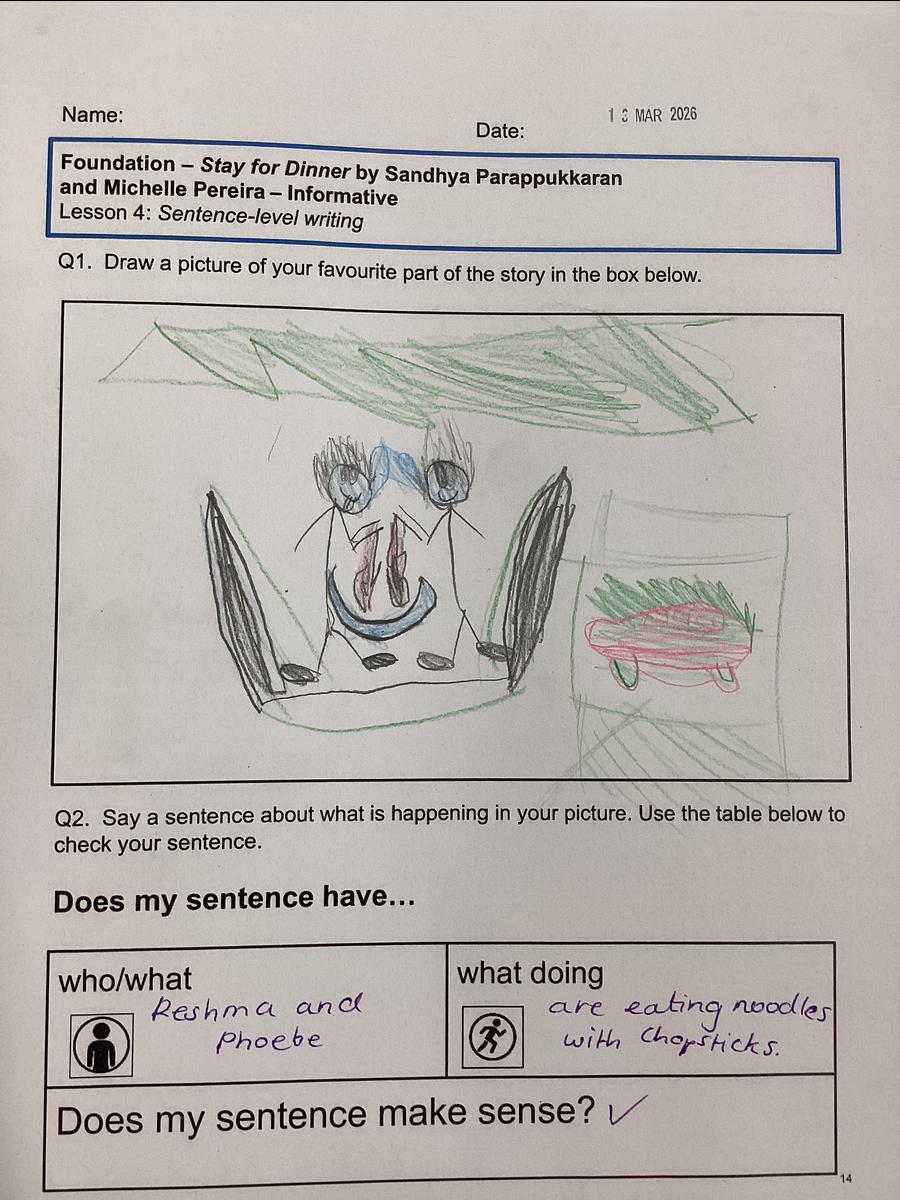
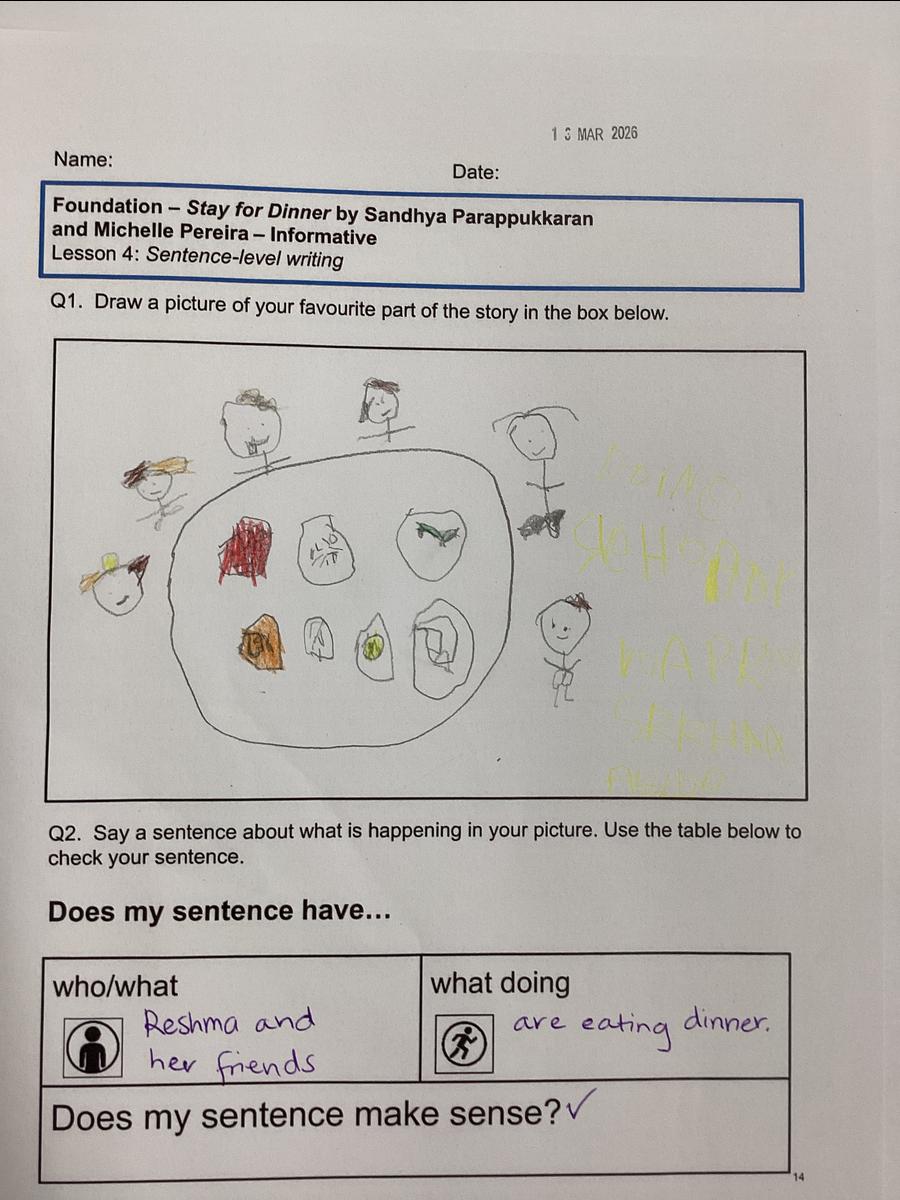
In our writing block, we are focusing on the "building blocks" of a great sentence. Our goal is to create simple, clear sentences that make sense to the reader.
Students are currently practising how to identify the two essential parts of a complete sentence:
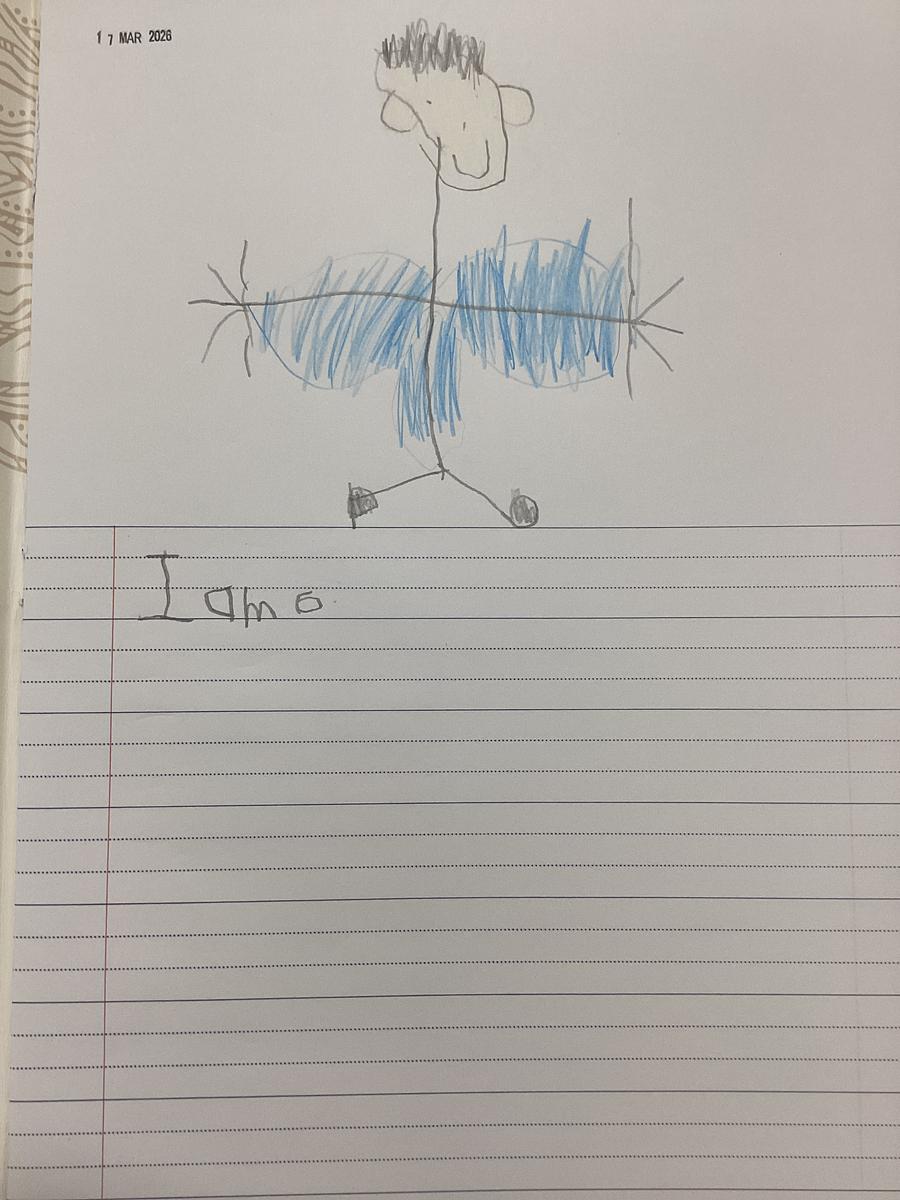
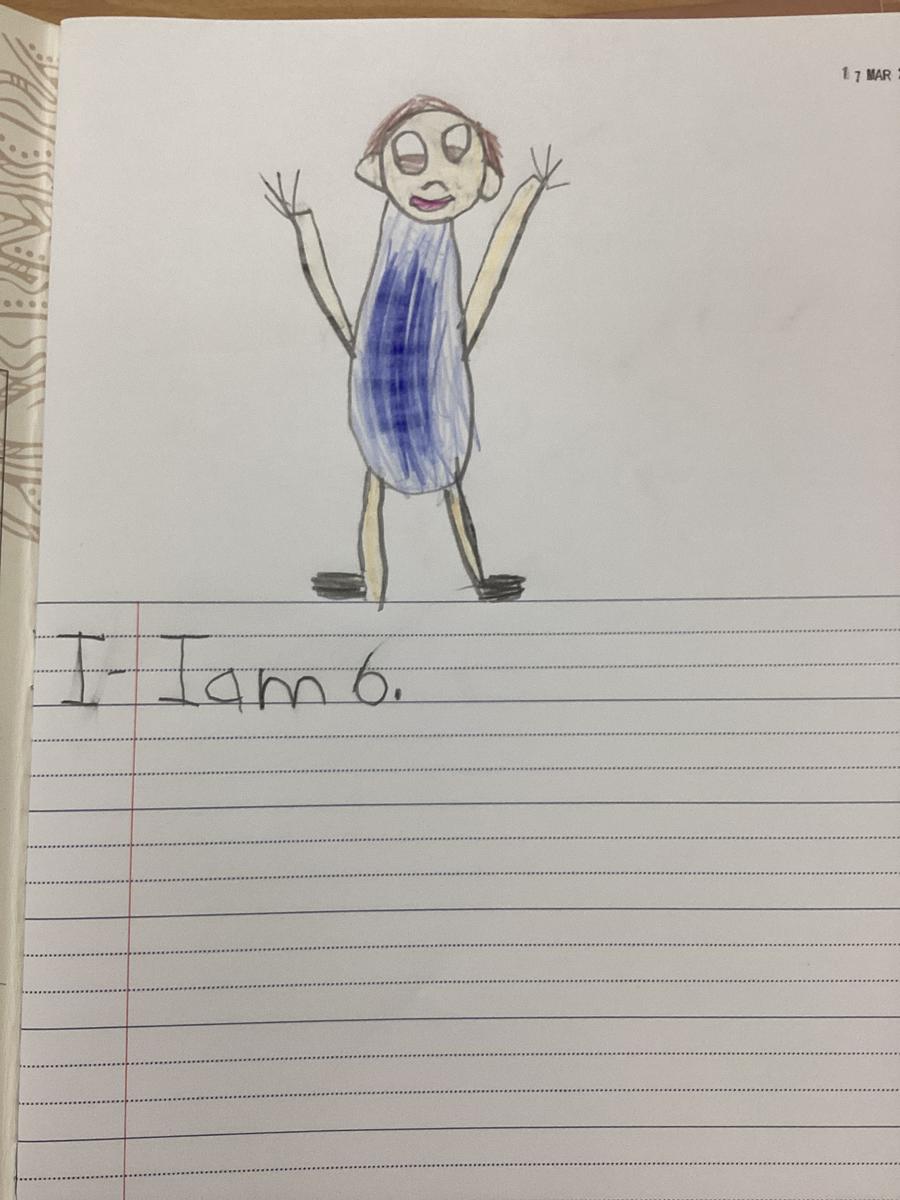
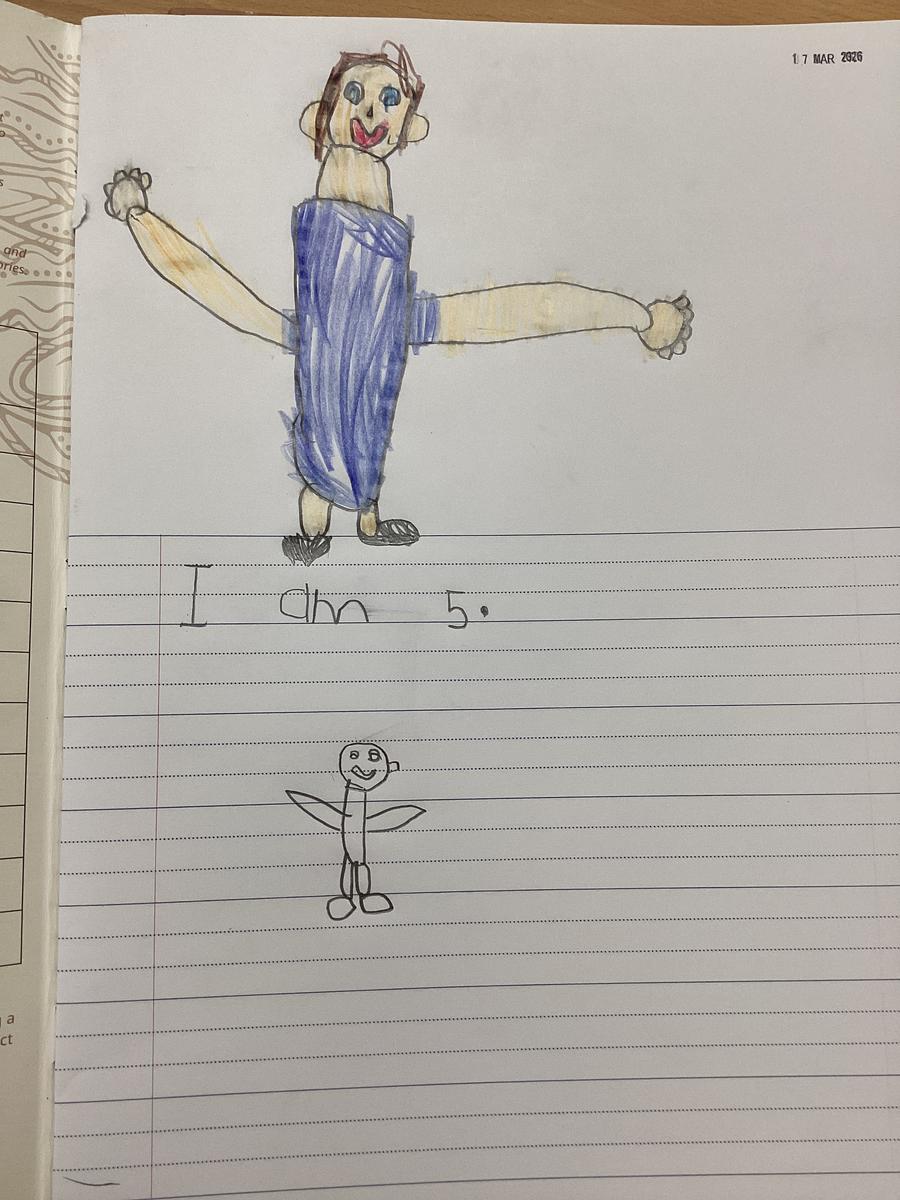
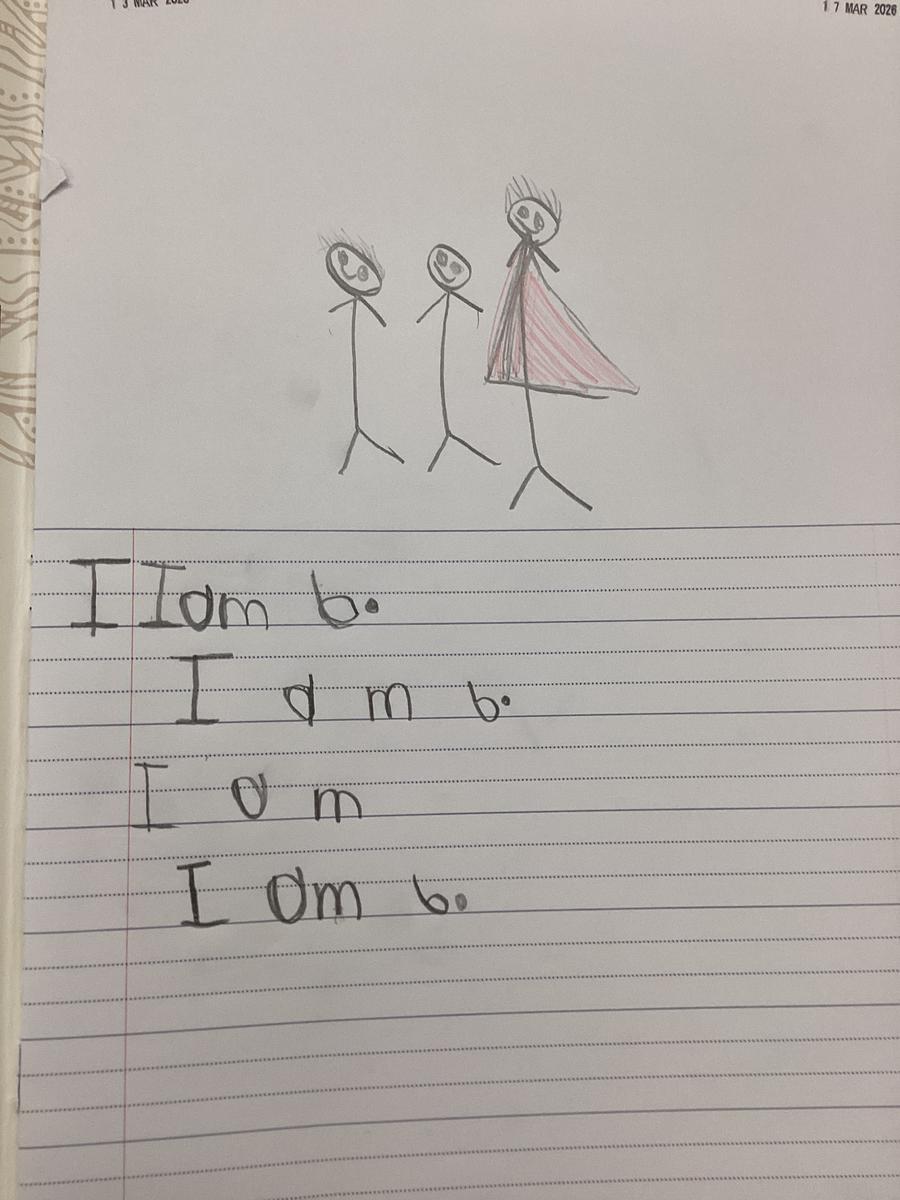
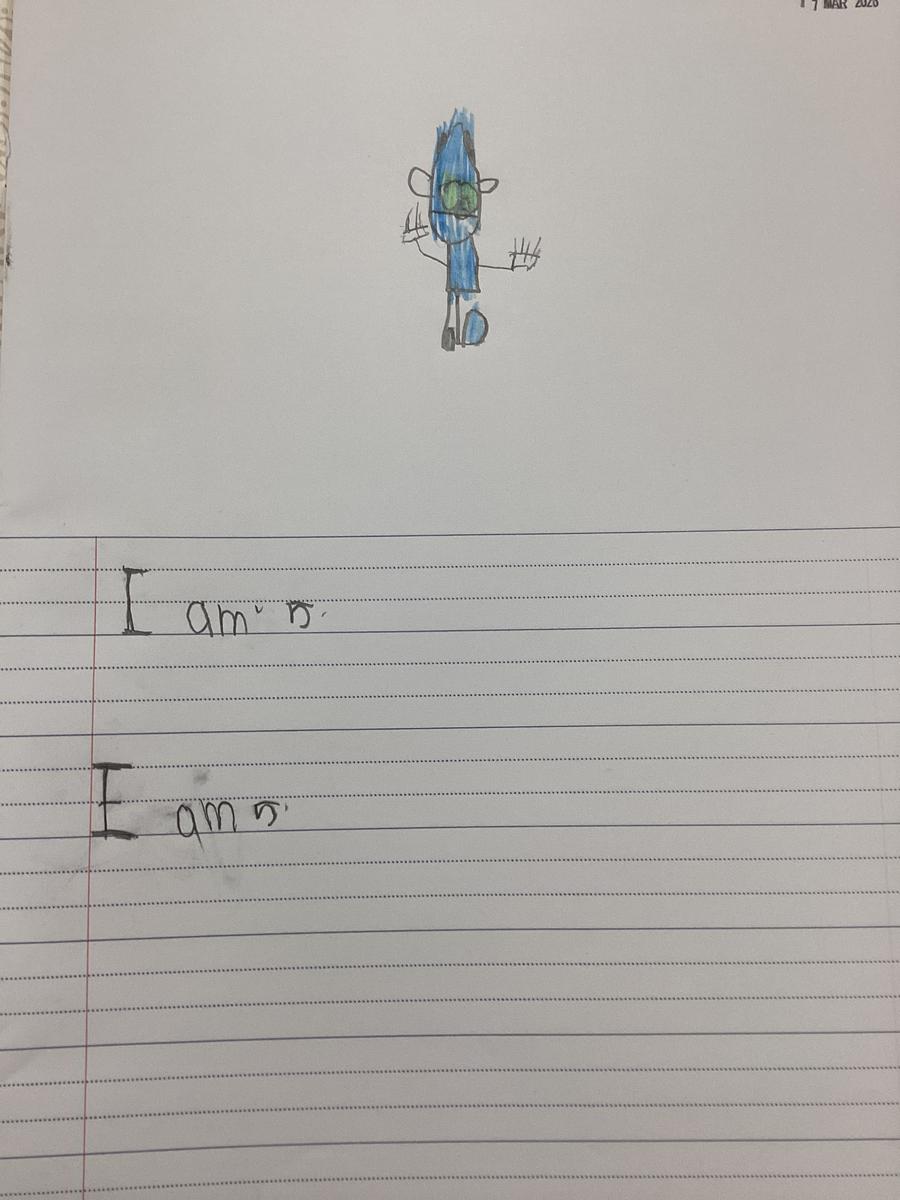
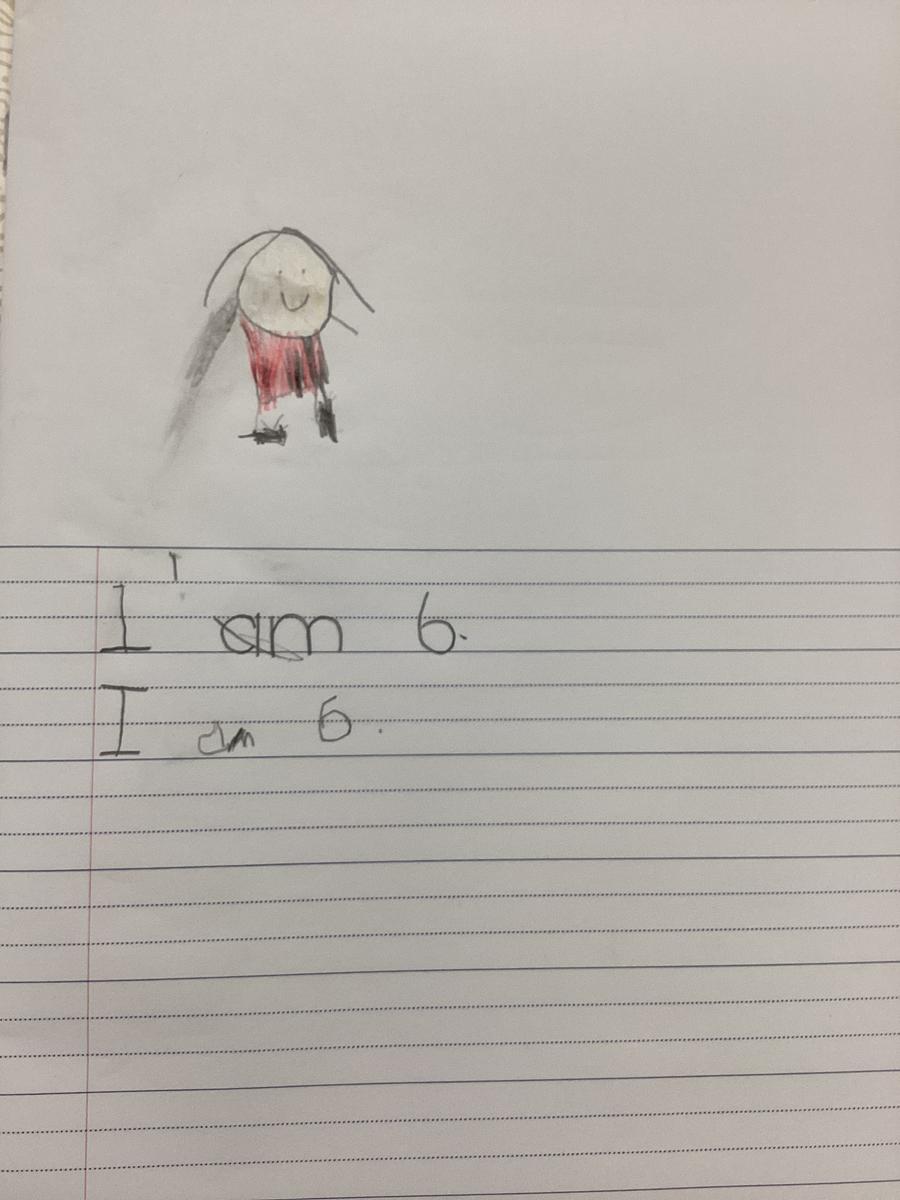
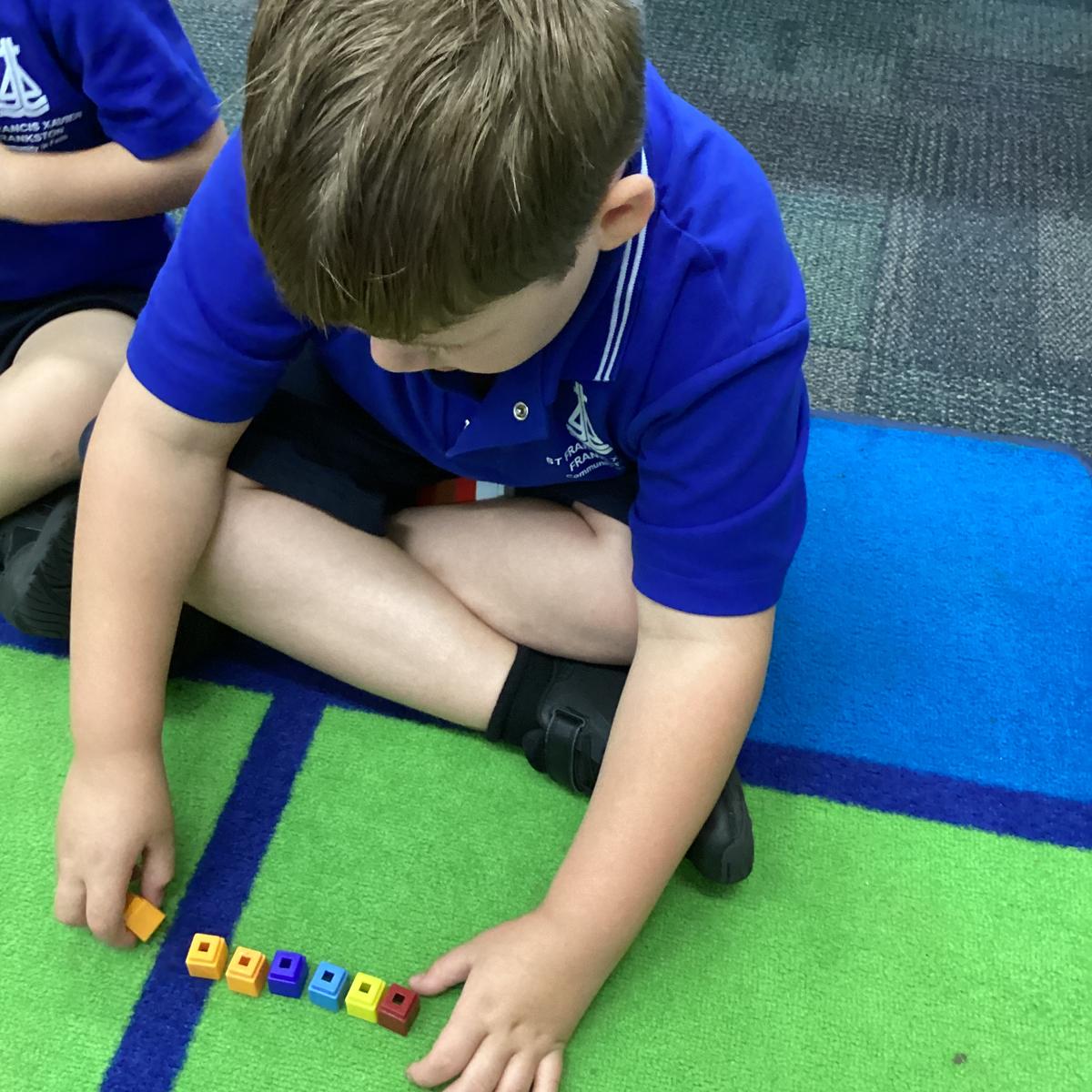
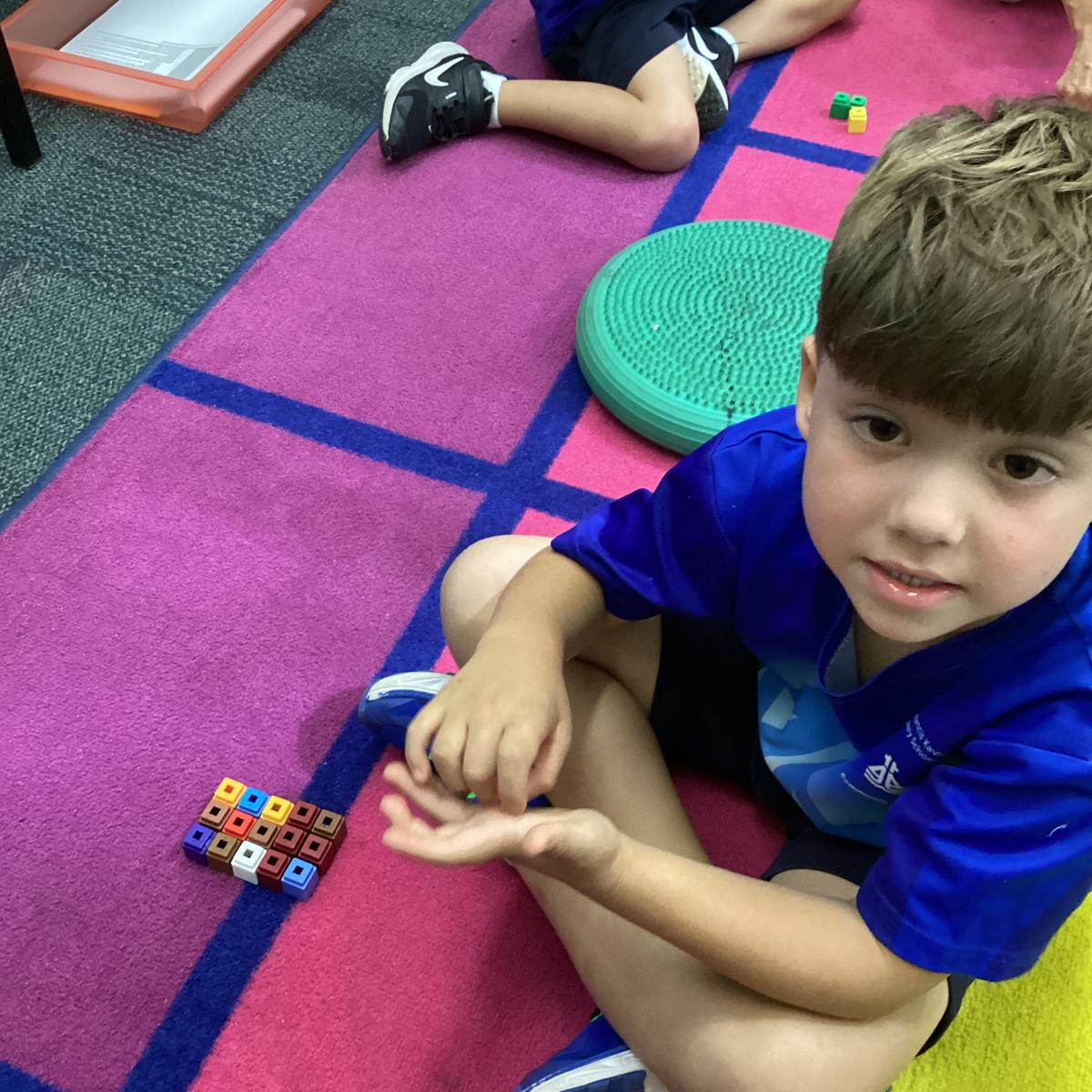
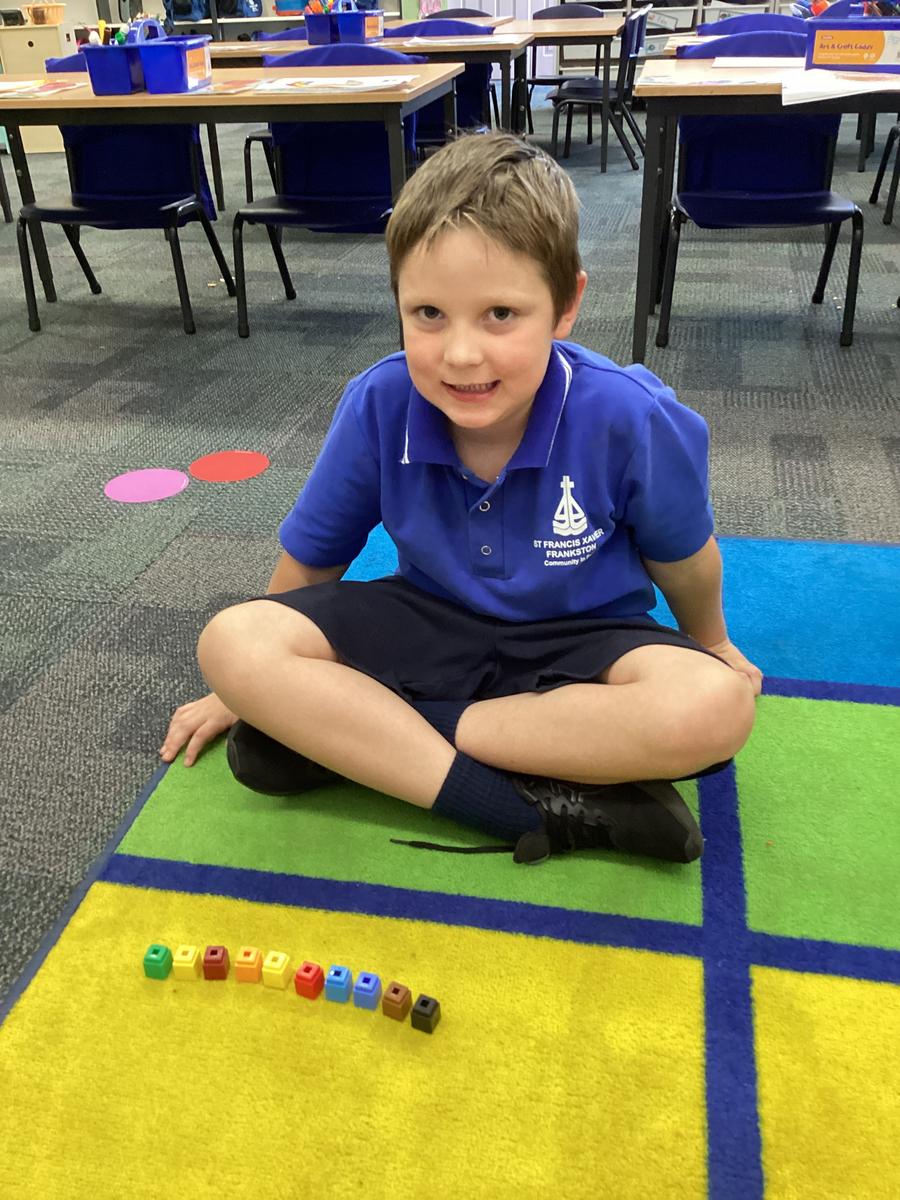
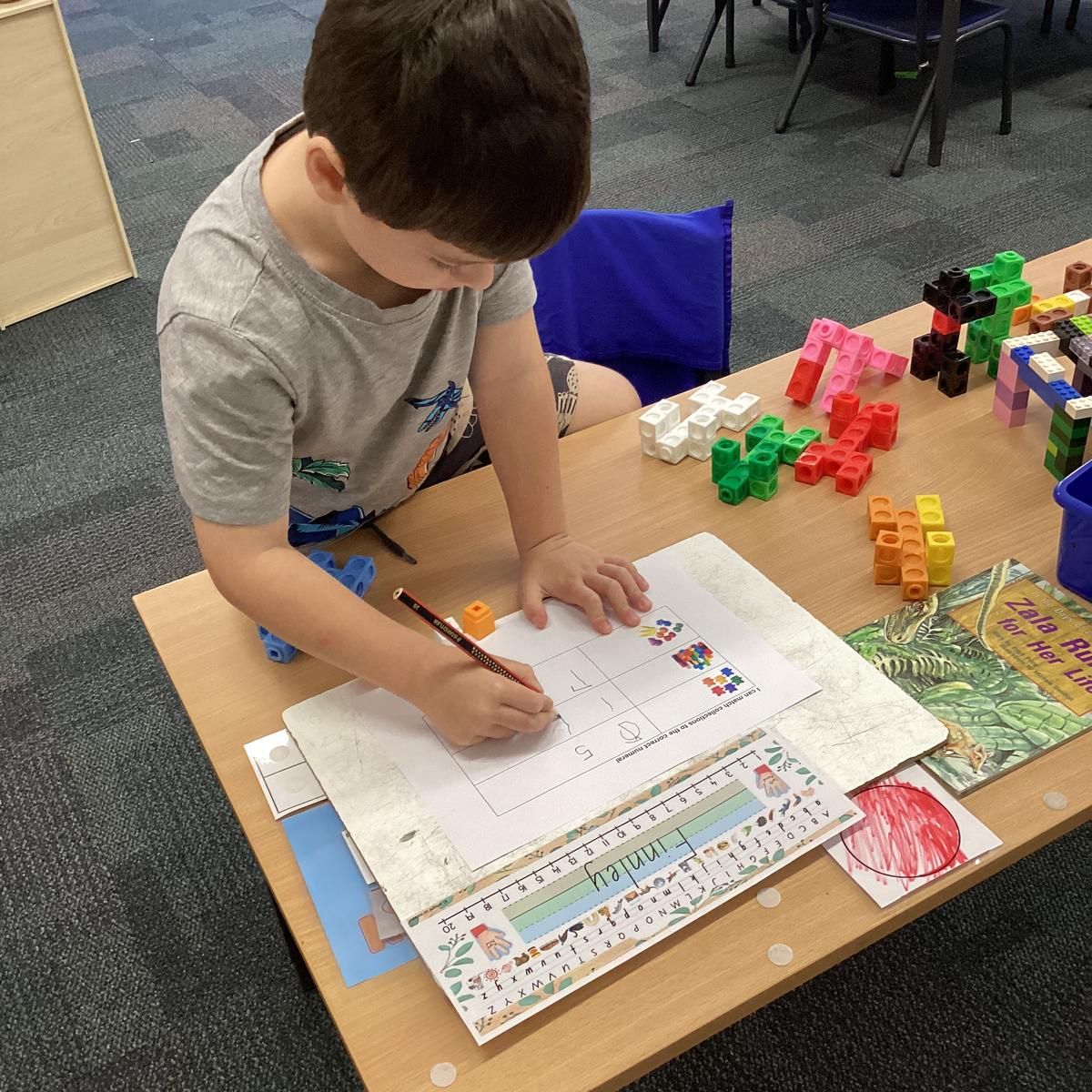
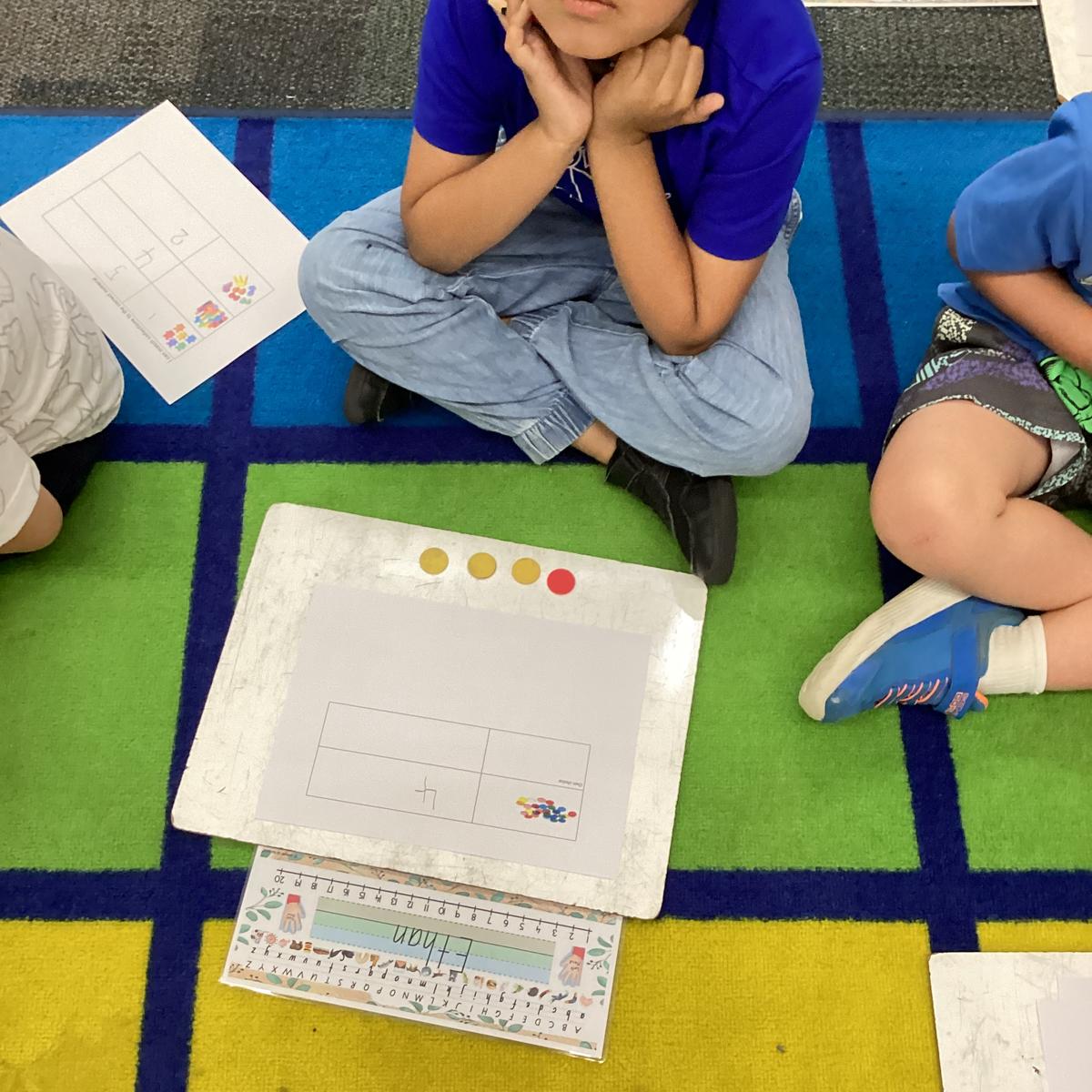
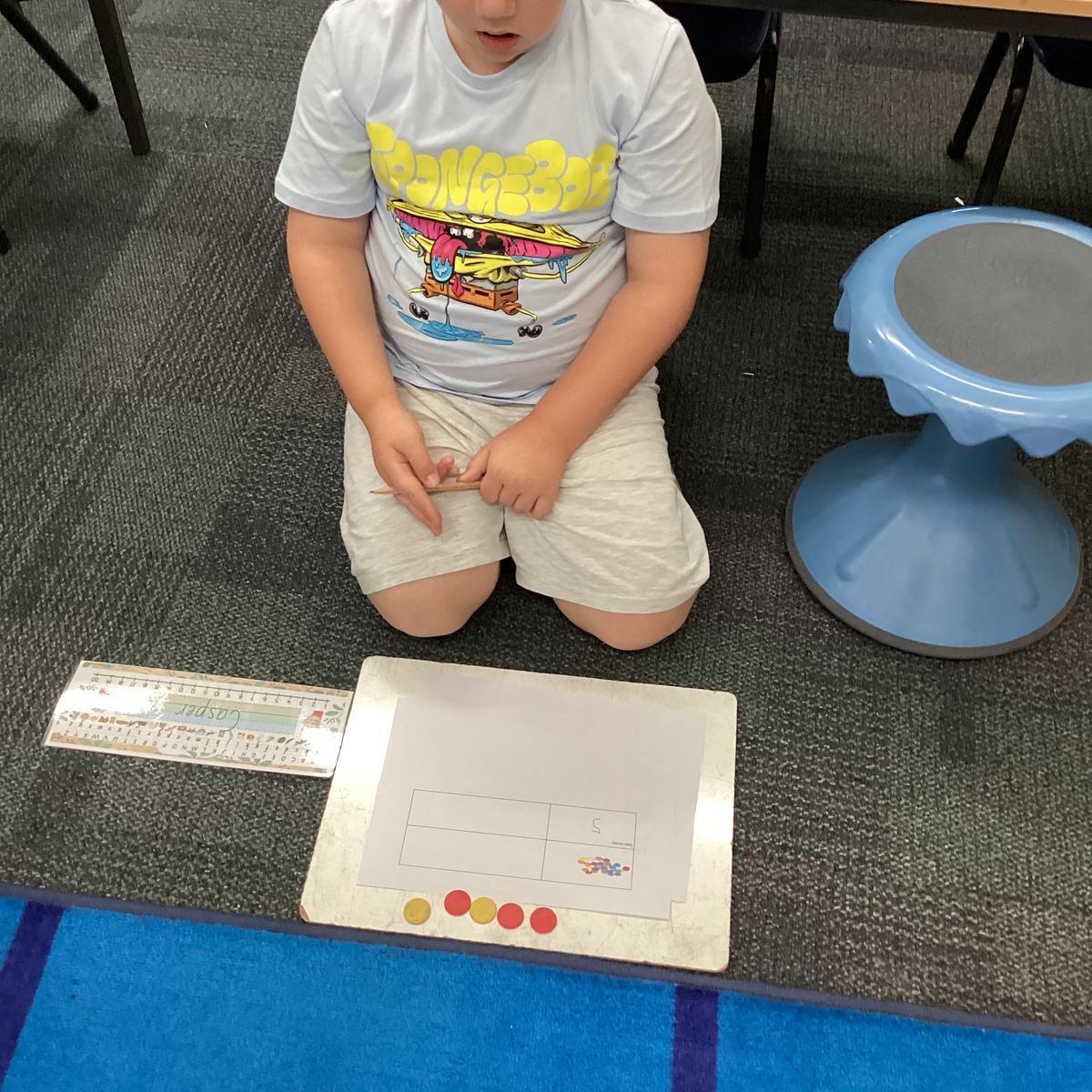
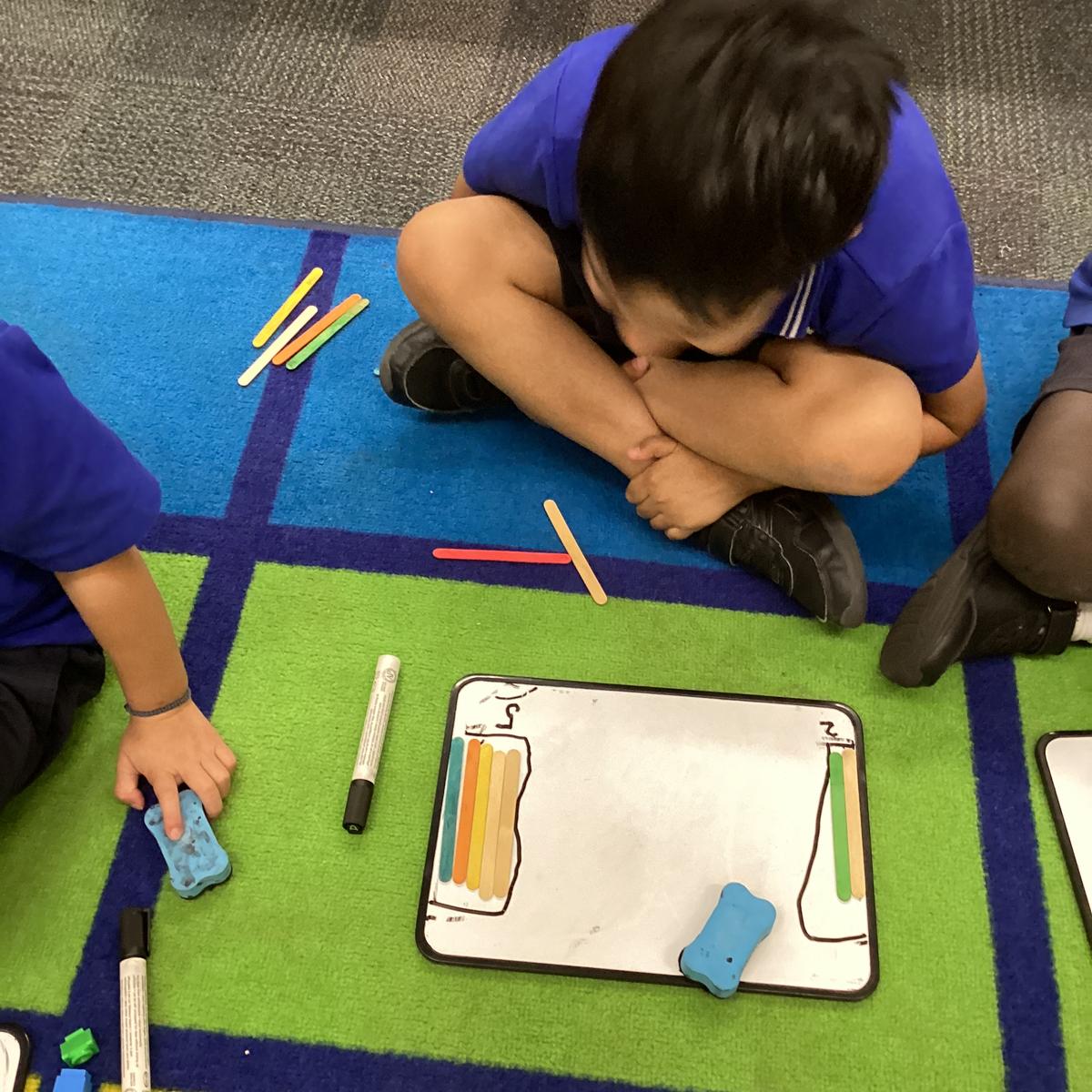
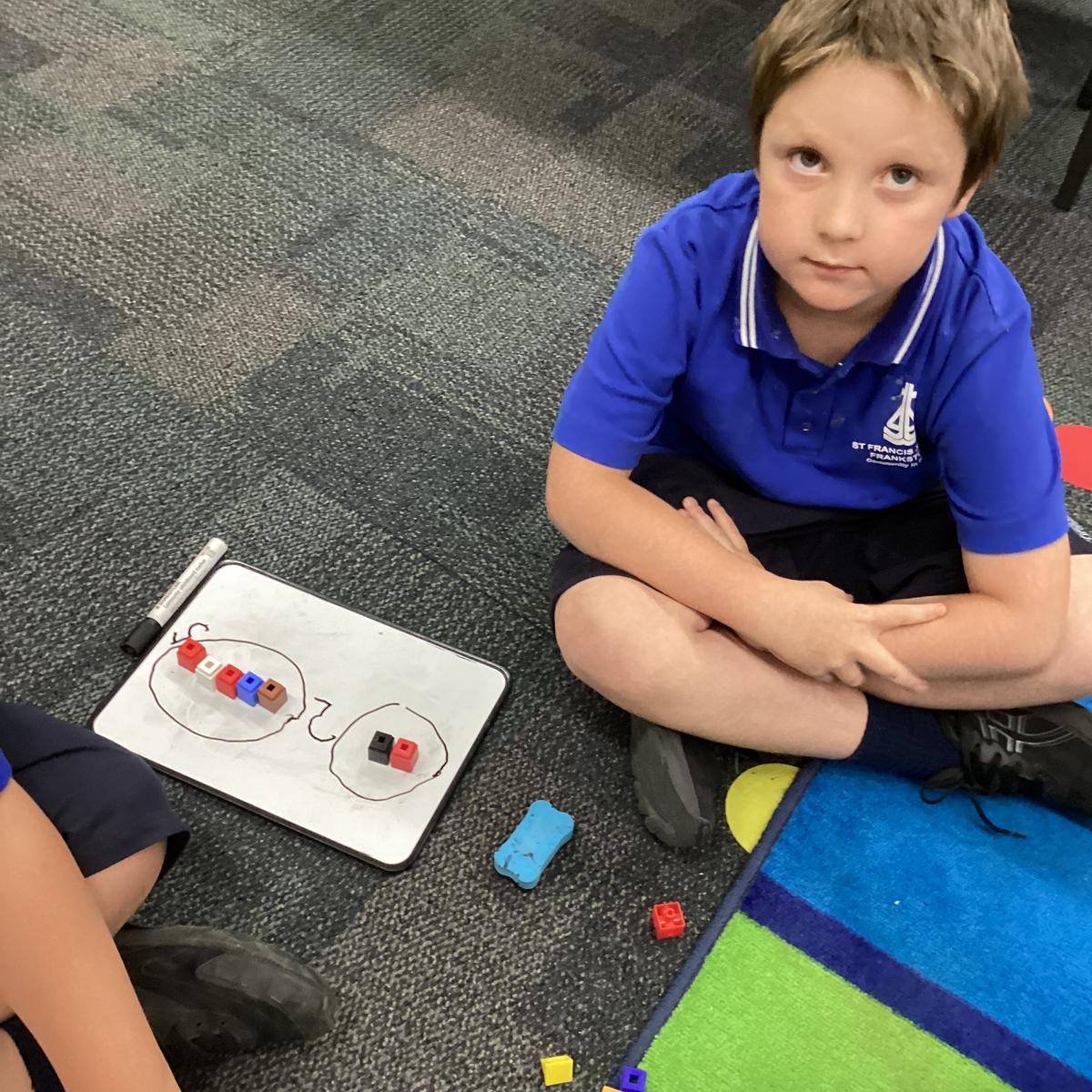
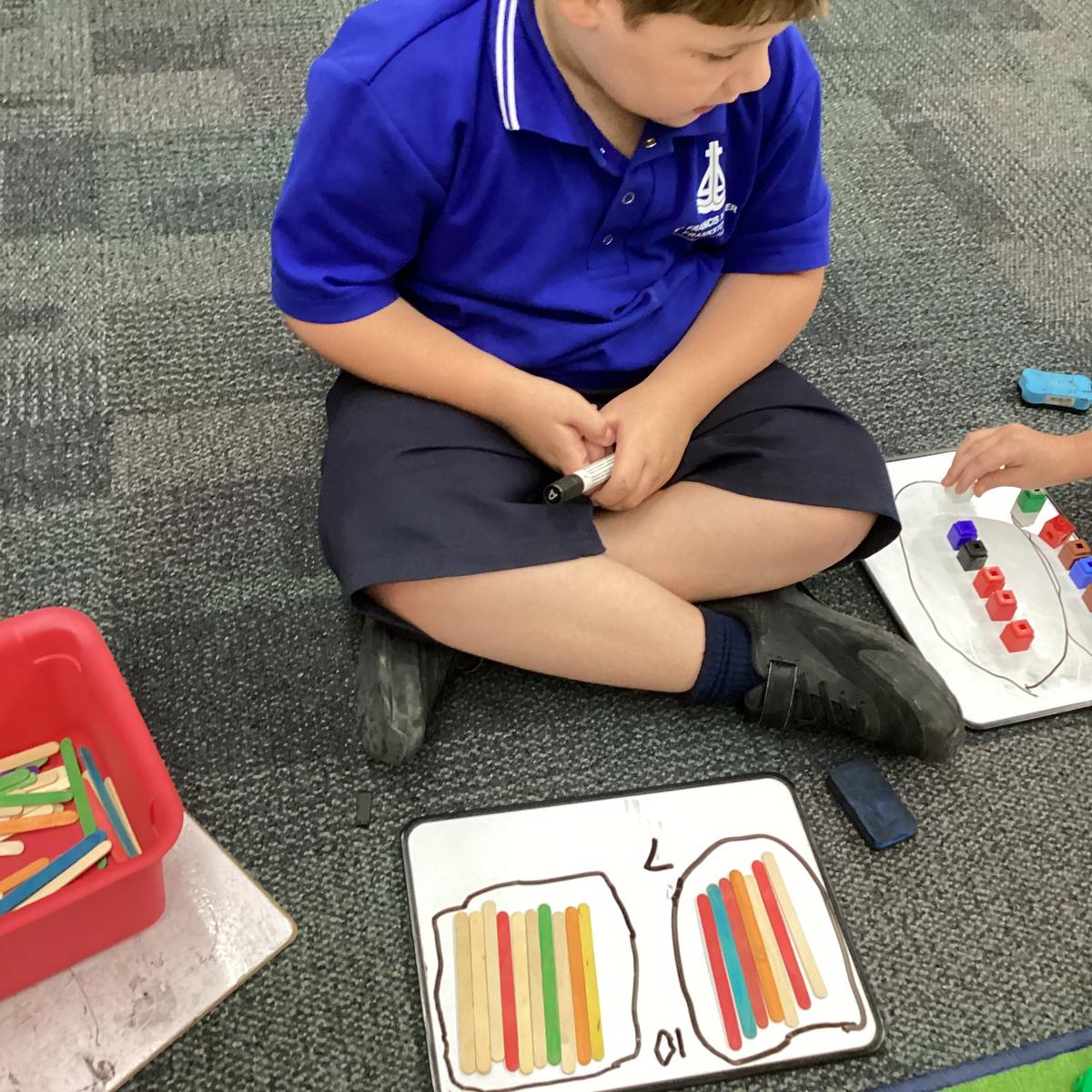
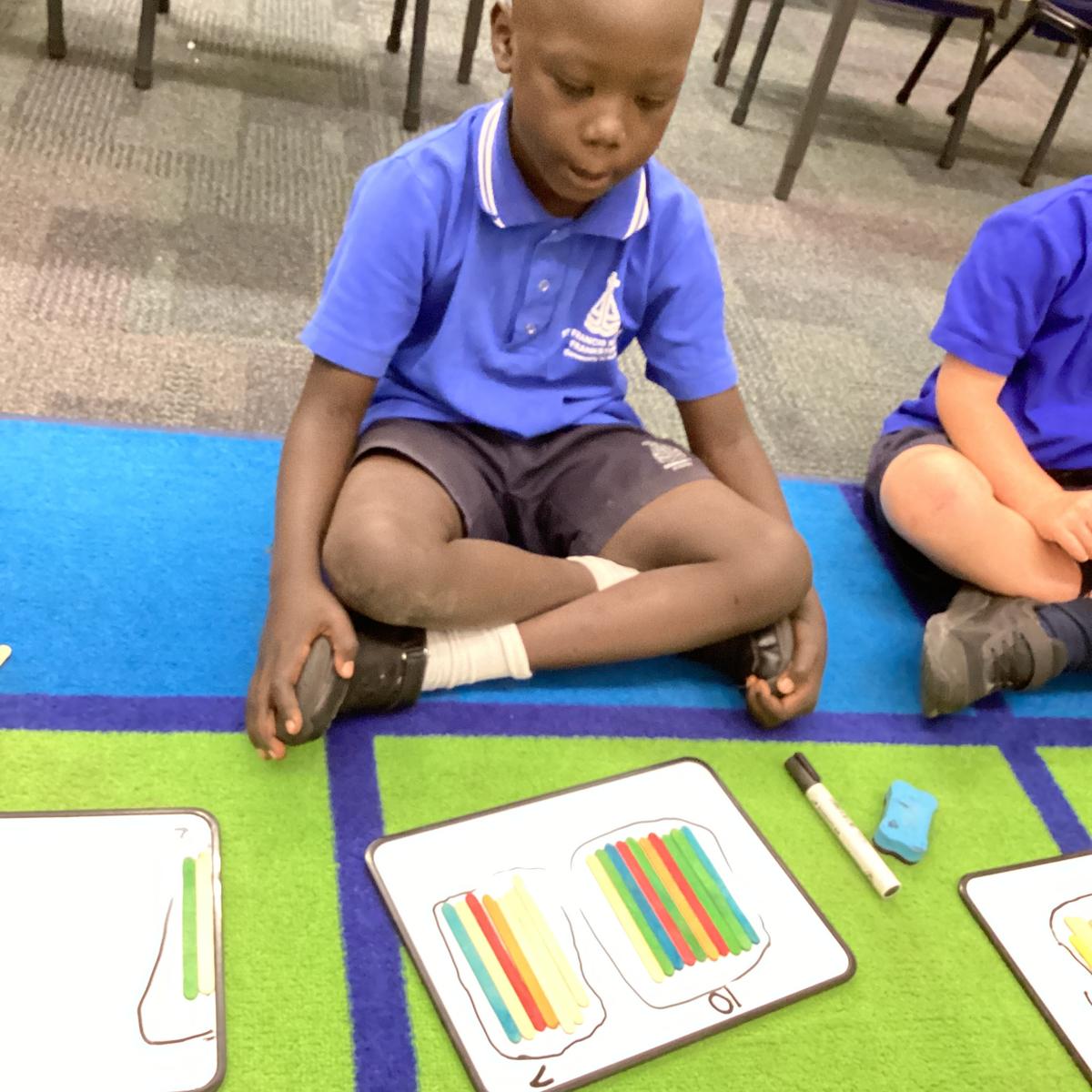
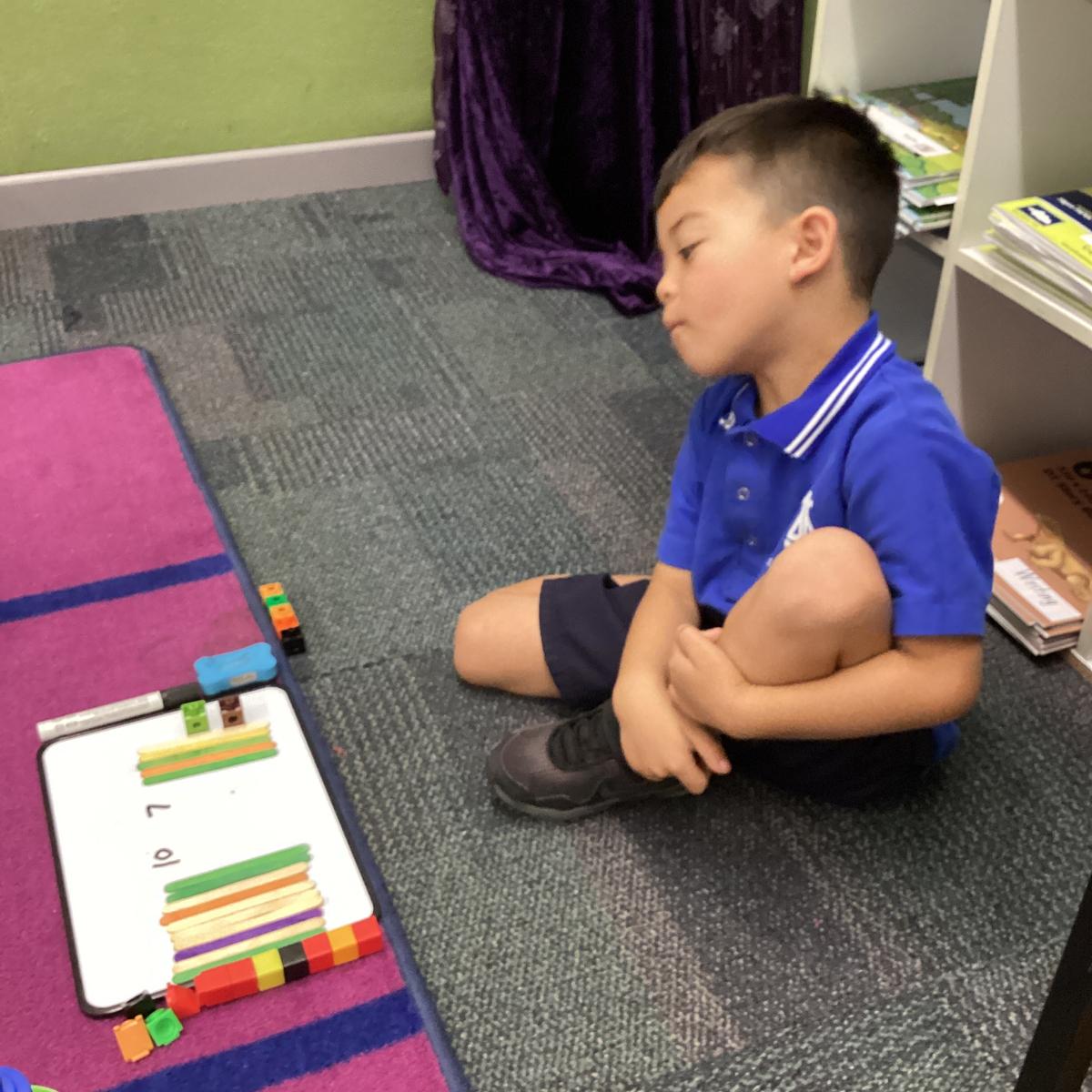
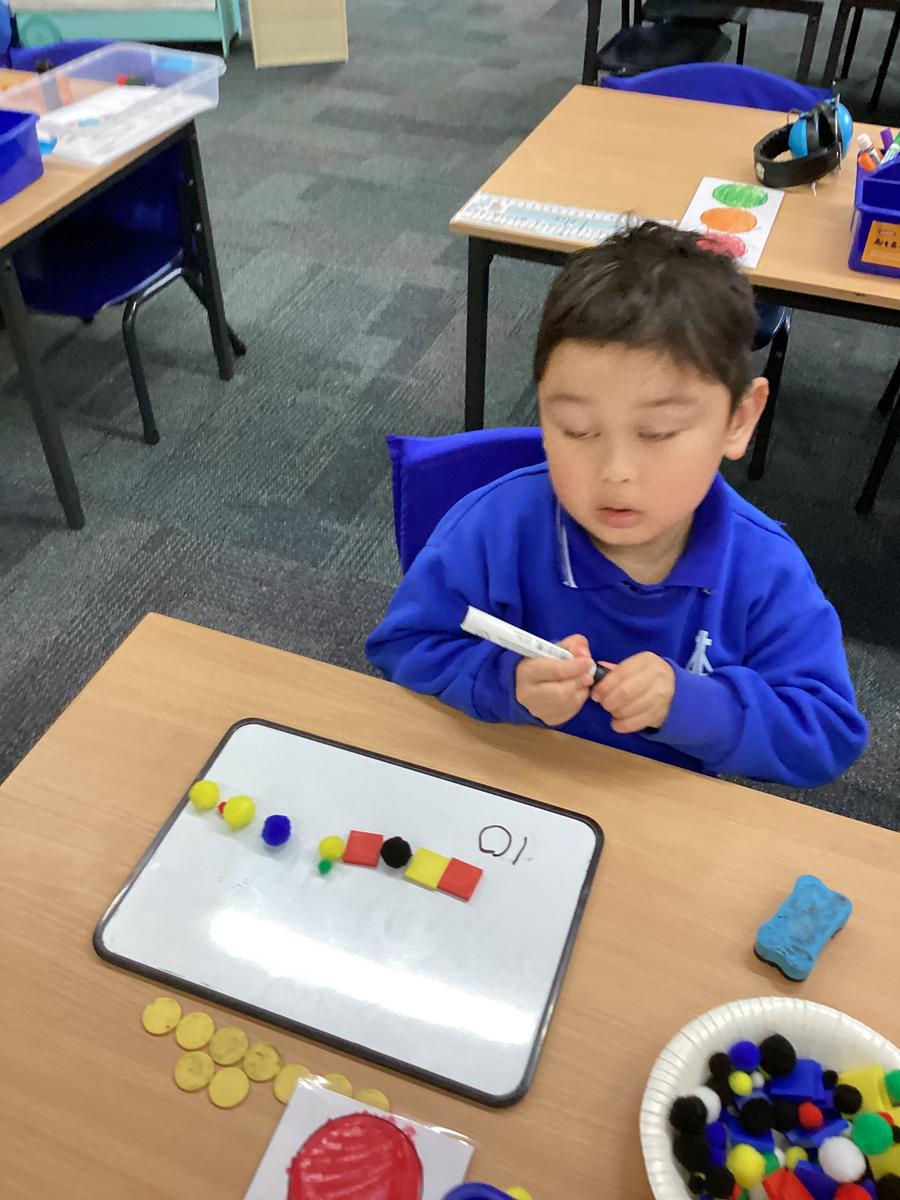
In our classroom, we have been busy developing "number sense"—the essential building block for all future math learning. Our journey began with counting aloud. After mastering the sequence from 0 to 10, students have now progressed to the more challenging task of counting backwards. Being able to count in both directions helps children understand how numbers relate to one another.
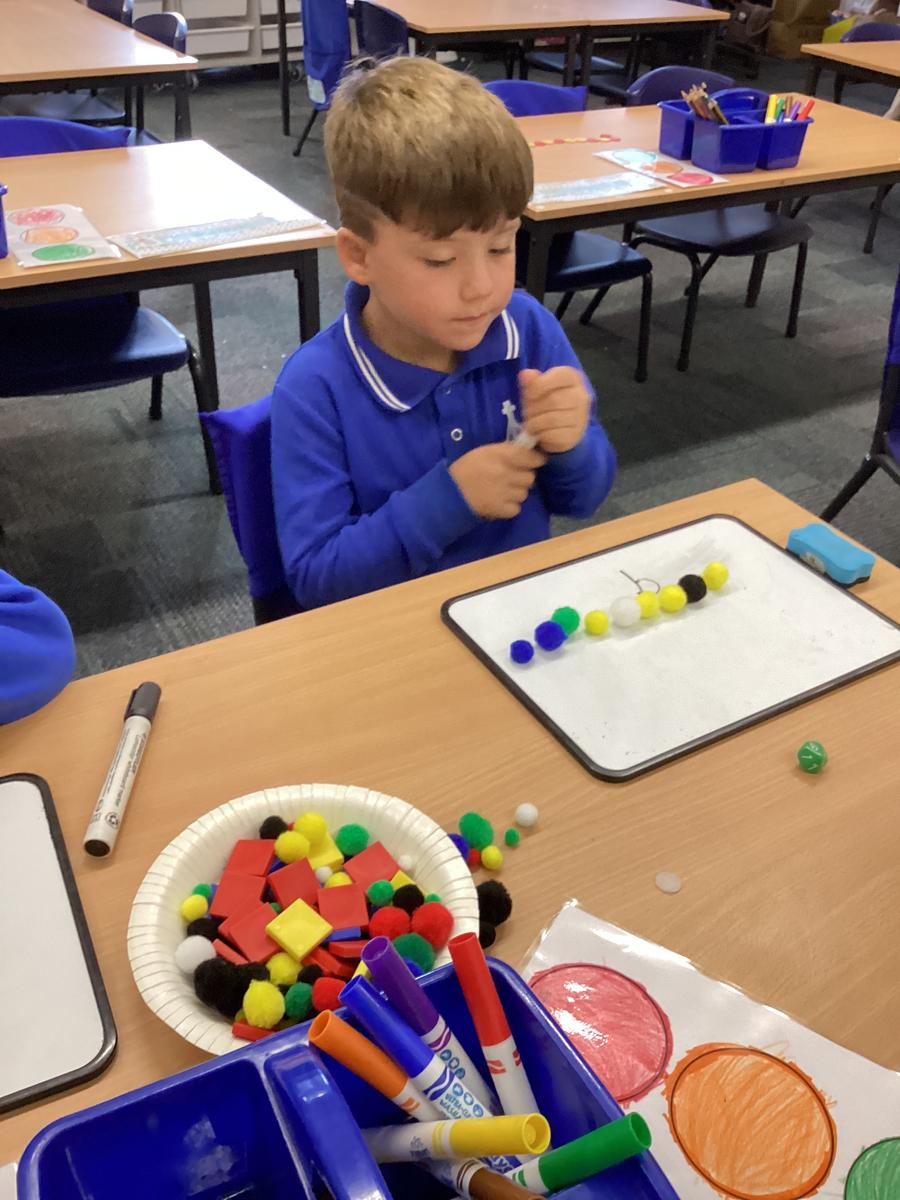
A major focus for us is subitising. This is the ability to instantly recognise a quantity without counting each item one by one (like seeing dots on a dice and knowing it’s a "5" immediately).
To build this skill, we use:
Random dot patterns and small collections of objects
Once students can recognise small groups of objects, we move on to comparing sets. We use concrete materials to help students visualise which group has more and which has less. This hands-on practice helps them confidently use key math phrases such as:
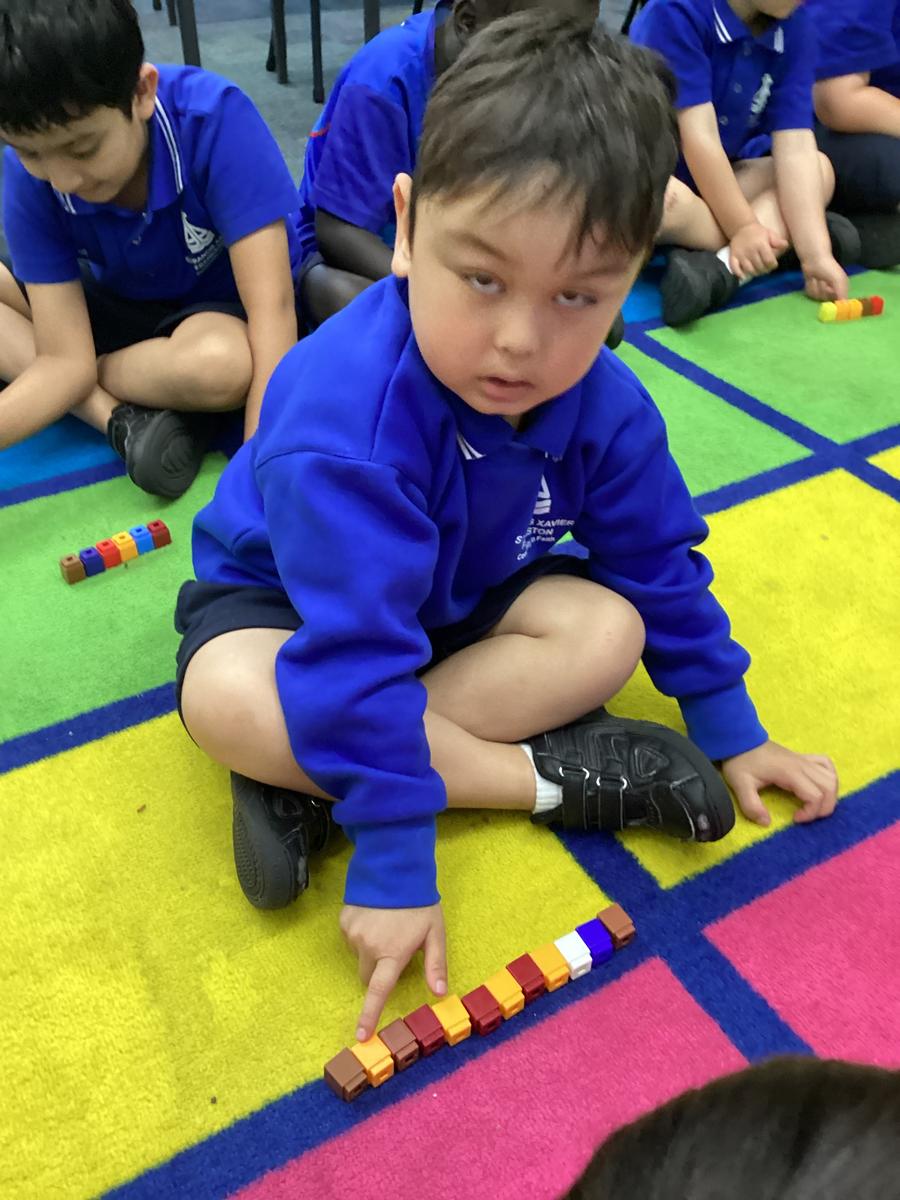
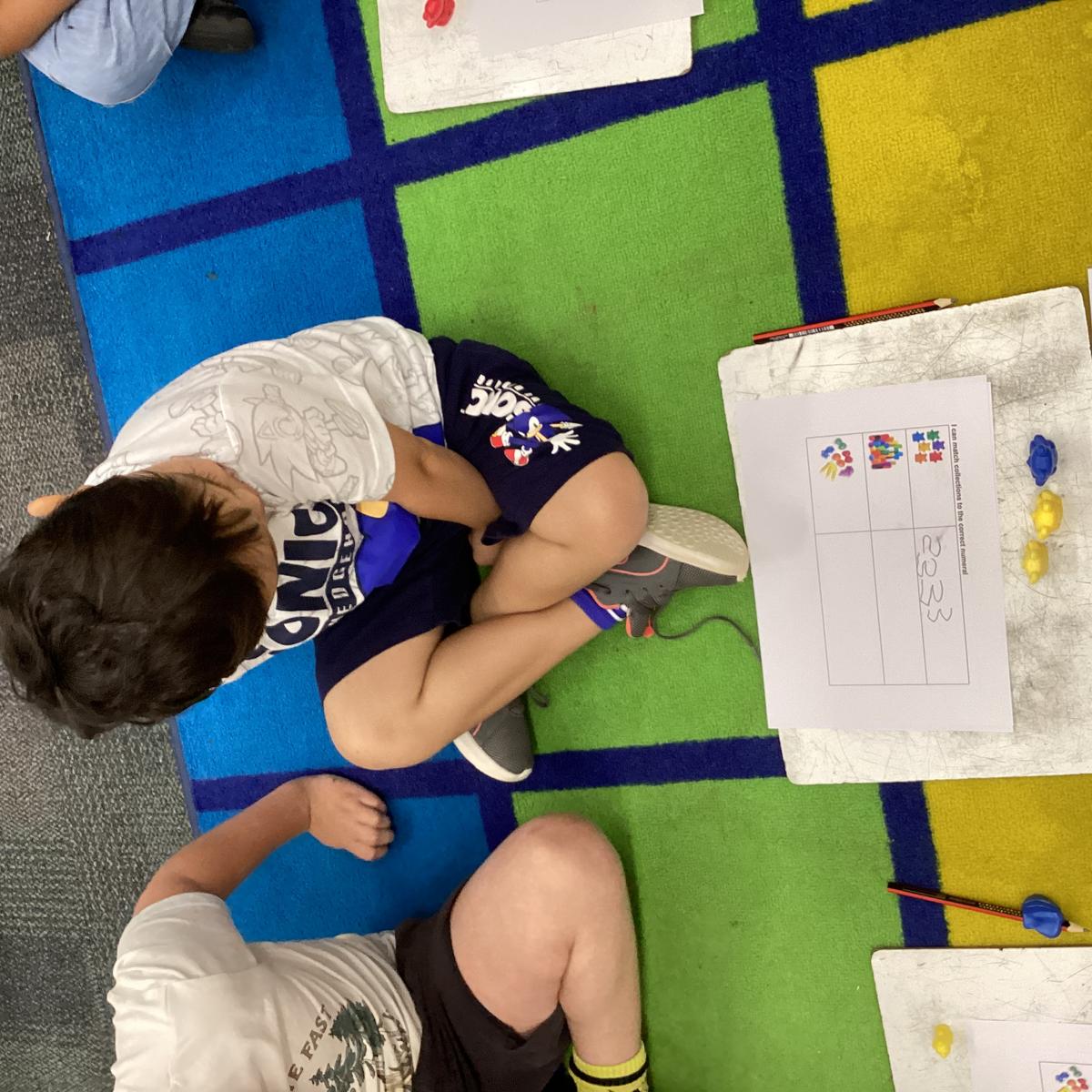
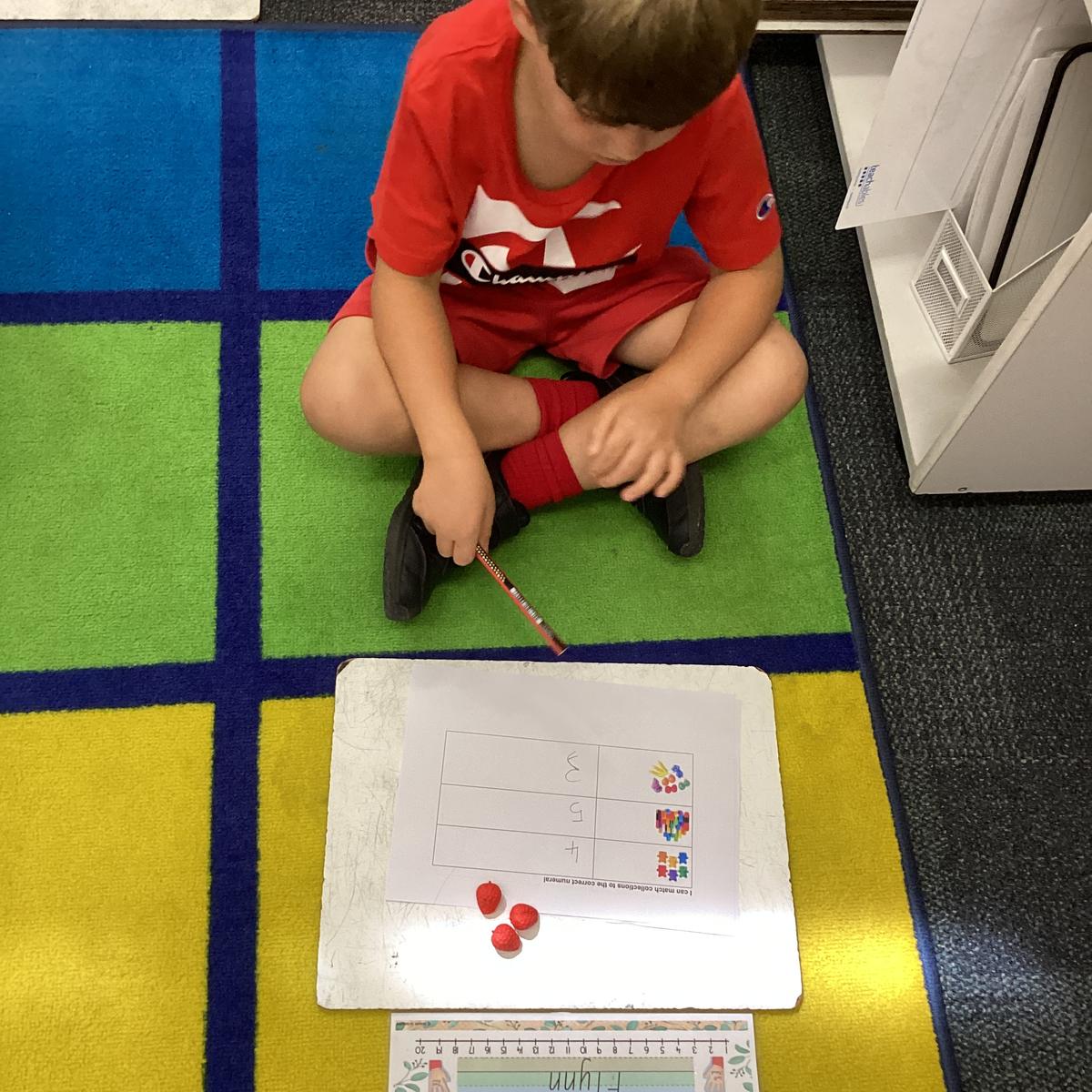
The Preps are learning to accurately count physical collections, and we focus heavily on one-to-one correspondence. This is the ability to match one spoken number to one specific object. To master this, students practice:
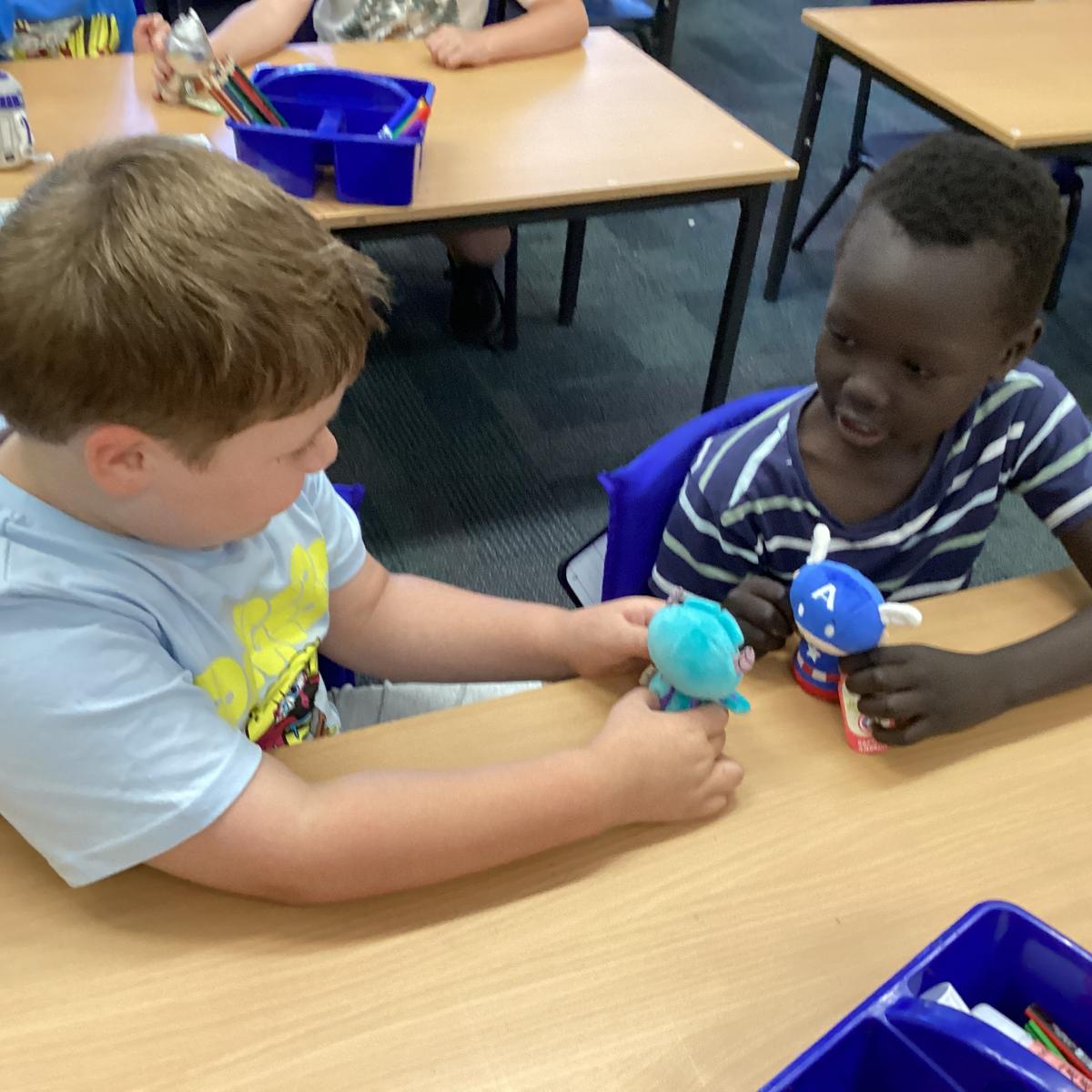
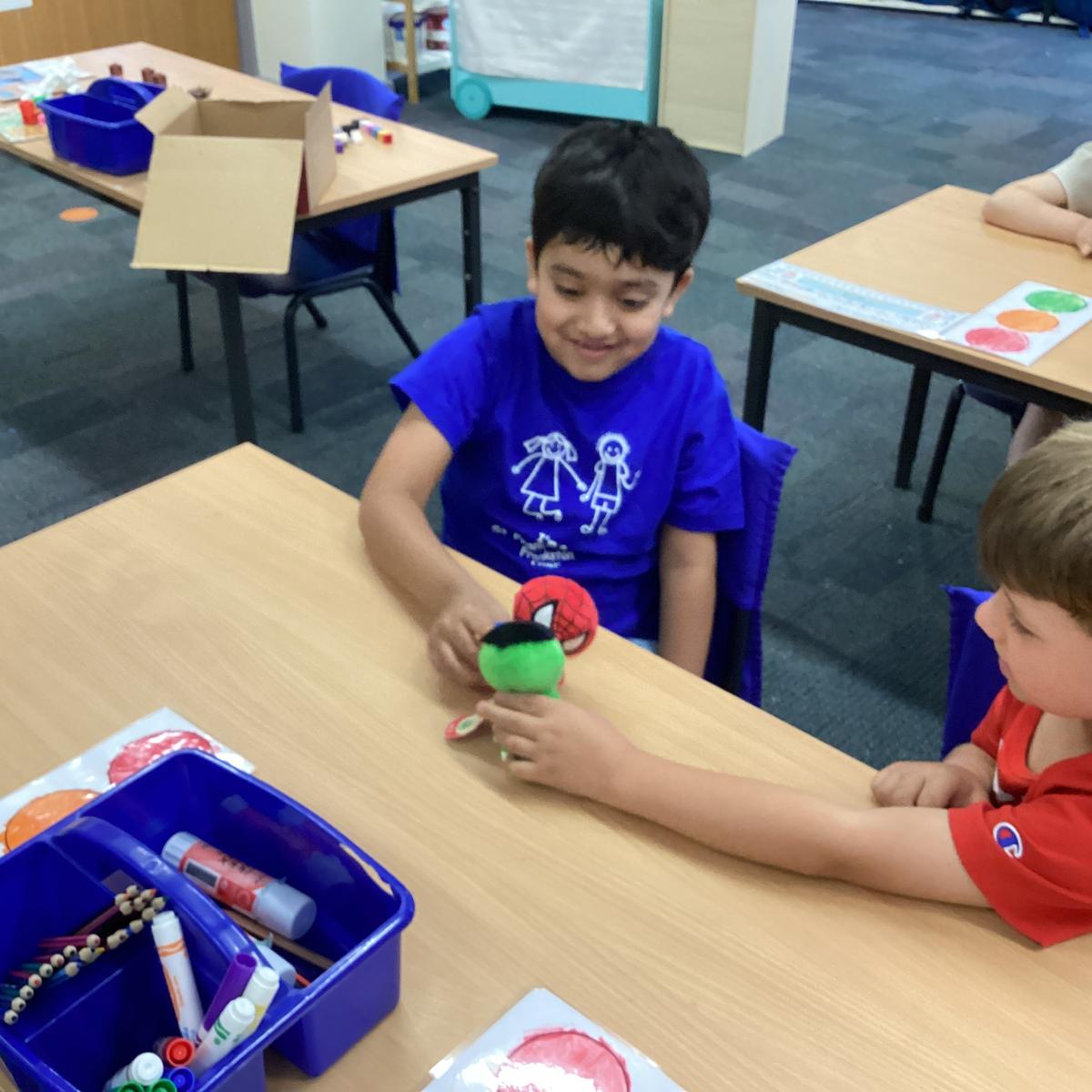
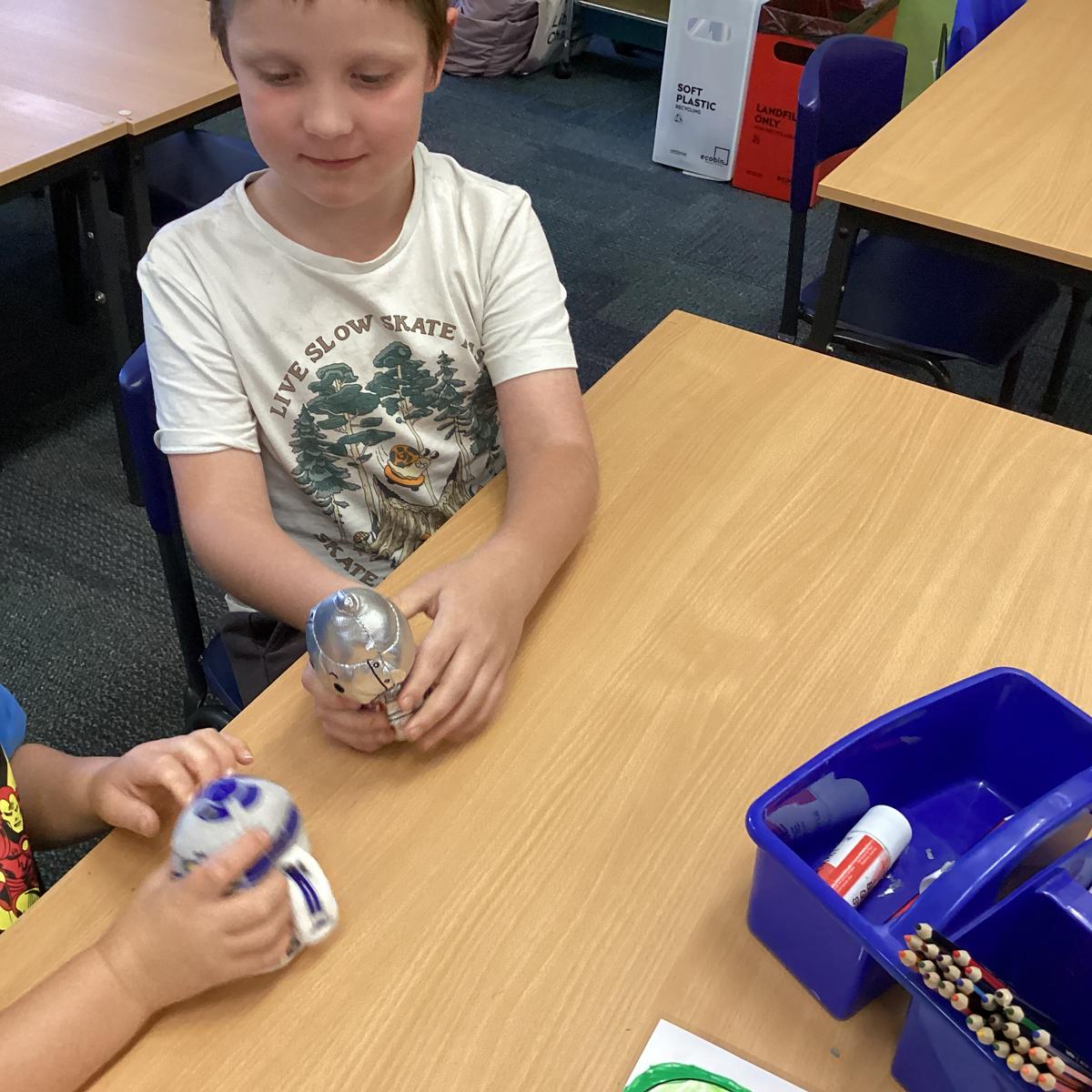
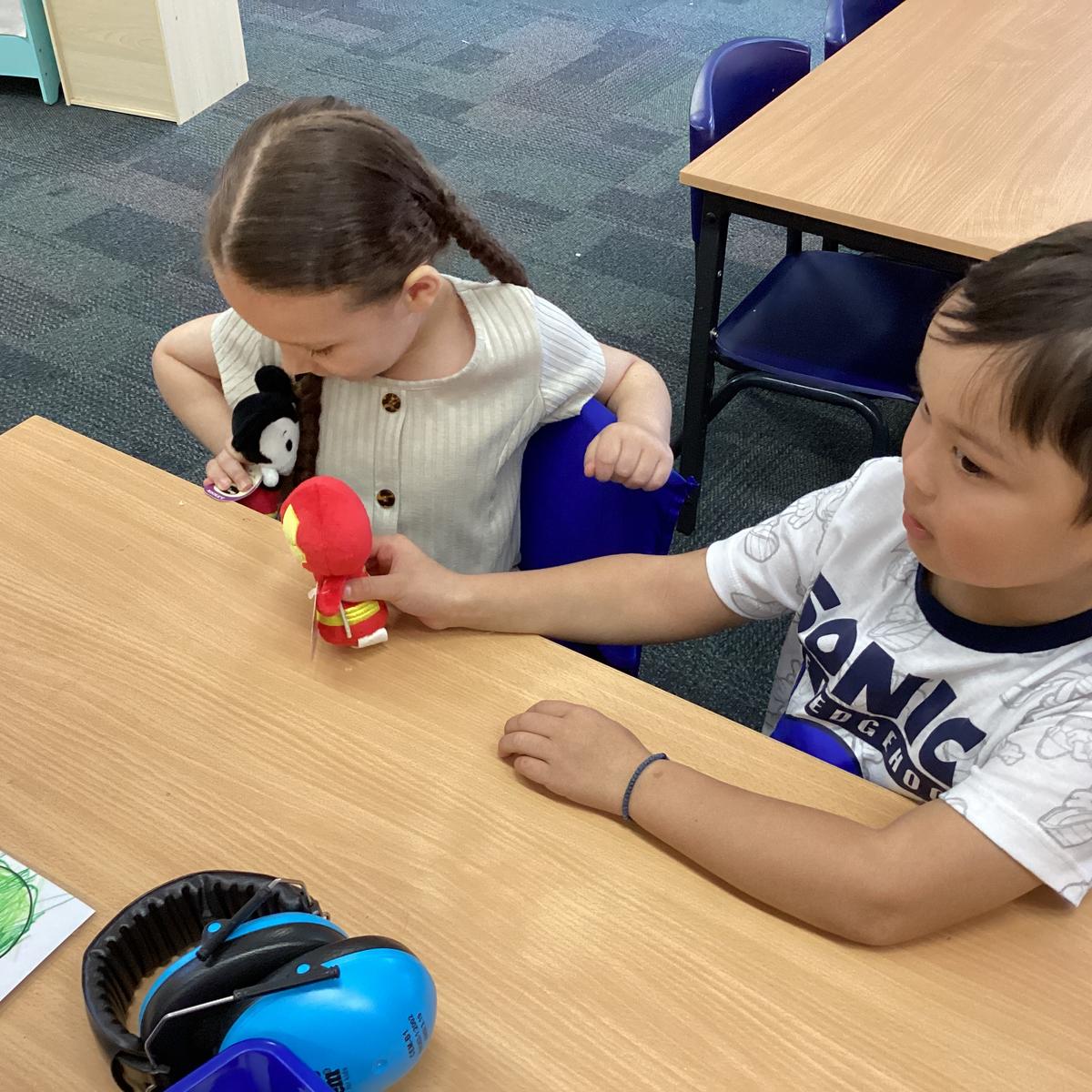
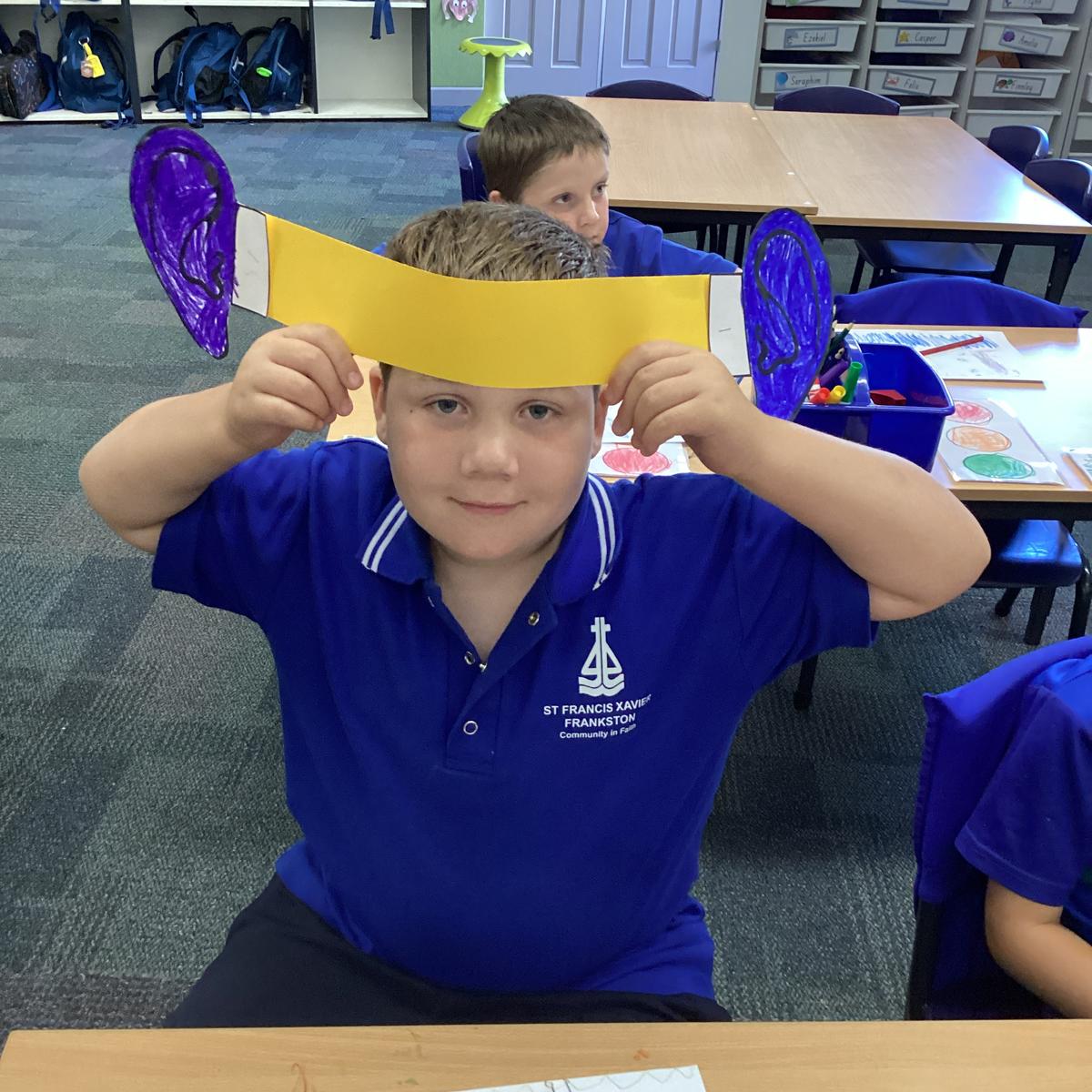
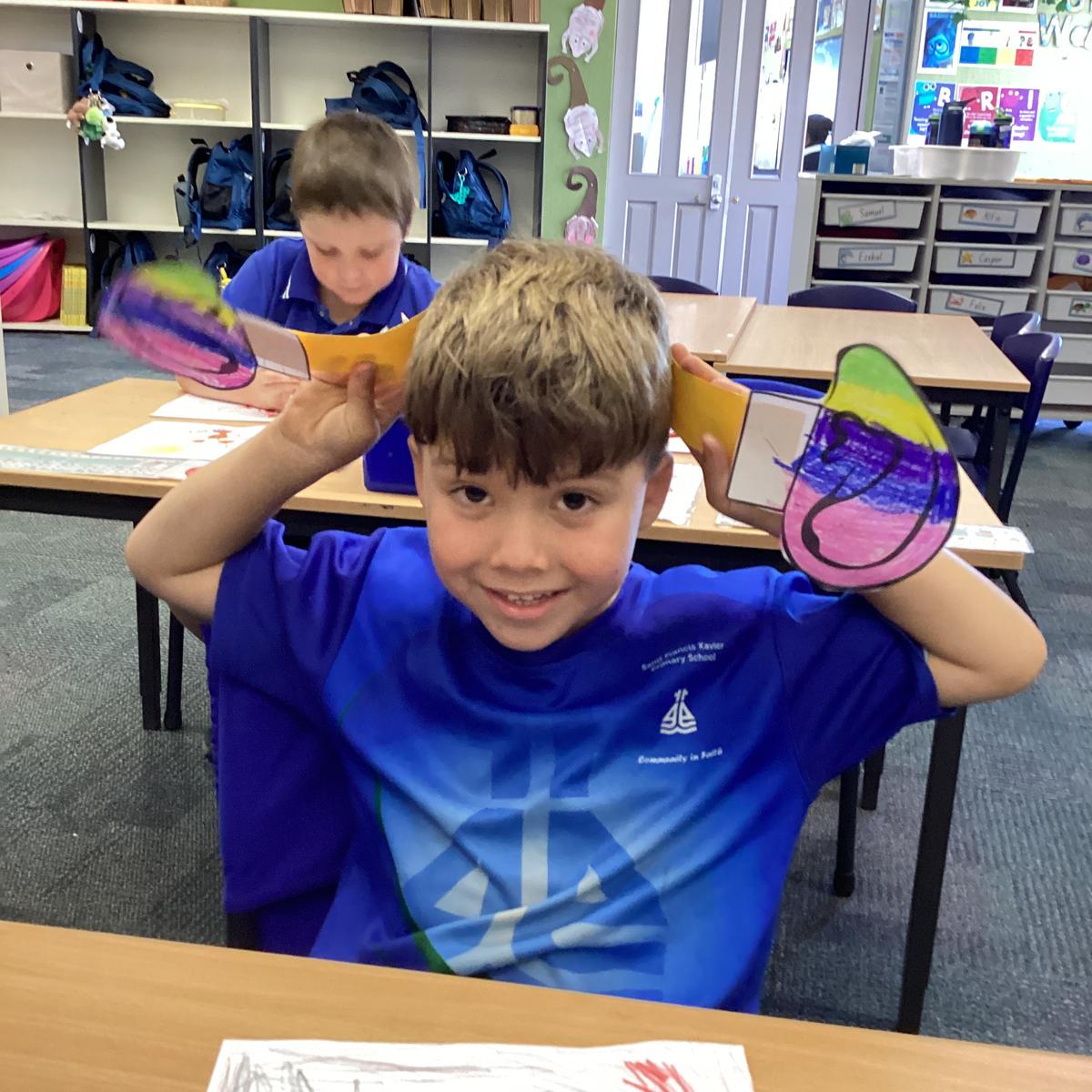
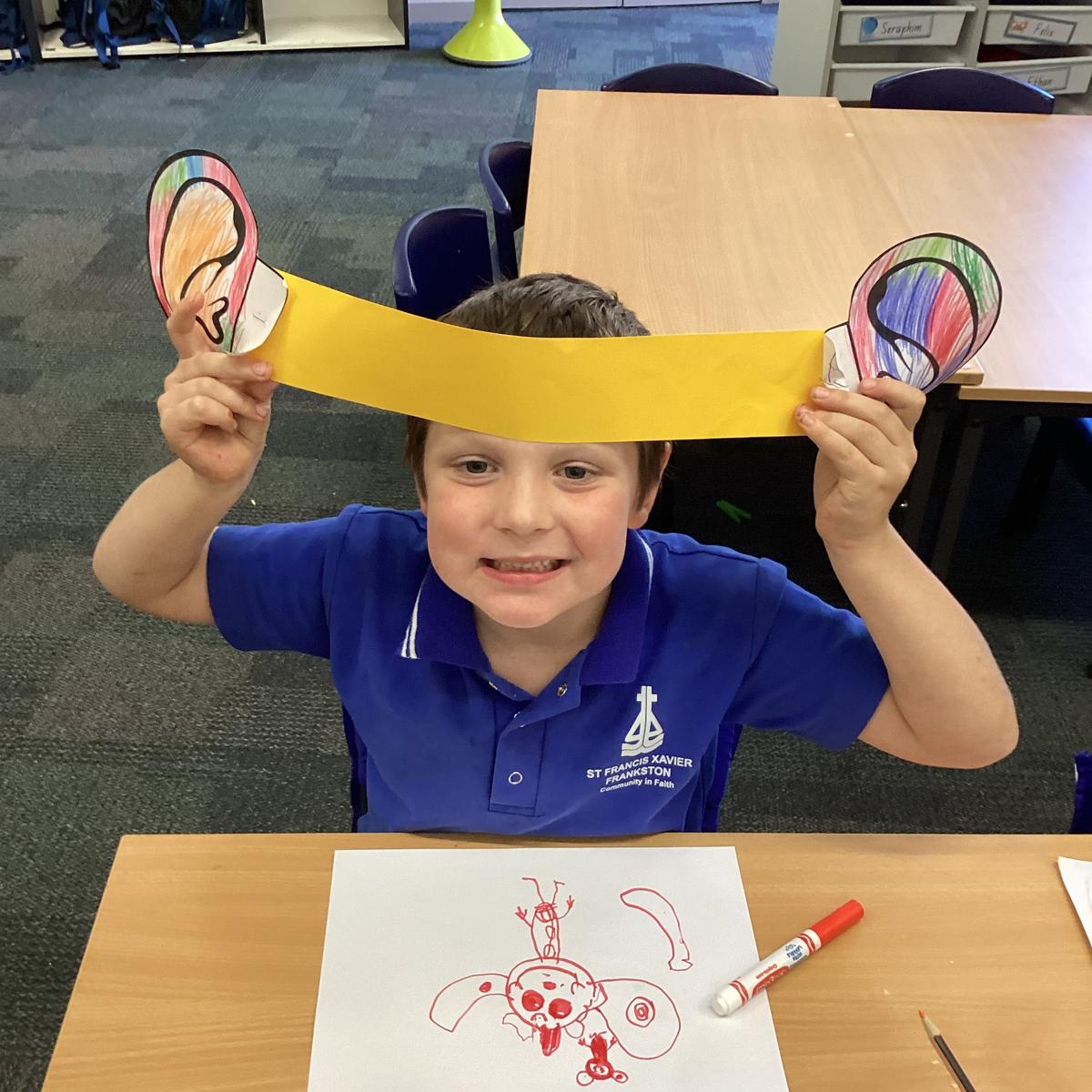
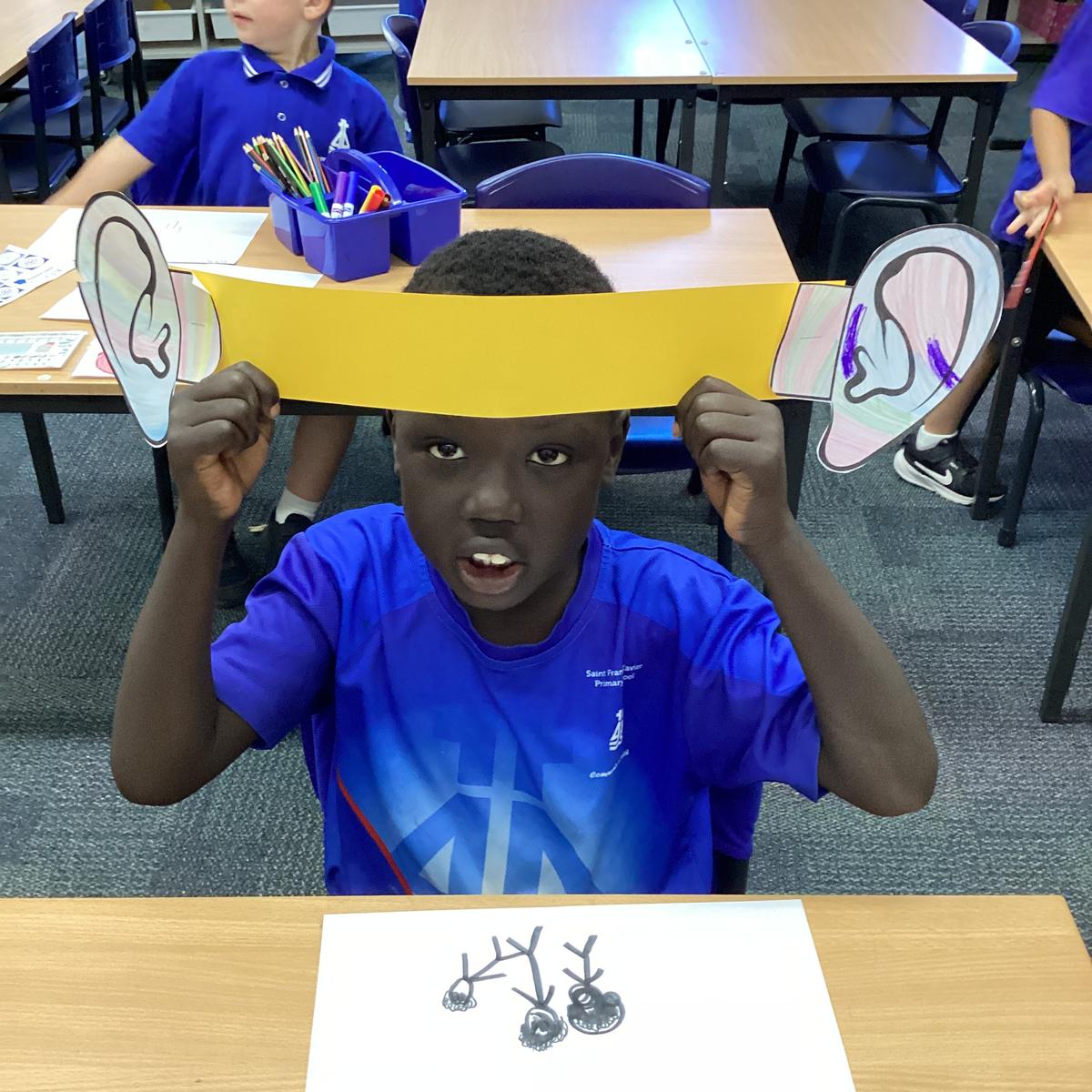
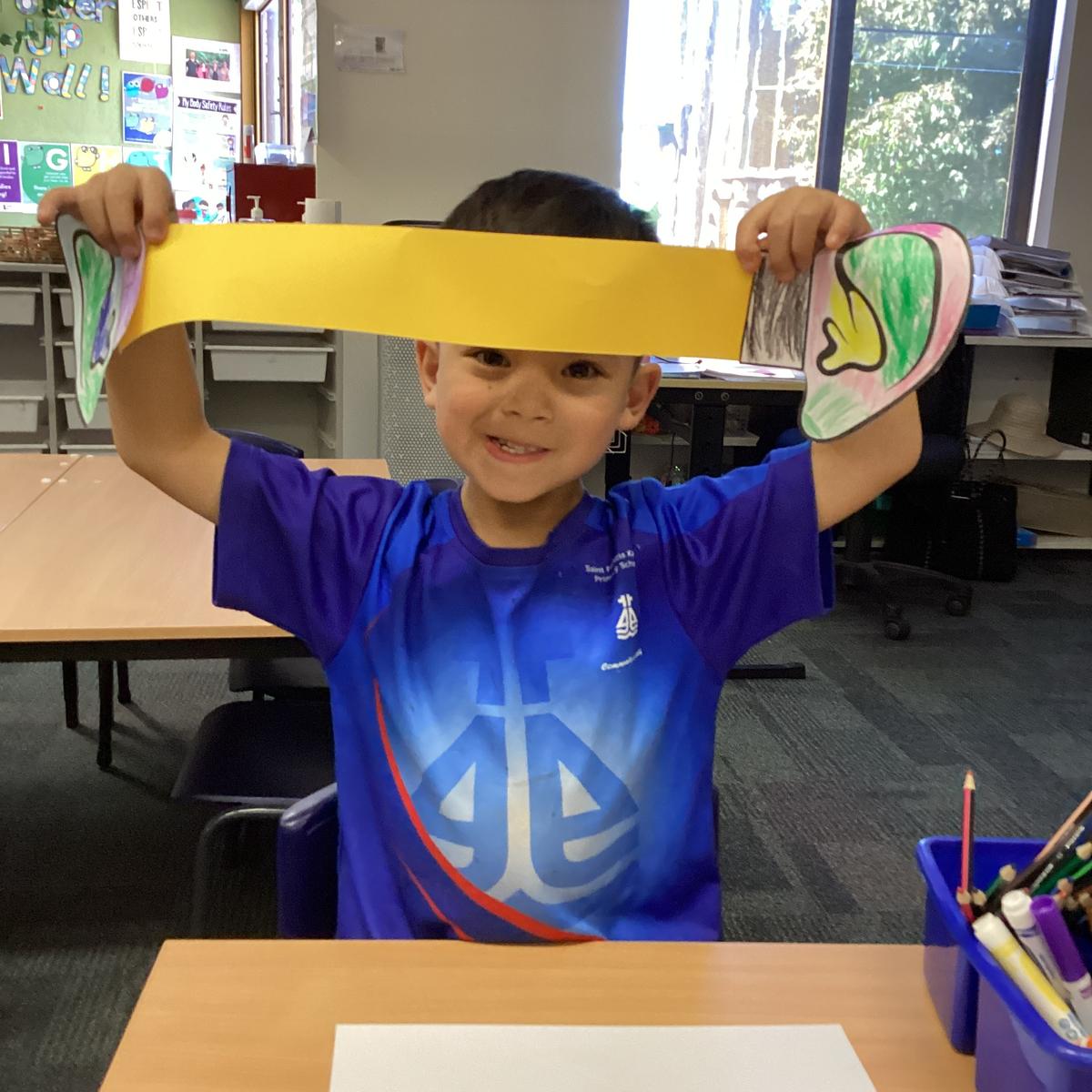
Our Foundation students have been exploring what it truly means to be a "Good Friend."
We began by brainstorming the qualities that help a friendship flourish. Through our discussions, the students identified that a good friend:
Conflict is a natural part of growing up, so we have been role-playing conflict resolution! Students have been practising "Stop, Think, and Talk" strategies to navigate disagreements. By acting out common scenarios—like wanting to play with the same toy—students learn how to use their words to find a "win-win" solution.
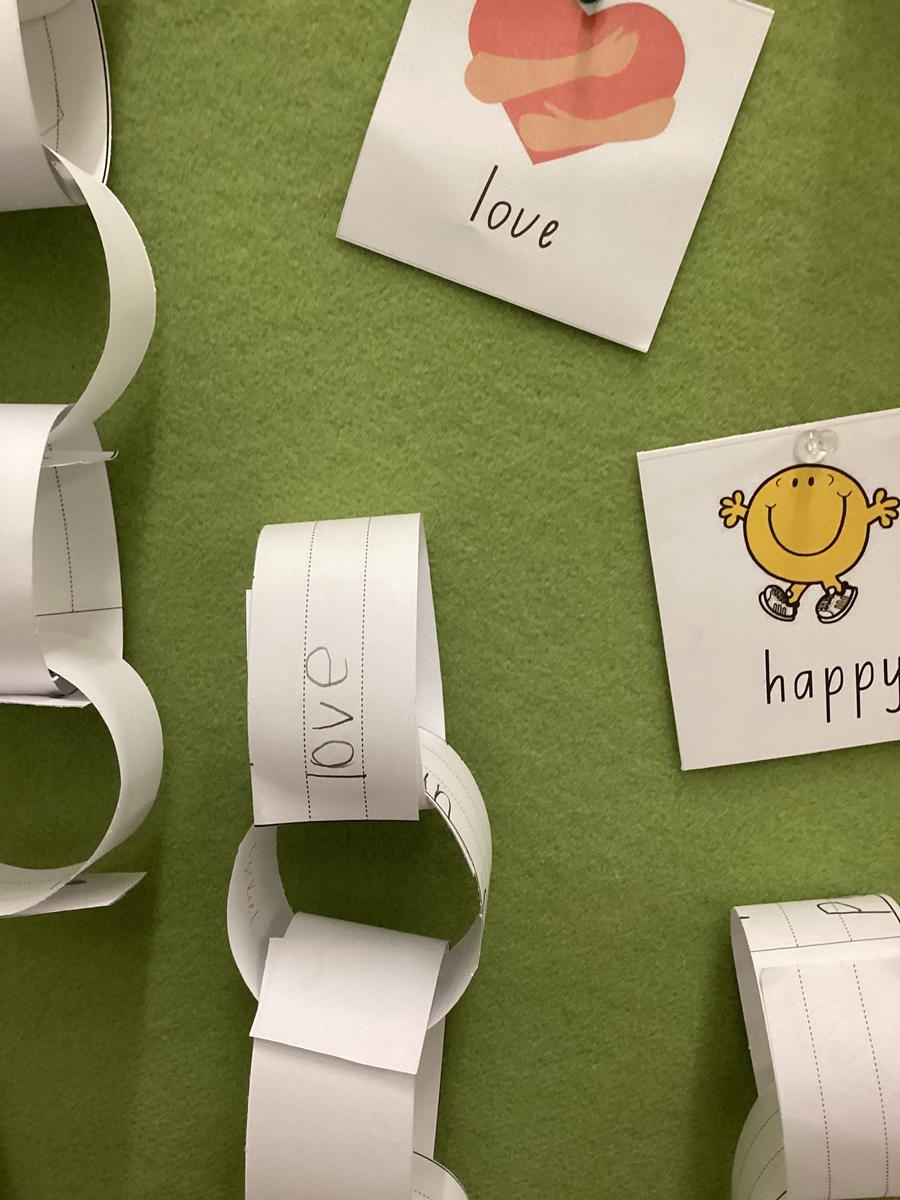
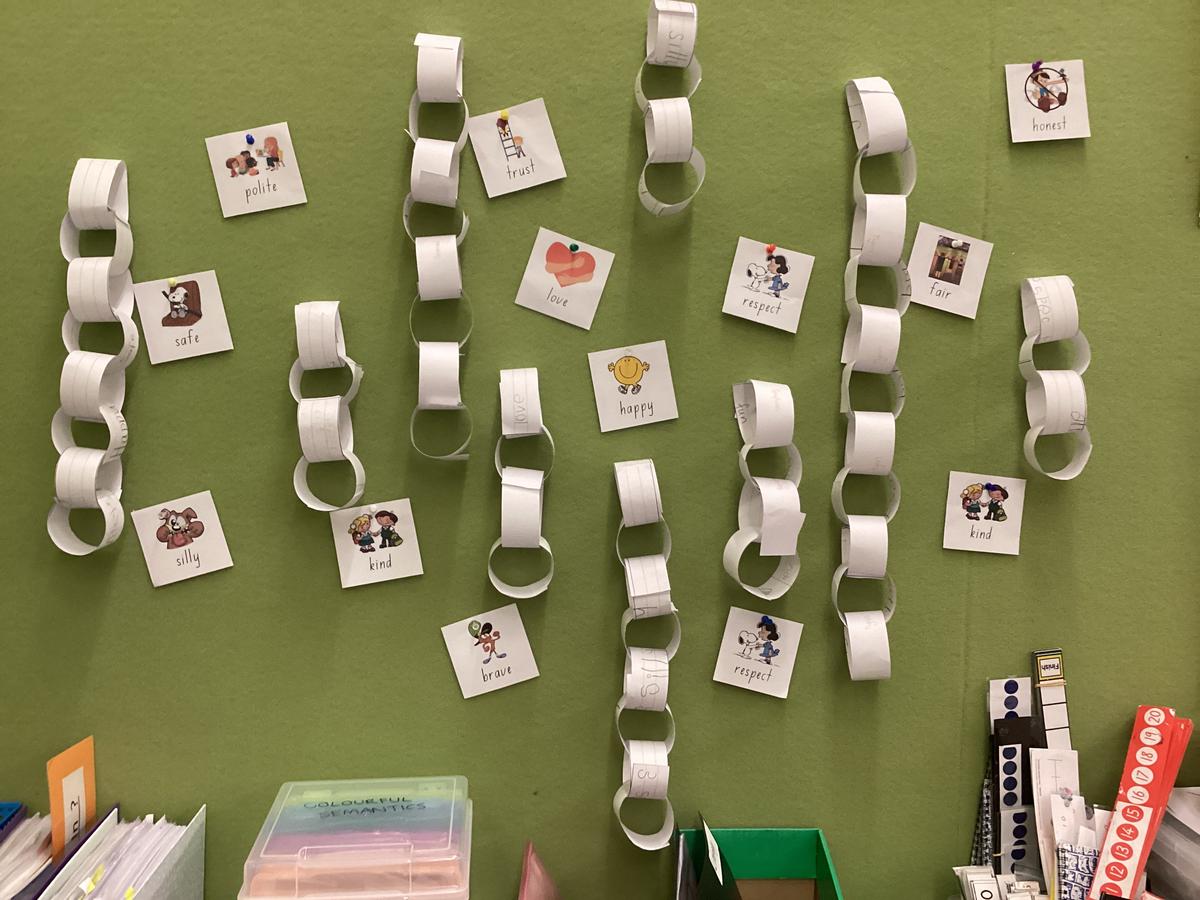
The Preps created Friendship links. On each link, they wrote different friendship qualities, and these qualities, such as trust, respect, kindness and fairness, produce positive relationships with others.
Kind Regards,
Miss Melanie & Miss Georgia