Whole School Activities
Anaiwan Language
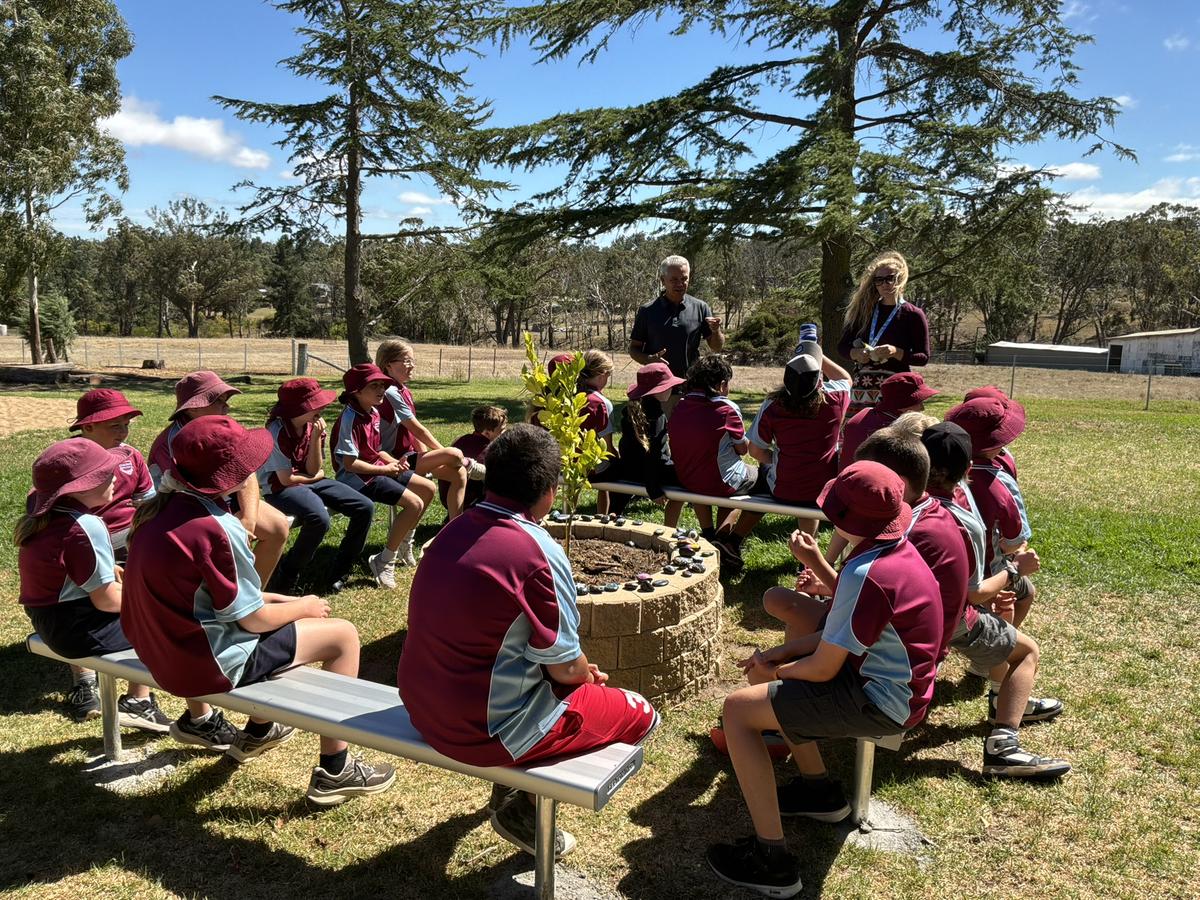
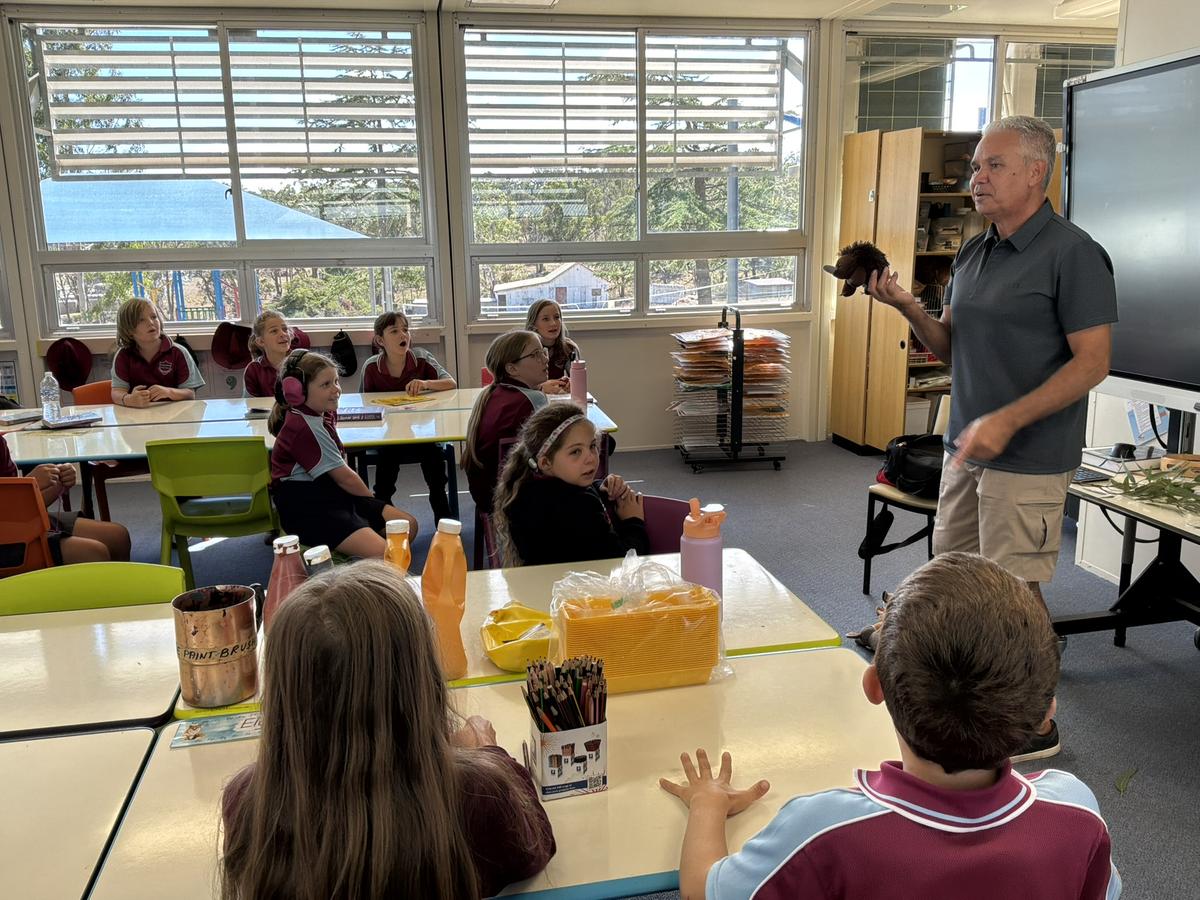
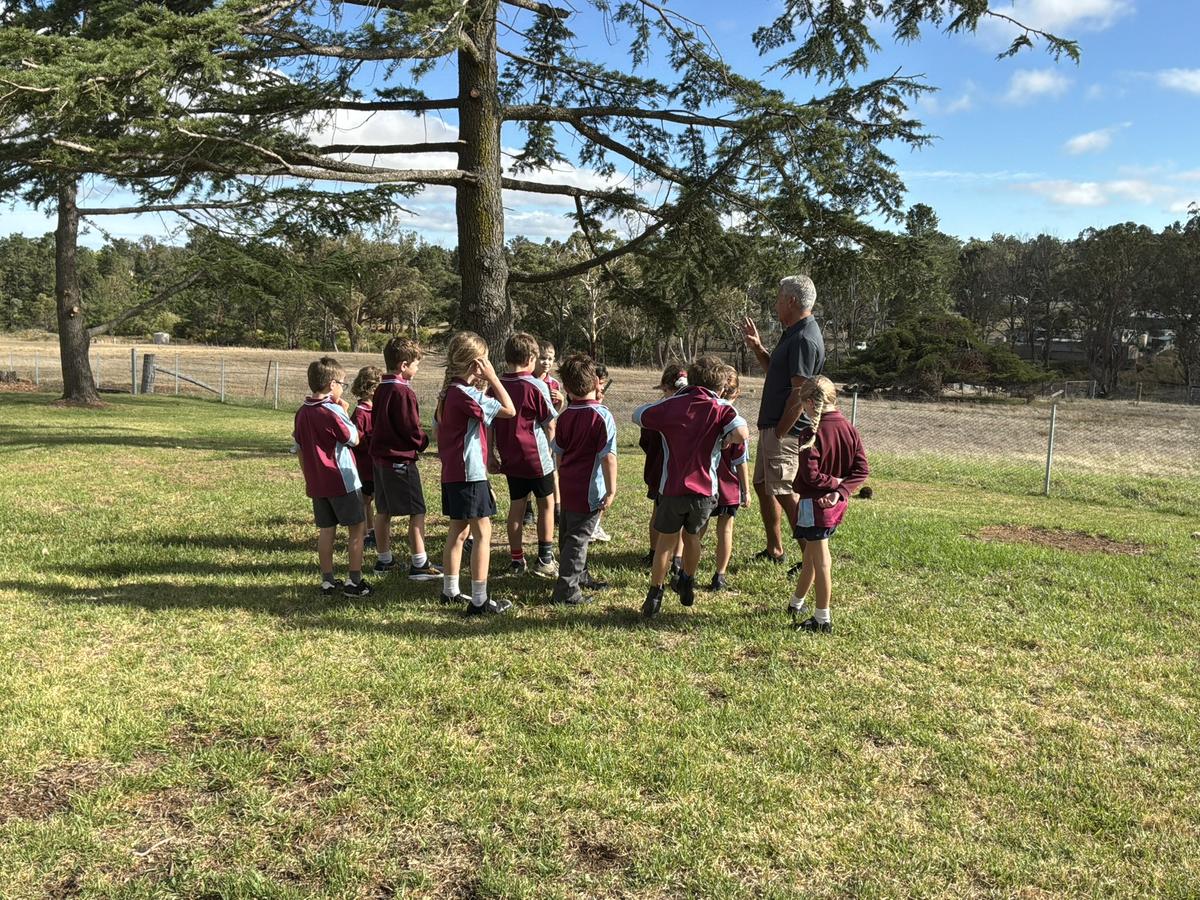
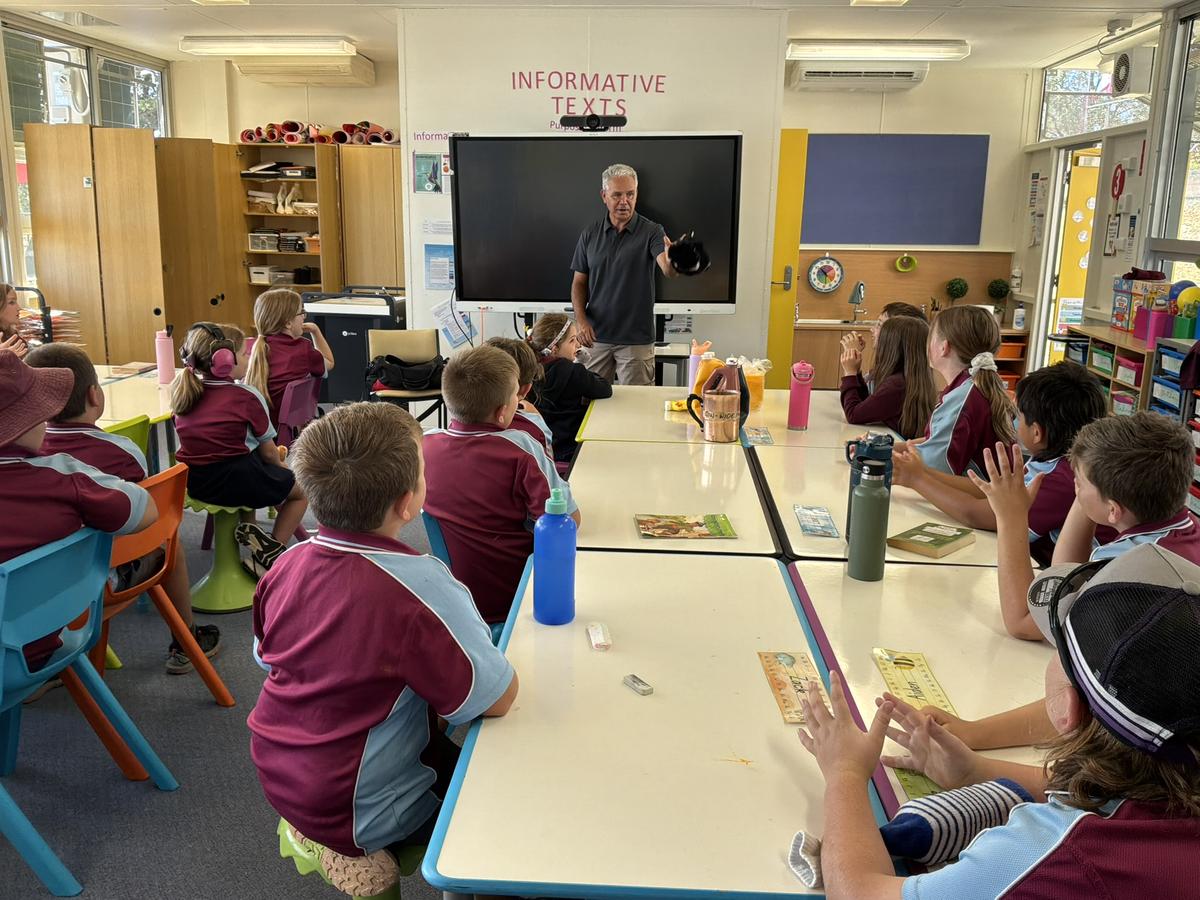
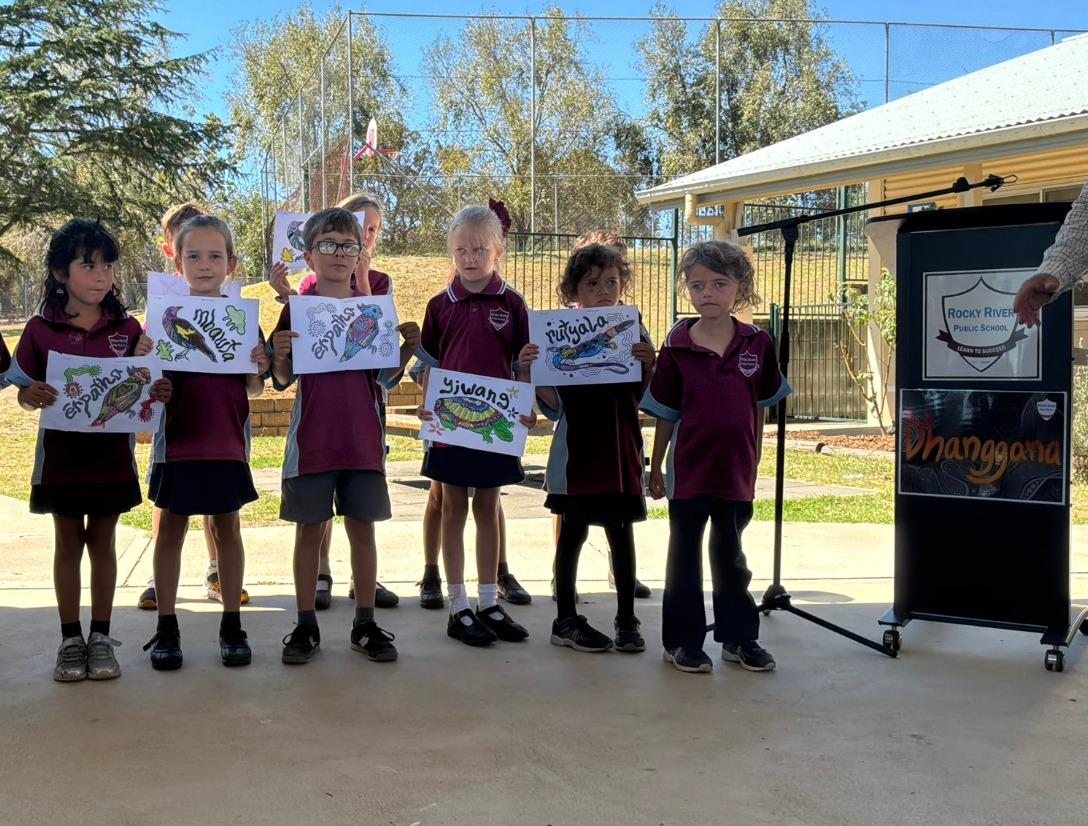
In response to the interest expressed by many parents keen to support their children’s learning and deepen their own understanding, we are pleased to be workng with Mima Dave to produce some simple resources with Anaiwan Aboriginal language words that our students have been exploring, which can be sent home. Embracing and learning the language of the traditional custodians of this land enriches our community’s cultural connection and fosters respect for Aboriginal heritage. We encourage families to engage with these words at home when they are ready, as building this knowledge together strengthens our collective appreciation and supports our students’ cultural learning journey.
Whole School Assembly
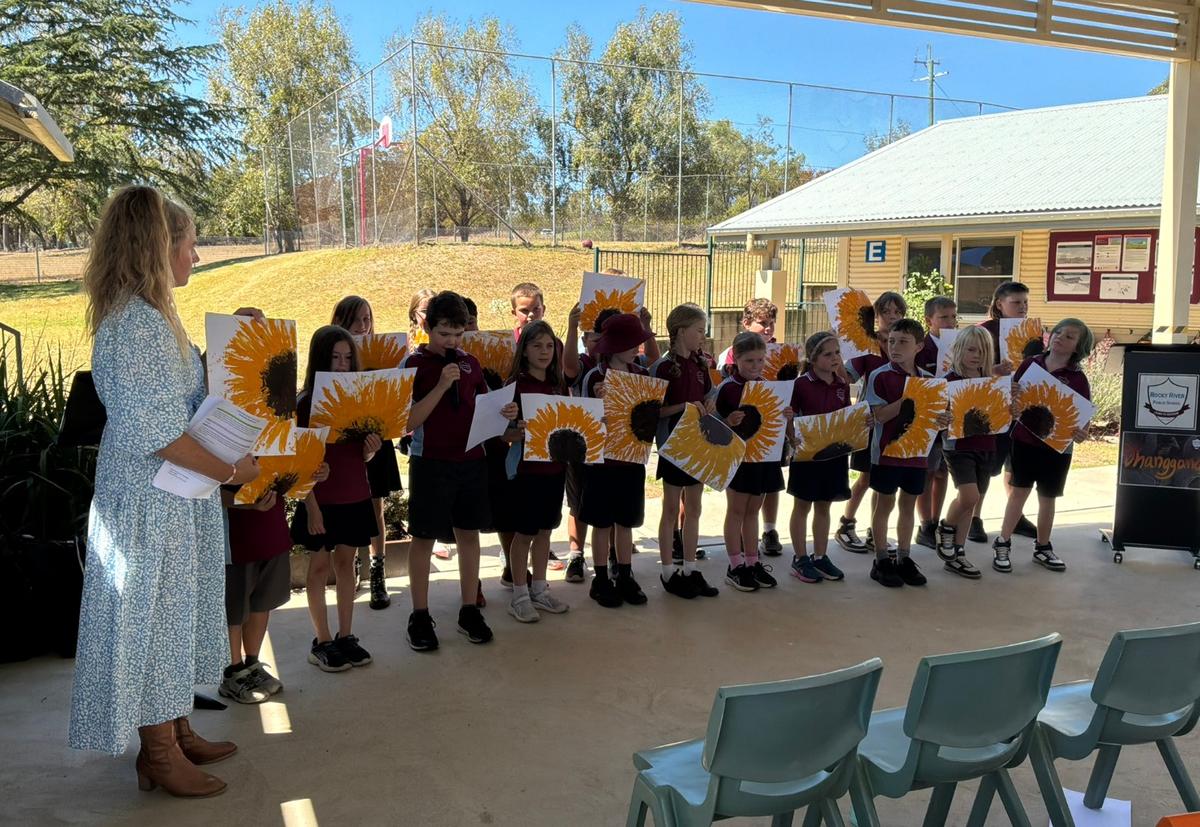
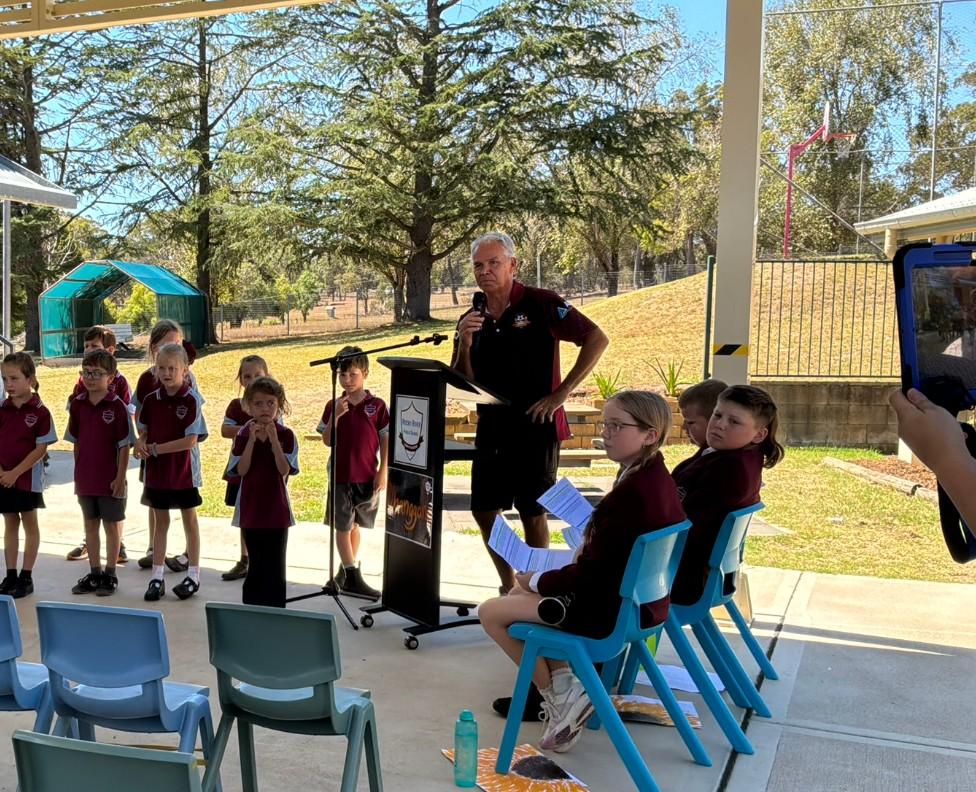
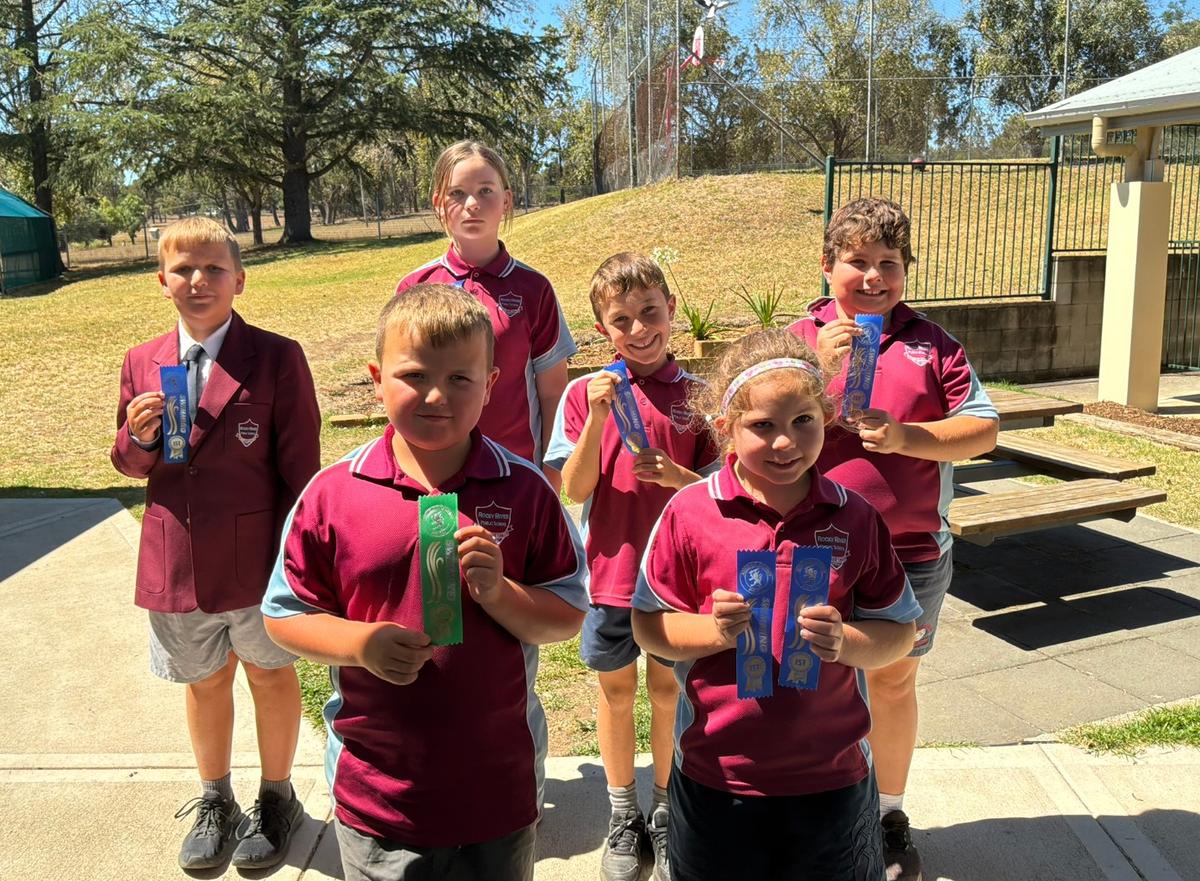
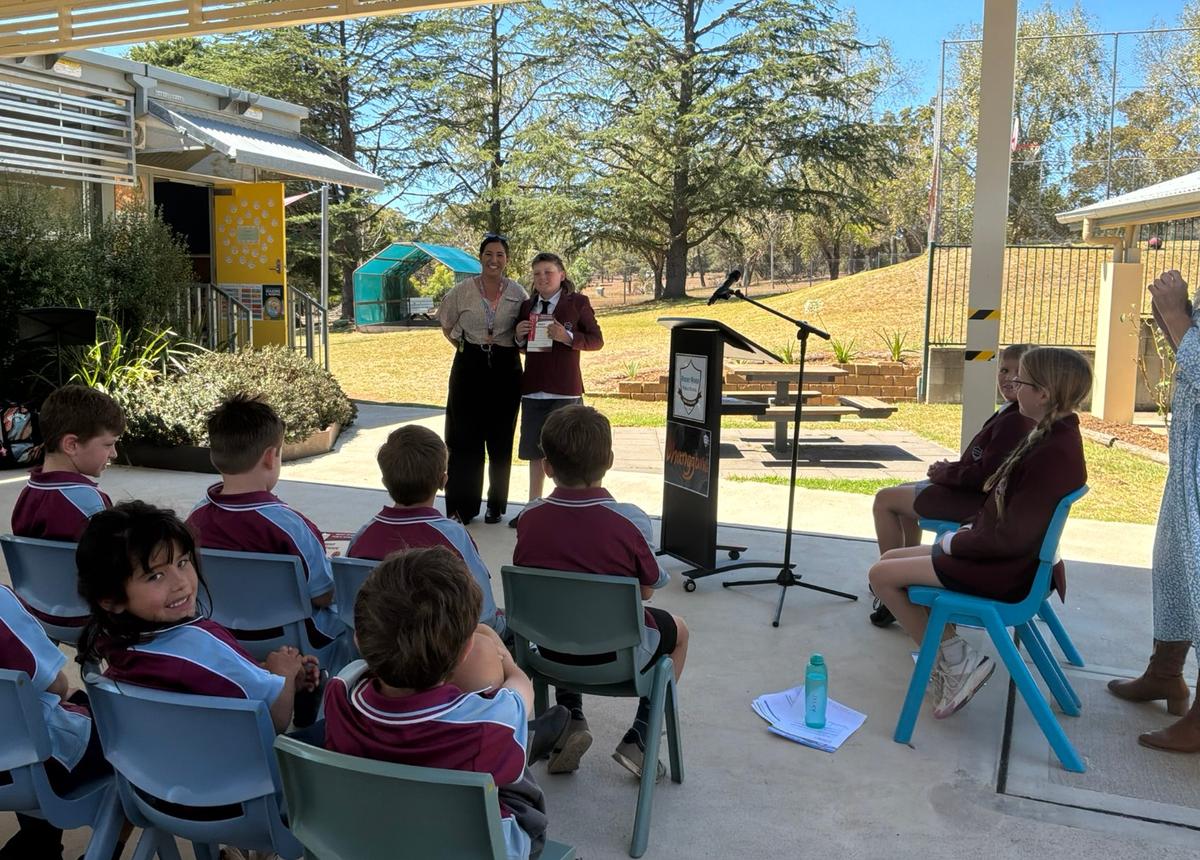
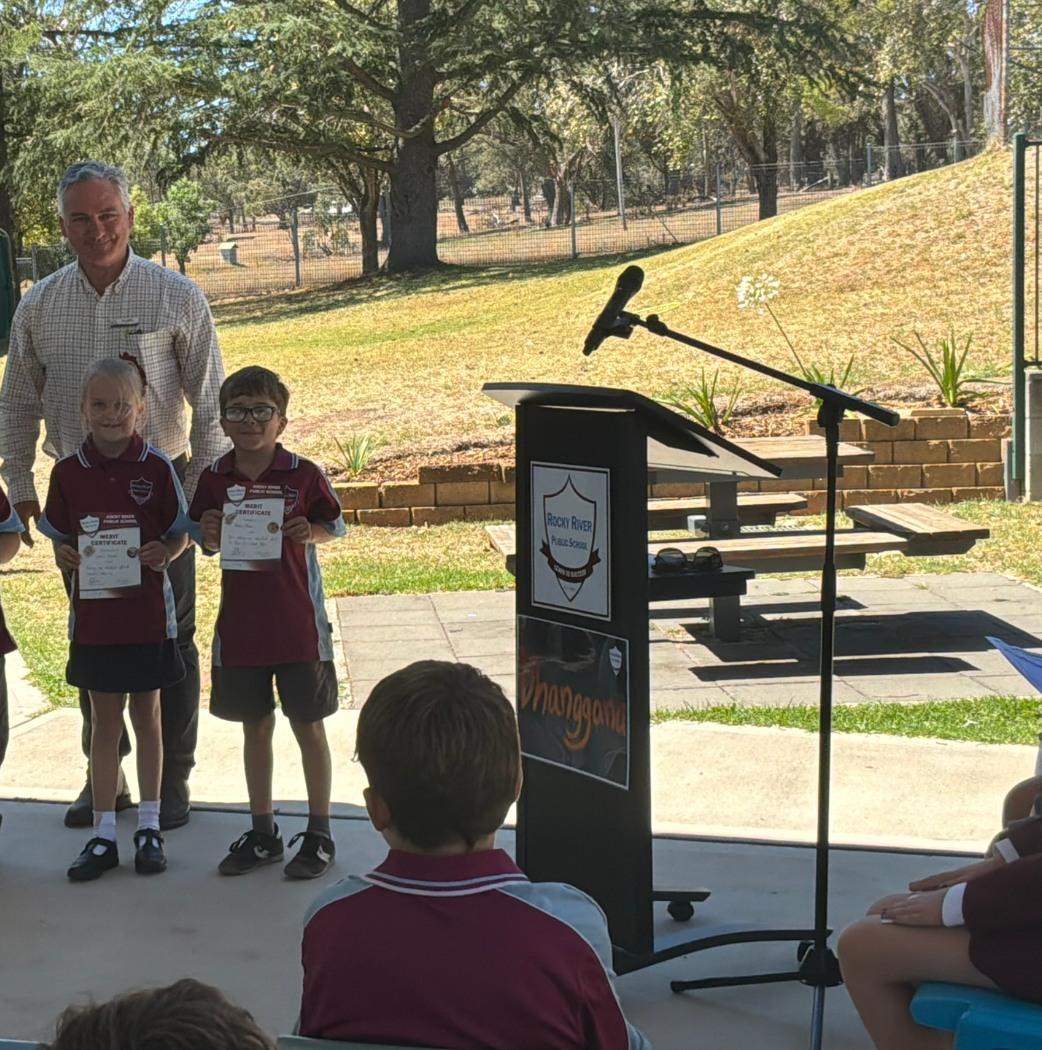
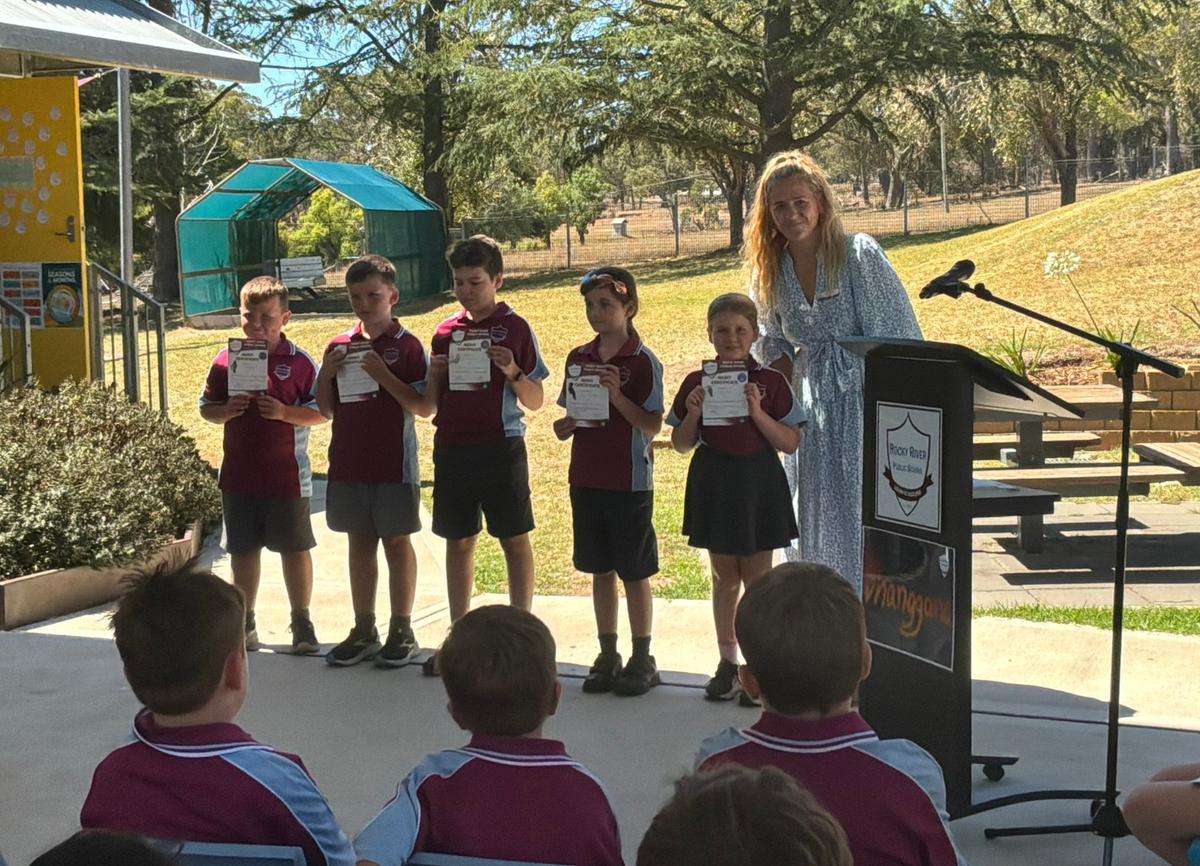
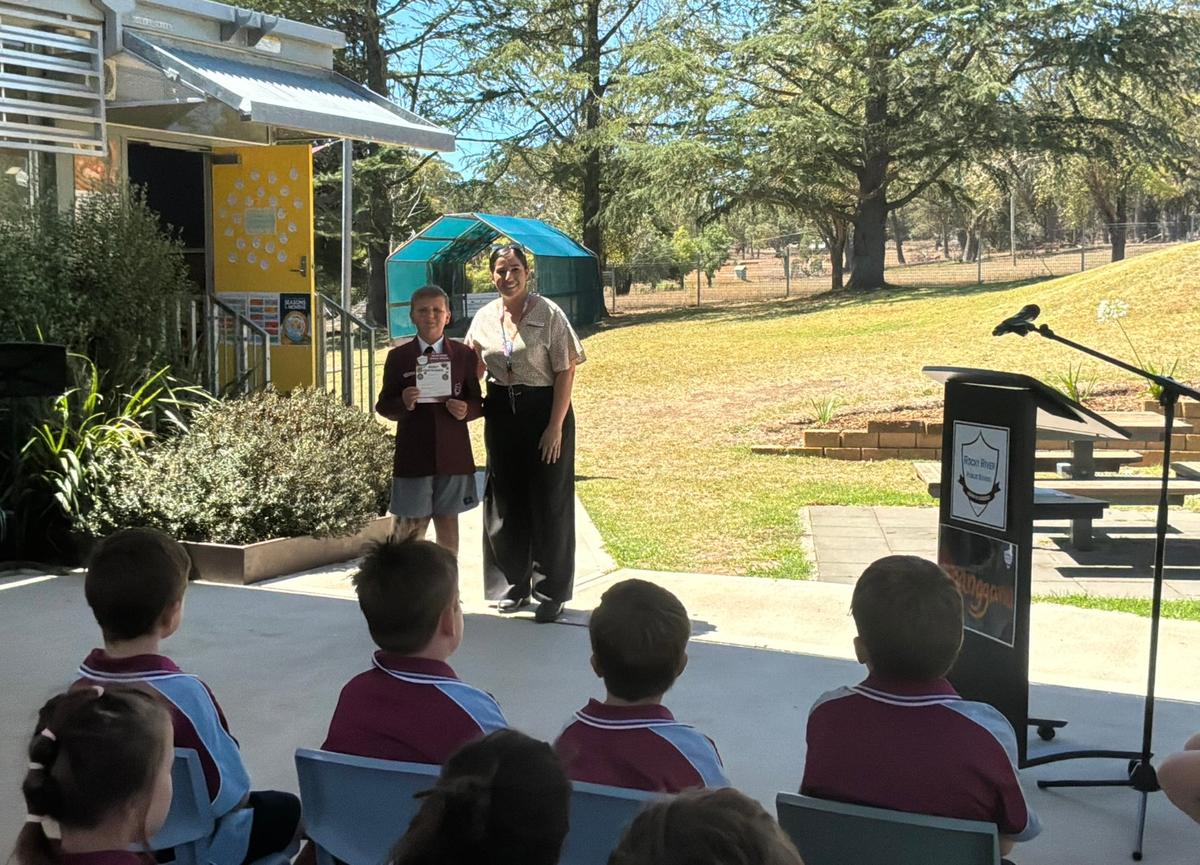
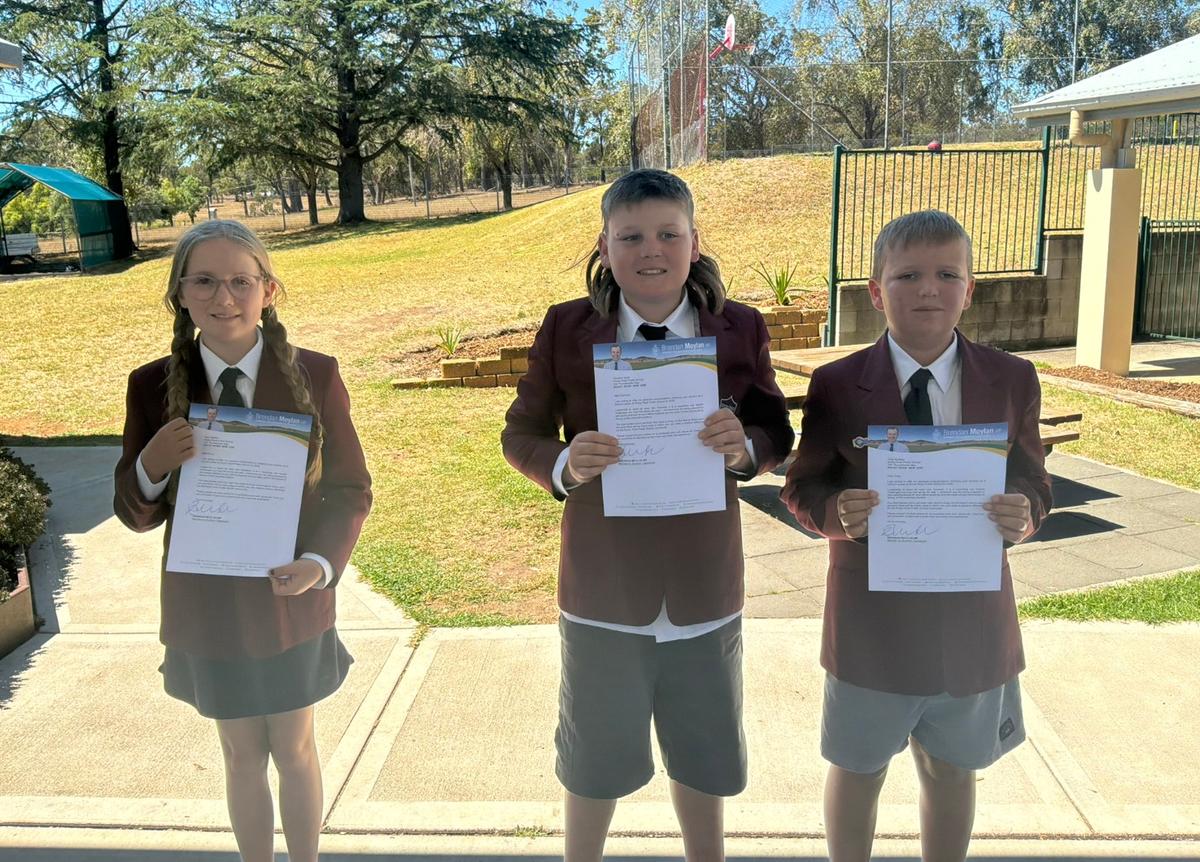
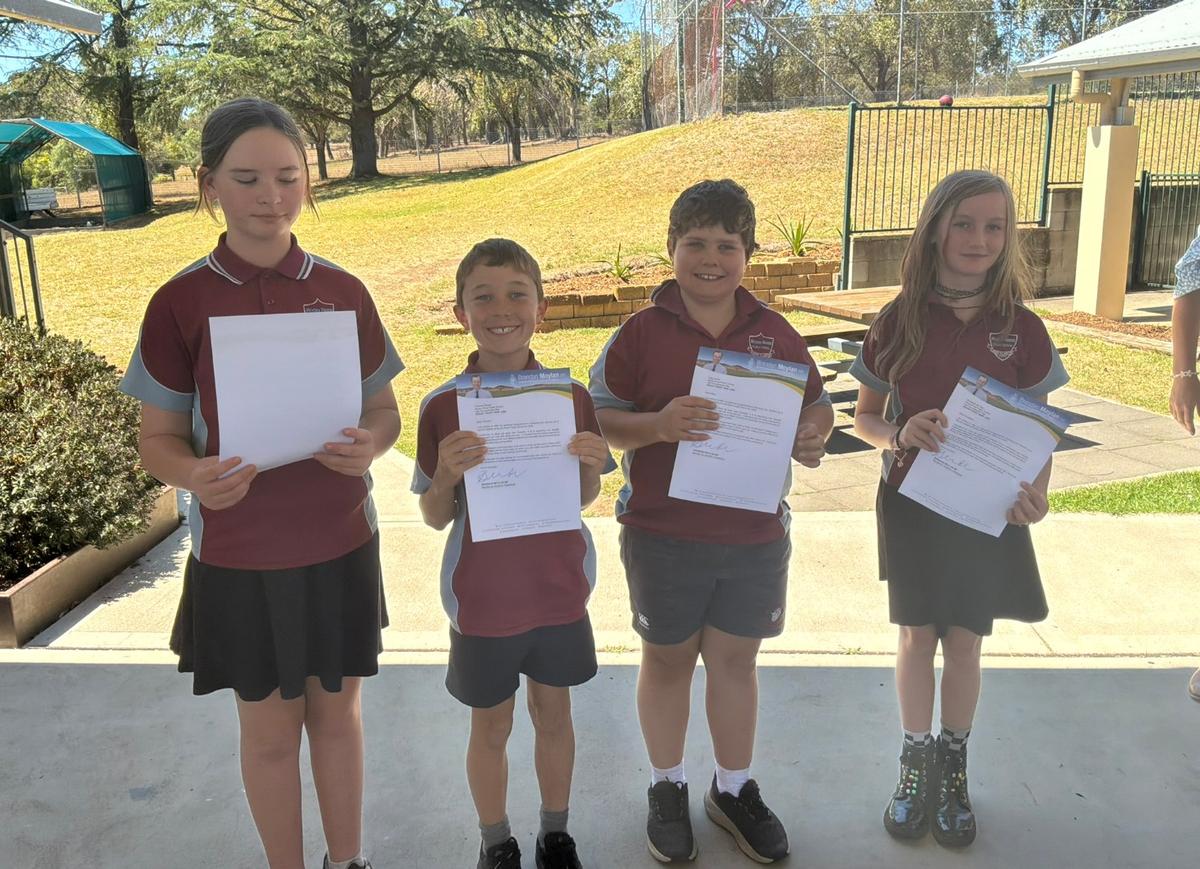
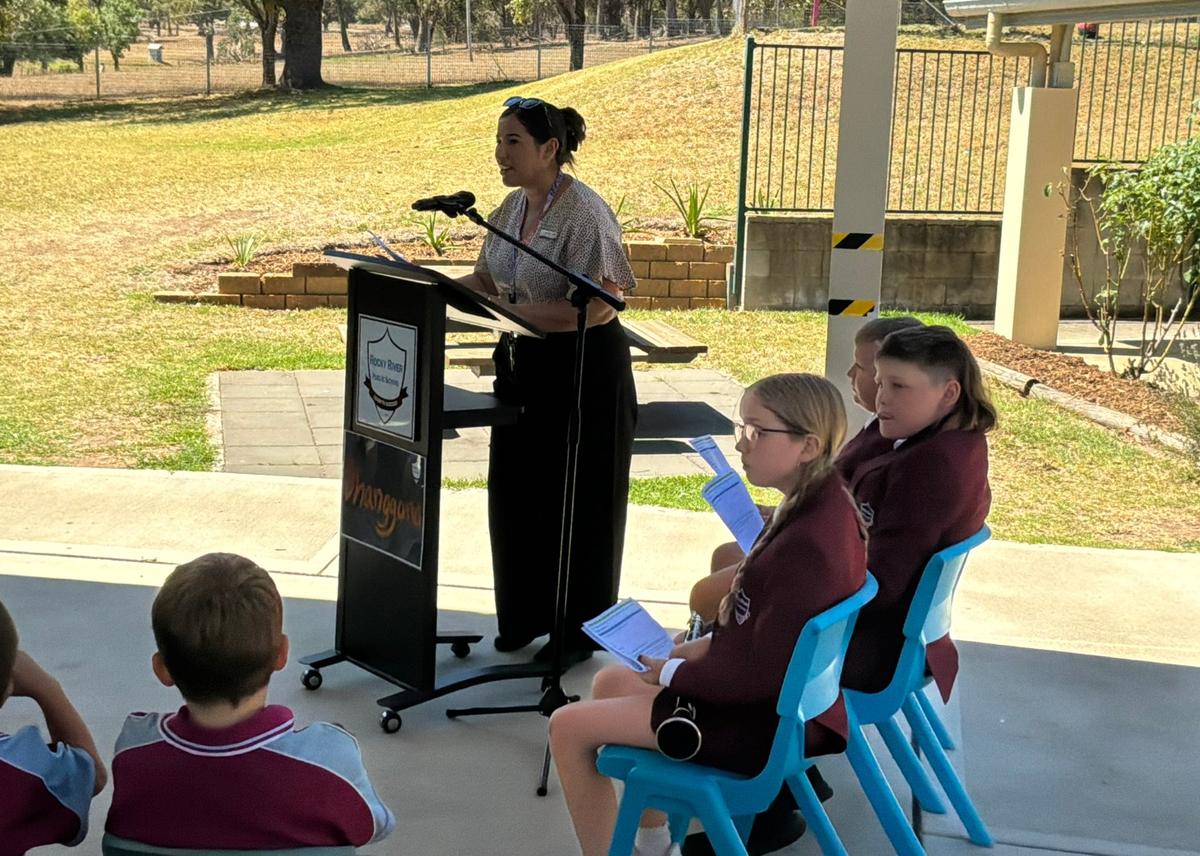
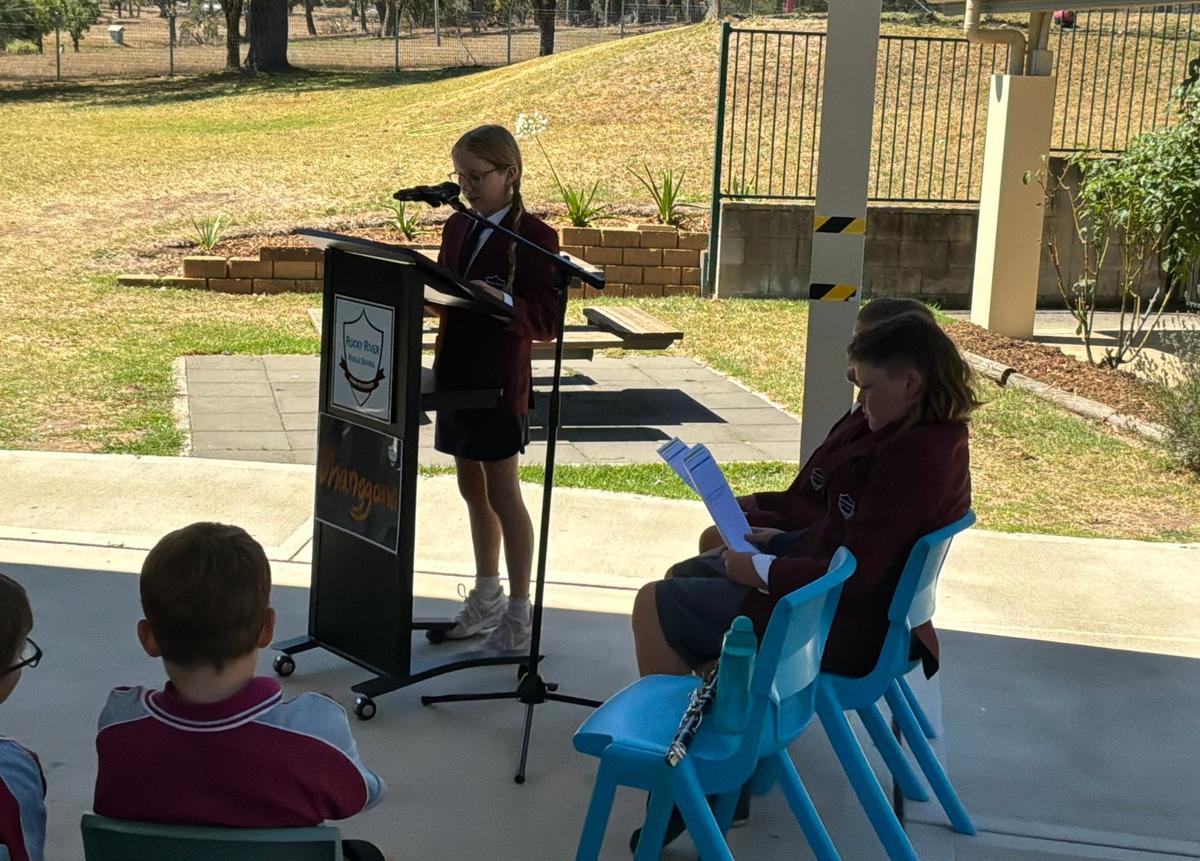
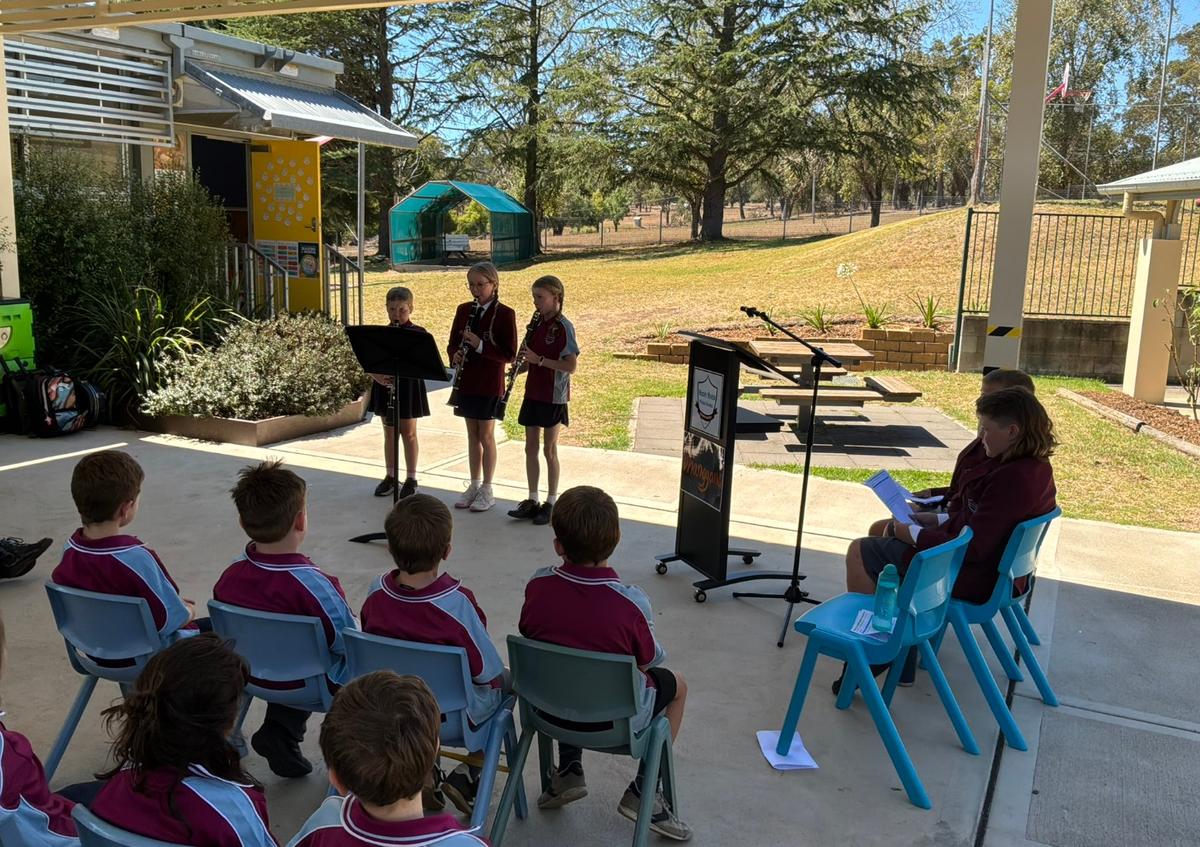
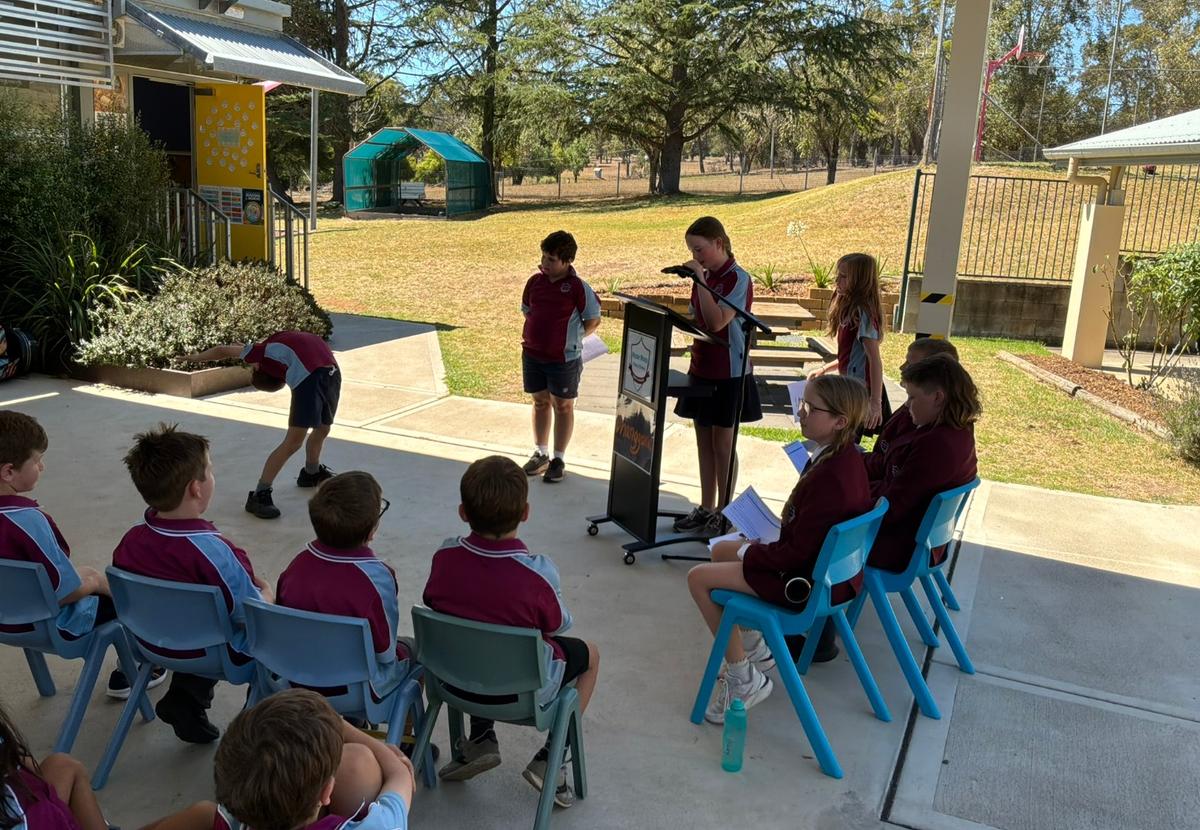
Last Friday's assembly was a wonderful gathering, celebrating some rich learning from the term thus far. Thank you to the parents and family members who could attend - we know the earlier timeslot was a trickier one to get to. Congratulations to our students on all of their achievements and a big thank you to Mima Dave for leading our K-2 students in their first performance delivered in Anaiwan Language. An extended thank you to our local MP, Brendan Moylan, for issuing our 2026 school leaders with a special letter of recognition. To top it off, we had three very talented students present two song pieces together as a trio on their clarinets. Such a beautiful display of talent and growth from our NECOM orchestra program with Paul Marshall. Well done to our Rocky River students!
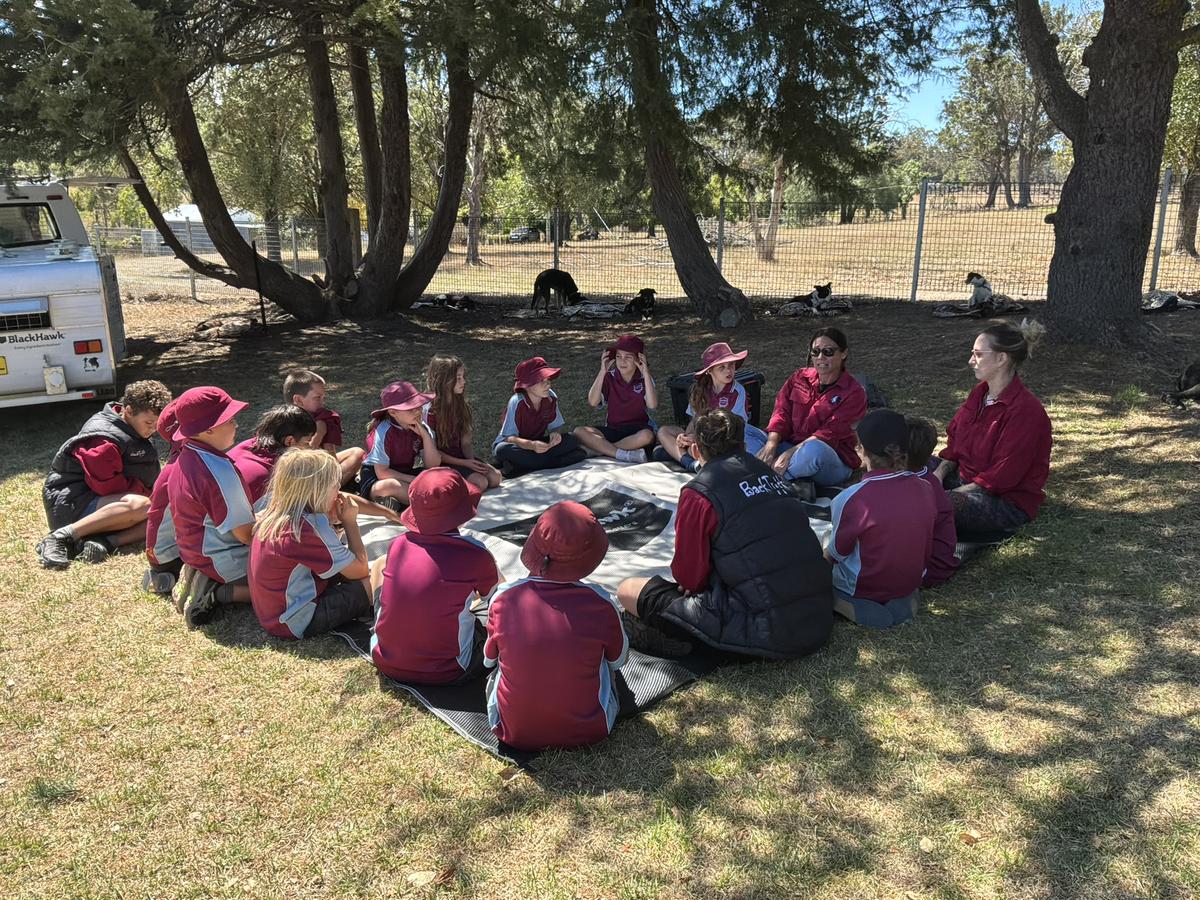
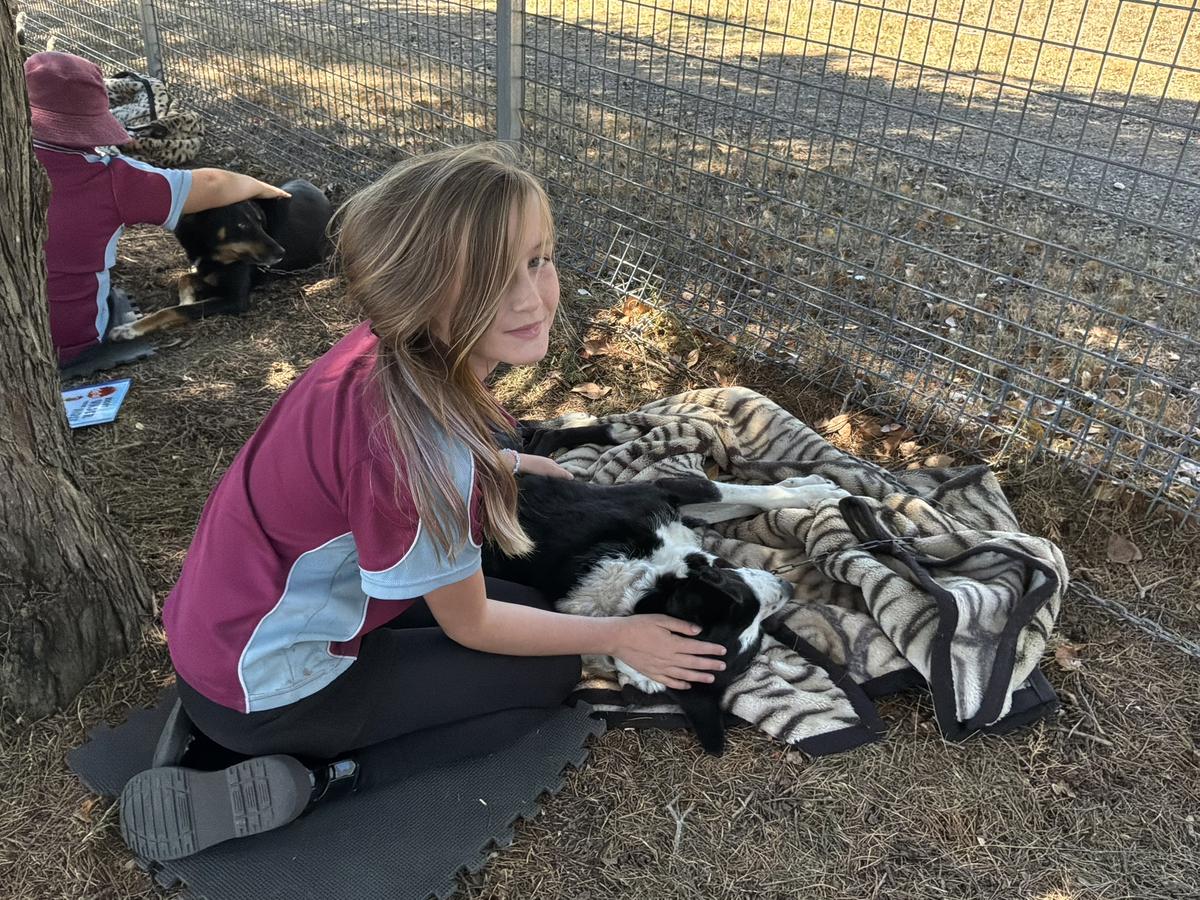
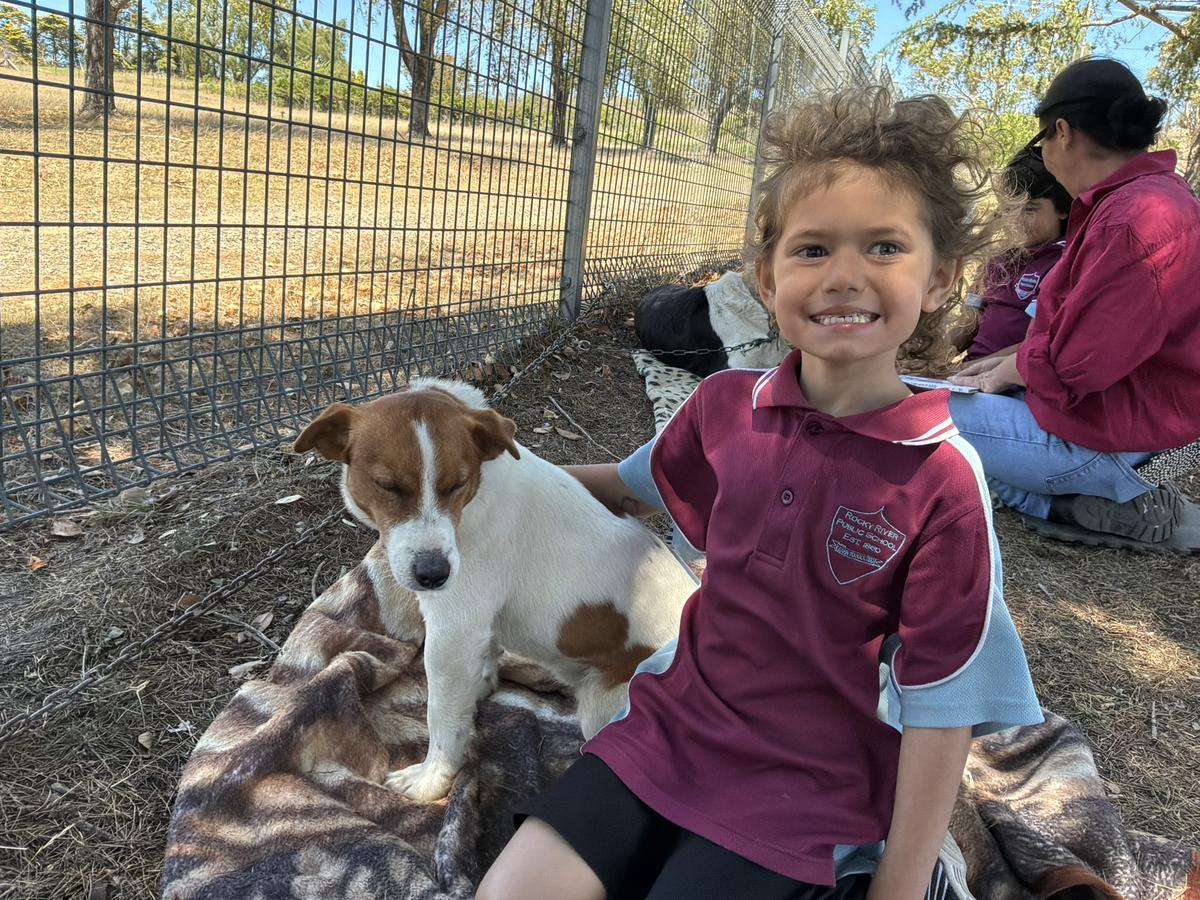
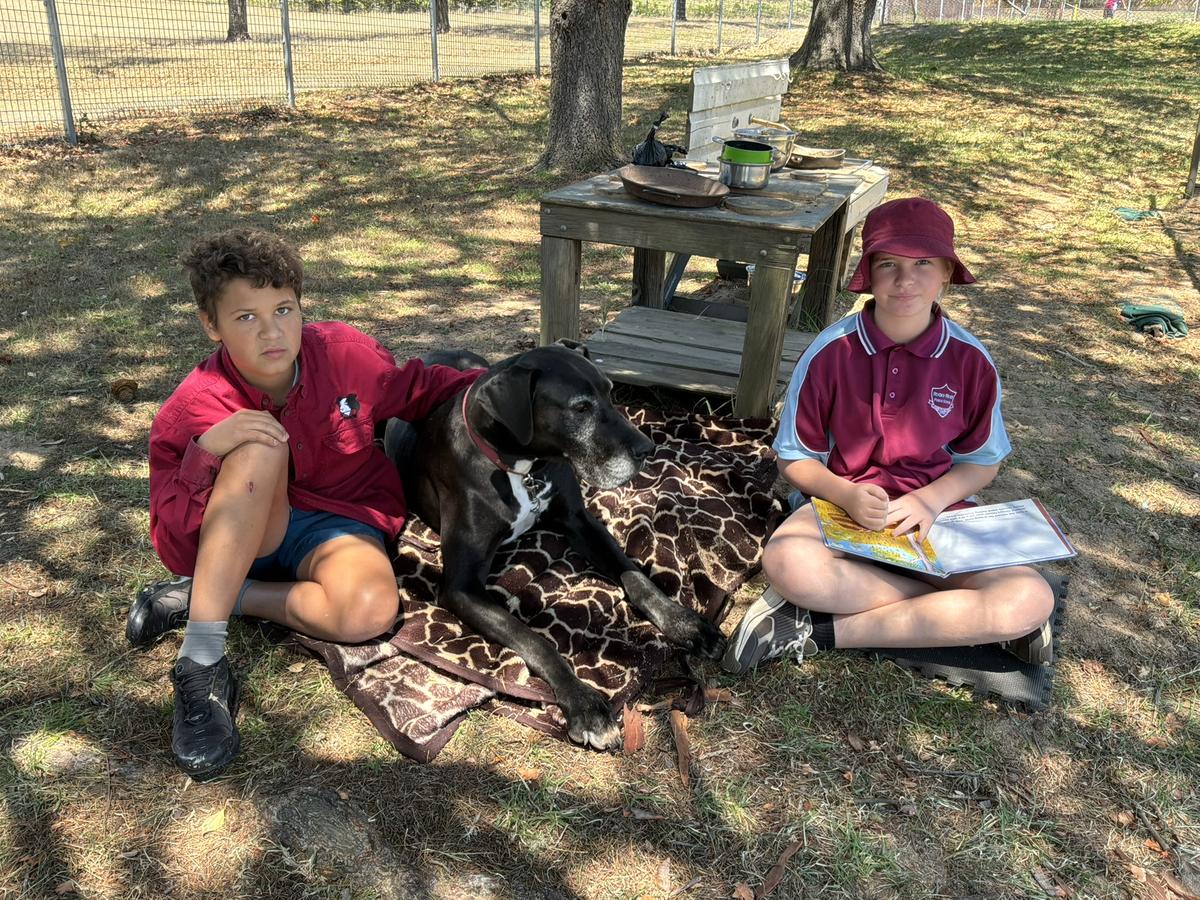
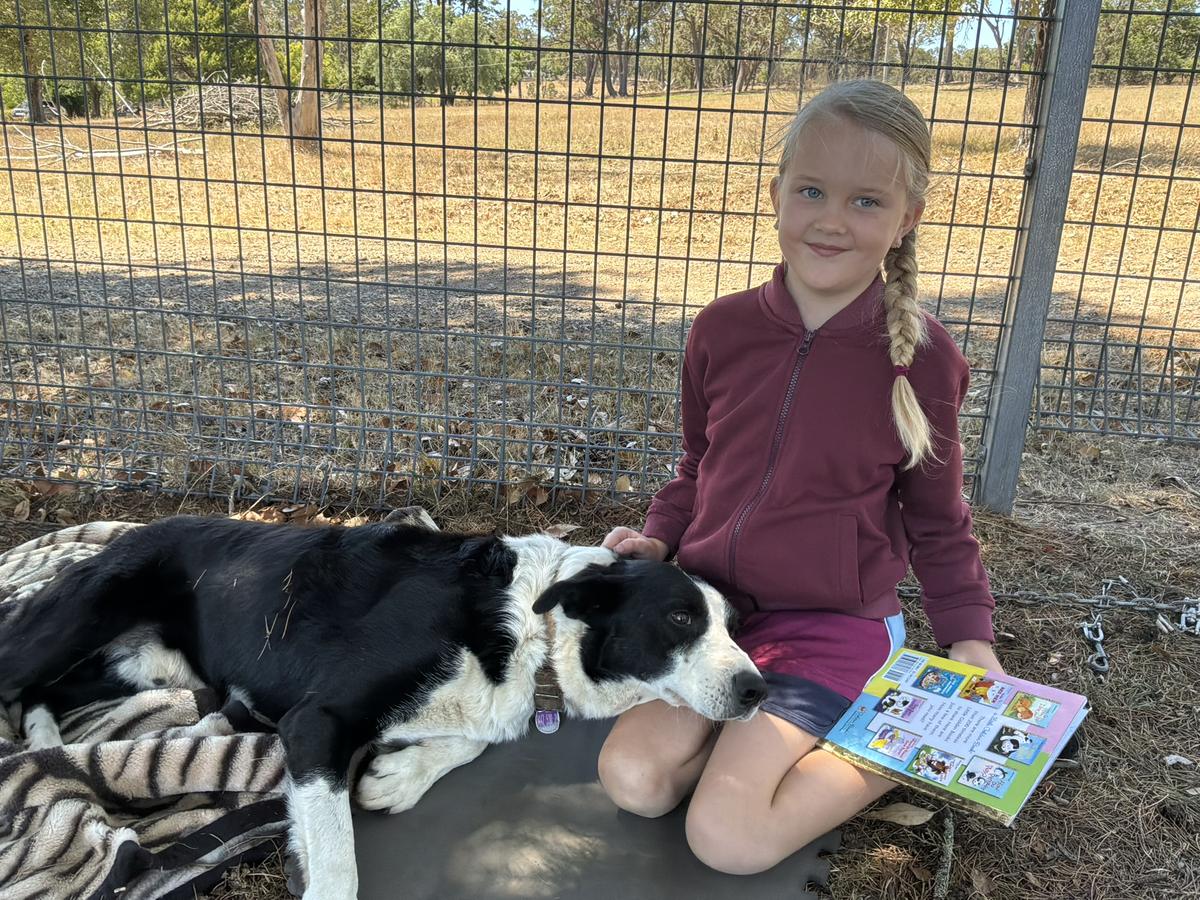
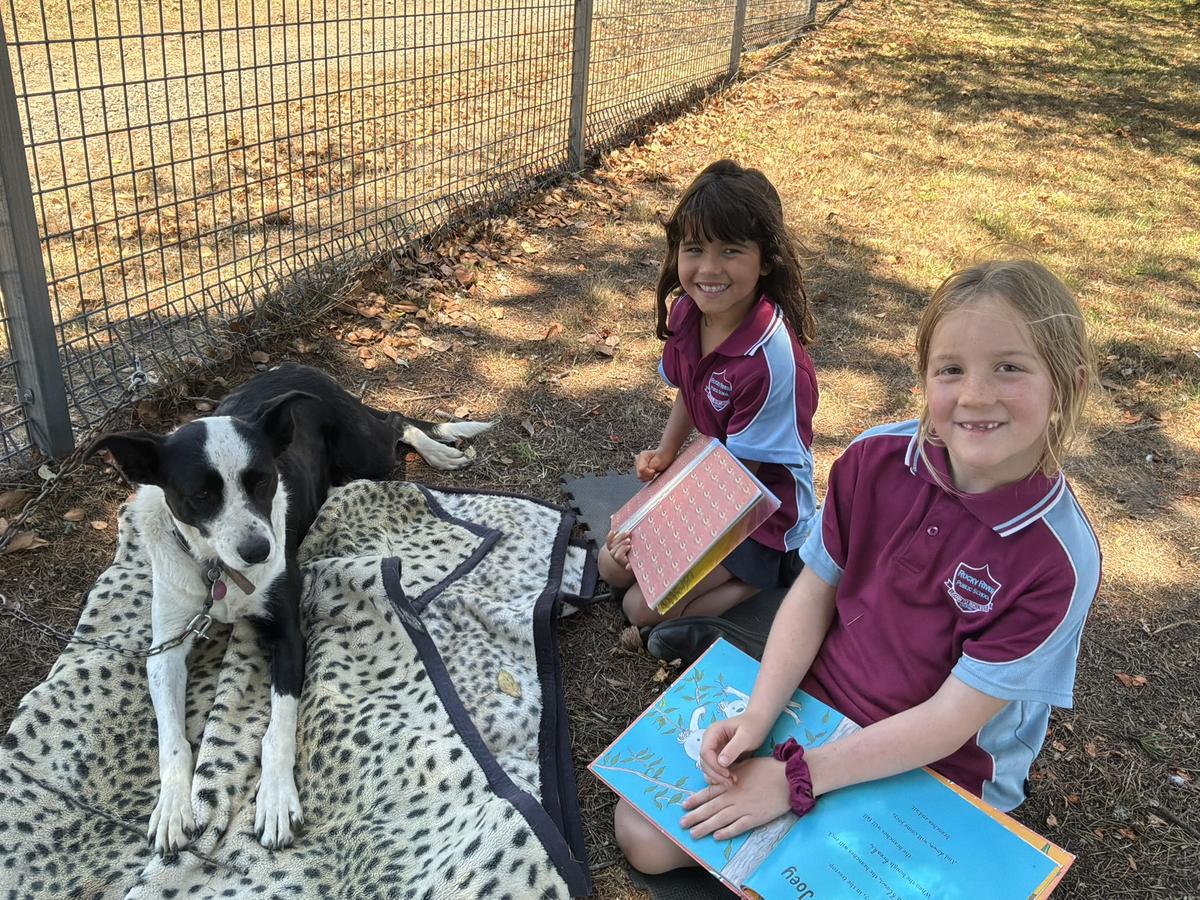
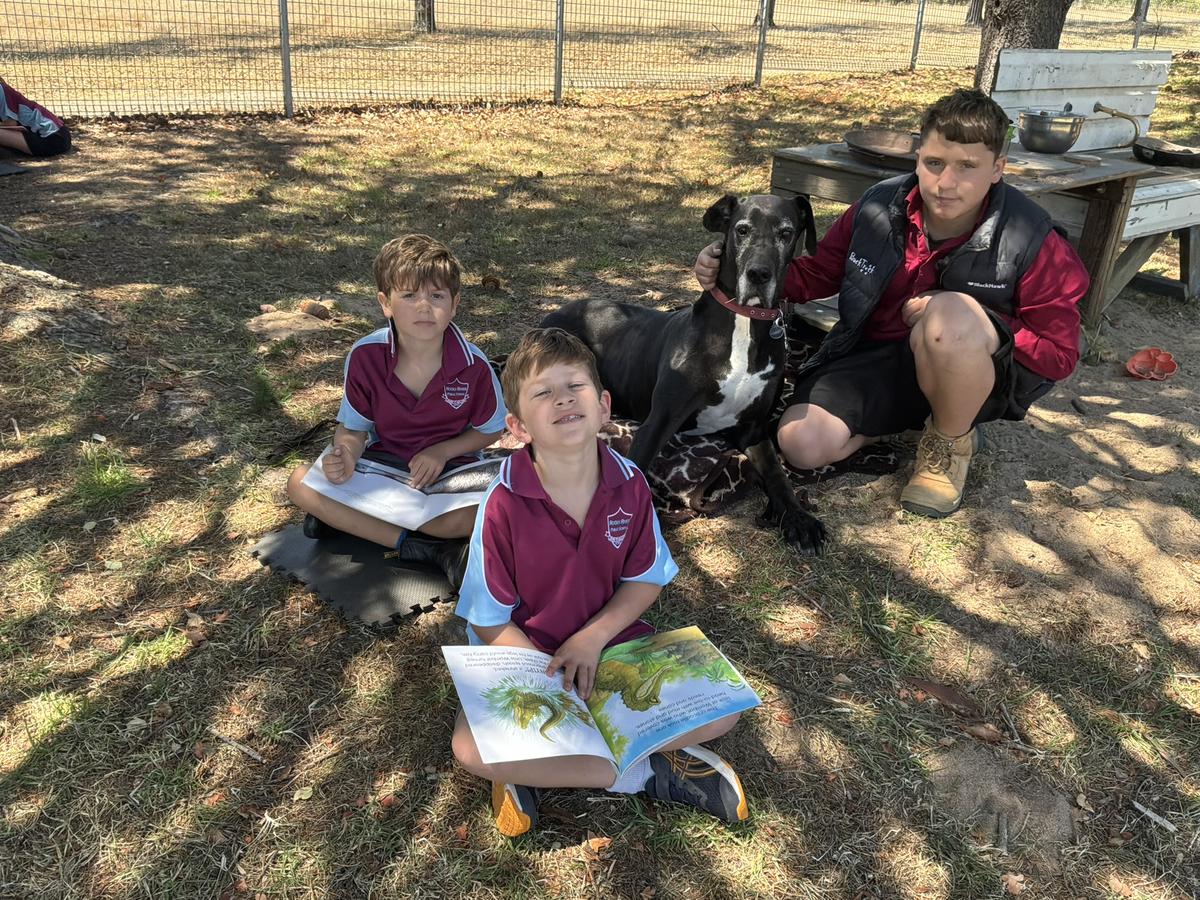
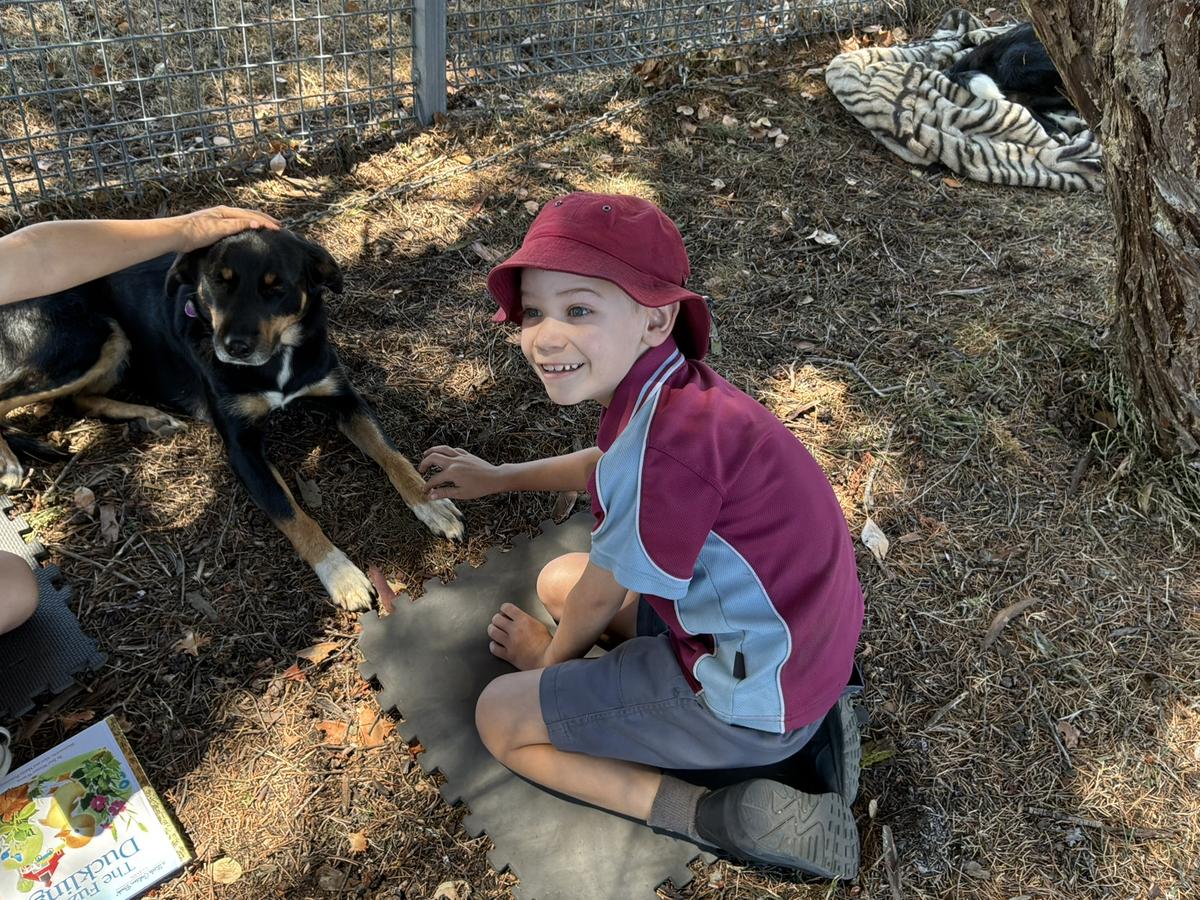
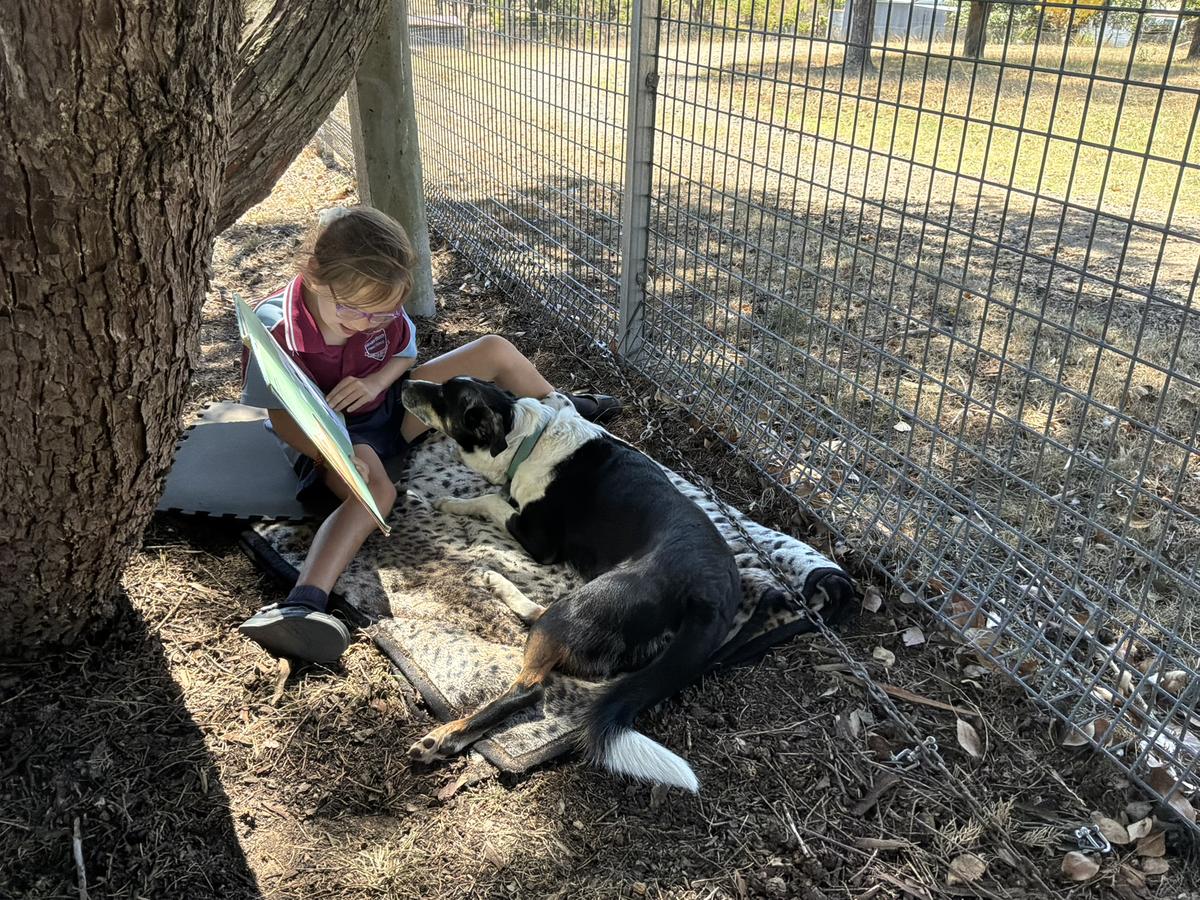
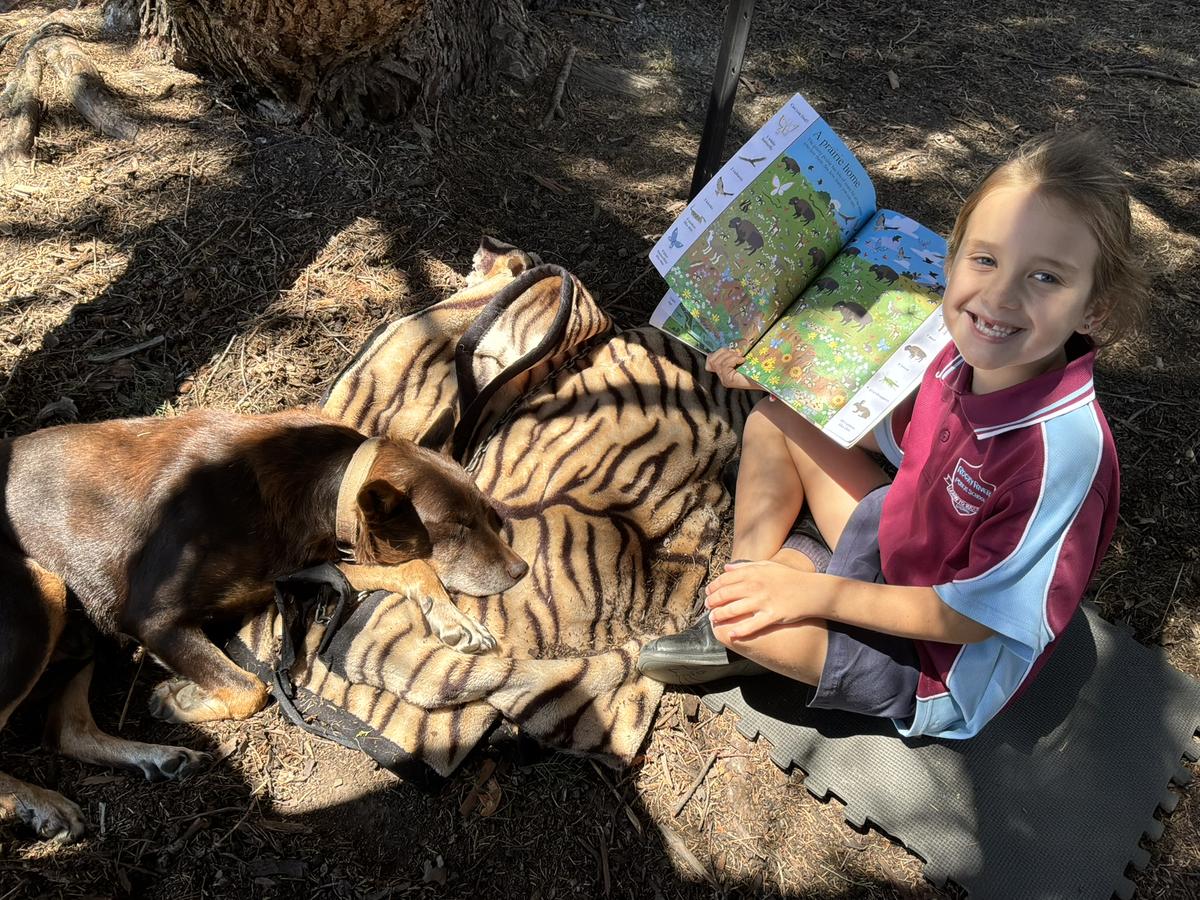
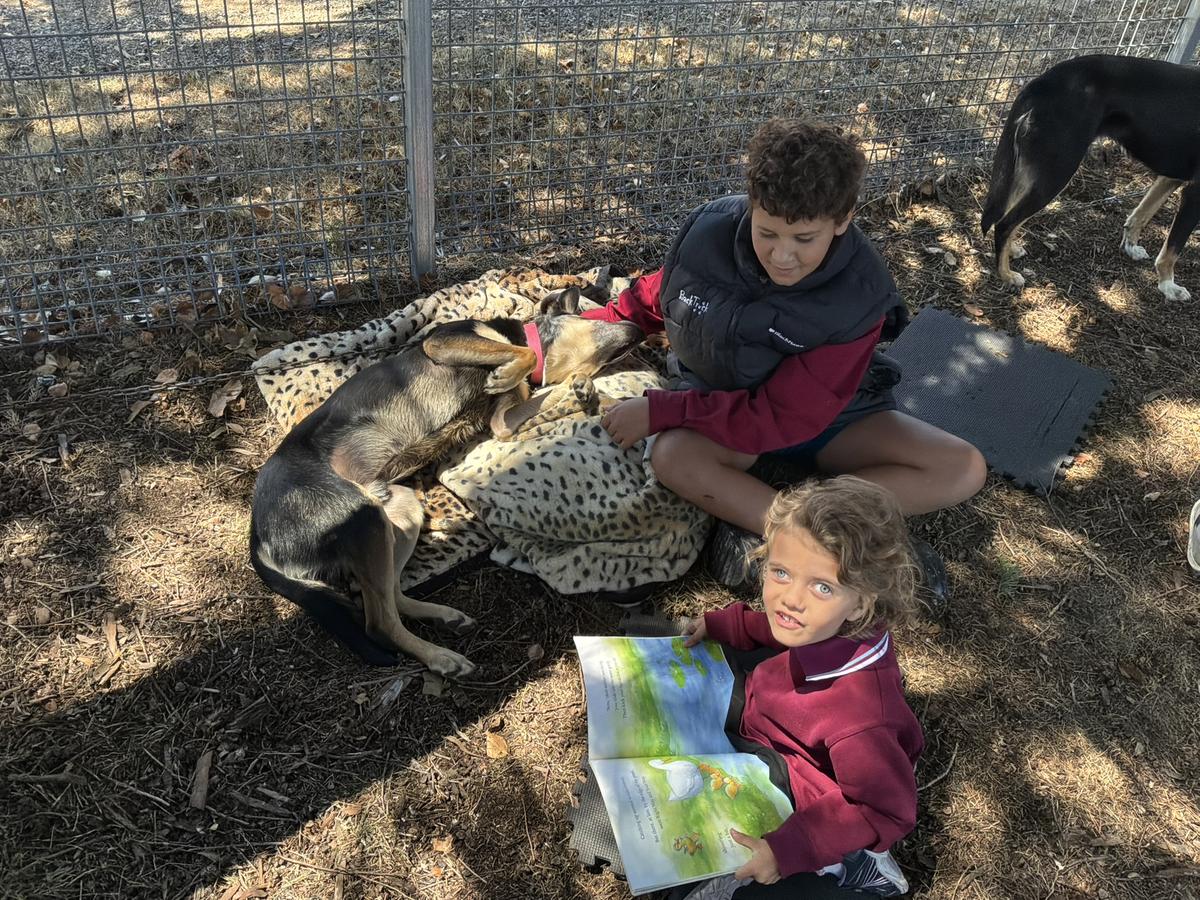
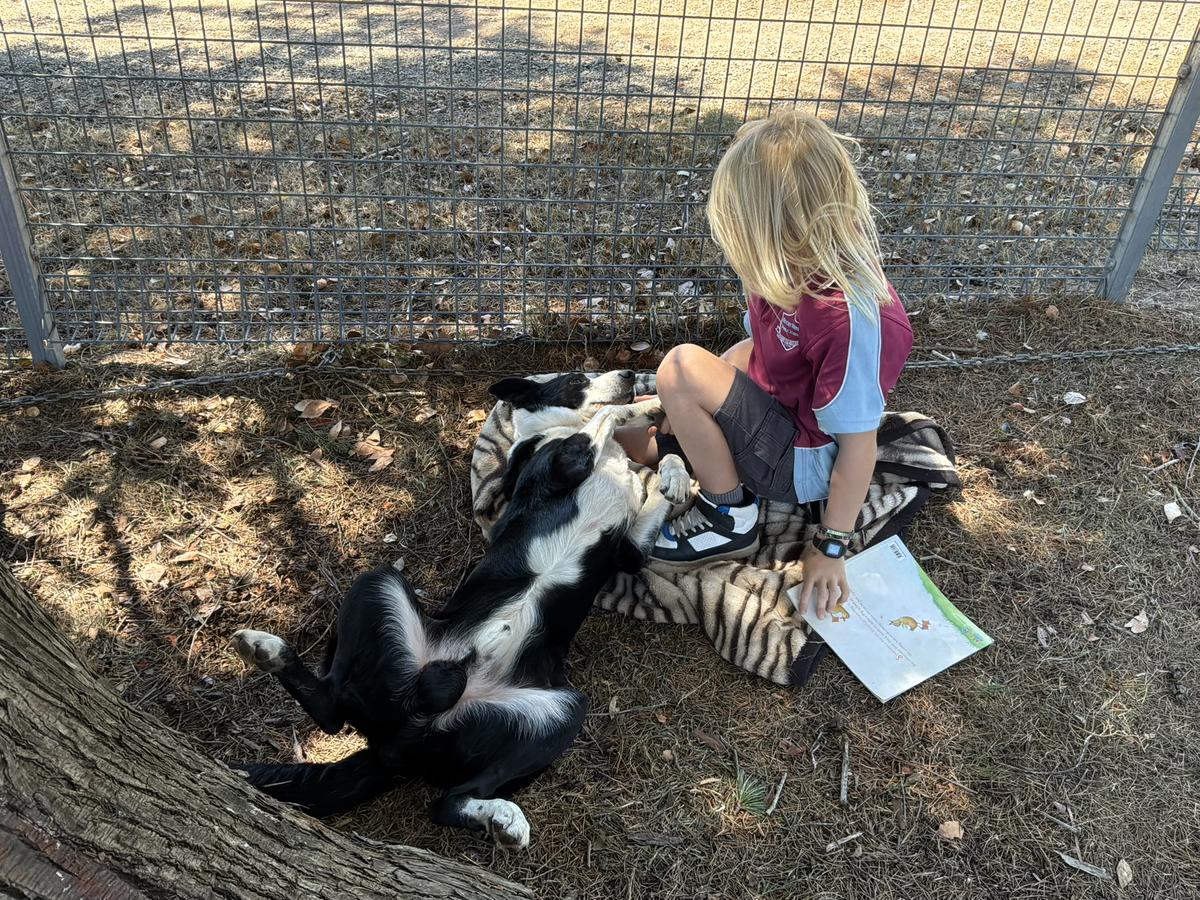
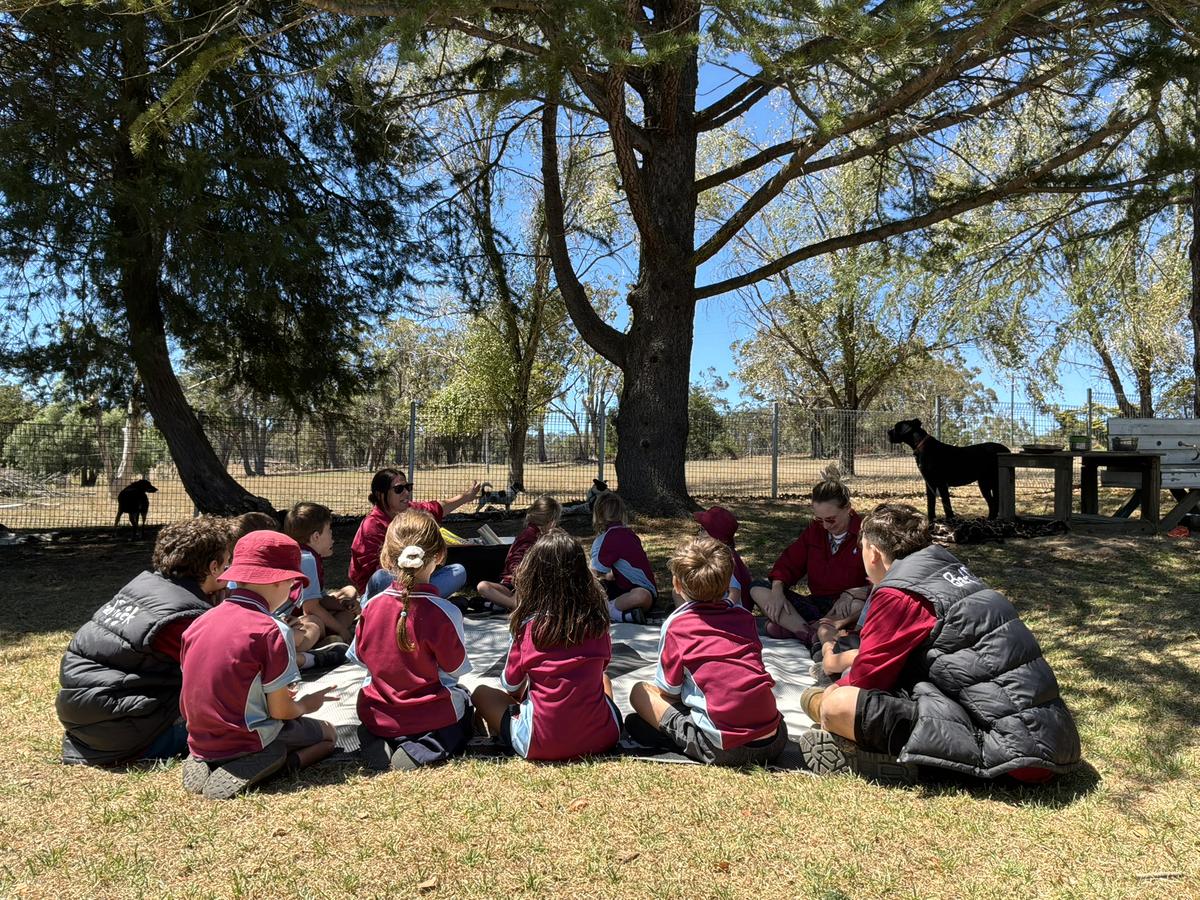
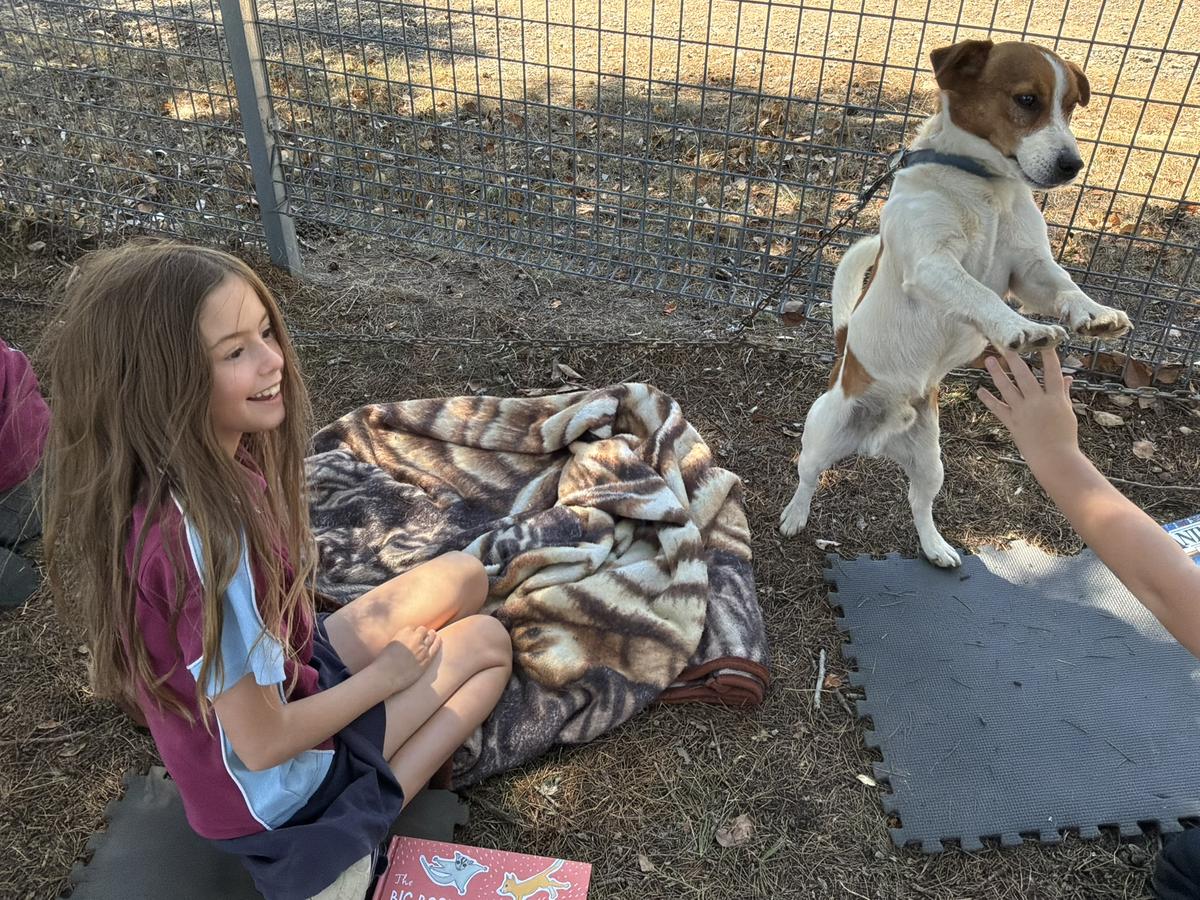
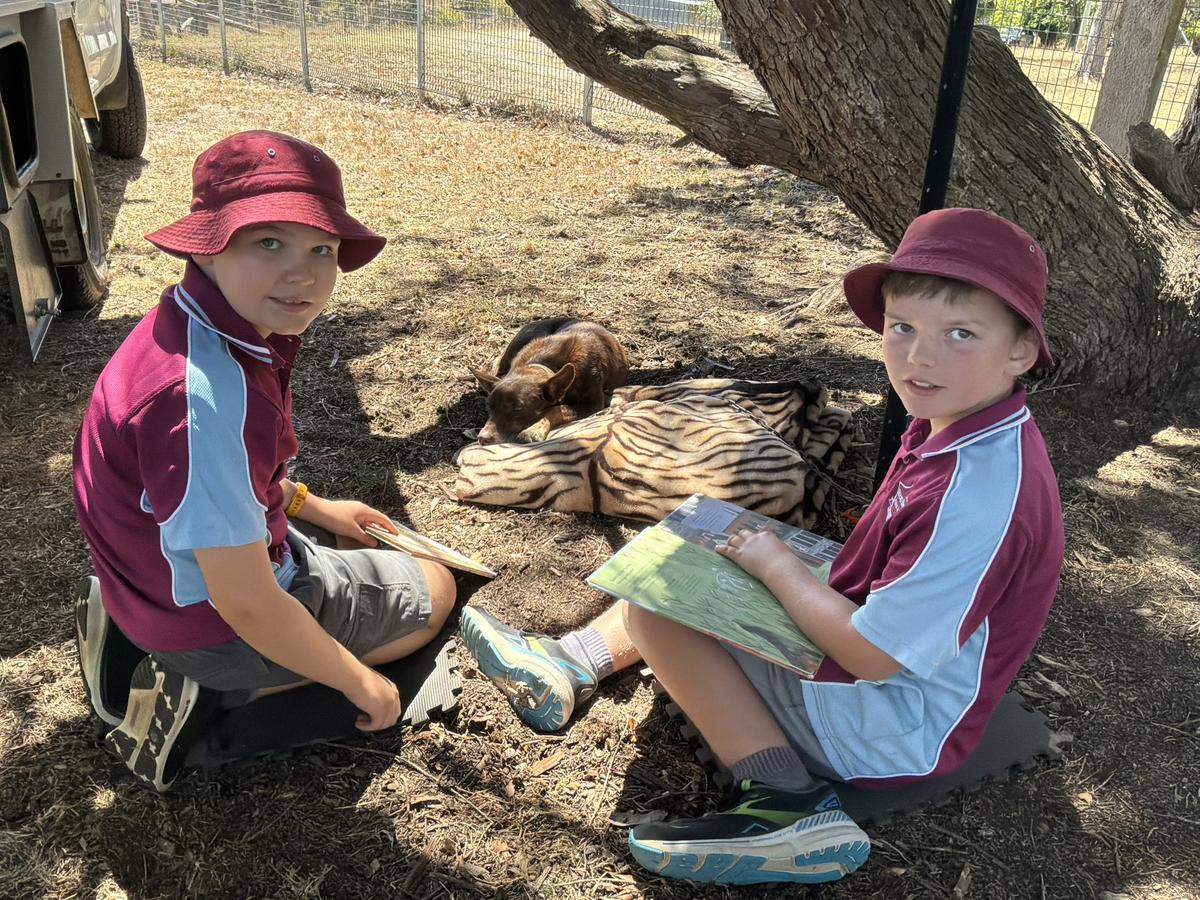
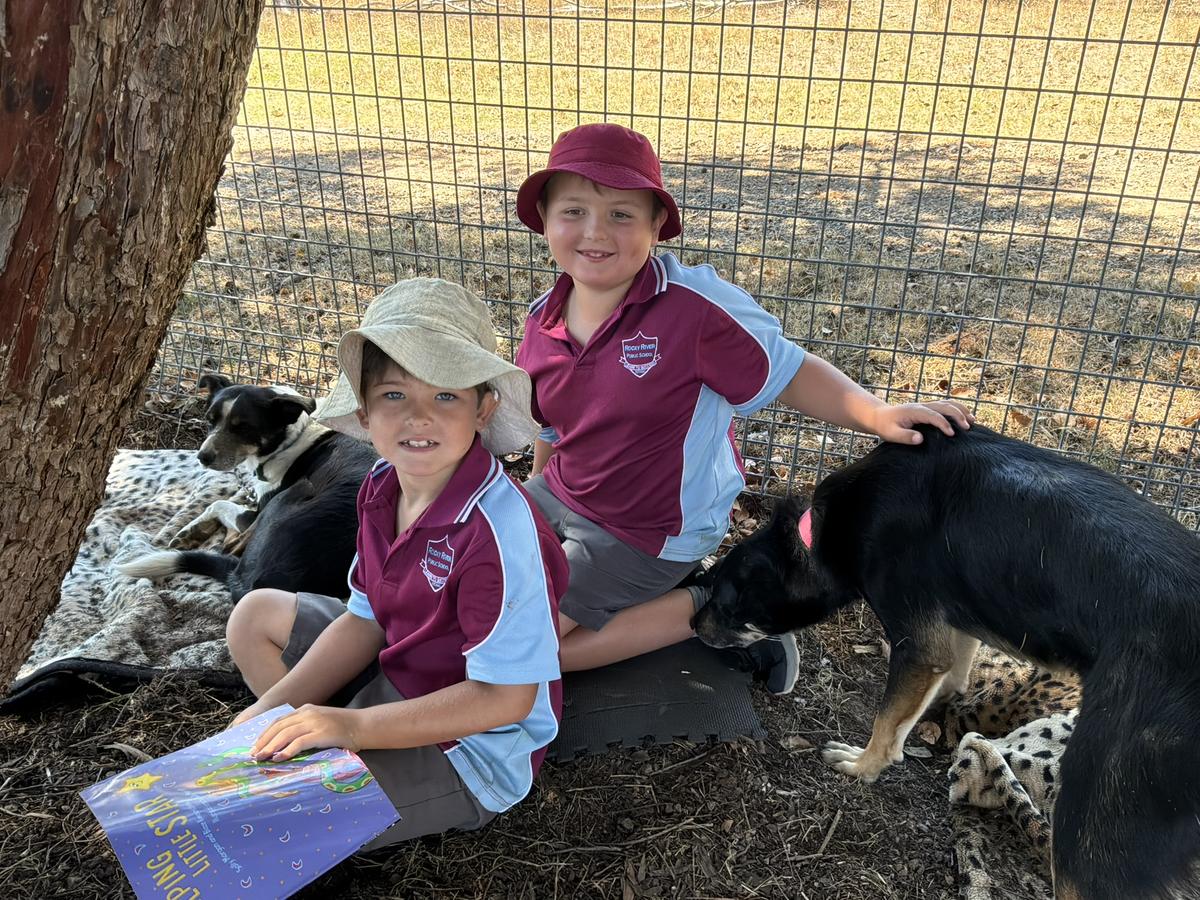
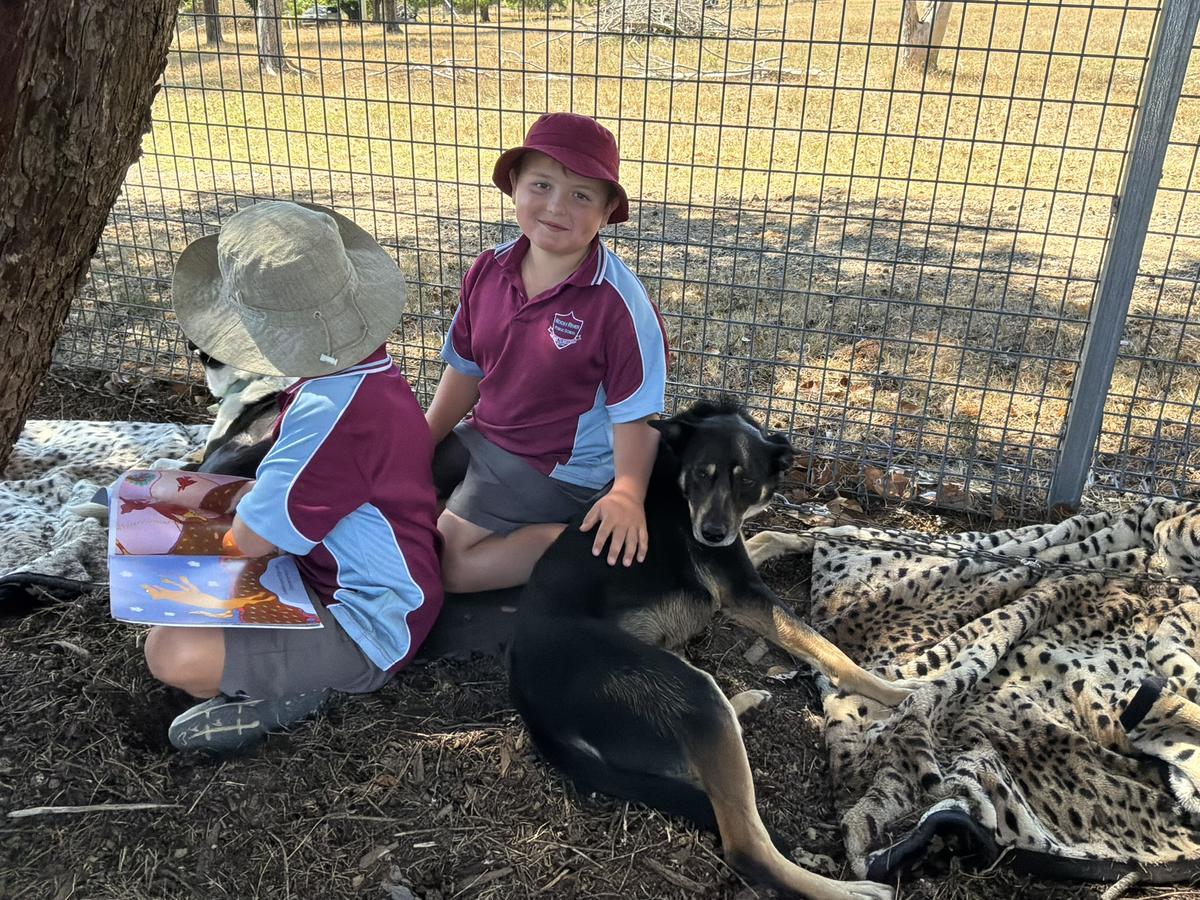
BackTrack Youth Works Dog Visit
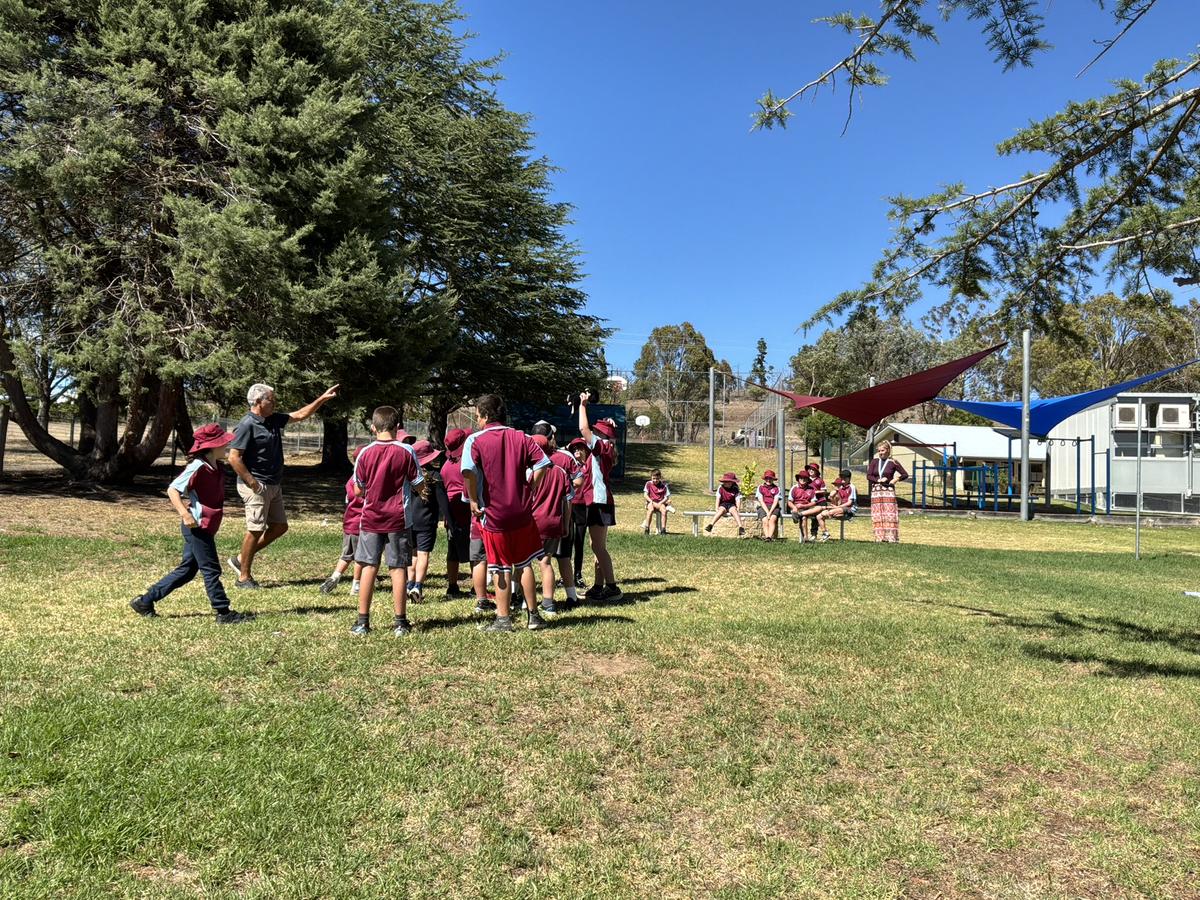
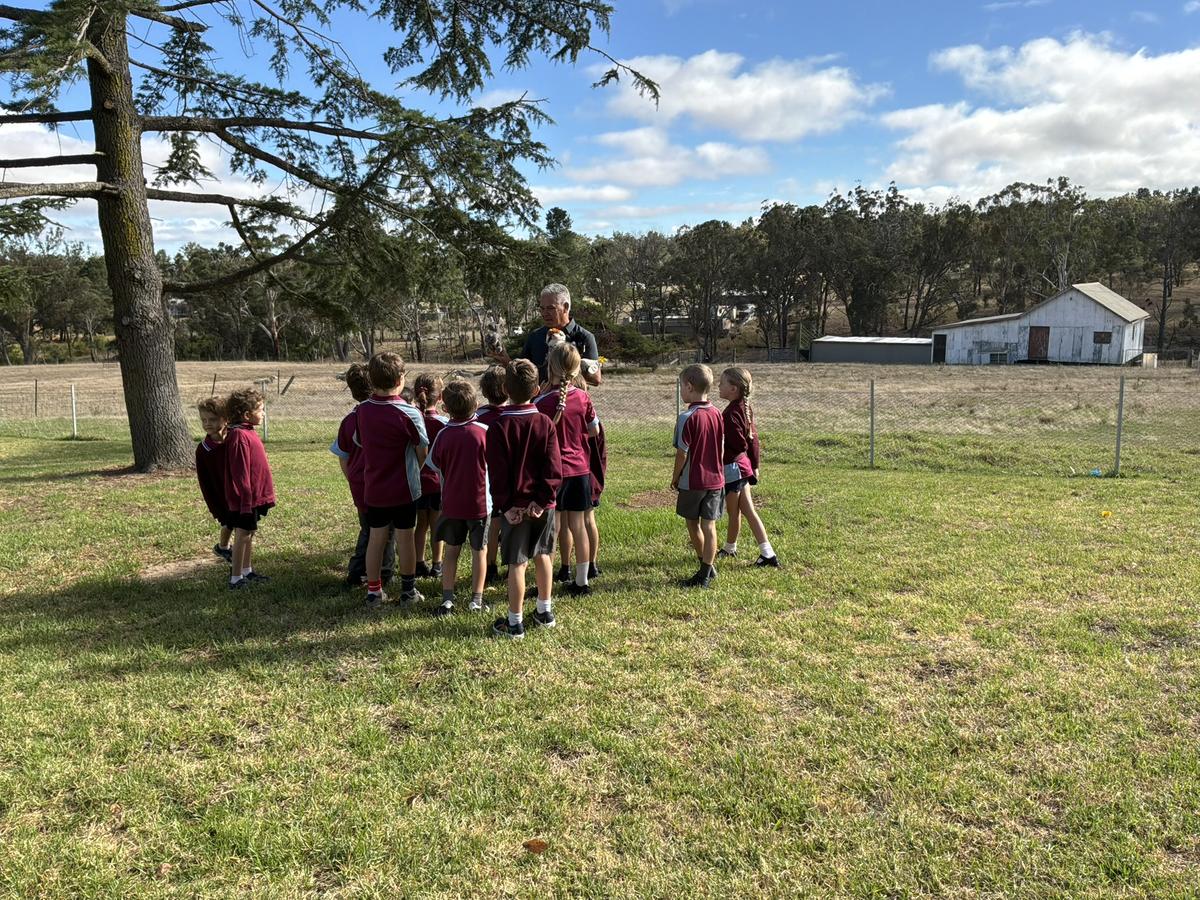
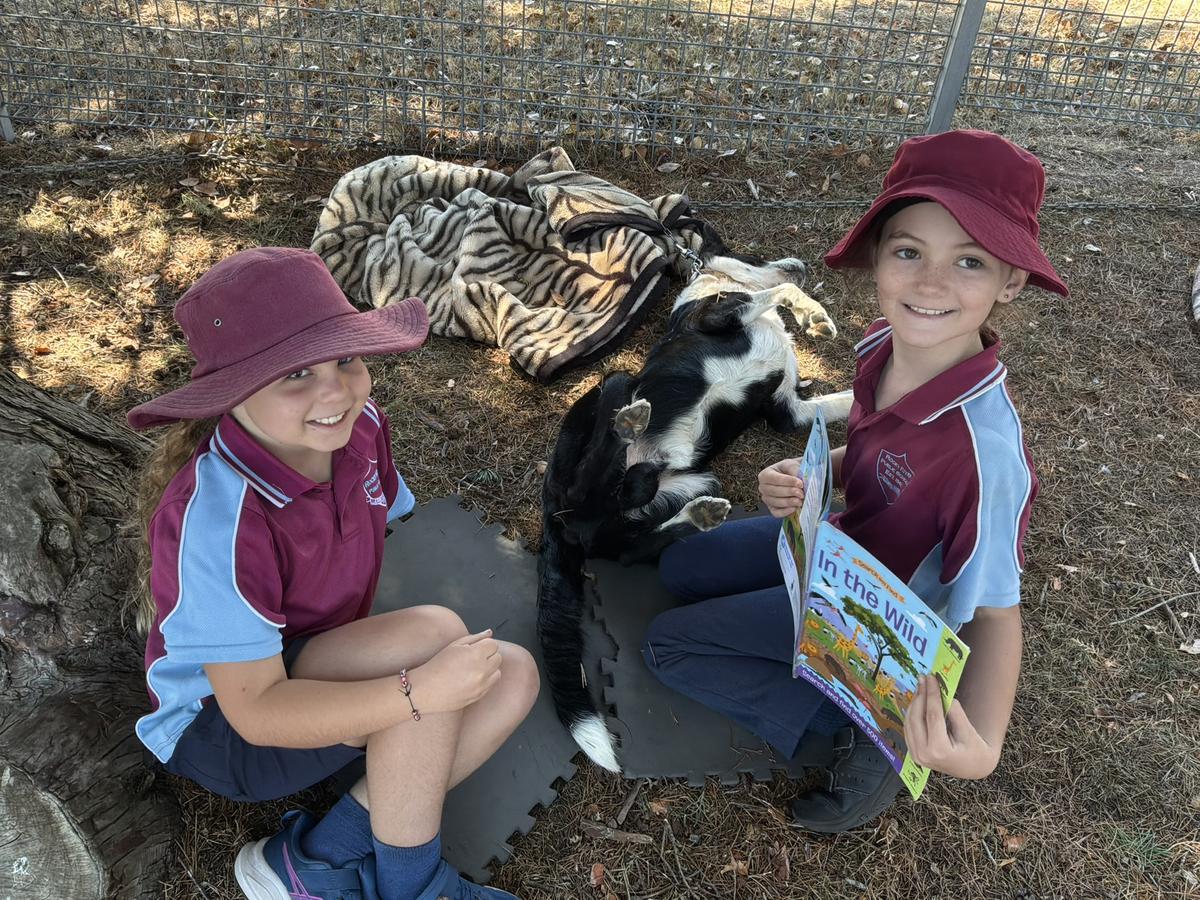
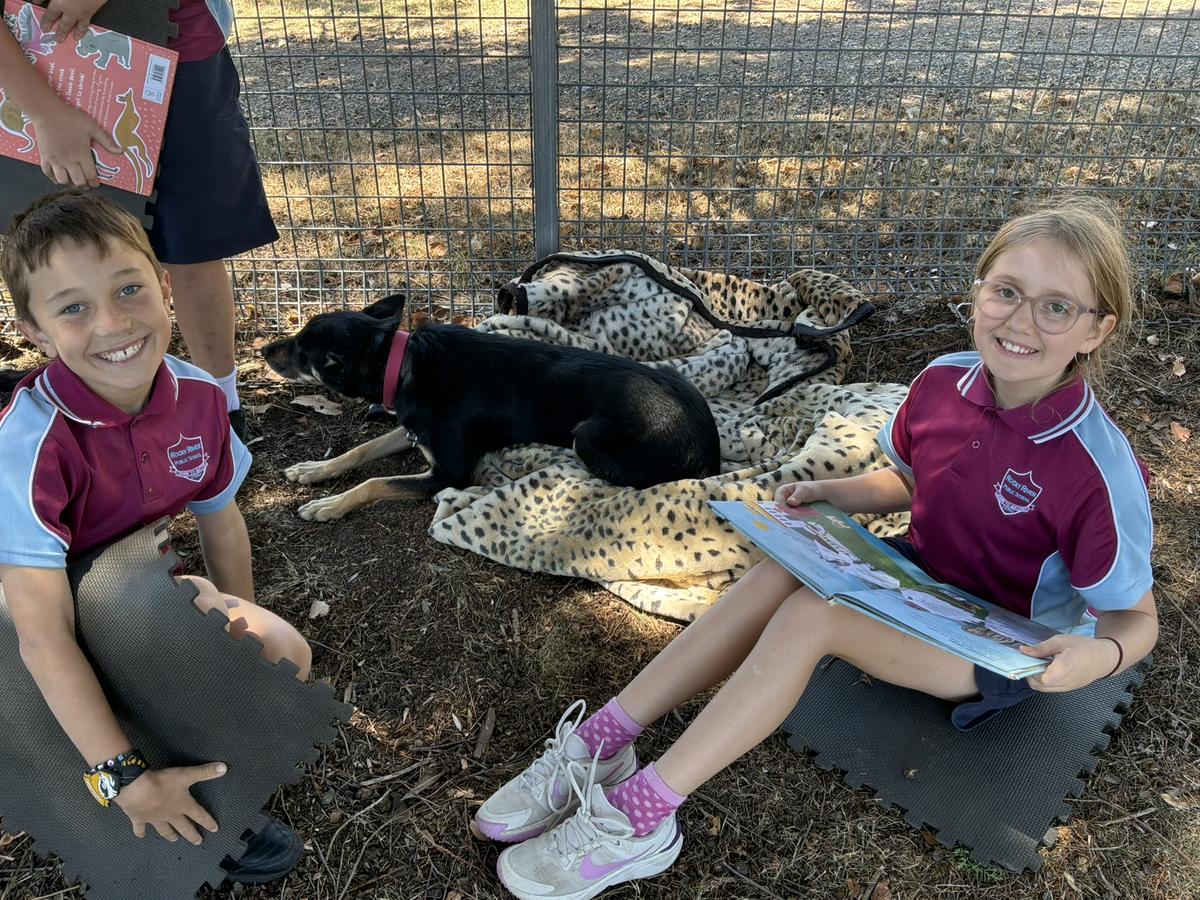
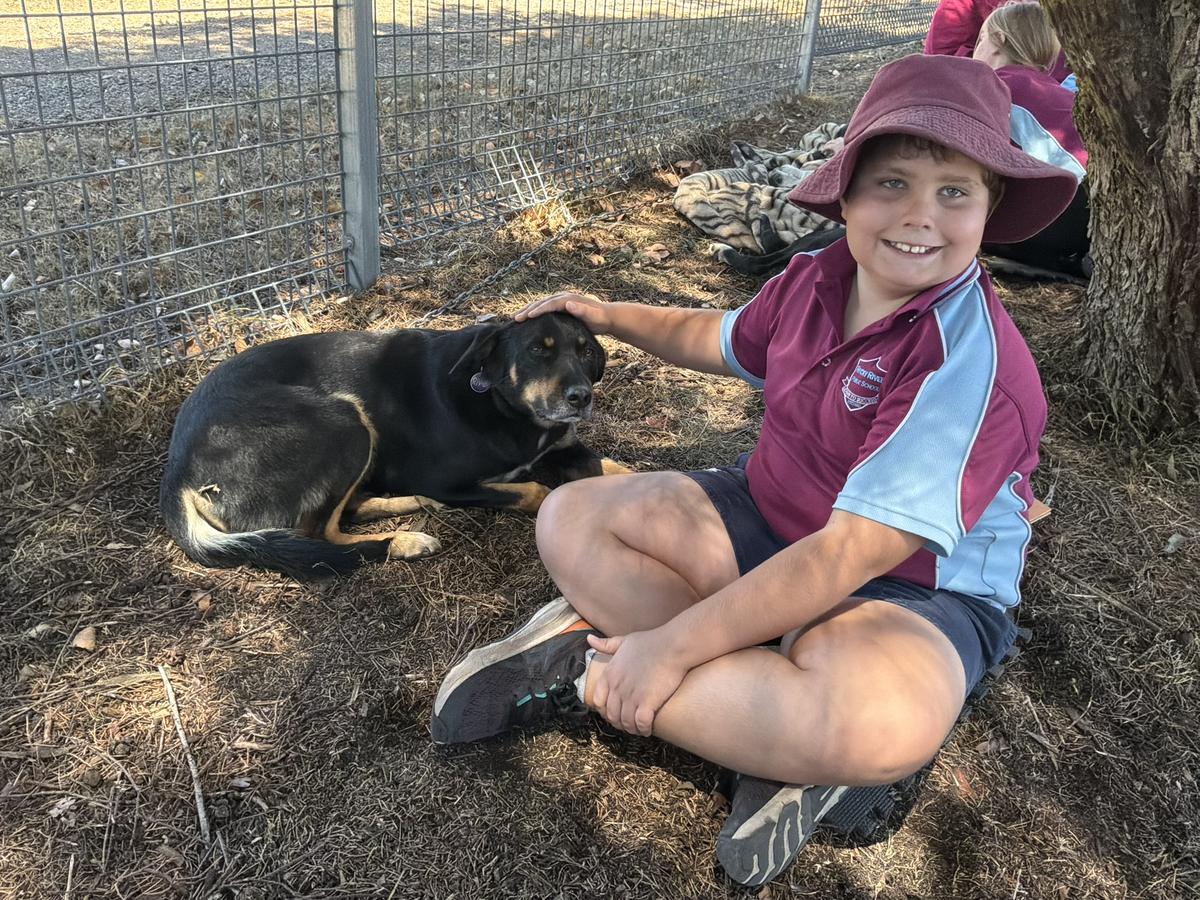
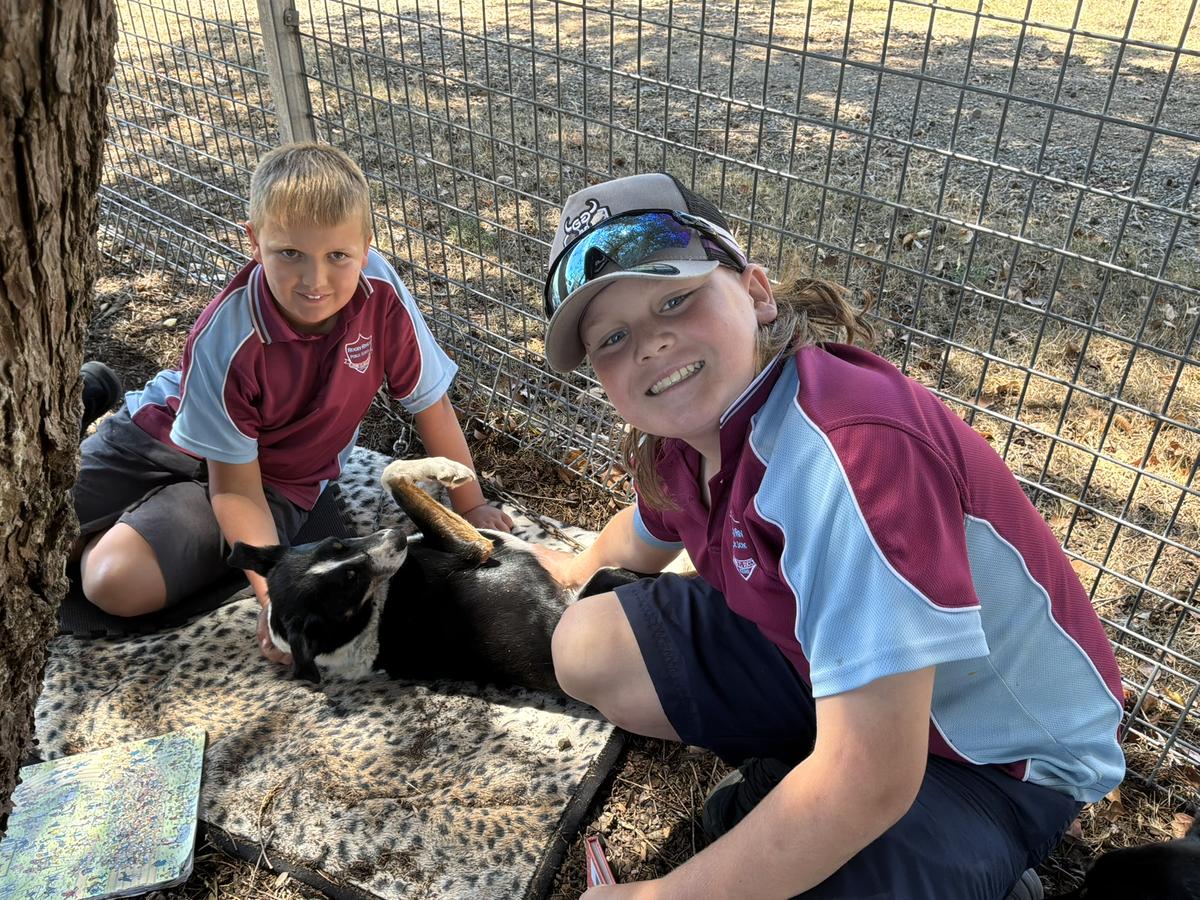
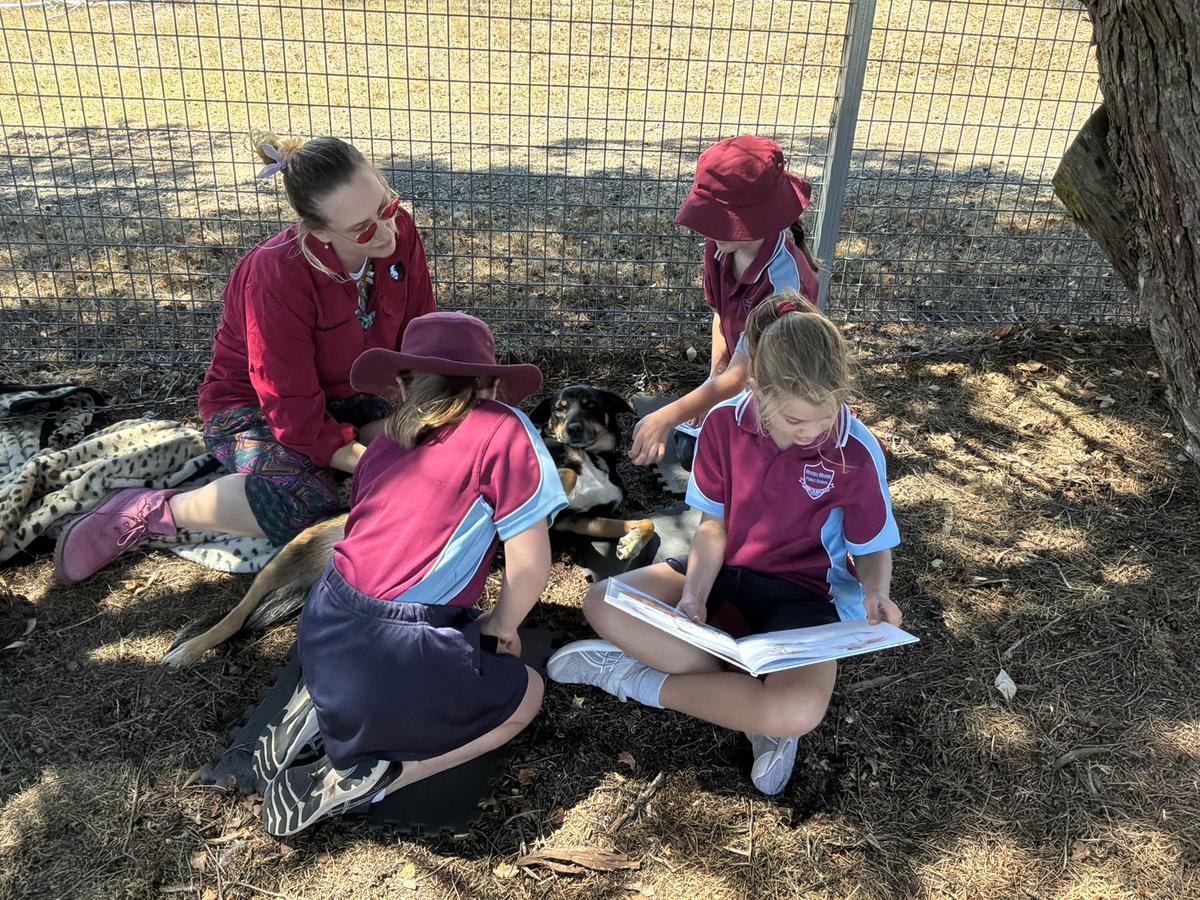
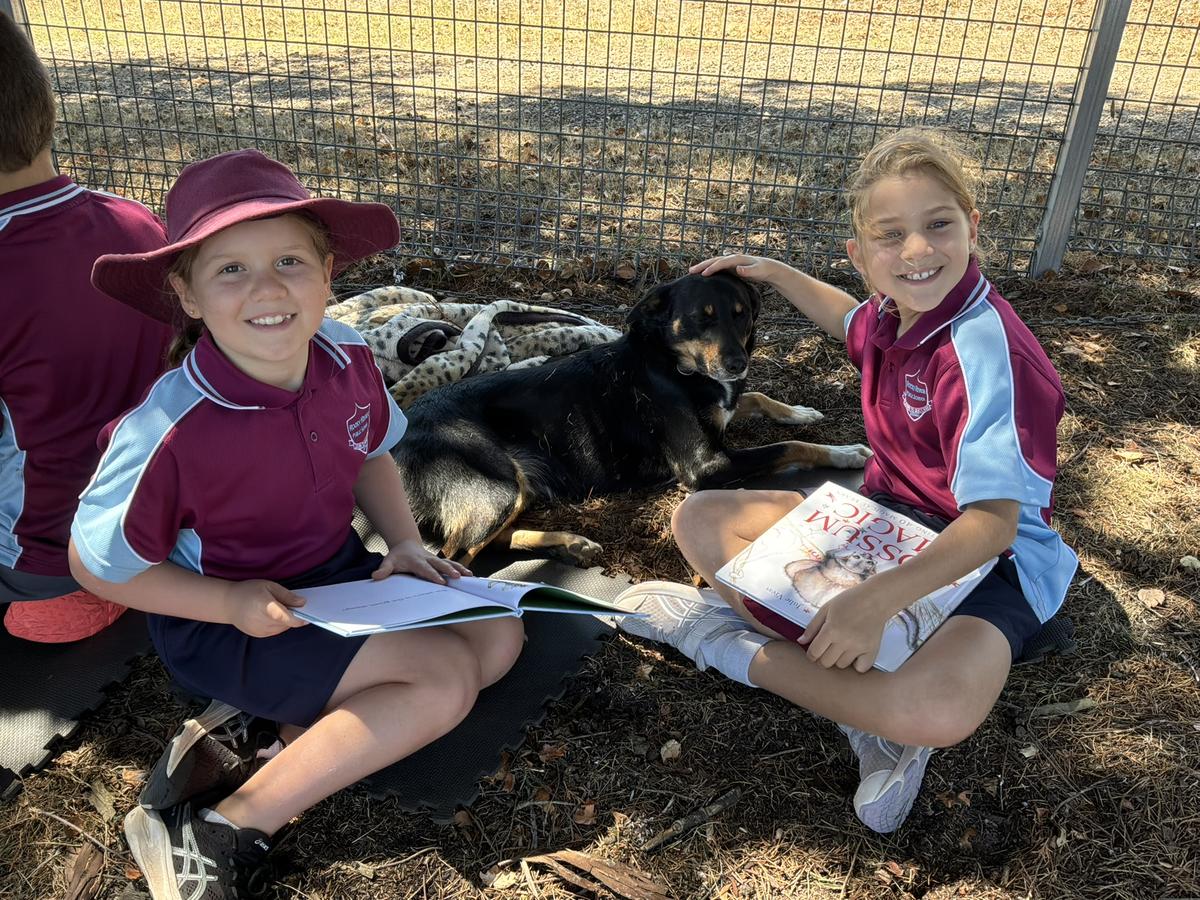
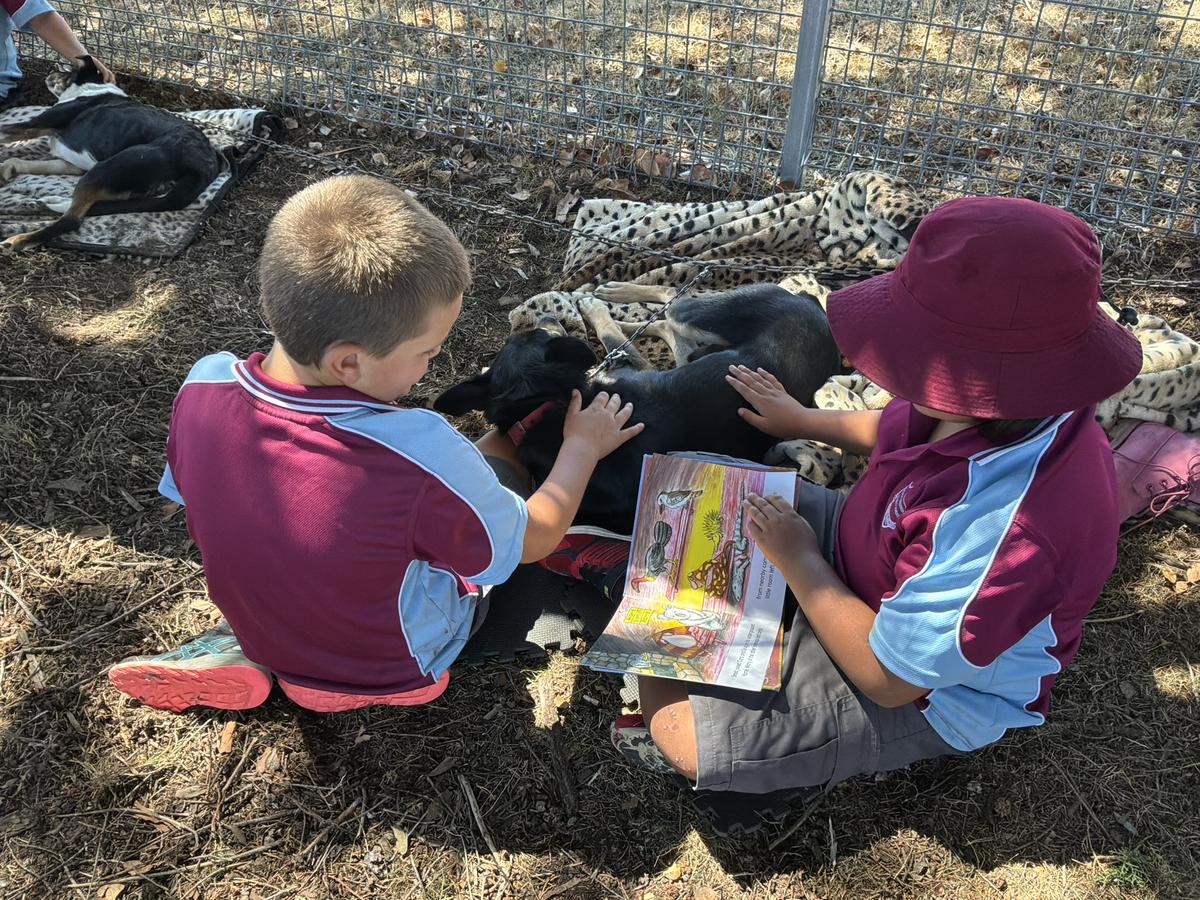
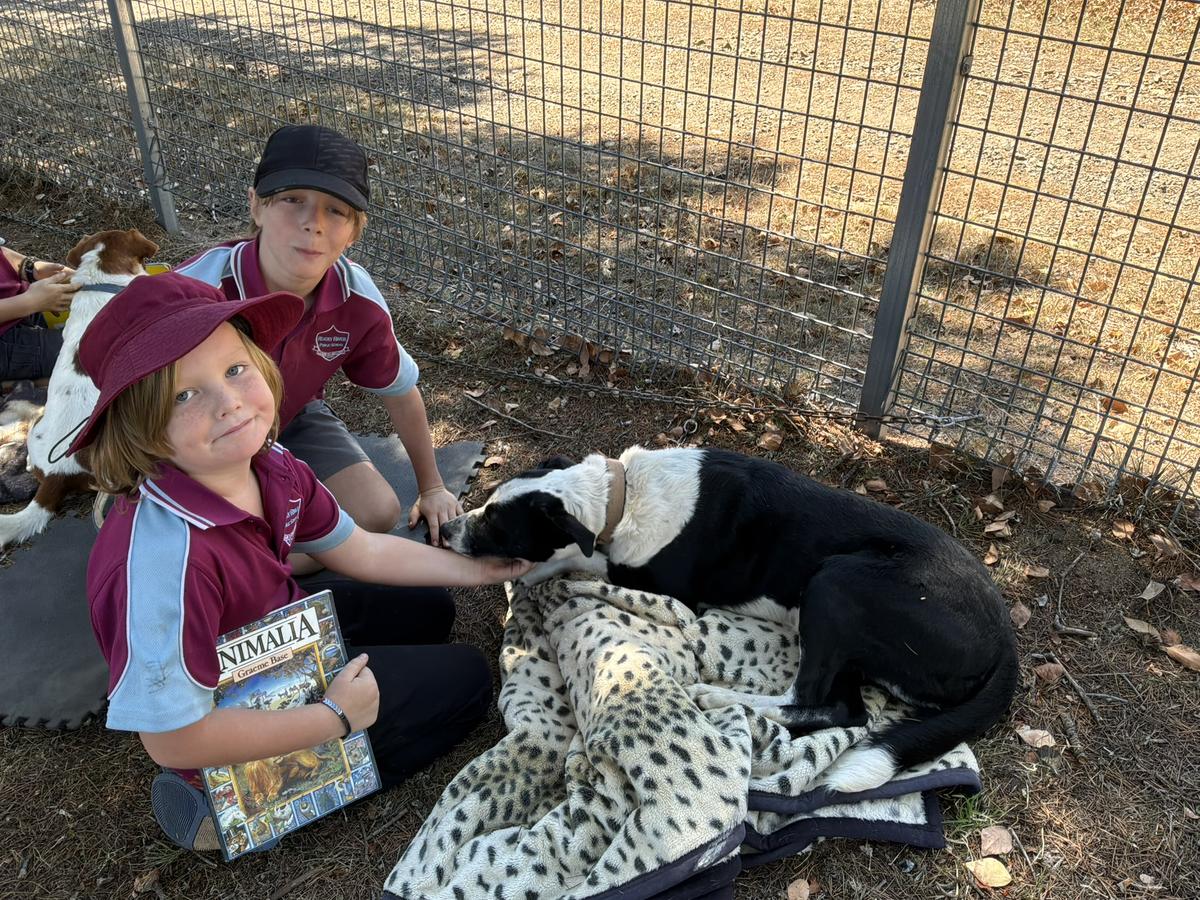
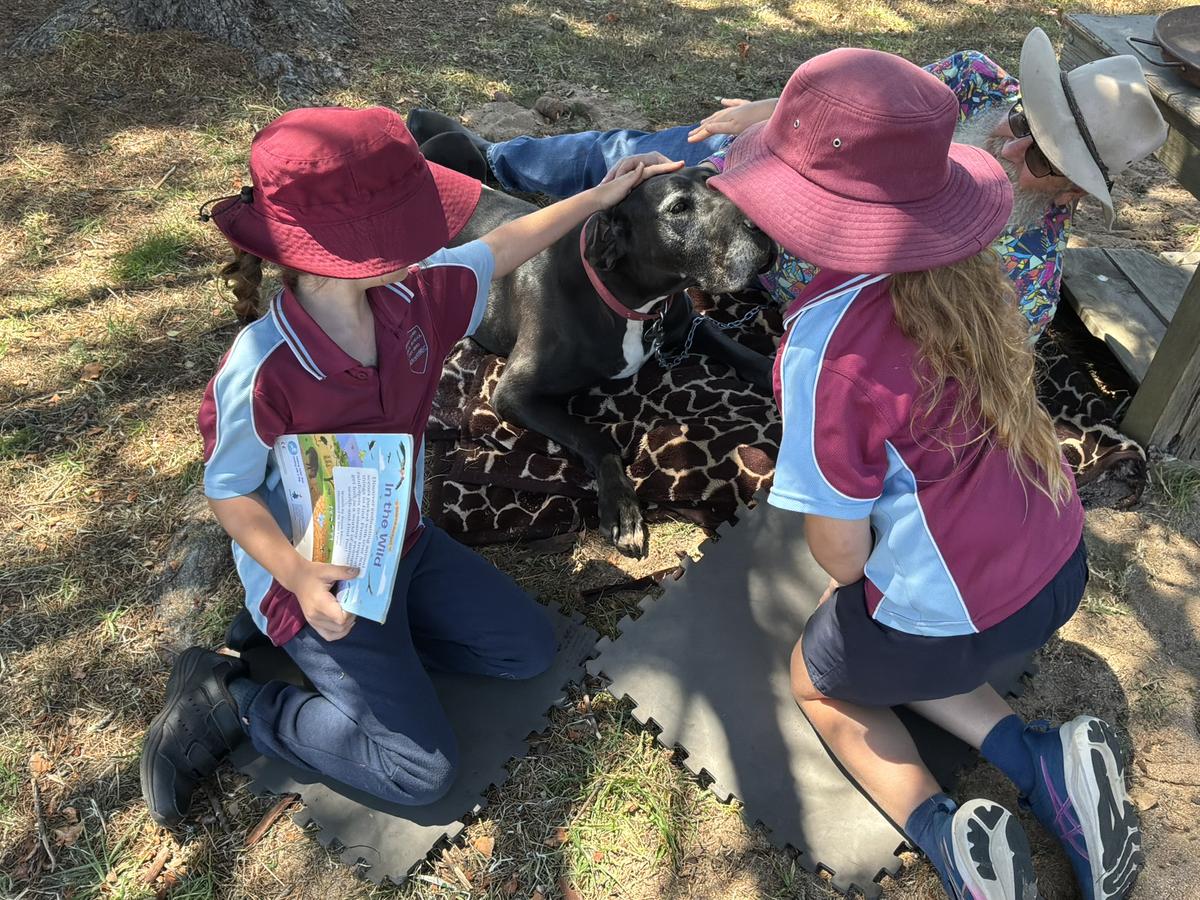
We were thrilled to welcome the BackTrack Youth Works Dog team and their wonderful dogs for a special reading and wellbeing session, outdoors. Our students shared their feelings during circle time and brainstormed ways to lift up friends who might be having a tough day. The highlight? Reading stories to their new furry friends and building heartwarming connections – tails and smiles all around! We are looking forward to their next visit in Week 9 this term.
Lower Division
English
Our students are delving into the concept of representation in written texts, using A-Z Australian Animals as a central resource. This engaging book not only celebrates the fascinating diversity of Australian fauna but also provides a platform for students to identify and work with key grammatical components such as verbs, nouns, adjectives, and prepositions. For example, students are examining sentences to see how action words (verbs), naming words (nouns), describing words (adjectives), and location or direction words (prepositions) all contribute to creating rich and meaningful descriptions.
In a wonderful extension to this unit, students are incorporating Anaiwan language, as taught by Mima Dave, to describe some of the animals highlighted in the text. This intercultural learning experience fosters respect and appreciation for local Indigenous language, and students are excited to share phrases and names they have learned in Anaiwan. By blending grammar and vocabulary work with Indigenous perspectives, students are developing not just literacy skills, but also cultural awareness.
Mathematics
Measurement has been a key focus in Maths lessons this term. Students are learning to estimate and then accurately measure objects and distances, reinforcing their understanding of both informal units (such as steps, hand spans, or pencils) and formal units (centimetres, metres, litres, etc.). Through hands-on activities, students are encouraged to make sensible estimates before using rulers, tape measures, or other tools to check their guesses. This approach strengthens their skills in critical thinking, mathematical reasoning, and practical application.
A variety of tasks, such as measuring classroom items, estimating the length of the playground, and comparing results, are making maths fun and relevant. Students are also discussing why different units are useful in different contexts and reflecting on how measurement is used in real-world scenarios.
Science
In Science, students are investigating the materials that everyday items are made from. Lessons emphasise the properties of materials—such as strength, flexibility, waterproofness, and texture—and explore why particular materials are chosen for specific products. For example, students discuss why raincoats are made from waterproof fabrics, why glass is used for windows, and why plastics might be used for containers.
Practical experiments and group discussions support students to test different materials, observe their properties, and record findings. These activities encourage inquiry and problem-solving, as students think critically about the suitability of materials for various uses. By the end of this unit, students will have a deeper understanding of how materials science shapes the way we live, and why smart choices in materials are important for safety, durability, and sustainability.
Upper Division
Visual Arts
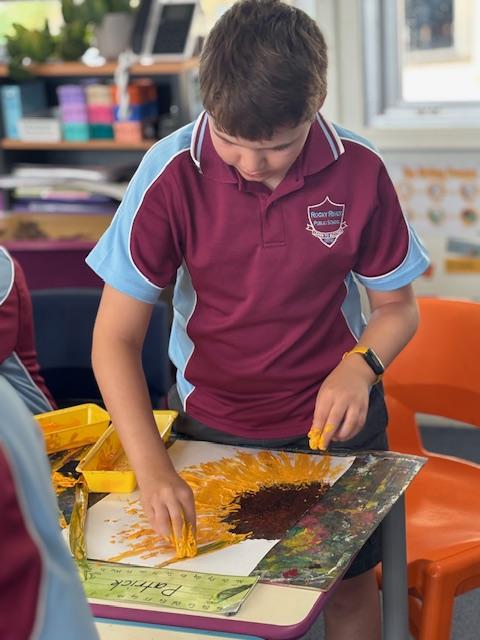
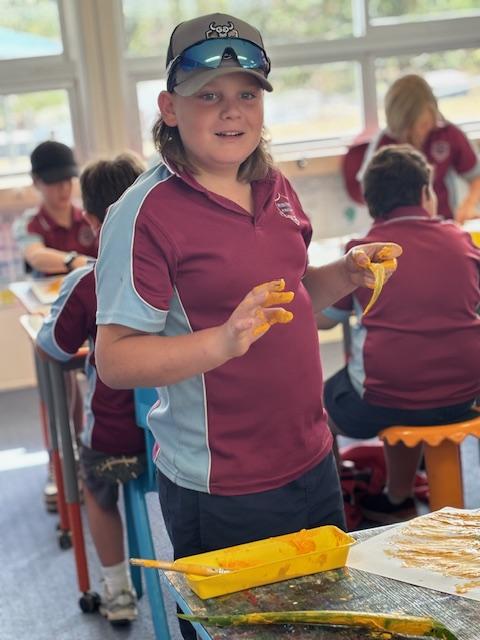
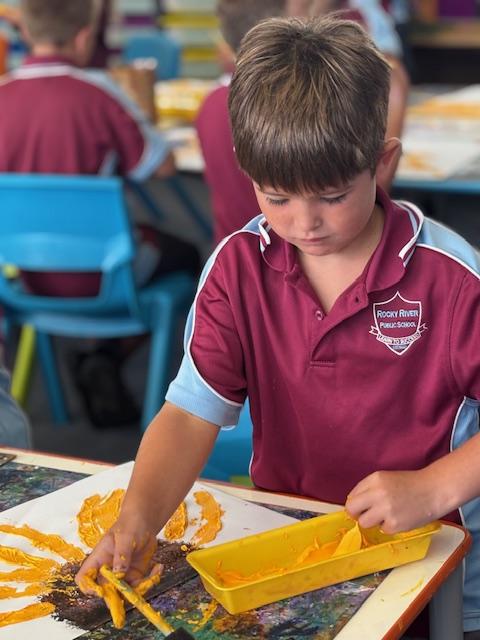
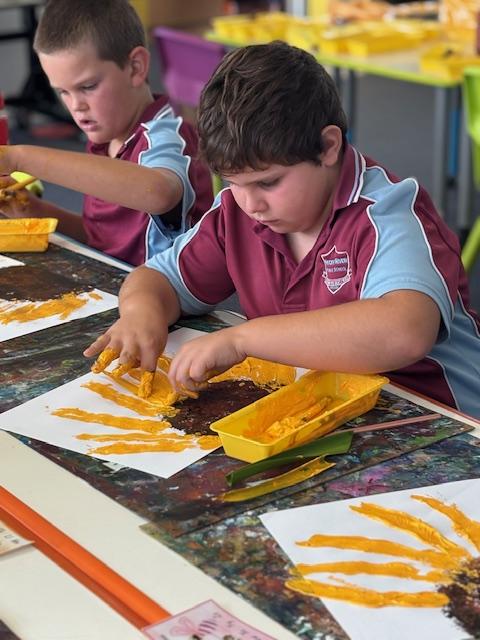
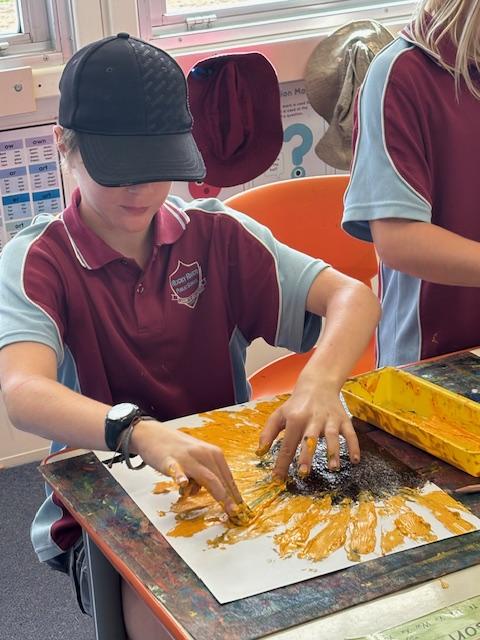
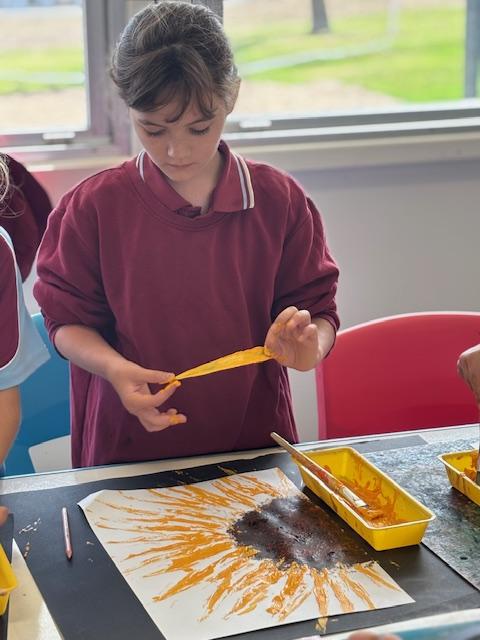
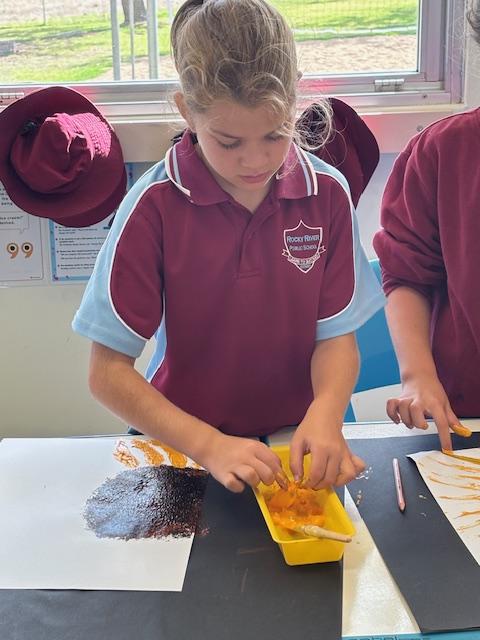
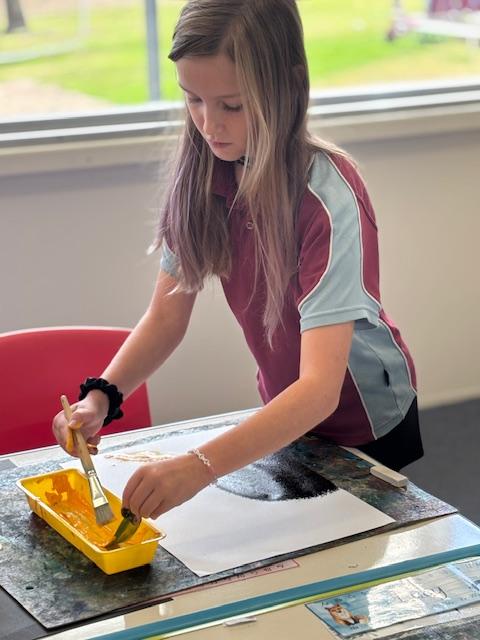
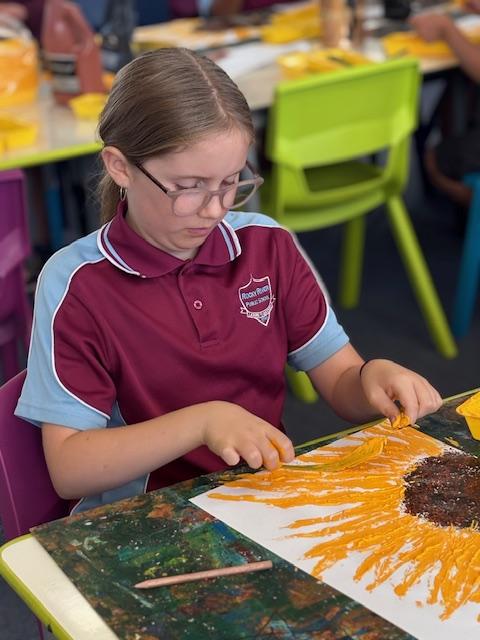
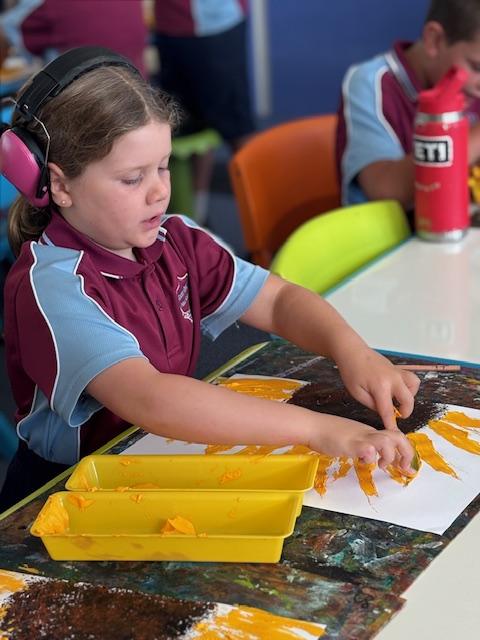
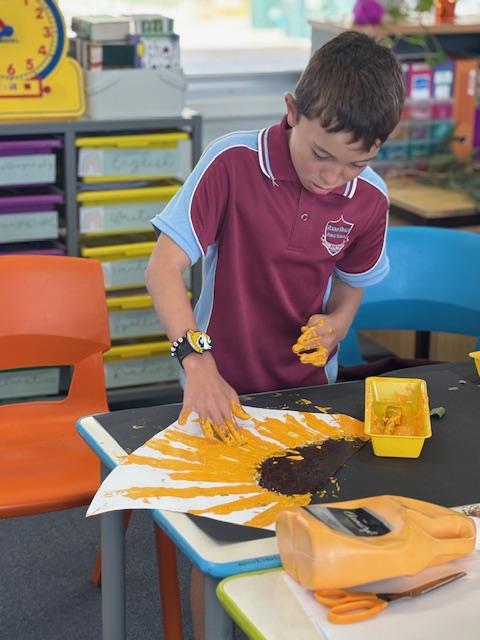
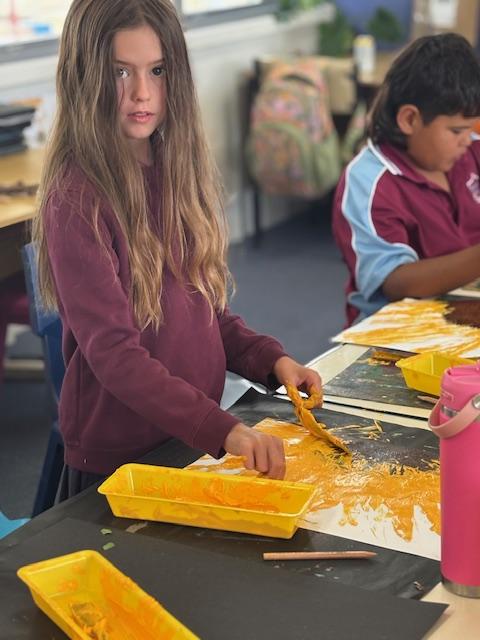
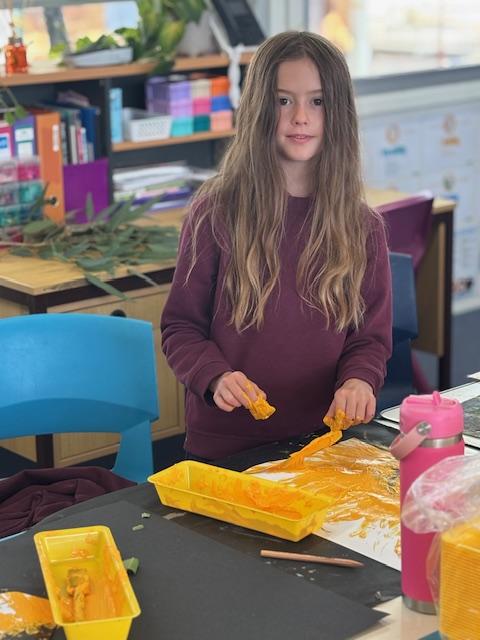
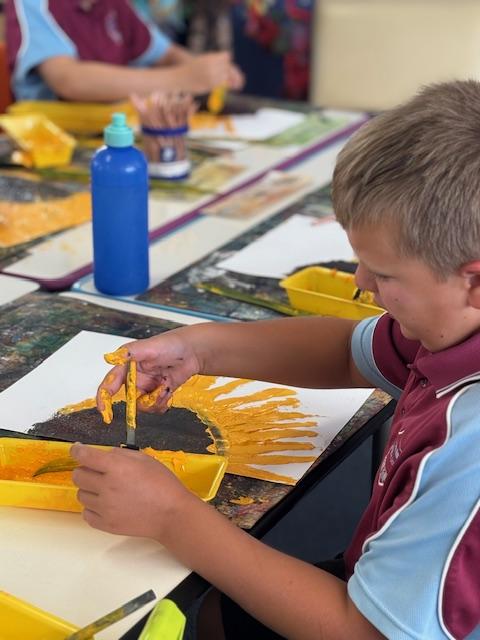
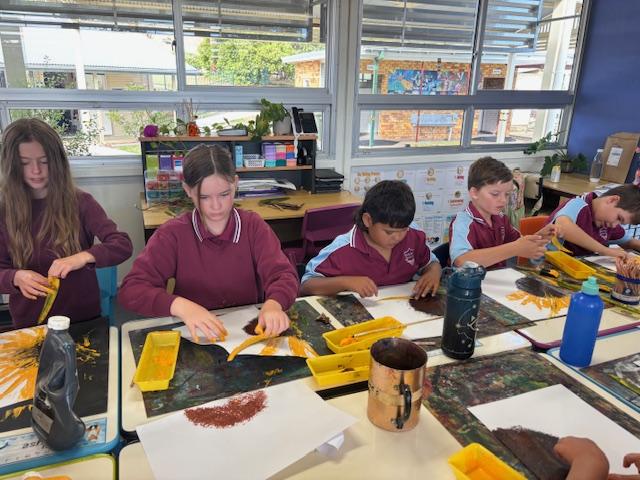
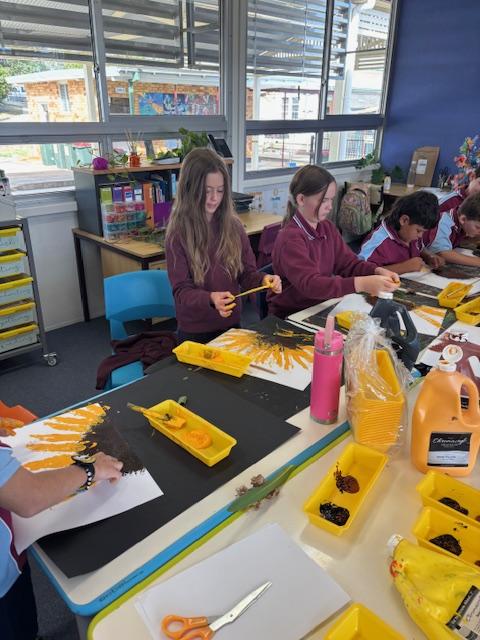
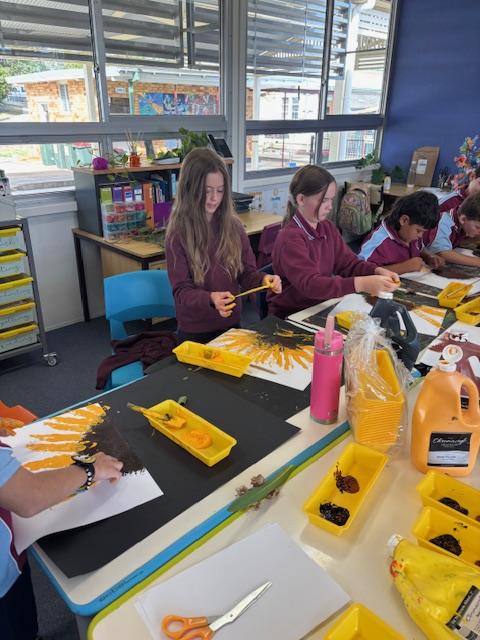
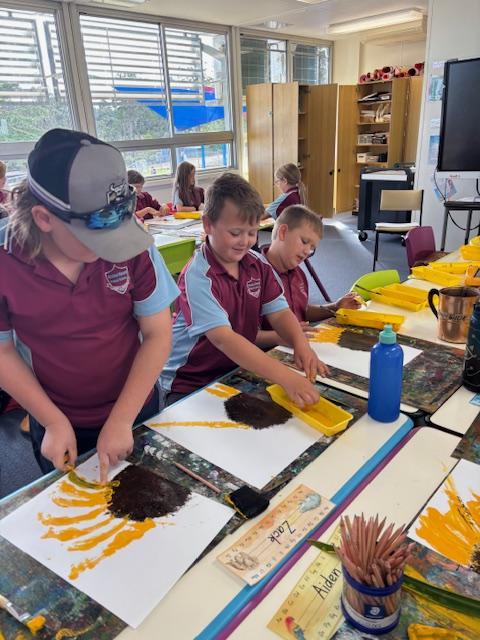
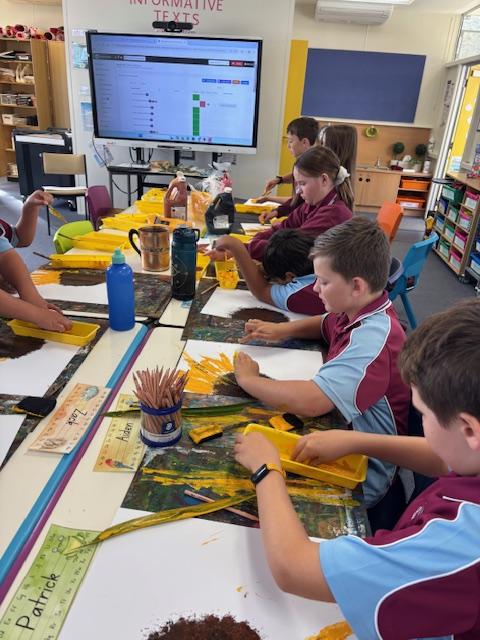
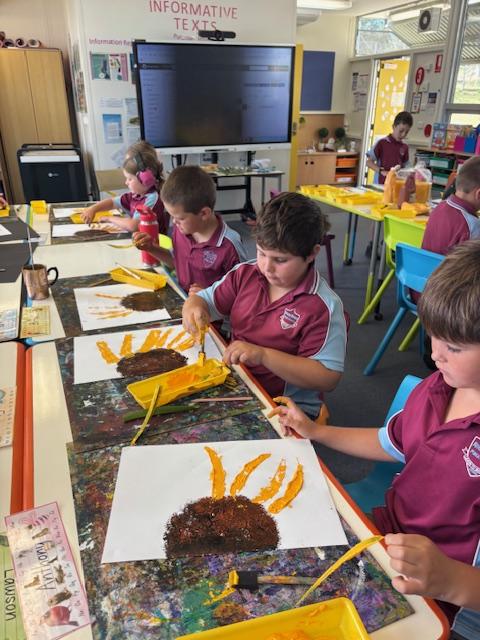
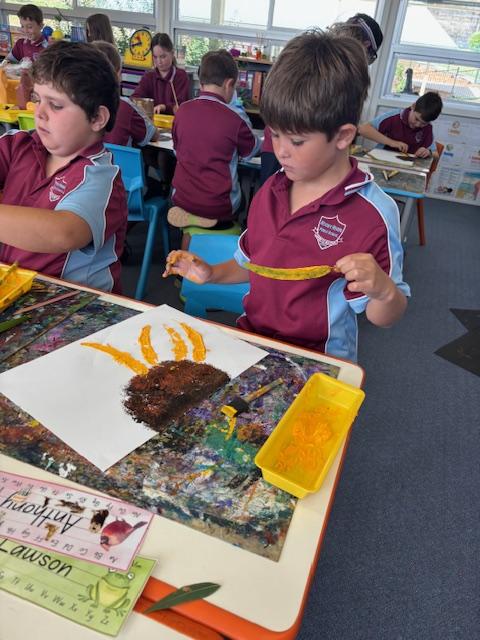
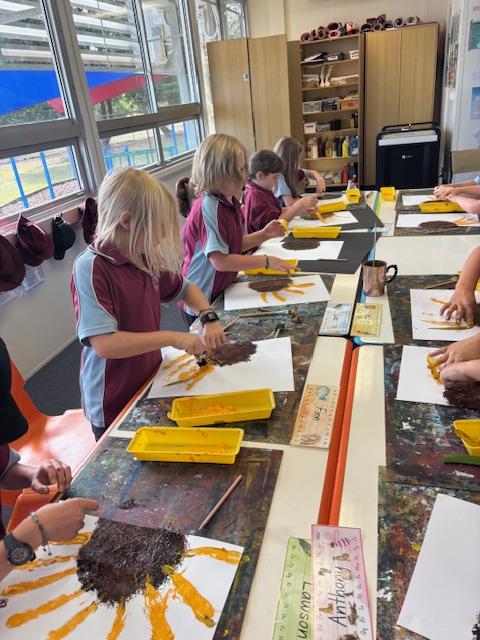
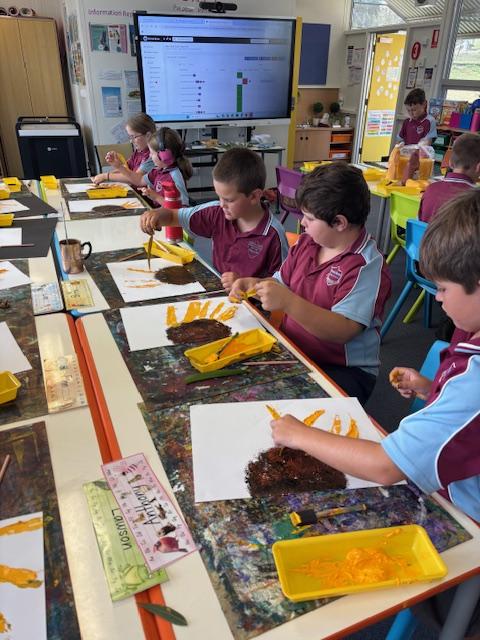
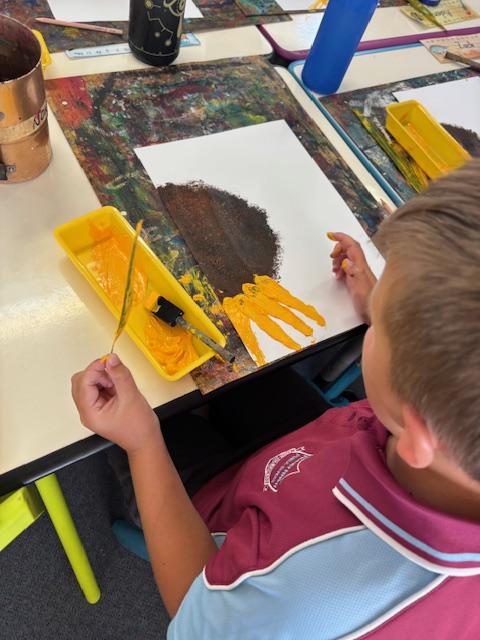
In our Visual Arts lesson we focused on creating a beautiful sunflower using some unique materials and techniques. We began by using a tambourine as a stencil to create the centre of the sunflower. To add texture we incorporated snake skin material into the middle section, blending brown and black acrylic paints. This helped us explore the element of texture by combining smooth paint with the roughness of the snake skin pattern, making the sunflower's centre visually and tactically interesting.
Next, we turned our attention to the petals. Using green eucalyptus and agapantha leaves, we created a stencil to shape the petals. We applied yellow paint to the leaf, allowing us to experiment with sha and form by capturing the natural outlines of the leaves and turning them into sunflower petals.
Throughout the lesson, we also worked with colour — blending shades of brown, black, and yellow to bring the sunflower to life and express the vibrant qualities of nature. The harmony between these colours helped us understand how contrasts like dark and light tones can affect the mood and depth of an artwork.
STEM
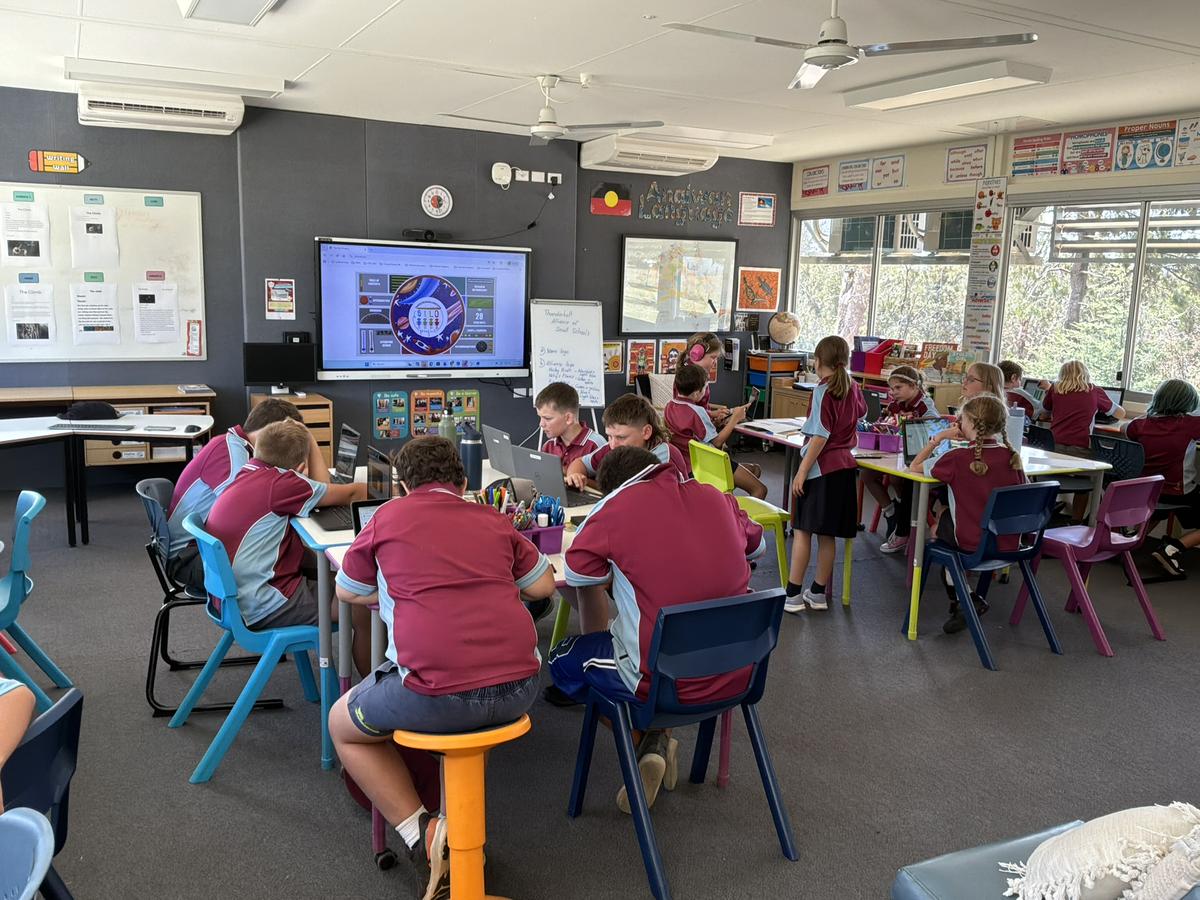
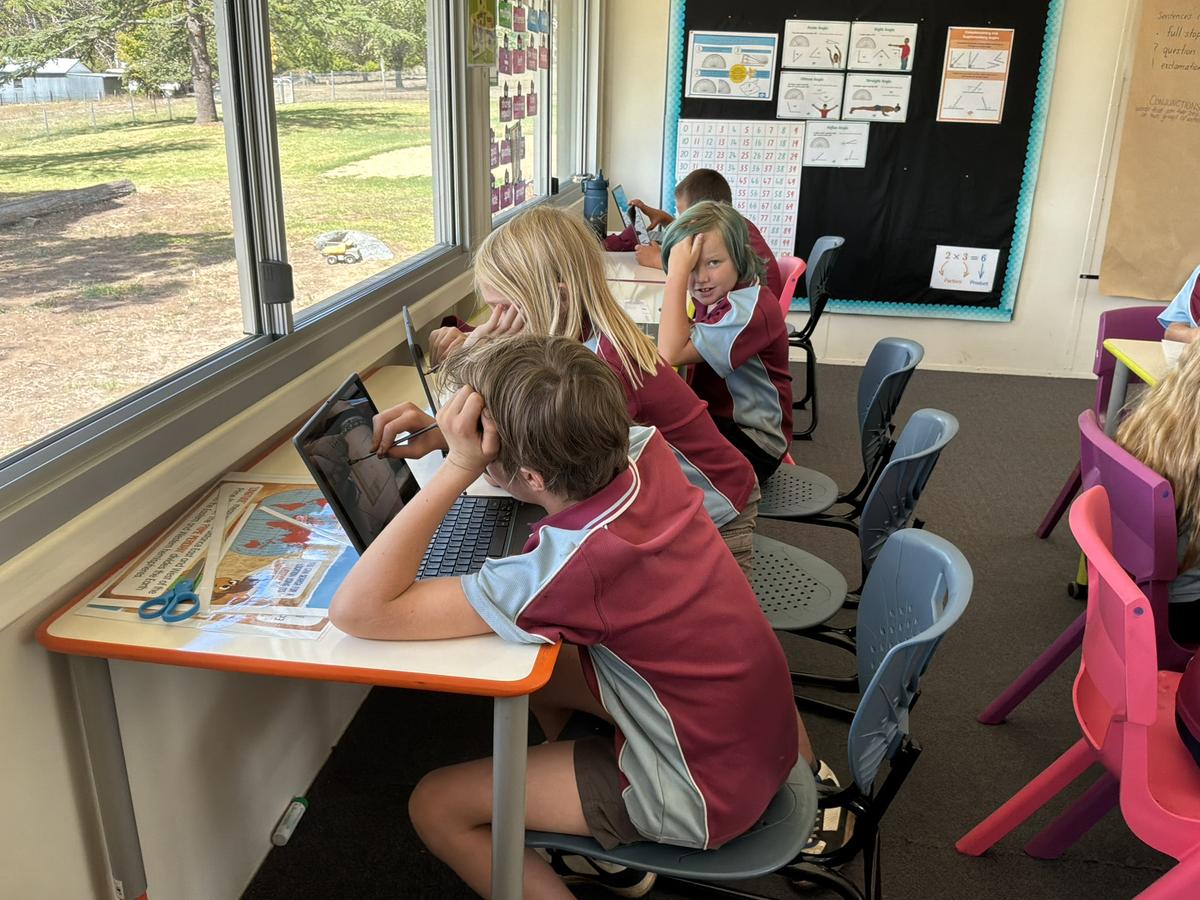
This term, Mr Jacobs has been delivering engaging STEM lessons to our Upper Division students, drawing on feedback from previous sessions at Rocky River to shape his approach.
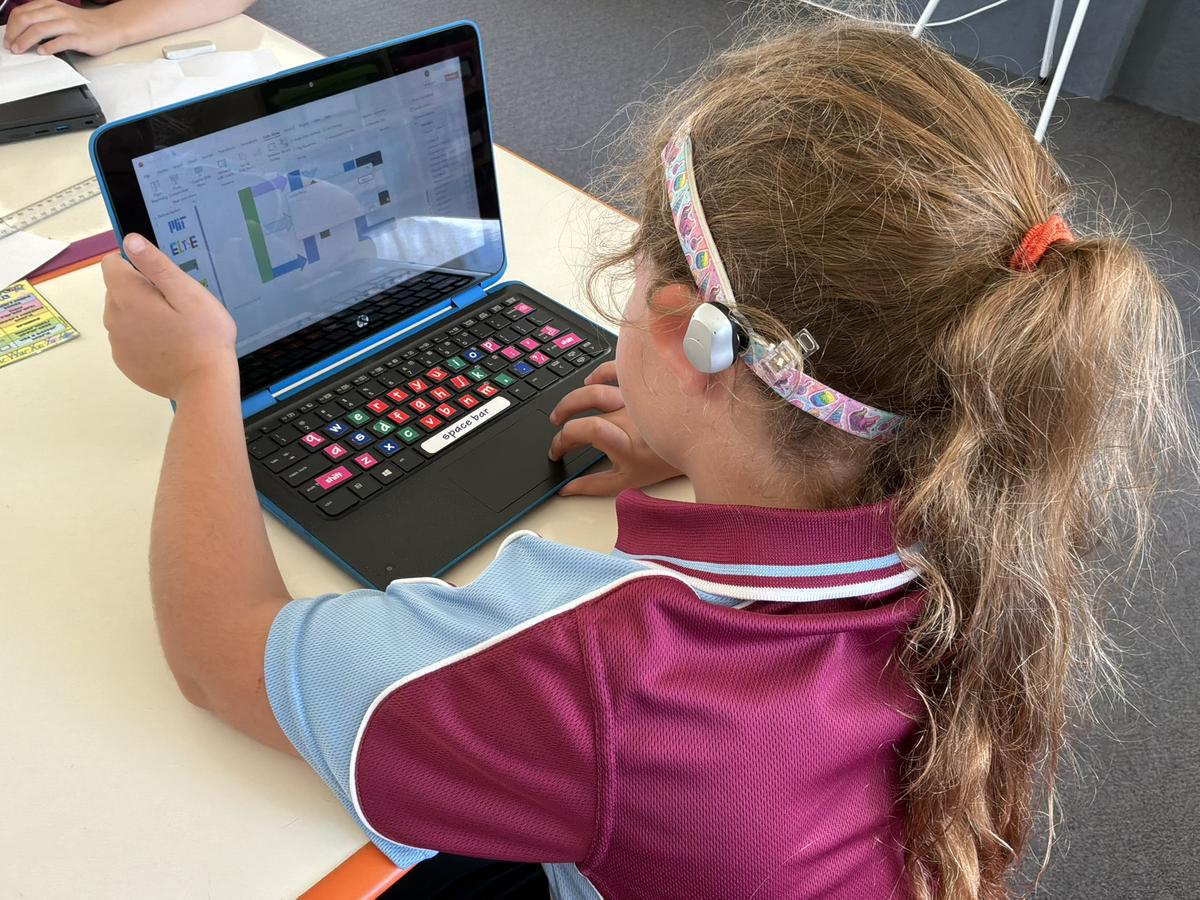
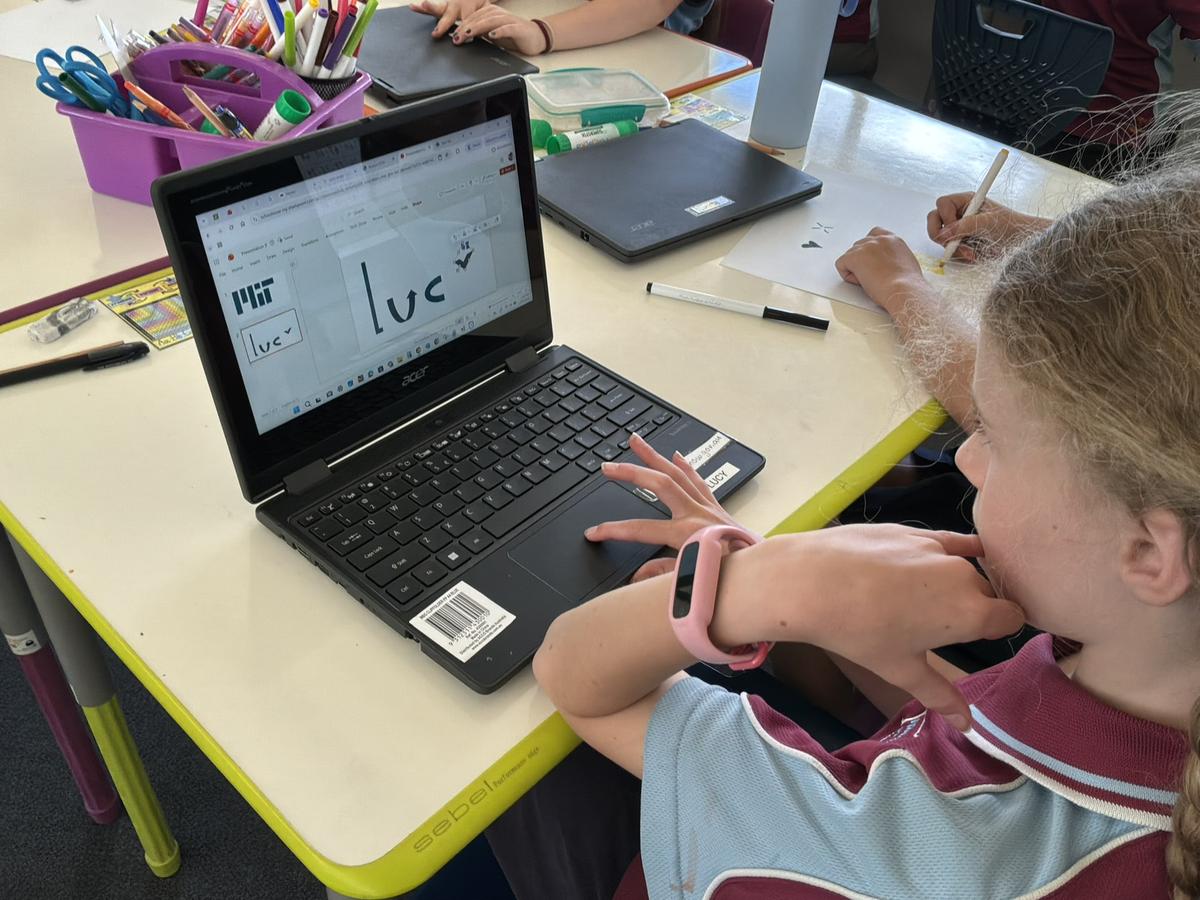
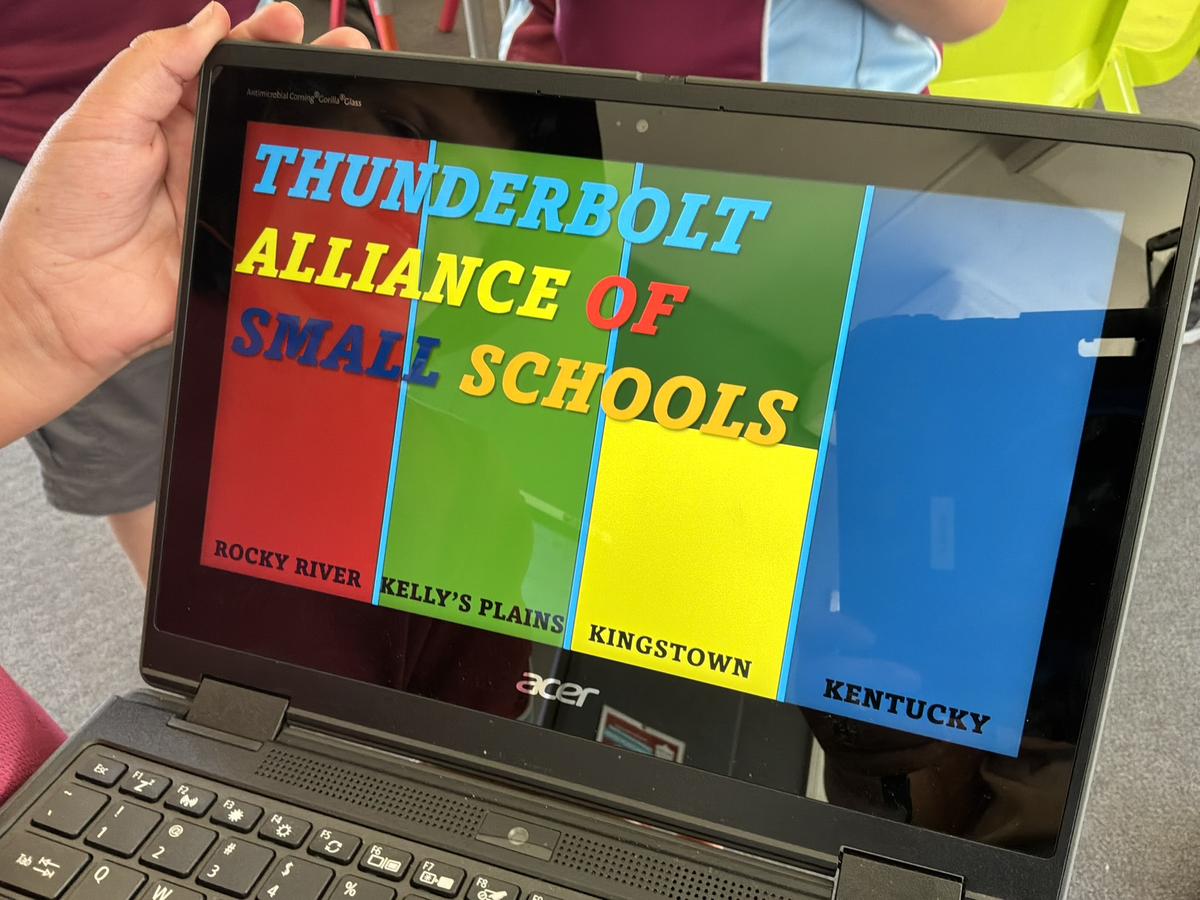
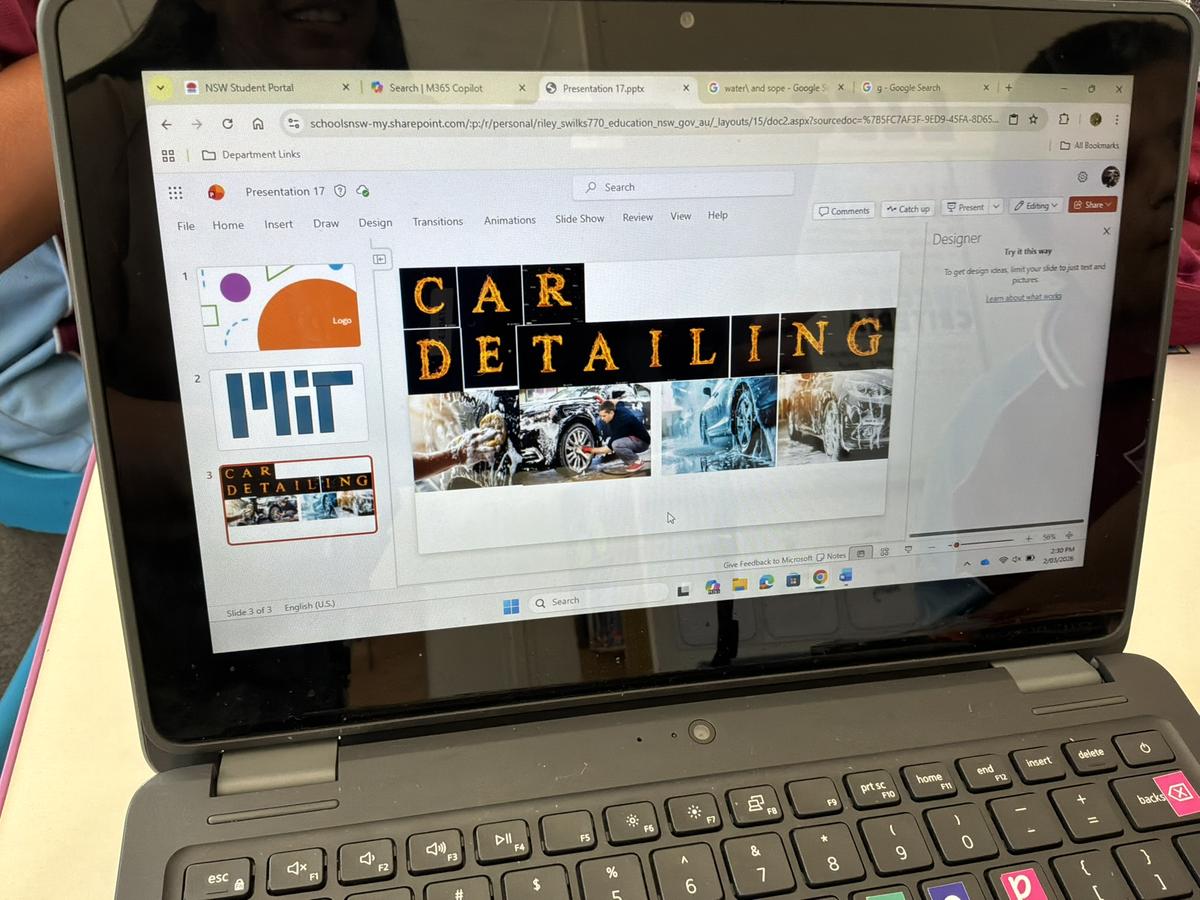
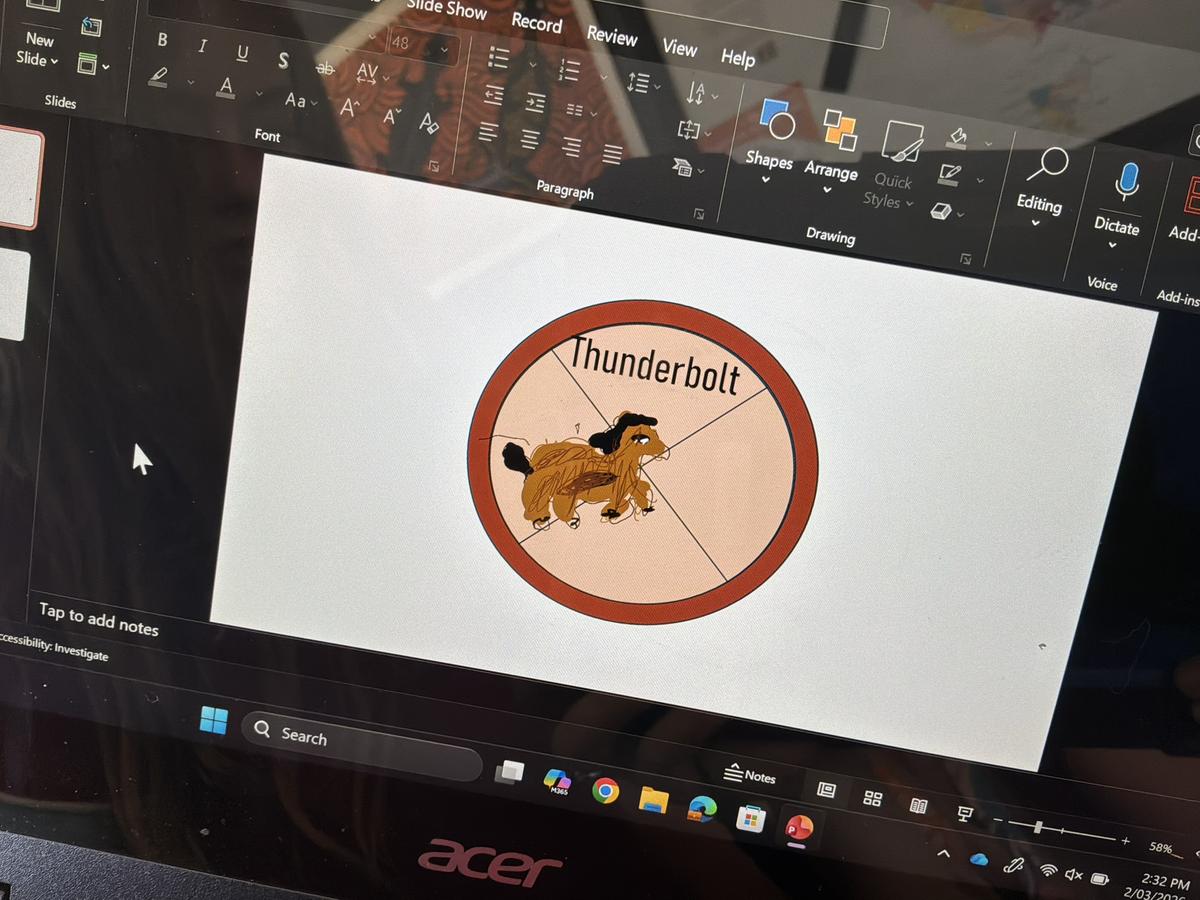
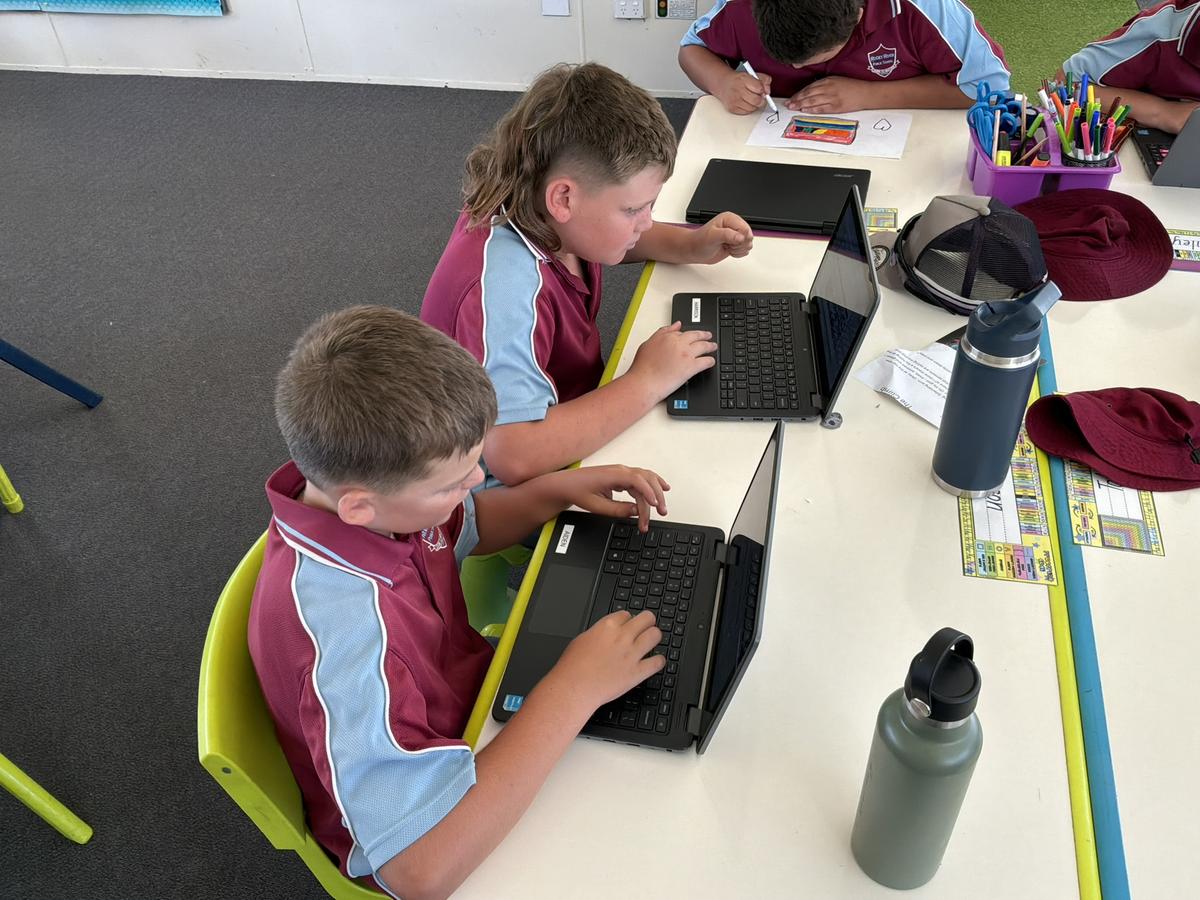
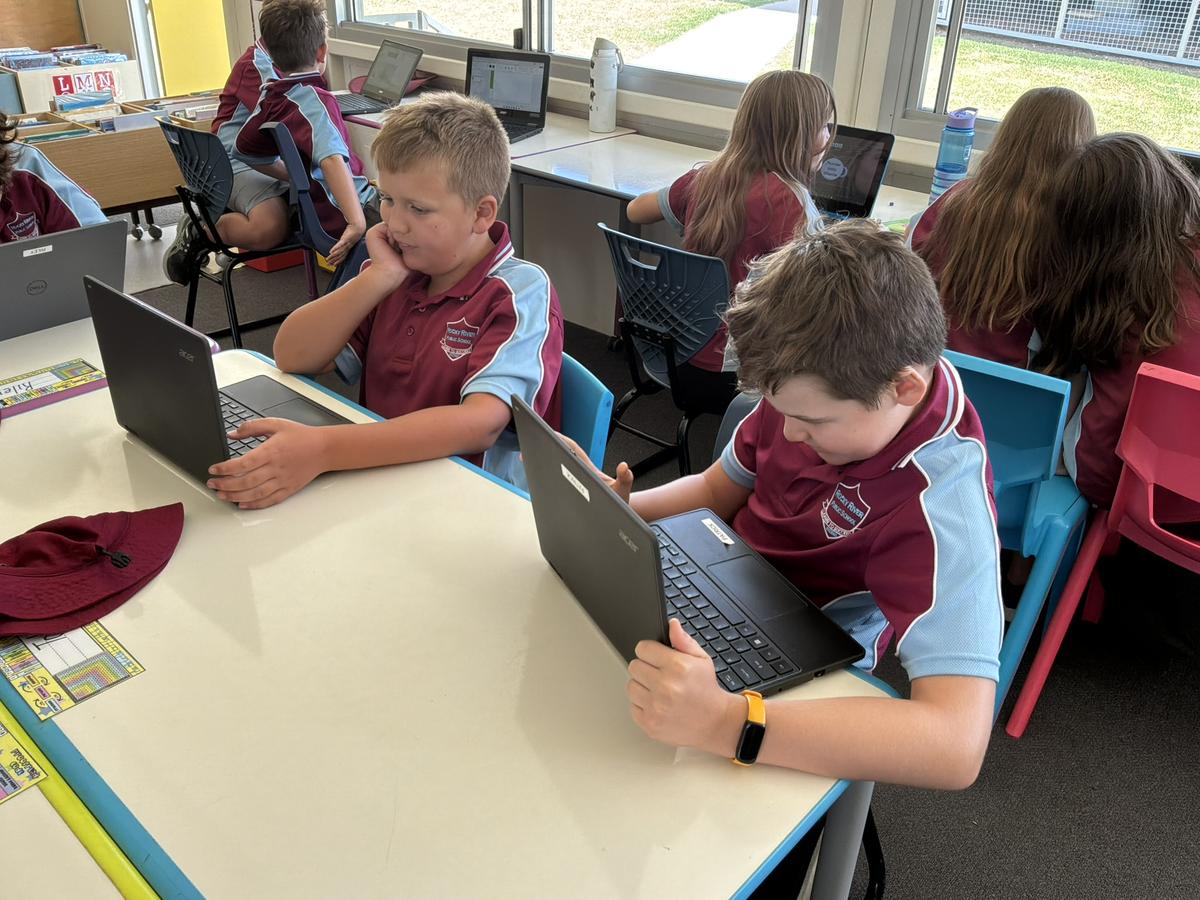
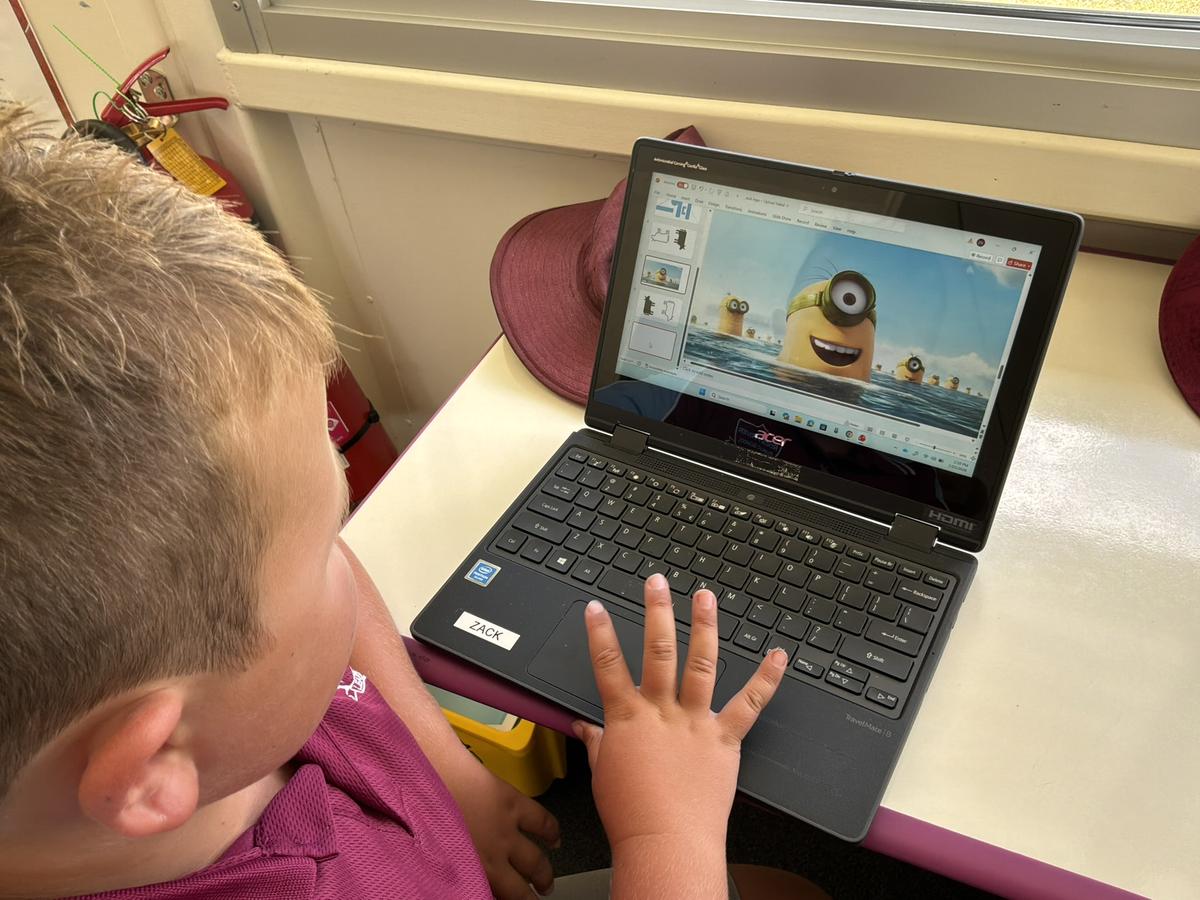
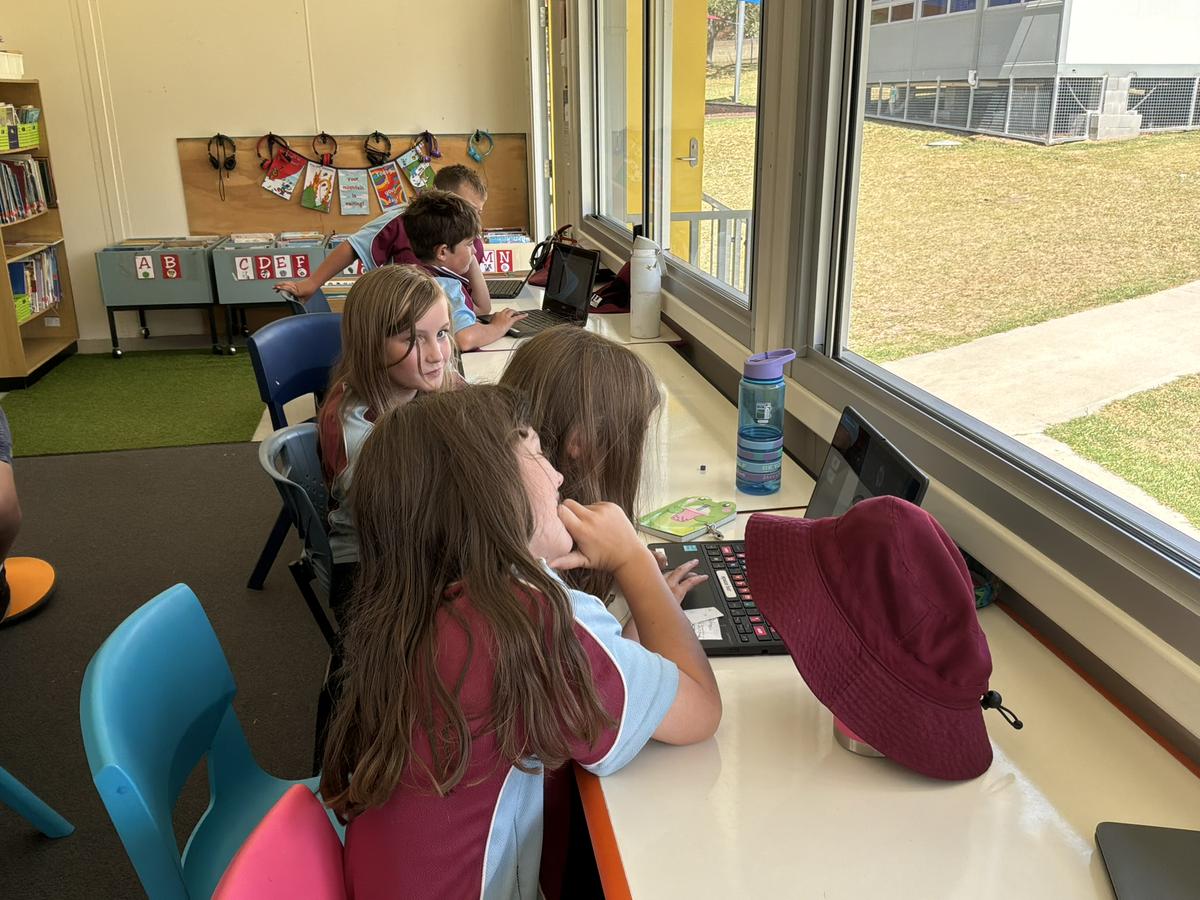
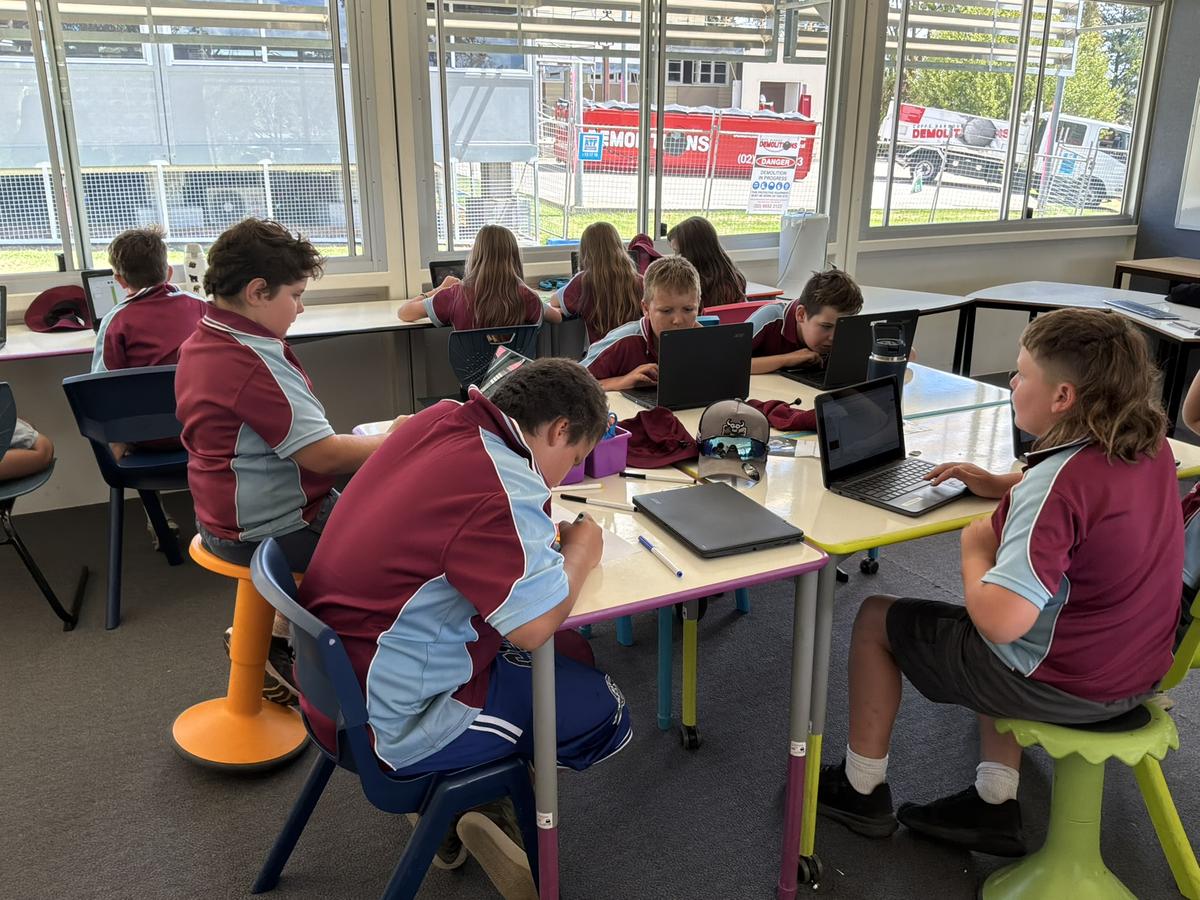
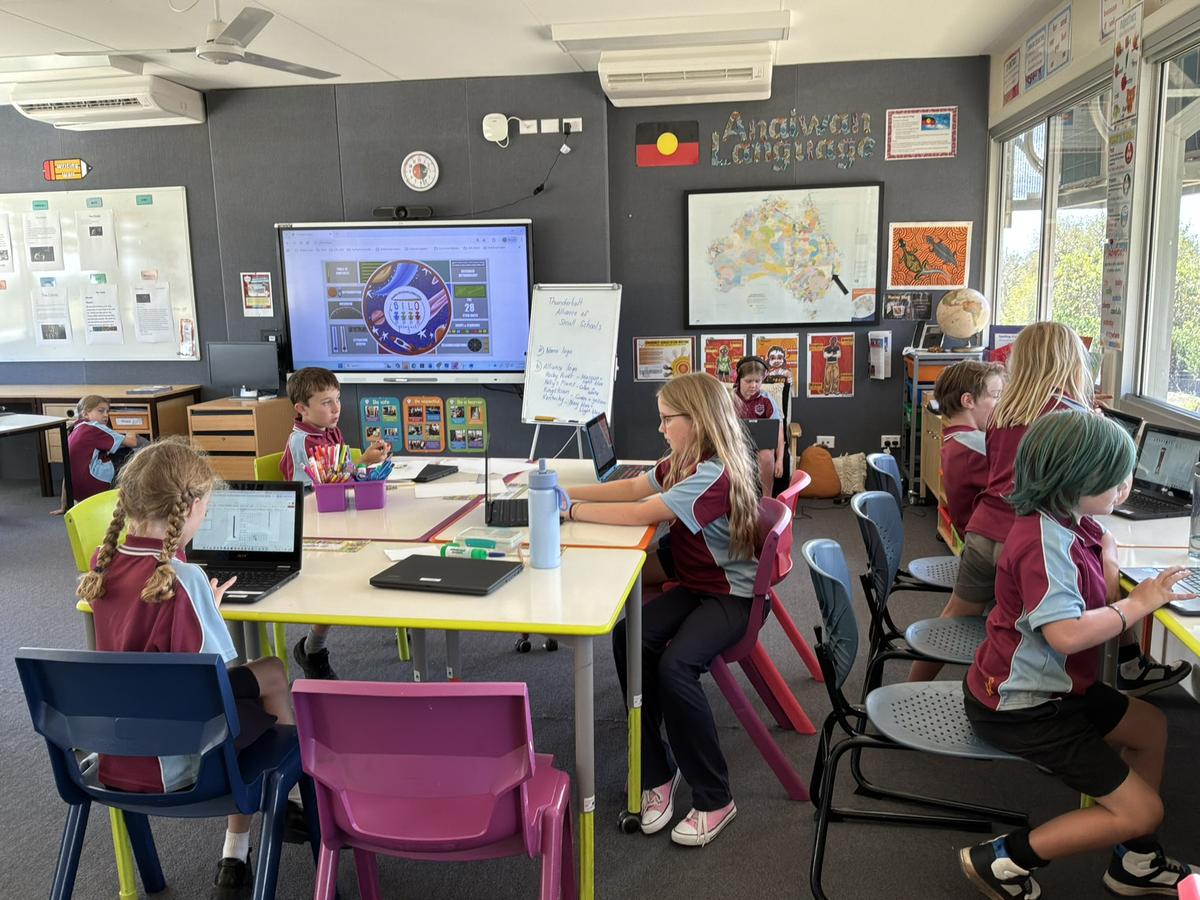
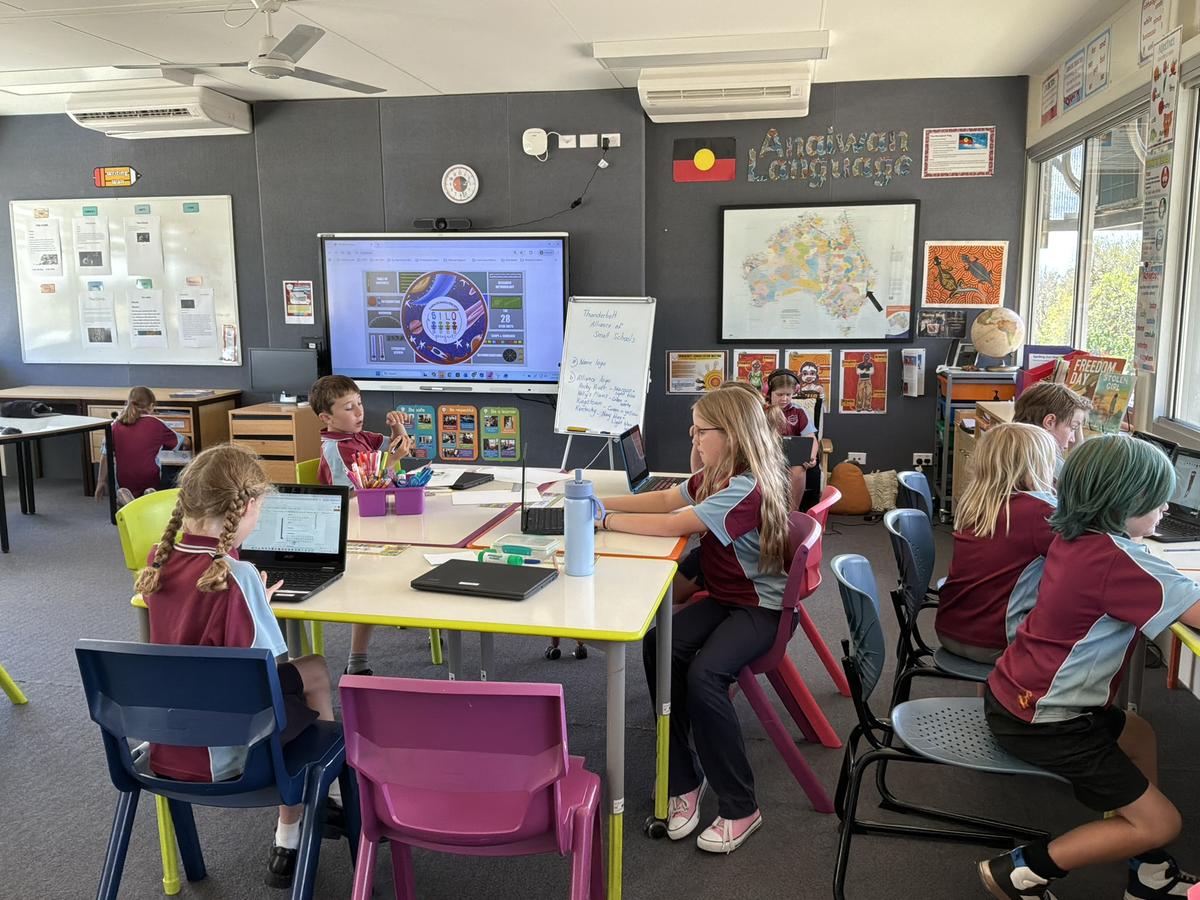
One of the exciting activities involved graphic design using Microsoft PowerPoint, where students were challenged to manipulate digital tools to engineer logos. Initially, the class focused on replicating the MIT logo, exploring features such as layer order, outline, colour fill, and mastering keyboard shortcuts like cut (Ctrl+X), copy (Ctrl+C), and paste (Ctrl+V). Emphasis was placed on the process of iterative design, using PowerPoint’s duplicate slides feature to refine their work before creating their own unique logos. This activity was part of the SILO 5.3 ‘Logistics’ lesson, which aims to develop students’ abilities to design enterprises and explore how logistics and data can be represented in different ways, aligning with curriculum goals around planning, using tools, and understanding diverse data representations.
In subsequent lessons, students engaged with a graphic design challenge to recreate a Necker cube—a 2D drawing that plays with visual perception using shapes, layers, and grouping tools in PowerPoint. This activity, drawn from SILO lesson 3.1 ‘Communication’, encouraging students to communicate their understanding of scientific and technological concepts through written and digital texts, aligning with learning intentions focused on communication of STEM ideas.
Mr Jacobs has been impressed with the creativity and problem-solving demonstrated by the students, as they explore these foundational design and communication skills that are essential for scientific and technological learning.
Stage 3
English
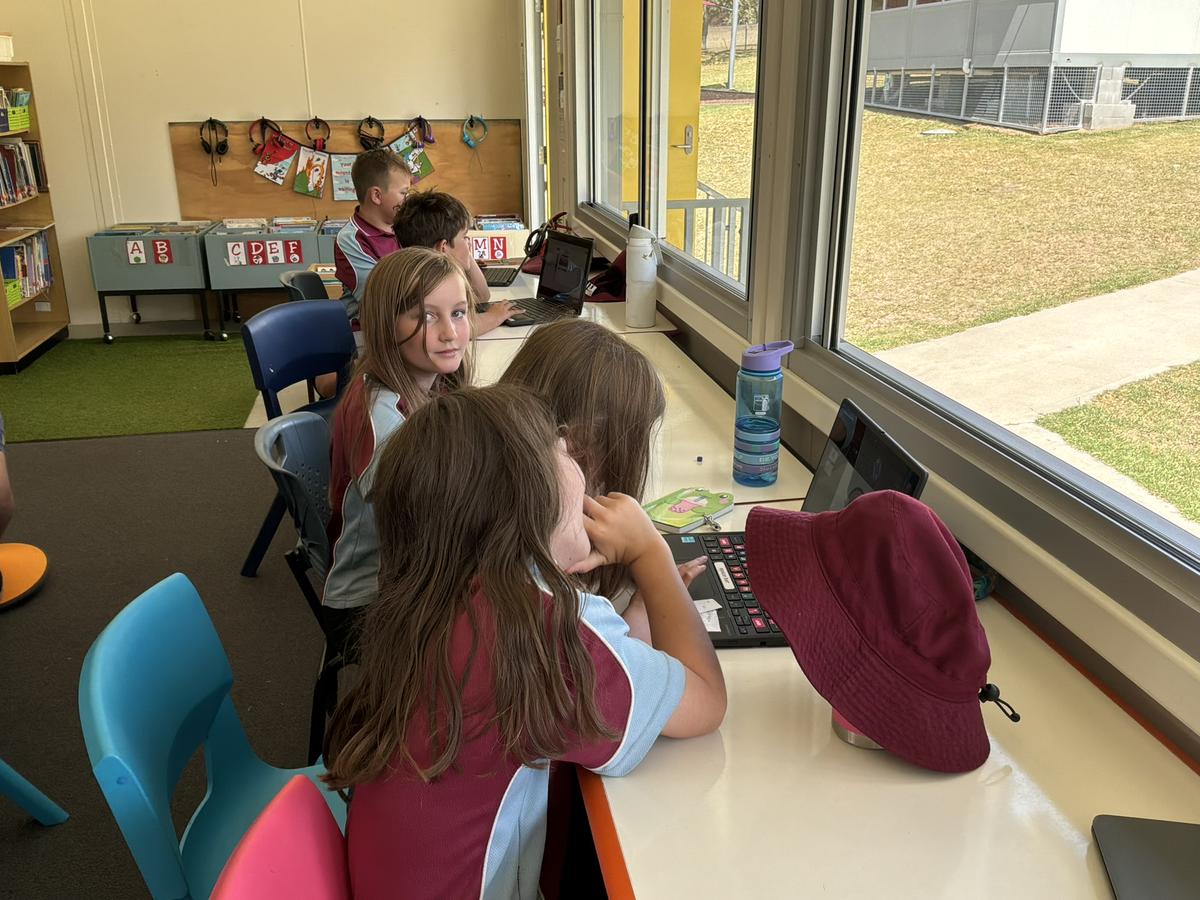
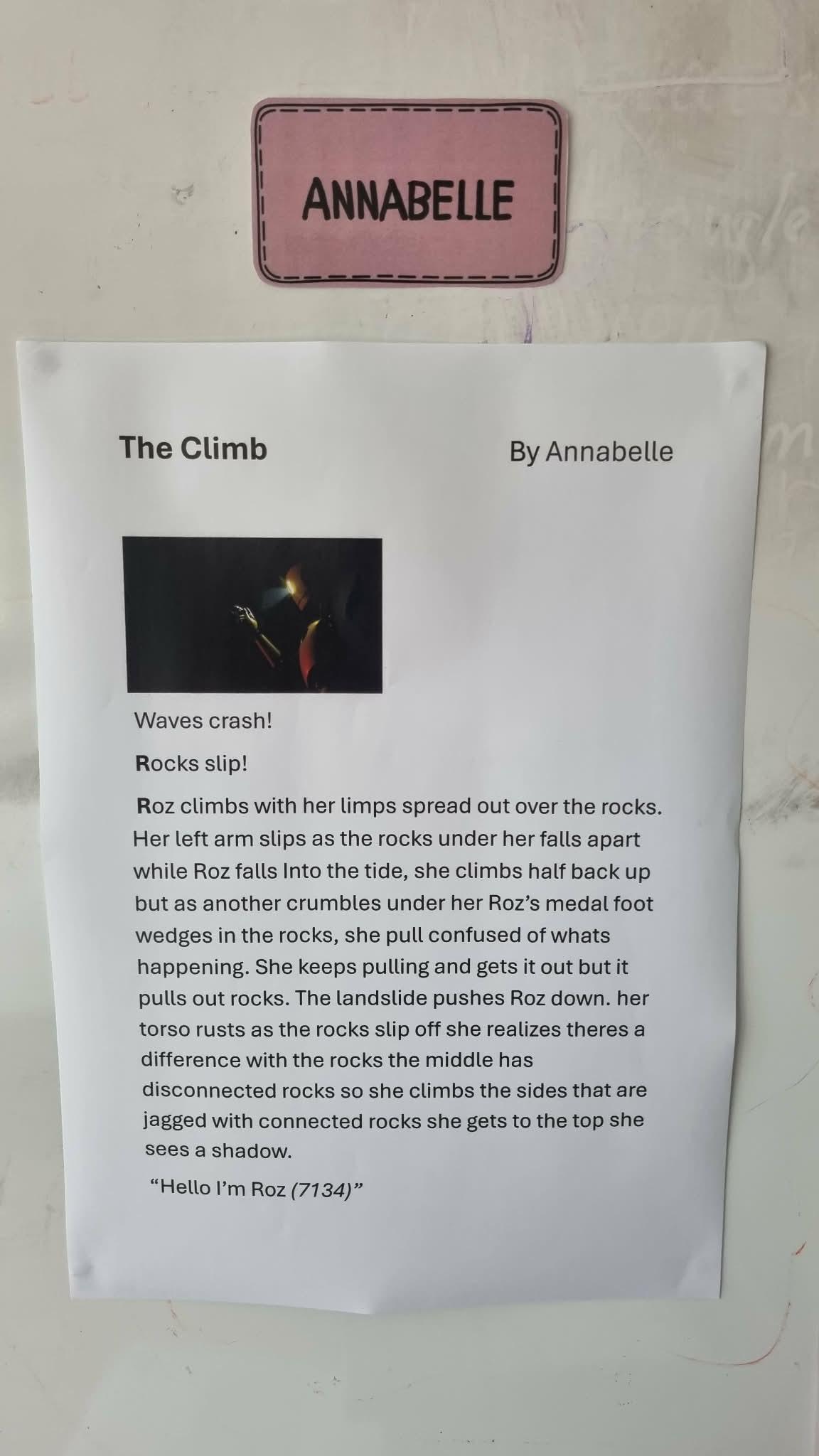
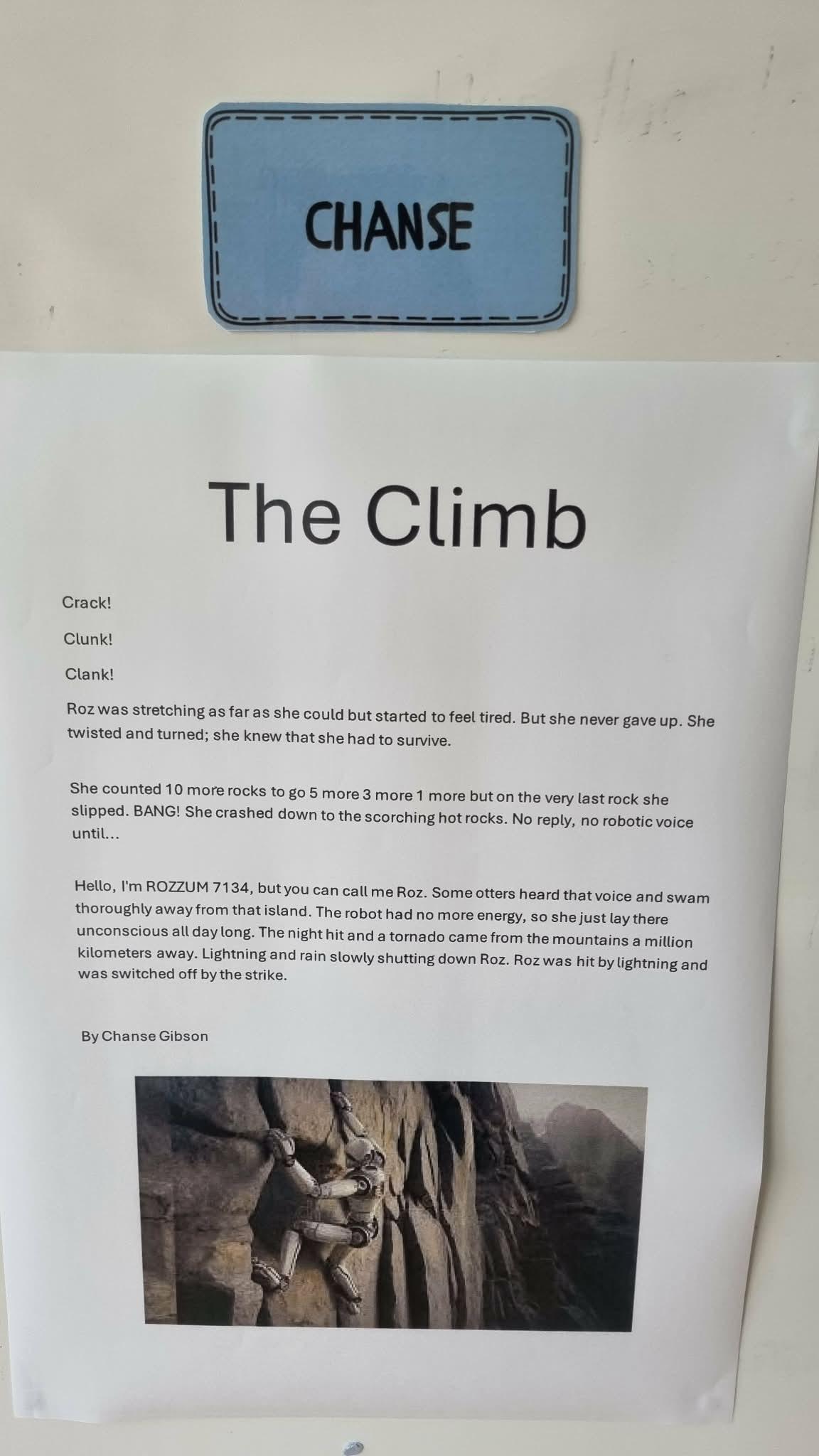
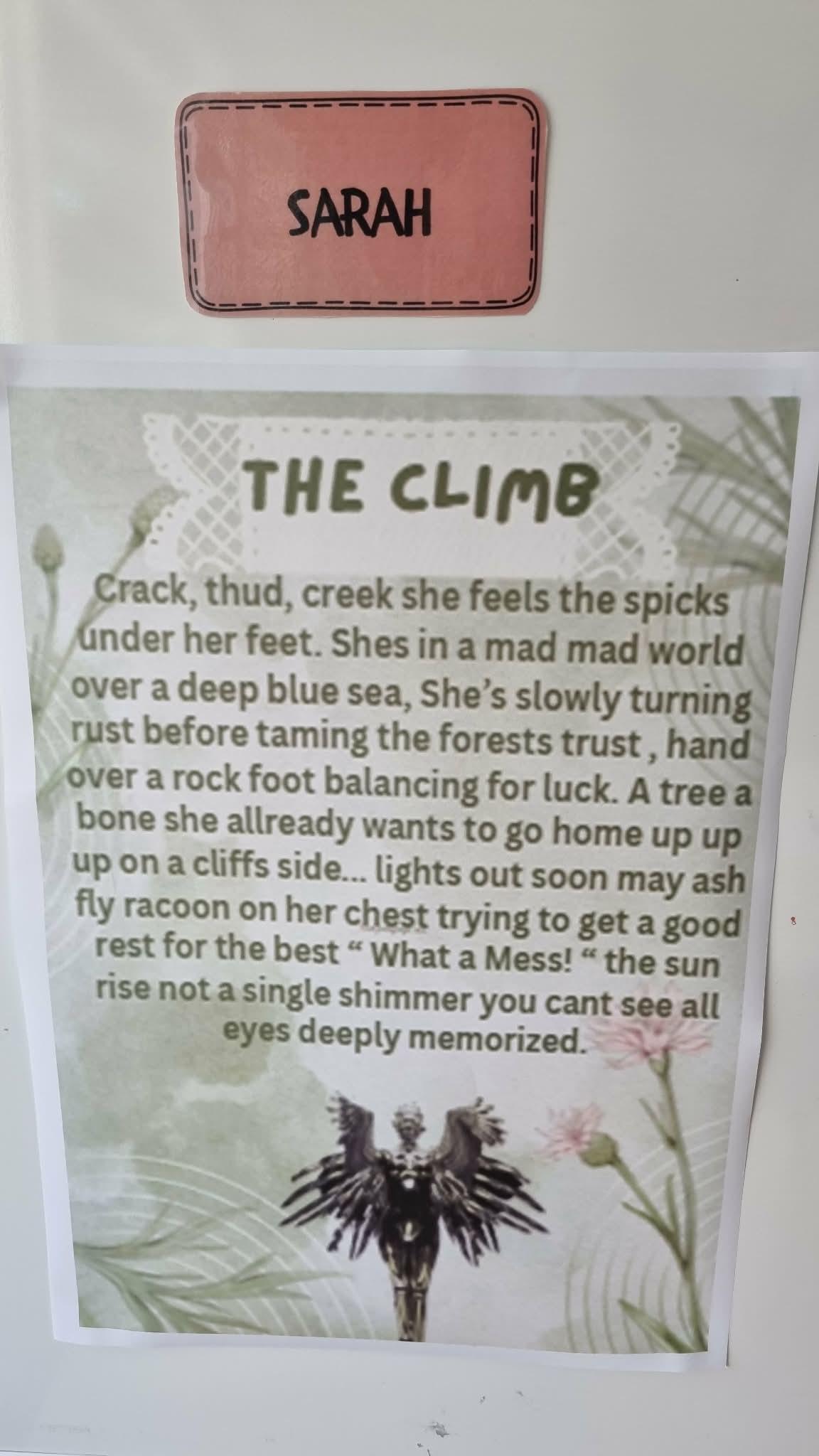
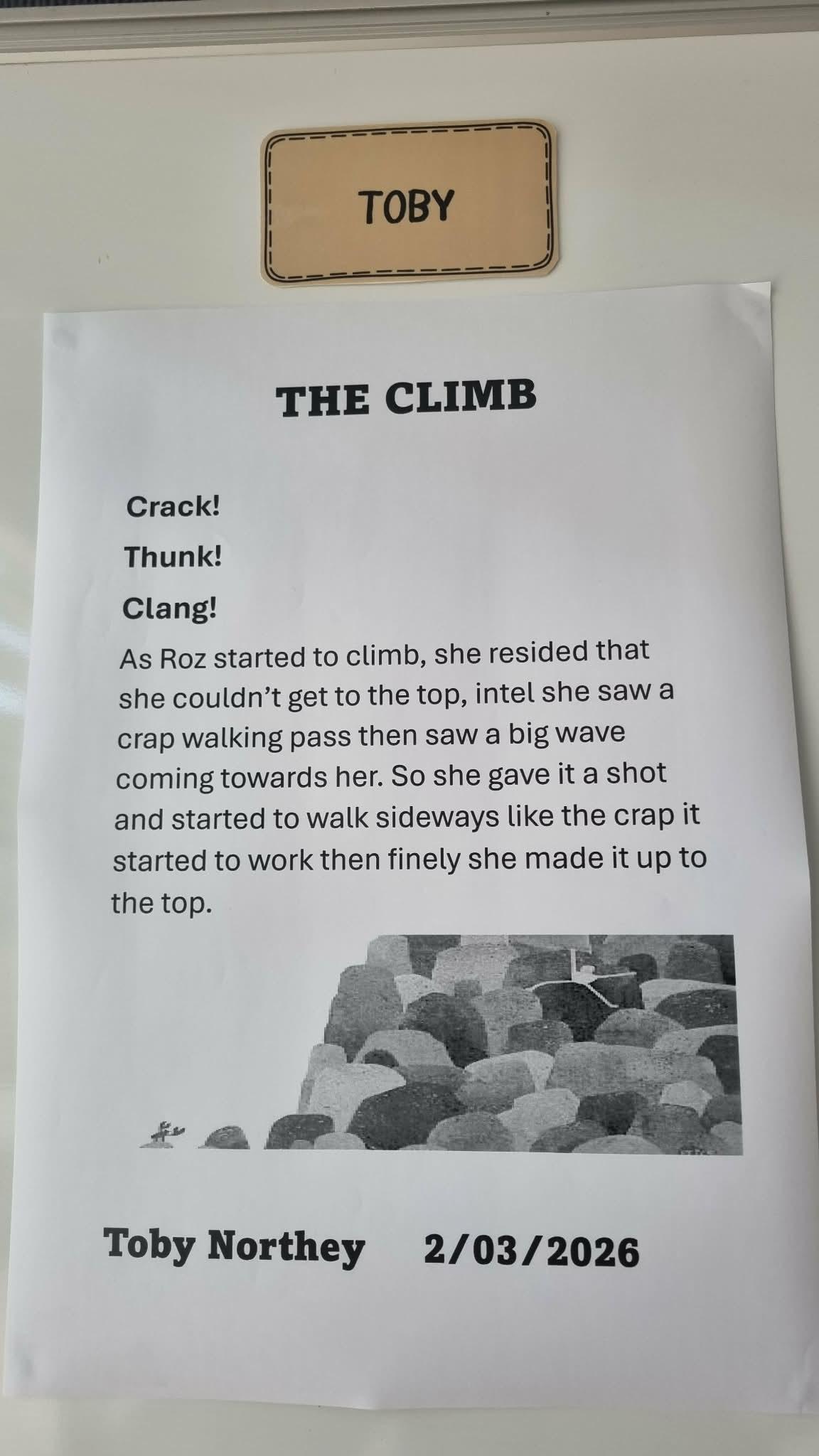
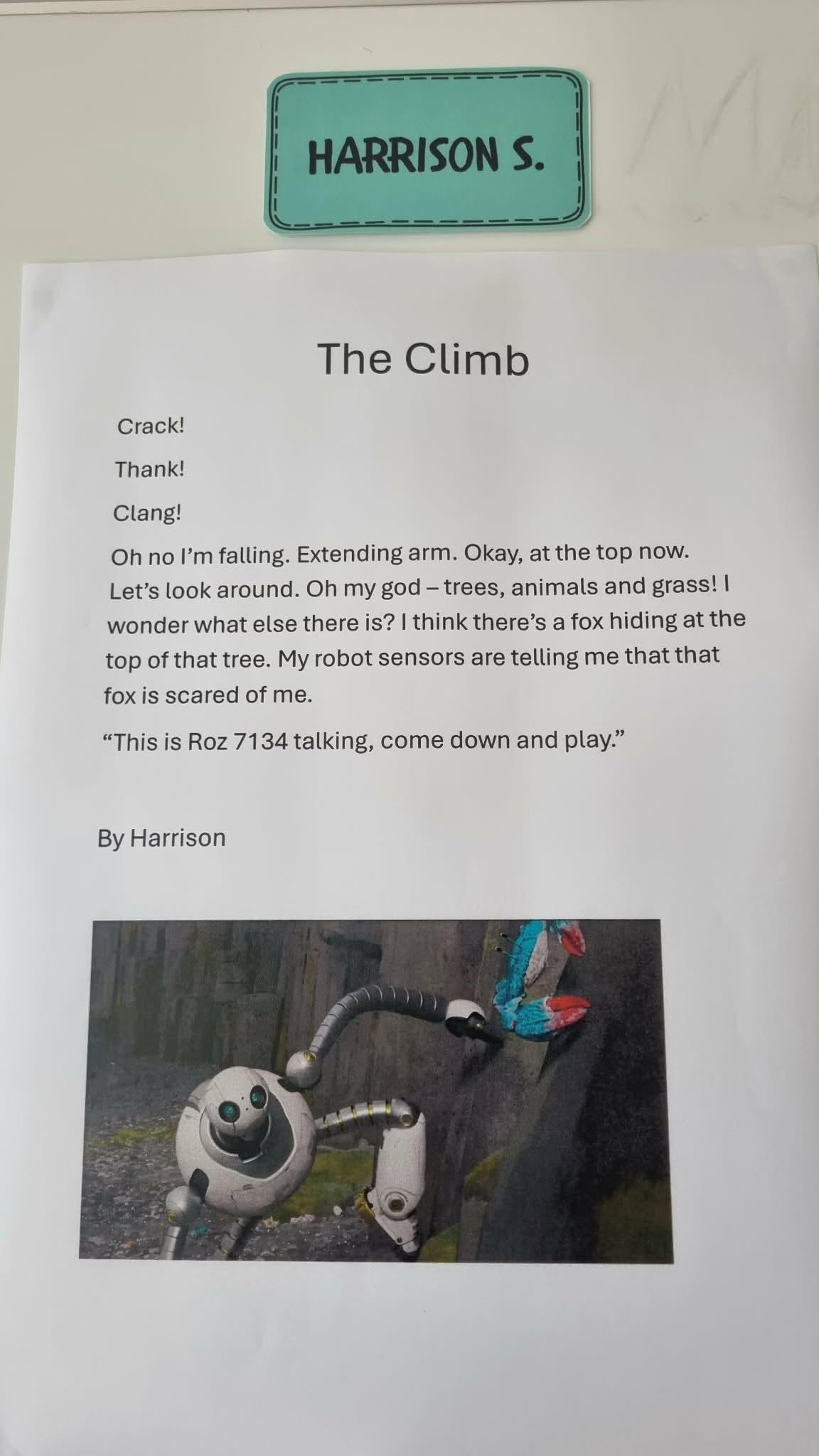
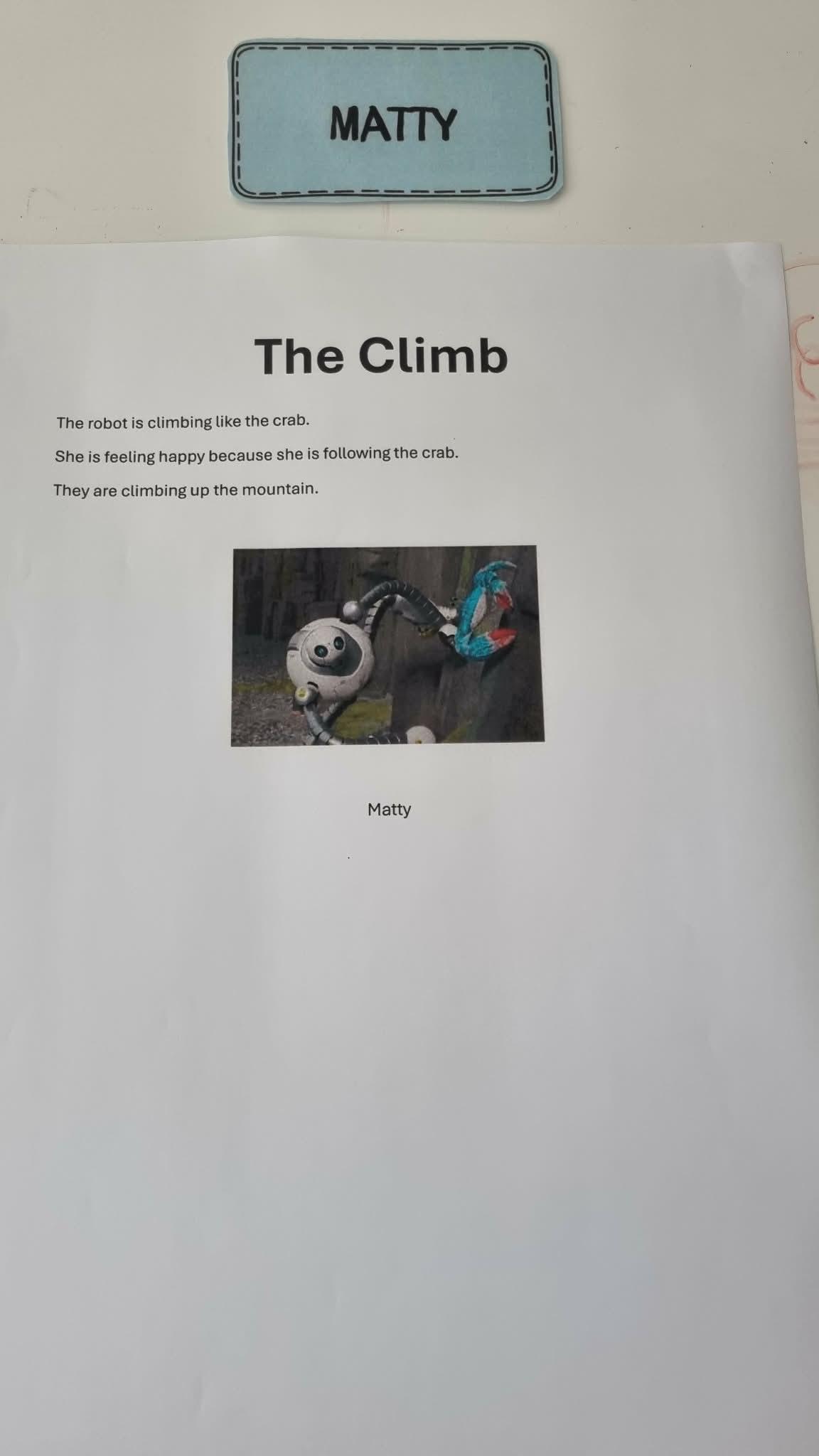
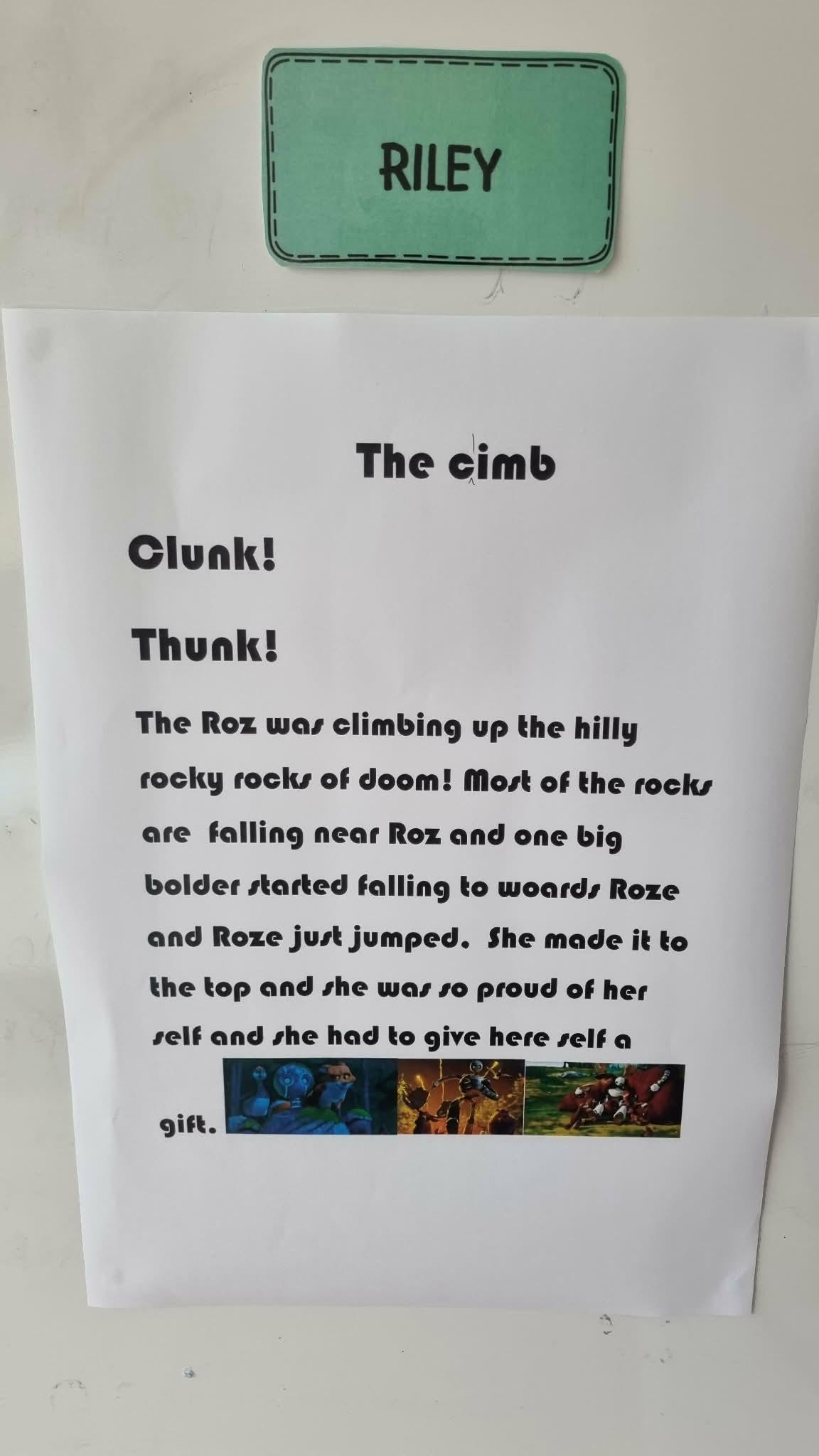
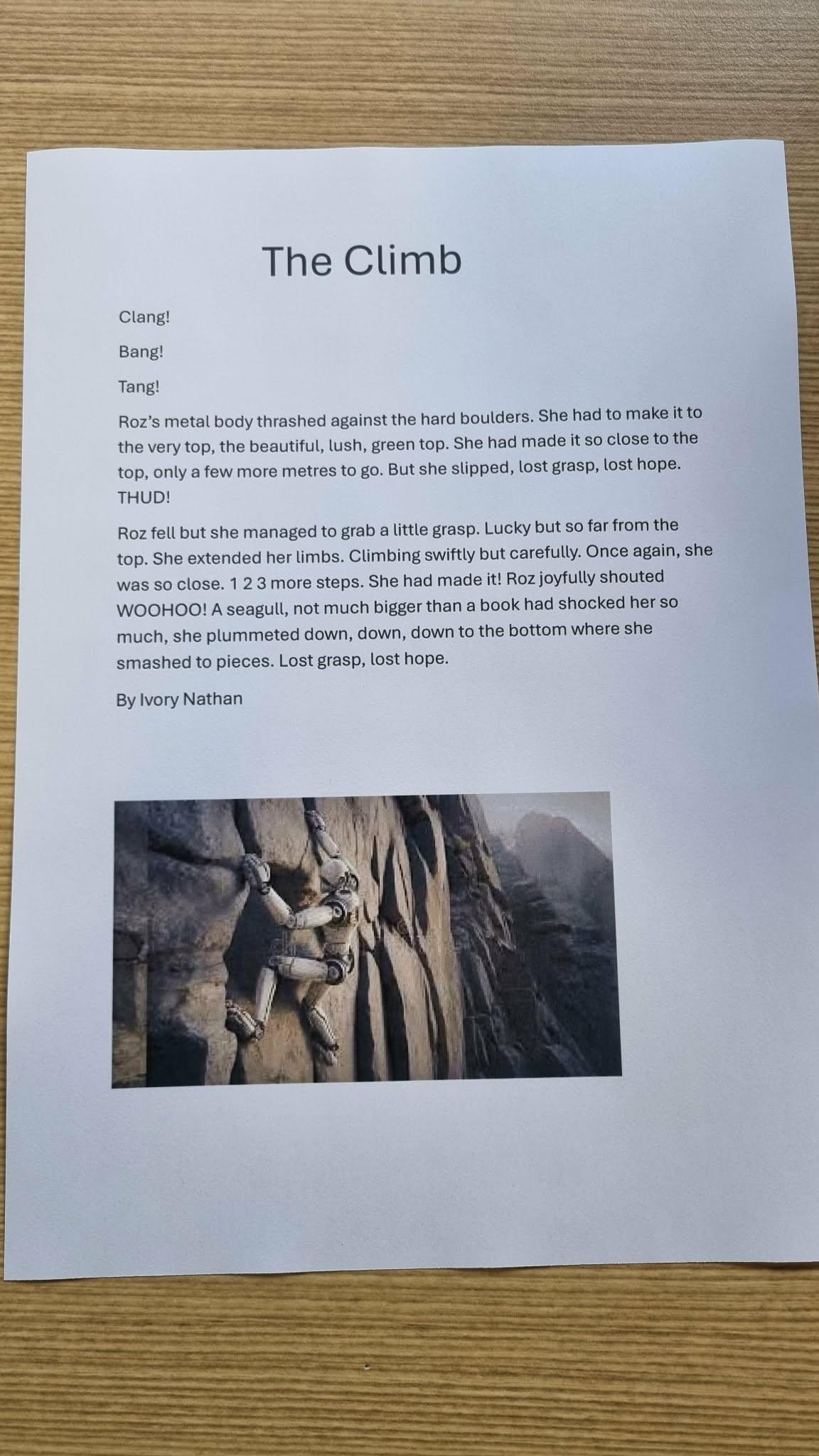
Over the past fortnight, our Stage 3 students have been immersing themselves in a variety of focused English activities designed to strengthen their skills and prepare them for upcoming assessments. In English, students practiced NAPLAN-style writing tasks, embracing the challenge of crafting a complete story in a single sitting—a shift from our usual step-by-step drafting process. We have also dedicated time to building digital transcription skills, reinforcing spelling knowledge through the ‘triple word’ strategy in meaningful contexts, and refining accurate punctuation in their written work. Students published a short imaginative writing pieces titled, 'The Climb' which was inspired by a chapter in our class novel. Looking ahead, we are excited to catch up on reading our class novel, The Wild Robot, which will inspire our final major writing task for the term.
Mathematics
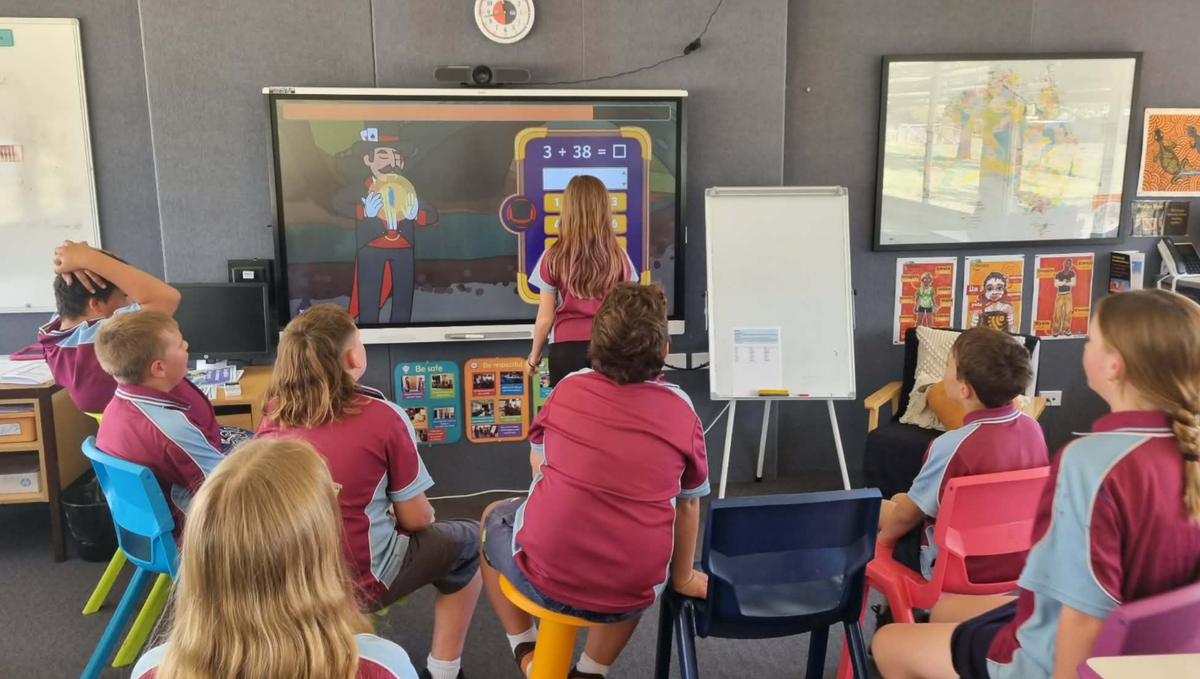
In Mathematics, students are delving into the concept of inverse operations, exploring how addition and subtraction, as well as multiplication and division, are inherently linked.
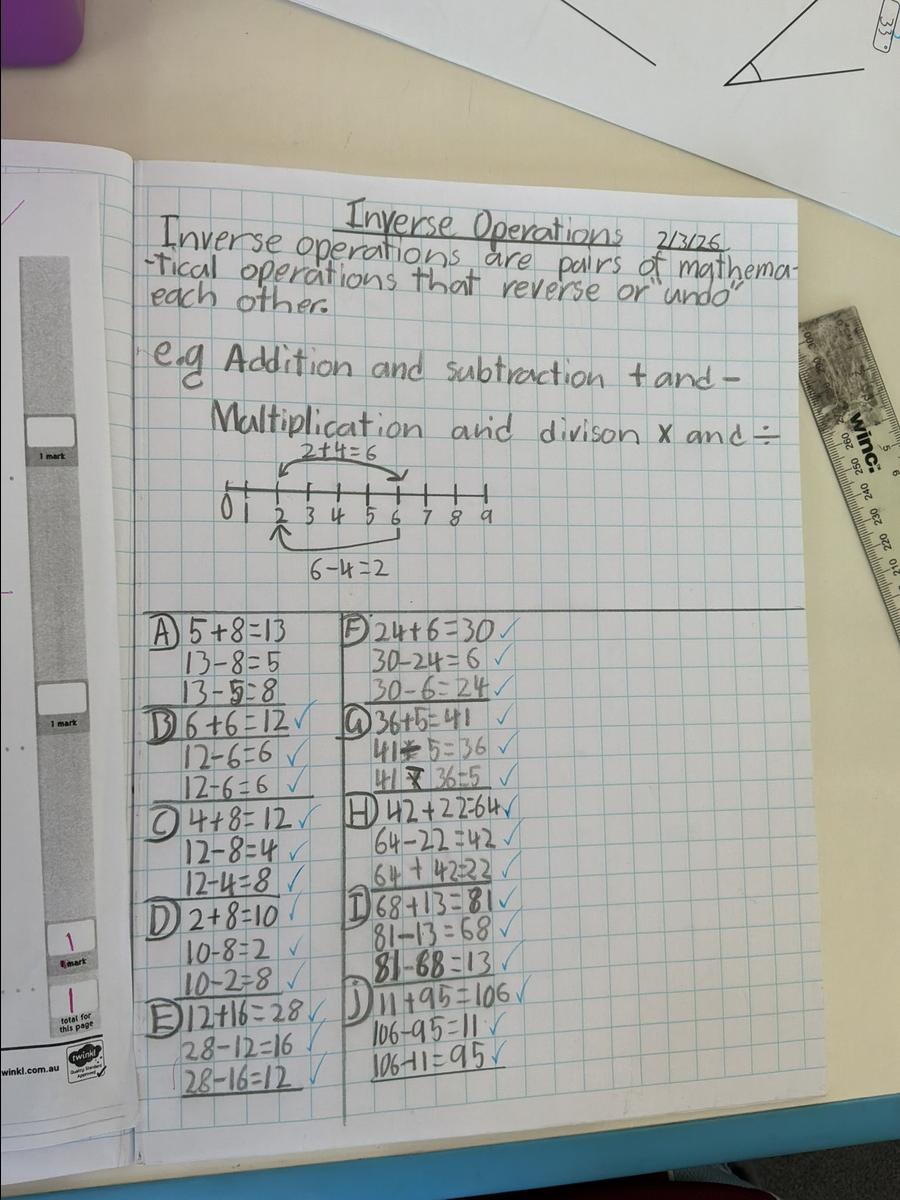
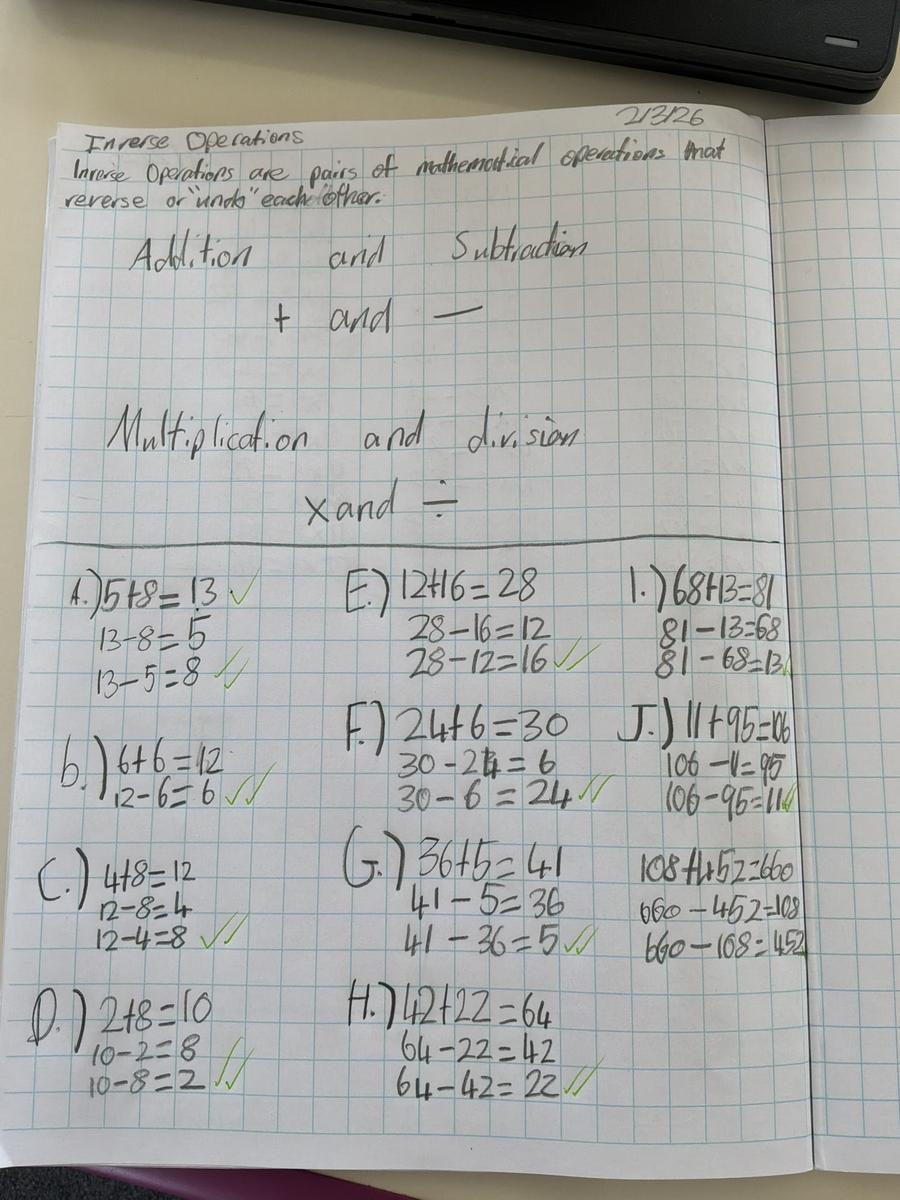
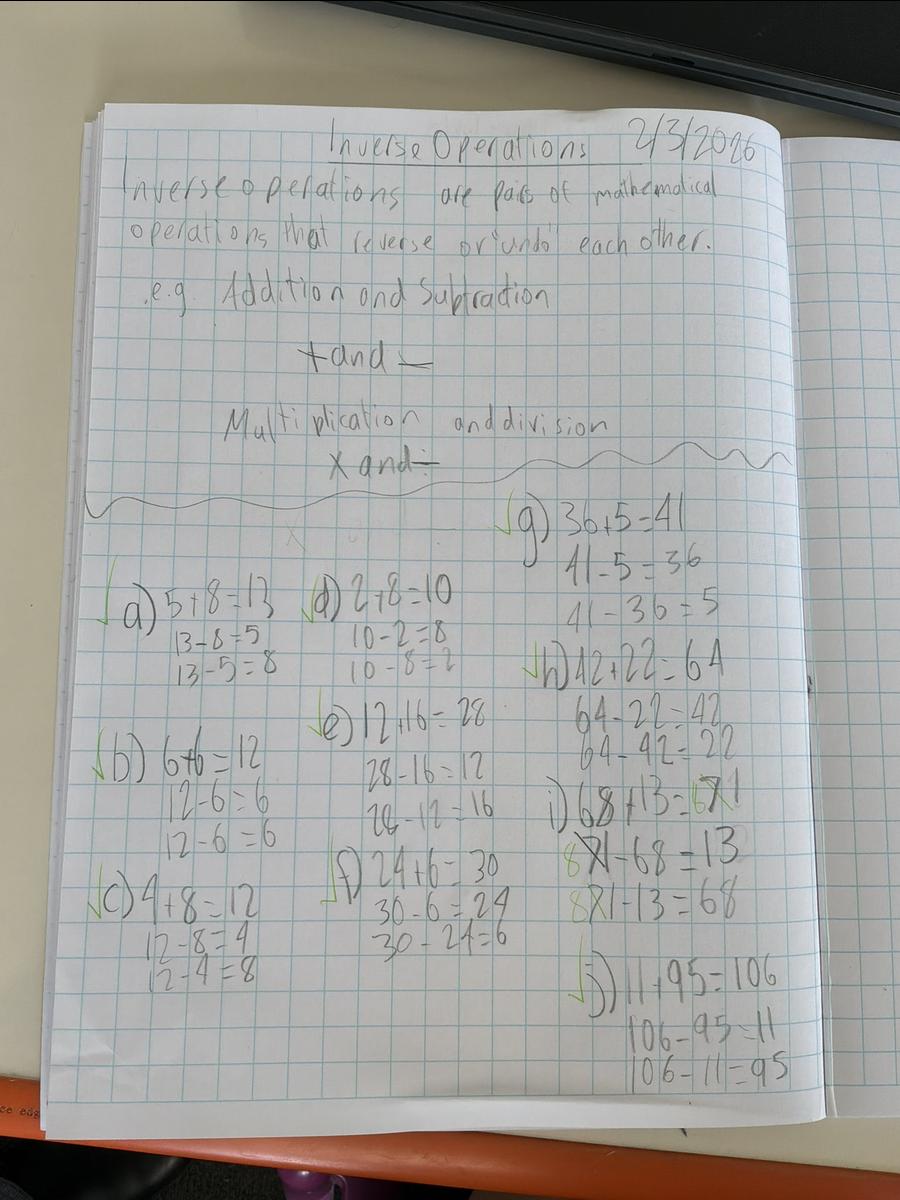
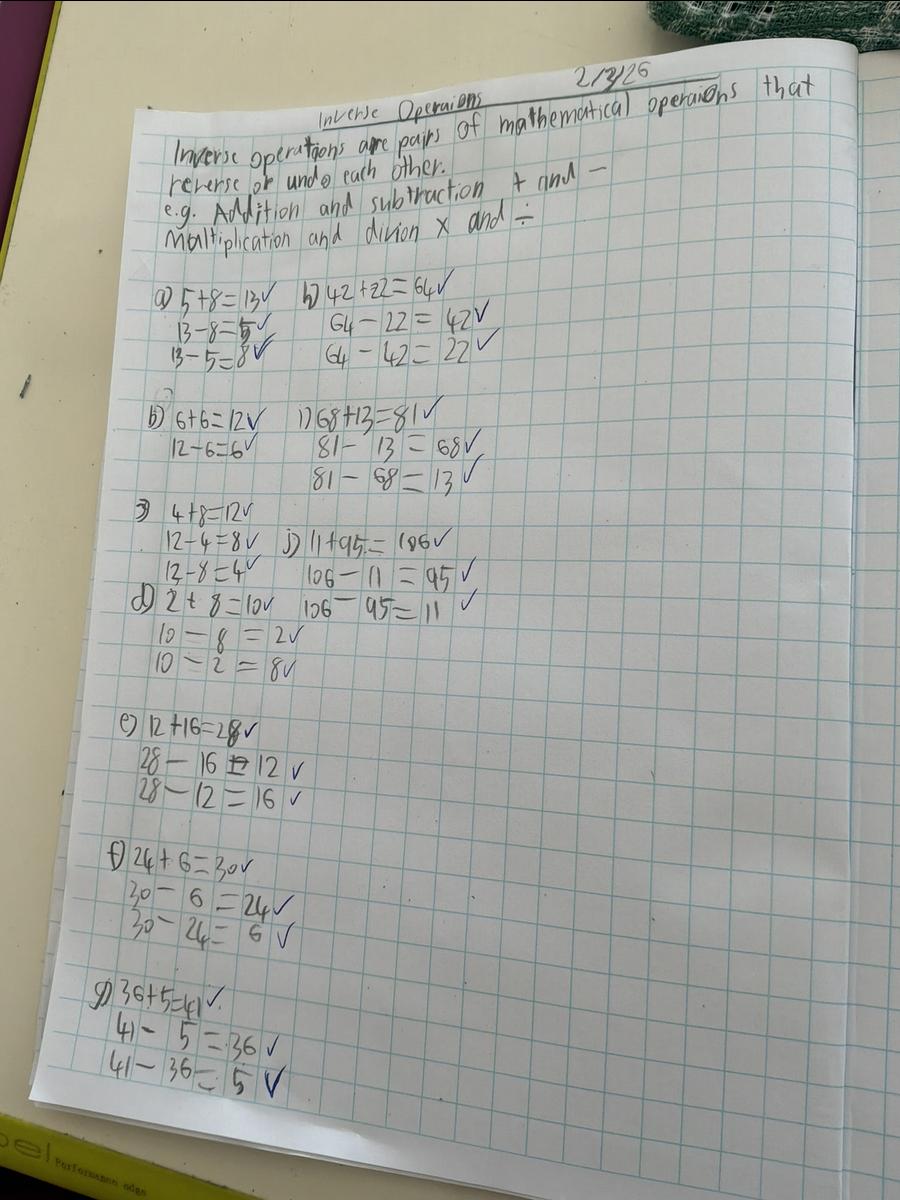
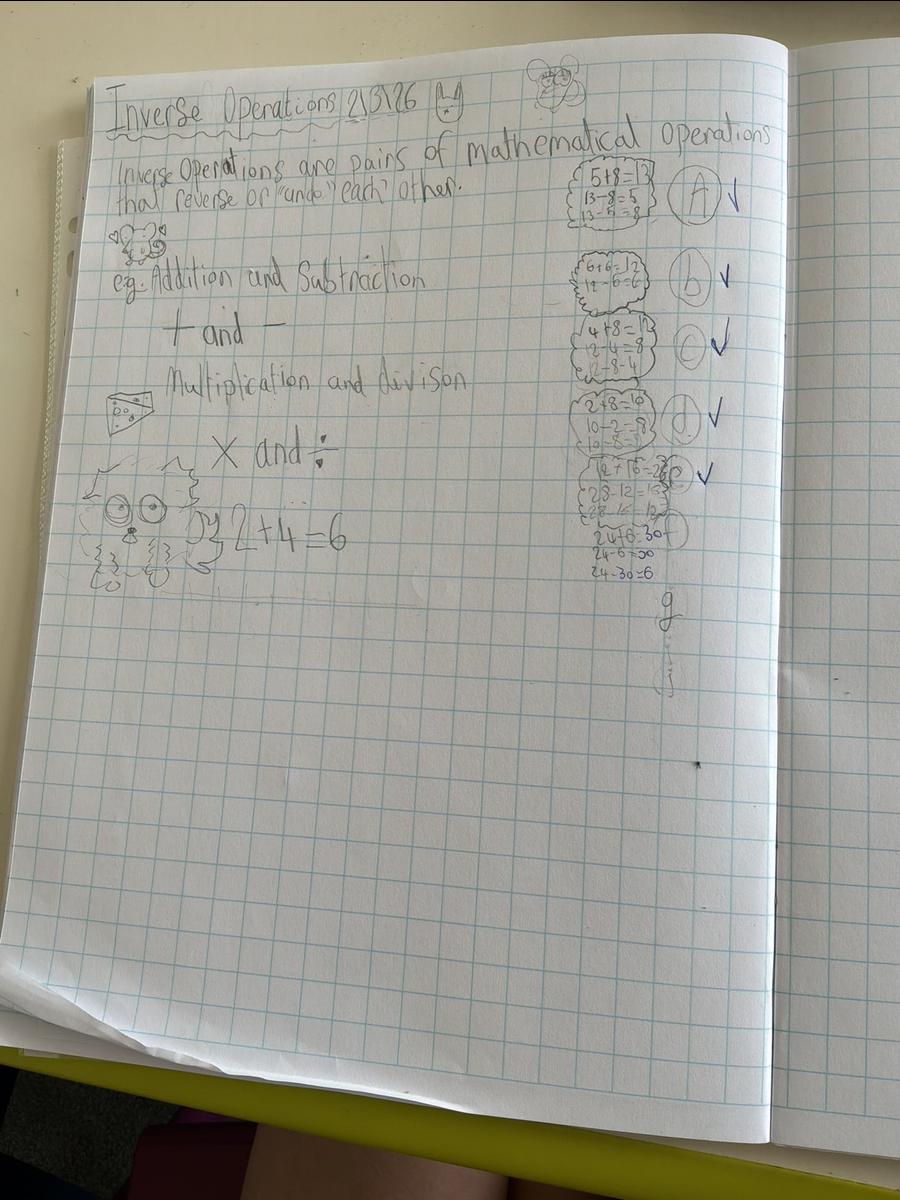
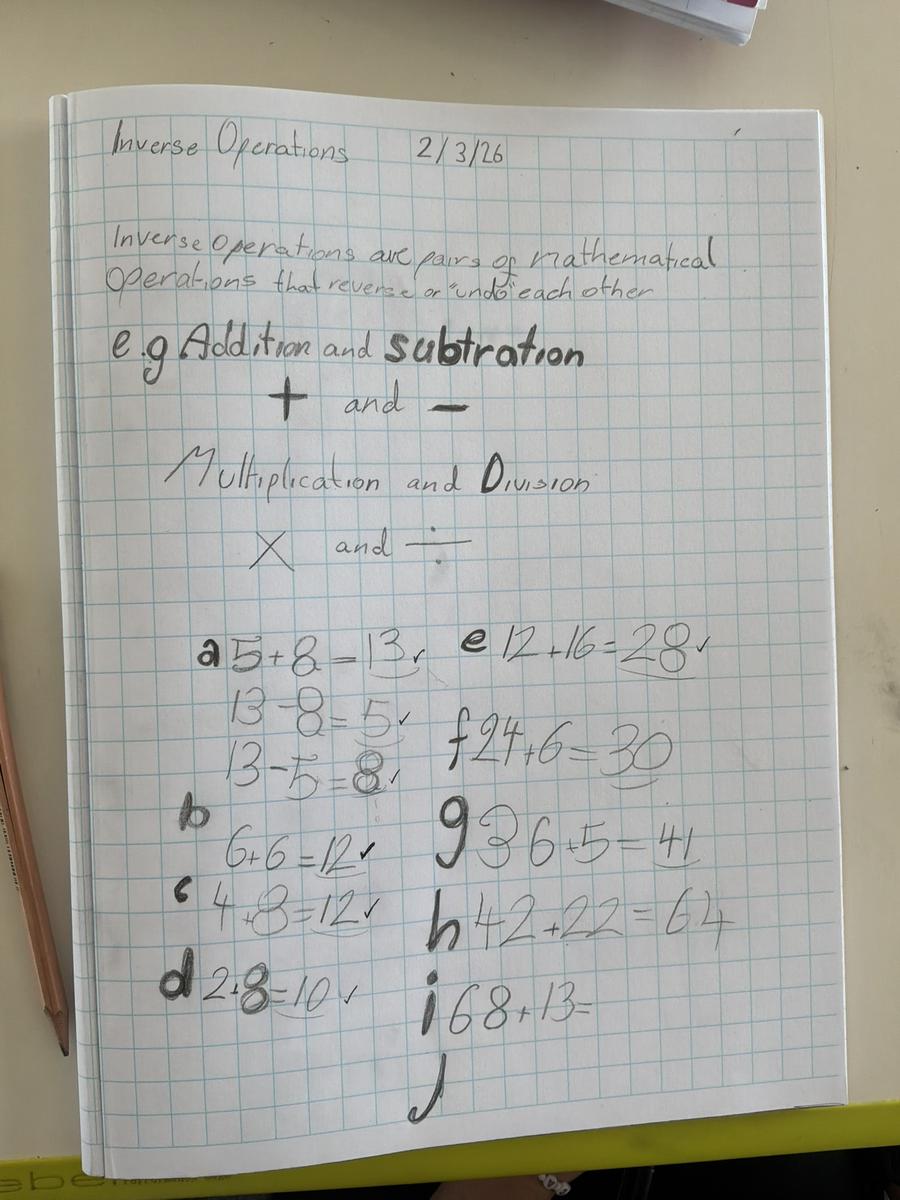
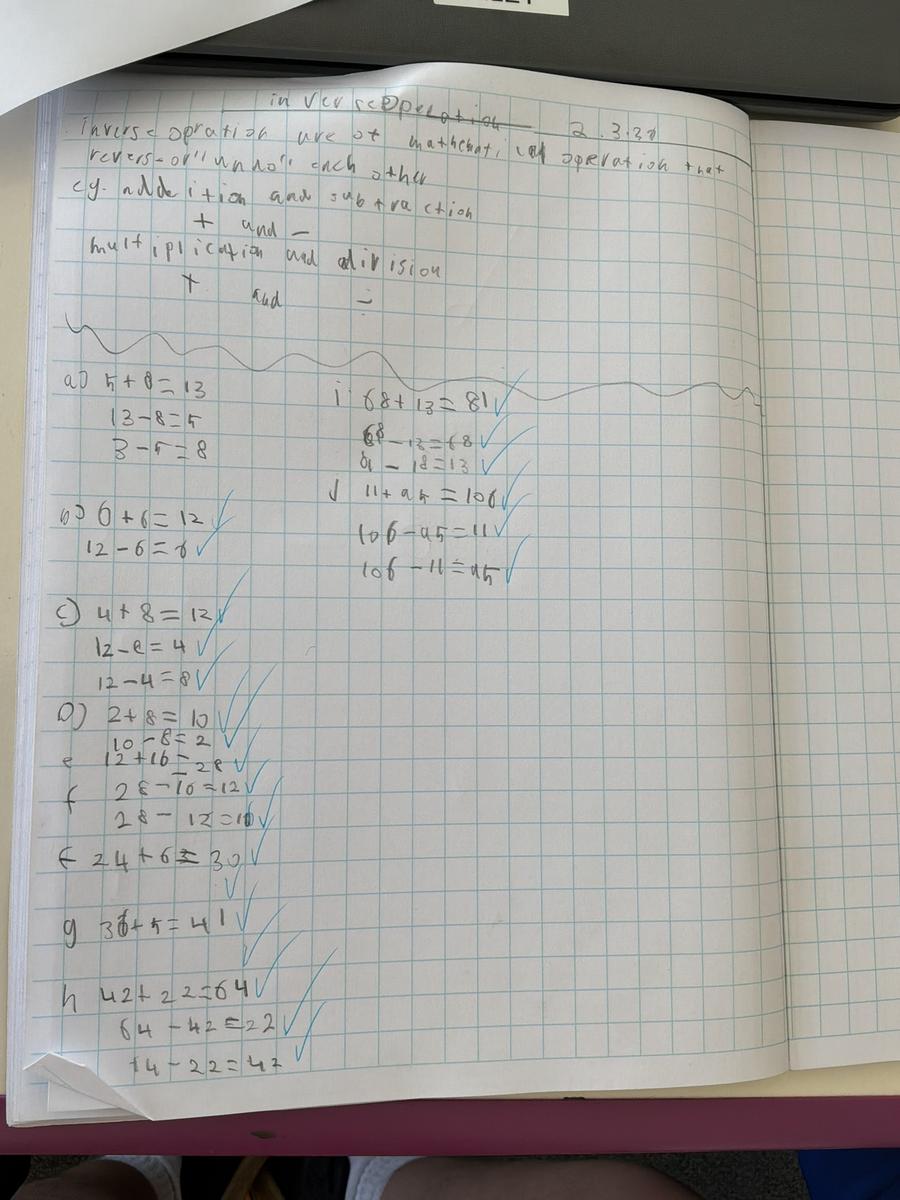
Understanding these inverse relationships is crucial for efficiently solving mathematical problems and for applying logical thinking in everyday situations, such as managing budgets or measuring quantities. Building this foundation not only improves students’ problem-solving abilities but also equips them with practical skills they can apply both in the classroom and in real-world scenarios.