Wellbeing Report
Digital Dementia: How Screens Shape Our Brains and What We Can Do About It
In today’s world, screens are everywhere, phones, tablets, laptops, TVs, and even smartwatches. They help us learn, connect, and have fun. But you might have heard a new term being used: digital dementia. It sounds a bit scary, so let’s break it down and understand what it really means.
What is ‘Digital Dementia’?
The term digital dementia was popularised by Manfred Spitzer, who used it to describe how overusing digital devices might affect our memory, attention, and thinking skills.
It doesn’t mean young people are getting actual dementia. Instead, it refers to habits like:
Forgetting things easily because we rely on devices
Struggling to concentrate without checking a screen
Finding it harder to think deeply or solve problems
Why Does This Happen?
Our brains are like muscles, the more we use them, the stronger they get.
When we:
Rely on GPS instead of remembering directions
Use calculators for simple maths
Quickly Google answers instead of thinking
…we may not be exercising our memory and problem-solving skills as much.
Too much screen time can also affect:
Sleep (especially before bed)
Focus (constant notifications = constant distraction)
Learning (multitasking reduces understanding)
What This Means for Students (Prep–Year 9)
For students, technology is a powerful learning tool, but balance is key.
You might notice:
It’s harder to focus on homework without checking your device
You forget instructions unless they’re written down
Reading long texts feels tiring compared to watching videos
The good news? Your brain is still developing, which means you can train it to be stronger every day.
What Parents and Carers Should Know
Children today are growing up in a digital world, and that’s not a bad thing. However, research suggests that how technology is used matters more than how much.
Helpful things to watch for:
Is screen time replacing sleep, play, or family time?
Are devices being used passively (scrolling) or actively (learning, creating)?
Does your child struggle to be without a device?
Open conversations and clear boundaries can make a big difference.
Healthy Tech Habits for Everyone
Here are some simple, realistic ways to keep brains healthy:
For students:
Try the “20-minute focus rule” (no checking devices while working)
Read books regularly, not just screens
Practise memory (spelling, maths, or even remembering directions)
For families:
Have device-free times (e.g. dinner or before bed)
Keep screens out of bedrooms at night
Encourage outdoor play, hobbies, and face-to-face time
For everyone:
Turn off unnecessary notifications
Take regular screen breaks
Get enough sleep (your brain needs it to learn!)
The Bottom Line
Technology isn’t the enemy, it’s a tool. But like any tool, it works best when used wisely.
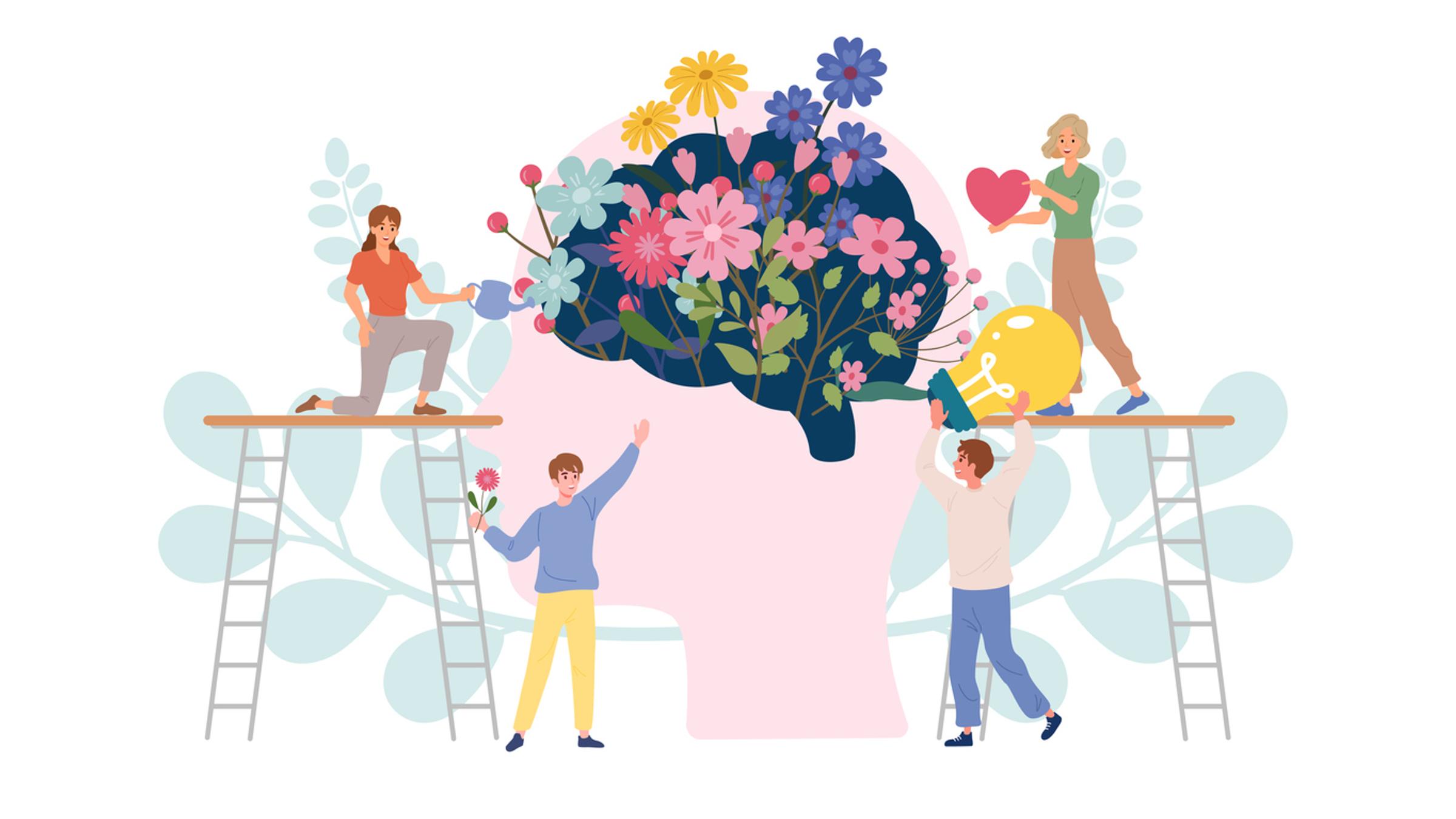
By building healthy habits, we can enjoy the benefits of technology without letting it take over our thinking, memory, and focus.
Your brain is amazing, keep it active, challenged, and well-rested.