Wellbeing

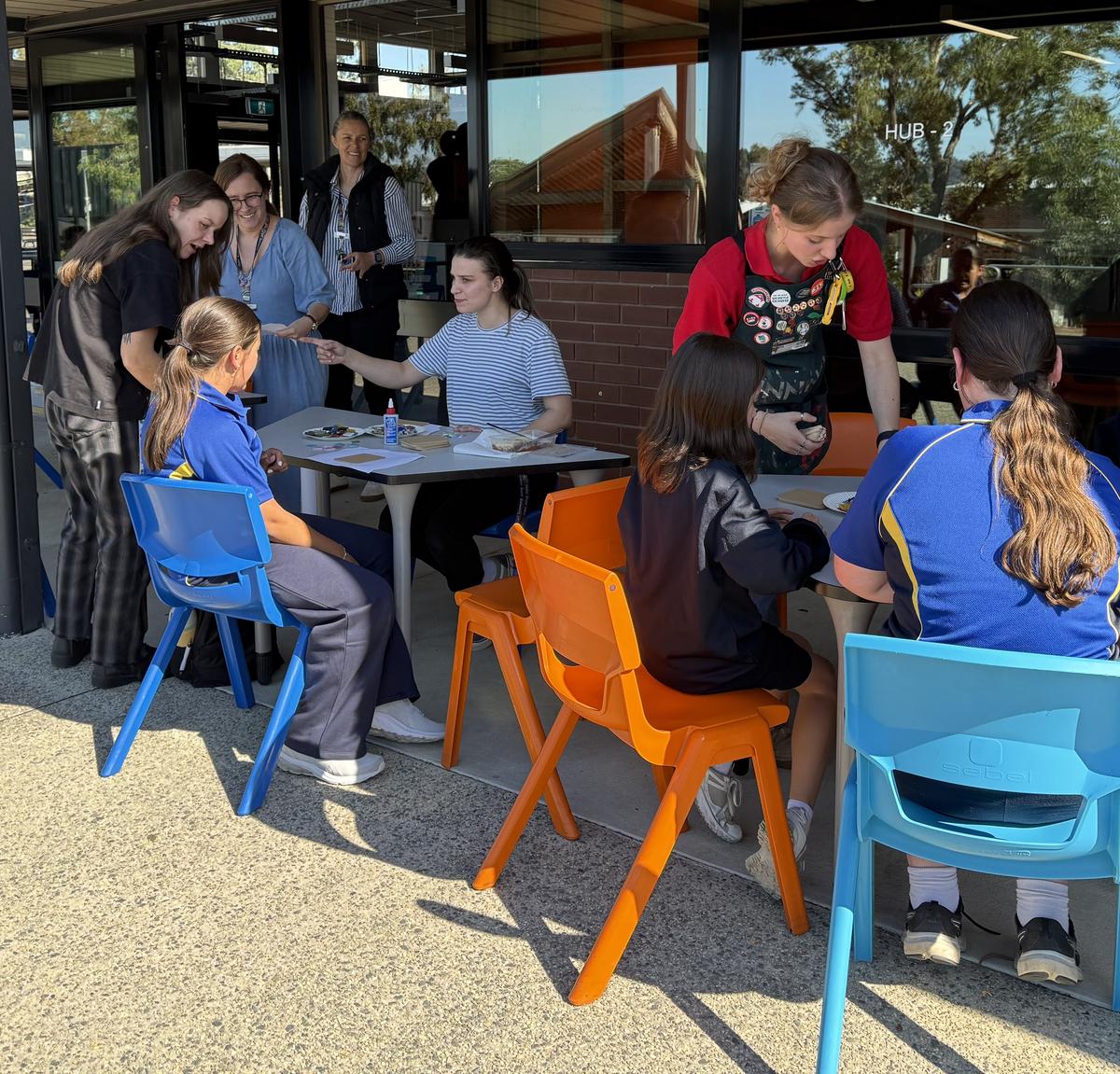
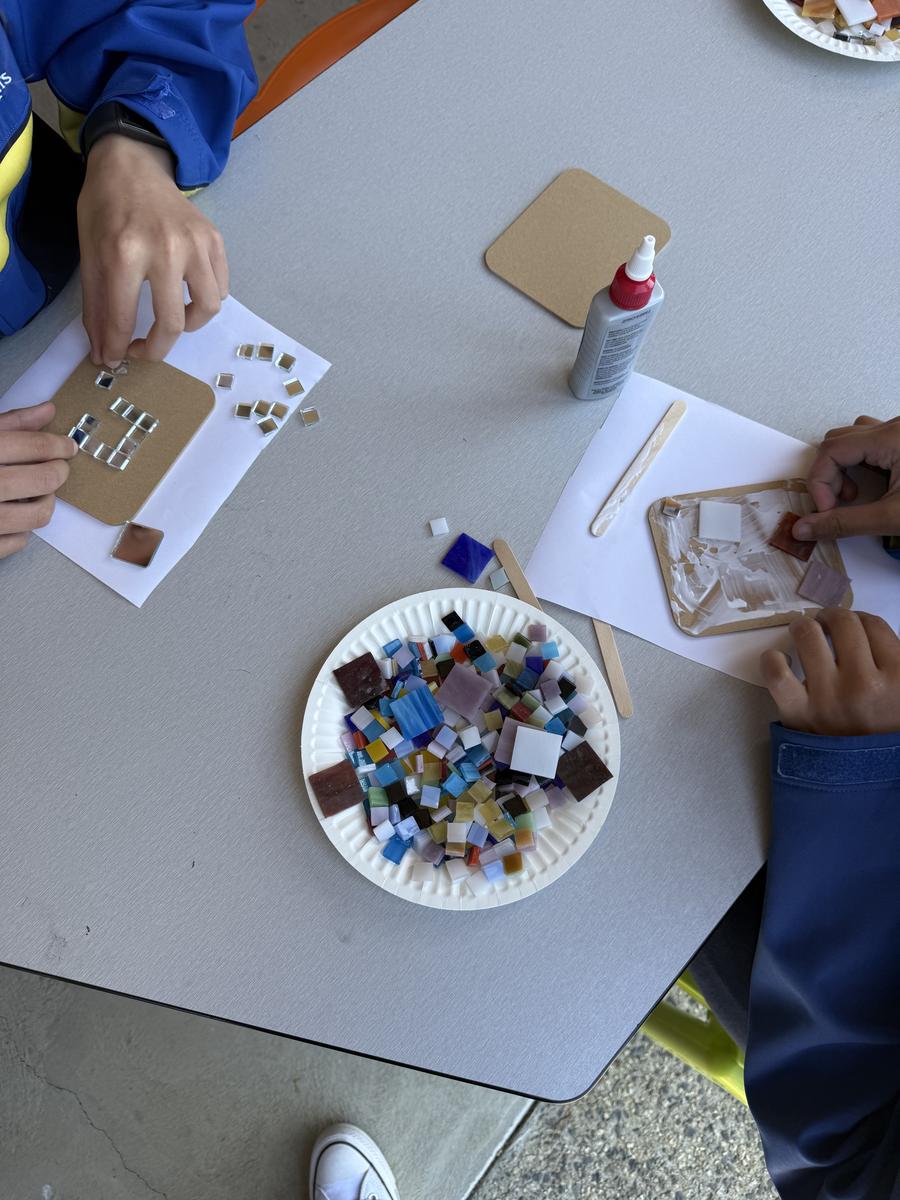
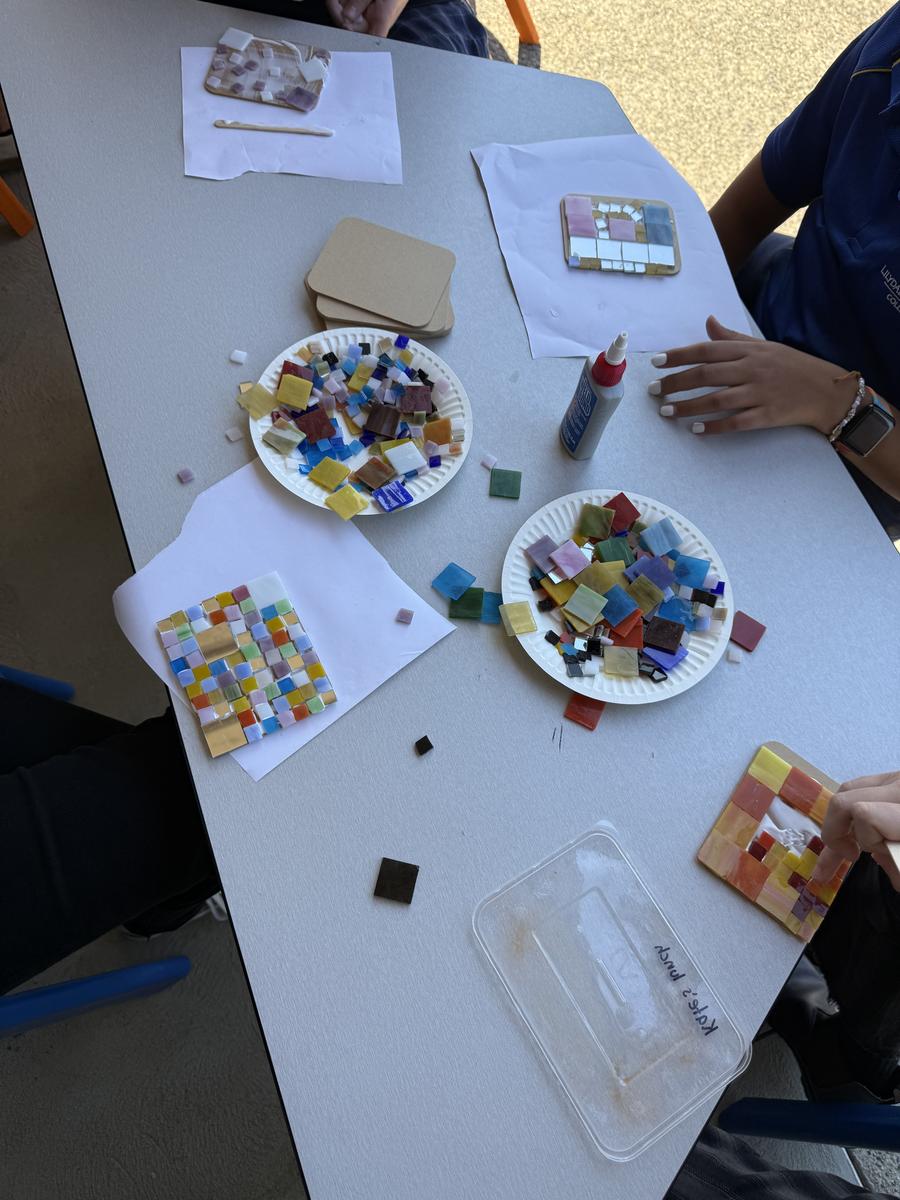
Over the past two Mondays in Wellbeing Group, the Wellbeing Team organised for students to create mosaics. It was a fun, hands-on activity that sparked creativity and allowed students to relax and enjoy the sunshine, creating a really positive and uplifting experience for everyone involved.
Growing Strong
Resilience is a bit of a buzzword these days. We hear about it often—but why does it matter and how do we actually build it? In the 1990s, scientists conducted an experiment called Biosphere 2 in the Arizona Desert. Inside this controlled environment, they created what seemed like the “perfect” growing conditions for plants: ideal temperature, humidity, water and light. Unsurprisingly, the trees grew quickly and looked healthy. But something unexpected happened—before reaching maturity, many of the trees began to fall over. The issue wasn’t what the trees had—it was what they lacked. In this carefully controlled environment, there was no wind. Without that stress, the trees didn’t develop strong roots or sturdy wood. In nature, wind plays a crucial role in strengthening a tree’s structure. Without it, the trees simply couldn’t support themselves over time. There’s a clear lesson here for us. Like trees, we also need some level of challenge to grow strong. While it’s natural to want comfort and to avoid stress, a life without any challenges doesn’t prepare us for the future. It’s through facing difficulties—trying something new, pushing through setbacks, or tackling work that feels hard—that we build resilience. This doesn’t mean seeking out overwhelming stress, but rather recognising that manageable challenges are a normal and valuable part of growth. Each time you work through something difficult, you are developing skills, confidence, and inner strength. So next time you feel nervous about a class, unsure about an assignment, or hesitant to try something new, remember: this is your “wind.” It’s helping you grow stronger roots and preparing you for whatever lies ahead. Don’t shy away from challenges—meet them with courage. Growth doesn’t happen in perfect conditions; it happens when we learn to stand strong, even when things get tough.
Ros Cox – Wellbeing Team
Protecting Young People from Second Hand Smoke
Second-hand smoke (smoke breathed out or drifting from a cigarette) and third-hand smoke (residue left on surfaces, clothing, hair, and furniture) contain harmful chemicals that children and young people can ingest, even long after smoking has stopped.
Why it matters
• Children’s lungs and immune systems are still developing, making them more vulnerable to toxins.
• Exposure increases the risk of serious health problems such as asthma, bronchitis, pneumonia, ear infections and sudden unexpected death in infancy (SUDI).
• Growing up around smoke also makes it more likely children will start smoking themselves later in life.
About vaping
Vape aerosols also contain harmful chemicals. There’s less evidence available, but vapour and its residues are best assumed to be harmful too.
How to protect children
• The best protection is to quit smoking and vaping.
• At a minimum, ensure no-one smokes or vapes near children, especially indoors or in cars, where smoke lingers even with windows open.
• Ask friends and family to avoid smoking or vaping around your child and choose smoke-free environments whenever possible.
Every young person has the right to grow up in smoke-free surroundings to support their long-term health and development.
For more information, visit How secondhand smoke, thirdhand smoke & vaping affects kids
References
Information sourced directly from Raising Children, 2025 How secondhand smoke, thirdhand smoke & vaping affects kids
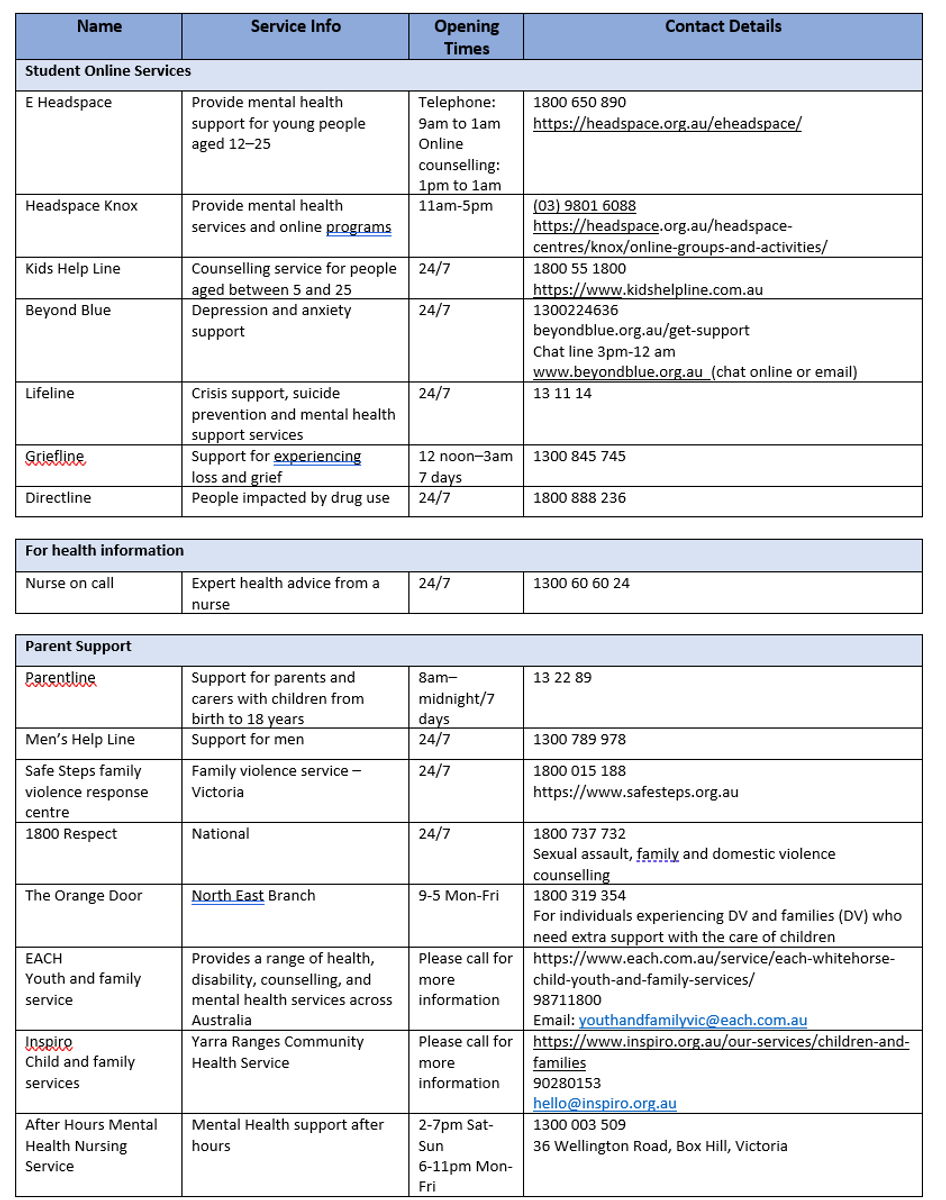
HEALTH AND WELLBEING SERVICES/CONTACTS -
KNOX, MAROONDAH, YARRA RANGES