
Health

Sleep and screen time
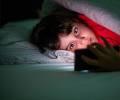
Nearly half of Australian children aged 5–17 have trouble sleeping, heavily influenced by screen time in bed, which affects melatonin and delays sleep. Over 25% of school-aged children use devices in bed an hour before sleep, with 83% of 17-year-olds using phones between 10 pm and 6 am
Key impacts on Australian children's sleep
Melatonin suppression: Light from screens (phones, tablets, TV) reduces the sleep-inducing hormone melatonin, keeping children awake.
Psychological stimulation: Engaging content (social media, games) increases mental alertness before bed.
Displacement: Technology replaces necessary wind-down activities, pushing bedtimes later.
- Nighttime disruptions: Notifications and calls, particularly for teenagers, interrupt sleep.
Guidelines and recommendations
Screen-free zone: Experts recommend keeping all screens out of the bedroom, particularly for teenagers.
The 30-60 minute rule: Turn off all screens 30–60 minutes before bedtime to allow the brain to settle.
No-screen times: Establish phone-free zones (e.g., dining table) and times (e.g., in bed).
- Alternatives: Replace screen time with calming activities like reading or drawing.
Technology & sleep data in Australia
Preschoolers: Roughly 75% of Australian preschoolers exceed recommendations of zero screen time for under-twos and <1 hour for ages 2–4.
Teenagers: 83% of 17-year-olds report using mobile phones in bed during the night.
- Caffeine Factor: One in ten Australian school-aged children consumes caffeine on most days, further compounding sleep issues. For more specific advice on managing screen time, resources from Raising Children Network and the Sleep Health Foundation are highly recommended.

Judy Buckley
College Nurse