Tremendous 3
Term 2 Week 6
Year 3 Newsletter
Welcome to Week 6 of Term 2!
Literacy:
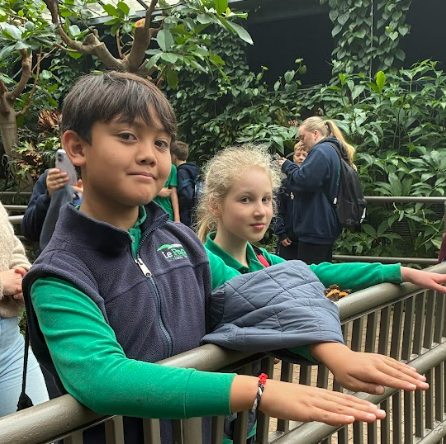
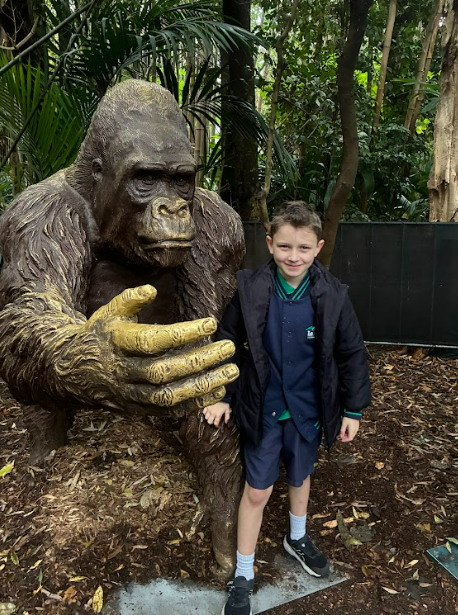
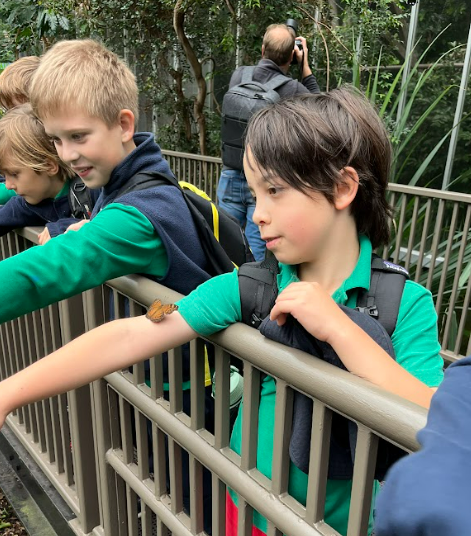
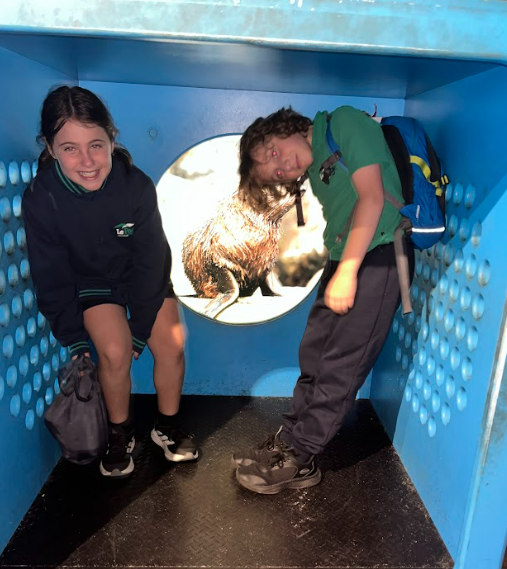
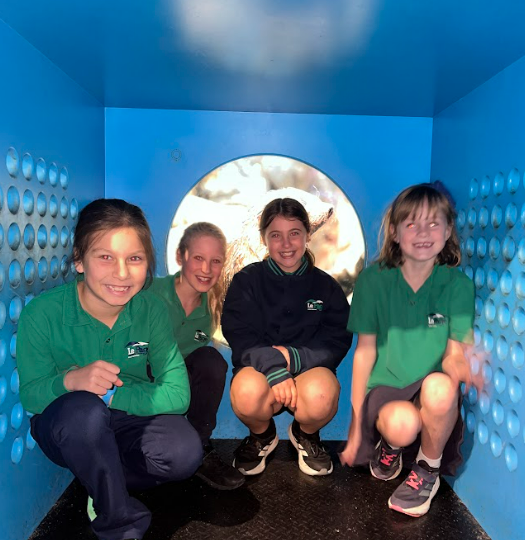
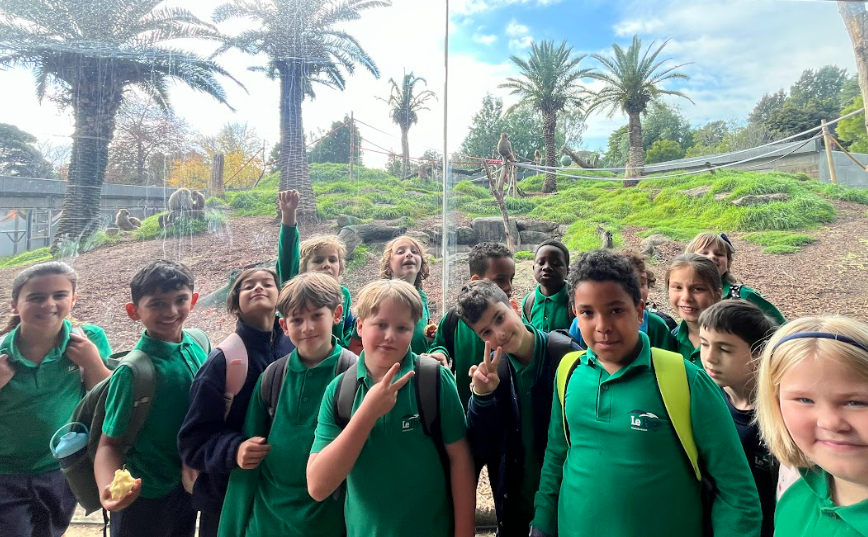
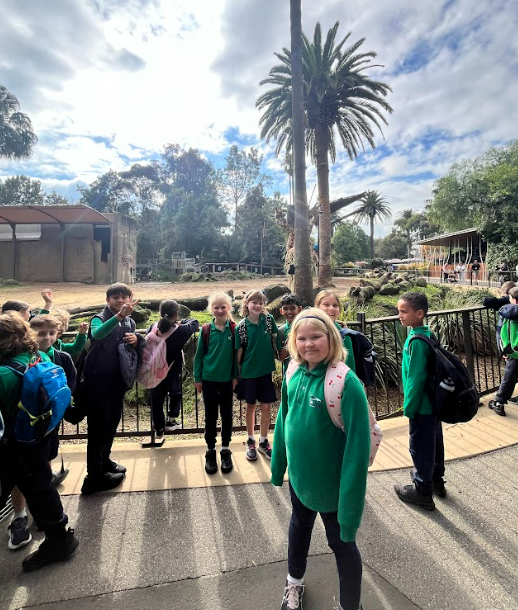
Students have been developing their independent writing skills by drafting their own information reports, drawing on the skills they have learned throughout this term. Following our recent zoo excursion, students planned their reports using observations and facts gathered during the visit, along with additional classroom research. They are now in the process of writing their information reports independently, focusing on animal features, habitats, diets, and life cycles. This task is allowing students to deepen their understanding of non-fiction text structure while applying their research and note-taking skills in a meaningful way. We are looking forward to seeing the final reports that showcase each student’s knowledge, effort, and growing confidence as writers.
Phonics:
Week | Focus | Example words |
| Week 1 | 111 Rule | Madly Clapped Runner taping |
| Week 2 | 111 Rule | Dripped Splashed Strapped Shopped |
| Week 3 | 111 Rule | foggy Stunning Trotting Cunning |
| Week 4 | Homophones 1 | Ball Bawl Knot Not |
| Week 5 | SFE + suffix rule | lovely homeless shameful hugely |
| Week 6 | SFE + suffix rule | Hopeful Gamer Trembling Rescuer |
| Week 7 | Homophones 2 | heel – heal – he’ll |
| Week 8 | L stuffs it all | Fall stall always almost |
| Week 9 | Homophones 3 | meat meet flour flower |
| Week 10 | Homophones 4 | which - witch |
Maths:
Students have been learning about data representation and interpretation through guided statistical investigations. They have been exploring how to collect and record data by creating surveys questions, observing results, and organising information into frequency tables and simple spreadsheets. Students have then used this data to create and compare different graphical representations, including picture graphs and column graphs. We have been focusing on interpreting the data by asking questions about the results, identifying patterns, and discussing what the information shows in relation to the original question being investigated. This learning is helping students build their confidence in collecting, organising, representing and interpreting data in meaningful ways.
| Weeks 1-2 | Weeks 3-4 | Week 5 | Week 6-7 | Weeks 8-9 | ||||
Fractions VC2M3N03 | Length VC2M3M01, VC2M3M02 | Pattern VC2M3N09 | Data representation VC2M3ST01, VC2M3ST02 | Addition and subtraction 2 VC2M3N04, VC2M3N06 | ||||
Science
This term in Science, students will be learning about living, non-living and once-living things. They will explore the features of living things, such as the need for food, water and air, and how to group and classify different things in the world around them.
Students will also investigate life cycles of plants and animals, learning how living things grow and change over time. They will compare different life cycles (such as insects, mammals and plants) and begin to understand that some living things go through significant changes, while others develop more gradually.
A key focus of this unit will be understanding that offspring are similar to their parents, but not identical, helping students recognise patterns in how living things grow and reproduce.
.
Extra Announcements:
- Please send any photos from home to your child's classroom teacher
- School photos Monday week 7
- Swimming Monday- Thursday week 9 & 10
Photos