Healthy Minds @Highvale


Sean REDPATH DIGGLE
Mental Health Practitioner
Psychologist
Many young men experience stress, anxiety, low mood, social pressure, or self-doubt, but may not always show it in obvious ways. Instead of looking sad, distress can appear as irritability, frustration, shutting down, withdrawing from family, or becoming more argumentative. Some young men respond by doing more, staying busy, gaming longer, training harder, working more, because slowing down can make uncomfortable feelings harder to avoid.
It’s also common for young men to delay help-seeking. This is not because they don’t care or don’t have insight, but because many have learned (from peers, media, sport, or wider culture) that coping should be private and hidden. When emotional struggles go unspoken, problems can snowball, so early conversation and connection matter.
The most powerful protective factor for young people is a steady, supportive relationship with caring adults. You don’t need perfect words, in fact, many young men open up more during side-by-side moments such as car rides, kicking a ball, doing chores, cooking, walking the dog, when eye contact and pressure are lower.
Try to keep conversations simple and open-ended. “How are things going with your mates?” or “How’s school feeling at the moment?” works best when it’s asked regularly, without an agenda. If the answer is short, don’t rush to fill the silence. A calm “Okay, if that changes, I’m around” communicates safety and availability, which is often what helps young men return later.
It also helps to make emotions ordinary. When a young man shares something, even in a small way, aim to reflect the feeling before solving the problem. Statements like, “That sounds rough,” “I can see why you’d be annoyed,” or “That would leave most people feeling stressed” validate the experience without escalating it. Validation isn’t agreement; it’s simply acknowledging what’s real for them.
When should you be more concerned?
Ups and downs are normal in adolescence, but it’s worth paying attention to patterns that persist or intensify over a few weeks. This might look like ongoing withdrawal, persistent irritability, changes in sleep, appetite, motivation, attendance, or friendships, or a noticeable drop in enjoyment of things that usually matter to them.
If your child talks about feeling hopeless, trapped, or like they don’t want to be here, it’s important to seek support straight away. In those moments, it’s always better to act early and “over-check” than to wait and hope it passes.
Support and further reading:
Raising Children Network https://raisingchildren.net.au
Headspace https://headspace.org.au
Beyond Blue https://www.beyondblue.org.au/mental-health/mens-mental-health
If you are concerned about your child, you can also contact the school wellbeing team or speak with your GP.
Recognising and celebrating IDAHOBIT

Penny HSIAO
Health Promotion Nurse
Local and international research shows that positive and inclusive school environments lead to improved academic results, increased confidence, and better attendance at school.
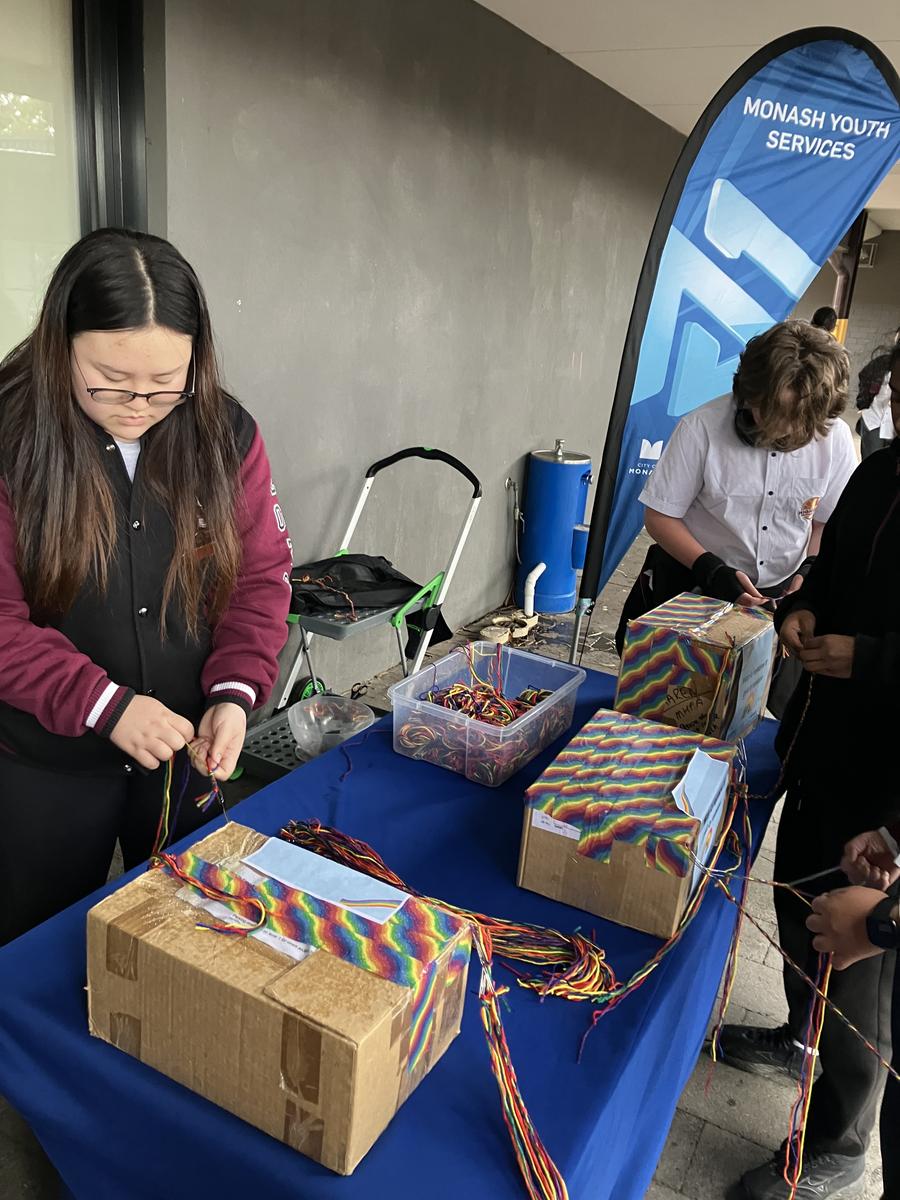
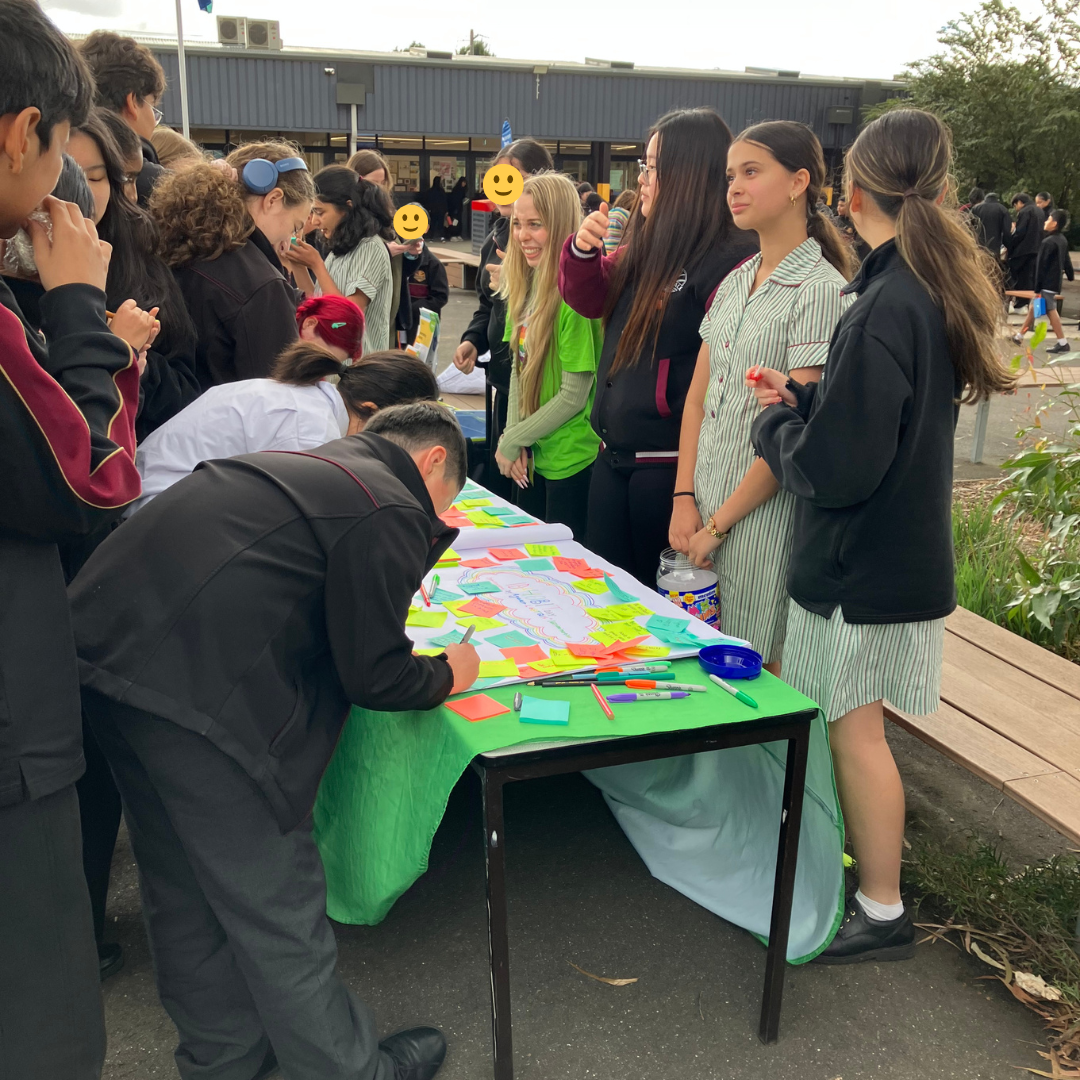
With support from our Wellbeing Captains, Student Wellbeing Team, Monash Council Youth Services and Headspace Syndal, we recognised and celebrated International Day Against LGBTIQA+ Discrimination (known as IDAHOBIT) by making rainbow bracelets and writing positive messages on 20th May.
Some sexuality or gender diverse young people find it difficult to ask for help. If you or someone you know are finding it hard to cope and your/their social or school life are being affected, it’s time to ask for help. This might be a family doctor (GP), a counsellor or a school wellbeing staff. There are also quite a few online resources and youth support groups available locally. For more information please visit: https://minus18.org.au/ http://www.switchboard.org.au/