
From our Principal

Dear Parents, Students and Friends,
Harmony Day
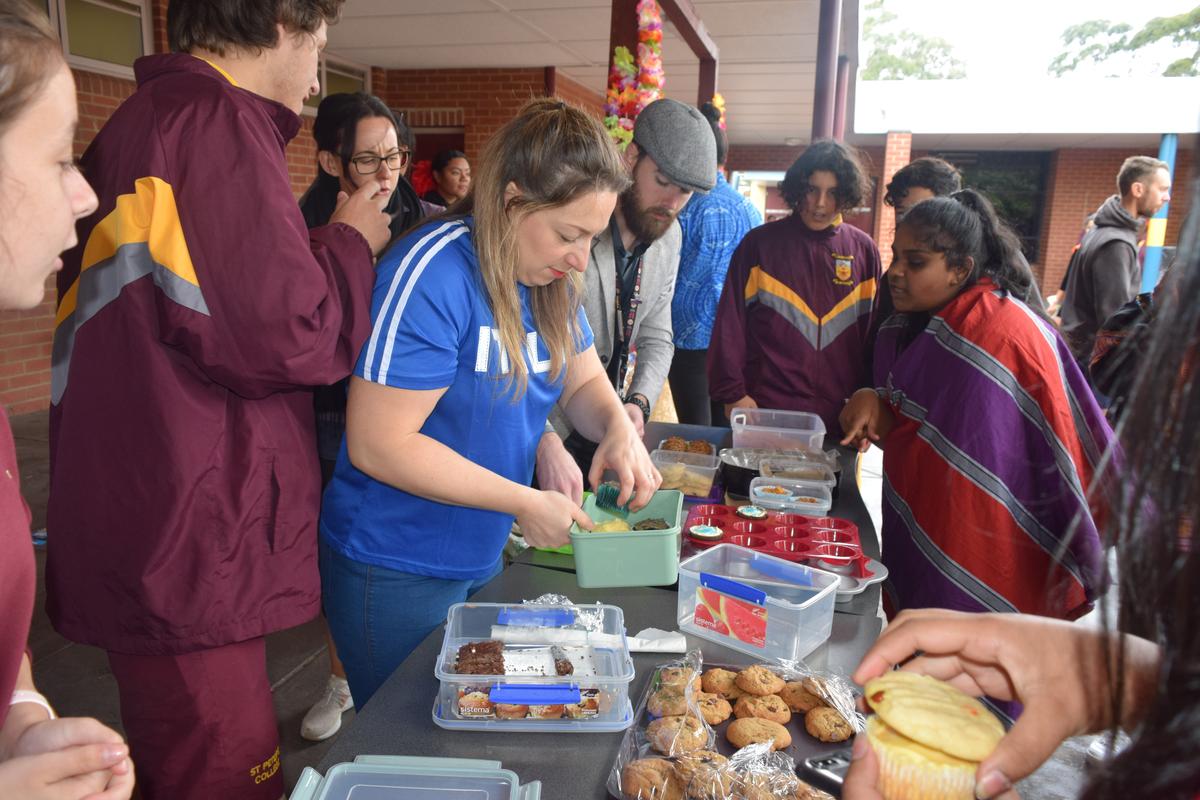
Each year St. Peter’s College celebrates Harmony Day – the question could be, Why? The answer is a resounding Why Not! The theme of Harmony Day 2019 is “Everyone Belongs”. St. Peter’s College is blessed to be a community which embraces students and their families from many and varied cultures. The 2016 Census Data reveals the following:
- nearly half (49 per cent) of Australians were born overseas or have at least one parent who was
- we identify with over 300 ancestries
- since 1945, more than 7.5 million people have migrated to Australia
- 85 per cent of Australians agree multiculturalism has been good for Australia
- apart from English, the most common languages spoken in Australia are Mandarin, Arabic, Cantonese, Vietnamese, Italian, Greek, Tagalog/Filipino, Hindi, Spanish and Punjabi
- more than 70 Indigenous languages are spoken in Australia
These results are very reflective of our own demographics. This makes St. Peter’s a very rich experience for our students. At St. Peter’s College everyone belongs. Our multi-cultural community is not unique but what is special about St. Peter’s is that we are welcoming of all. This gives us our identity and sends a message loud and clear that each of us is built in the image of God and that we are called, each and every day to, love our neighbour as ourselves. This is what we strive to do each and every day in communion with each other. Sometimes this can be challenging for some, yet we, first and foremost are a faith-filled learning community and our calling is to embrace all who cross our paths. I’d like to acknowledge the many, too numerous to mention who made Harmony Day 2019 such a memorable celebration




Say No to Bullying – National Day of Action Against Bullying
This Friday we again stand-up and “Say No to Bullying”. A few weeks ago we had a wonderful and sobering presentation at our Welcome evening of the impact of Bullying. As part of this presentation our own School policy was dissected. It was acknowledged by our experts from the organisation, “Bully Free Zone” that St. Peter’s College has a comprehensive and actionable Anti Bullying Policy. We have a zero tolerance to Bullying and a strategy in dealing with circumstances where bullying occurs. Please click here to access our Anti-Bullying Policy (add link to Anti-Bullying policy here please). This Friday each house will highlight our zero tolerance to bullying. Students will be reminded of what constitutes Bullying and what does not. Students will also be reminded of who they can turn to if they observe or are a recipient of bullying. Ultimately each and every student and staff member at St Peter’s College has the right to be treated with dignity and respect. Friday will be a day that all are reminded again of that basic right
Reading – What can we learn?
Our critical challenge as we commence our work around our new strategic plan is to raise literacy and numeracy standards above our current rate of progress. What we do know is that reading and improving reading standards will likely lead to improved learning outcomes for students. The challenge, though not insurmountable is to support students in their reading. The partnership between school and home is critical in this challenge. Whilst the role of parents supporting a child’s learning can change when they reach secondary school, there is no reason why you as a parent can still play that active role in their reading development.
I would like to challenge each and every student to read for 30 minutes per day.
I was reading an article about reading the other day. The points raised are particularly relevant to the secondary aged student. Below are some salient points:
- the home literacy environment doesn’t stop being important once children have learnt to read.
- The opportunities that a child has to read at the home, and parental beliefs and behaviours, continue to impact on children’s reading throughout the school years,
- The five ways that reading with children can help their general education include:
1. It opens up new worlds - Reading together as a family can instil a love of books.
2. It can build confidence - Children judge their own ability to read from observing their classroom peers, and from conversations with parents and teachers. When sharing a book, and giving positive feedback, parents can help children develop what is known as self-efficacy – a perceived ability to complete the specific activity at hand.
3. It can build positive reading attitudes - Studies have shown that the more opportunities a child has to engage with literacy based activities at home, the more positive their reading attitudes tend to be. Children are more likely to read in their leisure time if there is another member of the family that reads, creating a reading community the child feels they belong to.
4. It expands their language - When reading a book together, children are exposed to a wide range of language. Good language development is the foundation to literacy development.
5. It can help their speech and language awareness - Demonstrating what is involved in reading complex text aloud fluently is very valuable for children of all ages.
You don’t need a lot of money, or even hours of spare time to read with children. Even small efforts can have big benefits. Nor does it have to be just at bedtime. Sharing a book, a magazine or a comic can take place any time of the day. I encourage all to get reading.
Condolences
Our condolences to Ms Carole Hardy, a teacher on our Clyde North campus who is experiencing the loss of her son Joe. Our thoughts and prayers are extended to Carole and her family during this time of devastating loss.
Grant Joe Eternal Rest, O Lord and may perpetual light shine upon him.
May he rest in peace.
Amen.

Mr Chris Black
Principal