
LANGUAGES
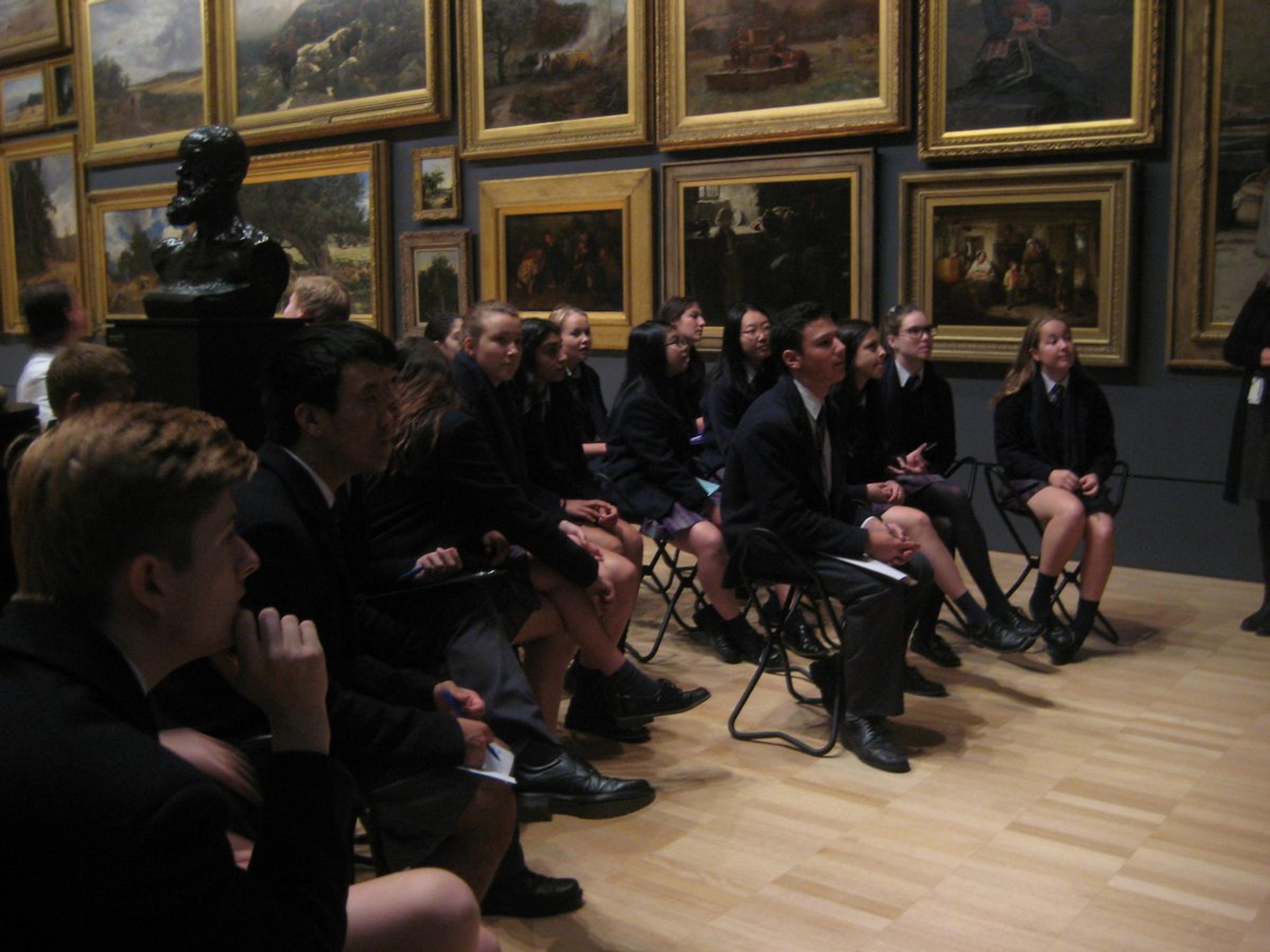
YEAR 10 FRENCH EXCURSION
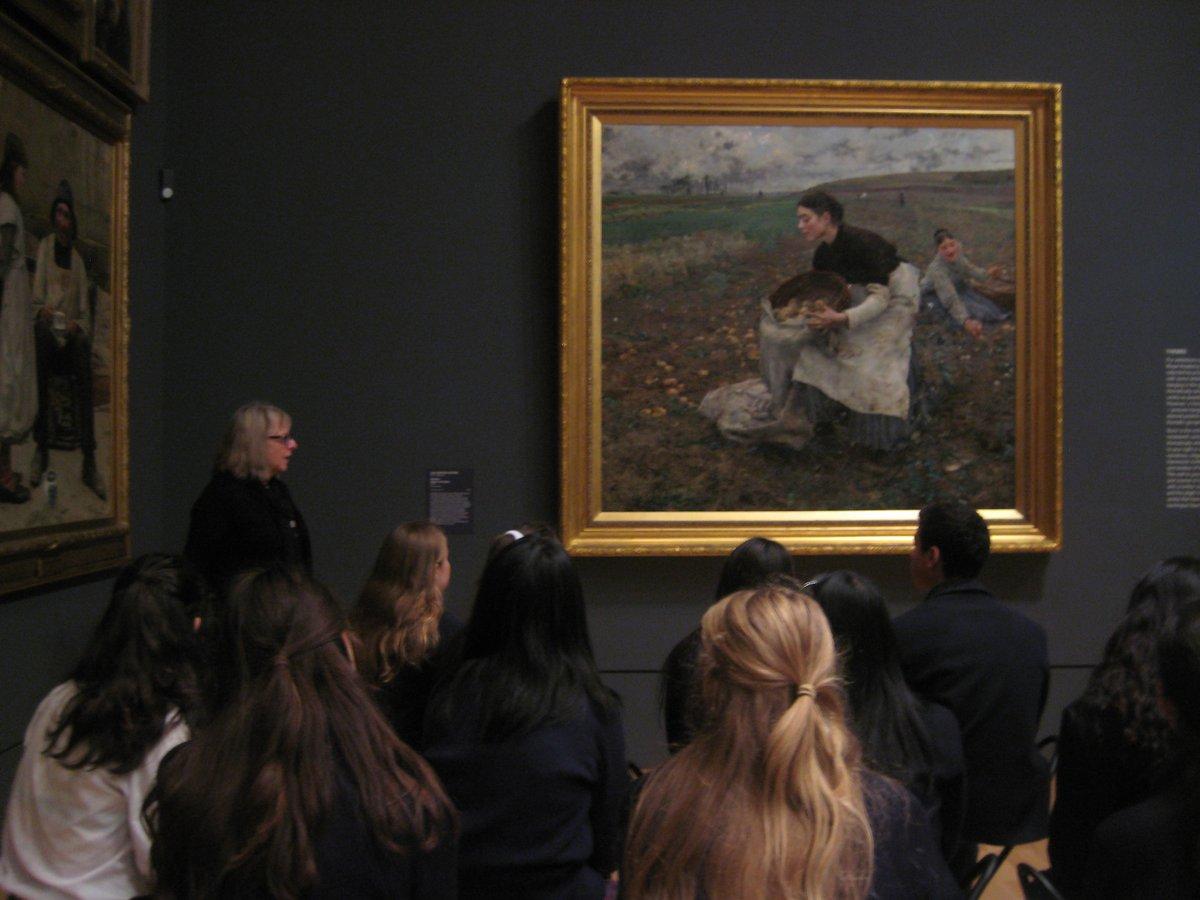
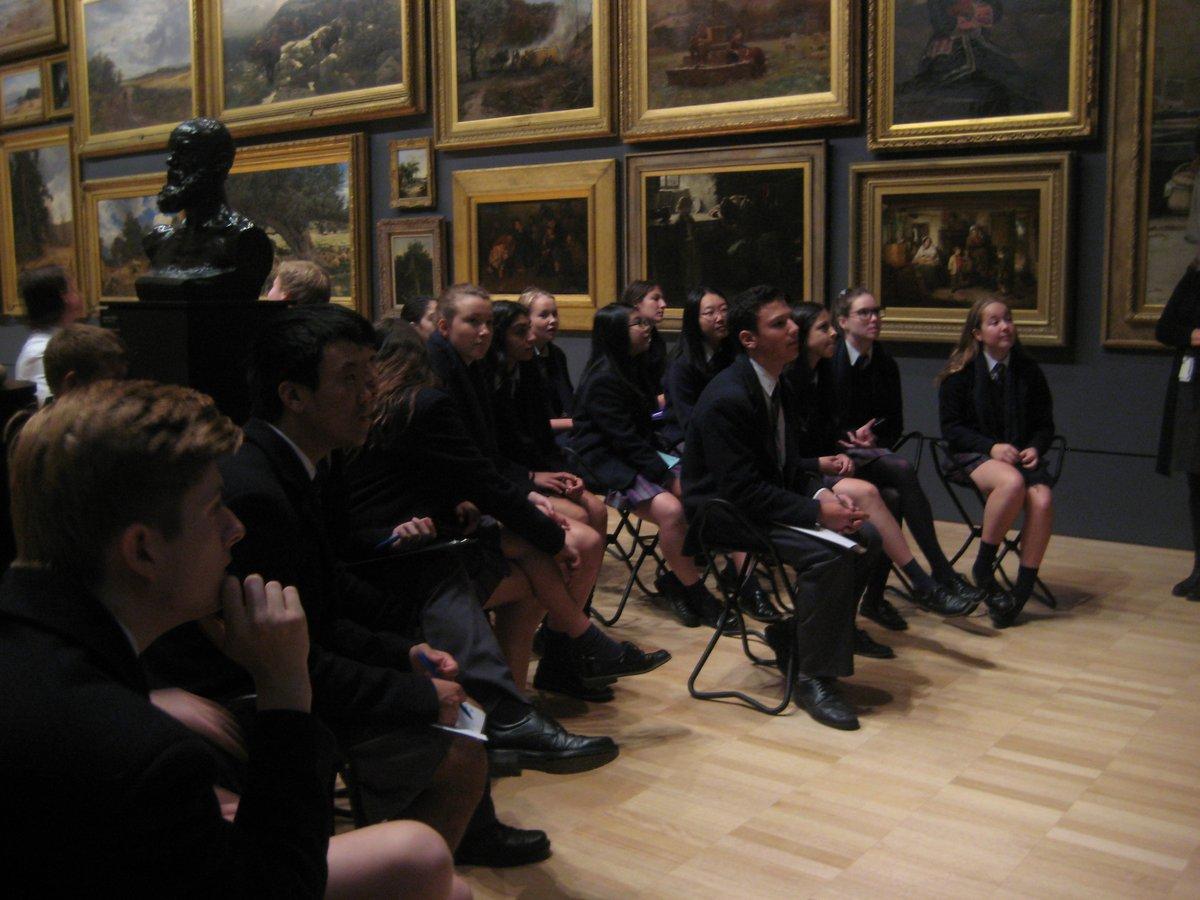
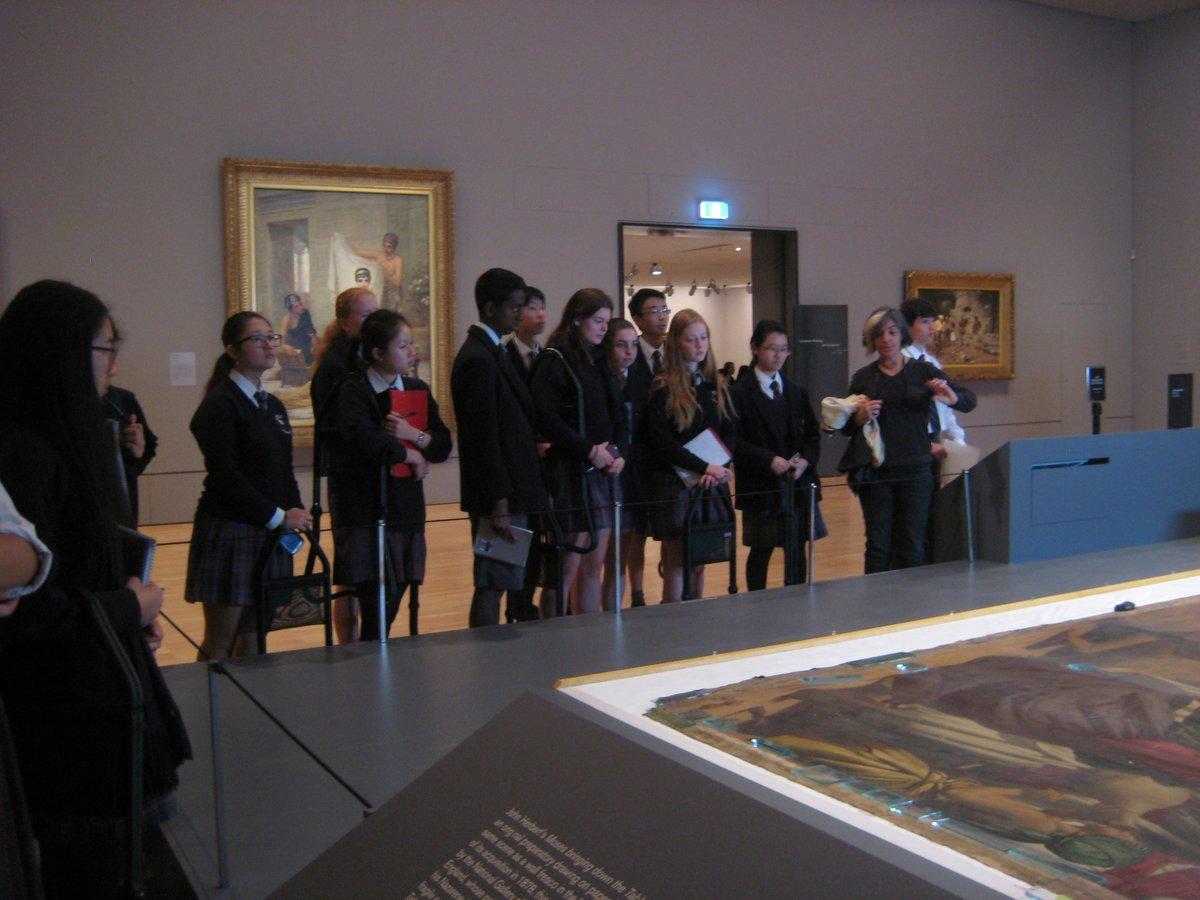
Learning a language is not simply learning the words and how to arrange them in a sentence. It is also learning about another culture, its history and its modern society. The two Year 10 French classes visited the National Gallery of Victoria on Wednesday 29 April for a guided tour of selected French works of art. Each art work was not only beautiful to see, but also told a story about the era of French history that it represented. We saw paintings marking the impact of the Industrial Revolution, works that presented a changing face of Paris after Haussman's 'renovation', the iconic era of Impressionism and many others.
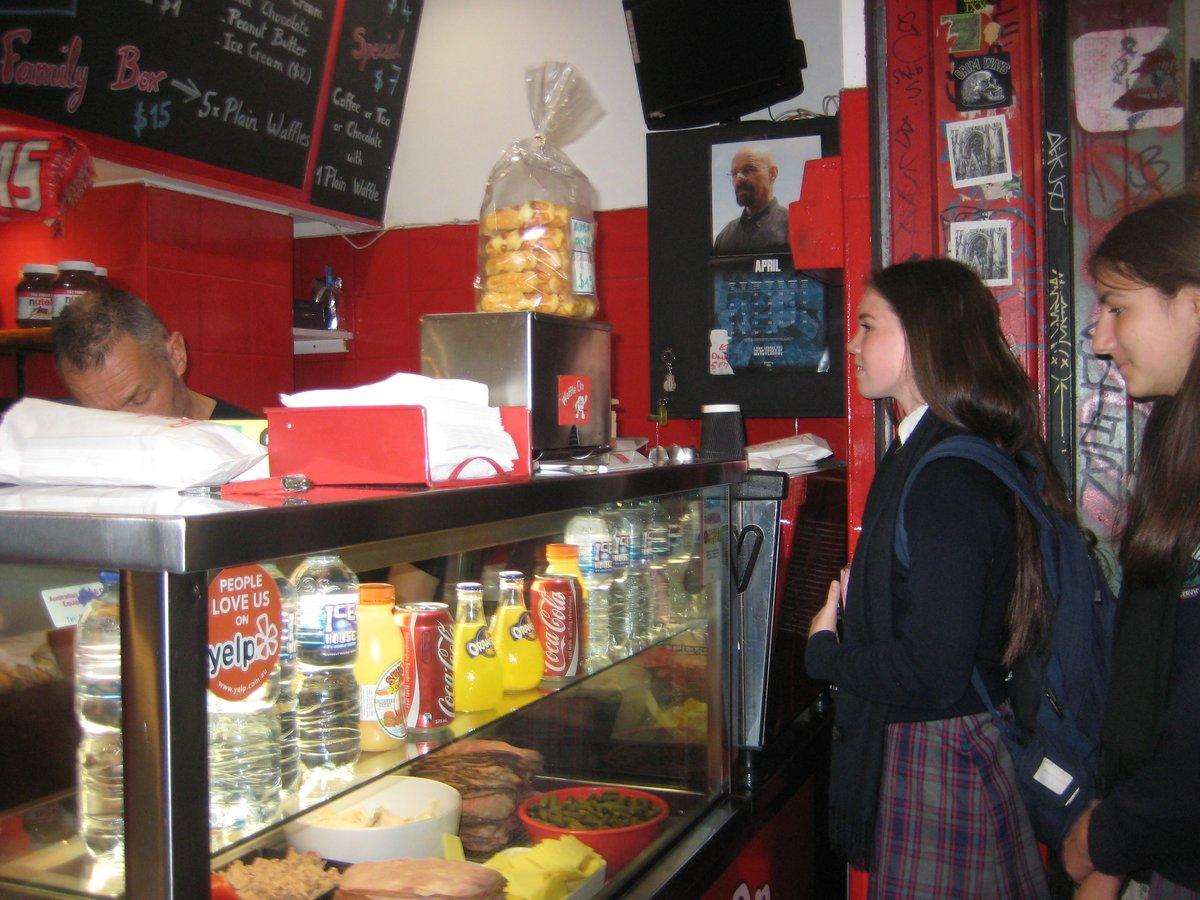
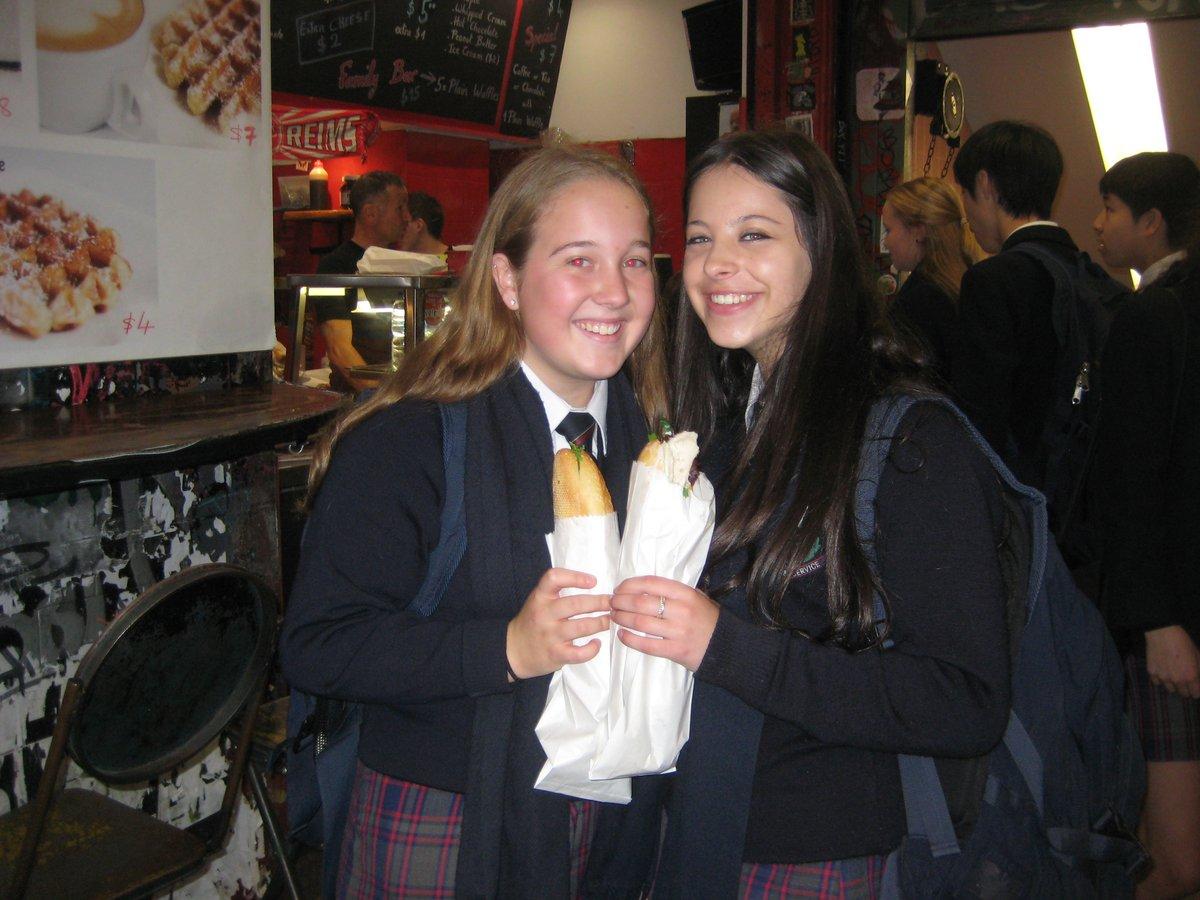
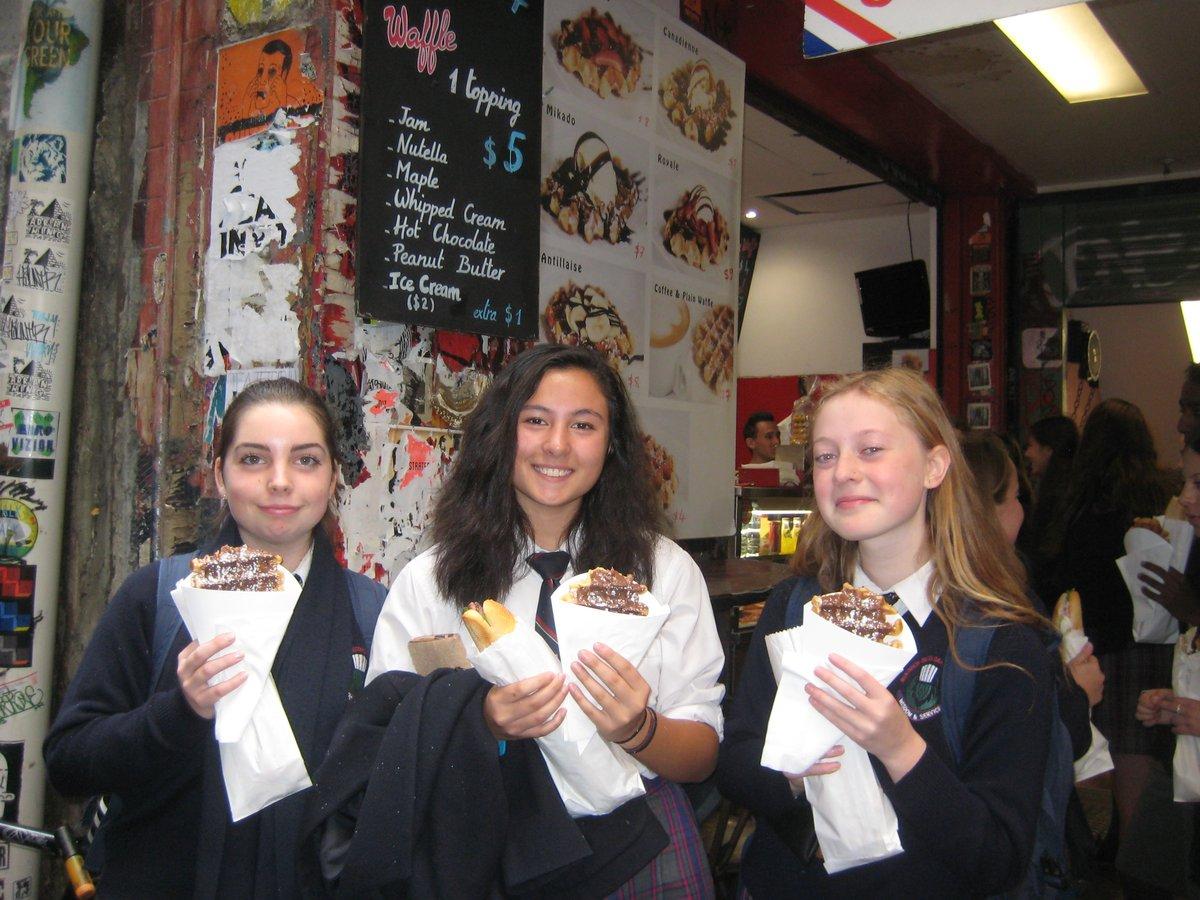
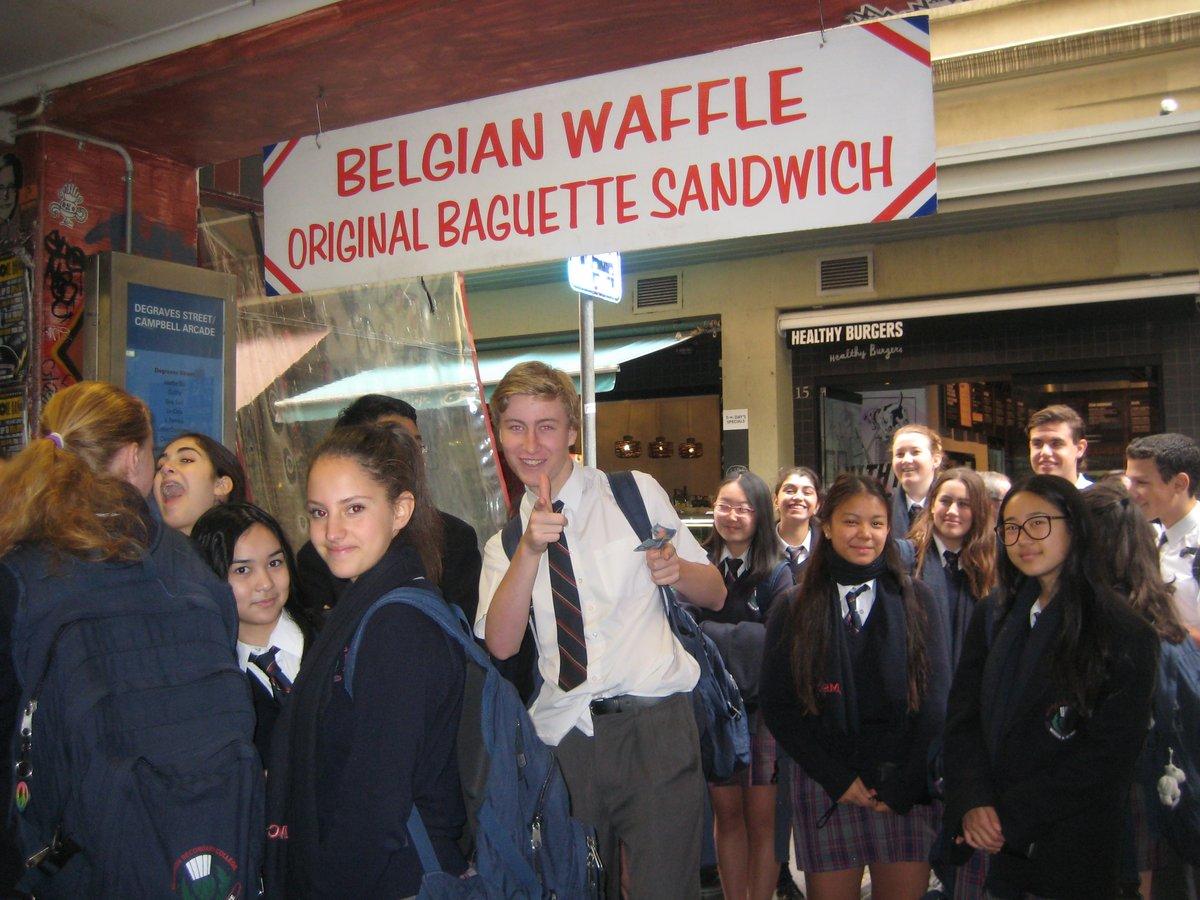
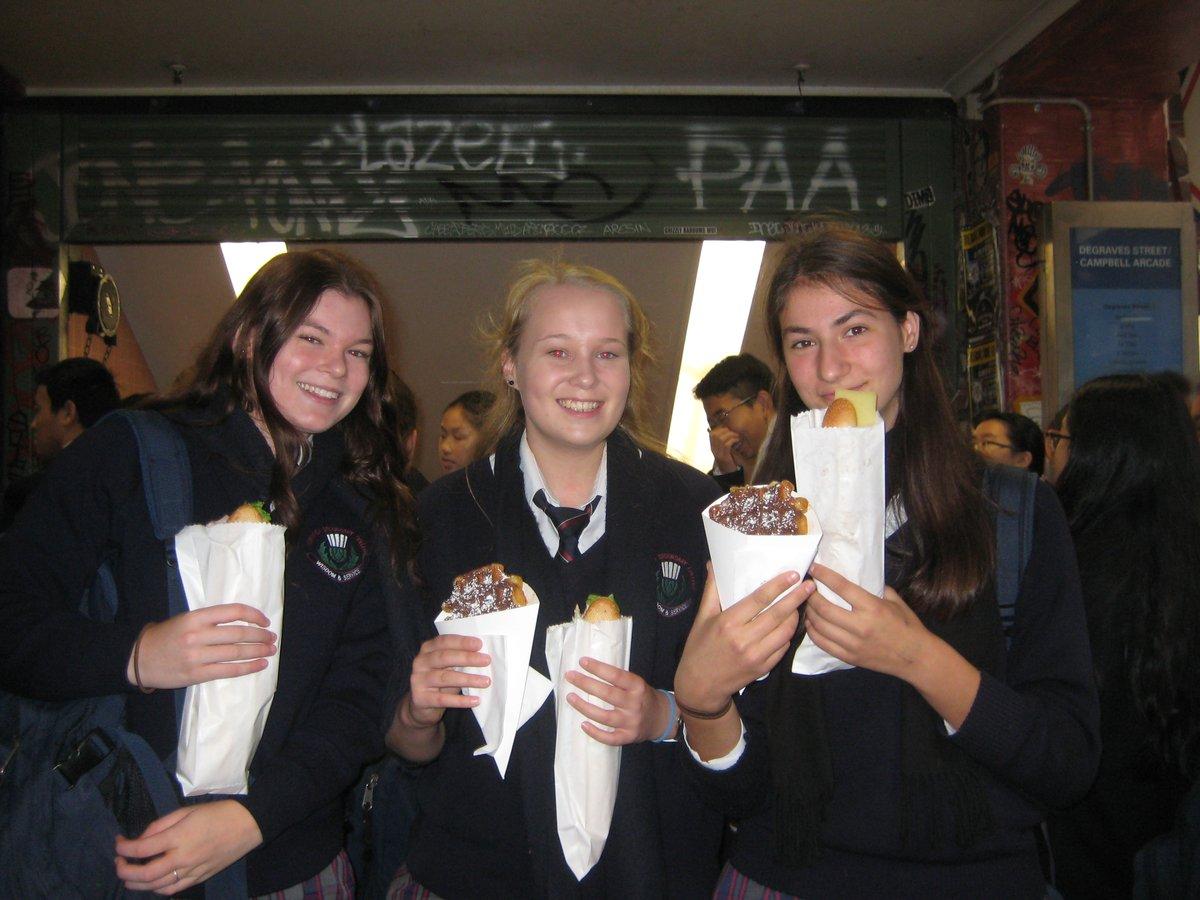
We then sought a traditional lunch of baguettes, gaufres (waffles) and Orangina from a Belgian sandwich shop, Waffle On. The students had to resist the temptation of eating their lunch until we walked to the Alexandra Gardens and sat on the grass.
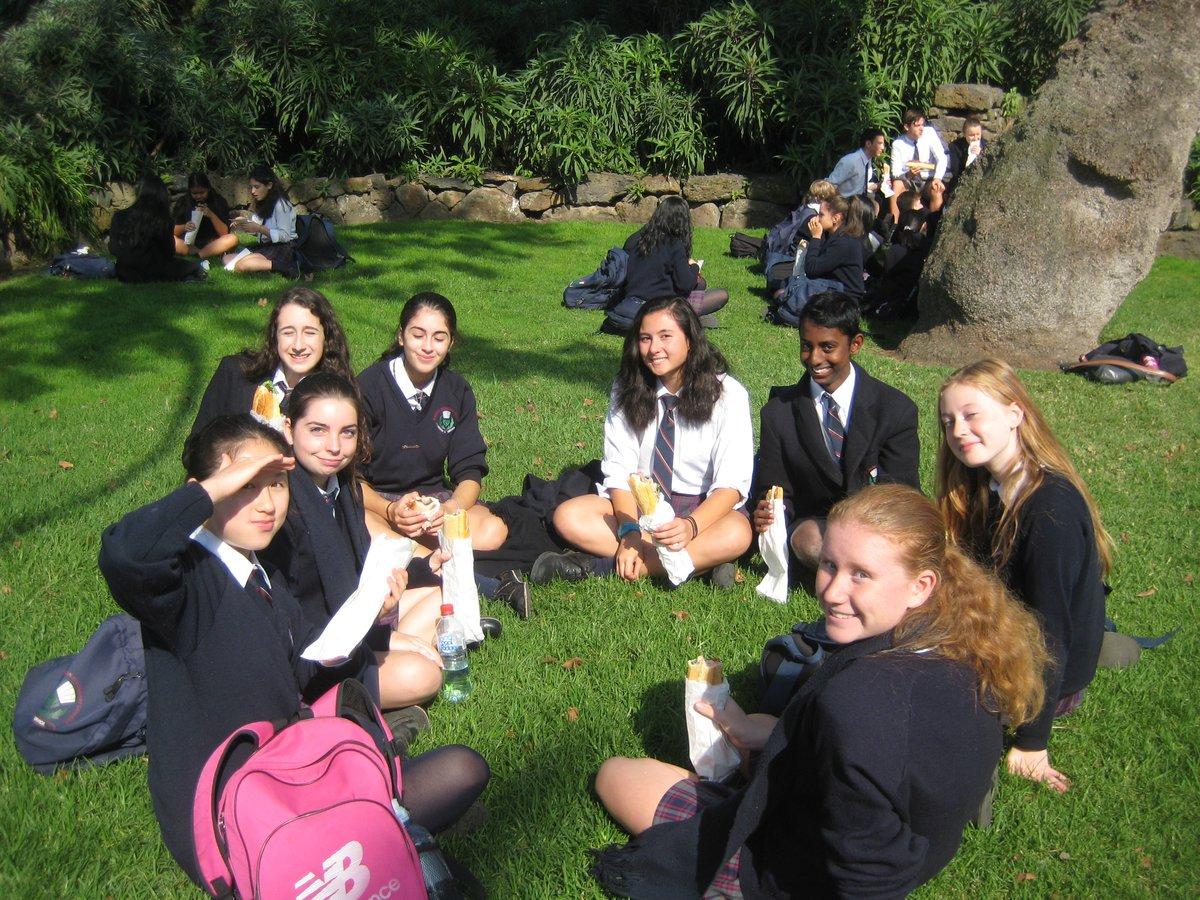
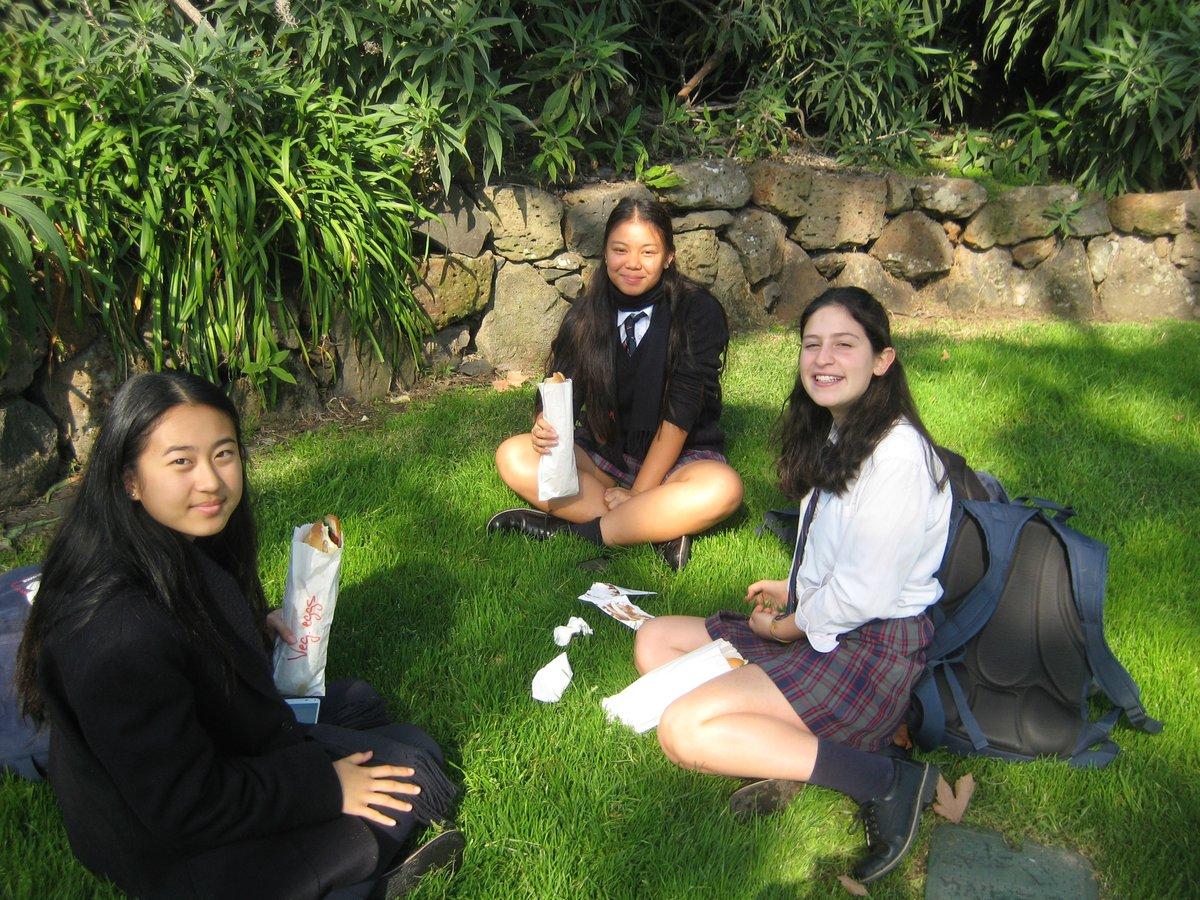
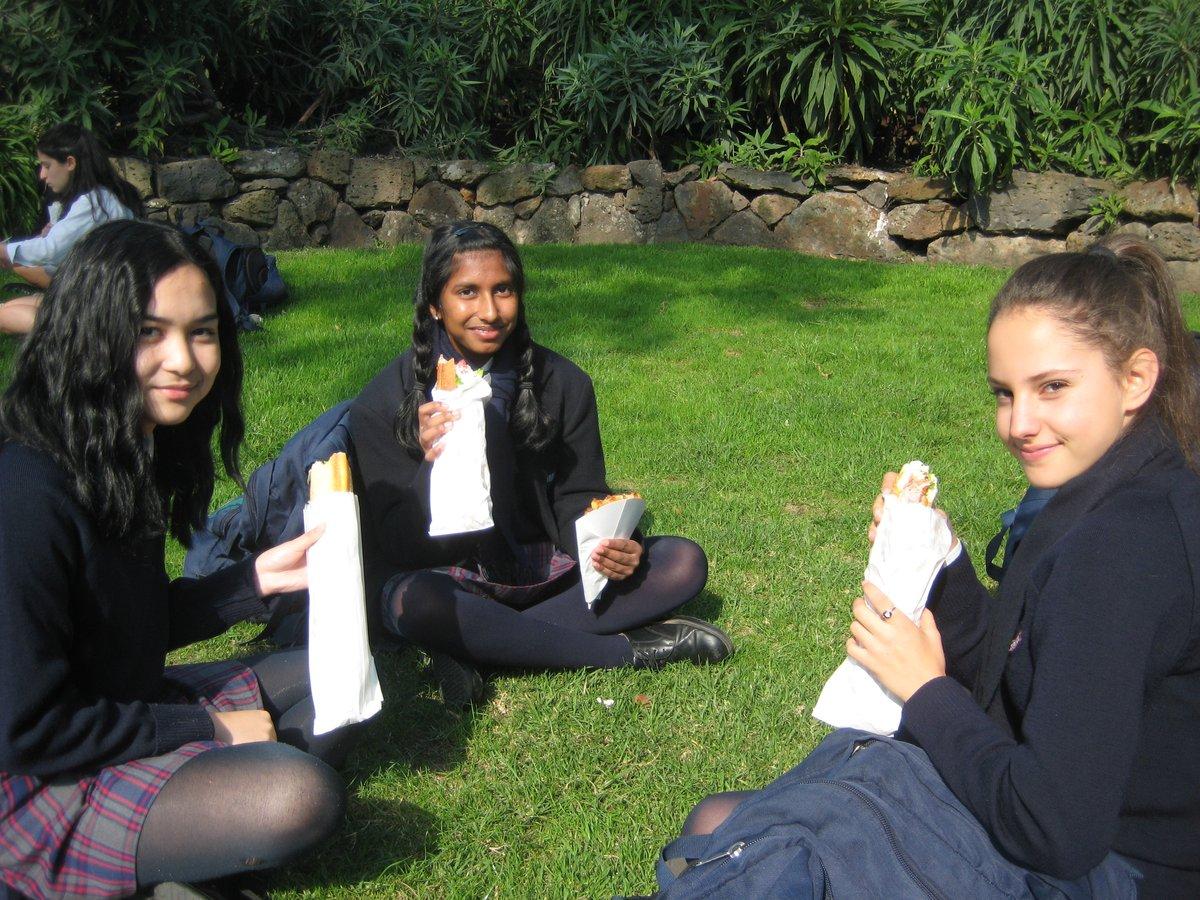
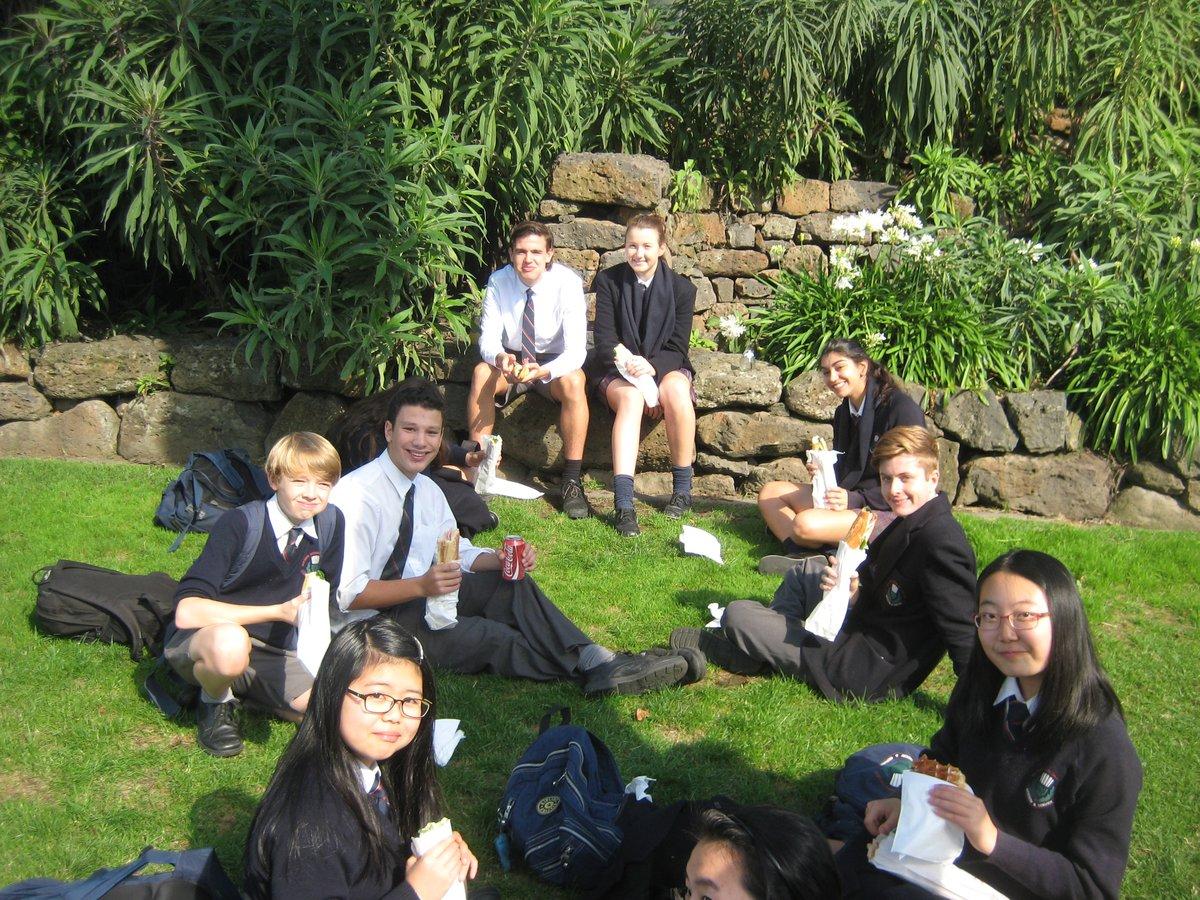
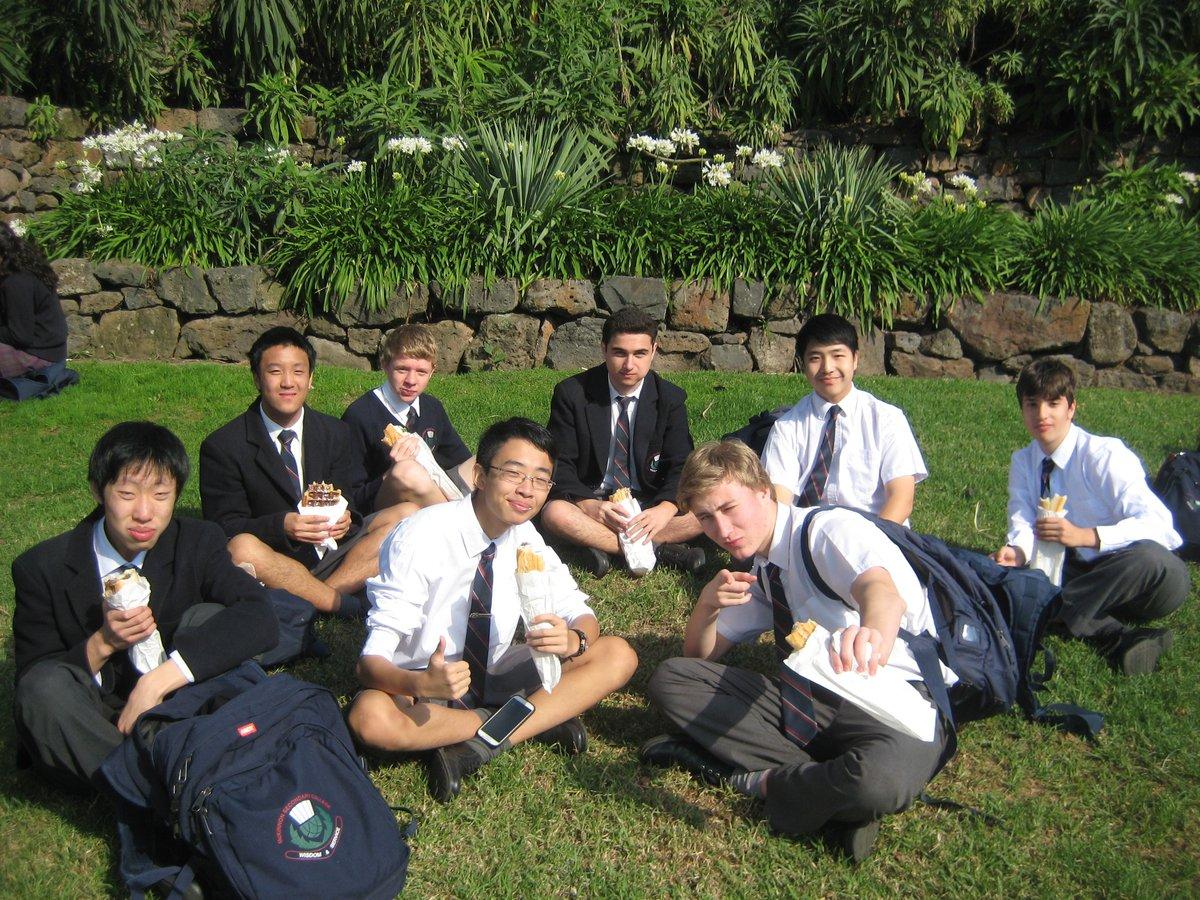
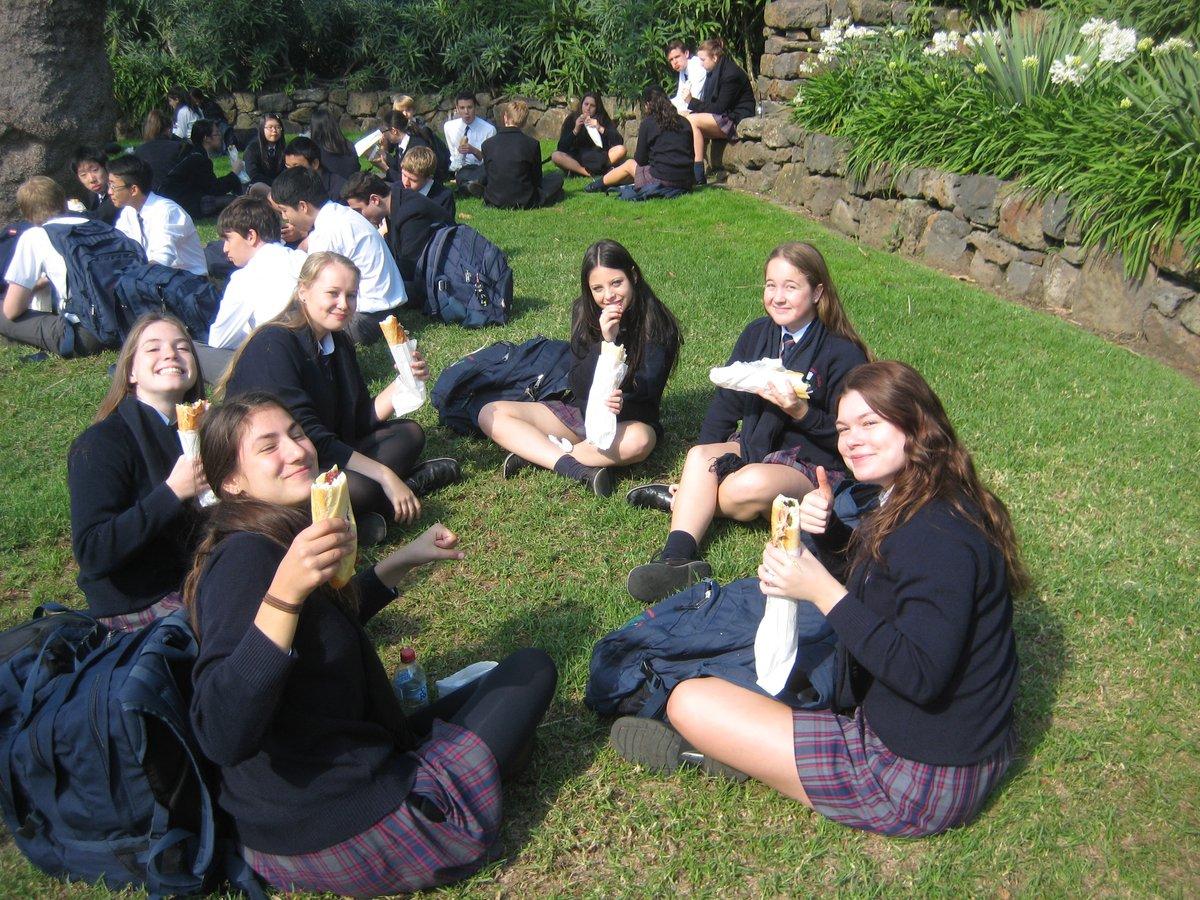
The students really enjoyed the day and will now complete projects that allow them to research a particular painting or artist that they liked, and then complete a creative task in response.
Kellie Dickson
French Teacher
INTERCULTURAL CAPABILITY - A Reflection on Learning during Exchange Programs
After my return from Germany last week, I was again grateful for this exchange program that I shared with the participating students.
When our students fell into their host students’ and host parents’ arms and tears of sadness could hardly be stopped when we left, I knew that something special had happened during these weeks. I had observed this group of 42 students over four weeks in Germany and felt that they had grown quite substantially.
They had tough challenges ahead of them on their arrival. They had to live within a family that they had not met before (although they had the big advantage that they knew already their host sister or brother, but only had some contact with the rest of the family via Skype), walked the streets of a country that most of them had never visited before, and if then, most likely as tourists, and accompanied by parents and attended a school system that is quite different than ours.
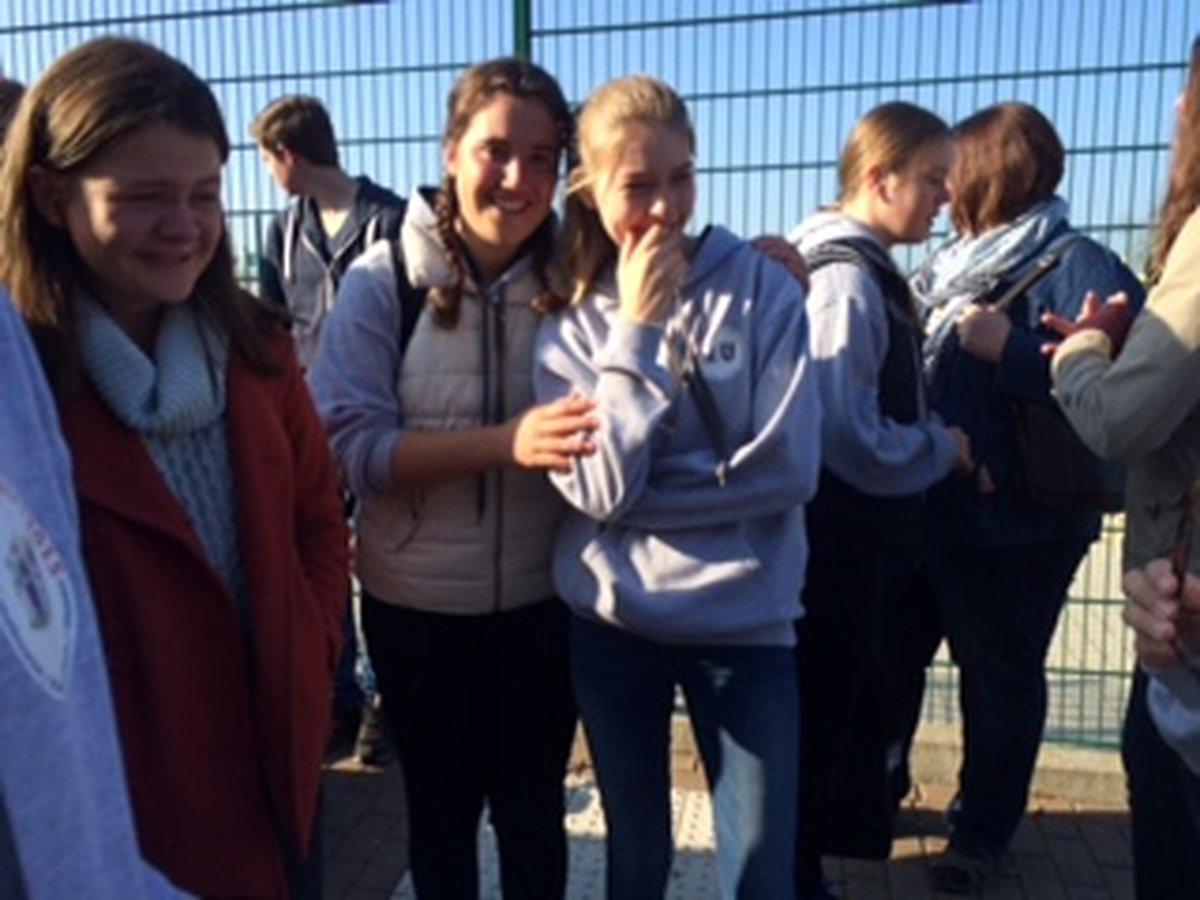
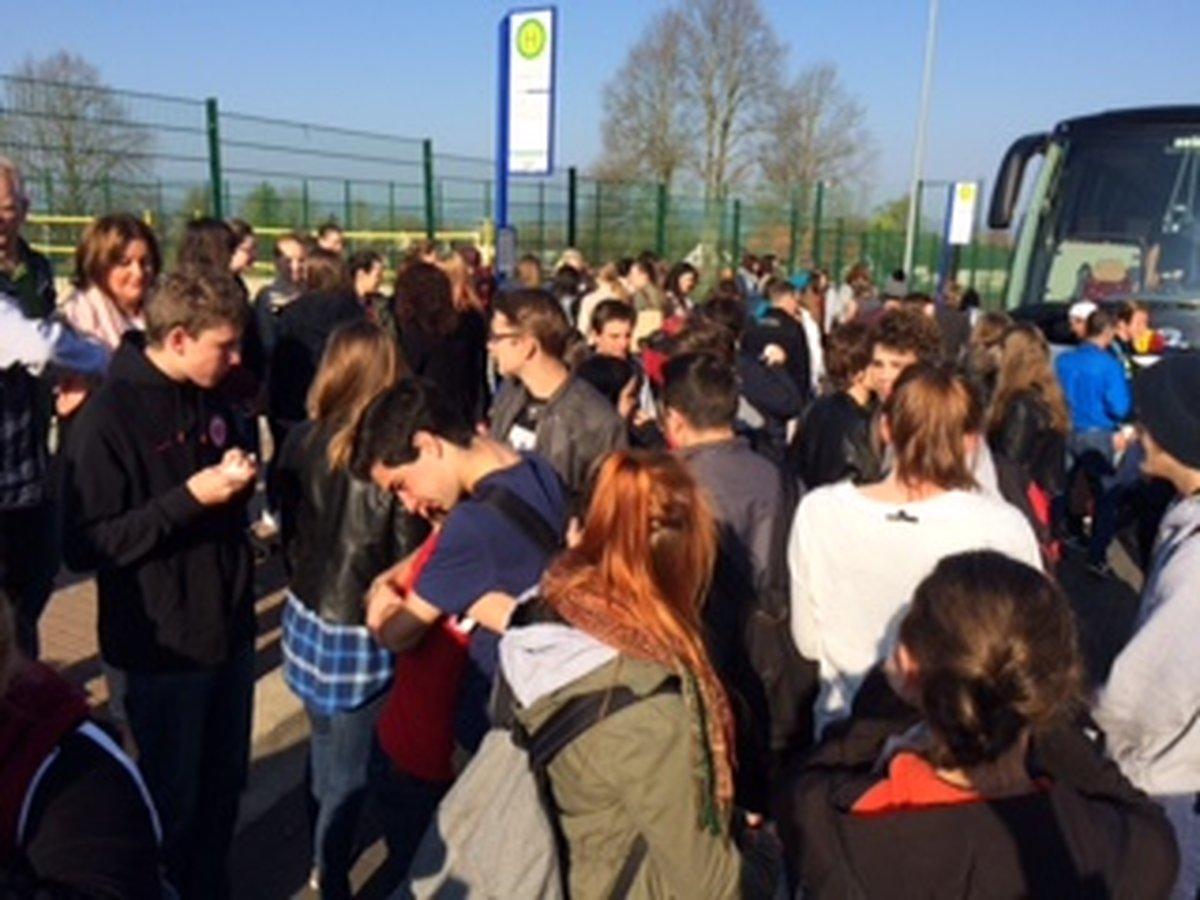
This experience was different. Family life was definitely not the greatest challenge, as many Germans speak English quite well. But misunderstandings could be experienced when students or host families were unable to express an issue in the other language. Germans also might seem rude and direct, the British politeness is not engrained in the German nature. To overcome situations of doubt or misunderstanding, it became evident to the students how important language and communication skills are. They also became quite aware of the different body language and colloquial differences in the language and many observed that there was a quite different language amongst teenagers themselves.
Living the German life also meant early mornings, big lunches and smaller dinners, six lessons from 8:10am to 1:15pm and maybe up to another four periods in the afternoon. The German families offered many cultural and social events and students experienced a German Easter festival and traditions. Most students had a busy schedule nearly every day, they battled a lack of sleep and a huge amount of experiences that they will still reflect on in the coming weeks and months.
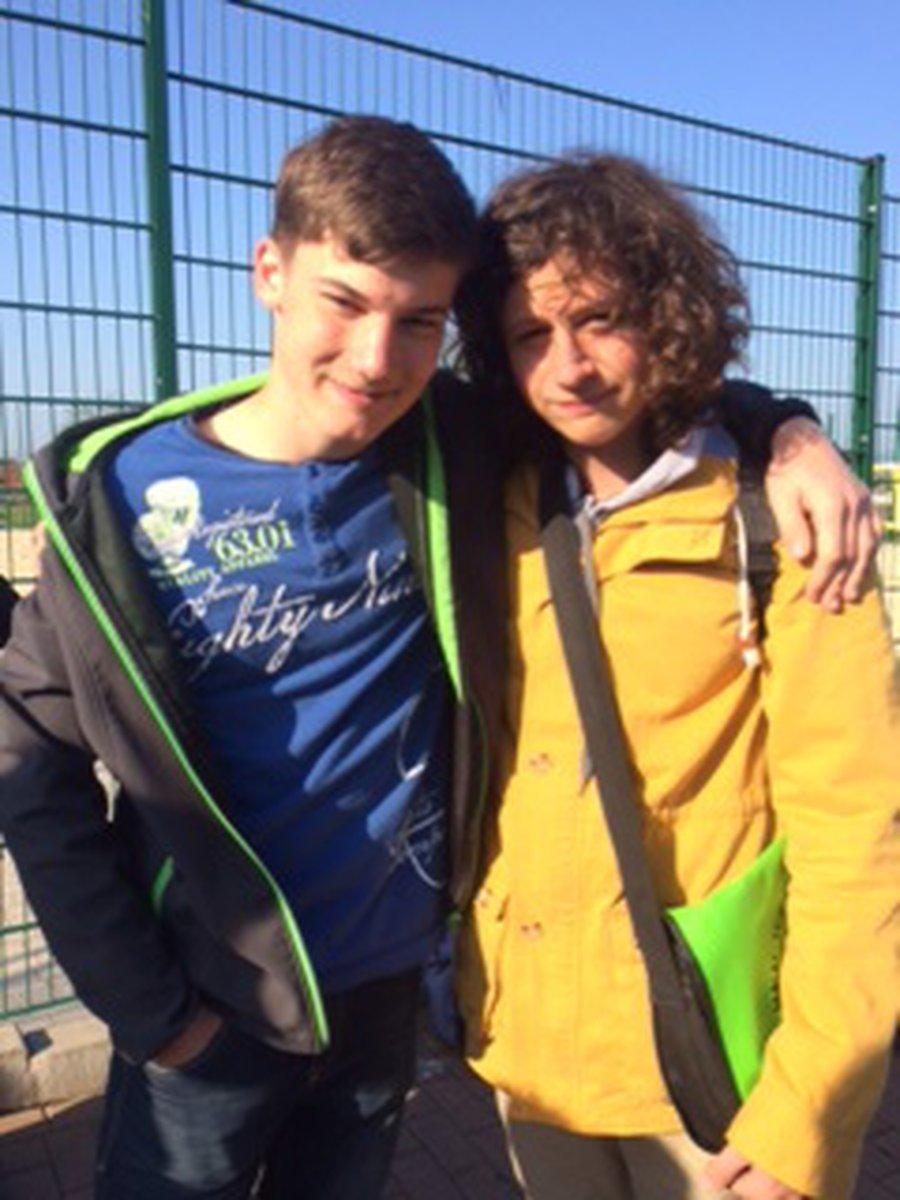
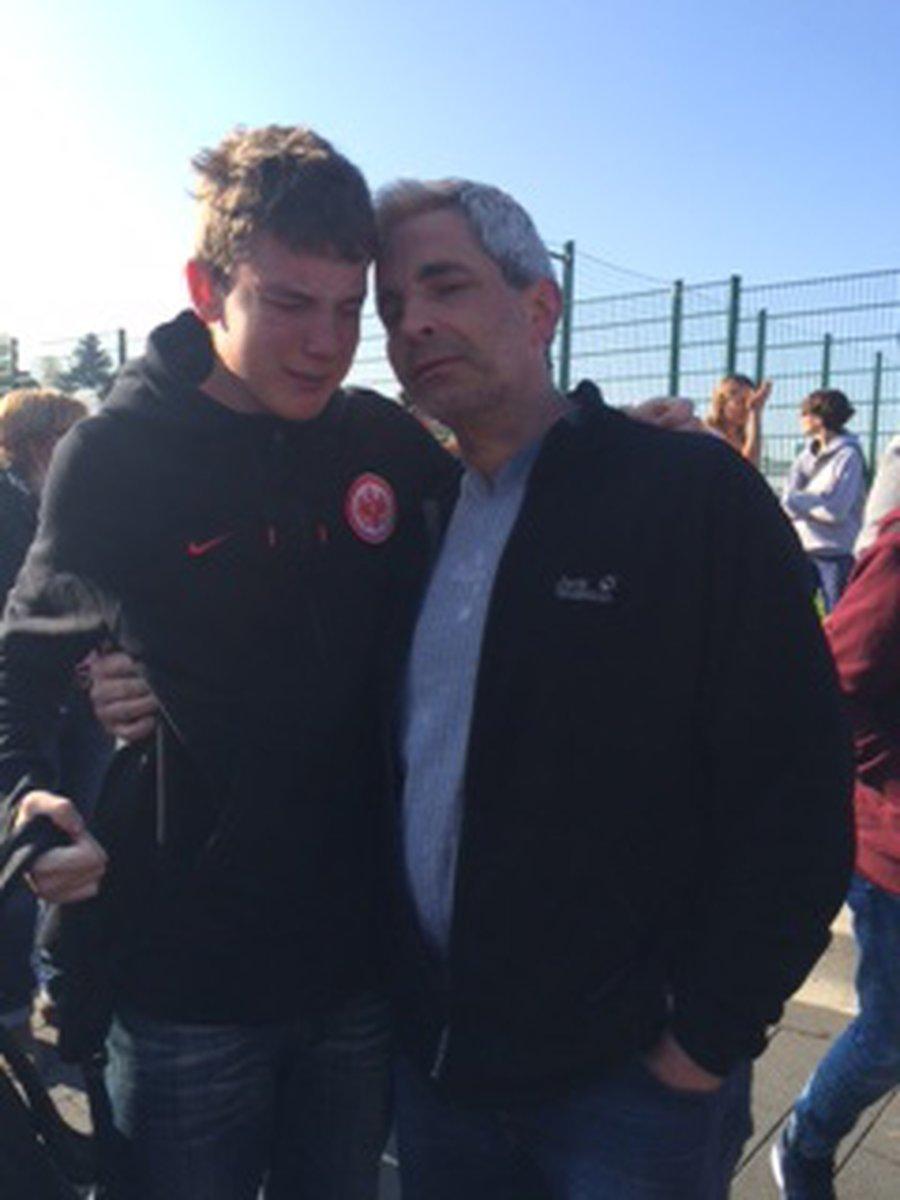
Most adults would have trouble coping with situations like that and I am proud to say that our students managed most of these situations with openness, curiosity and great acceptance of similarities but also differences. For some of our students this was already a third or fourth culture that they live in and they embraced the offer of getting to know another one. Their interest in learning and expanding themselves not only on their individual language level, but also on a social and cultural level, confirmed to me that exchange programs really provide the opportunity for students to achieve intercultural capability, one of the 21st century skills that these young global citizens will require in the future.
Andrea Fowler
KLA Manager Languages
UPCOMING LANGUAGE FILM FESTIVALS
The German Film Festival organized by the Goethe Institut is presenting a huge selection of German movies from Wednesday 13 to Sunday 31 May. Some screenings are followed by Q&As.
Check the program at Goethe.de/ozfilmfest
The Melbourne International Film Festival will be screening movies from 30 July to 16 August. The MIFF offers a range of movies from France, Japan, Germany, Colombia, Italy, Taiwan and Australia. The MIFF is the biggest international movies festival in Australia. Miff.com.au/nextgen
Andrea Fowler
KLA Manager Languages