
Wellbeing
Yenella News - Wellbeing Group
Wellbeing
Yenella News - Wellbeing Group
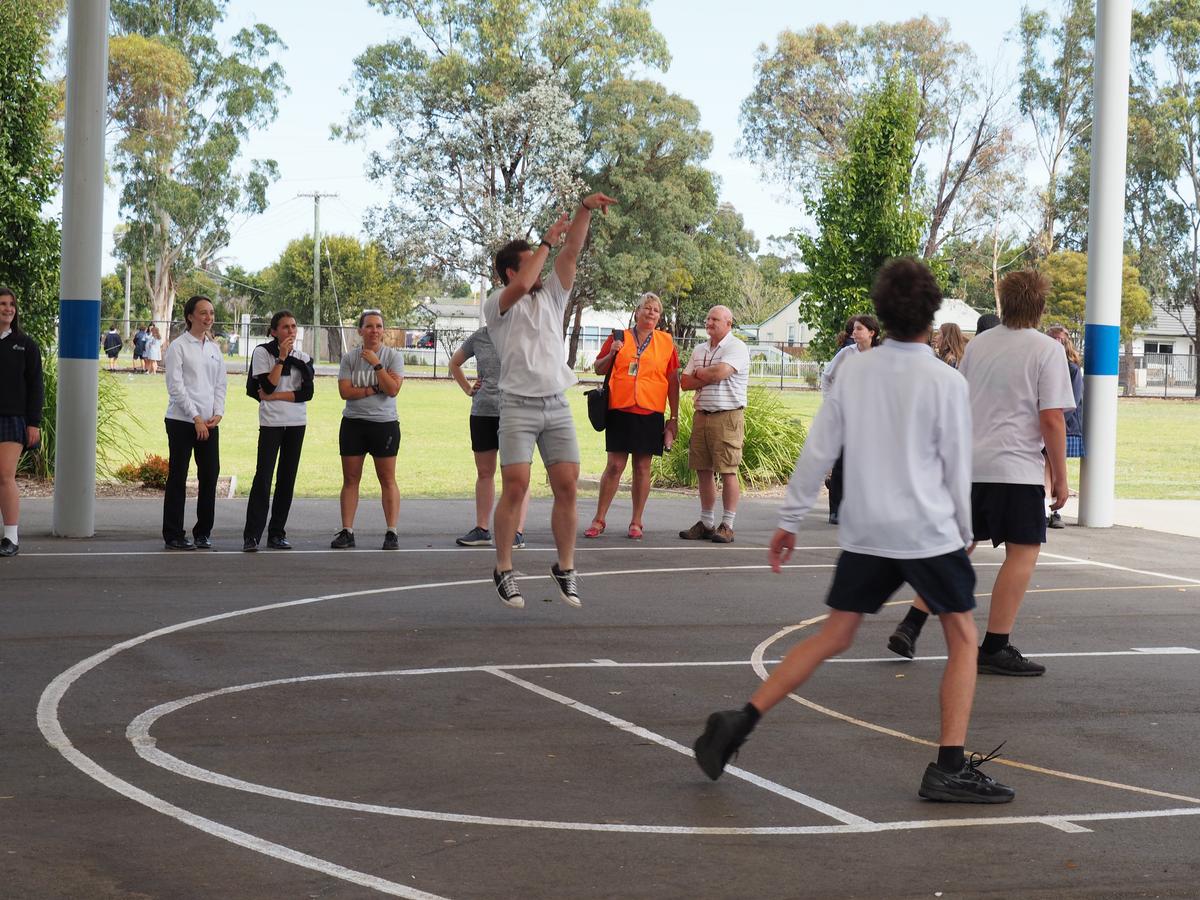
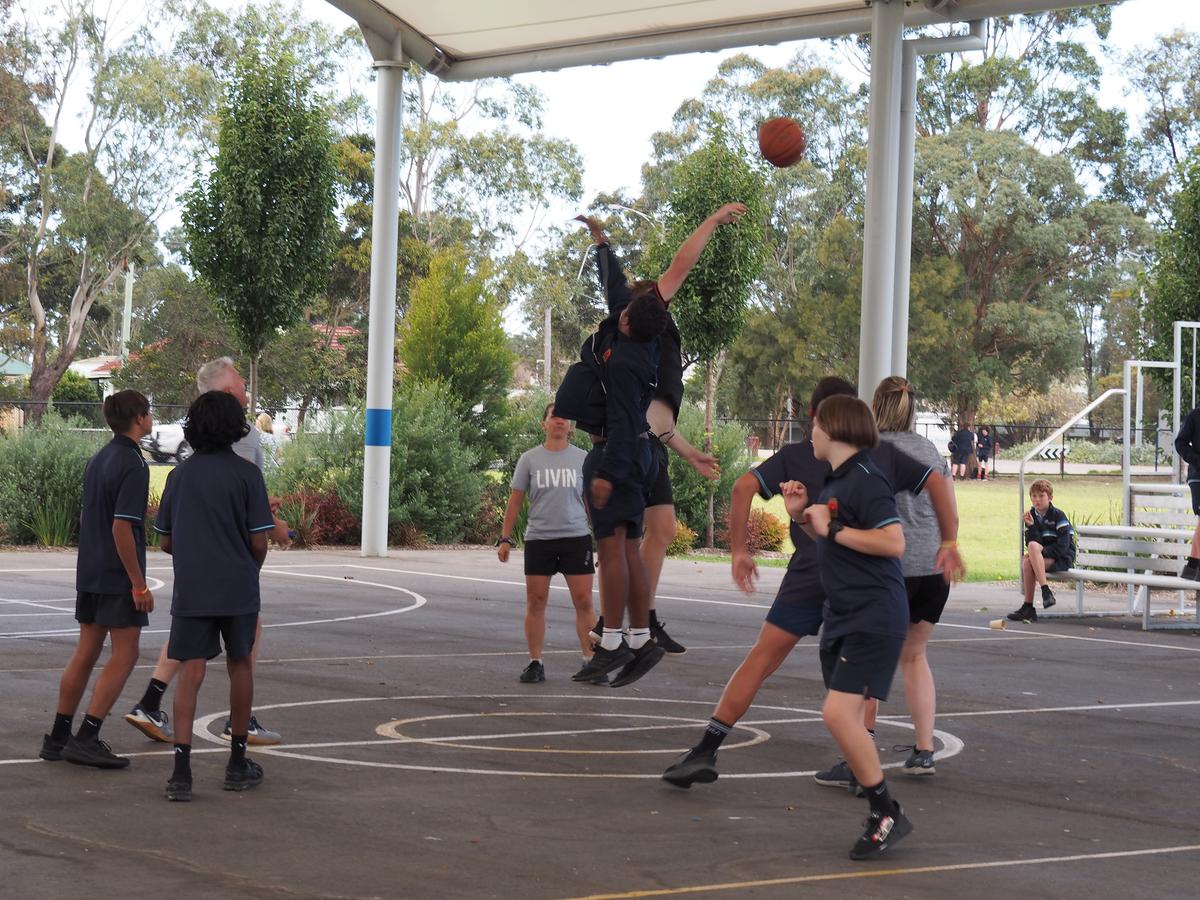
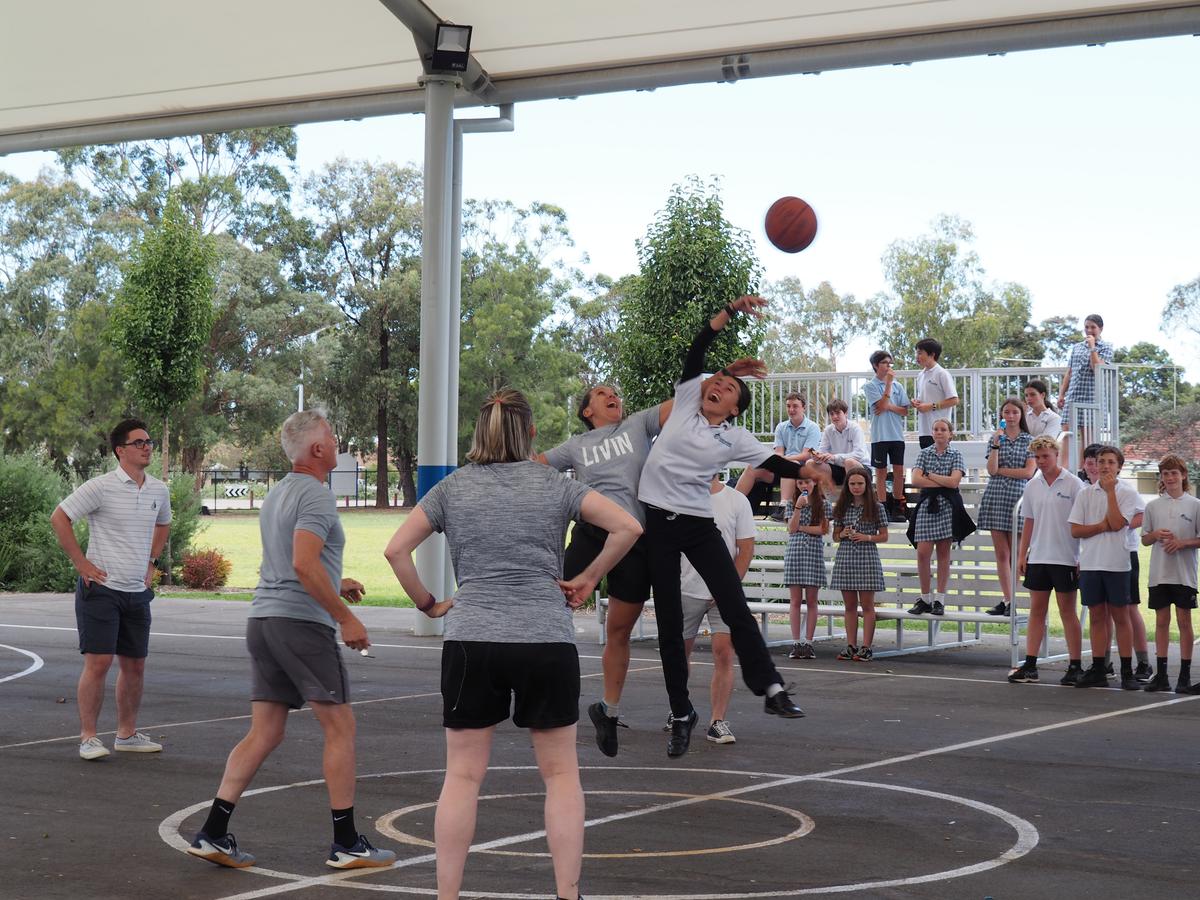
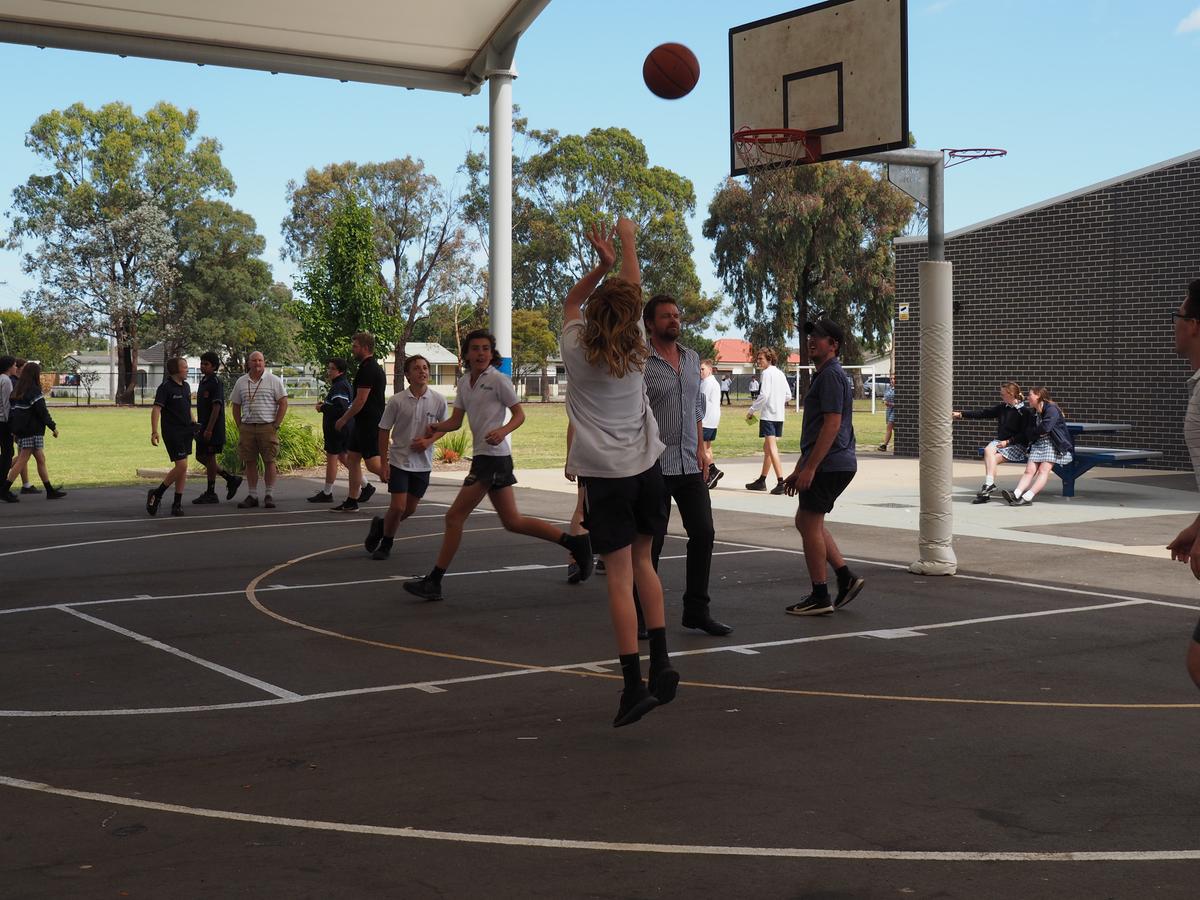
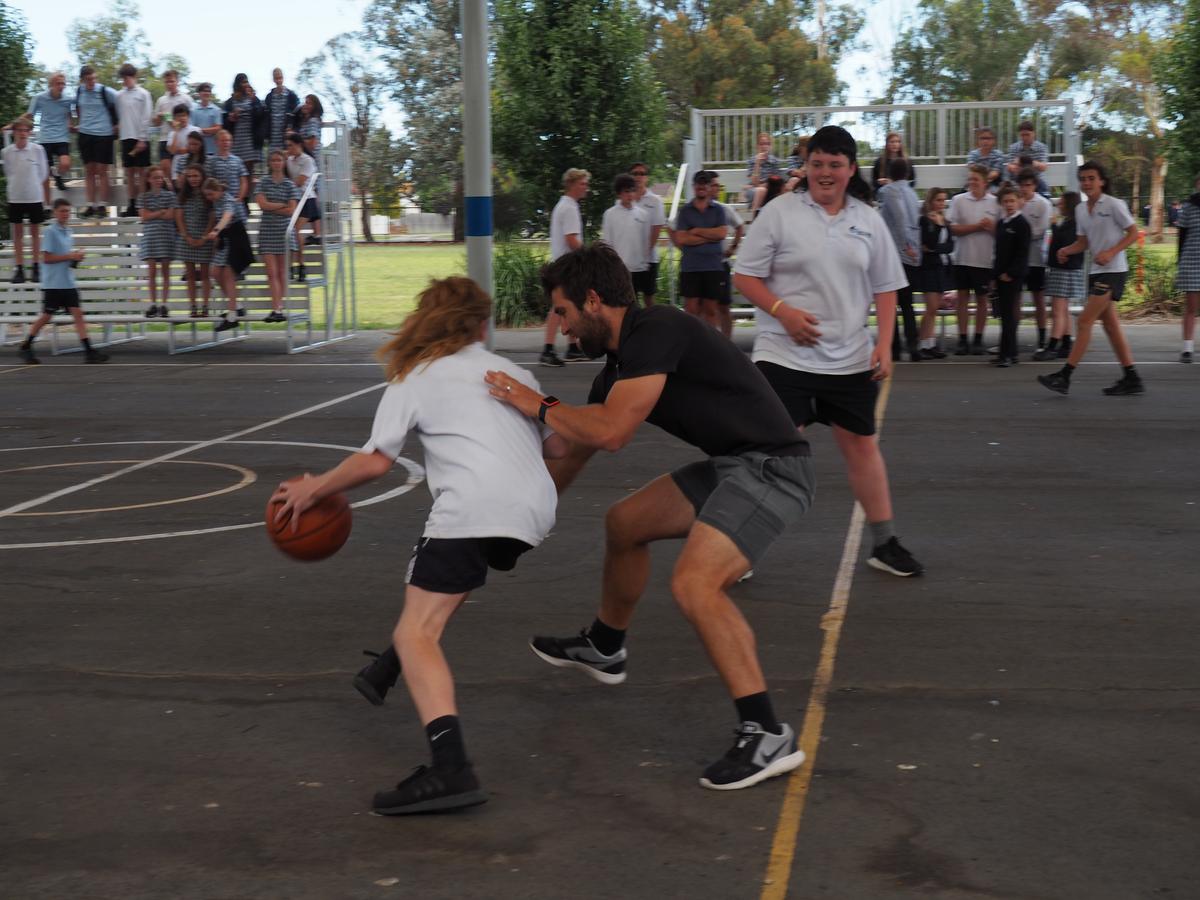
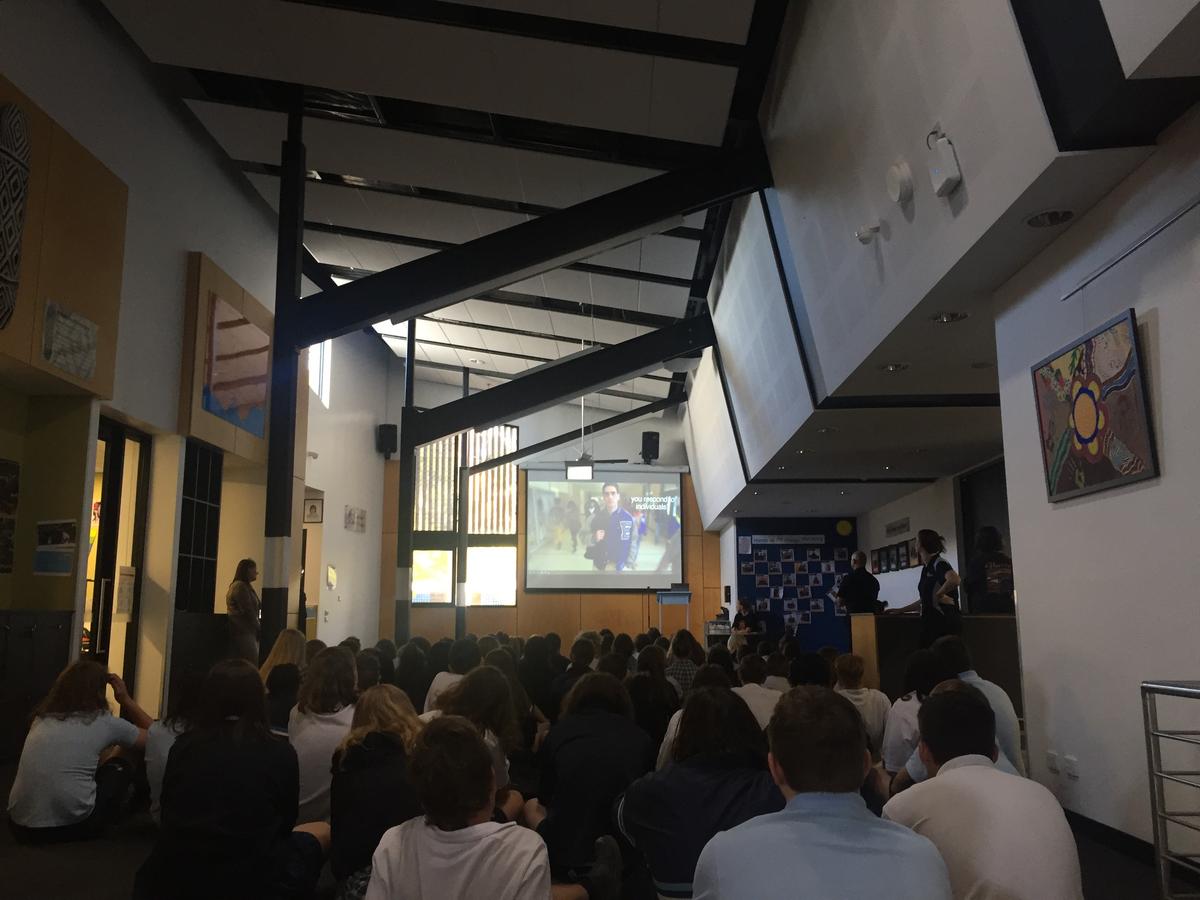
On the 19th of March Bairnsdale Secondary College honoured National Day of Action against Bullying and Violence.
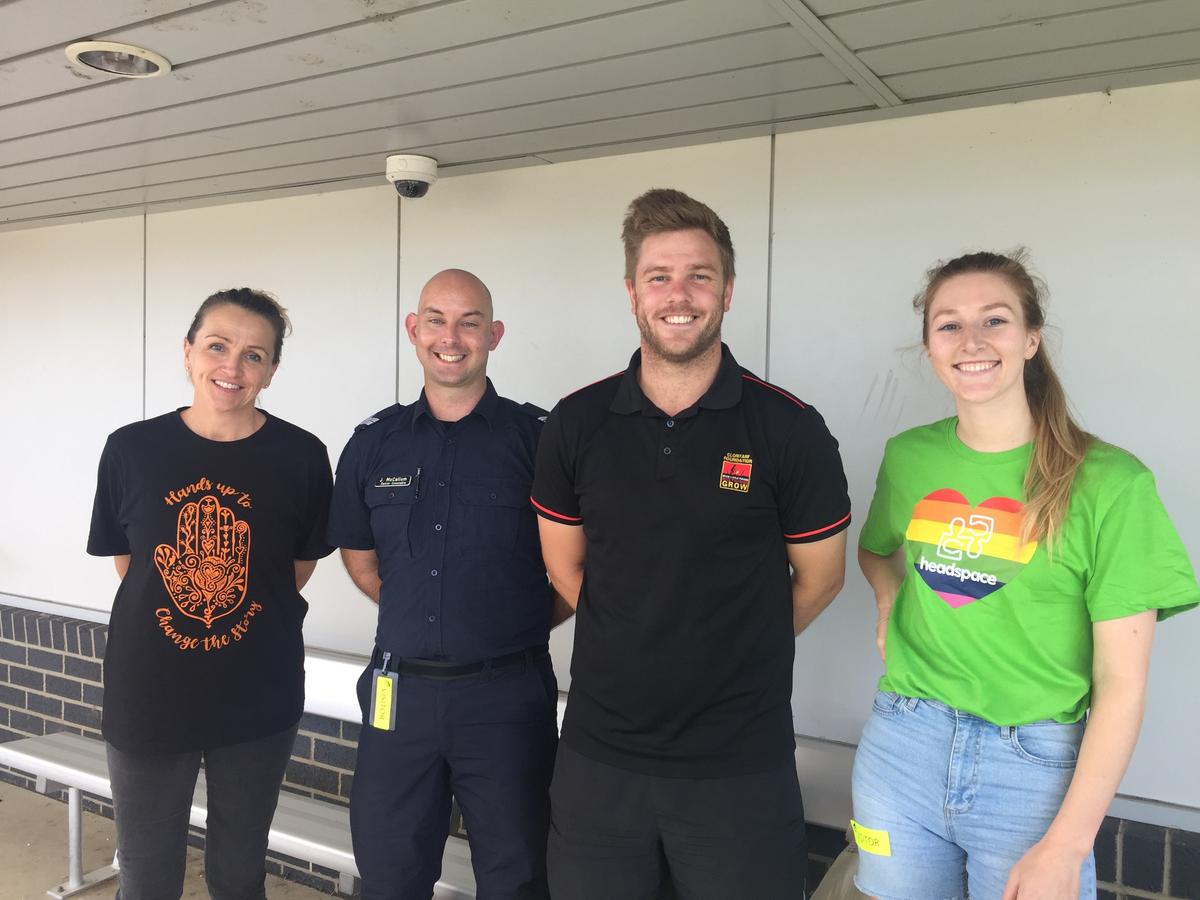
Year 9's had split sessions listening to Justin the Youth Resource Officer talk about bullying and violence and his work supporting youth. We were also very fortunate to have Justin stay with us for the rest of the day, visiting classes and allowing students to ask any questions, including about Justin’s work, the law, and how anyone can reach him if they’d like to chat.
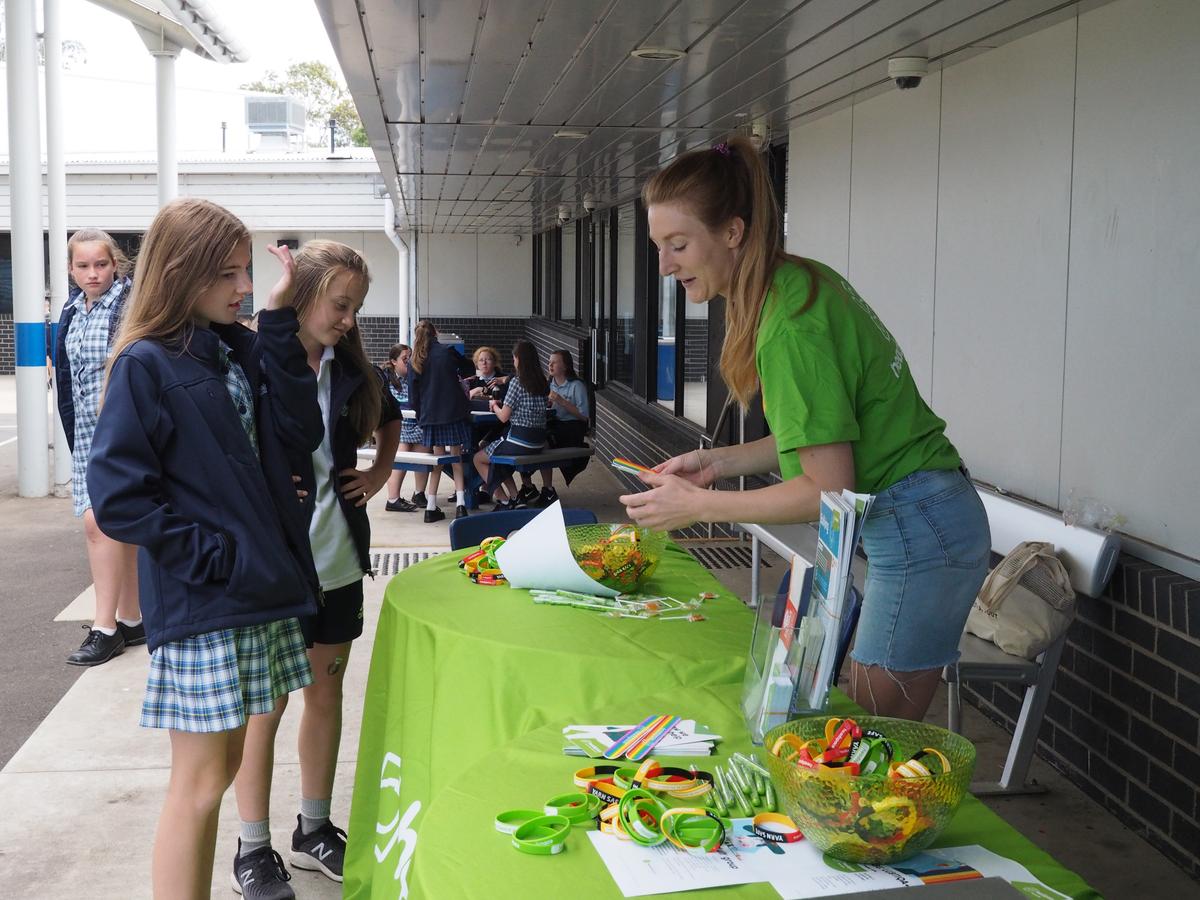
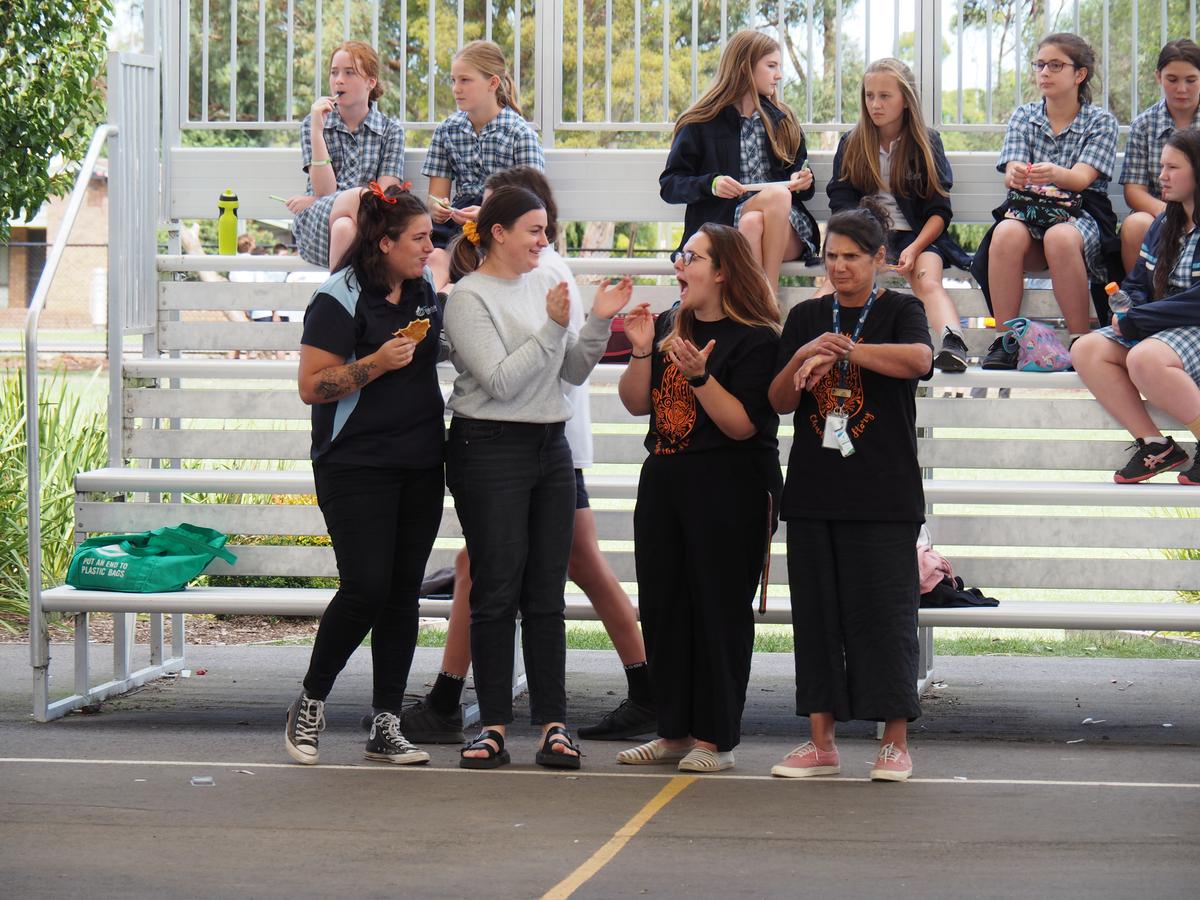
Lunch time we welcomed guests from Headspace Bairnsdale, Brydie and Faith who gave out goodies as well as Headspace information for students to read and share. We hope student’s took advantage of meeting and speaking to Headspace and use all the information pamphlets, wristbands and cards given that day to their advantage.
We know holidays are coming up and students may find themselves bored or unsure what to do to stick to routine, we recommend students to check out Headspace Bairnsdale and if they’d like to find and follow them on Instagram and Facebook.
The Wellbeing Team would also like to say a big thank you to all our guests who came along for the day and spent the day with our students. Thank you to the students who used the day to ask all the tricky questions and treated our guests with great respect and politeness; thank you to all the attentive listeners and fabulous questioners!
First Nations Foundation - My Money Dream Workshop
Girls at the Centre have participated in this workshop which aims to empower Indigenous Women to increase their knowledge of economy and give girls the tools to have financial wellness. Students have learnt about banking basics, superannuation, buying a home, insurance and financial stress strategies. The final workshop was held in week 9 of Term 1. This opportunity has prompted the girls to start thinking of their financial future as many are now seeking or have employment after school hours. Eight students participated in this workshop, they now have access to the training for 12 months and can continue their development and knowledge. G@TC will have a follow up session during the year to review the girls progress and get their feedback on the program.
Hopefully over the holidays we all can make time to rest and perhaps create a new routine around sleep. Researchers recommended teenagers should be getting 8-10 hours a sleep a night.
Margo our Mental Health Practitioner is often speaking with students who have sleep issues. Margo has provided the following information regarding the importance of sleep.
A reminder our school Doctor is onsite on Wednesday's for students wanting an appointment. Appointments can be made by contacting your Hub or by phoning the Wellbeing mobile on 0437 014 431 or by email wellbeing@barinsdalesc.vic.edu.au
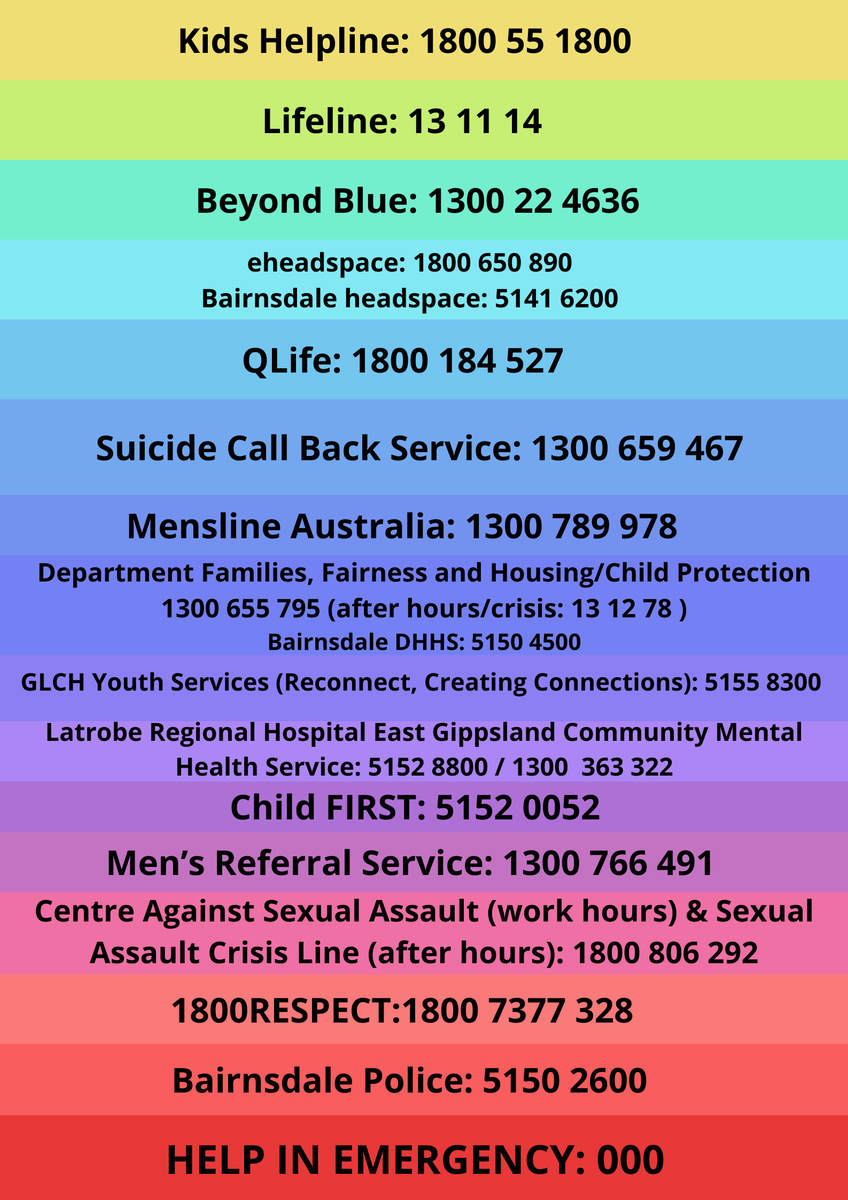
School holidays can be a time of relaxation and peace for some , but unfortunately for others it can be a challenging time. The Wellbeing team will not be available until school returns, however there are many support services our students or families can access if needed.
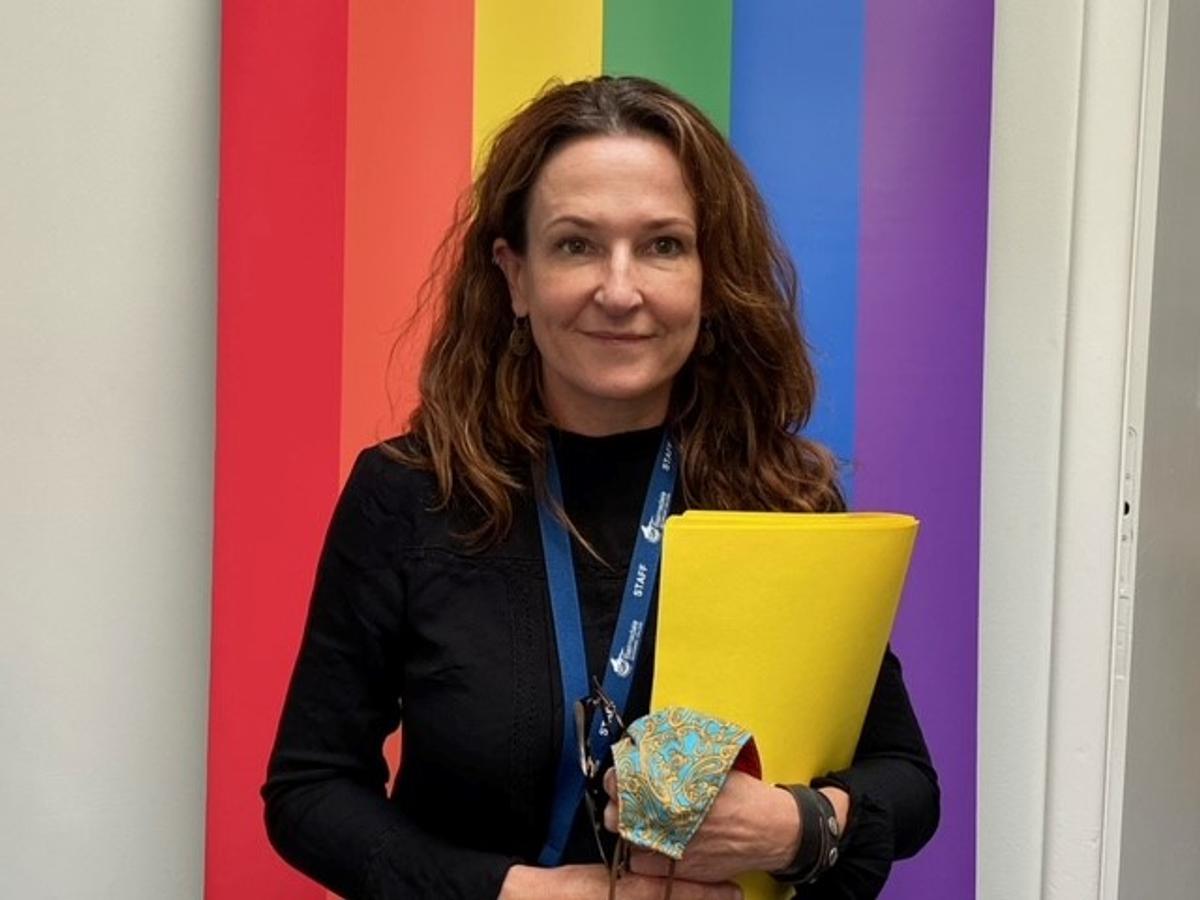
Kerrianne Crane is our College's Bush fire Recovery Practitioner available to support students and families impacted by bushfires. Kerrianne has provided the following information and is onsite on Wednesday's if you would like to chat.
Recommendations from David Younger, Clinical Psychologist
Introduction and Expectations
Over 12 months have passed since the fires. Whilst it may seem like life should be back to ‘normal’ by now, for many living in fire affected communities this is far from the case.
As people begin their ‘second year of recovery’ they are often starting to look ahead more. The first 12 months can be chaotic, highly disrupted, stressful and tiring, but gradually routines start to come back into place.
During the second year, tiredness and fatigue may be felt, along with the realisation that there is still a lot of recovery related work to be done. We have come to understand that ‘recovery is a journey not an outcome’. Therefore, it is important to find a speed for recovery that is right for you and will support you in staying healthy.
Below are some suggestions about how to take care of yourself and others (adults, children and youth) during the second year.
What to look out for
What to do to support yourself and others